
Индияда липосакция: техникалар, чыгымдар жана калыбына келтирүү графиги
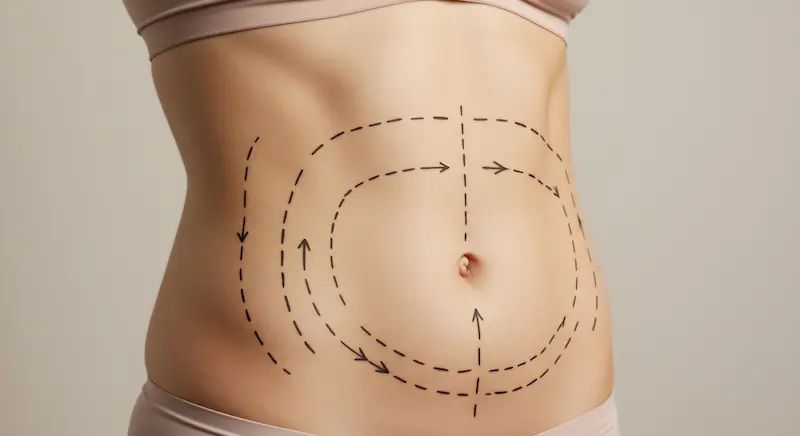
Liposuction is the most commonly performed cosmetic surgical procedure in the United States, with 347,782 procedures reported in 2023 alone, a 7 percent increase from the previous year, according to the American Society of Plastic Surgeons. Globally, that number runs well into the millions. The reason so many people pursue it is straightforward: some fat deposits do not respond to diet or exercise, regardless of how much effort goes into either.
The fat cells on the inner thighs, flanks, lower abdomen, and under the chin exhibit a biological stubbornness that lifestyle changes cannot address.
What most people research later, and should understand first, is that liposuction is a body contouring procedure. It is not a weight-loss tool, an obesity treatment, or a shortcut around the work of getting to a healthy weight. The best results go to patients who are already close to their target weight and want to reshape specific areas that remain disproportionate despite their overall fitness.
India offers the full spectrum of liposuction techniques at 60 to 70 percent lower cost than in the United States or the United Kingdom, performed by board-certified plastic surgeons at JCI- and NABH-accredited facilities. For international patients from the GCC, Africa, Southeast Asia, and Australia, that combination drives a significant and growing flow of medical travel for body contouring procedures.
What Does Liposuction Do and Who Is It Actually For?
Liposuction removes fat cells permanently from targeted areas. Once removed, those fat cells do not return. If the patient gains significant weight afterwards, the remaining fat cells in the treated area expand alongside those in untreated areas, which is why weight stability before surgery is a clinical prerequisite.
What it changes well:
- Localised fat deposits resistant to diet and exercise
- Disproportionate areas relative to overall body size
- Body contour and silhouette when used by a surgeon with genuine aesthetic judgment
What it does not change:
- Cellulite, which involves the fibrous tissue beneath the skin rather than the fat cells themselves
- Loose or sagging skin in patients with poor skin elasticity
- Visceral fat (the deep fat around internal organs), which surgery cannot safely access
Who Is a Good Candidate for Liposuction?
The patient profile associated with the best outcomes is fairly specific:
- BMI under 30 at the time of surgery, ideally below 28
- Stable weight for a minimum of six months before the procedure
- Good skin elasticity, which allows the skin to retract smoothly after fat removal
- Non-smoker, or prepared to stop at least six weeks before and after surgery
- Specific, localised areas of concern rather than generalised excess weight
Patients with BMI above 35 face significantly higher complication rates from any liposuction technique. Most experienced surgeons in India rigorously apply these criteria for candidacy. Patients who arrive expecting dramatic weight reduction and have not yet reached a stable target weight are not good candidates regardless of where the surgery is performed.
What Are the Main Liposuction Techniques Available in India?
The procedure has evolved considerably over the past two decades. Choosing a technique is not purely a patient preference. The right choice depends on the body areas being treated, the volume of fat being removed, skin quality, and whether fat transfer is planned.
Tumescent Liposuction
Tumescent liposuction involves injecting a large volume of saline solution containing lidocaine (a local anaesthetic) and epinephrine (which constricts blood vessels) into the target area before fat removal. The injected fluid firms the fat, making it easier to remove, and epinephrine reduces bleeding by up to 90% compared to traditional dry techniques.
Every modern liposuction technique builds on tumescent infiltration as its starting point. For smaller areas under local anaesthesia, tumescent liposuction alone is safe and well-established.
VASER Liposuction
VASER (Vibration Amplification of Sound Energy at Resonance) uses ultrasonic energy delivered through a probe to break the bonds between fat cells and surrounding tissue selectively. The fat emulsifies before being removed, requiring less mechanical force from the cannula.
The practical advantages over standard tumescent technique:
- Removes up to 30 percent more fat than traditional cannula methods in dense fibrous areas
- Produces less bruising and swelling due to reduced mechanical tissue trauma
- Preserves the viability of harvested fat cells, making VASER the preferred choice when fat transfer to another area (such as Brazilian butt lift or breast augmentation) is planned
- Enables high-definition liposuction, where the surgeon sculpts defined muscular anatomy by removing fat selectively around underlying muscle borders
VASER liposuction costs more than tumescent-only procedures. In India, VASER costs range from USD 3,000 to USD 9,000, depending on the number of treated zones and the facility tier, compared with USD 8,000 to USD 15,000 at US clinics.
What Are the Energy-Based Alternatives to VASER?
Laser-Assisted Liposuction (LAL)
Laser-assisted liposuction uses heat energy from a laser fibre to liquefy fat cells before removal. The laser's heating effect on the dermis also stimulates collagen production, providing some degree of skin tightening that tumescent or VASER alone does not deliver.
The limitation is volume. Laser-assisted techniques work best in smaller, localised areas such as the chin, neck, inner arms, and knees. The heat generated limits the safe removal of fat volume compared with VASER, and the thermal energy destroys fat cell viability, making LAL incompatible with fat transfer procedures. SmartLipo is the best-known branded laser lipo system.
Power-Assisted Liposuction (PAL)
Power-assisted liposuction uses a mechanically vibrating cannula that oscillates at high speed, breaking up fat more efficiently with less physical effort from the surgeon. PAL is particularly useful for large-volume cases, revision liposuction in areas with fibrous scar tissue, and procedures on the back and male chest (gynaecomastia).
What Is High-Definition Liposuction?
High-definition (HD) liposuction is not a distinct energy technology but a surgical approach. It uses VASER-assisted fat removal to sculpt the abdomen, flanks, and chest with enough precision to reveal and enhance the natural contours of the underlying musculature. When performed on a patient with appropriate anatomy and muscle development, the result yields a defined, athletic appearance rather than a mere smaller silhouette.
HD liposuction requires a surgeon with specialised training in three-dimensional body sculpting. It is not appropriate for patients who lack sufficient baseline muscle development to achieve meaningful definition after fat removal.
What Does Liposuction Cost in India?
Liposuction costs in India range from USD 1,200 to USD 10,000, depending on the technique used and the targeted area. Below is a complete breakdown of the cost of various techniques and their comparison with clinics in the USA.
Approximate Price Ranges (2026 Updated)
Technique | India Cost (USD) | US Comparison (USD) |
| Tumescent (standard) | 1,200 to 3,500 | 3,000 to 7,000 |
| Power-Assisted (PAL) | 2,000 to 4,500 | 4,000 to 9,000 |
| VASER Liposuction | 3,000 to 9,000 | 8,000 to 15,000 |
| Laser-Assisted (LAL) | 2,000 to 5,000 | 5,000 to 12,000 |
| HD Liposuction | 4,500 to 10,000 | 12,000 to 20,000 |
Note: Costs reflect single or multi-zone packages at accredited Indian hospitals. Individual quotes depend on the number of zones, the volume of fat removal, the surgeon's seniority, and the facility tier.
Factors Affecting Liposuction Cost in India
- Number of treatment zones: Each additional zone (abdomen, flanks, thighs, arms, chin) increases operating time and cost.
- Technique: VASER and HD lipo carry a technology premium over standard tumescent.
- Surgeon experience: Subspecialist body contouring surgeons charge 20 to 40 percent more than generalists.
- City: Delhi, Mumbai, and Bangalore facilities tend to cost more than Tier-2 city clinics.
- Package inclusions: Compression garments, post-operative massages, and follow-up appointments are sometimes included, sometimes not.
Patients should request a fully itemised quote and confirm whether anaesthesia, preoperative tests, and compression garments are included before comparing prices across clinics.
What Are the Risks and How Common Are They?
The overall risk of serious complications from liposuction in 2024 is 2.4 percent, rising to 3.5 percent when combined with additional procedures, according to published clinical data. Complication rates have fallen significantly over the past two decades due to the adoption of the tumescent technique, smaller cannulas, and improved patient selection.
Common Complications
- Seroma (fluid accumulation): 0.1 to 14.2 percent incidence, managed with compression and drainage if needed
- Hematoma (blood pooling): 0.3 to 4.7 percent, more common in patients taking blood-thinning medications
- Infection: 0.1 to 6.8 percent, managed with antibiotics and, rarely, drainage
- Contour irregularities: the most visible long-term issue, more common in inexperienced hands or patients with poor skin elasticity
- Skin necrosis: 0.2 to 0.5 percent, more common with laser techniques when heat management is inadequate
Serious Risks
- Fat embolism (fat entering the bloodstream) occurs in 0.01 to 0.03 percent of cases. It is rare but potentially life-threatening and represents the reason liposuction should only be performed in a facility with full surgical support, not a standalone clinic without emergency capacity.
- Lidocaine toxicity is specific to large-volume tumescent cases. Reputable surgeons respect the maximum safe dose limits for lidocaine per kilogram of body weight. Patients should confirm the clinic's maximum fat removal volume per session and that anaesthesia management follows established safe-dose protocols.
What Does Recovery Look Like for International Patients?
Most liposuction recoveries follow a predictable pattern, though they vary by the volume treated and the technique used.
- Day 0 to 2: Post-operative swelling and bruising are at their peak. Compression garments are applied in the operating room and worn continuously. Most patients are mobile the same day.
- Days 3 to 7: Swelling begins to reduce. Many patients describe this as the most uncomfortable phase, as the anaesthetic has worn off and the tissue is actively healing. Drain management where applicable.
- Days 10 to 14: Most international patients are comfortable flying home by this point, once the surgeon gives clearance. Compression garments continue to be worn.
- Weeks 2 to 6: Light activity resumes. Compression garments worn for 4 to 10 weeks depending on zone and technique.
- Month 3 to 6: Final contour becomes visible as residual swelling resolves. Skin retraction completes over this period.
The result seen at six weeks is a work in progress. The final outcome typically takes three to six months to manifest fully.
How Should Patients Choose a Liposuction Surgeon in India?
Patients should carefully review the points below before finalising a liposuction surgeon in India.
- APSI board certification (Association of Plastic Surgeons of India) as the minimum standard
- Subspecialty focus on body contouring: not all plastic surgeons have equal experience with VASER or HD lipo. Ask specifically how many VASER or HD procedures the surgeon performs annually
- Before-and-after portfolio showing results on patients with similar body type, BMI, and treatment zones
- Volume: surgeons performing 200 or more liposuction procedures annually carry depth of pattern recognition that infrequent operators do not
Questions Worth Asking Before Booking
- Which technique does the surgeon recommend for the specific zones and why? A surgeon recommending VASER for a patient wanting chin liposuction alone, for instance, is not individualising the approach.
- What is the maximum fat volume the clinic removes in a single session, and how does it manage safe lidocaine dosing for large-volume cases?
- If fat transfer is planned alongside liposuction, does the surgeon use VASER to preserve fat cell viability?
- What is the complication management protocol for patients who develop seroma or contour irregularities after returning home?
- Is the facility equipped to handle a serious intraoperative complication, including fat embolism?
To Summarise
The liposuction techniques available in 2026, particularly VASER and HD lipo, deliver precision and results that were not achievable a decade ago. India's leading body-contouring surgeons use the same technology and follow the same protocols as top clinics in the United States and Europe, at a cost that makes the procedure accessible to international patients who would otherwise find it prohibitive.
What the technology cannot fix is a mismatch between the procedure and the patient. Liposuction on a patient who is not at a stable weight, has poor skin elasticity, or expects weight loss rather than contouring will produce disappointing results regardless of the technique or the surgeon's skill.
The patients who do best are those who arrive with realistic expectations, good baseline fitness, and a clear, specific goal. For them, India offers one of the most cost-effective paths to a result they could not achieve at home at any price they could afford.
Take the Next Step
Many specialist body-contouring surgeons in India offer remote preoperative consultations for international patients. During these consultations, surgeons review photographs, discuss your body goals, evaluate treatment areas, and recommend the most suitable liposuction technique.
This is also when important details, such as the number of treatment zones, expected results, recovery considerations, and overall treatment costs, are clearly and realistically discussed.
A personalised consultation provides far more clarity than a clinic website alone. To understand your options and plan your treatment journey with confidence, speak with our team or fill out the contact form to connect with experienced specialists in India.
Тиешелүү ооруканалар
Сапаттуу медициналык кызматтар үчүн ушул темага байланышкан ооруканаларды жана медициналык борборлорду таап алыңыз.
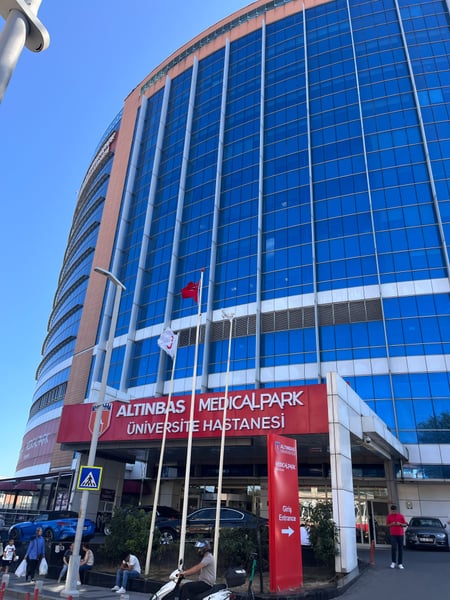
Medical Park Bahcelievler ооруканасы
Medical Park Bahcelievler ооруканасы 2007-жылы негизделген Стамбулдагы 242 койкалуу JCI тарабынан аккредиттелген оорукана. 33 000 чарчы метр жана 19 к...
Аккредитациялар
Жайлар
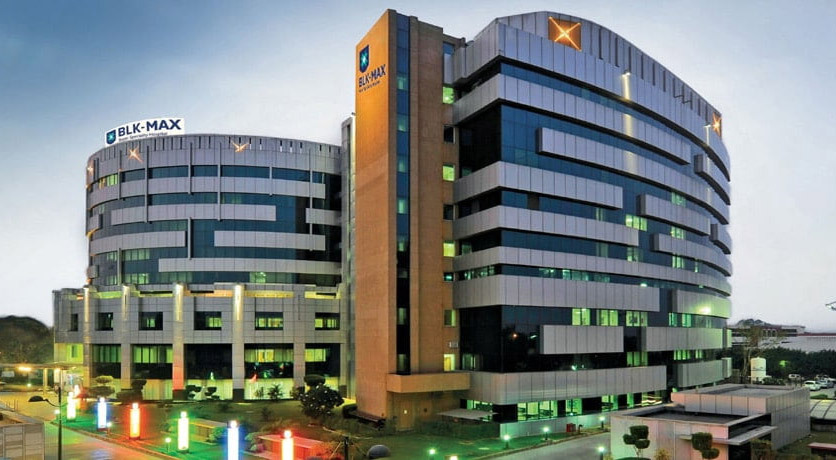
BLK-Max Супер адистештирилген ооруканасы, Нью-Дели
Нью-Делидеги BLK-Max Super Specialty Hospital Индиянын эң алдыңкы саламаттыкты сактоо мекемелеринин бири, 650 керебетти, 22 өркүндөтүлгөн операциялык ...
Аккредитациялар

Жайлар
Fortis Memorial изилдөө институту (FMRI), Гургаон
Fortis Memorial изилдөө институту (FMRI), Гургаон, 2013-жылы түзүлгөн дүйнөлүк класстагы көп адистештирилген оорукана болуп саналат. Оорукана 330 кере...
Аккредитациялар


Жайлар
Артемис ооруканасы, Гургаон
Артемис ооруканасы, Гургаон, 2007-жылы түзүлгөн JCI аккредитацияланган көп адистиктеги оорукана. Ал 9 акр жерге жайылган 750+ керебетти жана дүйнөлүк ...
Аккредитациялар


Жайлар
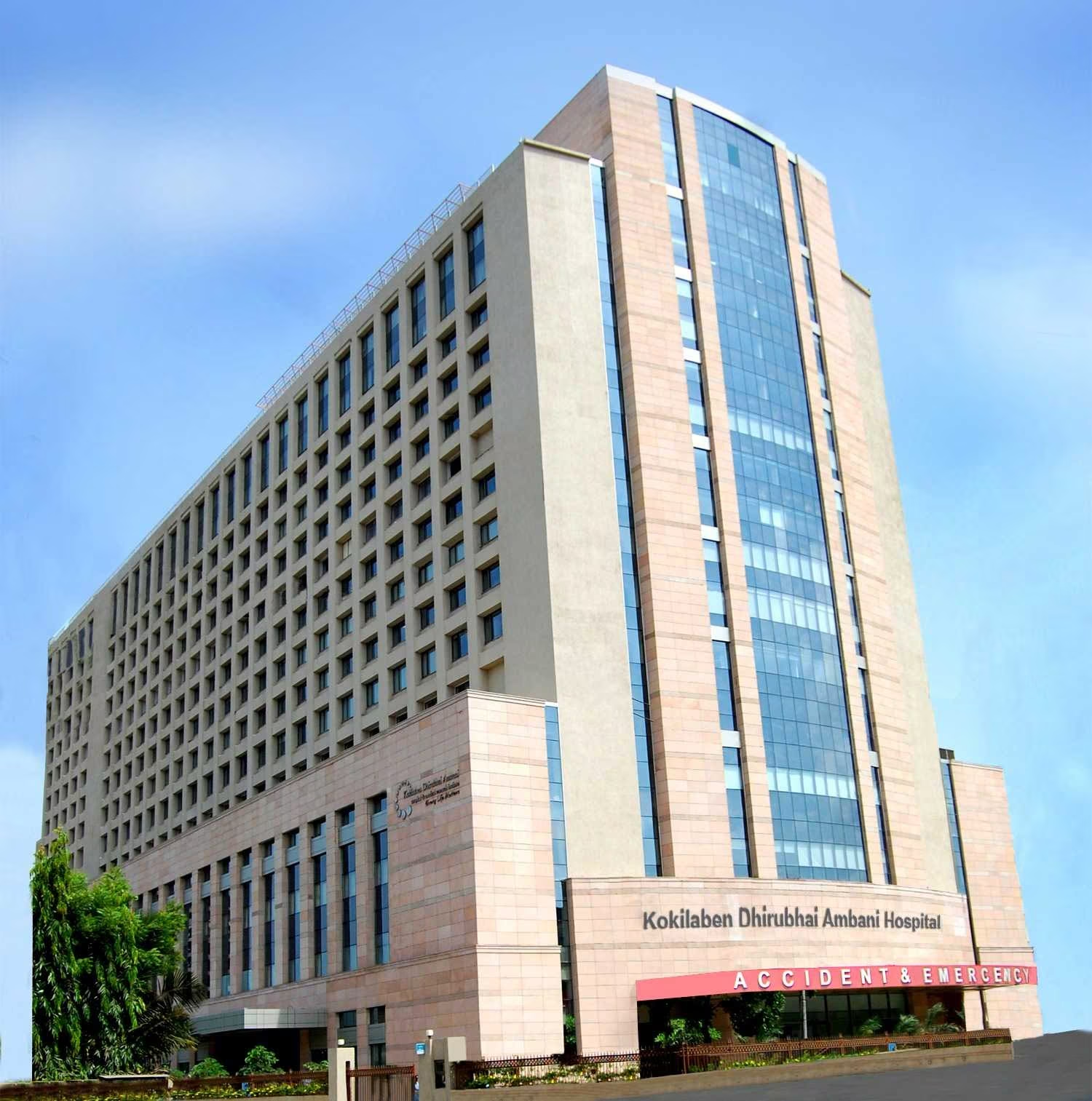
Кокилабен Дирубхай Амбани ооруканасы, Мумбай
Кокилабен Дирубхай Амбани ооруканасы, Мумбай, 2009-жылы түзүлгөн JCI, NABH, NABL жана CAP тарабынан аккредиттелген төртүнчү медициналык оорукана. 750 ...
Аккредитациялар


Жайлар
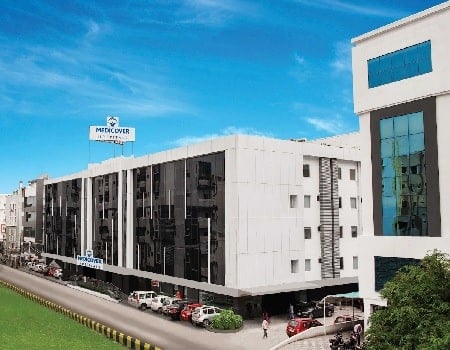
Медиковер ооруканалары, Хитех шаары, Хайдарабад
Medicover Hospitals, Hitech City, Хайдарабад, 2011-жылы түзүлгөн 400 койкалуу NABH тарабынан аккредиттелген супер адистештирилген оорукана. Ал Medicov...
Аккредитациялар


Жайлар
Related Doctors
Тажрыйбалуу дарыгерлер жана медициналык адистер менен байланышыңыз.
Доктор Эшвин Венктеш М
Консультант
Доктор Дипак Субраманян
Улук консультант
Доктор Аджай Мандал
Консультант

Доктор Чатпонг Састарасадхит
Консультант
Доктор Бабек Табандех
Консультант
Доктор Ману Шанкар
Директор
Тектеш макалалар
Саламаттыкты сактоо темаларында көбүрөөк макалаларды жана түшүнүктөрдү изилдөө.
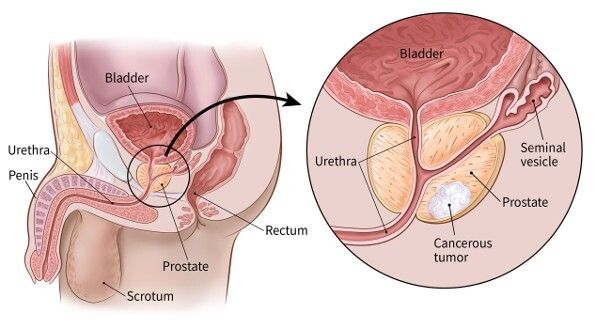
Индияда простата рагы үчүн HIFU дарылоо: тартиби, наркы жана калыбына келтирүү
Индияда Laser Lithotripsy: тартиби, технологиясы, наркы жана калыбына келтирүү

Менин медициналык камсыздандыруу Индияда жарактуубу? Эл аралык бейтаптар үчүн колдонмо
Индия vs Таиланд: 2026-жылы эң мыкты медициналык туризм багыты кайсы?
Индияда жүрөк клапандарын алмаштыруу хирургиясы: түрлөрү, технологиялары жана калыбына келтирүү
Robotic Prostatectomy in India: Nerve-Sparing Techniques, Recovery, and Patient Outcomes

Автор
Баарын көрүүМедициналык жазуучу
Доктор Дипаншу Сивач - фармацевтика илимдеринин доктору даражасына ээ болгон тажрыйбалуу клиникалык фармацевт. Анын 4 жылдан ашык тажрыйбасы бар жана миңдеген бейтаптар менен иштеген. Ал Артемис Гур... Кененирээк маалымат
Биздин веб-сайтта кукилерди колдонот. Купуялык саясаты.
