
Эркектердин тукумсуздугун дарылоо: себептери, диагностикасы жана бүгүнкү күндө кандай варианттар бар

Male factor infertility contributes to roughly 40 to 50% of all infertility cases, according to published epidemiological data from the American Urological Association. Half of all couples who struggle to conceive have a male factor either as the sole cause or as a contributing one. Yet the fertility workup in most of those couples begins and ends with the woman.
The delay in diagnosing male infertility is not only a reproductive problem. A 2025 study published in the Journal of Clinical Medicine found that men with poor semen parameters carry approximately twice the risk of testicular cancer, a 1.6-fold higher risk of prostate cancer, and a 1.3-fold increased risk of melanoma compared to fertile men.
A separate 2025 genetic analysis found that infertile men carry nearly five times as many pathogenic germline variants in known cancer-risk genes as fertile controls, 6.9% versus 1.5%. Male infertility is increasingly recognised as a signal of broader health vulnerability, not an isolated reproductive diagnosis.
This article explains the main causes of male infertility, how they are diagnosed, what treatment options exist for each, and how men reach the right treatment faster with the right initial workup.
What Does a Complete Male Infertility Evaluation Involve?
The starting point is a semen analysis performed to the World Health Organisation 2021 reference criteria. A single test is not sufficient. Sperm parameters fluctuate significantly between samples, and a diagnosis of male factor infertility requires at least two analyses performed at least four weeks apart.
WHO 2021 lower reference limits for semen parameters are:
- Sperm concentration of 16 million per mL
- Total motility of 42%
- Progressive motility of 30%
- Normal morphology of 4% by Kruger strict criteria.
A result below any of these thresholds warrants further investigation rather than immediate treatment.
Beyond semen analysis, a complete evaluation includes a reproductive hormone panel covering FSH, LH, total testosterone, and prolactin. Elevated FSH alongside absent or severely reduced sperm production indicates primary testicular failure. Low FSH in the context of azoospermia points to a hormonal cause at the hypothalamic or pituitary level, which is often treatable.
Physical examination by a urologist assesses testicular volume, presence of a varicocele, patency of the vas deferens, and epididymal fullness. A varicocele requires clinical palpation and cannot be reliably identified from history alone.
Sperm DNA fragmentation index (DFI) testing by sperm chromatin structure assay (SCSA) or TUNEL assay identifies genetic damage to sperm not captured by conventional analysis. A DFI above 25 to 30% correlates with higher miscarriage rates, lower embryo quality, and reduced IVF success rates even when standard semen parameters appear normal.
What Is Azoospermia and How Is It Treated?
Azoospermia is the complete absence of sperm in the ejaculate. It affects around 10–15% of infertile men. The condition falls into two main categories, each requiring a different treatment approach.
Obstructive Azoospermia (OA)
Obstructive azoospermia occurs when the testes produce sperm normally, but a blockage prevents sperm from reaching the ejaculate.
Common Causes of OA
- Previous vasectomy
- Congenital bilateral absence of the vas deferens (CBAVD), often linked to cystic fibrosis gene mutations
- Epididymal scarring caused by infection
- Prior inguinal or scrotal surgery
In most obstructive cases:
- FSH levels remain normal
- Testicular volume is preserved
Treatment Options for OA
OA treatment depends on the location and severity of the blockage. Options may include:
- Surgical reconstruction using:
- Vasovasostomy
- Vasoepididymostomy
- Surgical sperm retrieval techniques, such as:
- Percutaneous epididymal sperm aspiration (PESA)
- Testicular sperm aspiration (TESA)
Retrieved sperm is typically used with intracytoplasmic sperm injection (ICSI).
Non-Obstructive Azoospermia (NOA)
Non-obstructive azoospermia means sperm production inside the testes is severely impaired or absent. This form is generally more difficult to treat.
Common Causes of NOA
- Klinefelter syndrome
- Y chromosome microdeletions
- Mumps orchitis
- Chemotherapy or radiation-related testicular damage
- Cryptorchidism
Micro-TESE for Non-Obstructive Azoospermia
Microdissection testicular sperm extraction (micro-TESE) is considered the gold standard procedure for men with NOA.
During the procedure, a microsurgeon uses high magnification to identify dilated seminiferous tubules that may contain small areas of active sperm production within the testicular tissue.
A 2025 study involving 152 men with NOA reported:
- A 64.6% sperm retrieval rate during the first micro-TESE procedure
- A lower 28.8% retrieval rate during repeat procedures after an initial unsuccessful attempt
These findings highlight the importance of careful surgical technique during the first procedure.
What Is a Varicocele and Does Treating It Improve Fertility?
A varicocele is an enlargement of the pampiniform venous plexus within the scrotum, similar to varicose veins in the legs. It affects around 15% of men in the general population and is found in 35–40% of men undergoing infertility evaluation.
Varicoceles can impair fertility through several mechanisms, including:
- Increased scrotal temperature caused by venous reflux
- Oxidative stress within testicular tissue
- Disruption of the hormonal environment needed for sperm production
These changes may lead to:
- Reduced sperm count
- Poor sperm motility
- Abnormal sperm morphology
- Increased sperm DNA fragmentation
How Is a Varicocele Treated?
Microsurgical varicocelectomy is the current standard treatment for clinically significant varicoceles. The procedure is typically performed through a subinguinal incision using an operating microscope.
A 2024 review involving more than 2,000 microsurgical varicocele repairs found that treatment:
- Reduced oxidative stress markers
- Improved sperm DNA fragmentation
- Improved semen parameters in most patients
Varicocele Repair and Azoospermia
Research also suggests that varicocele repair may improve outcomes in men with azoospermia. Among men with varicocele-associated azoospermia:
- The clinical pregnancy rate after varicocele repair was higher than that after micro-TESE in untreated varicoceles (31% vs 22%).
- Sperm retrieval rates improved to 60.8% after repair, compared to 38.5% in untreated cases.
When Is Varicocele Repair Recommended?
Not every varicocele requires treatment. According to the American Urological Association (AUA), varicocele repair is recommended when:
- A clinical varicocele is present.
- Semen parameters are abnormal.
- The couple has documented infertility.
- No female fertility factor prevents natural conception.
How Is Hormonal Male Infertility Treated?
Not all cases of azoospermia or severe oligospermia are caused by a blockage or genetic condition. In some men, the problem is hormonal.
One of the clearest examples is hypogonadotropic hypogonadism (HH). In this condition, the pituitary gland does not produce enough follicle-stimulating hormone (FSH) and luteinising hormone (LH). These hormones are essential because they signal the testes to produce testosterone and sperm. Without those signals, sperm production slows down or stops, even if the testes themselves are capable of functioning normally.
Treatment focuses on replacing those missing hormonal signals. Doctors commonly use:
- Human chorionic gonadotropin (hCG) to mimic LH activity.
- Recombinant FSH to directly stimulate sperm production.
In men with HH who do not have underlying testicular damage, sperm production often recovers over six to eighteen months of treatment.
It is one of the few forms of azoospermia where medication alone can restore sperm to the ejaculate. In some cases, this makes natural conception or intrauterine insemination (IUI) possible without surgical sperm retrieval or ICSI.
Impact of Testosterone Therapy on Fertility
A frequently overlooked cause of male infertility is exogenous testosterone therapy. While testosterone replacement is widely prescribed for low testosterone symptoms, it can suppress the pituitary hormones needed for sperm production. As a result, some men develop iatrogenic azoospermia while using:
- Testosterone injections
- Topical gels
- Pellets
- Other testosterone-based therapies
Men undergoing fertility evaluation are usually advised to stop testosterone therapy before semen analysis results can be interpreted accurately.
Recovery of sperm production after stopping testosterone typically takes between three and nine months, although recovery may take longer in some cases.
What Role Does Sperm DNA Fragmentation Play in Treatment Decisions?
Sperm DNA fragmentation (DFI) measures damage to the genetic material carried within sperm. Unlike a conventional semen analysis, which evaluates physical sperm characteristics such as count, motility, and morphology, DFI testing assesses the integrity of the genetic payload the sperm delivers to the egg at fertilisation.
This distinction is clinically important because a man may have entirely normal semen parameters while still carrying levels of DNA damage that significantly compromise reproductive outcomes. In general, a DFI above 25–30% is associated with lower embryo quality, higher miscarriage rates, and reduced IVF success rates.
How is Elevated Sperm DNA Fragmentation Treated?
Treatment usually focuses on two areas: reducing oxidative stress and selecting healthier sperm for assisted reproduction.
1. Treating the Underlying Cause
Oxidative stress is a major cause of sperm DNA damage. One of the most effective interventions is varicocele repair, which has consistently been shown to reduce DFI levels in many patients. Some studies have also found benefits from antioxidant therapy, including:
- Coenzyme Q10
- Vitamin C
- Vitamin E
- N-acetylcysteine (NAC)
Randomised controlled trials have shown improvements in DFI with these supplements, although results vary between studies.
2. Using Testicular Sperm for ICSI
Another approach involves retrieving sperm directly from the testes in men with persistently high DFI in ejaculated sperm. It is based on the finding that testicular sperm often carries significantly less DNA damage than ejaculated sperm from the same individual. DNA fragmentation tends to increase during sperm transport through the epididymis and through exposure to oxidative stress within seminal fluid.
A 2024 study reported:
- Average testicular DFI: 16.81
- Average ejaculated sperm DFI: 56.96
Because of this difference, some specialist fertility and andrology centres use testicular sperm for ICSI in couples with repeated IVF or ART failure where male factor infertility is suspected.
When Is ICSI the Right Approach for Male Factor Infertility?
Intracytoplasmic sperm injection (ICSI) involves injecting a single selected sperm directly into an egg, bypassing the natural fertilisation process entirely. The technique was developed specifically for male factor infertility and remains the standard approach when sperm quality or quantity is insufficient for conventional IVF insemination.
ICSI is typically recommended in cases of:
- Severe oligospermia
- Post-wash total motile sperm count below 5 million
- Previous fertilisation failure with conventional IVF
- Obstructive or non-obstructive azoospermia requiring surgical sperm retrieval
- Persistently elevated sperm DNA fragmentation when testicular sperm is being used
Although ICSI is widely used in modern fertility treatment, evidence increasingly suggests that it should not be applied routinely in every IVF cycle.
A large 2024 randomised controlled trial published in Nature Medicine found that ICSI did not improve live birth rates compared to conventional IVF in couples with non-severe male factor infertility. The 2023 ESHRE Good Practice Recommendations reflect this position, advising that ICSI should be reserved for cases with a clear clinical indication rather than used universally.
This distinction matters in practice. ICSI adds both laboratory complexity and cost, yet offers little benefit when semen parameters remain within acceptable functional ranges.
How Much Does Male Infertility Treatment Cost?
The average cost of male infertility treatment abroad ranges from $800 to $9,000, depending on the procedure, clinic, and country. India generally offers the lowest treatment costs; Thailand is known for premium fertility centres and international patient care, while Turkey combines competitive pricing with modern European-standard facilities.
Average Male Infertility Treatment Costs by Country
Procedure | India | Thailand | Turkey |
| Microsurgical Varicocelectomy | $800–$2,500 | $1,800–$3,200 | $1,500–$3,500 |
| Micro-TESE | $1,200–$3,000 | $2,500–$4,500 | $1,300–$3,000 |
| IVF with ICSI | $1,800–$3,500 | $7,000–$9,000 | $2,500–$4,500 |
These prices are substantially lower than treatment costs in many Western healthcare systems, where advanced male fertility procedures can cost several times more.
Male Infertility Treatment Costs in India
India has become one of the leading destinations for affordable male fertility treatment. Many fertility centres offer advanced andrology services, with experienced microsurgeons and modern embryology laboratories, at comparatively affordable prices.
Male infertility treatment costs in India include:
- Semen analysis: $20–$80
- Hormonal fertility evaluation: $100–$300
- Microsurgical varicocelectomy: $800–$2,500
- TESA/PESA sperm retrieval: $800–$2,000
- Micro-TESE: $1,200–$3,000
- IVF with ICSI: $1,800–$3,500 per cycle
India is particularly attractive for couples seeking lower procedural costs without sacrificing access to advanced fertility care.
Male Infertility Treatment Costs in Thailand
Thailand is well known for internationally accredited hospitals, luxury medical infrastructure, and coordinated medical tourism services. Many fertility centres in Bangkok offer comprehensive fertility packages tailored for overseas patients.
Male infertility treatment costs in Thailand include:
- Semen analysis: $50–$120
- Hormonal evaluation: $150–$400
- Microsurgical varicocelectomy: $1,800–$3,200
- TESA/PESA sperm retrieval: $1,500–$3,000
- Micro-TESE: $2,500–$4,500
- IVF with ICSI: $7,000–$9,000 per cycle
Although Thailand is generally more expensive than India, many patients choose it for its premium fertility centres, shorter waiting times, and integrated international patient support.
Male Infertility Treatment Costs in Turkey
Turkey has established itself as a major medical tourism hub for fertility treatment, particularly in Istanbul and Ankara. Clinics often offer all-inclusive treatment packages at internationally accredited facilities with English-speaking coordinators.
Male infertility treatment costs in Turkey include:
- Semen analysis: $30–$100
- Hormonal evaluation: $100–$350
- Microsurgical varicocelectomy: $1,500–$3,500
- TESA/PESA sperm retrieval: $1,200–$2,500
- Micro-TESE: $1,300–$3,000
- IVF with ICSI: $2,500–$4,500 per cycle
Turkey is often viewed as a balance between affordability and high-end fertility infrastructure, making it a popular option for international couples seeking advanced reproductive care.
What Affects the Cost of Male Fertility Treatment?
Several factors can influence the final treatment cost, including:
- The severity of the male infertility diagnosis
- Whether surgical sperm retrieval is required
- IVF laboratory technology and embryology expertise
- Fertility medications and hormone therapy
- Genetic testing or embryo screening
- Anaesthesia, hospital stay, and post-operative care
Couples should also confirm whether the quoted price is fully inclusive or only covers the surgeon’s or clinic’s base fee.
What Questions Should Men Ask Before Choosing a Male Fertility Specialist?
- Does the specialist perform physical examination including clinical varicocele grading, and does the clinic offer microsurgical varicocelectomy if indicated?
- For azoospermia, does the centre distinguish between obstructive and non-obstructive causes before recommending surgery, and does it offer micro-TESE specifically rather than conventional TESE?
- Are Y-chromosome microdeletion analysis and karyotyping available as part of the initial evaluation for azoospermic men?
- Does the clinic offer sperm DNA fragmentation testing, and does it use SCSA or TUNEL methodology rather than the less standardised sperm chromatin dispersion (SCD) test?
- For men with hormonal causes, does the fertility specialist coordinate with an endocrinologist for gonadotropin stimulation protocols, and what is the monitoring protocol during treatment?
Conclusion
Male infertility evaluation is overdue for reframing. A man who presents for fertility assessment is not only addressing a reproductive problem. He is entering a clinical process that can identify hormonal deficiencies, genetic vulnerabilities, and cancer risk signals that have nothing to do with conception and everything to do with long-term health.
A semen analysis that returns abnormal results is not a verdict. It is the beginning of a diagnostic process that, in most cases, leads to a treatable cause, a recoverable outcome, or an ART pathway that provides the couple with a viable route to a biological child.
The men who do least well are those who are evaluated last, after years of investigating only the female partner.
Take the Next Step
For many couples, an accurate diagnosis early in the process can prevent years of ineffective treatment, unnecessary procedures, and avoidable emotional and financial strain.
If you are exploring fertility treatment options abroad, the Qonaq Health team can help you connect with experienced fertility specialists, arrange consultations, and guide you through the evaluation and treatment planning process.
Fill out the form to speak with our expert and receive personalised guidance on fertility testing and treatment options.
Disclaimer: This article provides general educational information about male infertility and its treatment options. It does not constitute medical advice and must not replace a consultation with a qualified urologist or reproductive medicine specialist. Individual diagnoses and treatment decisions depend on clinical findings, hormone levels, genetic results, and partner factors. Men concerned about their fertility should consult a qualified fertility specialist.
Тиешелүү ооруканалар
Сапаттуу медициналык кызматтар үчүн ушул темага байланышкан ооруканаларды жана медициналык борборлорду таап алыңыз.
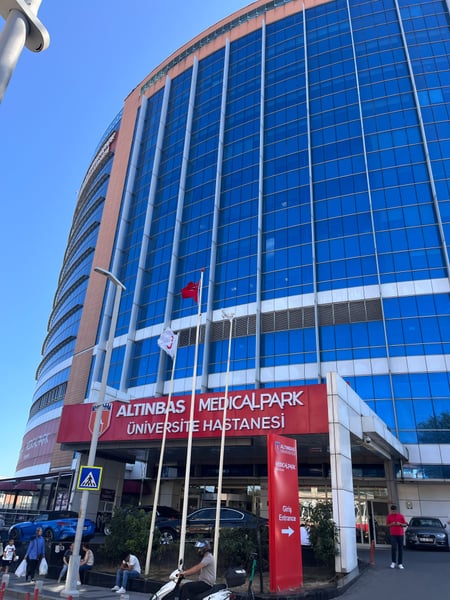
Medical Park Bahcelievler ооруканасы
Medical Park Bahcelievler ооруканасы 2007-жылы негизделген Стамбулдагы 242 койкалуу JCI тарабынан аккредиттелген оорукана. 33 000 чарчы метр жана 19 к...
Аккредитациялар

Жайлар

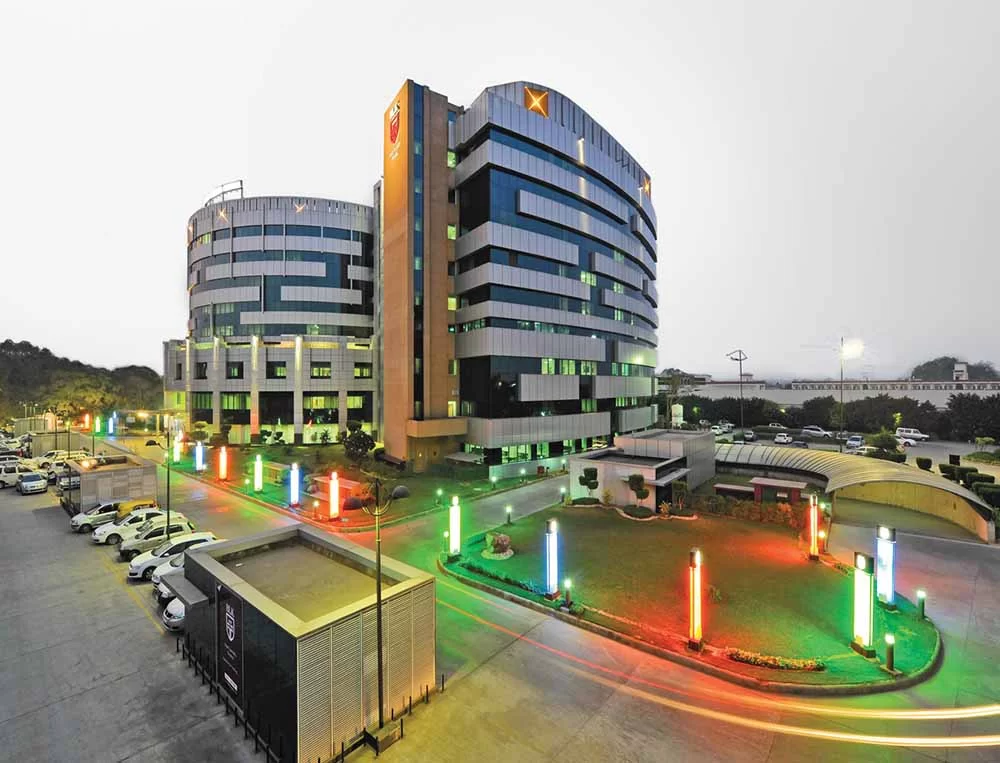
BLK-Max Супер адистештирилген ооруканасы, Нью-Дели
Нью-Делидеги BLK-Max Super Specialty Hospital Индиянын эң алдыңкы саламаттыкты сактоо мекемелеринин бири, 650 керебетти, 22 өркүндөтүлгөн операциялык ...
Аккредитациялар


Жайлар
Fortis Memorial изилдөө институту (FMRI), Гургаон
Fortis Memorial изилдөө институту (FMRI), Гургаон, 2013-жылы түзүлгөн дүйнөлүк класстагы көп адистештирилген оорукана болуп саналат. Оорукана 330 кере...
Аккредитациялар


Жайлар

Артемис ооруканасы, Гургаон
Артемис ооруканасы, Гургаон, 2007-жылы түзүлгөн JCI аккредитацияланган көп адистиктеги оорукана. Ал 9 акр жерге жайылган 750+ керебетти жана дүйнөлүк ...
Аккредитациялар



Жайлар

Кокилабен Дирубхай Амбани ооруканасы, Мумбай
Кокилабен Дирубхай Амбани ооруканасы, Мумбай, 2009-жылы түзүлгөн JCI, NABH, NABL жана CAP тарабынан аккредиттелген төртүнчү медициналык оорукана. 750 ...
Аккредитациялар


Жайлар

Медиковер ооруканалары, Хитех шаары, Хайдарабад
Medicover Hospitals, Hitech City, Хайдарабад, 2011-жылы түзүлгөн 400 койкалуу NABH тарабынан аккредиттелген супер адистештирилген оорукана. Ал Medicov...
Аккредитациялар


Жайлар
Related Doctors
Тажрыйбалуу дарыгерлер жана медициналык адистер менен байланышыңыз.

Доктор Радхамони Д
Улук консультант

Доктор Сушма Прасад Синха
Улук консультант

Доктор Суреш Кумар Рават
Улук консультант
Доктор Рупали Гоял
Улук консультант

Доктор Сохани Верма
Улук консультант
Тектеш макалалар
Саламаттыкты сактоо темаларында көбүрөөк макалаларды жана түшүнүктөрдү изилдөө.

Индияда Facelift хирургиясы: тартиби, калыбына келтирүү жана мыкты хирургдарды тандоо
Индияда 2-типтеги диабет хирургиясы: Бариатрия же метаболикалык хирургия диабетти кайтара алабы?
Индияда педиатриялык жүрөк хирургиясы: чыгымдар, технологиялар жана натыйжалары

Жүрөк жетишсиздигин дарылоо жолдору: Дары-дармектен жүрөктү трансплантациялоого чейин

Ангиопластика vs Bypass хирургиясы: Кайсы жүрөктү дарылоо жакшыраак?
Индияда жүрөк айланма хирургия: түрлөрү, акыркы ыкмалары, жана калыбына келтирүү

Автор
Баарын көрүүНадим Малик фармацияда күчтүү академиялык билими бар, берилген медициналык жазуучу. Ал Морадабаддагы Теертханкер Махавир университетинин фармацевтика бакалавры (B.Pharm) даражасына ээ жана саламаттыкт... Кененирээк маалымат
Биздин веб-сайтта кукилерди колдонот. Купуялык саясаты.
