Sida Qalliinka Robotic-ka ee Hindiya uu u beddelayo daaweynta casriga ah

8/2/2026, 12:50:51 PM 9 min read Medical Tourism
Sida Qalliinka Robotic-ka ee Hindiya uu u beddelayo daaweynta casriga ah
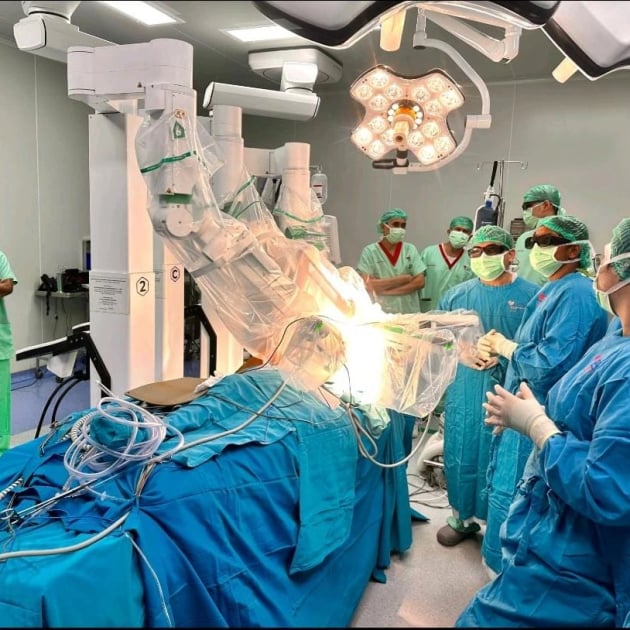
Robotic surgery in India has reshaped the way doctors perform complex medical procedures. The approach combines advanced technology with surgical expertise to improve precision, control, and consistency during operations. Hospitals in India are increasingly adopting robotic systems to perform complex and delicate surgeries.


Modern medical treatment demands accuracy and minimal disruption to the body. Robotic surgery supports these goals by allowing surgeons to operate with enhanced visualization and controlled movements. Smaller incisions, improved access to difficult areas, and reduced physical strain during surgery contribute to better procedural outcomes.


As surgical techniques continue to evolve, robotic surgery plays a growing role in improving treatment quality. Patients benefit from refined surgical techniques that support faster recovery and better functional outcomes. These advantages explain the rising importance of robotic-assisted procedures in modern healthcare.


What Is Robotic Surgery and How Does It Work?

Robotic surgery is a surgical technique in which doctors use computer-assisted robotic systems to perform procedures. The robotic system does not act independently. A trained surgeon controls every movement from a specialized console.


The system translates the surgeon's hand movements into precise actions using robotic tools. These tools offer a greater range of motion than the human hand. Enhanced flexibility allows surgeons to operate in tight or complex anatomical spaces with improved accuracy.


Robotic platforms also provide high-definition, magnified three-dimensional views of the surgical area. Enhanced visualization improves depth perception and tissue identification. Clear visual feedback supports careful dissection and precise suturing during procedures.


Surgeons remain fully responsible for decision-making throughout robotic-assisted surgery. The technology enhances surgical capability rather than replacing clinical judgment. Controlled execution and real-time response define the core working principle of robotic surgery.


How Is Robotic Surgery Transforming Surgical Precision?

Robotic surgery improves surgical precision by enhancing control, visibility, and stability during medical procedures. Surgeons use advanced systems to perform delicate movements with greater confidence and consistency.


  • Enhanced Motion Control:Robotic instruments respond precisely to the surgeon's commands. Controlled movement eliminates hand tremor and supports steady execution. Precision remains consistent throughout lengthy procedures.
  • Superior Surgical Visualization:Robotic systems provide magnified three-dimensional views of the surgical field. Clear visuals help surgeons identify nerves, vessels, and tissue layers accurately. Improved visibility supports safer dissection.
  • Greater Instrument Flexibility:Robotic tools bend and rotate beyond the natural range of wrist motion. An expanded range of motion enables effective work in narrow or complex anatomical spaces. Surgeons maintain control even at difficult angles.
  • Reduced Physical Strain on Surgeons:Surgeons operate from ergonomic consoles during robotic procedures. Reduced fatigue helps maintain accuracy across extended surgeries. Consistent performance supports predictable outcomes.

Precision benefits vary by procedure and complexity. Surgeons evaluate suitability carefully before recommending robotic-assisted surgery.


Which Medical Specialties Use Robotic Surgery Today?

Robotic surgery is now a standard of care for many complex procedures in India. Top NABH-accredited hospitals such as MGM Healthcare, Kokilaben Dhirubhai Ambani Hospital, and Artemis Hospital use specialized, FDA-approved robotic systems tailored to different medical needs.


Urology


  • Technology:Da Vinci Xi and 4th Gen Da Vinci Systems.
  • Procedures:Radical Prostatectomy (prostate removal), Partial Nephrectomy (kidney tumor removal), and Bladder Reconstruction.
  • Benefit:Precise nerve preservation leads to significantly faster recovery of urinary and sexual functions compared to open surgery.


Orthopedics


  • Technology:Mako (Stryker), Navio (Smith & Nephew), and Rosa (Zimmer Biomet).
  • Procedures:Total Knee Replacement, Partial Knee Replacement, and Hip Replacement.
  • Benefit:These robots use CT-scan data to create a 3D map of your joint, ensuring the implant is aligned with sub-millimeter accuracy. This results in a "natural-feeling" joint and longer implant life.


Gynecology


  • Technology:Da Vinci Xi and Versius (CMR Surgical).
  • Procedures:Hysterectomy (uterus removal), Myomectomy (fibroid removal), and Endometriosis excision.
  • Benefit:Surgeons can remove large fibroids through tiny incisions, leaving minimal scarring and preserving fertility where possible.


Oncology


  • Technology:Da Vinci Xi for soft tissue and CyberKnife for radiosurgery.
  • Procedures:Removal of tumors in the colon, rectum, stomach, and throat (Transoral Robotic Surgery).
  • Benefit:The "Tremor Filtration" feature enables surgeons to remove cancerous tissue with extreme precision, protecting nearby healthy organs.


Cardiac Sciences


  • Technology:Da Vinci Systems.
  • Procedures:Mitral Valve Repair and Minimally Invasive Coronary Artery Bypass (CABG).
  • Benefit:Unlike traditional open-heart surgery, robotic cardiac procedures are often performed through small spaces between the ribs, eliminating the need to split the breastbone.


Neurosurgery and Spine Surgery


  • Technology:Mazor X andCyberKnife M6.
  • Procedures:Spinal fusion, Scoliosis correction, and non-invasive treatment of brain tumors.
  • Benefit:Robotic guidance ensures screw placement in the spine is 99.9% accurate, reducing the risk of nerve damage.


Gastrointestinal and Bariatric Surgery


  • Technology:Da Vinci Xi and Versius.
  • Procedures:Weight loss surgery (Gastric Sleeve/Bypass), Hernia repair, and Gallbladder removal.
  • Benefit:Reduces the risk of post-surgical infection and allows patients to return to a normal diet sooner.


Why Is India Emerging as a Hub for Robotic Surgery?

India has rapidly developed strong capabilities in robotic-assisted surgery. Hospitals across the country now use advanced robotic systems for complex and minimally invasive procedures. Leading JCI-accredited hospitals such as Apollo, Fortis, Max Healthcare, and Medanta are equipped with the latest 4th-generation Da Vinci Xi systems.


Indian surgeons perform a high volume of robotic procedures every year. Regular exposure improves procedural confidence and outcome planning. Experience plays a significant role in managing complex cases safely.


Robotic surgery in India also benefits from integrated care models. Diagnostic services, surgical planning, postoperative care, and rehabilitation operate within coordinated systems. This integration improves treatment continuity and efficiency.


How Does Robotic Surgery Improve Patient Outcomes?

Robotic surgery improves patient outcomes by supporting accuracy, control, and consistency during medical procedures. These benefits influence recovery, comfort, and overall treatment experience.


  • Smaller Incisions and Reduced Tissue Damage:Robotic systems such as Da Vinci Xi and Versius (CMR) enable surgeons to perform surgery through smaller incisions, reducing tissue damage. Limited tissue disruption reduces surgical trauma. Patients often experience less postoperative pain.
  • Lower Risk Of Blood Loss And Complications:Precise instrument control helps surgeons avoid unnecessary vessel injury. Reduced bleeding lowers complication risk. Safer procedures support smoother recovery.
  • Faster Recovery and Shorter IPD Stay:Minimally invasive access supports more rapid healing and a shorter hospital stay. Many patients leave the hospital earlier. Shorter stays benefit international patients by helping manage travel and recovery plans.
  • Improved Functional Outcomes:Accurate tissue handling helps preserve nerves and surrounding structures. Functional recovery improves after surgery. Patients often regain regular activity sooner.
  • Better Consistency Across Complex Procedures:Robotic systems maintain steady precision throughout long surgeries. Reduced surgeon fatigue supports reliable outcomes. Consistency improves treatment predictability.

Patient outcomes vary based on procedure type and health condition. Surgeons explain expected recovery patterns clearly before treatment.


How Does Robotic Surgery Compare With Traditional Surgery?

Robotic surgery differs from traditional surgery in technique, precision, and recovery experience. Each approach serves specific clinical needs.


  • Precision and Control:Robotic systems translate the surgeon's movements into refined actions. Traditional surgery relies more on manual dexterity. Enhanced control improves accuracy in robotic procedures.
  • Incision Size and Tissue Impact:Robotic surgery uses smaller incisions in many procedures. Traditional open surgery requires larger access points. Reduced tissue impact supports faster healing.
  • Visualization During Surgery:Robotic platforms provide magnified three-dimensional views. Traditional surgery often depends on direct or two-dimensional visualization. Improved visibility supports safer dissection.
  • Recovery Time and Comfort:Patients often recover faster after robotic-assisted procedures. Traditional surgery may involve a longer healing time. Reduced pain supports earlier mobility.
  • Suitability By Procedure:Robotic surgery is well-suited for complex or delicate procedures. Traditional surgery remains necessary for specific conditions. Surgeons choose an approach based on clinical need.

Surgical approach selection depends on patient condition, procedure complexity, and surgeon expertise.


Why Is Robotic Surgery Important for Complex Medical Procedures?

Complex medical procedures often involve limited working space, delicate structures, and high precision requirements. Robotic surgery supports safer and more controlled execution in such situations.


  • Access to Difficult Anatomical Areas:Robotic instruments effectively reach narrow and deep surgical spaces. Enhanced access supports treatment in areas where conventional techniques struggle. Surgeons maintain control without excessive tissue disruption.
  • Improved Accuracy Near Vital Structures:Complex procedures often involve nerves, blood vessels, or vital organs. Robotic precision helps protect these structures. Careful handling reduces functional complications.
  • Stable Performance During Long Procedures:Lengthy surgeries demand consistent precision. Robotic systems support steady performance without fatigue. Stability improves outcomes in demanding operations.
  • Better Surgical Planning And Execution:Advanced planning tools guide robotic-assisted procedures. Surgeons follow defined surgical paths with controlled movements. Structured execution supports safer outcomes.

Complex procedure suitability varies by condition and anatomy. Surgeons evaluate risks and benefits carefully before recommending robotic assistance.


How Does Robotic Surgery in India Benefit International Patients?

International patients choose robotic surgery in India for a balance of precision, affordability, and structured care. Robotic-assisted procedures often reduce hospital stay and recovery time, which supports medical travel planning.


Robotic surgery cost in India remains lower than in many global destinations. Cost efficiency allows patients to access advanced technology without excessive financial burden. Affordable care supports completion of full treatment plans.


Hospitals also support international patients through coordinated scheduling and recovery planning. Predictable timelines help patients manage travel and post-treatment arrangements. Organized support improves overall treatment experience.


What Are the Safety and Accuracy Benefits of Robotic Surgery?

Patient safety and surgical accuracy remain central goals in modern medical treatment. Robotic surgery supports both through controlled execution and advanced visualization.


  • Reduction in Human Error:Robotic systems translate the surgeon's movements into refined actions. Motion scaling improves control during delicate steps. Reduced variability enhances procedural safety.
  • Enhanced Stability and Precision:Robotic arms maintain steady positioning throughout surgery. Stability supports accurate cutting and suturing. Controlled movements reduce unintended tissue damage.
  • Clear Surgical Field Visualization:High-definition three-dimensional imaging improves depth perception. Clear views help surgeons accurately distinguish tissue planes. Better visibility supports safer decision-making.
  • Consistent Surgical Execution:Robotic platforms deliver uniform movement patterns. Consistency supports predictable surgical results. Reliable execution improves confidence during complex cases.

Safety benefits depend on the surgeon's experience and procedure type. Proper patient selection remains essential for optimal outcomes.


How Does Robotic Surgery Cost in India Compare Globally?

Robotic surgery involves advanced equipment and specialized expertise. Even with these factors, the cost of robotic surgery in India remains comparatively lower on a global scale.


Lower infrastructure and operational costs contribute to affordability. Hospitals optimize resources without compromising surgical standards. Patients receive advanced care at accessible prices.


Cost transparency also supports treatment planning. Precise estimates help patients prepare for surgery, stay, and recovery. Financial clarity reduces stress during medical travel.


Robotic Surgery Cost Comparison: USA vs. India (2026 Estimates)

Robotic ProcedureCost in USA (USD)Cost in India (USD)Savings
Robotic Heart Bypass (CABG)$100,000 - $150,000$9,000 - $11,000~90%
Robotic Mitral Valve Repair$80,000 - $120,000$10,000 - $12,500~85%
Robotic Knee Replacement$45,000 - $60,000$6,500 - $8,500~85%
Robotic Prostatectomy$40,000 - $55,000$7,000 - $9,000~80%
Robotic Hysterectomy$20,000 - $35,000$5,000 - $7,000~75%
Robotic Spine Surgery$60,000 - $100,000$8,000 - $11,000~85%
Robotic Kidney Transplant$140,000 - $170,000$13,000 - $15,000~90%
Robotic Hernia Repair$15,000 - $25,000$4,000 - $5,500~75%

Note: Costs in India are all-inclusive estimates (surgery, hospital stay, surgeon fees, and consumables). Costs in the USA typically exclude post-operative care and hidden hospital charges.


How Does Robotic Surgery Support Long-Term Recovery?

Long-term recovery depends on how well the body heals after surgery. Robotic surgery supports a smoother recovery by reducing physical stress during procedures.


  • Reduced Postoperative Pain:Smaller incisions limit muscle and tissue damage. Lower trauma often leads to less pain after surgery. Reduced discomfort supports better mobility during recovery.
  • Earlier Return to Daily Activities:Patients often regain normal movement sooner after robotic-assisted procedures. Faster functional recovery supports independence. Early activity helps maintain overall health.
  • Lower Risk of Long-Term Complications:Precise tissue handling reduces scarring and structural damage. Controlled surgery supports better healing. Reducing complications improves long-term outcomes.
  • Improved Rehabilitation Progress:Patients begin physiotherapy earlier after minimally invasive surgery. Reduced pain supports consistent rehabilitation. Steady progress improves functional results.
  • Clear Follow-Up and Monitoring Plans:Doctors track recovery using defined milestones. Imaging and clinical reviews guide long-term care. Structured monitoring supports safe healing over time.

Recovery experience varies by procedure and health condition. Doctors explain expected timelines clearly during treatment planning.


Conclusion

Robotic surgery has changed medical treatment by improving precision, safety, and recovery outcomes.


Technologies such as Da Vinci Xi, Versius (CMR), and ExcelsiusGPS enable surgeons to perform complex procedures with greater control and consistency. As clinical experience grows, robotic-assisted surgery continues to shape modern healthcare by supporting better patient care and long-term recovery.

Isbitaalada la xiriira

Baro Isbitaalada iyo xarumaha caafimaadka ee la xiriira mowduucan adeegyada daryeelka caafimaadka tayada leh.
Park Medical Bahcelievler Hospital
PLATINUM

Park Medical Bahcelievler Hospital

Istanbul, Turkiga

Medical Park Bahcelievler Hospital waa cisbitaal la aqoonsan yahay JCI oo leh 242 sariirood oo ku yaal Istanbul, oo la aasaasay 2007. Ku faafaya 33,00...

Multi-specialty
Aasaasay 2007
242 sariiraha
Aqoonsado
Joint Commission International (JCI)
Gadawiya xarumaha
+13
BLK-Max Super Specialty Hospital, New Delhi
PLATINUM

BLK-Max Super Specialty Hospital, New Delhi

New Delhi, Hindiya

BLK-Max Super Specialty Hospital ee New Delhi waa mid ka mid ah xarumaha daryeelka caafimaadka ee Hindiya, oo bixiya 650 sariirood, 22 tiyaatar qallii...

Multi-specialty
Aasaasay 1959
650 sariiraha
Aqoonsado
Joint Commission International (JCI)
National Accreditation Board for Hospitals & Healthcare Providers (NABH)
Gadawiya xarumaha
+13
Fortis Memorial Research Institute (FMRI), Gurgaon
PLATINUM

Fortis Memorial Research Institute (FMRI), Gurgaon

Gurgaon, Hindiya

Fortis Memorial Research Institute (FMRI), Gurgaon, waa isbitaal heer caalami ah oo badan oo takhasus leh oo la aasaasay 2013. Isbitaalku wuxuu bixiya...

Multi-specialty
Aasaasay 2013
330 sariiraha
Aqoonsado
Joint Commission International (JCI)
National Accreditation Board for Hospitals & Healthcare Providers (NABH)
Gadawiya xarumaha
+13
Isbitaalka Artemis, Gurgaon
PLATINUM

Isbitaalka Artemis, Gurgaon

Gurgaon, Hindiya

Cisbitaalka Artemis, Gurgaon, waa cisbitaalka takhasuska badan ee JCI la aqoonsan yahay oo la aasaasay 2007. Waxa uu bixiyaa 750+ sariirood iyo kaabay...

Multi-specialty
Aasaasay 2007
750 sariiraha
Aqoonsado
Joint Commission International (JCI)
National Accreditation Board for Hospitals & Healthcare Providers (NABH)
International Organization for Standardization (ISO)
Gadawiya xarumaha
+13
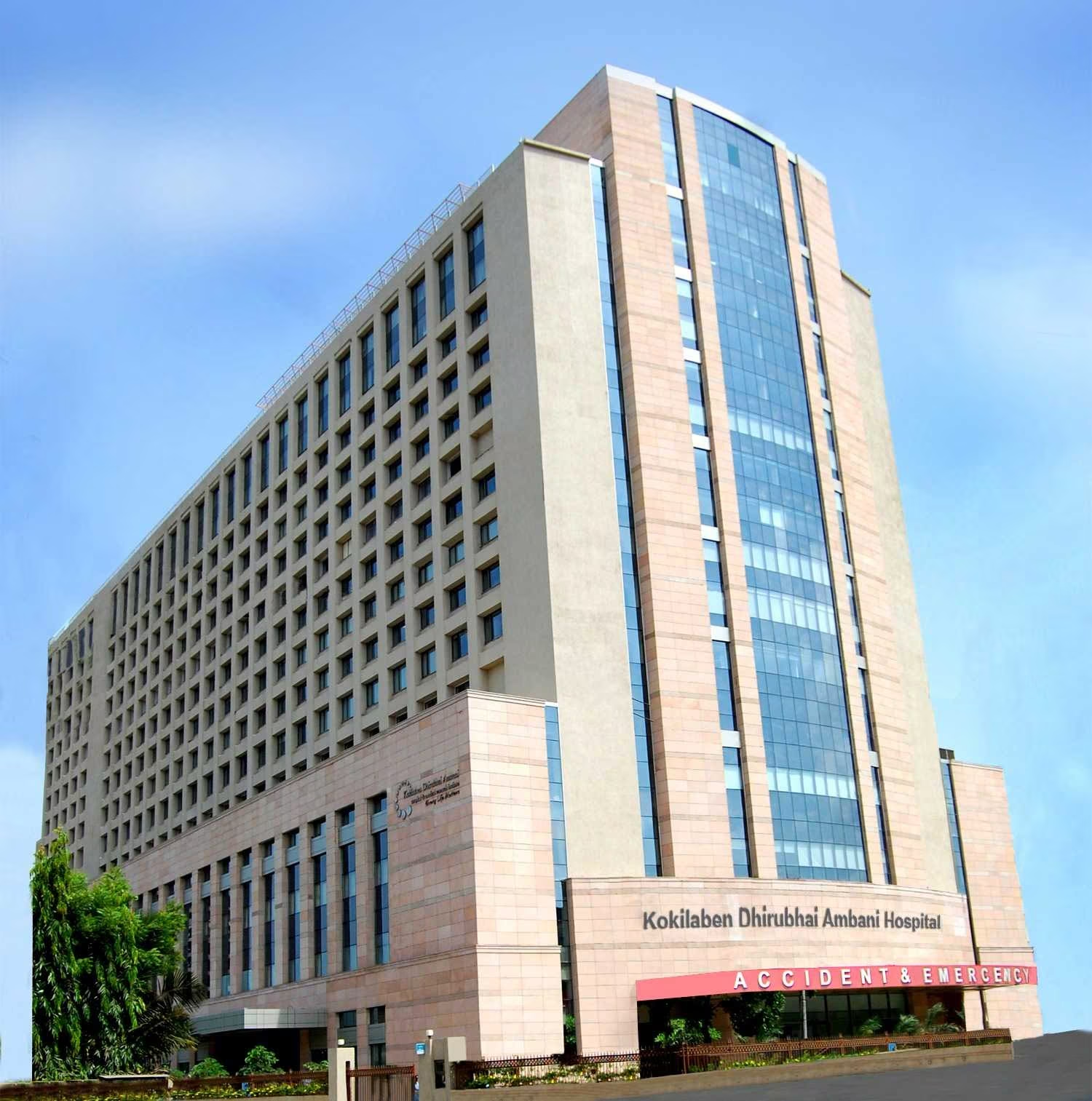
Isbitaalka Kokilaben Dhirubhai Ambani, Mumbai
PLATINUM

Isbitaalka Kokilaben Dhirubhai Ambani, Mumbai

Mumbai, Hindiya

Kokilaben Dhirubhai Ambani Hospital, Mumbai, waa JCI, NABH, NABL, iyo CAP-la aqoonsan cusbitaalka daryeelka afargeesoodka ah oo la aasaasay 2009. Iyad...

Multi-specialty
Aasaasay 2009
750 sariiraha
Aqoonsado
Joint Commission International (JCI)
National Accreditation Board for Hospitals & Healthcare Providers (NABH)
International Organization for Standardization (ISO)
Gadawiya xarumaha
+13
Isbitaalada Medicover, Hitech City, Hyderabad
PLATINUM

Isbitaalada Medicover, Hitech City, Hyderabad

Hyderabad, Hindiya

Isbitaalada Medicover, Hitech City, Hyderabad, waa 400-sariirood oo NABH ah oo la aqoonsan yahay cosbitaal sare oo gaar ah oo la aasaasay 2011. Waa qa...

Multi-specialty
Aasaasay 2011
400 sariiraha
Aqoonsado
National Accreditation Board for Hospitals & Healthcare Providers (NABH)
Joint Commission International (JCI)
Gadawiya xarumaha
+13

Dhakhaatiirta la xiriira

Ku xir dhakhaatiir khibrad leh iyo khabiiro caafimaad oo arimahan ah.

Dr. Dilek Benk Silfeler

Dr. Dilek Benk Silfeler

Consultant

23 sano khibrad
Dr. A.S. Esin Corkut

Dr. A.S. Esin Corkut

Consultant

28 sano khibrad
Dr. Ziyaettin Durakoğlu

Dr. Ziyaettin Durakoğlu

Consultant

24 sano khibrad
Dr. Ananda Mandal

Dr. Ananda Mandal

Consultant

27 sano khibrad
Dr. Debashish Mukherjee

Dr. Debashish Mukherjee

Senior Consultant
32 sano khibrad
Dr. Indranil Khan

Dr. Indranil Khan

Consultant

8 sano khibrad

Maqaallada la xiriira

Sahamiyaan maqaallo badan iyo aragtiyo ku saabsan mowduucyada caafimaadka ee la midka ah.
Qalliinka laf dhabarta ee dibedda ma badbaado baa?
Medical Tourism

Qalliinka laf dhabarta ee dibedda ma badbaado baa?

2/4/2026, 1:32:33 PM
8 min read
Xanuunada laf dhabarta waxay saameeyaan malaayiin bukaan ah oo adduunka oo dhan ah. Xaaladaha sida saxan-simbiriirixeedka, stenosis laf-dhabarka, iyo ...
Sida Loogu Diyaargaroobo Ku-tallaalidda Xubnaha Dibadda: Liiska hubinta ee Caafimaadka, Sharciga, iyo Socdaalka

Medical Tourism

Sida Loogu Diyaargaroobo Ku-tallaalidda Xubnaha Dibadda: Liiska hubinta ee Caafimaadka, Sharciga, iyo Socdaalka

2/4/2026, 1:03:37 PM
7 min read
Xubinta xubinta tarankawaxay u baahan tahay qorshe taxaddar leh marxalad kasta. Marka bukaanku u safro dibedda qalliinka beddelka, diyaargarowgu wuxuu...
Waddamada ugu Wanaagsan ee Xubnaha Xubnaha ka ah: Hagaha 2026 ee Qiimaha, Wakhtiga Sugitaanka, iyo Shuruudaha Sharci
Medical Tourism

Waddamada ugu Wanaagsan ee Xubnaha Xubnaha ka ah: Hagaha 2026 ee Qiimaha, Wakhtiga Sugitaanka, iyo Shuruudaha Sharci

2/4/2026, 9:05:33 AM
7 min read
Baahida caalamiga ah eeqaliinka xubinta tarankaayaa sii kordheysa sanad walba. Malaayiin bukaanno ah ayaa la nool heerka ugu dambeeya ee hawlgabka xub...
Back Pain or Something More? When Does a Spine Tumor Require Surgery?

Medical Tourism

Back Pain or Something More? When Does a Spine Tumor Require Surgery?

1/3/2026, 12:51:20 PM
9 min read
Marka cilad-sheegiddu ay ku lug leedahay lafdhabarta, su'aasha ugu horreysa ayaa had iyo jeer ah:'Weli ma awoodi doonaa inaan socdo?'2026, daryeelka b...
Intee in le'eg ayaad noolaan kartaa ka dib xubinta taranka?

Medical Tourism

Intee in le'eg ayaad noolaan kartaa ka dib xubinta taranka?

1/3/2026, 12:19:15 PM
7 min read
Marka laguu sheego inaad u baahan tahay atallaalid, su'aasha ugu horeysa ee ku soo dhacda inta badan waa tan ugu adag in la weydiiyo:Intee in le'eg ay...
Yaa Ka Qaadi Kara xubinta taranka ee Hindiya? Xeerarka u-qalmitaanka waa la Sharaxay

Medical Tourism

Yaa Ka Qaadi Kara xubinta taranka ee Hindiya? Xeerarka u-qalmitaanka waa la Sharaxay

1/3/2026, 12:00:36 PM
7 min read
Xubin la'aanta xubnaha ayaa weli ah caqabad caafimaad oo sii kordheysa. Cudurka kelyaha ee daba dheeraada wuxuu saameeyaa malaayiin adduunka oo dhan, ...

Qorto

All
Dr. Deepanshu Siwach

Sr. Qoraa Caafimaad

Sr. Medical Content Writer Qonaq Health and Wellness
Doctor of Pharmacy

Dr. Deepanshu Siwach waa farmashiistaha kiliinikada ee khibrada leh oo haysta shahaadada Dhakhtarka Farmashiyaha. Wuxuu leeyahay waayo-aragnimo 4 sano ka badan wuxuuna la shaqeeyay kumanaan bukaan ah... Akhri wax dheeraad ah

Websaydhkeenu wuxuu adeegsadaa cookies. Qaanuunka Arrimaha Khaaska ah.