በህንድ ውስጥ የልብ ቫልቭ ምትክ ቀዶ ጥገና፡ ዓይነቶች፣ ቴክኖሎጂዎች እና መልሶ ማግኛ

18/6/2026, 4:16:32 AM 10 ደቂቃ አንብብ የሕክምና ቱሪዝም
በህንድ ውስጥ የልብ ቫልቭ ምትክ ቀዶ ጥገና፡ ዓይነቶች፣ ቴክኖሎጂዎች እና መልሶ ማግኛ
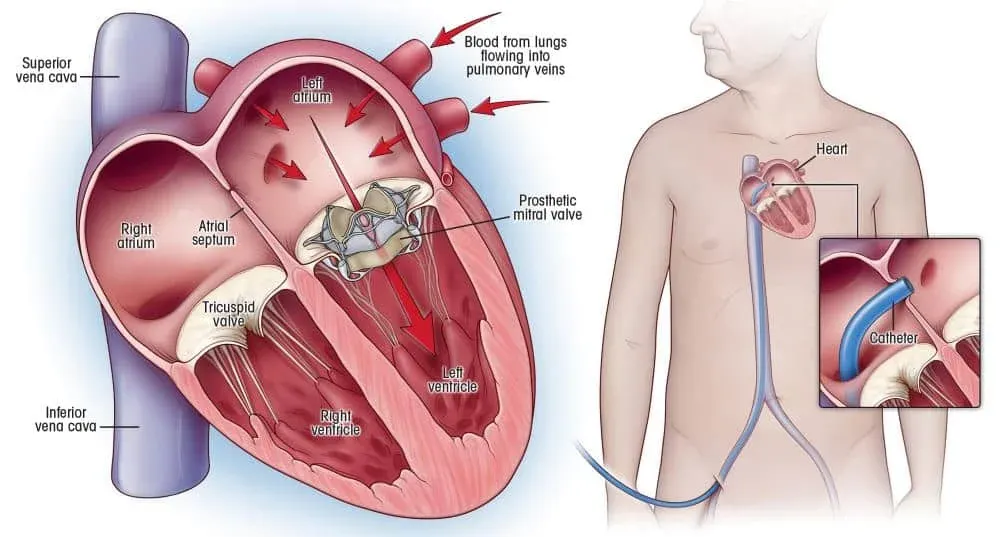
The heart has four valves, and each one has a single job: keep blood moving in the right direction. When one of them fails, the heart compensates for as long as it can. By the time symptoms appear, whether that is breathlessness that used to be rare and now occurs at rest, swelling in the ankles, or the kind of fatigue that sleep does not fix, the valve has usually been deteriorating for years.


Aortic stenosis is the most common cause of valve replacement surgery in adults, affecting an estimated 2 to 5 percent of people over 65 globally. Mitral valve disease, particularly regurgitation, is the second most frequently operated condition. Both conditions are progressive. The window for intervention matters. Surgery performed before severe ventricular remodelling occurs consistently produces better long-term outcomes than surgery delayed until cardiac function has already declined significantly.


India has become a significant destination for international patients who need valve replacement surgery. Surgical valve replacement costs between USD 6,000 and USD 9,000 at accredited Indian cardiac hospitals, compared to USD 75,000 to USD 150,000 in the United States. Transcatheter aortic valve replacement (TAVR), the minimally invasive alternative to open-heart surgery, costs USD 12,000 to USD 18,000 in India, compared with USD 75,000 to USD 125,000 in the US.


What Is Heart Valve Replacement and When Is It Needed?

Heart valve replacement removes a damaged or diseased valve and replaces it with either a mechanical prosthesis or a biological tissue valve. The decision to operate is guided by symptoms, echocardiographic measurements of valve gradient and area, and markers of cardiac stress such as left ventricular size and function.


Valves Most Commonly Replaced

  • Aortic valve: The most frequently replaced. Aortic stenosis (narrowing) caused by calcium deposits on the valve leaflets is the dominant indication, particularly in older patients. Aortic regurgitation (leaking) is a separate indication that tends to present in younger patients.
  • Mitral valve: Mitral regurgitation is more often repaired than replaced when the anatomy allows. When replacement is necessary, it follows failure or unsuitability for repair, or in cases of rheumatic mitral stenosis, which remains more prevalent in South Asia and the Middle East than in Western populations.
  • Tricuspid and pulmonary valves: Less commonly replaced. Tricuspid surgery is more often performed alongside left-sided valve procedures.


When Does Surgery Become Necessary?

Surgery is typically recommended when:


  • Severe aortic stenosis with symptoms develops (symptoms are the critical threshold in aortic stenosis, after which the prognosis without surgery deteriorates sharply).
  • Severe aortic or mitral regurgitation leads to measurable left ventricular dilatation or dysfunction, even before symptoms appear.
  • Rheumatic mitral stenosis reduces valve area below a critical threshold.
  • Infective endocarditis destroys valve tissue beyond what antibiotics alone can salvage.


Mechanical vs Biological Valves: Which Is Right for Which Patient?

This is the most consequential choice a valve replacement patient makes, and it is one the patient should fully participate in once the clinical parameters are laid out.


Mechanical Valves

Mechanical valves, including ball-and-cage designs and the bileaflet tilting-disc valves that have become the modern standard (St. Jude Medical and Carbomedics are widely used examples), last the patient's lifetime. A mechanical valve implanted today is unlikely to require replacement.


The tradeoff is lifelong anticoagulation. Mechanical valves are thrombogenic. Without warfarin, blood clots form on the valve and can cause stroke or valve dysfunction. Patients must monitor INR levels regularly and accept a degree of bleeding risk that comes with permanent anticoagulation.


Mechanical valves suit: Younger patients (typically under 50 to 60 years), those who are already on anticoagulation for another reason, and patients in regions where reliable bioprosthetic valve follow-up and redo surgery are less accessible.


Biological (Tissue) Valves

Tissue valves use leaflets derived from porcine (pig) or bovine (cow) pericardium, mounted on a supporting stent. They function more like a natural valve and do not require lifelong anticoagulation beyond the first three months post-implant.


Their limitation is durability. Most tissue valves last 12 to 20 years depending on the patient's age at implantation and the specific valve used. Younger patients experience faster structural valve deterioration. As the patient ages, however, the rate of degeneration slows, which is why biological valves are increasingly preferred for patients over 65.


Tissue valves suit: Patients aged 60-65; those who cannot reliably manage anticoagulation due to lifestyle or geography; patients in developing regions with limited financial resources; and women of childbearing age who wish to avoid teratogenic anticoagulants during a potential pregnancy.


The Valve-in-Valve Horizon

A significant shift in the biological valve calculus is the capability for TAVR-in-TAVR and TAVR-in-SAVR. When a tissue valve eventually degenerates, a new transcatheter valve can often be deployed within the old one, avoiding a second open-heart surgery. This development has made biological valves more attractive to younger patients who would previously have been counselled toward mechanical valves to avoid repeat sternotomy.


Dr. Naresh Trehan, founder and chairman of Medanta The Medicity and one of India's most recognised cardiothoracic surgeons with over 48,000 cardiac surgeries performed, has noted that the valve decision is no longer a purely clinical one: "The patient's life, their ability to monitor medication, their geography, their plans for the next twenty years, all of this is part of the valve conversation. A surgeon who ignores that is not making the right choice, even if the clinical indicators point one way."


Open-Heart SAVR vs Catheter-Based TAVR: What Does the Latest Evidence Show?

The most significant development in valve surgery over the past decade has been the extension of TAVR from high-risk elderly patients to low-risk and younger patients. The evidence at five years from the Evolut Low-Risk Trial, presented in 2025, showed comparable outcomes for TAVR and surgical aortic valve replacement (SAVR) in low-surgical-risk patients with severe aortic stenosis, with no significant difference in the composite of all-cause mortality and disabling stroke between the two groups.


Data from multiple meta-analyses covering low-to-intermediate surgical risk patients show TAVR is associated with lower early mortality and fewer complications, including atrial fibrillation, major bleeding, and acute kidney injury compared to SAVR. However, TAVR is associated with higher rates of permanent pacemaker implantation, paravalvular leaks, and reintervention at longer follow-up.


Who Benefits Most from TAVR?

  • Patients with high or intermediate surgical risk where open-heart surgery carries elevated procedural risk
  • Patients over 75 where recovery from sternotomy is clinically demanding
  • Patients with prior chest surgery where a redo sternotomy carries higher risk
  • Frail patients for whom a catheter-based procedure offers a meaningfully shorter recovery
  • Patients with a previously implanted biological surgical valve who need valve-in-valve TAVR


Who Is Better Served by SAVR?

  • Younger patients (under 70) with low surgical risk, where SAVR data extends to decades versus TAVR's current five to ten years of evidence
  • Patients who need concurrent coronary bypass or other cardiac procedures in the same operation
  • Cases with anatomical features that make catheter delivery technically challenging, including severe aortic calcification, horizontal aorta, or bicuspid aortic valve anatomy requiring careful sizing
  • Patients in whom the need for a permanent pacemaker, which occurs at higher rates after TAVR, would be particularly undesirable


What Does Valve Replacement Cost in India?

Heart valve replacement in India costs USD 6,000 to USD 9,000 for surgical valve replacement (SAVR) and USD 12,000 to USD 18,000 for transcatheter aortic valve replacement (TAVR) at JCI- and NABH-accredited cardiac hospitals.


What Drives the Cost Within the India Range?

Factor

How It Affects Cost

Valve typeMechanical valves cost more upfront than tissue valves; TAVR transcatheter devices carry the highest implant cost
Procedure typeTAVR costs more than SAVR due to device cost, despite shorter hospital stay
Number of valvesDouble valve replacement (aortic + mitral) costs 30 to 50 percent more than single valve
Combined proceduresSAVR combined with CABG adds to surgical time and cost
Hospital tierJCI-accredited metropolitan hospitals charge more than tier-2 city facilities
ICU durationComplex cases with prolonged cardiac ICU stays add to the total

What Is Typically Included?

Most international patient packages at accredited Indian cardiac centres cover:


  • Pre-operative investigations: echocardiography, CT angiography for TAVR sizing, blood panel, cardiac assessment
  • Surgeon's fee, anaesthesia, cardiac perfusionist (for SAVR)
  • Operating theatre and cardiac ICU stay
  • The prosthetic valve implant (for SAVR packages; TAVR devices are sometimes quoted separately given their high unit cost)
  • Post-operative ward stay and medication during hospital admission
  • Cardiology review and discharge echocardiography before discharge

Not typically included: international flights, accommodation, travel insurance, long-term anticoagulation medication after discharge, follow-up echocardiography at home.


Global Cost Comparison

Country

SAVR (USD)

TAVR (USD)

India6,000 to 9,00012,000 to 18,000
Thailand15,000 to 22,00025,000 to 40,000
Turkey10,000 to 16,00018,000 to 30,000
Germany30,000 to 55,00040,000 to 70,000
UK (private)25,000 to 45,00035,000 to 60,000
USA75,000 to 150,00075,000 to 125,000

Note: Figures are indicative ranges for uninsured international self-pay patients based on published clinic and platform data as of 2026. Final cost depends on case complexity, hospital tier, and valve device selection.


What Technologies Are Available at Indian Valve Centres?

India's leading cardiac hospitals offer the same technological infrastructure found at specialist centres in the US and Europe.


Structural Heart Imaging

  • 3D transoesophageal echocardiography (3D-TOE) is the standard intraoperative imaging tool for valve surgery. It provides real-time three-dimensional views of the valve anatomy before, during, and immediately after implantation, allowing the surgical team to confirm adequate positioning and detect paravalvular leak before chest closure or catheter withdrawal.
  • CT cardiac angiography with TAVR sizing software is used pre-operatively to plan transcatheter procedures precisely, measuring aortic annulus dimensions and selecting the correct valve size. Indian centres with high TAVR volumes use this routinely for every elective TAVR case.


TAVR Delivery Systems Available in India

India's leading cardiac centres carry both major TAVR platforms:


  • Balloon-expandable valves (Sapien family, Edwards Lifesciences): Preferred for patients with smaller annulus dimensions and lower calcification burden
  • Self-expanding valves (Evolut family, Medtronic): Preferred for patients with larger annulus dimensions, significant calcification, or bicuspid anatomy in selected cases

Both platforms are available in India. Valve selection is made by the structural heart team based on CT sizing and anatomy, not availability preference.


Minimally Invasive SAVR

For surgical valve replacement, minimally invasive approaches including upper mini-sternotomy and right anterior mini-thoracotomy are available at specialist centres. These access the heart through incisions significantly smaller than a full sternotomy, reducing post-operative pain, shortening ICU stay, and accelerating return to full activity.


What Does Recovery Look Like for International Patients?

Surgical Valve Replacement (SAVR)

  • Days 1 to 2: Cardiac ICU monitoring after surgery. Ventilator weaning within 12 to 24 hours in uncomplicated cases.
  • Days 3 to 8: Step-down to ward care. Early ambulation, breathing exercises, and cardiac rehabilitation exercises begin.
  • Day 7 to 10: Discharge from hospital. Most patients stay in India for 3 to 4 weeks before flying home, allowing for a final echocardiography review and surgeon clearance for the flight.
  • Weeks 2 to 6: Home recovery. Sternal precautions apply for 6 weeks (no lifting, pushing, or pulling above a certain weight to protect the sternum during healing).
  • Week 6 to 12: Progressive return to full activity. Cardiac rehabilitation is strongly recommended.


Transcatheter Valve Replacement (TAVR)

  • Days 1 to 3: Most TAVR patients leave the hospital within 1 to 3 days after the procedure.
  • Week 1 to 2: Most international TAVR patients can fly home within ten to fourteen days, following a post-procedure echocardiography review.
  • Week 2 to 4: Near-full activity in most cases. The absence of a sternotomy means physical restrictions are minimal compared to open-heart surgery.
  • Ongoing: All tissue valve patients (surgical or transcatheter) require antiplatelet therapy for three months post-implant. Mechanical valve patients require lifelong anticoagulation with regular INR monitoring.


Conclusion

The decision patients spend the most time on before travelling to India is usually the destination. The decision that carries more long-term clinical weight is which valve type and which procedure are the right fit for their anatomy, age, lifestyle, and the years ahead.


A 45-year-old who receives a tissue valve, expecting the valve-in-valve TAVR option to be available in 15 years, is making a different clinical bet than a 68-year-old with the same valve receiving TAVR today. Both can be the right decision. Neither is automatic.


India offers the full range of valve types, implantation techniques, and post-operative infrastructure at a fraction of Western costs. What it does not offer automatically is the individualised mechanical-versus-biological, SAVR-versus-TAVR conversation that should precede the booking. Patients who have that conversation clearly, before they travel, consistently make better decisions.


Get Personalised Treatment Assistance

Qonaq Health connects patients seeking advanced cardiac care in India with leading heart specialists and modern healthcare facilities. Whether you need guidance on treatment planning, travel arrangements, or hospital selection, our team is here to help.


Fill out the form to connect with our experts and explore your treatment options with confidence.


Disclaimer: This article provides general educational information about heart valve replacement surgery options in India. It does not constitute medical advice and must not replace a consultation with a qualified cardiologist and cardiac surgeon. Individual treatment decisions depend on valve pathology, cardiac function, surgical risk score, anatomy, and patient preference. Patients should seek the opinion of a multidisciplinary cardiac team before making any decisions.

ተዛማጅ ሆስፒታሎች

ጥራት ያለው የጤና እንክብካቤ አገልግሎቶች ከዚህ ርዕስ ጋር የሚዛመዱ ሆስፒታሎች እና የህክምና ማዕከሎች ያግኙ.
የሕክምና ፓርክ Bahcelievler ሆስፒታል
ፕላቲኒየም

የሕክምና ፓርክ Bahcelievler ሆስፒታል

ኢስታንቡል, ቱሪክ

ሜዲካል ፓርክ Bahcelievler ሆስፒታል በ 242 አልጋ JCI እውቅና ያለው በኢስታንቡል ውስጥ የሚገኝ ሆስፒታል ነው በ2007 የተቋቋመ። ሆስፒታሉ ኤምአርአይ፣ ሲቲ እና አንጂዮግራፊን ጨምሮ 10 የቀዶ ሕክምና ክፍሎች፣ 89 የተመላላሽ...

Multi-specialty
የተቋቋመ 2007
242 አልጋዎች
መድኃኒቶች
Joint Commission International (JCI)
መገልገያዎች
+13
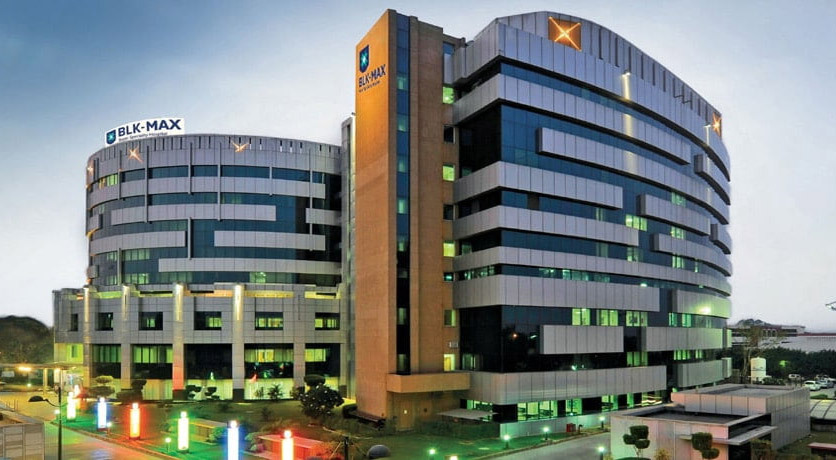
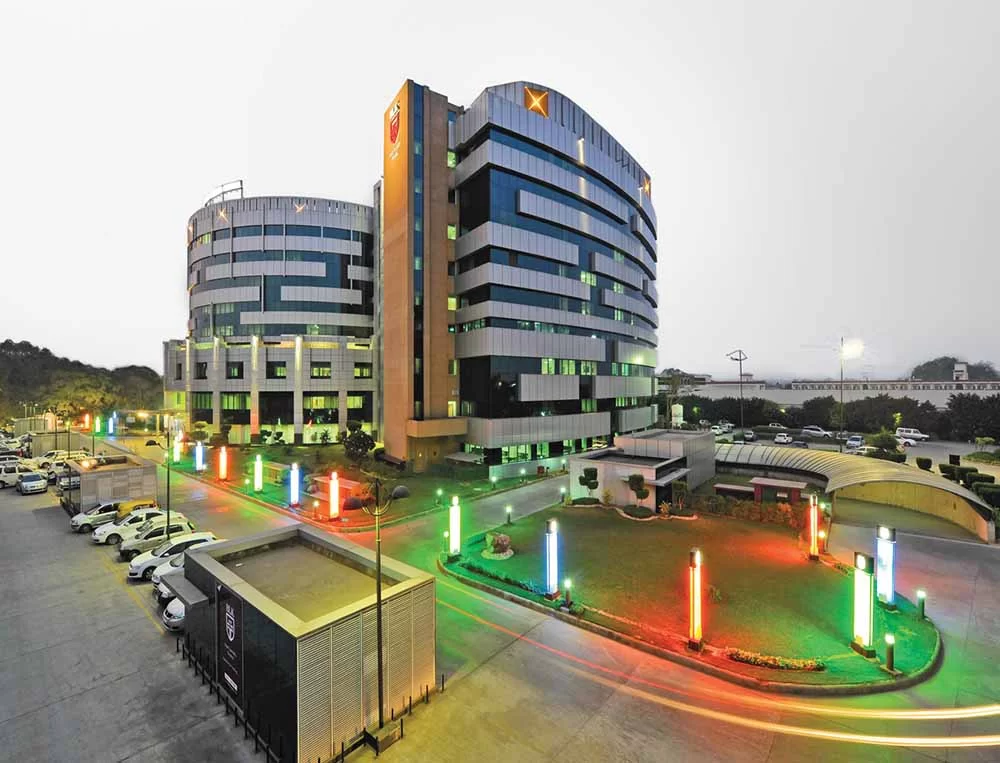
BLK-ማክስ ሱፐር ስፔሻሊቲ ሆስፒታል፣ ኒው ዴሊ
ፕላቲኒየም

BLK-ማክስ ሱፐር ስፔሻሊቲ ሆስፒታል፣ ኒው ዴሊ

ኒው ዴሊ, ሕንድ

በኒው ዴሊ የሚገኘው BLK-Max Super Specialty ሆስፒታል 650 አልጋዎች፣ 22 የላቁ የኦፕሬሽን ቲያትሮች እና 13 የልህቀት ማእከላት በማቅረብ ከህንድ የመጀመሪያ የጤና እንክብካቤ ተቋማት አንዱ ነው። በአለም አቀፍ ደረጃ በካን...

Multi-specialty
የተቋቋመ 1959
650 አልጋዎች
መድኃኒቶች
Joint Commission International (JCI)
National Accreditation Board for Hospitals & Healthcare Providers (NABH)
መገልገያዎች
+13
Fortis Memorial Research Institute (FMRI), Gurgaon
ፕላቲኒየም

Fortis Memorial Research Institute (FMRI), Gurgaon

ጉራጌን, ሕንድ

Fortis Memorial Research Institute (FMRI) Gurgaon በ 2013 የተቋቋመ አለም አቀፍ ደረጃውን የጠበቀ የብዝሃ-ስፔሻሊቲ ሆስፒታል ነው። ሆስፒታሉ 330 አልጋዎች፣ 15 የቀዶ ህክምና ቲያትሮች፣ 105 አይሲዩ አል...

Multi-specialty
የተቋቋመ 2013
330 አልጋዎች
መድኃኒቶች
Joint Commission International (JCI)
National Accreditation Board for Hospitals & Healthcare Providers (NABH)
መገልገያዎች
+13
አርጤምስ ሆስፒታል ፣ ጉራጌን።
ፕላቲኒየም

አርጤምስ ሆስፒታል ፣ ጉራጌን።

ጉራጌን, ሕንድ

Artemis Hospital, Gurgaon በ 2007 የተቋቋመ JCI እውቅና ያለው ሁለገብ ልዩ ሆስፒታል ነው። 750+ አልጋዎች እና በ9 ሄክታር ላይ የሚሰራጩ አለም አቀፍ ደረጃ መሠረተ ልማቶችን ያቀርባል። አርጤምስ M6 CyberKnife...

Multi-specialty
የተቋቋመ 2007
750 አልጋዎች
መድኃኒቶች
Joint Commission International (JCI)
National Accreditation Board for Hospitals & Healthcare Providers (NABH)
International Organization for Standardization (ISO)
መገልገያዎች
+13
ኮኪላበን ድሩብሃይ አምባኒ ሆስፒታል፣ ሙምባይ
ፕላቲኒየም

ኮኪላበን ድሩብሃይ አምባኒ ሆስፒታል፣ ሙምባይ

ሙምባይ, ሕንድ

Kokilaben Dhirubhai Ambani ሆስፒታል፣ ሙምባይ፣ በJCI፣ NABH፣ NABL እና CAP እውቅና ያለው የኳተርን እንክብካቤ ሆስፒታል በ2009 የተቋቋመ ነው። በ750 አልጋዎች፣ 180 ICU አልጋዎች እና 22 የላቁ የኦፕሬሽን...

Multi-specialty
የተቋቋመ 2009
750 አልጋዎች
መድኃኒቶች
Joint Commission International (JCI)
National Accreditation Board for Hospitals & Healthcare Providers (NABH)
International Organization for Standardization (ISO)
መገልገያዎች
+13
Medicover ሆስፒታሎች፣ Hitech City፣ Hyderabad
ፕላቲኒየም

Medicover ሆስፒታሎች፣ Hitech City፣ Hyderabad

ሃይደራባድ, ሕንድ

ሜዲኮቨር ሆስፒታሎች፣ ሂቴክ ሲቲ፣ ሃይደራባድ፣ በ 2011 በ 400 አልጋ በ NABH እውቅና ያለው ሱፐር-ስፔሻሊቲ ሆስፒታል የተቋቋመ ነው። በ18 አገሮች ውስጥ የሚሰራው የሜዲኮቭር፣ አለም አቀፍ እውቅና ያለው የጤና እንክብካቤ ብራንድ አ...

Multi-specialty
የተቋቋመ 2011
400 አልጋዎች
መድኃኒቶች
National Accreditation Board for Hospitals & Healthcare Providers (NABH)
Joint Commission International (JCI)
መገልገያዎች
+13

ተዛማጅ ሐኪሞች

በዚህ መስክ ውስጥ ካሉ ልምዶች ተሞክሮዎች እና የሕክምና ባለሞያዎች ጋር ይገናኙ.
ዶክተር Kaushik Mukherjee

ዶክተር Kaushik Mukherjee

አማካሪ

15 የልምምድ
ዶክተር ሱፐራቲፕ ኩንዱ

ዶክተር ሱፐራቲፕ ኩንዱ

አማካሪ

15 የልምምድ
ዶክተር ሱማን ሃልደር

ዶክተር ሱማን ሃልደር

ጉብኝት አማካሪ

16 የልምምድ
ዶክተር ሞኖቶሽ ፓንጃ

ዶክተር ሞኖቶሽ ፓንጃ

ከፍተኛ አማካሪ

38 የልምምድ
ዶክተር ሄማ ማላቲ ራት

ዶክተር ሄማ ማላቲ ራት

ከፍተኛ አማካሪ

24 የልምምድ
ዶ/ር ኢምራን አህመድ

ዶ/ር ኢምራን አህመድ

ከፍተኛ አማካሪ

15 የልምምድ

ተዛማጅ መጣጥፎች

ተመሳሳይ የጤና ርዕሶችን በተመለከተ ተጨማሪ ርዕሶችን እና ግንዛቤዎችን ያስሱ.
ህንድ ከታይላንድ፡ በ2026 ምርጡ የህክምና ቱሪዝም መድረሻ የትኛው ነው?
የሕክምና ቱሪዝም

ህንድ ከታይላንድ፡ በ2026 ምርጡ የህክምና ቱሪዝም መድረሻ የትኛው ነው?

18/6/2026, 5:05:27 AM
9 ደቂቃ አንብብ
በእስያ ውስጥ የሕክምና ቱሪዝምን የሚመረምሩ አብዛኛዎቹ ታካሚዎች ተመሳሳይ ሁለት መዳረሻዎችን በማወዳደር ያበቃል. ህንድ እና ታይላንድ እያንዳንዳቸው ባለፉት ሶስት አስርት ዓመታት ውስጥ ጉልህ የሆነ አለምአቀፍ የታካሚ መሰረተ ልማት ገንብተ...
በህንድ ውስጥ ሮቦቲክ ፕሮስቴትቶሚ: ነርቭ-የማዳን ዘዴዎች, ማገገም እና የታካሚ ውጤቶች
የሕክምና ቱሪዝም

በህንድ ውስጥ ሮቦቲክ ፕሮስቴትቶሚ: ነርቭ-የማዳን ዘዴዎች, ማገገም እና የታካሚ ውጤቶች

16/6/2026, 1:25:56 PM
9 ደቂቃ አንብብ
የፕሮስቴት ካንሰርየሚለው ነው።በወንዶች ላይ ሁለተኛው በጣም የተለመደ ነቀርሳበአለምአቀፍ ደረጃ. በአካባቢያዊ በሽታ ለተያዙ ታካሚዎች, ወዲያውኑ የሚከተለው ጥያቄ ቀዶ ጥገና ማድረግ ብቻ አይደለም, ነገር ግን ምን ዓይነት እና ለሁለቱም ተግ...
የኢንሱሊን ፓምፕ ሕክምና፡ እንዴት እንደሚሰራ፣ ማን እንደሚጠቅመው እና በ2026 ምን እንደሚያስከፍል
የሕክምና ቱሪዝም

የኢንሱሊን ፓምፕ ሕክምና፡ እንዴት እንደሚሰራ፣ ማን እንደሚጠቅመው እና በ2026 ምን እንደሚያስከፍል

16/6/2026, 8:29:27 AM
9 ደቂቃ አንብብ
በየእለቱ በሚደረጉ መርፌዎች የስኳር በሽታን ለሚቆጣጠሩ ሰዎች፣ ከዓመታት የዕለት ተዕለት እንቅስቃሴ በኋላ የሚፈጠር የተለየ ድካም አለ። በቀን ከአራት እስከ ስድስት መርፌዎች. ምግቦች በመድኃኒት መጠን ዙሪያ በጊዜ ተወስደዋል. እንቅልፍን ...
ከመጠን ያለፈ ውፍረት እና የስኳር በሽታ፡- የባሪያት ቀዶ ጥገና ሁለቱንም በአንድ ላይ እንዴት እንደሚፈታ
የሕክምና ቱሪዝም

ከመጠን ያለፈ ውፍረት እና የስኳር በሽታ፡- የባሪያት ቀዶ ጥገና ሁለቱንም በአንድ ላይ እንዴት እንደሚፈታ

16/6/2026, 5:31:14 AM
9 ደቂቃ አንብብ
አብዛኛው ሰው ውፍረት እና ዓይነት 2 የስኳር በሽታን የሚቆጣጠሩ ሰዎች ከሁለቱም ሁኔታዎች የበለጠ ከባድ ሸክም ይይዛሉ። ሁለት የመድሃኒት ስብስቦች. ሁለት የአመጋገብ ህጎች ስብስብ። ሁለት ስፔሻሊስቶች, ብዙውን ጊዜ ግጭት የሚፈጥር ምክር ...
Liposuction በህንድ ውስጥ፡ ቴክኒኮች፣ ወጪዎች እና የማገገሚያ ጊዜ
የሕክምና ቱሪዝም

Liposuction በህንድ ውስጥ፡ ቴክኒኮች፣ ወጪዎች እና የማገገሚያ ጊዜ

16/6/2026, 5:14:21 AM
10 ደቂቃ አንብብ
የከንፈር መጨፍጨፍበዩናይትድ ስቴትስ በብዛት የሚካሄደው የኮስሞቲክስ የቀዶ ጥገና ሂደት ሲሆን በ2023 ብቻ 347,782 ሂደቶች ሪፖርት የተደረገ ሲሆን ይህም ካለፈው ዓመት ጋር ሲነጻጸር 7 በመቶ ብልጫ እንዳለው የአሜሪካ የፕላስቲክ ቀዶ ...
የፊት ላይፍ ቀዶ ጥገና በህንድ፡ ሂደት፣ ማገገም እና ምርጥ የቀዶ ጥገና ሐኪሞችን መምረጥ

የሕክምና ቱሪዝም

የፊት ላይፍ ቀዶ ጥገና በህንድ፡ ሂደት፣ ማገገም እና ምርጥ የቀዶ ጥገና ሐኪሞችን መምረጥ

15/6/2026, 6:51:08 PM
8 ደቂቃ አንብብ
ፊት ላይ እርጅና እኩል አይከሰትም። መንጋጋው ወደ ጆልስ ይለሰልሳል። አንገት ትርጉሙን ያጣል. የመካከለኛው ፊት ይወርዳል, የ nasolabial እጥፋትን ወደ ጥልቀት በመሳብ እና አንድ ጊዜ ከፍ ብለው የተቀመጡትን ጉንጮቹን በማስተካከል. ...
ዶክተር ሪያ ሽሪ

ኃላፊ - ዓለም አቀፍ የታካሚ አገልግሎቶች

ኃላፊ - ዓለም አቀፍ የታካሚ አገልግሎቶች የቆናክ ጤና እና ጤና
ክሊኒካል ፊዚዮቴራፒስት

ዶ/ር ሪያ ሽሪ በታካሚ እንክብካቤ እና የመልሶ ማቋቋም ልምድ በመቅሰም በማታ ቻናን ዴቪ ሆስፒታል ኒው ዴሊ የልምድ ልምዷን ያጠናቀቀች ክሊኒካል ፊዚዮቴራፒስት ነች። በኮቪድ-19 ወረርሽኝ ወቅት በግንባር ቀደምትነት አገልግላለች፣ ብዙ ሕመምተኞች ተንቀሳቃሽነት እንዲመለሱ እና ውጤታማ በሆነ መንገድ እንዲያገግሙ ረድታለ... ተጨማሪ ያንብቡ

ድር ጣቢያችን ኩኪዎችን ይጠቀማል. የግላዊነት ፖሊሲ.