HoLEP vs TURP ለፕሮስቴት እድገት፡ የትኛው አሰራር የተሻለ ነው?

23/6/2026, 5:46:37 PM 10 ደቂቃ አንብብ የሕክምና ቱሪዝም
HoLEP vs TURP ለፕሮስቴት እድገት፡ የትኛው አሰራር የተሻለ ነው?
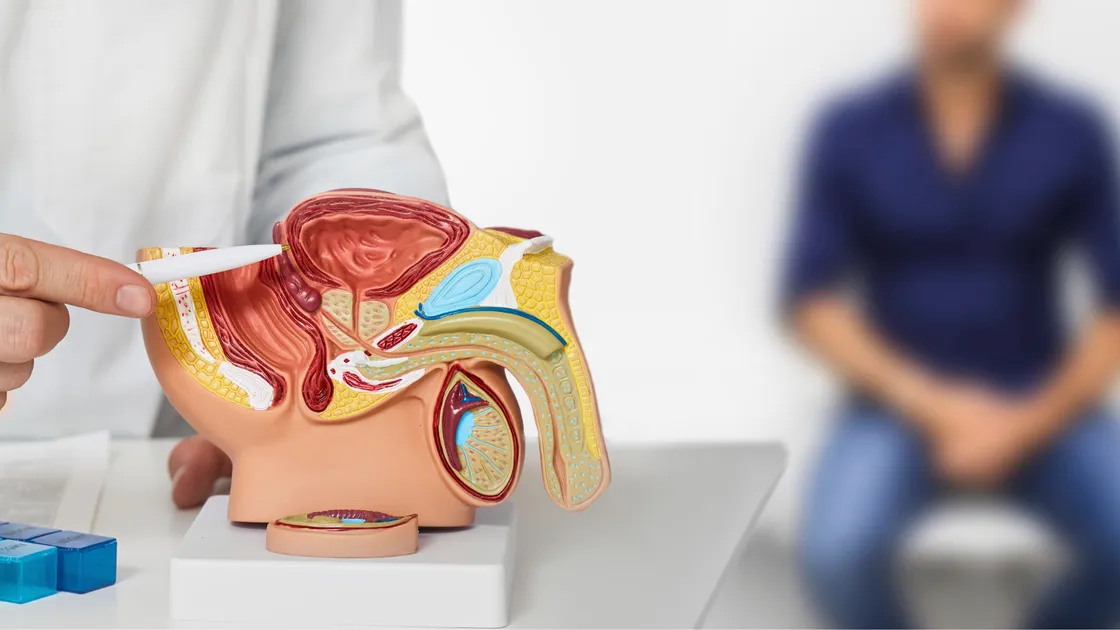
HoLEP vs TURP: Quick Comparison

For most patients, HoLEP provides better long-term outcomes than TURP. It removes more prostate tissue, causes less bleeding, lowers the risk of repeat surgery, and can treat larger prostates. TURP remains an effective option for smaller prostates when HoLEP expertise is unavailable.


In summary:


  • HoLEP is generally preferred for prostates over 80 g
  • HoLEP has lower reoperation rates
  • HoLEP causes less bleeding
  • HoLEP is safer for patients taking blood thinners
  • TURP remains effective for smaller prostates


HoLEP vs TURP Comparison Table

Feature

HoLEP

TURP

TechniqueLaser enucleation of the prostate adenomaElectrical resection of prostate tissue
Suitable Prostate SizeSmall, medium, and very large prostatesBest suited for prostates under 80 grams
Tissue RemovalMore complete removalPartial tissue removal
Bleeding RiskLowerHigher
Blood Transfusion RiskLowerHigher
Use in Patients on Blood ThinnersOften possible with specialist assessmentUsually requires temporary interruption of anticoagulation
Hospital StayTypically 1–2 daysTypically 2–3 days
Catheter DurationUsually 1–2 daysUsually 2–3 days
Risk of Repeat SurgeryLowerHigher
Recovery TimeApproximately 4–6 weeksApproximately 4–6 weeks
Best ForLarge prostates, patients on blood thinners, those seeking maximum durabilitySmall to moderate-sized prostates when HoLEP is unavailable


Most men who need surgery for an enlarged prostate encounter two options. Their urologist mentions TURP, perhaps with a brief description of an electrical loop cutting away tissue. Then, increasingly, HoLEP comes up, a laser-based technique that some doctors describe as more complete and more durable. The patient is left to choose between two procedures without a clear sense of what actually distinguishes them.


The short answer is this: TURP resects the prostate. HoLEP enucleates it. The distinction matters clinically because enucleation removes the obstructing adenoma more completely, like a walnut being removed from its shell rather than scooped from it. Studies confirm that HoLEP yields better functional outcomes at 6, 12, and 24 months post-surgery, with lower rates of bleeding, blood transfusion, urethral stricture, and reoperation than TURP.


TURP remains a valid and widely performed procedure, particularly for prostates under 60 to 80 grams where the outcome difference narrows. But for larger glands, patients on blood thinners, and those who want the lowest chance of needing a second operation, the evidence consistently favours HoLEP.


What Is BPH and When Is Surgery Recommended?

Benign Prostatic Hyperplasia (BPH) is a non-cancerous enlargement of the prostate gland that compresses the urethra and restricts urine flow. It affects 60 percent of men by age 60 and over 80 percent by age 80, making it one of the most common urological conditions worldwide.


Symptoms include:


  • Weak or interrupted urine stream
  • Frequent urination, particularly at night (nocturia)
  • Urgency and difficulty postponing urination
  • Incomplete bladder emptying, confirmed on ultrasound post-void residual volume
  • Urinary retention in severe cases, where the bladder cannot empty at all

Medication (alpha-blockers and 5-alpha reductase inhibitors) manages mild to moderate symptoms. Surgery is recommended when:


  • Symptoms are severe on the International Prostate Symptom Score (IPSS)
  • Urinary retention has occurred
  • Bladder stones, recurrent infections, or kidney damage have developed
  • The patient cannot tolerate or no longer responds adequately to medication


What Is TURP and How Does It Work?

Transurethral Resection of the Prostate has been the standard surgical treatment for BPH for the past 4 decades. A resectoscope, a rigid instrument with a camera and an electrical loop, is passed through the urethra. The loop cuts away the obstructing inner prostate tissue piece by piece, widening the urethral channel. The resected fragments are flushed out for histopathological analysis.


Monopolar vs Bipolar TURP

Traditional TURP uses a monopolar electrical current, which requires a non-conductive irrigation fluid (glycine). When this fluid is absorbed in significant amounts, it causes a dilutional hyponatraemia called TUR syndrome, a potentially serious but now rare complication.


Bipolar TURP uses saline irrigation, eliminating TUR syndrome risk. Most modern centres now perform bipolar TURP as standard. The functional outcomes of bipolar and monopolar TURP are equivalent; the difference lies in safety, particularly during longer procedures or in larger prostates.


When TURP Is Most Appropriate

  • Prostates under 60 to 80 grams where complete resection is achievable within a safe operative time
  • Centres where HoLEP expertise is not available
  • Patients with smaller glands and moderate symptoms where the outcome difference between TURP and HoLEP is smaller


What Is HoLEP and How Is It Different From TURP?

Holmium Laser Enucleation of the Prostate uses a high-powered holmium laser to separate the entire obstructing adenoma from the prostate capsule in anatomical tissue planes, exactly as it would be removed during open simple prostatectomy, but endoscopically, without any skin incision.


Once enucleated, the adenoma lobes are pushed into the bladder and then morcellated (divided into retrievable pieces) by a separate instrument called a morcellator. The tissue is sent for histopathology, which also screens for incidental prostate cancer.


Why Enucleation Produces More Complete Removal

TURP removes the obstructing tissue by cutting into it repeatedly from the inside. Some tissue remains behind, particularly deeper tissue near the capsule, which can regrow over the years. HoLEP follows the natural tissue planes between the adenoma and the surgical capsule, removing the obstructing tissue as a unit. 


A 2024 to 2025 prospective trial found that both prostate resection volume and resection efficiency were significantly higher with HoLEP than with TURP in prostates weighing 60 to 100 grams.


Why HoLEP Is Size-Independent

Because HoLEP follows a dissection plane rather than cutting through tissue, it can safely enucleate prostates of 100, 200, or even 400 grams. These sizes would require open simple prostatectomy or robotic-assisted simple prostatectomy without this technique. TURP becomes impractical and higher-risk for prostates above 80 grams due to bleeding and the time required to complete the resection.


Which Procedure Has Better Outcomes: HoLEP or TURP?

HoLEP produces better functional outcomes than TURP, with lower complication rates, across most measured parameters in the published evidence.


What a Meta-Analysis of 13 Randomised Controlled Trials Found

Compared with TURP, HoLEP was associated with:


  • Better maximum urinary flow rate (Qmax) at 12 and 24 months post-surgery
  • Lower post-void residual volume at 1, 6, and 12 months
  • Shorter catheterisation time and hospital stay
  • Significantly lower risk of blood transfusion and hyponatraemia
  • Lower urethral stricture rate: 9.4 percent with TURP versus 5.7 percent with HoLEP in a large comparative study
  • Greater postoperative dysuria with HoLEP in the short term (temporary, resolves within weeks)

HoLEP takes longer to perform, and the morcellation step requires specific equipment and training. A urologist performing 10 HoLEP procedures per year carries a different experience profile than one performing 100.


A 2026 Korean retrospective analysis of real-world data confirmed that HoLEP is associated with significantly lower reoperation rates, reduced long-term dependence on alpha-blockers and 5-alpha reductase inhibitors, and decreased risk of urethral stricture compared with TURP.


Which Procedure Is Better for Large Prostates?

For prostates over 80 grams, HoLEP is the preferred endoscopic option and the only one that avoids open surgery entirely.


TURP for a prostate over 80 to 100 grams carries a longer operative time, higher blood loss, greater risk of incomplete resection, and a higher rate of requiring conversion to open surgery. 


Before HoLEP became widely available, the standard recommendation for prostates over 80 to 100 grams was open simple prostatectomy, which involves a skin incision and significantly longer recovery.


A 2024 to 2025 study directly comparing TURP and HoLEP for prostates weighing 60 to 100 grams found that HoLEP showed statistically significant improvements in IPSS and pain scores, and greater PSA reduction at three months, with higher resected volume and greater resection efficiency, though at the cost of longer operative time.


Can HoLEP Be Done on Patients Taking Blood Thinners?

Yes, and this is one of HoLEP's most clinically important advantages for older patients.


Many men with BPH requiring surgery are also on anticoagulant or antiplatelet medication for cardiac conditions, including warfarin, rivaroxaban, apixaban, aspirin, or clopidogrel. TURP generally requires stopping blood thinners for a period before surgery, which carries cardiovascular risk for patients on anticoagulation for atrial fibrillation, mechanical heart valves, or coronary stents.


HoLEP's laser energy seals blood vessels during enucleation, resulting in significantly less intraoperative bleeding than with TURP. This haemostatic effect means HoLEP can be performed safely in patients who cannot interrupt anticoagulation, provided careful anaesthetic and urological management is in place. For patients in this category, HoLEP is often the only safe surgical option without the risks associated with stopping anticoagulation.


What Are the Risks and Side Effects of Each Procedure?

Both procedures carry risks that patients should understand before deciding.


Shared Risks

  • Retrograde ejaculation: Semen enters the bladder rather than exiting during orgasm, occurring in 60 to 90 percent of TURP patients and 70 to 80 percent of HoLEP patients. It is harmless but permanent and reduces or eliminates ejaculatory volume.
  • Urinary tract infection: Prophylactic antibiotics are standard for both procedures
  • Temporary urinary urgency or incontinence: More common with HoLEP in the first weeks, as the bladder adjusts to the reduced urethral resistance; typically resolves within four to eight weeks
  • Urethral stricture: More common with TURP (9.4 percent) than HoLEP (5.7 percent) in comparative data


Risks Specific to TURP

  • TUR syndrome (now rare with bipolar technique): Dilutional hyponatraemia from absorption of irrigation fluid. Essentially eliminated with bipolar TURP and saline irrigation.
  • Higher reoperation rate: Published data consistently show TURP requires repeat procedures more often than HoLEP over five to ten years, due to incomplete tissue removal and regrowth


Risks Specific to HoLEP

  • Temporary dysuria: Burning during urination in the early postoperative weeks is more common with HoLEP than TURP and is the most frequent patient complaint in the first two to four weeks
  • Longer operative time: HoLEP takes 30 to 60 minutes longer than TURP on average, which adds to anaesthetic time
  • Morcellator-related bladder injury: Rare, occurs in under 0.5 percent of cases, and relates to technique rather than the enucleation itself


How Much Does HoLEP and TURP Cost in India?

TURP in India costs INR 70,000 to INR 1,50,000 (approximately USD 840 to USD 1,800). HoLEP costs USD 3,000 to USD 6,000, reflecting the specialised laser equipment and additional operative time.


Cost Breakdown

Component

TURP (INR)

HoLEP (INR)

Surgeon's fee12,000 to 30,00025,000 to 70,000
Anaesthesia6,000 to 10,0008,000 to 15,000
Operating theatre8,000 to 18,00012,000 to 25,000
Laser or electrosurgical equipment5,000 to 10,00020,000 to 50,000
Morcellator (HoLEP only)N/A10,000 to 20,000
Hospital stay per night (ward)3,000 to 7,0003,500 to 8,000
Pre-operative tests (PSA, uroflowmetry, TRUS)3,000 to 8,0003,000 to 8,000
Catheter and medications2,000 to 4,0002,000 to 4,000
Histopathology (prostate tissue analysis)1,500 to 3,0001,500 to 3,000

Global Cost Comparison

Country

TURP (USD)

HoLEP (USD)

India840 to 1,8003,000 to 6,000
Turkey2,000 to 3,5004,000 to 7,000
Thailand4,000 to 7,0006,000 to 10,000
UK (private)5,000 to 10,0008,000 to 15,000
USA10,000 to 20,00015,000 to 30,000

What Does Recovery Look Like After HoLEP vs TURP?

Both procedures are performed through the urethra under spinal or general anaesthesia, with no external incisions. Recovery timelines are similar but differ on a few practical points.


Recovery Comparison

Milestone

TURP

HoLEP

Catheter removal2 to 3 days1 to 2 days
Hospital discharge2 to 3 days1 to 2 days
Urine clarity3 to 5 days2 to 4 days
Temporary urgency/dysuria2 to 4 weeks4 to 8 weeks (more common)
Return to light activity1 to 2 weeks1 to 2 weeks
Full recovery4 to 6 weeks4 to 6 weeks
Need for repeat procedure (10 years)HigherSignificantly lower

International patients should plan a 7- to 10-day stay in India for either procedure, including operative admission, catheter removal, and postoperative uroflowmetry before flying home.


Summary

The evidence does not leave much ambiguity. HoLEP produces more complete tissue removal, better long-term functional outcomes, lower reoperation rates, less bleeding, and a lower stricture rate than TURP. For large prostates, for patients on blood thinners, and for men seeking the most durable single procedure, HoLEP is the better option.


TURP retains a legitimate role for smaller prostates at centres where HoLEP expertise is not available, and for patients for whom the temporary dysuria and longer operative time of HoLEP outweigh its long-term advantages.


India's leading urology centres offer both procedures. HoLEP, at USD 3,000 to USD 6,000 in India, costs between 60 and 80 percent less than the same procedure in the United Kingdom or the United States. For a procedure that is likely to be a one-time, lifelong fix rather than a bridge to the next operation, that saving represents meaningful value.


Need Help Choosing Between HoLEP and TURP? 

Share your prostate ultrasound report, PSA results, uroflowmetry findings, IPSS score, and other relevant medical records with the Qonaq Health experts for a personalised assessment. Fill out the enquiry form to connect with experienced urologists in India who specialise in advanced treatments for enlarged prostate (BPH)


Disclaimer: This article provides general educational information about HoLEP and TURP as surgical treatments for benign prostatic hyperplasia. It does not constitute medical advice and must not replace a consultation with a qualified urologist. Individual treatment decisions depend on prostate size, patient comorbidities, surgical risk, and surgeon expertise. Patients should consult a urologist before making any decisions about prostate surgery.

ተዛማጅ ሆስፒታሎች

ጥራት ያለው የጤና እንክብካቤ አገልግሎቶች ከዚህ ርዕስ ጋር የሚዛመዱ ሆስፒታሎች እና የህክምና ማዕከሎች ያግኙ.
የሕክምና ፓርክ Bahcelievler ሆስፒታል
ፕላቲኒየም

የሕክምና ፓርክ Bahcelievler ሆስፒታል

ኢስታንቡል, ቱሪክ

ሜዲካል ፓርክ Bahcelievler ሆስፒታል በ 242 አልጋ JCI እውቅና ያለው በኢስታንቡል ውስጥ የሚገኝ ሆስፒታል ነው በ2007 የተቋቋመ። ሆስፒታሉ ኤምአርአይ፣ ሲቲ እና አንጂዮግራፊን ጨምሮ 10 የቀዶ ሕክምና ክፍሎች፣ 89 የተመላላሽ...

Multi-specialty
የተቋቋመ 2007
242 አልጋዎች
መድኃኒቶች
Joint Commission International (JCI)
መገልገያዎች
+13
BLK-ማክስ ሱፐር ስፔሻሊቲ ሆስፒታል፣ ኒው ዴሊ
ፕላቲኒየም

BLK-ማክስ ሱፐር ስፔሻሊቲ ሆስፒታል፣ ኒው ዴሊ

ኒው ዴሊ, ሕንድ

በኒው ዴሊ የሚገኘው BLK-Max Super Specialty ሆስፒታል 650 አልጋዎች፣ 22 የላቁ የኦፕሬሽን ቲያትሮች እና 13 የልህቀት ማእከላት በማቅረብ ከህንድ የመጀመሪያ የጤና እንክብካቤ ተቋማት አንዱ ነው። በአለም አቀፍ ደረጃ በካን...

Multi-specialty
የተቋቋመ 1959
650 አልጋዎች
መድኃኒቶች
Joint Commission International (JCI)
National Accreditation Board for Hospitals & Healthcare Providers (NABH)
መገልገያዎች
+13
Fortis Memorial Research Institute (FMRI), Gurgaon
ፕላቲኒየም

Fortis Memorial Research Institute (FMRI), Gurgaon

ጉራጌን, ሕንድ

Fortis Memorial Research Institute (FMRI) Gurgaon በ 2013 የተቋቋመ አለም አቀፍ ደረጃውን የጠበቀ የብዝሃ-ስፔሻሊቲ ሆስፒታል ነው። ሆስፒታሉ 330 አልጋዎች፣ 15 የቀዶ ህክምና ቲያትሮች፣ 105 አይሲዩ አል...

Multi-specialty
የተቋቋመ 2013
330 አልጋዎች
መድኃኒቶች
Joint Commission International (JCI)
National Accreditation Board for Hospitals & Healthcare Providers (NABH)
መገልገያዎች
+13
አርጤምስ ሆስፒታል ፣ ጉራጌን።
ፕላቲኒየም

አርጤምስ ሆስፒታል ፣ ጉራጌን።

ጉራጌን, ሕንድ

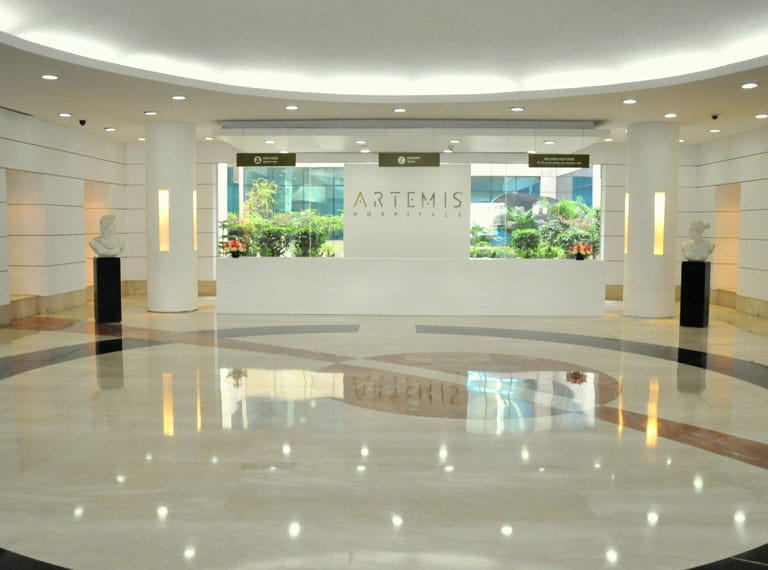
Artemis Hospital, Gurgaon በ 2007 የተቋቋመ JCI እውቅና ያለው ሁለገብ ልዩ ሆስፒታል ነው። 750+ አልጋዎች እና በ9 ሄክታር ላይ የሚሰራጩ አለም አቀፍ ደረጃ መሠረተ ልማቶችን ያቀርባል። አርጤምስ M6 CyberKnife...

Multi-specialty
የተቋቋመ 2007
750 አልጋዎች
መድኃኒቶች
Joint Commission International (JCI)
National Accreditation Board for Hospitals & Healthcare Providers (NABH)
International Organization for Standardization (ISO)
መገልገያዎች
+13
ኮኪላበን ድሩብሃይ አምባኒ ሆስፒታል፣ ሙምባይ
ፕላቲኒየም

ኮኪላበን ድሩብሃይ አምባኒ ሆስፒታል፣ ሙምባይ

ሙምባይ, ሕንድ

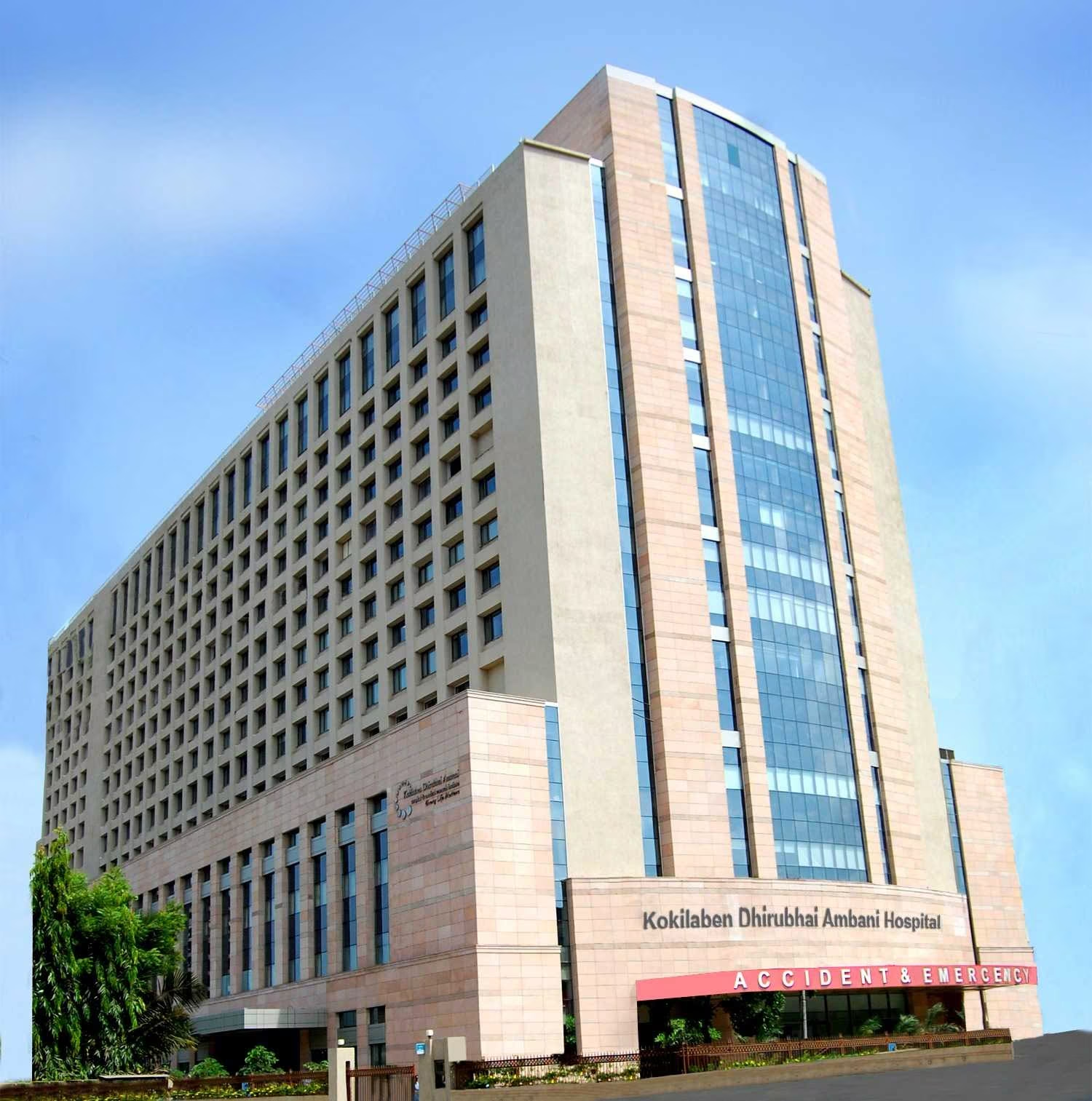
Kokilaben Dhirubhai Ambani ሆስፒታል፣ ሙምባይ፣ በJCI፣ NABH፣ NABL እና CAP እውቅና ያለው የኳተርን እንክብካቤ ሆስፒታል በ2009 የተቋቋመ ነው። በ750 አልጋዎች፣ 180 ICU አልጋዎች እና 22 የላቁ የኦፕሬሽን...

Multi-specialty
የተቋቋመ 2009
750 አልጋዎች
መድኃኒቶች
Joint Commission International (JCI)
National Accreditation Board for Hospitals & Healthcare Providers (NABH)
International Organization for Standardization (ISO)
መገልገያዎች
+13
Medicover ሆስፒታሎች፣ Hitech City፣ Hyderabad
ፕላቲኒየም

Medicover ሆስፒታሎች፣ Hitech City፣ Hyderabad

ሃይደራባድ, ሕንድ

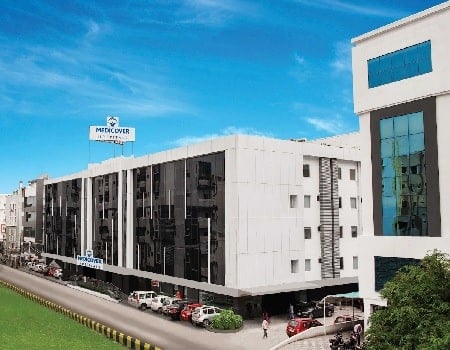
ሜዲኮቨር ሆስፒታሎች፣ ሂቴክ ሲቲ፣ ሃይደራባድ፣ በ 2011 በ 400 አልጋ በ NABH እውቅና ያለው ሱፐር-ስፔሻሊቲ ሆስፒታል የተቋቋመ ነው። በ18 አገሮች ውስጥ የሚሰራው የሜዲኮቭር፣ አለም አቀፍ እውቅና ያለው የጤና እንክብካቤ ብራንድ አ...

Multi-specialty
የተቋቋመ 2011
400 አልጋዎች
መድኃኒቶች
National Accreditation Board for Hospitals & Healthcare Providers (NABH)
Joint Commission International (JCI)
መገልገያዎች
+13

ተዛማጅ ሐኪሞች

በዚህ መስክ ውስጥ ካሉ ልምዶች ተሞክሮዎች እና የሕክምና ባለሞያዎች ጋር ይገናኙ.

ዶክተር ቢብሃስ ራንጃን ኩንዱ

ዶክተር ቢብሃስ ራንጃን ኩንዱ

ከፍተኛ አማካሪ

40 የልምምድ
ዶክተር ረቫቲ አር

ዶክተር ረቫቲ አር

አማካሪ

22 የልምምድ
ዶክተር ፕራሳድ ራጁ ካሊዲንዲ

ዶክተር ፕራሳድ ራጁ ካሊዲንዲ

ከፍተኛ አማካሪ

25 የልምምድ
ዶክተር ሻኪር ታብዝ

ዶክተር ሻኪር ታብዝ

ተጨማሪ ዳይሬክተር

17 የልምምድ
ዶ / ር ዊቼን ካሞልፖርንቪጂት

ዶ / ር ዊቼን ካሞልፖርንቪጂት

አማካሪ

38 የልምምድ
ዶክተር Ukrid Kesthong

ዶክተር Ukrid Kesthong

አማካሪ

10 የልምምድ

ተዛማጅ መጣጥፎች

ተመሳሳይ የጤና ርዕሶችን በተመለከተ ተጨማሪ ርዕሶችን እና ግንዛቤዎችን ያስሱ.
PCNL vs ESWL ለኩላሊት ጠጠር፡ የትኛው የተሻለ እና መቼ ነው?
የሕክምና ቱሪዝም

PCNL vs ESWL ለኩላሊት ጠጠር፡ የትኛው የተሻለ እና መቼ ነው?

1/7/2026, 5:09:43 PM
10 ደቂቃ አንብብ
ሁለት የኩላሊት ጠጠር ያለባቸው ታካሚዎች በአንድ ክሊኒክ ውስጥ ተቀምጠው ፍጹም የተለየ የሕክምና ምክሮችን ይዘው መሄድ ይችላሉ. አንድ ሰው ESWL፣ shockwave ቴራፒን ከሰውነት ውጭ ያገኛል፣ ምንም ያልተቆረጠ፣ የሆስፒታል ቆይታ የለም...
በህንድ ውስጥ MCL እና Meniscus ጥገና፡ ቀዶ ጥገና፣ የስኬት መጠን እና ማገገም
የሕክምና ቱሪዝም

በህንድ ውስጥ MCL እና Meniscus ጥገና፡ ቀዶ ጥገና፣ የስኬት መጠን እና ማገገም

1/7/2026, 4:09:39 PM
15 ደቂቃ አንብብ
የጉልበት ጉዳቶች አልፎ አልፎ ብቻቸውን አይደርሱም። የመካከለኛ መያዣ (MCL)እና menisci በመገጣጠሚያው ተመሳሳይ ጎን ላይ ተቀምጠው ከተመሳሳይ እንቅስቃሴዎች ኃይል ይወስዳሉ, ለዚህም ነው ጠመዝማዛ መውደቅ, መያዣ ወይም የማይመች ማረ...
በህንድ ውስጥ የRotator Cuff ጥገና ቀዶ ጥገና፡ የአሰራር ሂደት፣ የስኬት ተመኖች እና ወጪ
የሕክምና ቱሪዝም

በህንድ ውስጥ የRotator Cuff ጥገና ቀዶ ጥገና፡ የአሰራር ሂደት፣ የስኬት ተመኖች እና ወጪ

1/7/2026, 3:51:06 PM
13 ደቂቃ አንብብ
ከፍ ባለ መደርደሪያ ላይ ብርጭቆን መድረስ ፣ ጃኬት መልበስ ፣ በአንድ በኩል መተኛት - እነዚህ ትናንሽ እና አውቶማቲክ እንቅስቃሴዎች የተቀደደ ሮታተር ካፍ ወደ ሆን ተብሎ ወደ አሳማሚ ውሳኔዎች ይቀየራል። ማሽከርከርን የሚፈጥሩት አራቱ ጅ...
በ2026 ለኦርቶፔዲክ ቀዶ ጥገና እና ለስፖርት ሕክምና ምርጥ አገሮች
የሕክምና ቱሪዝም

በ2026 ለኦርቶፔዲክ ቀዶ ጥገና እና ለስፖርት ሕክምና ምርጥ አገሮች

1/7/2026, 2:07:25 PM
13 ደቂቃ አንብብ
የት እንደሚኖር ጥያቄየአጥንት ቀዶ ጥገናዝቅተኛውን ዋጋ ከማግኘት የበለጠ ያካትታል. ውስብስብ የሆነ የኤሲኤል እንባ ከሜኒካል ጉዳት ጋር ያለው ታካሚ በየአመቱ በመቶዎች የሚቆጠሩ ሂደቶችን የሚያከናውን የስፖርት መድሀኒት የቀዶ ጥገና ሃኪም ...
በህንድ ውስጥ የACL መልሶ ግንባታ ቀዶ ጥገና፡ የአሰራር ሂደት፣ ወጪ እና የስኬት መጠን
የሕክምና ቱሪዝም

በህንድ ውስጥ የACL መልሶ ግንባታ ቀዶ ጥገና፡ የአሰራር ሂደት፣ ወጪ እና የስኬት መጠን

1/7/2026, 1:27:59 PM
16 ደቂቃ አንብብ
የኤሲኤል እንባ እራሱን በግልፅ ያስታውቃል። Most patients describe a pop at the moment of injury, followed by rapid swelling and the unsettling feeling that the knee ...
በህንድ ውስጥ የተገላቢጦሽ የትከሻ መተካት: ወጪ, ሂደት, ማገገም

የሕክምና ቱሪዝም

በህንድ ውስጥ የተገላቢጦሽ የትከሻ መተካት: ወጪ, ሂደት, ማገገም

30/6/2026, 6:09:19 PM
13 ደቂቃ አንብብ
ትከሻው በሰው አካል ውስጥ በጣም ተንቀሳቃሽ መገጣጠሚያ ነው፣ ነገር ግን የጅምላ ሽክርክሪት (rotator cuff) እንባ፣ ተራማጅ አርትራይተስ፣ ወይም ውስብስብ ስብራት ሽንፈት ሲያስከትል ብቻ አይጎዳም። ሙሉ በሙሉ መስራት ያቆማል. ከአሁ...
ዶክተር ሪያ ሽሪ

ኃላፊ - ዓለም አቀፍ የታካሚ አገልግሎቶች

ኃላፊ - ዓለም አቀፍ የታካሚ አገልግሎቶች የቆናክ ጤና እና ጤና
ክሊኒካል ፊዚዮቴራፒስት

ዶ/ር ሪያ ሽሪ በታካሚ እንክብካቤ እና የመልሶ ማቋቋም ልምድ በመቅሰም በማታ ቻናን ዴቪ ሆስፒታል ኒው ዴሊ የልምድ ልምዷን ያጠናቀቀች ክሊኒካል ፊዚዮቴራፒስት ነች። በኮቪድ-19 ወረርሽኝ ወቅት በግንባር ቀደምትነት አገልግላለች፣ ብዙ ሕመምተኞች ተንቀሳቃሽነት እንዲመለሱ እና ውጤታማ በሆነ መንገድ እንዲያገግሙ ረድታለ... ተጨማሪ ያንብቡ

ድር ጣቢያችን ኩኪዎችን ይጠቀማል. የግላዊነት ፖሊሲ.