
Transurethral Resection of Prostate (TURP) Cost in India
About Transurethral Resection of Prostate (TURP)
An enlarged prostate is a common disorder affecting men as they age, often causing urinary problems such as difficulty in passing urine, weak flow, or frequent urination. When medications fail to relieve these symptoms, doctors may advise a surgical procedure called Transurethral Resection of the Prostate (TURP).
TURP helps restore normal urine flow by removing excess tissue that blocks the urethra. The procedure is minimally invasive, requires no external incisions, and offers a quick recovery with lasting relief.
This surgery has been the gold standard treatment for Benign Prostatic Hyperplasia (BPH) for decades, offering men improved urinary control and quality of life. With advanced surgical tools and modern techniques, TURP delivers safe, effective results for patients of all ages.
What Is Transurethral Resection of the Prostate?
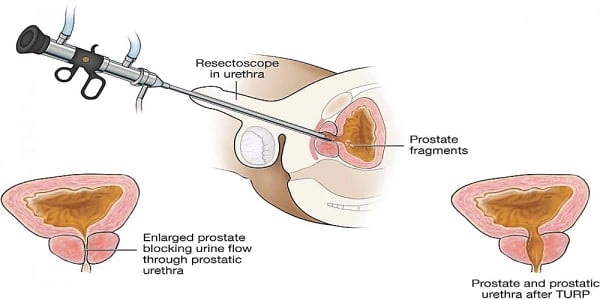
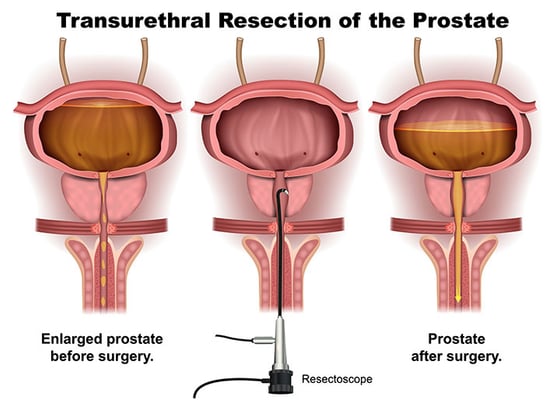
Transurethral Resection of the Prostate is a minimally invasive surgery that removes excess prostate tissue blocking the flow of urine through the urethra. Doctors use this procedure to treat BPH, a non-cancerous enlargement of the prostate gland that affects many men over 50.
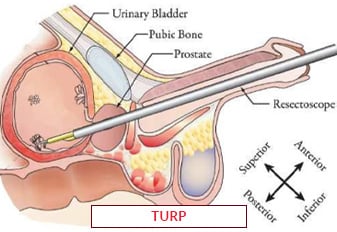
During TURP, surgeons use a special instrument called a resectoscope, which is inserted through the urethra (the natural urinary passage). The resectoscope allows the doctor to view the prostate clearly and remove the overgrown tissue using an electric current or laser energy, without making any external cuts.
This approach helps relieve symptoms such as:
- Weak or interrupted urine flow
- Frequent or urgent need to urinate
- Incomplete bladder emptying
- Nighttime urination (nocturia)
- Urinary retention or infection due to blockage
TURP improves urinary function almost immediately and helps patients regain comfort and control. It remains one of the most effective and time-tested solutions for prostate enlargement worldwide.
When Do Doctors Recommend TURP Surgery?
Doctors recommend Transurethral Resection of the Prostate when an enlarged prostate begins to cause significant urinary problems or when medications fail to provide relief. The goal of TURP is to remove the obstruction and restore smooth urine flow.
TURP is ideal for men who have moderate to severe symptoms of BPH that interfere with daily life or pose risks to bladder health.
Doctors usually recommend TURP when you experience:
- Difficulty starting or maintaining urine flow
- Weak or interrupted stream
- Painful urination or bladder pressure
- Frequent need to urinate, especially at night
- Urinary retention (inability to empty the bladder fully)
- Repeated urinary tract infections (UTIs)
- Bladder stones or bleeding caused by prostate enlargement
- Kidney damage due to long-term urinary obstruction
Medical Evaluation Before Surgery
Before recommending TURP, doctors perform a detailed evaluation that includes:
- Digital rectal examination (DRE) to assess prostate size
- Ultrasound to measure prostate volume and check residual urine
- Urine flow test to evaluate blockage severity
- Blood tests to determine kidney function and rule out other conditions
How Is TURP Surgery Performed?
Doctors perform TURP using a minimally invasive technique that removes excess prostate tissue through the urinary passage, without any external incisions. The surgery usually takes 60 to 90 minutes and is performed under spinal or general anesthesia.
- Preparation and Anesthesia: The patient receives anesthesia to ensure comfort during the surgery. Doctors insert a resectoscope (a thin, flexible tube with a camera and surgical loop) through the urethra to access the prostate gland.
- Resection of Prostate Tissue: Using the resectoscope, the surgeon gently removes the overgrown prostate tissue layer by layer. The removed fragments are flushed into the bladder and washed out through the catheter at the end of the procedure.
- Control of Bleeding and Irrigation: Surgeons use electric current or laser energy to seal small blood vessels and stop bleeding. Continuous irrigation with sterile fluid keeps the surgical area clear for precise visibility.
- Catheter Placement: After the tissue removal, doctors place a urinary catheter to allow urine to drain freely while the bladder heals. This catheter typically remains in place for 24 to 48 hours.
- Recovery and Monitoring: Patients stay in the hospital for 1–2 days after surgery for monitoring. Once the urine clears and bladder function stabilizes, the catheter is removed, and the patient can urinate normally.
What Are the Benefits of TURP Surgery?
TURP remains one of the most effective and reliable treatments for men with an enlarged prostate. The procedure offers quick relief from urinary symptoms and long-term improvement in bladder function.
Here are the key benefits of TURP surgery:
- Restores Normal Urine Flow: TURP removes the tissue blocking the urethra, allowing urine to pass freely. Patients experience immediate relief from weak stream, straining, and incomplete bladder emptying.
- Provides Long-Term Relief: Unlike medications that only manage symptoms, TURP permanently removes excess tissue, offering long-lasting results. Most men enjoy normal urinary function for 10 years or more after surgery.
- Minimally Invasive and Scar-Free: The procedure requires no external incisions. Surgeons perform it entirely through the urethra, which means no visible scars, minimal pain, and faster recovery.
- Short Hospital Stay and Quick Recovery: Most patients stay in the hospital for one to two days and resume light activities within a week. The catheter is usually removed within 48 hours, and normal urination resumes shortly afterward.
- Prevents Bladder and Kidney Damage: By restoring normal urine flow, TURP prevents long-term complications such as bladder stones, urinary tract infections, or kidney damage caused by urinary retention.
- Improves Quality of Life: After surgery, men report improved urine flow, reduced urgency, and fewer nighttime trips to the bathroom.
Get a Free Treatment Plan
About Transurethral Resection of Prostate (TURP) in India
What Is the Cost of TURP Surgery in India?
The cost of Transurethral Resection of the Prostate (TURP) in India ranges between USD 2,000 and USD 3,800 (approximately ₹1,65,000 – ₹3,10,000). The price depends on the hospital's location, the urologist's expertise, the technology used, and the patient's medical condition.
Indian hospitals use advanced endoscopic and bipolar resection systems that ensure precise tissue removal, reduced bleeding, and faster recovery, all at a significantly lower cost compared to Western countries.
Type of Procedure | Estimated Cost (USD) | Estimated Cost (INR) |
| Standard TURP (Monopolar) | $2,000 – $2,800 | ₹1,65,000 – ₹2,30,000 |
| Bipolar TURP (Advanced System) | $2,800 – $3,500 | ₹2,30,000 – ₹2,90,000 |
| Laser TURP / HoLEP (Holmium Laser Enucleation) | $3,000 – $3,800 | ₹2,50,000 – ₹3,10,000 |
Note: The final cost may vary depending on the prostate size, hospital category, room type, and any additional tests or treatments required before or after surgery.
Inclusions and Exclusions in the Cost Package
Hospitals in India offer clear and comprehensive packages for TURP. Understanding what is included and excluded helps patients plan their treatment confidently and avoid unexpected costs.
Cost Inclusions:
Most standard TURP packages include:
- Preoperative evaluation and diagnostic tests (blood tests, urine flow test, ECG, ultrasound)
- Consultation fees for the urologist and anesthetist
- Operation theatre and anesthesia charges
- TURP procedure using monopolar, bipolar, or laser technology
- Hospital stay for 1–2 days with nursing care
- Medications and consumables during hospitalization
- Catheterization and irrigation system setup
- Postoperative monitoring and follow-up before discharge
These inclusions ensure that the entire surgical and immediate recovery process is fully covered.
Cost Exclusions:
The following items may not be part of the standard package unless specified:
- An extended hospital stay beyond the package duration
- Additional treatment for unrelated conditions
- Room upgrades or special accommodation requests
- Travel, visa, and lodging expenses for international patients
- Revision surgery or complications requiring additional procedures
How Does the Cost of TURP in India Compare to Other Countries?
The cost of TURP in India is significantly lower than in most Western and Asian countries. Even though the quality of care, surgical technology, and safety standards match global benchmarks.
India's hospitals use advanced bipolar and laser TURP systems, offering precision and faster recovery at a fraction of the cost. This affordability, combined with expert urologists and state-of-the-art facilities, attracts thousands of international patients every year.
Country | Average Cost (USD) |
| India | $2,000 – $3,800 |
| United States | $9,000 – $15,000 |
| United Kingdom | $7,000 – $12,000 |
| Singapore | $5,500 – $9,000 |
| Thailand | $3,800 – $6,000 |
| Turkey | $3,000 – $5,000 |
What Factors Affect the Cost of TURP Surgery in India?
The cost of Transurethral Resection of the Prostate in India varies depending on several key factors. Understanding these helps patients and families plan their treatment budget more effectively and choose the best hospital for their needs.
- Type of TURP Procedure: Monopolar TURP is the standard approach and is more affordable. Bipolar TURP uses advanced technology that reduces bleeding and allows faster recovery. Laser TURP or HoLEP (Holmium Laser Enucleation of the Prostate) is the most advanced option, but slightly more expensive.
- Prostate Size and Surgical Complexity: Larger prostates take longer to operate on and may require specialized instruments or extended anesthesia time, which can slightly increase costs.
- Surgeon's Experience and Qualification: Highly experienced urologists with advanced endoscopic training may charge higher professional fees.
- Hospital Category and Location: Top-tier hospitals in metropolitan cities such as Delhi, Mumbai, Bangalore, and Chennai charge higher fees due to advanced infrastructure and accreditation.
- Hospital Stay and Room Type: The cost depends on how long you stay in the hospital (usually 1–2 days) and the room category you select (standard, semi-private, or deluxe).
- Preoperative Tests and Postoperative Care: Additional diagnostic tests, such as ultrasound, ECG, and kidney function tests, may be added to the package.
- Patient's Health Condition: Patients with diabetes, heart conditions, or other chronic illnesses may need specialized care, longer monitoring, or additional medications. It may increase the final cost.
What Is the Recovery Time and Success Rate After TURP?
Recovery after Transurethral Resection of the Prostate is usually quick and smooth because the procedure is minimally invasive. Most men experience immediate improvement in urine flow and bladder comfort within a few days after surgery.
The average recovery period is 2 to 4 weeks, depending on the patient's health, age, and type of procedure performed (monopolar, bipolar, or laser TURP).
Recovery Timeline
Stage | Timeframe | What Happens |
| Hospital Stay | 1–2 days | Doctors monitor urine output and remove the catheter once clear. |
| Initial Recovery | 3–5 days | Patients notice improved urine flow and reduced bladder pressure. |
| Return to Work | 1–2 weeks | Light activities and desk work can resume safely. |
| Full Recovery | 3–4 weeks | The urinary system heals completely, and all swelling subsides. |
Post-Surgery Care Guidelines
Doctors recommend a few simple precautions to support healing and prevent complications:
- Drink plenty of fluids to flush the bladder.
- Avoid heavy lifting or straining for 3–4 weeks.
- Follow the prescribed antibiotics and pain-relief medications.
- Avoid caffeine and alcohol until advised by the doctor.
- Attend all follow-up visits to ensure proper recovery.
Most TURP patients can return to normal physical activities, including exercise, within 4–6 weeks.
Success Rate of TURP Surgery
The success rate of TURP surgery in India exceeds 95%, with most patients reporting complete relief from urinary symptoms. After recovery, men enjoy:
- Stronger and uninterrupted urine flow
- Reduced frequency and urgency
- Better bladder control
- Improved sleep quality due to fewer nighttime urination episodes
Why Should You Choose India for TURP Surgery?
India has become one of the most trusted destinations for TURP, combining advanced urological expertise, modern medical technology, and affordable pricing. Some of the key reasons why thousands of international patients choose India for TURP are:
- Highly Experienced Urologists: India's urologists are internationally trained and perform thousands of TURP and prostate procedures each year. Their precision and expertise ensure safe, effective, and complication-free outcomes.
- Advanced Technology and Equipment: Hospitals use the latest bipolar and laser TURP systems, which minimize bleeding, shorten hospital stays, and deliver faster recovery. Endoscopic imaging and real-time monitoring improve surgical accuracy.
- Affordable and Transparent Pricing: TURP surgery in India costs 70% less than in Western countries, even when performed with the most advanced equipment. All-inclusive packages provide financial clarity with no hidden charges.
- Internationally Accredited Hospitals: Leading hospitals in India hold NABH and JCI accreditation, ensuring compliance with global healthcare standards for quality, safety, and patient care.
- Comprehensive Postoperative Support: Hospitals provide detailed recovery plans, follow-up consultations, and virtual support for international patients after discharge.
Transurethral Resection of Prostate (TURP) Cost Comparison by Country
Compare Transurethral Resection of Prostate (TURP) costs across different countries to make an informed decision about your medical treatment.
| Country | Cost Range (USD) | Potential Savings | Action |
|---|---|---|---|
IndiaCurrentBest Value | $2,000 - $3,800 | — | Get Quote |
Note: Costs may vary based on hospital choice, room type, additional services, and individual medical requirements. Contact us for a personalized quote.
Leading Hospitals for Transurethral Resection of Prostate (TURP) in India
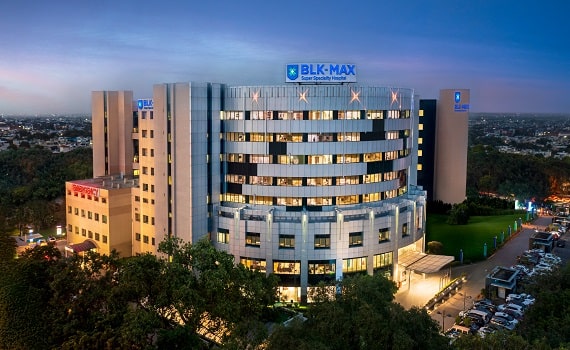
BLK-Max Super Speciality Hospital, New Delhi
BLK-Max Super Speciality Hospital in New Delhi is one of India's premier healthcare institutions, offering 650 beds, 22 advanced operation theatres, a...
Accreditations


Facilities

Max Smart Super Speciality Hospital, Saket, New Delhi
Max Smart Super Speciality Hospital, Saket, is a 250-bed tertiary care hospital in South Delhi. It offers advanced medical and surgical care across 22...
Accreditations
Facilities
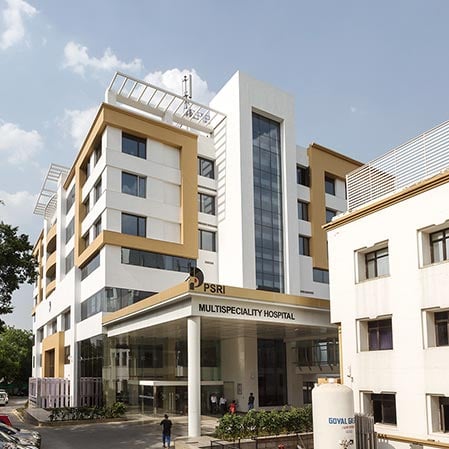
PSRI Hospital, Delhi
Pushpawati Singhania Research Institute (PSRI Hospital), New Delhi, is a leading multi-specialty tertiary care hospital established in 1996 by the JK ...
Accreditations
Facilities
Similar Procedures
Gallery
FAQ


Our website uses cookies. By clicking on accept you give your consent to the use of cookies as per our Privacy Policy.