Hindistanda Mövcud Minimal İnvaziv Əməliyyatlar

8/2/2026, 1:09:24 PM 8 min read Medical Tourism
Hindistanda Mövcud Minimal İnvaziv Əməliyyatlar
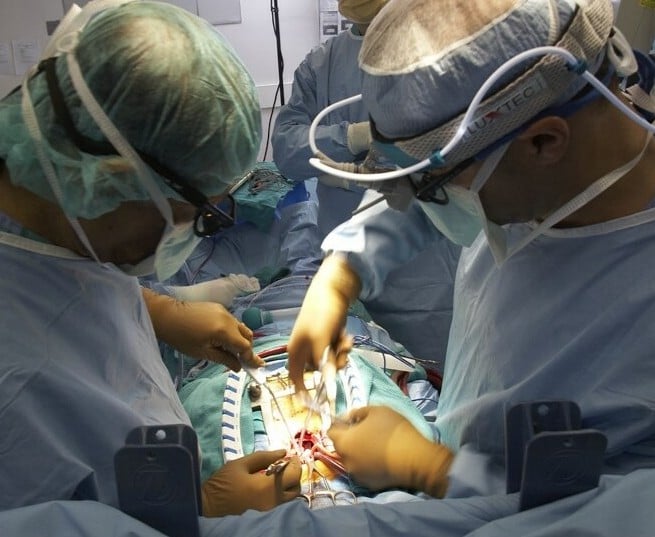
Minimally invasive surgeries have transformed modern medical care. These treatments allow doctors to manage disease with limited physical disruption to the body. Smaller access points, precision tools, and advanced imaging guide every step of care. This approach reduces surgical stress and supports steadier recovery.


India offers a wide range of minimally invasive surgery options across primary medical specialties. Doctors use these methods to treat complex conditions while protecting healthy tissue. International patients often seek minimally invasive care to achieve effective treatment with shorter hospital stays and more apparent recovery timelines.


Care teams in India apply these techniques after careful clinical evaluation. Treatment planning focuses on safety, accuracy, and realistic outcomes. This balance helps patients approach treatment with clarity and confidence.


What Are Minimally Invasive Surgeries?

Minimally invasive surgeries are medical procedures that minimize damage to the skin, muscles, and surrounding tissues. Doctors access the treatment area through small incisions or natural body openings. Cameras, fine instruments, and real-time imaging guide the procedure.


These treatments differ from open surgery in both technique and recovery. Smaller access points reduce blood loss and lower the risk of infection. Many patients experience less pain and regain mobility sooner.


Minimally invasive care relies on precision rather than exposure. Doctors focus on the affected area while preserving nearby structures. This approach helps maintain normal function after treatment.


Doctors use minimally invasive methods across surgery, diagnostics, and interventional care. Suitability depends on disease type, stage, and patient health. Clinical evaluation always guides selection.


Why Do Doctors Recommend Minimally Invasive Surgery Options?

Doctors recommend minimally invasive treatment based on clinical benefit and recovery expectations. Decision-making is guided by medical evidence and patient-specific factors.


  • Clinical Precision and Tissue Protection:Minimally invasive techniques allow doctors to target disease accurately. Small access points help preserve surrounding muscles and organs. Precision reduces unintended tissue injury during treatment.
  • Lower Risk of Complications:Minimally invasive options often reduce the risk of complications. Smaller incisions reduce blood loss and lower the risk of infection. Controlled access also supports better wound healing.
  • Predictable Recovery Patterns:Doctors also consider recovery expectations. Many minimally invasive treatments support earlier mobility. Shorter hospital stay helps patients regain routine function sooner. Recovery timelines remain easier to plan and monitor.
  • Careful Patient Selection:Clinical suitability guides every recommendation. Doctors assess disease stage, anatomical factors, and overall health before selecting treatment. They choose minimally invasive methods only when outcomes match or exceed those of open procedures.


Which Minimally Invasive Surgeries Are Widely Available In India?

India offers a broad range of minimally invasive surgeries across several medical specialties. Doctors use these approaches when precision and controlled recovery matter.


  • Minimally Invasive Cancer Treatments:Doctors manage selected cancers using laparoscopic, endoscopic, and image-guided techniques. Examples include VATS (Video-Assisted Thoracoscopic Surgery) for lung cancer and Laparoscopic Whipple surgery. These methods allow tumor removal or disease control while limiting damage to surrounding tissue. Targeted intervention helps preserve organ function.
  • Minimally Invasive Cardiac Procedures:Doctors treat heart conditions using catheter-based techniques. Procedures include TAVR/TAVI (Valve replacement without open heart surgery) and MitraClip (Valve repair). These surgeries address blocked arteries and structural heart problems through the blood vessels. Image guidance improves accuracy and reduces recovery time.
  • Minimally Invasive Neurological and Spine Procedures:Doctors treat spinal disorders and certain brain conditions using small incisions and navigation systems. Endoscopic Discectomy and MISS (Minimally Invasive Spine Surgery) for slipped discs allows walking within 24 hours. These techniques minimize neurological risk and support functional recovery.
  • Minimally Invasive Orthopedic Treatments:Doctors treat joint and bone conditions through limited incisions. Arthroscopic ACL Repair and Mako Robotic Knee Replacement support accurate alignment and fixation. These approaches help patients regain mobility with less surgical stress.
  • Minimally Invasive Urology and Gynecology Procedures:Doctors use laparoscopic and endoscopic techniques to treat conditions of the urinary and reproductive systems. These techniques reduce pain and shorten hospital stays.
  • Clinical Evaluation Before Treatment Selection:Doctors recommend minimally invasive treatment only after a detailed assessment. Clinical teams align technique choice with disease behavior and recovery goals.


What Medical Technologies Enable Minimally Invasive Treatments In India?

Minimally invasive surgeries rely on advanced medical technology to improve accuracy and control. Doctors use these technologies to plan treatment carefully and reduce procedural risk.


  • High-Definition Endoscopic Imaging:Doctors use high-resolution cameras to visualize internal structures clearly. Enhanced visualization helps accurately identify disease boundaries. Clear imaging supports precise intervention.
  • Robotic-Assisted Surgical Systems:Robotic platforms such as the 4th Gen Da Vinci Xi, Versius, and Mako assist doctors during complex minimally invasive procedures. These systems enhance hand stability and movement control.
  • Image-Guided Navigation Systems:Doctors rely on real-time imaging and navigation during spine, brain, and orthopedic procedures. StealthStation (Medtronic) for brain surgery and O-Arm Intraoperative Imaging (for precision spine surgery) continuously track instrument position. Accurate guidance reduces unintended tissue injury.
  • Advanced Laparoscopic Instruments:Modern laparoscopic tools allow fine tissue handling through small access points. Improved instrument design supports better control and efficiency. This technology helps shorten procedure time.
  • Catheter-Based Imaging and Monitoring Tools:Doctors use live imaging during cardiac and vascular procedures. These tools guide catheter movement inside blood vessels. Continuous monitoring improves procedural safety.

Technology supports treatment only when combined with clinical expertise. Doctors use these tools to enhance decision-making rather than replace judgment.


How Do Minimally Invasive Surgeries Improve Recovery And Safety?

Minimally invasive surgeries improve recovery by limiting physical trauma. Doctors focus on disease treatment while protecting healthy tissue.


  • Reduced Surgical Trauma:Small incisions cause less damage to skin and muscle. Limited disruption helps preserve normal body function. Patients often experience less post-procedure discomfort.
  • Lower Risk of Infection and Blood Loss:Minimal exposure reduces infection risk. Smaller access points limit blood loss during treatment. These factors support safer recovery.
  • Shorter Hospital Stay:Many minimally invasive procedures require fewer inpatient days. Early discharge supports faster return to daily activity. This benefit helps international patients plan their recovery more easily.
  • Earlier Mobility and Functional Recovery:Patients often regain movement sooner after minimally invasive care. Reduced pain supports earlier physiotherapy and activity. Functional improvement begins earlier in recovery.
  • Predictable Follow-Up and Monitoring:Doctors monitor recovery using clear clinical milestones. Imaging and clinical review guide follow-up care. This approach supports steady and safe healing.

Recovery benefits vary by condition and procedure. Doctors explain expected timelines clearly before treatment begins.


Which Medical Conditions Commonly Use Minimally Invasive Approaches?

Minimally invasive approaches apply to a wide range of medical conditions. Doctors select these techniques when disease location and patient health allow controlled access.


  • Cancer Conditions:Doctors use minimally invasive methods for selected cancers of the abdomen, chest, and pelvis. Image-guided and endoscopic techniques support tumor removal or disease control. These approaches help preserve organ function.
  • Heart and Vascular Conditions:Doctors treat coronary artery disease and structural heart problems using catheter-based techniques. These methods reduce surgical stress and support faster recovery.
  • Spine and Neurological Disorders:Surgeons manage disc disease, spinal stenosis, and certain neurological conditions through small access points. Image guidance improves accuracy during intervention.
  • Joint and Bone Conditions:Orthopedic doctors use minimally invasive techniques to manage joint damage and fractures. These approaches help restore movement while limiting muscle disruption.
  • Urological and Gynecological Conditions:Surgeons treat disorders of the urinary and reproductive systems using laparoscopic and endoscopic techniques. These techniques reduce pain and shorten hospital stays.

Doctors evaluate each condition individually. Disease stage and anatomical factors guide treatment selection.


How Do Doctors Decide If Minimally Invasive Surgery Is Suitable?

Doctors decide suitability through detailed clinical evaluation. This process ensures safe and appropriate use of minimally invasive care.


  • Disease Assessment and Imaging:Doctors carefully review imaging studies and diagnostic reports. Disease location and extent influence treatment choice. Accurate assessment reduces procedural risk.
  • Patient Health and Recovery Capacity:Physicians consider age, medical history, and physical condition. Recovery capacity plays a key role in treatment planning. Overall health influences outcome expectations.
  • Comparison With Conventional Treatment Options:Surgeons compare minimally invasive and open approaches. They assess benefits, limitations, and expected outcomes. Selection favors methods with a balanced risk-to-benefit ratio.
  • Multidisciplinary Clinical Review:Specialists review complex cases together. Combined expertise supports sound decision-making. This approach reduces individual bias.
  • Clear Communication of Expectations:Doctors clearly explain treatment goals and recovery timelines. Patients receive realistic information before proceeding. Transparency supports informed decisions.


What Is The Cost Advantage Of Minimally Invasive Surgeries In India For International Patients?

Minimally invasive treatments in India offer a clear cost advantage for international patients. This advantage results from efficiency, scale, and clinical practice patterns rather than reduced quality.


  • Lower Procedure-Related Costs:Minimally invasive techniques reduce operating time and resource use. Smaller incisions limit blood loss and post-procedure care needs. These factors help control overall treatment cost.
  • Shorter Hospital Stay:Many minimally invasive procedures require fewer inpatient days. Reduced hospital stay lowers accommodation and nursing expenses. This benefit directly affects total treatment cost.
  • Reduced Recovery-Related Expenses:Faster recovery lowers the need for extended rehabilitation. Patients often resume routine activity sooner. This recovery pattern reduces indirect costs associated with treatment travel.
  • Predictable Treatment Planning:Doctors provide clearer timelines for minimally invasive care. Predictable planning helps patients manage travel and stay duration. Better planning reduces unexpected expenses.


ProcedureCost in the USACost in IndiaSavings
TAVR (Heart Valve)$50,000 - $80,000$18,000 - $30,000~60%
Robotic Knee Replacement$45,000 - $60,000$6,500 - $8,500~85%
Minimally Invasive Spine$30,000 - $50,000$5,500 - $7,500~85%
Laparoscopic Hysterectomy$20,000 - $30,000$4,500 - $6,000~80%

Cost varies based on condition and complexity. Doctors explain expected expenses during initial evaluation.


How Can International Patients Avail Minimally Invasive Surgeries In India?

International patients follow a defined process to access minimally invasive surgery in India. Early clinical review guides each step.


  • Initial Medical Record Review:Doctors review diagnostic reports before travel. The review confirms the diagnosis and the suitability of treatment. Early assessment helps avoid unnecessary delays.
  • Treatment Planning and Timelines:Doctors outline procedure steps and recovery expectations. Clear timelines support travel and accommodation planning. This clarity reduces uncertainty.
  • Admission and Procedure Coordination:Care teams coordinate diagnostics and surgery efficiently. Doctors monitor progress closely during the hospital stay. This coordination supports safe care delivery.
  • Recovery Guidance and Follow-Up Planning:Doctors explain post-procedure care and activity limits. Follow-up plans support recovery during stay and after return home. Clear guidance helps maintain treatment continuity.

Access to minimally invasive surgery depends on clinical suitability. Doctors prioritize patient safety and expected outcome in every decision.


To Summarise

Minimally invasive treatments in India combine precision technologies such as robotic-assisted systems, high-definition endoscopy, and image-guided navigation with careful clinical judgment. These approaches allow doctors to treat complex conditions while limiting physical stress and supporting steadier recovery. International patients benefit from precise evaluation, realistic timelines, and predictable care pathways when considering minimally invasive surgery in India.

Əlaqəli xəstəxanalar

Keyfiyyətli sağlamlıq xidmətləri üçün bu mövzu ilə əlaqəli xəstəxanalar və tibb mərkəzlərini kəşf edin.
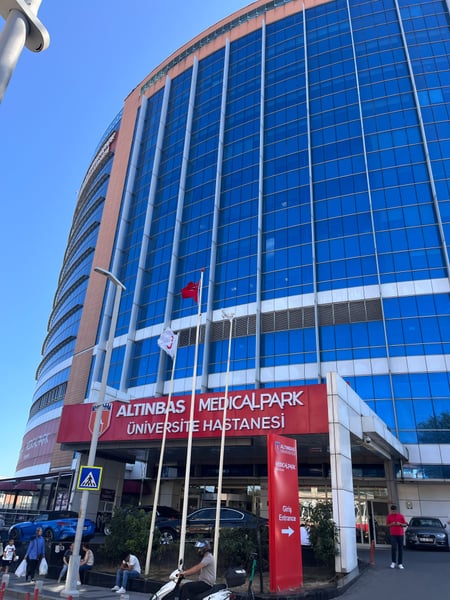
Medical Park Bahçelievler Xəstəxanası
PLATINUM

Medical Park Bahçelievler Xəstəxanası

İstanbul, Türkiyə

Medical Park Bahçelievler Xəstəxanası İstanbulda 2007-ci ildə qurulmuş 242 çarpayılıq JCI tərəfindən akkreditə olunmuş xəstəxanadır. 33.000 kvadratmet...

Multi-specialty
Qurulub 2007
242 çarpayı
Akkreditasiyalar
Joint Commission International (JCI)
Qurğu
+13
BLK-Max Super Speciality Hospital, New Delhi
PLATINUM

BLK-Max Super Speciality Hospital, New Delhi

Yeni Dehli, Hindistan

Yeni Dehlidəki BLK-Max Super İxtisas Xəstəxanası 650 çarpayı, 22 qabaqcıl əməliyyat teatrı və 13 Mükəmməllik Mərkəzi təklif edən Hindistanın ən yaxşı ...

Multi-specialty
Qurulub 1959
650 çarpayı
Akkreditasiyalar
Joint Commission International (JCI)
National Accreditation Board for Hospitals & Healthcare Providers (NABH)
Qurğu
+13
Fortis Memorial Tədqiqat İnstitutu (FMRI), Gurgaon
PLATINUM

Fortis Memorial Tədqiqat İnstitutu (FMRI), Gurgaon

Qurqaon, Hindistan

Fortis Memorial Araşdırma İnstitutu (FMRI), Gurgaon, 2013-cü ildə yaradılmış dünya səviyyəli çoxixtisaslı xəstəxanadır. Xəstəxana 330 çarpayı, 15 əməl...

Multi-specialty
Qurulub 2013
330 çarpayı
Akkreditasiyalar
Joint Commission International (JCI)
National Accreditation Board for Hospitals & Healthcare Providers (NABH)
Qurğu
+13
Artemis Xəstəxanası, Gurgaon
PLATINUM

Artemis Xəstəxanası, Gurgaon

Qurqaon, Hindistan

Artemis Xəstəxanası, Gurqaon, 2007-ci ildə yaradılmış JCI tərəfindən akkreditə olunmuş çoxixtisaslı xəstəxanadır. O, 9 hektar əraziyə yayılmış 750+ ça...

Multi-specialty
Qurulub 2007
750 çarpayı
Akkreditasiyalar
Joint Commission International (JCI)
National Accreditation Board for Hospitals & Healthcare Providers (NABH)
International Organization for Standardization (ISO)
Qurğu
+13
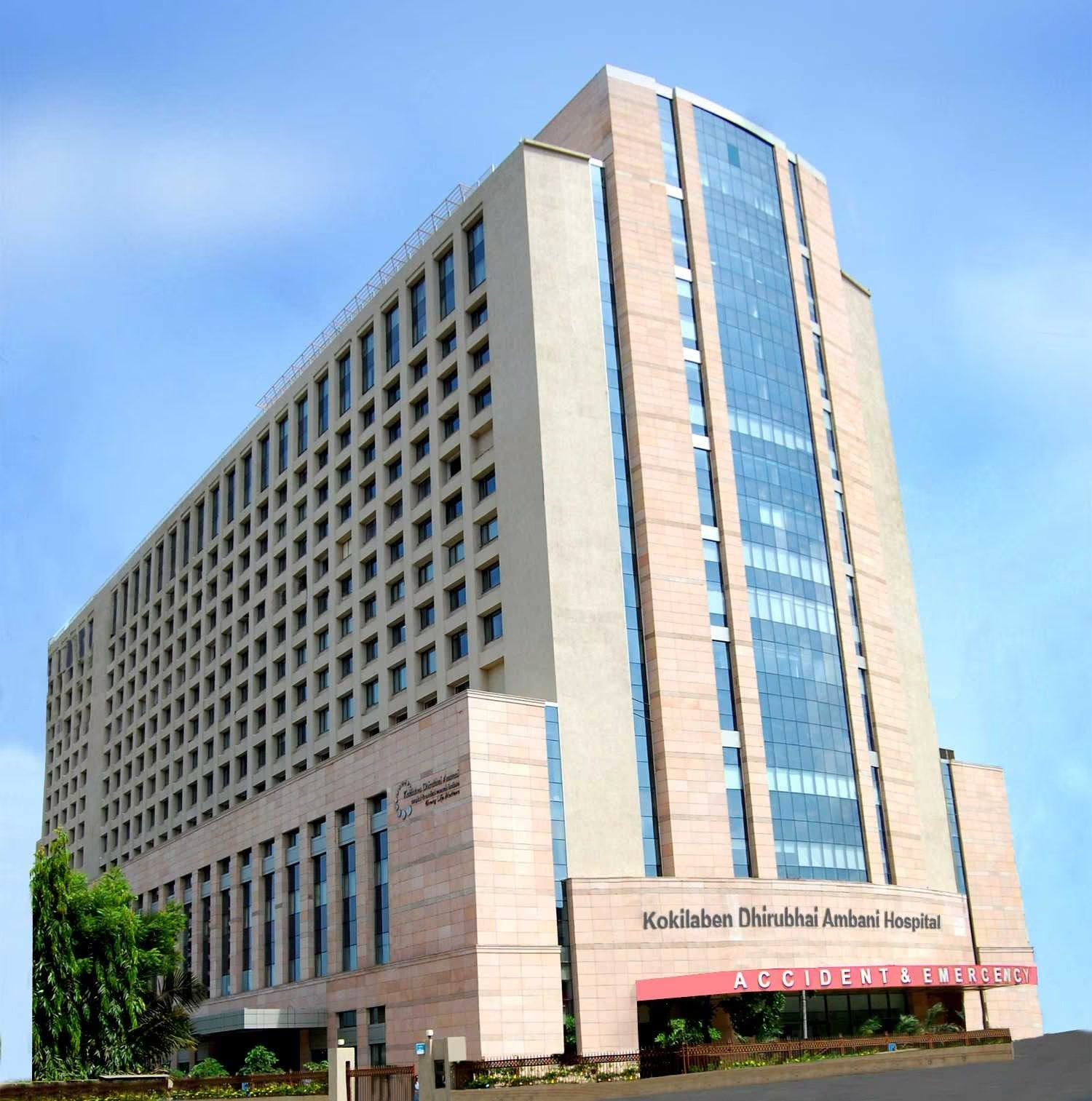
Kokilaben Dhirubhai Ambani Xəstəxanası, Mumbay
PLATINUM

Kokilaben Dhirubhai Ambani Xəstəxanası, Mumbay

Mumbay, Hindistan

Kokilaben Dhirubhai Ambani Xəstəxanası, Mumbay, 2009-cu ildə yaradılmış JCI, NABH, NABL və CAP tərəfindən akkreditə olunmuş dördüncü dərəcəli baxım xə...

Multi-specialty
Qurulub 2009
750 çarpayı
Akkreditasiyalar
Joint Commission International (JCI)
National Accreditation Board for Hospitals & Healthcare Providers (NABH)
International Organization for Standardization (ISO)
Qurğu
+13
Medicover Xəstəxanaları, Hitech City, Hyderabad
PLATINUM

Medicover Xəstəxanaları, Hitech City, Hyderabad

Heydərabad, Hindistan

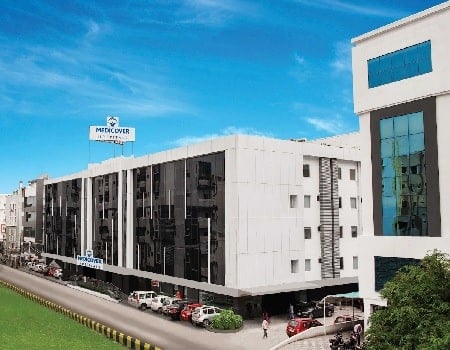
Medicover Hospitals, Hitech City, Hyderabad, is a 400-bed NABH-accredited super-specialty hospital established in 2011. It is part of Medicover, a glo...

Multi-specialty
Qurulub 2011
400 çarpayı
Akkreditasiyalar
National Accreditation Board for Hospitals & Healthcare Providers (NABH)
Joint Commission International (JCI)
Qurğu
+13

Oxşar həkimlər

Bu sahədə təcrübəli həkimlər və tibbi mütəxəssislərlə əlaqə qurun.

Dr. Dilek Benk Silfeler

Dr. Dilek Benk Silfeler

Consultant

23 illər təcrübəsi
Dr. Mehmet Fatih Akbulut

Dr. Mehmet Fatih Akbulut

Consultant

20 illər təcrübəsi
Dr. Ananda Mandal

Dr. Ananda Mandal

Consultant

27 illər təcrübəsi
Dr. İndranil Xan

Dr. İndranil Xan

Consultant

8 illər təcrübəsi
Dr. Rakesh Rajput

Dr. Rakesh Rajput

Head of Department (HOD)
30 illər təcrübəsi
Dr. Praveen G L

Dr. Praveen G L

Consultant

10 illər təcrübəsi

Əlaqədar məqalələr

Bənzər sağlamlıq mövzularında daha çox məqalə və anlayışları araşdırın.
Xaricdə Onurğa Cərrahiyyəsi Təhlükəsizdirmi?

Medical Tourism

Xaricdə Onurğa Cərrahiyyəsi Təhlükəsizdirmi?

2/4/2026, 1:32:33 PM
8 min read
Onurğa xəstəlikləri bütün dünyada milyonlarla xəstəni təsir edir. Disk sürüşməsi, onurğa stenozu və degenerativ onurğa xəstəliyi kimi vəziyyətlər tez-...
Xaricdə Orqan Transplantasiyasına Necə Hazırlanmalı: Tibbi, Hüquqi və Səyahət Yoxlama Siyahısı
Medical Tourism

Xaricdə Orqan Transplantasiyasına Necə Hazırlanmalı: Tibbi, Hüquqi və Səyahət Yoxlama Siyahısı

2/4/2026, 1:03:37 PM
7 min read
Orqan transplantasiyasıhər mərhələdə diqqətli planlaşdırma tələb edir. Xəstələr transplantasiya əməliyyatı üçün xaricə gedəndə hazırlıq daha da vacib ...
Orqan transplantasiyası üçün ən yaxşı ölkələr: Xərc, gözləmə müddətləri və qanuni tələblər üçün 2026-cı il bələdçisi
Medical Tourism

Orqan transplantasiyası üçün ən yaxşı ölkələr: Xərc, gözləmə müddətləri və qanuni tələblər üçün 2026-cı il bələdçisi

2/4/2026, 9:05:33 AM
7 min read
Qlobal tələbatorqan transplantasiyası əməliyyatıhər il yüksəlməkdə davam edir. Milyonlarla xəstə son mərhələdə orqan çatışmazlığı ilə yaşayır, lakin d...
Back Pain or Something More? When Does a Spine Tumor Require Surgery?
Medical Tourism

Back Pain or Something More? When Does a Spine Tumor Require Surgery?

1/3/2026, 12:51:20 PM
9 min read
Bir diaqnoz onurğa ilə əlaqəli olduqda, ilk sual demək olar ki, həmişə olur:'Mən hələ də yeriyə biləcəyəmmi?'2026-cı ildə onurğa şişinə qulluq "aqress...
Orqan nəqlindən sonra nə qədər yaşaya bilərsiniz?
Medical Tourism

Orqan nəqlindən sonra nə qədər yaşaya bilərsiniz?

1/3/2026, 12:19:15 PM
7 min read
Sizə lazım olduğunu söylədikdətransplantasiya, sizi vuran ilk sual çox vaxt vermək ən çətin sualdır:Bu mənə nə qədər vaxt qazandıracaq?   İnternet a...
Hindistanda Orqan Transplantasiyasını Kimlər Əldə edə bilər? Uyğunluq Qaydaları izah edildi

Medical Tourism

Hindistanda Orqan Transplantasiyasını Kimlər Əldə edə bilər? Uyğunluq Qaydaları izah edildi

1/3/2026, 12:00:36 PM
7 min read
Orqan çatışmazlığı artan qlobal sağlamlıq problemi olaraq qalır. Xroniki böyrək xəstəliyi dünyada milyonlarla insanı təsir edir və hər il minlərlə xəs...
Dr. Deepanshu Siwach

Cənab Tibb Yazıçısı

Sr. Medical Content Writer Qonaq Health and Wellness
Doctor of Pharmacy

Dr. Deepanshu Siwach əczaçılıq doktoru dərəcəsinə malik təcrübəli klinik əczaçıdır. O, 4 ildən artıq təcrübəyə malikdir və minlərlə xəstə ilə işləmişdir. O, Artemis Gurgaon və Teerthanker Mahaveer T... Daha ətraflı oxuyun

Veb saytımız çərəzlərdən istifadə edir. Məxfilik Siyasəti.