Рак дарылоодон кийинки жашоо

10/2/2026, 2:32:09 PM 9 min read Medical Tourism
Рак дарылоодон кийинки жашоо

Life aftercancer treatmentmarks the beginning of a new phase of recovery and adjustment. Many patients finish treatment feeling relief, uncertainty, and hope simultaneously. Physical healing continues, and emotional adjustment often takes time.


Cancer treatment affects the body and mind in different ways. Recovery does not end when treatment stops. Patients gradually regain strength, rebuild daily routines, and adapt to changes caused by surgery,chemotherapy, orradiation.


Doctors guide patients through follow-up care, recovery planning, and long-term monitoring. With proper support and realistic expectations, many patients return to active and meaningful lives after cancer treatment.


What Does Life After Cancer Treatment Mean for Patients?

Life after cancer treatment means shifting focus from active therapy to healing and long-term well-being. Patients move from frequent hospital visits to structured follow-up care and self-management.


Recovery happens in stages. Some patients regain energy quickly, while others need more time to feel physically strong. Healing depends on treatment type, duration, and overall health.


Daily life often changes after cancer treatment. Patients may reassess priorities, work schedules, and personal goals. Adjusting expectations helps patients move forward with confidence.


Medical follow-up becomes an essential part of this phase. Doctors monitor recovery, manage late side effects, and support overall health. Regular follow-up provides reassurance and early detection of concerns.


How Does the Body Recover After Cancer Treatment?

The body begins a gradual healing process after cancer treatment ends. Recovery speed varies based on treatment type, duration, and individual health.


  • Gradual Return of Energy:Many patients experience fatigue during early recovery. Energy levels improve slowly over weeks or months. Rest and balanced activity support steady improvement.
  • Healing After Surgery or Procedures:Surgical sites continue healing after discharge from care. Doctors monitor wound recovery during follow-up visits. Proper healing reduces discomfort and the risk of complications.
  • Recovery After Chemotherapy or Radiation:Chemotherapy and radiation affect both healthy and cancerous cells. The body needs time to rebuild strength and immune function. Blood counts and tissue health improve gradually.
  • Improvement in Appetite and Digestion:Appetite often returns slowly after treatment. Digestive comfort improves as the body stabilizes. Nutritional support helps restore strength.
  • Physical Strength and Stamina Rebuilding:Muscle strength may reduce during treatment. Gentle movement and guided exercise support recovery. Gradual activity helps patients regain confidence.


What Physical Changes Do Patients Commonly Experience After Cancer Treatment?

Many patients notice physical changes after cancer treatment. Some changes resolve over time, while others require ongoing management.


  • Persistent Fatigue:Fatigue remains one of the most common effects after treatment. Rest helps, but light activity often improves energy levels. Fatigue usually reduces with time.
  • Pain or Discomfort:Some patients experience lingering pain near surgical sites or treatment areas. Pain management plans help control discomfort. Symptoms often improve gradually.
  • Changes in Weight or Appetite:Weight changes may occur due to treatment effects or reduced activity. Appetite may fluctuate during recovery. Nutritional guidance supports balance.
  • Sleep Pattern Changes:Sleep quality may change after treatment. Anxiety, discomfort, or fatigue can affect rest. Good sleep habits support recovery.
  • Skin or Sensory Changes:Radiation or chemotherapy may affect skin or sensation. Dryness, sensitivity, or numbness may persist temporarily. Doctors monitor these changes during follow-up.

Physical changes vary widely among patients. Medical guidance helps manage symptoms and supports recovery.


How Do Emotional and Mental Health Change After Cancer Treatment?

Emotional recovery often continues long after physical treatment ends. Many patients experience a mix of relief, anxiety, and uncertainty during this phase.


  • Fear of Cancer Recurrence:Many patients worry about cancer returning. Follow-up visits and clear medical guidance help reduce anxiety. Understanding warning signs improves confidence.
  • Emotional Adjustment to a New Normal:Life after treatment often feels different from before cancer. Patients adjust to changes in energy levels, routines, or body image. Gradual acceptance supports emotional stability.
  • Anxiety and Mood Changes:Some patients experience anxiety, sadness, or mood swings after treatment. Emotional responses remain normal during recovery. Supportive counseling helps manage these feelings.
  • Impact on Self-Identity and Confidence:Cancer treatment may affect how patients view themselves. Physical changes or treatment experiences influence self-confidence. Time and support help rebuild self-image.
  • Value of Emotional Support Systems:Family, friends, and support groups play a major role in emotional support. Sharing experiences reduces isolation. Emotional connection supports long-term well-being.


Why Is Follow-Up Care Important After Cancer Treatment?

Follow-up care plays a key role in long-term recovery and health after cancer treatment. Doctors use follow-up visits to monitor healing and detect concerns early.


  • Monitoring for Cancer Recurrence:Doctors schedule regular check-ups and tests after treatment. Monitoring helps identify recurrence at an early stage. Early detection improves outcomes.
  • Managing Long-Term or Late Side Effects:Some treatment effects appear months or years later. Follow-up visits help manage fatigue, pain, and changes in organ function. Ongoing care improves quality of life.
  • Tracking Physical Recovery Progress:Doctors assess strength, mobility, and overall health during follow-up. Recovery assessment guides activity recommendations. Monitoring supports a safe return to daily routines.
  • Adjusting Medications and Care Plans:Medication needs may change after treatment ends. Doctors review prescriptions during follow-up. Adjustments support comfort and safety.
  • Providing Reassurance and Guidance:Regular medical review reassures patients during recovery. Clear guidance reduces uncertainty. Consistent follow-up builds confidence.

Follow-up care remains an essential part of life after cancer treatment. Structured monitoring supports long-term health and peace of mind.


How Can Patients Rebuild Daily Life After Cancer Treatment?

Rebuilding daily life after cancer treatment takes time, patience, and gradual adjustment. Patients often reintroduce routines step by step based on energy levels and comfort.


  • Returning to Work or Daily Responsibilities:Some patients return to work gradually after treatment. Reduced hours or flexible schedules support adjustment. Doctors often guide patients on timing based on recovery progress.
  • Regaining Independence and Confidence:Daily activities may feel challenging at first. Small achievements help rebuild confidence. Gradual independence supports emotional and physical recovery.
  • Social Life and Relationships:Patients may reconnect socially at their own pace. Energy levels and comfort guide social activity. Open communication helps manage expectations with family and friends.
  • Managing Fatigue in Daily Routine:Fatigue may continue during early recovery. Planning rest periods helps maintain balance. Structured routines reduce exhaustion.
  • Setting Realistic Goals:Recovery works best with achievable goals. Patients benefit from focusing on steady progress rather than speed. Realistic planning supports long-term stability.


What Lifestyle Changes Support Long-Term Health After Cancer?

Healthy lifestyle choices play a vital role in long-term recovery after cancer treatment. Simple, consistent habits support overall well-being.


  • Balanced Nutrition for Recovery:Nutritious meals support healing and energy restoration. Protein, fruits, vegetables, and hydration aid recovery. Diet plans often adapt to treatment effects.
  • Regular Physical Activity:Light exercise supports strength and mobility. Walking, stretching, or guided physiotherapy improves stamina. Activity levels increase gradually over time.
  • Adequate Rest and Sleep:Rest promotes physical healing and emotional balance. Good sleep routines improve energy and focus. Quality rest remains essential during recovery.
  • Stress Management and Emotional Care:Stress may affect recovery progress. Relaxation techniques and counseling support mental health. Emotional care improves resilience.
  • Avoiding Harmful Habits:Limiting tobacco and alcohol promotes long-term health. Healthy choices reduce future health risks. Doctors often guide lifestyle adjustments during follow-up.


How Do Side Effects Continue or Change After Cancer Treatment Ends?

Some side effects improve soon after cancer treatment ends, while others may continue or appear later. Oncologists help cancer patients understand what to expect and how to manage changes.


  • Gradual Improvement of Treatment-Related Effects:Many side effects reduce over time as the body heals. Fatigue, nausea, and skin changes often improve gradually. Recovery pace varies among patients.
  • Late or Long-Term Side Effects:Certain effects may appear months or years after treatment. Changes may affect nerves, heart function, digestion, or hormone balance. Regular follow-up helps identify these effects early.
  • Pain or Sensory Changes:Some patients experience lingering pain, numbness, or tingling. Symptom management plans support comfort. Doctors adjust care based on severity and impact.
  • Cognitive and Concentration Changes:Some patients notice changes in memory or focus. Mental clarity often improves with time. Cognitive exercises and routine structure help support improvement.
  • Importance of Ongoing Symptom Reporting:Patients benefit from reporting new or persistent symptoms promptly. Early discussion allows timely care adjustments. Communication supports safer long-term recovery.

Side effect patterns differ by treatment type and individual response. Medical guidance helps patients manage changes effectively.


How Does Life After Cancer Treatment Differ for International Patients?

International patients often face unique logistical challenges after completing cancer treatment. Transition planning is critical to ensure safe recovery once you return to your home country.


  • Stocking Up on Medications:One of the most significant advantages of treatment in India is the cost of medication. Before you fly home, doctors recommend buying a3-to-6 month supplyof your prescribed cancer medications (like chemotherapy tablets or hormonal therapy). Indian generic medicines are FDA-approved and cost up to80% lessthan international prices. Your doctor will provide a valid prescription and a "Customs Certificate" to let you travel with this quantity legally.
  • Securing Your Medical Passport:Continuity of care relies on documentation. Do not leave the hospital without yourdetailed discharge summary. This document tells your local home doctor exactly what surgery was performed, what chemotherapy drugs were used, and what complications to watch for. It serves as your "Medical Passport" for future care.
  • Setting Up Remote Video Follow-Ups:Leaving India doesn't mean losing access to your specialist. Top hospitals set up structuredvideo follow-ups(via Zoom or WhatsApp) before you even check out. It allows your Indian surgeon to review your local blood tests and scans remotely, so you can stay on track without having to fly back.
  • Preparing for Return Travel:Doctors confirm travel readiness before departure. They issue a"Fit-to-Fly" certificatethat verifies you are stable enough for air travel, which airlines often require for recent surgical patients.
  • Adjusting to Recovery in a New Environment:Recovery may feel different after returning home. Patients adjust routines based on local support systems. Familiar surroundings often aid emotional comfort, but having a clear medical plan reduces anxiety.


Who May Need Extra Support After Cancer Treatment?

Some patients require additional support after completing cancer treatment. Extra care helps manage recovery challenges and long-term well-being.


  • Elderly Patients:Older patients may recover more slowly after treatment. Age-related health factors influence stamina and healing. Additional monitoring supports safe recovery.
  • Patients After Intensive or Long-Term Treatment:Extended chemotherapy, radiation, or complex surgery can affect strength and immunity. Recovery may take longer in such cases. Ongoing support improves stability.
  • Patients With Pre-Existing Health Conditions:Conditions such as diabetes, heart disease, or lung problems can affect recovery. Doctors tailor follow-up care to manage combined health needs. Individualized planning improves outcomes.
  • Patients Experiencing Emotional or Psychological Stress:Some patients face anxiety, fear, or low mood after treatment. Emotional support and counseling help manage mental health. Early support improves quality of life.
  • Patients With Persistent Side Effects:Long-term pain, fatigue, or sensory changes may require specialist care. Symptom-focused management improves daily functioning. Continuous follow-up supports comfort.


Overview

Life after cancer treatment involves physical healing, emotional adjustment, and gradual rebuilding of daily life. Recovery continues beyond the final treatment session and follows an individual timeline.


With structured follow-up care, healthy lifestyle choices, and emotional support, many patients regain strength and confidence over time. Precise planning and medical guidance help patients navigate long-term recovery safely.


Patients seeking guidance on recovery, follow-up care, or life after cancer treatment can benefit from professional support and coordinated care planning to move forward with clarity and confidence.

Тиешелүү ооруканалар

Сапаттуу медициналык кызматтар үчүн ушул темага байланышкан ооруканаларды жана медициналык борборлорду таап алыңыз.
Medical Park Bahcelievler ооруканасы
PLATINUM

Medical Park Bahcelievler ооруканасы

Стамбул, Туркия

Medical Park Bahcelievler ооруканасы 2007-жылы негизделген Стамбулдагы 242 койкалуу JCI тарабынан аккредиттелген оорукана. 33 000 чарчы метр жана 19 к...

Multi-specialty
Белгиленген 2007
242 керебеттер
Аккредитациялар
Joint Commission International (JCI)
Жайлар
+13
BLK-Max Супер адистештирилген ооруканасы, Нью-Дели
PLATINUM

BLK-Max Супер адистештирилген ооруканасы, Нью-Дели

New Delhi, Индия

Нью-Делидеги BLK-Max Super Specialty Hospital Индиянын эң алдыңкы саламаттыкты сактоо мекемелеринин бири, 650 керебетти, 22 өркүндөтүлгөн операциялык ...

Multi-specialty
Белгиленген 1959
650 керебеттер
Аккредитациялар
Joint Commission International (JCI)
National Accreditation Board for Hospitals & Healthcare Providers (NABH)
Жайлар
+13
Fortis Memorial изилдөө институту (FMRI), Гургаон
PLATINUM

Fortis Memorial изилдөө институту (FMRI), Гургаон

Гургаон, Индия

Fortis Memorial изилдөө институту (FMRI), Гургаон, 2013-жылы түзүлгөн дүйнөлүк класстагы көп адистештирилген оорукана болуп саналат. Оорукана 330 кере...

Multi-specialty
Белгиленген 2013
330 керебеттер
Аккредитациялар
Joint Commission International (JCI)
National Accreditation Board for Hospitals & Healthcare Providers (NABH)
Жайлар
+13
Артемис ооруканасы, Гургаон
PLATINUM

Артемис ооруканасы, Гургаон

Гургаон, Индия

Артемис ооруканасы, Гургаон, 2007-жылы түзүлгөн JCI аккредитацияланган көп адистиктеги оорукана. Ал 9 акр жерге жайылган 750+ керебетти жана дүйнөлүк ...

Multi-specialty
Белгиленген 2007
750 керебеттер
Аккредитациялар
Joint Commission International (JCI)
National Accreditation Board for Hospitals & Healthcare Providers (NABH)
International Organization for Standardization (ISO)
Жайлар
+13
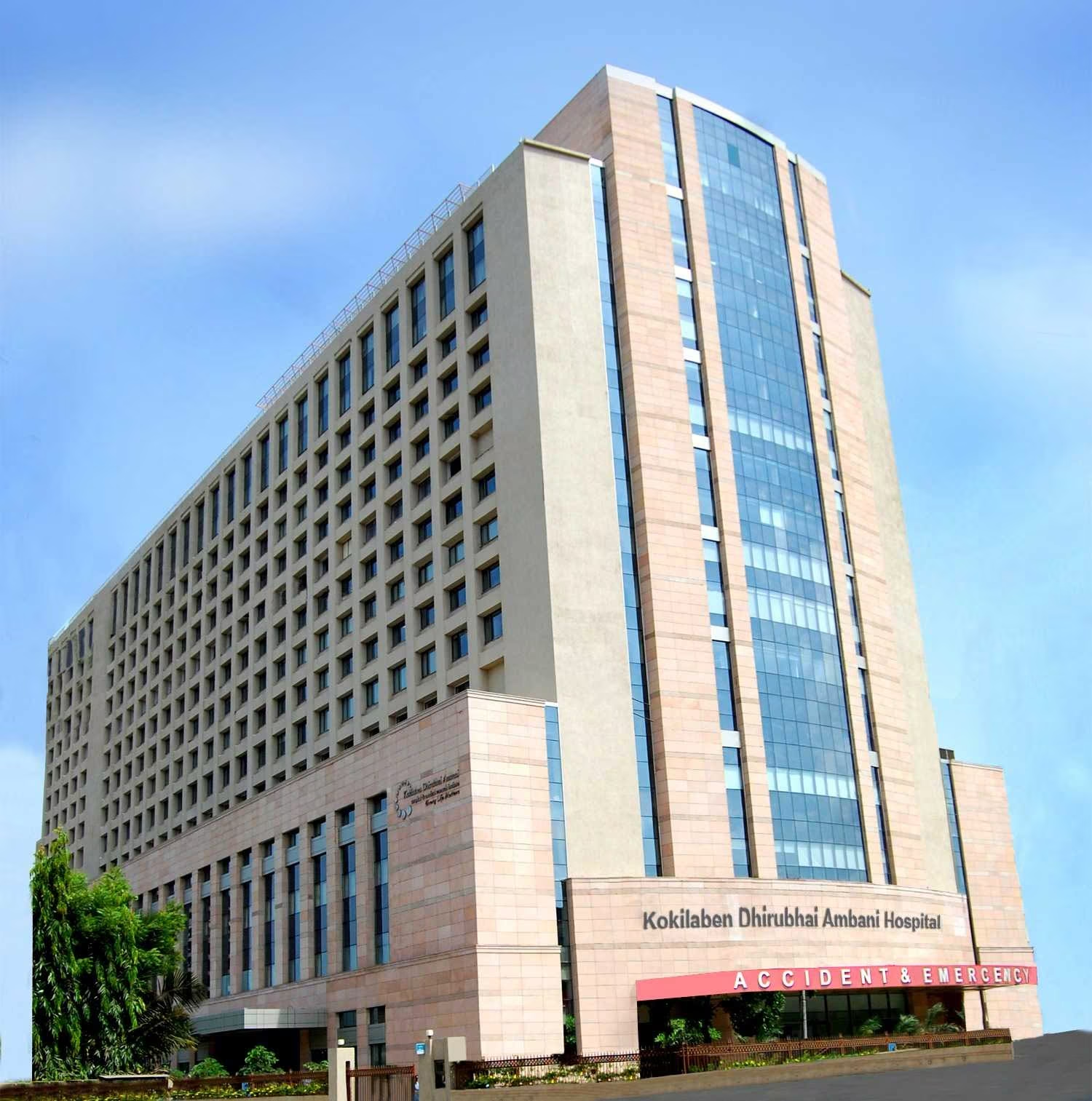
Кокилабен Дирубхай Амбани ооруканасы, Мумбай
PLATINUM

Кокилабен Дирубхай Амбани ооруканасы, Мумбай

Мумбай, Индия

Кокилабен Дирубхай Амбани ооруканасы, Мумбай, 2009-жылы түзүлгөн JCI, NABH, NABL жана CAP тарабынан аккредиттелген төртүнчү медициналык оорукана. 750 ...

Multi-specialty
Белгиленген 2009
750 керебеттер
Аккредитациялар
Joint Commission International (JCI)
National Accreditation Board for Hospitals & Healthcare Providers (NABH)
International Organization for Standardization (ISO)
Жайлар
+13
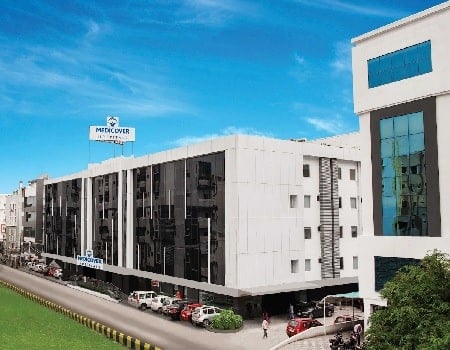
Медиковер ооруканалары, Хитех шаары, Хайдарабад
PLATINUM

Медиковер ооруканалары, Хитех шаары, Хайдарабад

Хайдарабад, Индия

Medicover Hospitals, Hitech City, Хайдарабад, 2011-жылы түзүлгөн 400 койкалуу NABH тарабынан аккредиттелген супер адистештирилген оорукана. Ал Medicov...

Multi-specialty
Белгиленген 2011
400 керебеттер
Аккредитациялар
National Accreditation Board for Hospitals & Healthcare Providers (NABH)
Joint Commission International (JCI)
Жайлар
+13

Related Doctors

Тажрыйбалуу дарыгерлер жана медициналык адистер менен байланышыңыз.
Доктор Индранил Хан

Доктор Индранил Хан

Consultant

8 тажрыйба
Доктор Чандрамохан К

Доктор Чандрамохан К

Senior Consultant

27 тажрыйба
Доктор Бхавин Висария

Доктор Бхавин Висария

Consultant

10 тажрыйба
Доктор Сурадж Чирания

Доктор Сурадж Чирания

Senior Consultant
16 тажрыйба
Доктор Нинад Катдаре

Доктор Нинад Катдаре

Consultant

12 тажрыйба
Доктор Анкит Махувакар

Доктор Анкит Махувакар

Consultant

16 тажрыйба

Тектеш макалалар

Саламаттыкты сактоо темаларында көбүрөөк макалаларды жана түшүнүктөрдү изилдөө.
Эл аралык бейтаптар ооруканада эмнени издеши керек?
Medical Tourism

Эл аралык бейтаптар ооруканада эмнени издеши керек?

4/4/2026, 1:58:44 PM
8 min read
Башка өлкөдө дарылоону пландаштыруу жоопко караганда көбүрөөк суроолорду туудурат. Бейтаптар көбүнчө процедуранын өзүнөн тышкары ойлонушат. Алар байла...
Сиздин дарылоо үчүн мыкты дарыгерди кантип тандоо керек
Medical Tourism

Сиздин дарылоо үчүн мыкты дарыгерди кантип тандоо керек

4/4/2026, 8:30:35 AM
9 min read
Кимдир бирөө кыйналса, баары шашылыш сезилет. Басуу, отуруу, жада калса уктоо сыяктуу жөнөкөй нерселер кыйын болуп калышы мүмкүн. Мына ушунун баарынын...
Арзан баада омуртка хирургиясы боюнча мыкты өлкөлөр — 2026
Medical Tourism

Арзан баада омуртка хирургиясы боюнча мыкты өлкөлөр — 2026

4/4/2026, 8:10:46 AM
6 min read
Катуу белдин оорушун менен жашоо алсыратат, бирок көптөгөн бейтаптар үчүн омуртка хирургиясынын баасы бирдей шал болуп саналат. Ийгиликтүү процедура с...
Омуртканын операциясын кечиктирүү коркунучтуубу?
Medical Tourism

Омуртканын операциясын кечиктирүү коркунучтуубу?

4/4/2026, 4:32:44 AM
9 min read
Омуртканын көйгөйү үчүн операция айтылганда көп адамдар тартынышат. тынчсыздануу түшүнүктүү. Омуртка кыймылды, тең салмактуулукту жана күнүмдүк функци...
Качан сиз грыжалуу дискке операция жасашыңыз керек?
Medical Tourism

Качан сиз грыжалуу дискке операция жасашыңыз керек?

4/4/2026, 4:03:40 AM
6 min read
"Менин диским тайгаланып калды. Операция керекпи?"    – Операция жасабаса жакшы болуп кетеби?    "Мен качан тынчсызданышым керек?"   Бул сурооло...
Мээ жана омуртка хирургиясындагы акыркы инновациялар

Medical Tourism

Мээ жана омуртка хирургиясындагы акыркы инновациялар

4/4/2026, 3:47:40 AM
7 min read
Мээ жана омуртка оорулары дүйнө жүзү боюнча миллиондогон адамдарга таасир этет. Мындай мээ шишиги, жүлүн кысуу жана дегенеративдик омуртка оорусу сыяк...
Доктор Дипаншу Сивач

Медициналык жазуучу

Sr. Medical Content Writer Qonaq Health and Wellness
Doctor of Pharmacy

Доктор Дипаншу Сивач - фармацевтика илимдеринин доктору даражасына ээ болгон тажрыйбалуу клиникалык фармацевт. Анын 4 жылдан ашык тажрыйбасы бар жана миңдеген бейтаптар менен иштешкен. Ал Артемис Гу... Кененирээк маалымат

Биздин веб-сайтта кукилерди колдонот. Купуялык саясаты.