
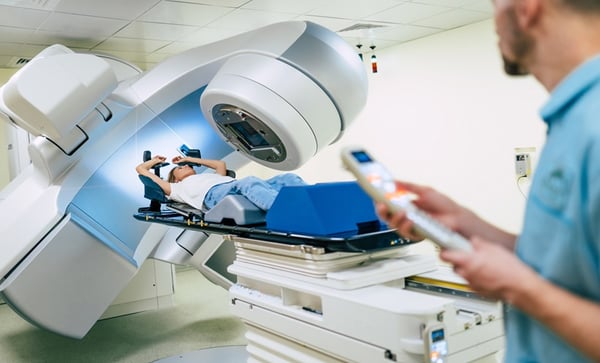
Intensity-Modulated Radiotherapy (IMRT) Cost in India
About Intensity-Modulated Radiotherapy (IMRT)
Every year, more than 20 million people worldwide are diagnosed with cancer, and for many, radiation therapy plays a crucial role in treatment. Among the most advanced radiation techniques available today, Intensity-Modulated Radiotherapy (IMRT) has transformed how doctors target and treat tumors.
IMRT uses computer-controlled precision beams to deliver radiation directly to the tumor while sparing surrounding healthy tissues. This technology allows oncologists to treat even complex or hard-to-reach tumors with greater accuracy, fewer side effects, and faster recovery.
What Is Intensity-Modulated Radiotherapy?
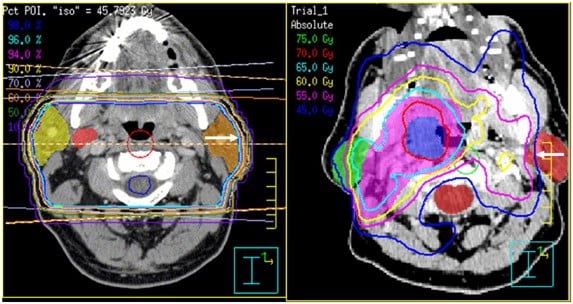
IMRT is a highly precise form of radiotherapy that allows doctors to control the intensity and direction of radiation beams with millimeter accuracy. Using advanced computer software, radiation doses are shaped to match the tumor's exact size and contour, reducing exposure to surrounding healthy tissues.
It is most effective for cancers located near vital organs such as the brain, spine, prostate, head and neck, and breast. This precision minimizes side effects such as fatigue, skin irritation, or tissue damage, while enhancing overall tumor control.
IMRT can be used as a standalone treatment, after surgery to eliminate residual cells, or in combination with chemotherapy for complex cancers. The technique is widely recognized as one of the safest and most effective forms of external beam radiotherapy available today.
What Conditions Require IMRT?
IMRT is primarily used to treat solid tumors that are difficult to access or located close to critical organs. It allows doctors to deliver high radiation doses precisely where needed, reducing damage to healthy tissues.
Below are some of the main conditions where IMRT is commonly recommended:
- Head and Neck Cancers: Used for cancers of the throat, tongue, tonsil, and nasal cavity. IMRT protects nearby organs, such as the salivary glands and spinal cord, while effectively targeting the tumor area.
- Brain and Spinal Tumors: IMRT enables safe delivery of high radiation doses to tumors in sensitive regions of the brain or spinal cord without harming vital neural structures.
- Prostate Cancer: IMRT provides superior control for localized and advanced prostate cancer by focusing radiation precisely on the gland while sparing the bladder and rectum.
- Breast Cancer: It is used after lumpectomy or mastectomy to treat residual cells and prevent recurrence, especially in cases near the chest wall or heart.
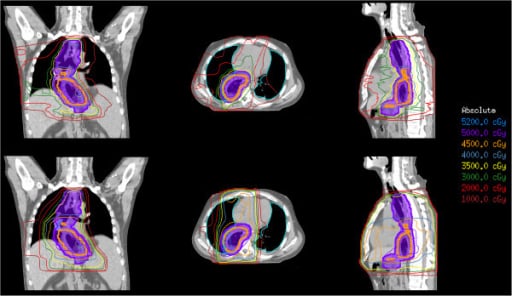
- Lung and Thoracic Cancers: IMRT treats tumors in the chest area while minimizing radiation exposure to the lungs, esophagus, and heart, which is crucial for patient safety.
- Abdominal and Pelvic Tumors: For cancers such as cervical, rectal, and pancreatic cancer, IMRT offers excellent tumor control with reduced bowel or bladder side effects.
- Recurrent or Previously Irradiated Cancers: IMRT is ideal for treating cancers that recur in areas already exposed to radiation, as it delivers safe re-irradiation with precision targeting.
IMRT is recommended when conventional radiotherapy poses a higher risk of tissue injury or when a more targeted, organ-sparing approach is essential for treatment success.
How Is IMRT Performed?
IMRT treatment involves careful planning, imaging, and delivery to ensure every radiation beam reaches the tumor with sub-millimeter precision. The process is carried out in multiple stages under the supervision of a radiation oncologist, physicist, and therapist.
- Treatment Planning and Simulation: The process begins with a CT or MRI scan to map the exact shape and position of the tumor. A planning session (simulation) is conducted where the patient lies in the treatment position, and customized immobilization devices are used to keep the body still.
- Dose Mapping and Planning: Using 3D treatment-planning software, radiation specialists define target zones and safety margins around nearby organs. Multiple beam angles and intensities are calculated to ensure the highest dose reaches the tumor while sparing healthy tissues.
- Treatment Delivery: IMRT sessions are typically delivered on linear accelerators (LINAC machines) equipped with multileaf collimators that dynamically adjust the radiation shape. Each session lasts 10 to 30 minutes, during which patients remain still while the machine moves around them. The treatment is entirely painless and non-invasive.
- Frequency and Duration: Patients typically receive IMRT five days a week for 4–8 weeks, depending on the type of cancer and the prescribed total dose. Each session targets only a fraction of the total dose, allowing normal tissues to recover between treatments.
IMRT sessions are done on an outpatient basis, meaning patients can go home immediately after treatment. It offers a smooth, well-tolerated experience with minimal disruption to daily life.
Get a Free Treatment Plan
About Intensity-Modulated Radiotherapy (IMRT) in India
What Is the Cost of Intensity-Modulated Radiotherapy (IMRT) in India?
The average cost of IMRT in India ranges from ₹2,50,000 to ₹6,00,000 (approximately $3,000 – $7,200) for a complete treatment course. The total cost depends on the type of cancer, the number of sessions required, and the hospital's level of technology.
India offers IMRT at 60–70% lower prices than countries like the US or UK, while using the same advanced linear accelerator (LINAC) machines and radiation planning systems.
Component | Estimated Cost (INR) | Approx. USD Cost |
| Consultation and treatment planning | ₹15,000 – ₹30,000 | $180 – $360 |
| Simulation and immobilization devices | ₹10,000 – ₹25,000 | $120 – $300 |
| IMRT session (per sitting) | ₹8,000 – ₹15,000 | $95 – $180 |
| Total course (25–35 sessions) | ₹2,50,000 – ₹6,00,000 | $3,000 – $7,200 |
| Post-treatment review and follow-up | ₹10,000 – ₹20,000 | $120 – $240 |
Cost Comparison: IMRT vs. Other Radiotherapy Techniques
Technique | Approx. Cost (INR) | Approx. Cost (USD) |
| Conventional Radiotherapy (2D/3D) | ₹1,20,000 – ₹2,00,000 | $1,400 – $2,400 |
| IMRT (Advanced) | ₹2,50,000 – ₹6,00,000 | $3,000 – $7,200 |
| Image-Guided Radiotherapy (IGRT) | ₹3,00,000 – ₹6,50,000 | $3,600 – $7,800 |
| Stereotactic Radiosurgery (SRS/SBRT) | ₹4,00,000 – ₹9,00,000 | $4,800 – $10,800 |
- The per-session cost of IMRT in India typically ranges from ₹8,000 to ₹15,000.
- The number of sessions depends on the type of cancer, typically ranging from 25 to 35 sessions.
- Advanced hospitals with Varian or Elekta LINAC systems may charge slightly more but offer the highest precision and safety standards.
- Insurance and government health schemes in India often cover IMRT as a medically necessary treatment.
What Does the Cost Include and Exclude?
Hospitals in India typically offer comprehensive IMRT treatment packages that encompass all major components of planning, radiation delivery, and follow-up care. However, specific pre-treatment tests and external expenses may be billed separately.
Cost Includes:
- Oncologist and Radiotherapist Consultations
- Treatment Planning and Simulation
- IMRT Sessions (All Fractions)
- Immobilization Devices and Accessories
- Machine and Facility Charges
- Routine Blood Tests and Monitoring
- Supportive Care and Nursing
- Follow-Up Reviews After Treatment
Cost Excludes:
- Pre-treatment Diagnostic Scans
- Hospital Admission (if required)
- Chemotherapy or Targeted Therapy
- Special Medications and Supplements
- Travel, Visa, and Accommodation
- Additional Imaging During Treatment
Most leading Indian hospitals maintain complete transparency by providing itemized cost estimates before commencing therapy. It ensures that patients, especially international visitors, understand exactly what's included and can plan their treatment with confidence.
City-Wise IMRT Cost in India
The cost of IMRT varies across cities, depending on the hospital's reputation, the availability of technology, and the expertise of the oncologist. Major metro cities such as Delhi, Mumbai, and Bangalore host India's leading radiotherapy centers equipped with high-end LINAC machines and advanced planning software.
City | Average Total Cost (INR) | Approx. USD Range |
| New Delhi | ₹2,80,000 – ₹5,80,000 | $3,350 – $7,000 |
| Mumbai | ₹3,00,000 – ₹6,00,000 | $3,600 – $7,200 |
| Bangalore | ₹2,60,000 – ₹5,50,000 | $3,100 – $6,600 |
| Chennai | ₹2,50,000 – ₹5,00,000 | $3,000 – $6,000 |
| Hyderabad | ₹2,40,000 – ₹5,20,000 | $2,900 – $6,200 |
| Gurgaon | ₹2,80,000 – ₹5,80,000 | $3,350 – $7,000 |
| Kolkata | ₹2,20,000 – ₹4,80,000 | $2,650 – $5,800 |
| Pune | ₹2,30,000 – ₹5,00,000 | $2,800 – $6,000 |
What Factors Affect the Cost of IMRT in India?
The total cost of IMRT in India depends on several clinical and non-clinical factors. Each treatment plan is customized, and prices may vary even among patients with the same diagnosis.
- Type and Stage of Cancer: Cancers that require a higher radiation dose or cover a larger area need more sessions and complex planning.
- Number of Sessions (Fractions): Most IMRT plans involve 25–35 sessions. The total cost increases with each additional session, as each fraction requires recalibration and radiation quality checks.
- Hospital Category and Technology: Premium hospitals with high-end LINAC systems such as Varian TrueBeam, Elekta Versa HD, or TomoTherapy generally charge more.
- Oncologist's Expertise: Senior radiation oncologists and medical physicists with international training may have higher consultation and supervision fees.
- Imaging and Treatment Planning: Advanced imaging techniques, such as 4D-CT or PET-CT simulation, enhance precision but also increase total costs.
- Combination with Other Therapies: When IMRT is used in conjunction with chemotherapy or targeted therapy, the combined approach improves outcomes but increases overall medical expenses.
- Location and Hospital Accreditation: Hospitals in metropolitan areas, such as Delhi, Mumbai, and Bangalore, have slightly higher pricing due to their modern infrastructure and NABH or JCI accreditation.
- Post-Treatment Follow-Up: Follow-up scans, blood tests, and reviews after therapy completion add minor but necessary costs for monitoring progress and detecting recurrence early.
How Does the Cost in India Compare with Other Countries?
India offers one of the most affordable rates for IMRT treatment worldwide while maintaining global-quality standards and modern equipment. International patients typically save 60–70% on total treatment costs without compromising the quality or safety of their care.
Country | Average IMRT Cost (USD) | Savings Compared to India |
| India | $3,000 – $7,200 | — |
| United States | $18,000 – $25,000 | 70–75% lower |
| United Kingdom | $14,000 – $20,000 | 65–70% lower |
| United Arab Emirates | $10,000 – $15,000 | 60–65% lower |
| Singapore | $9,000 – $14,000 | 55–60% lower |
| Thailand | $6,000 – $9,000 | 40–50% lower |
What Is the Success Rate of IMRT in India?
IMRT in India achieves a success rate of 85% to 95% for localized and early-stage cancers, depending on tumor type, size, and patient health. For advanced or recurrent cancers, IMRT significantly improves survival rates and quality of life compared to conventional radiotherapy.
The success of IMRT is measured by tumor control, organ preservation, and minimal side effects. With advanced image guidance and precise dose delivery, doctors can target cancer cells with sub-millimeter accuracy, ensuring healthy tissues remain unharmed.
Outcomes by Cancer Type
- Head and Neck Cancers: Local control rates exceed 90%, with minimal damage to swallowing and salivary glands.
- Prostate Cancer: Over 93% five-year survival, with reduced rectal and bladder side effects.
- Breast Cancer: Excellent results in chest wall and lymph node targeting, preserving heart and lung function.
- Brain and Spine Tumors: High precision enables effective tumor reduction while minimizing damage to nearby neural tissues.
- Lung and Abdominal Cancers: Improved tumor shrinkage and breathing tolerance compared to older radiation techniques.
Key Advantages of IMRT
- High precision: Modern planning systems ensure uniform dose delivery.
- Better organ protection: Healthy tissues receive minimal radiation exposure.
- Fewer side effects: Lower rates of fatigue, burns, and long-term complications.
- Improved patient comfort: Outpatient-based sessions with minimal downtime.
Why Should You Choose India for Intensity-Modulated Radiotherapy (IMRT)?
India is not only known for its affordable cancer care, but it is also a recognized hub for precision radiotherapy and advanced oncology research. What sets India apart is its integration of technology, expertise, and innovation, all of which are focused on patient-specific cancer treatment.
- Global-Standard Radiotherapy Infrastructure: India hosts over 150 advanced LINAC systems and one of the largest networks of radiation oncology centers in Asia. Many hospitals are equipped with IMRT, IGRT, RapidArc, and VMAT, ensuring world-class precision comparable to that in the US and Europe.
- High-Volume Expertise in Complex Cases: Indian radiation oncologists routinely handle high-complexity cases (such as head and neck, spinal, and pelvic cancers), which require meticulous dose planning. Their collective experience contributes to better organ preservation and lower complication rates.
- Integration of AI and Image-Guided Planning: Several Indian cancer centers now utilize AI-based contouring and adaptive planning systems that automatically adjust radiation fields in response to changes in the tumor. It ensures real-time accuracy, shorter treatment times, and improved outcomes.
- Clinical Research and Global Collaborations: India participates in international oncology trials and partnerships with research institutes in the US, Japan, and the UK. It gives patients access to cutting-edge radiotherapy protocols and the latest treatment planning innovations.
- Radiation Oncology with Human Focus: Unlike purely technology-driven centers, Indian hospitals emphasize personalized, patient-centered care. Oncologists take the time to tailor treatment to a patient's lifestyle, recovery goals, and emotional well-being.
- Proven Long-Term Results: India's top cancer institutes consistently report tumor control rates above 90% in localized cancers treated with IMRT. With precision delivery, low recurrence rates, and minimal toxicity, India meets global benchmarks in treatment quality and survival outcomes.
Intensity-Modulated Radiotherapy (IMRT) Cost Comparison by Country
Compare Intensity-Modulated Radiotherapy (IMRT) costs across different countries to make an informed decision about your medical treatment.
| Country | Cost Range (USD) | Potential Savings | Action |
|---|---|---|---|
IndiaCurrentBest Value | $3,000 - $7,200 | — | Get Quote |
Note: Costs may vary based on hospital choice, room type, additional services, and individual medical requirements. Contact us for a personalized quote.
Leading Hospitals for Intensity-Modulated Radiotherapy (IMRT) in India
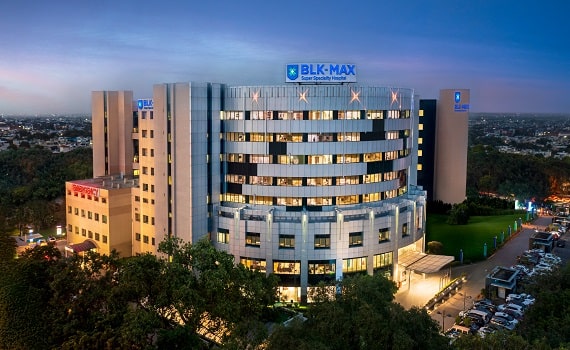
BLK-Max Super Speciality Hospital, New Delhi
BLK-Max Super Speciality Hospital in New Delhi is one of India's premier healthcare institutions, offering 650 beds, 22 advanced operation theatres, a...
Accreditations


Facilities
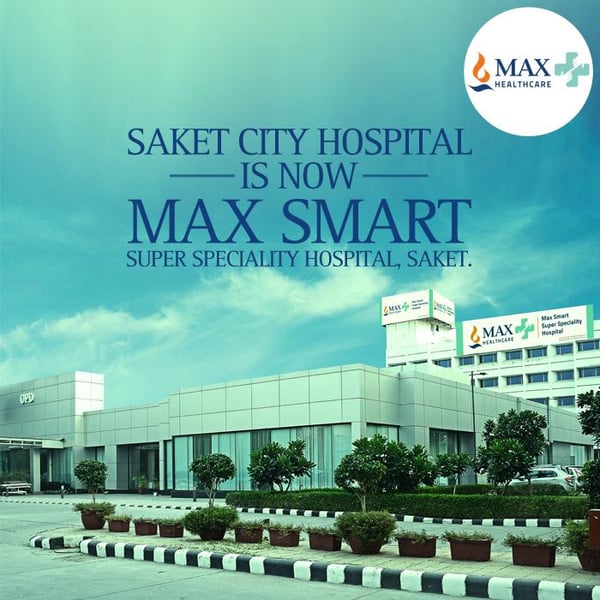
Max Smart Super Speciality Hospital, Saket, New Delhi
Max Smart Super Speciality Hospital, Saket, is a 250-bed tertiary care hospital in South Delhi. It offers advanced medical and surgical care across 22...
Accreditations
Facilities
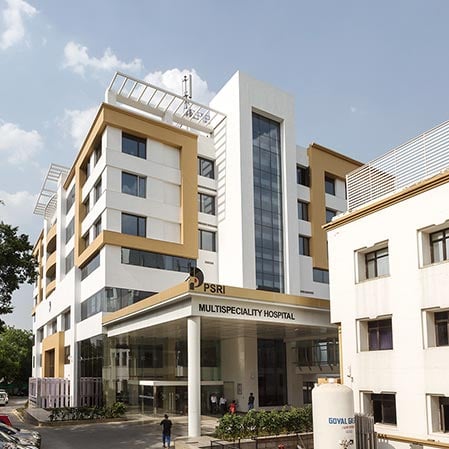
PSRI Hospital, Delhi
Pushpawati Singhania Research Institute (PSRI Hospital), New Delhi, is a leading multi-specialty tertiary care hospital established in 1996 by the JK ...
Accreditations
Facilities
Similar Procedures
Gallery
FAQ


Our website uses cookies. By clicking on accept you give your consent to the use of cookies as per our Privacy Policy.