
Химиотерапия наркы Индия
Жөнүндө Химиотерапия
Химиотерапия деген эмне жана ал кантип иштейт?
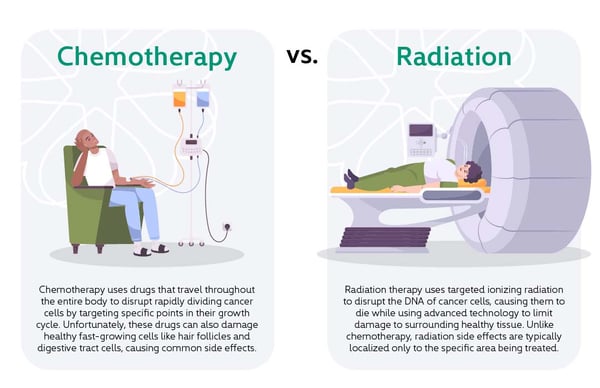
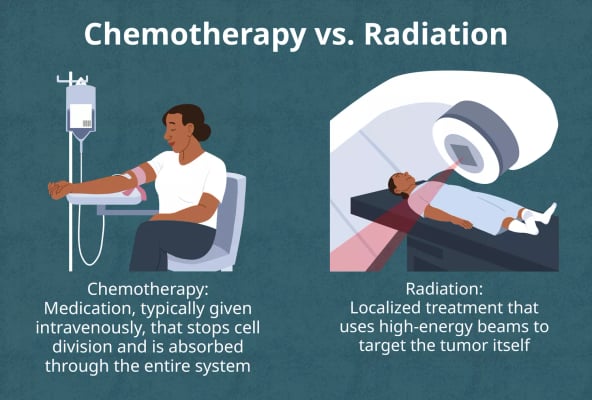
Химиотерапия - бул рак клеткаларын жок кылуу үчүн атайын дарыларды колдонгон медициналык дарылоо. Бул дарылар дененин ар кайсы бөлүктөрүндөгү рак клеткаларына жетүү үчүн кан агымы аркылуу өтүп, химиотерапияны өзгөчө жайылып кеткен же жайылуу коркунучу бар рактарга пайдалуу кылат. Белгилүү бир аймакка багытталган хирургиялык же радиациядан айырмаланып, химиотерапия системалуу түрдө иштейт, ал кайда болбосун ракты бутага алат.
Химиотерапияда колдонулган дарылар тез көбөйүп жаткан клеткалардын өсүшүн жана бөлүнүшүн токтотууга багытталган. Шишик клеткалары кадимки клеткалардын көбүнө караганда бир топ тез бөлүнөт, алар бул дарыларга өтө аялуу болушат. Бирок кээ бир дени сак клеткалар, мисалы, чач фолликулаларында, тамак сиңирүү жолдорунда жана жилик чучугунда да жабыркашы мүмкүн, ошондуктан чачтын түшүшү жана чарчоо сыяктуу терс таасирлер пайда болушу мүмкүн.
Химиотерапия бир нече жол менен колдонулушу мүмкүн:
- Операцияга чейин (неоадъювант терапия)шишик кичирейтүү.
- Негизги дарылоо катарыхирургиялык жол менен алып салуу мүмкүн эмес рак үчүн.
- хирургиялык кийин (адъювант терапиясы),калган рак клеткаларын жок кылуу үчүн.
- Комбинациядажакшы натыйжалар үчүн нурлануу же максаттуу терапия менен.
Ар бир химиотерапия планы жекелештирилген. Дарыгерлер рак түрүнө, стадиясына, пациенттин жашына, жалпы ден соолугуна жана дарылоо максаттарына жараша дары түрүн, дозасын жана цикл санын тандашат. Бул ыкма рак оорулуу тобокелдиктерди азайтуу менен бирге абдан натыйжалуу дарылоону камсыз кылат.
Химиотерапиянын ар кандай түрлөрү кандай?
Химиотерапия бир өлчөмдүү ыкма эмес. Химиотерапиянын бир нече түрлөрү бар, алардын ар бири рактын түрүнө, анын стадиясына жана канчалык агрессивдүү экендигине жараша белгилүү бир максатта жасалган. Келгиле, негизги категорияларды жөнөкөй тил менен карап көрөлү:
Дары функциясына негизделген
- Алкилдөөчү агенттер:Бул дары-дармектер рак клеткаларынын ДНКсын бузуп, алардын көбөйүшүнө жол бербейт. Алар көбүнчө лимфома, лейкоз жана боор жана өпкө рагы сыяктуу катуу шишиктерди дарылоодо колдонулат.
- Антиметаболиттер:Бул дары-дармектер денедеги табигый заттарды туурайт жана рак клеткаларын аларды колдонууга алдап алат. Алар сиңгенден кийин клеткалардын өсүшүн токтотот. Жоон ичеги, эмчек жана уйку безинин рагы сыяктуу рактар көбүнчө буларга жакшы жооп беришет.
- Шишикке каршы антибиотиктер:Аты-жөнүне карабастан, бул инфекцияга каршы антибиотиктер эмес. Анын ордуна, алар рак клеткалары бөлүнүшү жана өсүшү үчүн керек болгон ферменттерге тоскоолдук кылышат. Алар көбүнчө кан менен байланышкан рактарды жана кээ бир катуу шишиктерди дарылоодо колдонулат.
- Өсүмдүк алкалоиддери жана митоздук ингибиторлор:Өсүмдүктөрдөн алынган бул дарылар клетканын бөлүнүшүнө бөгөт коёт. Алар көбүнчө эмчек жана өпкө рагын дарылоодо колдонулат жана клетка циклинин белгилүү этаптарында өзгөчө эффективдүү экендиги белгилүү.
- Топоизомераза ингибиторлору:Булар рак клеткаларынын ДНКсын оңдоосун токтотуп, клетканын өлүмүнө алып келет. Алар лейкозду, энелик бездин рагын жана кээ бир өпкө рагын дарылоодо пайдалуу.
Бул кантип берилгенине негизделген
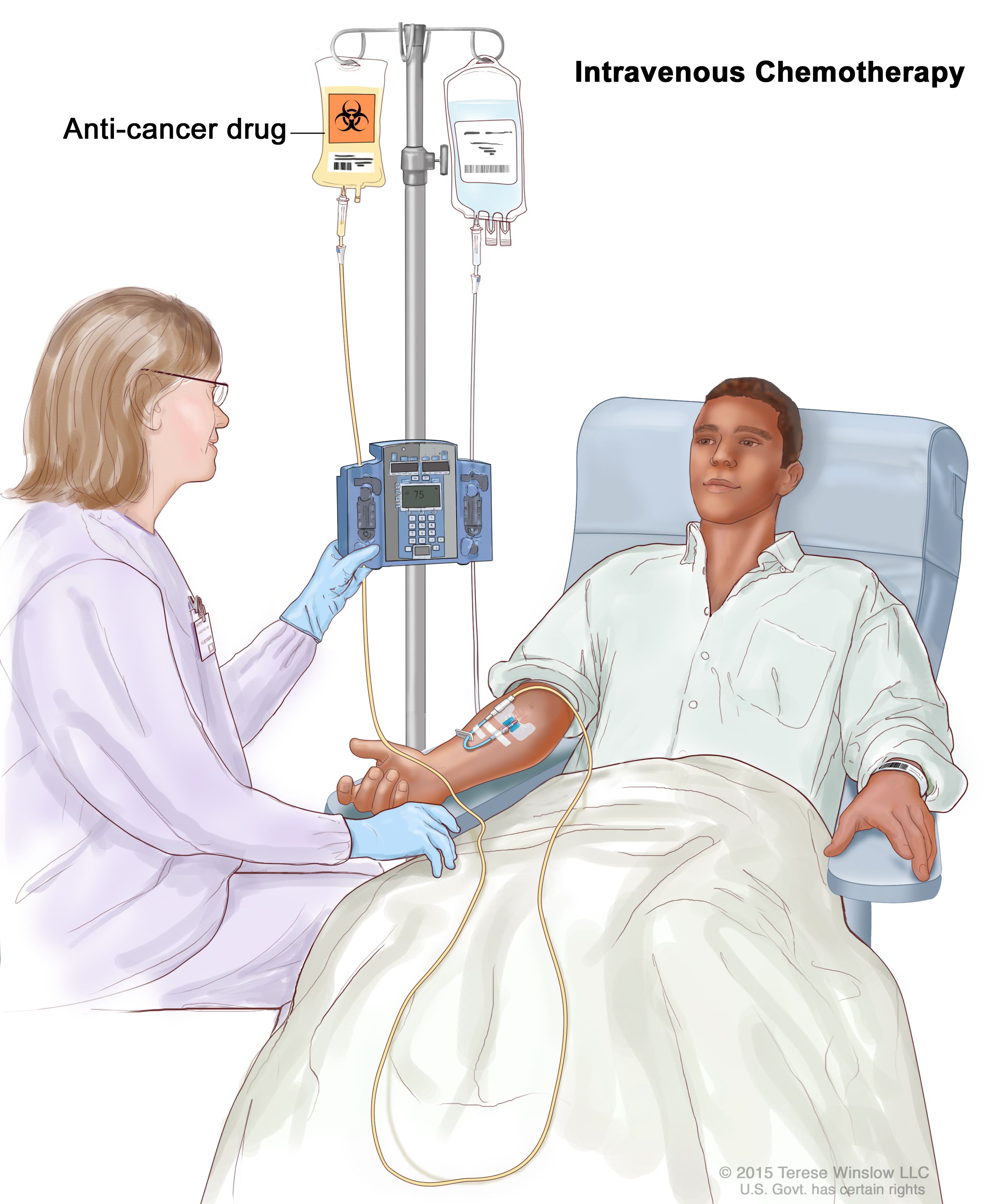
- Венага (IV) химиотерапия:Бул эң кеңири таралган ыкма. Дары-дармектер түздөн-түз венага сайылып, бүт денеге тарайт.
- Оозеки химиотерапия:Таблеткалар же капсулалар түрүндө кабыл алынган бул дары-дармектер бейтаптарга үй шартында үзгүлтүксүз байкоо жүргүзүү менен дарылоого мүмкүндүк берет.
- Булчуңга же тери астына инъекциялар:Кээде химиотерапия препараттары дары түрүнө жараша булчуңга же теринин астына сайылат.
- актуалдуу химиотерапия:Сейрек учурларда колдонулат, бул форма териге колдонулат, адатта үстүртөн теринин рагы үчүн.
Бул түрлөрдүн ар бири ракты дарылоодо роль ойнойт. Онкологдор клиникалык баа берүүнүн негизинде эң ылайыктуу комбинацияны кылдаттык менен тандашат жана башкарылуучу терс таасирлери менен максималдуу эффективдүүлүккө жетишишет.
Химиотерапия процесси
Химиотерапияны баштоо, айрыкча, биринчи жолу бейтаптар үчүн же чет өлкөгө дарыланууга баргандар үчүн өтө оор сезилиши мүмкүн. Бирок эмнени күтөрүн билүү саякатты жумшартып, стрессти азайтат. Рак ооруканалары эл аралык протоколдорго ылайык иш алып барышат жана бейтаптар процесстин жүрүшүндө толугу менен жетекчиликке алынат.
Алгачкы консультация жана баа берүү
Сиздин ракты дарылоо медициналык онколог менен кылдат консультациядан башталат. Алар мыкты химиотерапия планын аныктоо үчүн биопсия отчетторун, сүрөт сканерлөө, кан анализдерин жана жалпы ден соолугун карап чыгат. Рак түрү, стадияңыз, жашыңыз жана мурунку дарылооңуз сыяктуу факторлор жекелештирилген протоколуңузду түзүүгө жардам берет.
Дарылоону пландаштыруу
Химиотерапия тастыкталгандан кийин, дарыгер чечим кабыл алат:
- Кандай дарыларды колдонуу керек
- Канча цикл керек
- Ар бир цикл ортосундагы ажырым (көбүнчө 2-3 жума)
- Терс таасирлерди азайтуу үчүн колдоочу дарылар
Сиз ошондой эле графикти, эмне кылууну жана кылбашыңызды, тамактануу боюнча кеңештерди жана симптомдордун мониторингин түшүндүргөн клиникалык координатор, медайым же медициналык кеңешчи менен жолугуша аласыз.
Химиотерапия сессиясы
Химиотерапия, адатта, оорукананын ичиндеги атайын күндүзгү борбордо жүргүзүлөт. Эгерде сиз IV химиотерапия алып жатсаңыз:
- Венаңызга каннула же порт орнотулган.
- Дарылар түрүнө жараша 1-4 сааттын ичинде жай куюлат.
- Сиз жүрөк айлануу же аллергиялык реакциялар сыяктуу дароо терс таасирлерге көз салып турасыз.
- Ооруканага жаткыруу зарыл болбосо, сессиядан кийин ошол эле күнү үйгө бара аласыз.
Оозеки химиотерапия үчүн, оорукана аны качан жана кантип алуу керектиги боюнча көрсөтмөлөр менен бирге сиздин дары-дармектер менен камсыз кылат.
Дарылоодон кийинки мониторинг
Ар бир циклден кийин дарыгерлер каныңыздын санын, боор менен бөйрөктүн иштешин жана жалпы жоопту текшеришет. Шишиктин кичирейүүсүн же ооруну көзөмөлдөө үчүн бир нече циклден кийин сүрөттөө тесттери кайталанышы мүмкүн. Дозаны тууралоо денеңиздин дарыларга реакциясына жараша жүргүзүлөт.
Акысыз дарылоо планын алыңыз
Химиотерапия жөнүндө Индия жөнүндө
What is the Cost of Chemotherapy in India?
India offers high-quality cancer treatment at prices that are significantly lower than in Western countries. On average, a single cycle of chemotherapy in India costs between ₹20,000 to ₹70,000 ($240 to $840), depending on the drugs used and the hospital chosen. Most patients undergo 4 to 8 cycles, which brings the total treatment cost to around ₹1,00,000 to ₹5,00,000 ($1,200 to $6,000).
Doctors in India determine the number of chemotherapy cycles based on the type of cancer, the stage at diagnosis, and the patient's response to treatment. They also decide on the drug combinations, which directly influence the cost. For example, standard drugs like paclitaxel or cyclophosphamide cost less, while targeted or platinum-based therapies like carboplatin or docetaxel raise the expense.
Top private hospitals in India offer chemotherapy as part of day-care oncology units. These centers include consultation, drug administration, pre-medication, nursing, and follow-up care in their cost. Some hospitals offer international patients bundled packages that make budgeting easier.
Oral chemotherapy medications cost less per cycle and don't always require hospital visits. Intravenous chemotherapy, however, involves additional costs like IV setup, blood tests, port insertion (if needed), and observation time, which can slightly increase the price.
Compared to the US, where a single chemo cycle can cost $4,000 to $10,000, India offers world-class chemotherapy at just a fraction of that. Many international patients find that even after including travel and lodging expenses, their overall savings remain substantial.
Chemotherapy Cost Breakdown by Treatment Type
Understanding the different types of chemotherapy and their associated costs helps patients make informed financial decisions. Below is a detailed look at how chemotherapy expenses vary based on treatment type, drug choice, and delivery method in India.
- Intravenous Chemotherapy Cost in India: Hospitals typically charge ₹25,000 to ₹70,000 ($300 to $840) per cycle for IV chemotherapy. This cost includes the drug itself, infusion setup, pre-medication, nursing charges, and observation. If a patient receives high-end or imported drugs like docetaxel, trastuzumab, or bevacizumab, the cost rises. Using a chemo port also adds around ₹30,000 ($360) as a one-time cost.
- Oral Chemotherapy Cost in India: Oral chemotherapy tends to be more affordable and convenient. Most pills cost between ₹5,000 to ₹25,000 ($60 to $300) per cycle, depending on the brand and molecule. These medications are often prescribed for hormone-sensitive cancers or maintenance therapy and can be taken at home. Follow-up tests and consultations may incur extra costs.
- Neoadjuvant and Adjuvant Chemotherapy Cost: When doctors prescribe chemotherapy either before or after surgery, it is called neoadjuvant or adjuvant therapy. The cost for each cycle remains the same as regular IV chemotherapy, but the total number of cycles might vary. Patients typically spend ₹1,00,000 to ₹3,50,000 ($1,200 to $4,200) for the full course, depending on the treatment duration.
- Palliative Chemotherapy Cost: In advanced-stage cancers, doctors may recommend palliative chemotherapy to reduce symptoms and improve quality of life. This type often uses lower doses or less aggressive combinations. Each cycle costs ₹15,000 to ₹40,000 ($180 to $480), with total expenses depending on how long the patient continues therapy.
- Additional Expenses to Consider: Besides the cost of drugs and sessions, patients should also plan for supportive medications (anti-nausea, growth factors), blood tests, scans, and periodic consultations. These additional services may add ₹2,000 to ₹10,000 ($25 to $120) per cycle to the total bill.
Each chemotherapy plan is unique, and costs will depend on the exact drugs used, the cancer type, and how the body responds. Fortunately, India's transparent pricing and affordable treatment models allow patients from across the globe to access top-tier care without financial strain.
Comparison of Chemotherapy Cost – India vs Other Countries
India offers chemotherapy at significantly lower prices compared to many developed nations. Patients traveling from the US, UK, or the Middle East often choose India because of its cost-effectiveness without compromising on medical quality.
Country | Cost per Chemotherapy Cycle (USD) | Total Cost for 6–8 Cycles | Key Notes |
| India | $240 – $840 | $1,500 – $6,000 | Includes top-tier hospital care and international support services |
| United States | $4,000 – $10,000 | $25,000 – $80,000+ | Extremely high due to drug pricing, hospital bills, and insurance complexity |
| United Kingdom | $3,800 – $9,000 | $20,000 – $60,000 | Free for citizens via the NHS; very expensive for private or international patients |
| UAE / Gulf | $3,500 – $7,000 | $25,000 – $50,000 | High cost with limited generic options |
| Singapore | $2,500 – $5,000 | $15,000 – $30,000 | Modern hospitals but much more expensive than in India |
| Thailand | $2,000 – $4,000 | $12,000 – $24,000 | Cheaper than Western countries, but still double the Indian rates |
| South Africa / Kenya / Nigeria | $2,000 – $5,000 | $15,000 – $30,000 | Expensive due to limited access and drug imports |
Why Is Chemotherapy Affordable in India?
India is a global hub for cost-effective cancer care. Several important factors contribute to the significantly lower price of chemotherapy here compared to Western nations.
- Widespread Use of Generic Chemotherapy Drugs: India is one of the world's largest producers of generic medications. Pharmaceutical companies manufacture high-quality, FDA-approved generic versions of expensive chemotherapy drugs. These generics lower the cost of treatment by up to 70% while maintaining international standards of safety and efficacy.
- Competitive Healthcare Market: India's private healthcare sector is highly competitive. Leading hospitals and cancer centers continuously strive to offer better care at lower prices to attract international patients.
- Lower Operational and Labor Costs: Healthcare staff salaries, administrative charges, and facility overheads in India are lower than in countries like the USA or the UK.
- Cost-Efficient Infrastructure: Many Indian hospitals invest in cost-effective, high-volume infrastructure. They treat thousands of patients annually, which helps distribute fixed costs like equipment and utilities over a larger base, keeping individual treatment costs down.
- Government and NGO Support Programs: India offers several subsidy schemes and partnerships with NGOs that reduce chemotherapy costs for eligible patients. While these are primarily for residents, international patients indirectly benefit as hospitals maintain overall pricing within an accessible range.
Together, these factors make India one of the most affordable countries for chemotherapy, especially for foreign patients seeking top-tier cancer treatment without the burden of sky-high expenses.
Factors That Affect Chemotherapy Cost in India
The cost of chemotherapy in India doesn't follow a fixed number. It depends on several medical and logistical factors that can influence both the per-cycle cost and the total treatment expense. Knowing these factors helps patients plan their budget better and avoid unexpected charges during their cancer journey.
- Type of Cancer: The cost of chemotherapy varies depending on the type of cancer. Some cancers require basic drug combinations, while others need targeted or high-intensity regimens.
- Stage of Cancer: Advanced-stage cancers often require longer treatment plans, more potent drugs, and additional cycles, increasing the overall cost of chemotherapy.
- Choice of Chemotherapy Drugs: Generic drugs cost much less than branded or imported chemotherapy medications. The choice of drug directly impacts the price of each cycle.
- Number of Chemotherapy Cycles: Patients receiving more cycles pay higher cumulative costs. Most treatment plans range between 4 to 8 cycles based on medical response.
- Route of Administration: Intravenous chemotherapy involves extra charges for hospital stay and IV setup, while oral drugs can reduce overall costs by eliminating inpatient care.
- Hospital Type and City: Premium hospitals in metro cities charge more than smaller or tier-2 hospitals. However, they often include added support like accommodation, translators, and concierge services for international patients.
- Diagnostic and Monitoring Tests: Regular blood tests, imaging, and toxicity monitoring are essential during chemotherapy and add to the total cost, especially in long-term treatment.
- Supportive Medications: Drugs for managing side effects like nausea, immunity boosters, and pain relief also influence the total cost of chemotherapy treatment in India.
Services for International Patients Seeking Chemotherapy in India
India offers a seamless healthcare experience for international patients, especially those seeking chemotherapy. Leading hospitals have dedicated teams to assist patients every step of the way, from arrival to recovery.
- Dedicated International Patient Departments: Top hospitals in India have a dedicated international patient wing. These teams handle everything, including appointment scheduling, visa invitation letters, airport pickups, and accommodation planning.
- Personalized Treatment Coordination: A medical coordinator is assigned to every patient to manage their appointments, diagnostic tests, doctor consultations, and follow-up care. It ensures a smooth, stress-free experience for patients traveling from abroad.
- Multilingual Support: Language is never a barrier. Hospitals offer interpreters fluent in Arabic, French, Spanish, Swahili, Bengali, and many other languages, allowing patients and families to communicate easily with medical staff.
- Visa Assistance and Travel Help: International patients receive complete assistance for medical visas, documentation, and travel arrangements. Many hospitals partner with medical tourism facilitators to streamline this process.
- Affordable Accommodation Options: Patients can choose from hospital guesthouses, service apartments, or budget hotels located close to treatment centers.
- Nutritional and Psychological Support: Chemotherapy can be physically and emotionally challenging. Dieticians and counselors are available throughout the journey to support patients with meal plans and mental health care.
- Follow-Up and Teleconsultation Services: After treatment, patients can stay connected with their doctors through virtual follow-up sessions. Hospitals offer long-term support via email, WhatsApp, and video calls, ensuring continuity of care from home.
- 24/7 Emergency Care and Monitoring: Hospitals provide round-the-clock medical support and emergency services during chemotherapy. Nurses, oncologists, and ICU teams are always on standby in case of complications.
Success Rate of Chemotherapy in India
Chemotherapy in India has shown excellent success, especially when the cancer is diagnosed early. For early-stage cancers like breast, colon, or lymphoma, patients often experience survival rates exceeding 80–90% with timely chemotherapy cycles.
Advanced Protocols for Complex Cases: Indian oncology centers follow globally accepted protocols, including targeted therapies and combination regimens. This approach boosts success rates even for advanced-stage cancers, making treatment outcomes comparable to top hospitals in the US or the UK.
Personalized Chemotherapy Improves Outcomes: Oncologists in India customize chemotherapy plans based on cancer type, genetic profile, and patient tolerance. This individualized approach increases treatment effectiveness and reduces the chances of recurrence.
Success Rates Vary by Cancer Type: The outcome of chemotherapy varies depending on the specific cancer. For example, testicular cancer responds very well to chemotherapy with a cure rate of over 95%, while pancreatic cancer has a lower success rate despite treatment. Oncologists explain realistic expectations during the planning stage.
What are the Side Effects of Chemotherapy?
Chemotherapy works by targeting fast-growing cancer cells, but it also affects healthy cells that grow quickly. This is why patients often experience a range of side effects during and after treatment. Not every patient has the same symptoms. Some experience mild discomfort, while others need active medical support to manage the effects.
- Fatigue: Most patients feel unusually tired during chemotherapy. It can make daily tasks difficult, even after a full night's sleep. The fatigue builds up over time but usually improves after the treatment ends.
- Nausea and Vomiting: Many chemotherapy drugs cause nausea or vomiting, especially in the first few hours or days after treatment. Doctors usually prescribe anti-nausea medications to reduce this side effect.
- Hair Loss: Hair loss is among the most visible side effects of chemotherapy. It can affect the eyebrows, eyelashes, scalp, and body hair. Hair begins to grow back after cancer treatment ends.
- Loss of Appetite: Patients may lose their desire to eat due to changes in taste, nausea, or fatigue. A dietitian can help manage this by suggesting calorie-rich, easy-to-digest foods.
- Low White Blood Cell Count: Chemotherapy can weaken the immune system by lowering white blood cells, making patients more vulnerable to infections. Doctors monitor blood counts closely during treatment.
- Mouth Sores: Some people develop painful sores in the mouth or throat. These can make eating and drinking uncomfortable, but usually heal after treatment is over.
- Skin and Nail Changes: Skin may become dry, red, or sensitive. Nails can turn dark, brittle, or develop ridges. These changes are usually temporary and fade over time.
- Nerve Damage (Neuropathy): Tingling, numbness, or burning in the hands and feet may occur. It is known as peripheral neuropathy and can persist for weeks or months after chemotherapy.
- Emotional Changes: Chemotherapy often affects mood and mental health. It's normal to feel anxious, depressed, or emotionally drained during long treatments. Support groups and counseling can help.
- Fertility Impact: In some cases, chemotherapy affects fertility in both men and women. Patients concerned about future family planning should discuss options with their doctor before starting treatment.
How Indian Hospitals and Doctors Manage Chemotherapy Side Effects
Indian hospitals follow a patient-first approach when managing the side effects of chemotherapy. Oncologists in India combine advanced medical care with personalized support to help patients cope with physical, emotional, and nutritional challenges during treatment.
- Proactive Symptom Management: Doctors in India don't wait for side effects to become severe. They start patients on preventive medications like anti-nausea drugs, steroids, and immune boosters from the very first cycle to minimize discomfort and complications.
- Regular Blood Monitoring: Indian oncologists closely monitor blood cell counts during each cycle. If levels drop, they promptly adjust the dose or administer supportive injections like growth factors to avoid treatment delays or infections.
- Nutritional Counseling: Most cancer centers in India have in-house dietitians who create personalized meal plans to help patients maintain energy, manage nausea, and recover faster from treatment.
- Emotional and Psychological Support: Top hospitals offer access to oncology counselors and support groups. These services help patients deal with anxiety, fear, and depression, which are common emotional side effects of long-term chemotherapy.
- Specialized Nursing Teams: Chemotherapy patients are assisted by dedicated oncology nurses trained to recognize early signs of adverse reactions. They provide day-to-day care, help manage fatigue, and offer comfort during hospital stays.
- Use of Latest Drug Formulations: Doctors in India often use newer-generation chemotherapy drugs or combine them with targeted therapies to reduce damage to healthy cells. It helps lower the risk and intensity of common side effects like hair loss or neuropathy.
- Holistic and Integrative Care: Some Indian hospitals also offer complementary treatments like yoga, meditation, and ayurvedic support to improve mental well-being and overall tolerance to chemotherapy.
- Personalized Dose Adjustments: If a patient experiences severe side effects, oncologists quickly adjust the dosage or switch drug regimens without compromising treatment effectiveness.
Химиотерапия Өлкөнүн наркын салыштыруу
Ар кандай өлкөлөрдө Химиотерапия салыштыруу үчүн, медициналык дарылоо жөнүндө маалыматтуу чечим кабыл алуу үчүн.
| Өлкө | Чыгымдардын диапазону (АКШ доллары) | Потенциалдуу топтоо | Иш-аракет |
|---|---|---|---|
ИндияУчурдагыМыкты маани | $1,200 - $6,000 | — | Quote алуу |
Эскертүү: Чыгымдар ооруканага тандоо, бөлмө түрү, кошумча кызматтар жана жеке медициналык талаптарга негизделген.
Индия жылы Химиотерапия үчүн алдыңкы ооруканалар
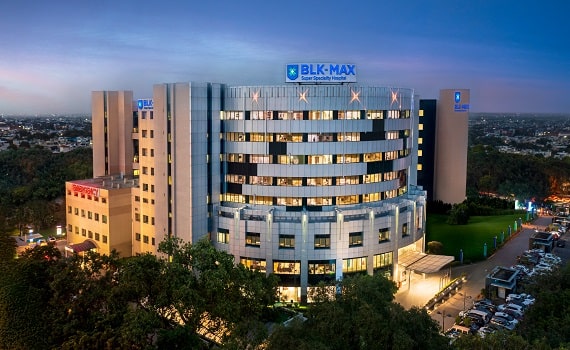
BLK-Max Супер адистештирилген ооруканасы, Нью-Дели
Нью-Делидеги BLK-Max Super Specialty Hospital Индиянын эң алдыңкы саламаттыкты сактоо мекемелеринин бири, 650 керебетти, 22 өркүндөтүлгөн операциялык ...
Аккредитациялар

Жайлар
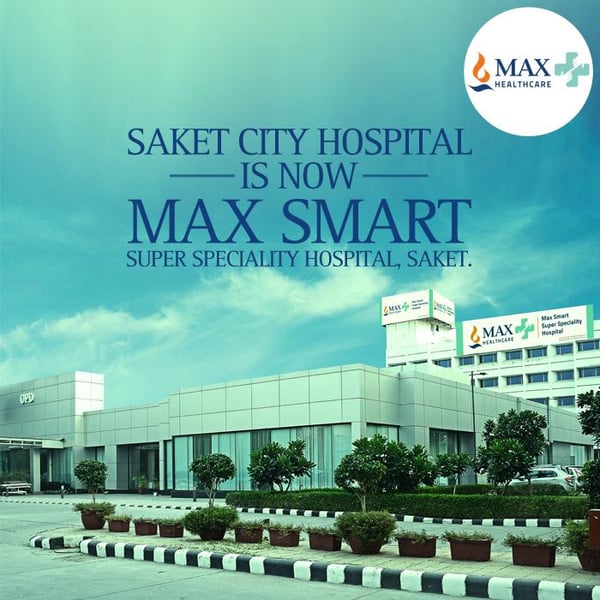
Макс Smart Супер адистик ооруканасы, Сакет, Нью-Дели
Max Smart Super Specialty Hospital, Сакет, Түштүк Делидеги 250 койкалуу үчүнчү даражадагы оорукана. Бул кардиология, онкология, ортопедия жана бөйрөк ...
Аккредитациялар
Жайлар
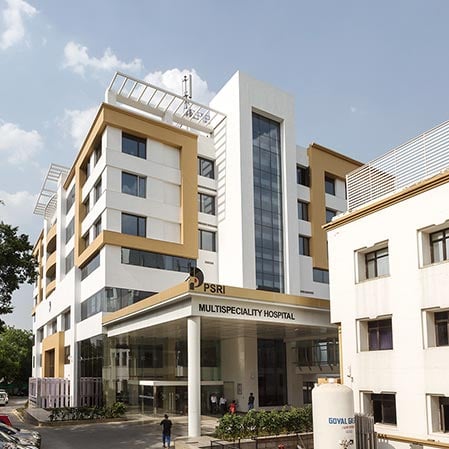
PSRI ооруканасы, Дели
Pushpawati Singhania изилдөө институту (PSRI ооруканасы), Нью-Дели, JK Group тарабынан 1996-жылы түзүлгөн алдыңкы көп адистиктеги үчүнчү даражадагы оо...
Аккредитациялар
Жайлар
Окшош процедуралар
Галерея
FAQ
Сынчы
Баарын көрүү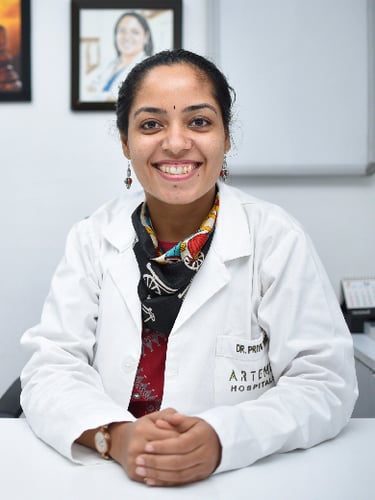
Dr. Priya Tiwari is a renowned medical oncologist trained at the prestigious All India Institute of Medical Sciences (AIIMS). She specializes in comprehensive cancer care and is committed to deliver... Кененирээк маалымат

Биздин веб-сайтта кукилерди колдонот. Купуялык саясаты.