
Боорду алмаштыруу наркы Индия
Жөнүндө Боорду алмаштыруу
Боорду алмаштыруу деген эмне?
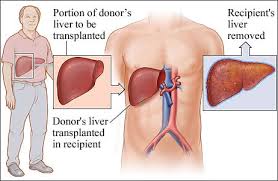
Боорду трансплантациялоо – бул оорулуу/бузулган боор башка адамдын дени сак боору менен алмаштырылган өмүрдү сактап калуучу хирургиялык процедура. Бул жаңы боор тирүү донордон (алардын боорунун бир бөлүгүн берген) же өлгөн донордон (өлгөндөн кийин боорун берген) келип чыгышы мүмкүн. Боор тамак сиңирүүдө, кандагы токсиндерди чыгарууда жана керектүү азыктарды сактоодо чечүүчү ролду ойногон маанилүү орган. Боор иштебей калса, организм иштебей баштайт.
Көптөгөн олуттуу боор ооруларында, дары-дармектер жана башка дарылоо мындан ары жардам бербейт. Бул учурда, боорду алмаштыруу аман калуу үчүн жалгыз мүмкүнчүлүк болуп калат. Операция бузулган боорду алып салып, анын ордуна бардык маанилүү функцияларды аткара ала турган дени сак боорду коет.
Боорду алмаштыруу кимге керек?
Боор оорусу барлардын баары эле трансплантацияга муктаж эмес. Бирок боор иштен чыгып, денени дени сак сактай албай калганда, дарыгерлер боорду алмаштырууну ойлонуштуруп башташат. Бул өмүрдү сактап калуу хирургиясы боор оорусунун акыркы стадиясындагы бейтаптар же боор рагынын айрым түрлөрү бар адамдар үчүн эң жакшы вариант.
Боорду алмаштырууну талап кылган жалпы шарттар
Боордун жетишсиздиги көбүнчө көптөгөн адамдарда акырындык менен пайда болот, адатта, бир нече ай же жылдардан кийин топтолгон зыян. Кимдир бирөө трансплантацияга муктаж болушу мүмкүн болгон эң көп таралган себептер:
- Цирроз: Бул эң көп кездешүүчү себеп. Цирроздо боор кыртышы тырык болуп катып, кандын агымын токтотуп, боордун соо иштешин начарлатат. Ичкиликти кыянаттык менен пайдалануу, гепатит жана боордун майлуу оорулары көбүнчө циррозго алып келет.
- Алкоголсуз майлуу боор оорусу (NAFLD): Бул боордо май чогулуп, убакыттын өтүшү менен сезгенүүнү пайда кылганда болот.
- Узак мөөнөттүү гепатит В же С: Өнөкөт вирустук инфекциялар боор клеткаларына зыян келтирип, бара-бара боордун иштебей калышына алып келет.
- Боор рагы (гепатоцеллярдык карцинома): Кээ бир учурларда, боордо башталган рак эрте аныкталып, трансплантация жасалса дагы айыкса болот.
- Боордун курч жетишсиздиги: Бул боордун функциясынын капыстан жоголушу, көбүнчө баңги заттын ашыкча дозалануусунан (мисалы, парацетамол), инфекциялардан же уулуу таасирлерден.
Дарыгерлер жарамдуулугун кантип чечишет?
Дарыгерлер трансплантацияны дароо сунуштабайт. Биринчиден, алар боор канчалык жакшы иштеп жатканын текшерүү үчүн бир нече сыноолорду өткөрүшөт. TheMELD упай(Бордун акыркы стадиясындагы оорунун модели) дарыгерлерге качан трансплантация керек экенин чечүүгө жардам берет. Канчалык жогорку балл болсо, ошончолук шашылыш болот.
Бейтаптар дагы башка шарттарга жооп бериши керек. Мисалы, алар керек:
- Ден соолукта болуңуз, чоң операция жасатыңыз.
- Боордун сыртында активдүү инфекциялар же рак жок.
- Алар трансплантациядан кийинки кам көрүү көрсөтмөлөрүн аткара турган белгилерин көрсөтүңүз.
Дарыгерлер эмоционалдык жана психикалык даярдыкка да баа беришет. Боордун трансплантациясын калыбына келтирүү өмүр бою кам көрүү жана дары-дармекти талап кылгандыктан, бейтаптар ден соолугун сактоого бекем умтулушу керек.
Боор трансплантациясынын ар кандай түрлөрү кандай?
Боорду алмаштыруу операциясы бейтаптын ден соолугуна, донордун болушуна жана процедуранын шашылыштыгына жараша ар кандай формада болот. Боор трансплантациясынын ар бир түрүнүн өзүнүн артыкчылыктары бар жана трансплантациялоо тобу тарабынан кылдат медициналык баалоодон кийин тандалат.
Тирүү донор боор трансплантаты
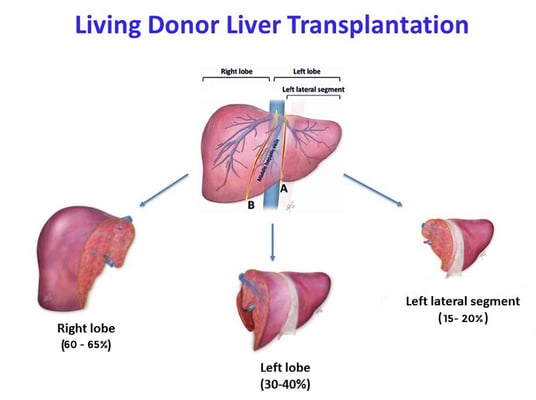
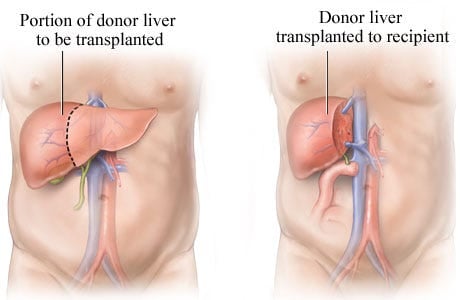
Тирүү донор боорду трансплантациялоо процедурасы боордун бир бөлүгүн (көбүнчө оң же сол бөлүгүн) дени сак адамдан алып, аны реципиентке көчүрүүнү камтыйт. Трансплантациянын бул түрү мүмкүн, анткени боор операциядан кийин бир нече жуманын ичинде донордо да, реципиентте да өзүнүн толук көлөмүн калыбына келтирүү үчүн уникалдуу жөндөмгө ээ.
Тирүү донордук боор трансплантациялары донор катары даяр жана медициналык жактан ылайыктуу үй-бүлө мүчөсү же досу бар балдар же чоңдор үчүн эң ылайыктуу. Бул түрдөгү негизги артыкчылыктарга күтүү убактысынын кыскарышы, операцияны алдын ала пландаштыруу мүмкүнчүлүгү жана органдын сапаты жана убактысы жакшыртылгандыктан ийгиликтин жогорку деңгээли кирет.
Каза болгон донордун боорун алмаштыруу
Каза болгон донор боордун трансплантациясы жакында каза болгон жана органдарын тапшырган адамдын толук боорун колдонот. Боор кылдаттык менен сакталып, алып салгандан кийин критикалык убакыт терезесинде бейтапка көчүрүлөт.
Каза болгон донордун боорун алмаштыруу жарамдуу тирүү донору жок бейтаптарга сунушталат. Бирок, ылайыктуу өлгөн донордук органдардын жетишсиздигинен улам күтүү узакка созулушу мүмкүн. Ал көбүнчө боор оорусунун акыркы стадиясында же курч боор жетишсиздиги менен ооруган бейтаптарга жүргүзүлөт.
Бөлүнгөн боор трансплантаты
Бөлүнгөн боорду алмаштыруу операциясы өлгөн донордун боорун эки бөлүккө бөлүүнү камтыйт, алар андан кийин эки башка реципиентке, адатта бир чоң адамга жана бир балага трансплантацияланат. Бул өтө адистештирилген процедура жана эң сонун хирургиялык тактыкты жана оорукананын инфраструктурасын талап кылат.
Бөлүнгөн боор трансплантациялары пайдалуу, анткени алар донордук бир боор менен эки адамдын өмүрүн сактап калууга мүмкүндүк берет. Бул ыкма көбүнчө педиатриялык боорду трансплантациялоодо колдонулат, анда алуучуга кичирээк трансплант талап кылынат.
Көмөкчү боор трансплантациясы
Көмөкчү боордун трансплантациясы бейтаптын өзүнүн оорулуу боорун толугу менен алмаштыруунун ордуна, жарым-жартылай донор боорун имплантациялоону камтыйт. Бул ыкма жергиликтүү боор убакыттын өтүшү менен калыбына келиши мүмкүн болгон учурда каралат, мисалы, уулануудан же вирустук гепатиттен улам курч боор жетишсиздиги.
Көмөкчү боор трансплантациялоо негизинен жаш пациенттерде же дарыгерлер боордун баштапкы функциясын сактап калгысы келген учурларда колдонулат. Эгерде бейтаптын боору калыбына келсе, донордук трансплантация кичирейип же кийинчерээк алынып салынышы мүмкүн.
Боорду алмаштыруу кантип жасалат?
Боор трансплантациялоо процесси эң жакшы натыйжаларды камсыз кылуу үчүн кылдат структураланган протоколго ылайык жүргүзүлөт. Бүткүл сапар баалоону, донорлорду тандоону, хирургиялык процедураны жана операциядан кийинки калыбына келтирүүнү камтыйт. Ар бир кадамды түшүнүү бейтаптарга жана алардын үй-бүлөлөрүнө психикалык, физикалык жана каржылык жактан даярданууга жардам берет.
Трансплантацияга чейинки баалоо
Хирургдар боор трансплантациялоо хирургиясы дарылоонун эң жакшы варианты экенин тастыктоо үчүн кылдат медициналык баа берүү менен процессти башташат. Баалоо кандын анализин, сүрөт сканерлөөсүн, жүрөк жана өпкөнүн иштешин баалоону жана психологиялык кеңешти камтыйт.
Трансплантациялоо тобу ошондой эле көзөмөлсүз инфекциялар же катуу жүрөк оорулары сыяктуу кандайдыр бир каршы көрсөтмөлөрдү текшерет. Жарамдуулук критерийлерине жооп бергендер гана трансплантациялоо процессинде алдыга жылат.
Донорлорду дал келүү жана даярдоо
бейтаптын тирүү донор бар болсо, дарыгерлер коопсуз дал камсыз кылуу үчүн шайкештик тесттерди жүзөгө ашырат. Каза болгон донордук трансплантация үчүн пациенттин аты-жөнү трансплантацияны күтүү тизмесине кошулат. Дал келүү кандын түрүн, боордун көлөмүн жана жалпы ден соолукту текшерүүнү камтыйт.
Ылайыктуу донор тастыкталгандан кийин донор да, реципиент да акыркы медициналык текшерүүдөн өтүшөт жана операцияга чейинки пландоодон өтүшөт. Тирүү донор болсо, трансплантациялоо күнү алдын ала белгиленет.
Боорду алмаштыруу операциясы
Операция боорду трансплантациялоонун алдыңкы технологиясы менен жабдылган стерилдүү операциялык бөлмөдө ишке ашат. Трансплантациялоочу хирургдар оорулуу боорду алып салышат жана анын ордуна донордон соо боор же боор сегменти алышат.
Операция адатта 8ден 12 саатка чейин созулат. Тажрыйбалуу боор трансплантациялоочу хирургдар тобокелдиктерди азайтуу жана тактыкты камсыз кылуу үчүн анестезиологдор жана колдоо кызматкерлери менен бирге иштешет.
Операциядан кийинки дароо ICU кам көрүү
Операциядан кийин пациент катуу көзөмөл жүргүзүү үчүн интенсивдүү терапия бөлүмүнө (ICU) которулат. Дарыгерлер жашоонун маанилүү белгилерин, боордун иштешин жана организмдин жаңы органга реакциясын дайыма текшерип турушат.
ICUда болуу учурунда бейтаптар органдарды четке кагуу үчүн иммуносупрессанттарды жана инфекцияларды алдын алуу үчүн антибиотиктерди алышат.
Ооруканада болуу жана калыбына келтирүү
Индияда боор трансплантациясынан кийин ооруканада болуу 2 жумадан 3 жумага чейин созулат. Оорулуулар акырындап баса башташат, тамактанышат жана медициналык көзөмөл астында негизги иш-аракеттерди уланта башташат.
Трансплантациялоо тобу бейтапты жана кам көрүүчүлөргө гигиена, тамактануу, жараатка кам көрүү жана айыгууга чейин дары-дармектердин графиктерин үйрөтөт.
Узак мөөнөттүү байкоо жана мониторинг
Айыккандан кийин, бейтаптар алгачкы бир нече ай бою үзгүлтүксүз байкоого барышат. Бул сапарларга кан анализи, УЗИ сканерлөө жана дары дозасын өзгөртүү кирет.
Дарыгерлер органдын четке кагуу белгилерин, инфекцияларды жана башка кыйынчылыктарды байкап турушат. Узак мөөнөттүү кам көрүү боордун жакшы иштешин жана пациенттин ден соолугун сактоого жардам берет.
Акысыз дарылоо планын алыңыз
Боорду алмаштыруу жөнүндө Индия жөнүндө
What is the Cost of a Liver Transplant in India?
The liver transplant cost in India ranges between ₹20 lakhs to ₹30 lakhs, which is approximately $23,000 to $36,000. It includes most of the essential services required for a successful transplant and postoperative recovery. Compared to countries like the United States or the United Kingdom, India offers world-class liver transplant services at a significantly lower price.
What's Included in the Liver Transplant Package in India?
Most liver transplant packages in India cover a comprehensive list of medical and surgical services, which include:
- Pre-transplant evaluation: This includes blood tests, imaging scans (such as MRI or CT), liver function tests, and cardiopulmonary assessments. These tests help determine whether the patient is fit for transplant.
- Surgical procedure charges: The actual cost of liver transplant surgery includes operating theater charges, surgeon's fees, anesthetist fees, and the cost of medical equipment used during the procedure.
- Donor surgery expenses: In the case of a living donor liver transplant, the cost also includes evaluation, hospitalization, and surgery for the donor.
- Intensive Care Unit (ICU) stay: The transplant recipient requires ICU support for several days post-surgery to monitor vital signs and manage complications.
- Hospital stay for both donor and recipient: Typically, recipients remain in the hospital for 2 to 3 weeks while donors stay for about a week.
- Immunosuppressive medications: These are critical drugs that prevent the immune system from rejecting the transplanted liver. The initial cost of these medications is included in the package.
- Nursing and ward care: High-quality postoperative care is provided by trained nurses and medical staff to ensure proper recovery.
- Follow-up consultations (initial period): Some hospitals include a few months of follow-up visits, blood tests, and follow-up monitoring in the overall transplant cost.
India's liver transplant centers also offer value-added services, such as dietary planning, physiotherapy, and counseling, particularly for international patients, as part of a comprehensive care plan.
Cost Breakdown of Liver Transplant in India
The complete cost structure of liver transplant in India includes various stages such as medical evaluations, surgery, hospital stay, medications, and donor care. Below is a detailed cost breakdown of what you can expect.
- Pre-Transplant Evaluation Cost: Doctors perform several diagnostic tests before scheduling the surgery. These include blood tests, imaging scans, cardiac evaluations, and consultations with specialists. The cost for liver transplant pre-evaluation ranges between ₹1,50,000 and ₹2,50,000 (approximately $1,800 to $3,000).
- Liver Transplant Surgery Cost: The surgical cost of liver transplant covers the operation theater, surgeon's fee, anesthetist, surgical team, and equipment. It is the most considerable portion of the expense, ranging from ₹10 lakhs to ₹15 lakhs ($12,000 to $18,000).
- Donor Surgery and Care Cost: In living donor transplants, the donor also undergoes surgery. It includes hospital admission, donor evaluation, and surgical fees. The donor surgery cost in India ranges from ₹3 lakhs to ₹5 lakhs ($3,500 to $6,000).
- Postoperative ICU and Hospital Stay: Patients typically spend several days in the ICU, followed by recovery in a general ward or private room. The ICU and hospitalization cost ranges between ₹3 lakhs and ₹4 lakhs ($3,500 to $4,800).
- Immunosuppressive Medication Cost: After transplant, patients need lifelong medications to prevent organ rejection. The initial cost of the immunosuppressive drug is approximately ₹1 lakh to ₹1.5 lakh ($1,200 to $1,800), which may increase depending on the patient's response to treatment.
- Follow-up Tests and Consultation Charges: After discharge, doctors continue to monitor the patient's progress through regular blood tests and check-ups. The first few months of follow-up care can cost between ₹50,000 and ₹1,00,000 ($600 to $1,200).
Expense Component | Cost in INR | Cost in USD |
| Pre-transplant Evaluation | ₹1,50,000 – ₹2,50,000 | $1,800 – $3,000 |
| Liver Transplant Surgery | ₹10,00,000 – ₹15,00,000 | $12,000 – $18,000 |
| Donor Surgery and Care | ₹3,00,000 – ₹5,00,000 | $3,500 – $6,000 |
| ICU & Hospital Stay | ₹3,00,000 – ₹4,00,000 | $3,500 – $4,800 |
| Immunosuppressive Medications | ₹1,00,000 – ₹1,50,000 | $1,200 – $1,800 |
| Follow-up Care | ₹50,000 – ₹1,00,000 | $600 – $1,200 |
| Total Estimated Cost | ₹20,00,000 – ₹30,00,000 | $23,000 – $36,000 |
Liver Transplant Cost Comparison: India vs Other Countries
India is a preferred destination for liver transplant surgery because of its cost-effectiveness without compromising on quality. When comparing liver transplant costs globally, India consistently offers some of the most affordable options while maintaining excellent outcomes.
In countries such as the United States or the United Kingdom, the total cost of a liver transplant can be overwhelming. Patients often face long waiting times and high out-of-pocket expenses due to insurance deductibles. On the other hand, Indian hospitals provide world-class liver transplant procedures at a fraction of the international cost.
Country | Average Liver Transplant Cost (USD) | Key Highlights |
| India | $23,000 – $36,000 | Affordable, shorter wait time, skilled surgeons |
| United States | $5,00,000 – $8,00,000 | Very high cost, long waiting period |
| United Kingdom | $3,00,000 – $4,50,000 | High cost, availability mostly through the NHS |
| UAE | $1,20,000 – $2,00,000 | Expensive, limited number of transplant centers |
| Turkey | $70,000 – $1,00,000 | Growing medical hub, still costlier than India |
| Singapore | $2,50,000 – $3,50,000 | High-tech facilities but high cost |
India stands out as a country that provides advanced liver transplant surgeries at economical rates. Even after including travel, accommodation, and postoperative recovery costs, the total expense in India remains significantly lower than in most developed nations.
Additionally, Indian hospitals provide comprehensive support to international patients, ensuring a smooth and stress-free process. Choosing India for a liver transplant not only saves money but also reduces waiting time, improves access to skilled doctors, and ensures personalized care.
What are the Factors Affecting Liver Transplant Cost in India?
The liver transplant cost in India can vary widely based on several critical elements related to both the patient and the healthcare facility. These factors influence overall medical expenses, and understanding them provides patients with better clarity on what to expect financially.
- Type of Liver Transplant: Living donor liver transplant usually costs more because it includes two surgeries, one for the donor and one for the patient. Deceased donor transplant may involve costs for coordination and organ matching.
- Hospital and City: The cost of a liver transplant varies depending on the hospital's reputation and location. Premium hospitals in metro cities like Delhi or Mumbai may charge more due to advanced facilities and expert teams.
- Surgeon's Experience: Surgeons with years of transplant experience may charge higher fees. However, their skills often lead to better outcomes and fewer complications.
- Patient's Health Condition: If the patient has advanced liver failure or multiple health issues, they may require additional tests, a more extended ICU stay, and more medications, which can increase the overall cost.
- Donor-Related Expenses: A living donor transplant includes donor screening, surgery, and postoperative care. These services are billed along with the recipient's transplant package.
- Length of Hospital Stay: Patients who recover slowly or need ICU care for longer periods will incur higher hospital bills. The length of hospital stay directly impacts total expenses.
- Post-Transplant Medicines: Immunosuppressants and follow-up tests are essential after surgery. These long-term medications can increase the overall cost by several lakhs.
Why Choose India for Liver Transplant?
India has become one of the top destinations for liver transplants due to its blend of affordability and high medical standards. Patients from across the globe travel here to receive expert care without compromising on quality.
- World-Class Surgeons with Global Training: India boasts some of the most experienced liver transplant surgeons, who have received training at leading institutions worldwide. Their expertise ensures safe procedures and excellent outcomes.
- Advanced Hospitals with Modern Infrastructure: Top hospitals in India offer cutting-edge technology, advanced ICUs, and dedicated transplant units. These facilities follow strict international protocols for safety, hygiene, and postoperative care.
- Affordable Liver Transplant Packages: Liver transplants in India are significantly less expensive than those in countries like the US or the UK. Despite the lower cost, patients receive comprehensive care, including donor surgery and intensive aftercare.
- High Donor Availability and Efficient Coordination: India has a growing living donor program and is steadily improving deceased donor networks. Hospitals here are adept at managing the complex logistics of transplant coordination.
- Minimal Waiting Time and Faster Procedures: Compared to the long waiting lists in many Western countries, India offers quicker evaluation, faster matching, and prompt surgery scheduling, which is critical for patients with urgent liver conditions.
- Holistic Care for International Patients: From visa assistance and travel planning to local language support and post-discharge guidance, Indian hospitals offer a smooth experience for foreign patients seeking liver transplant treatment.
What Services are Provided to Overseas Patients?
India offers a comprehensive range of support services to ensure that overseas patients feel safe, comfortable, and well cared for throughout their liver transplant journey. These services make the entire process, from planning to recovery, stress-free and efficient.
- Dedicated Case Managers for Personalized Care: Each patient is assigned a case manager who acts as the single point of contact. The manager helps coordinate appointments, doctor consultations, surgery schedules, and follow-ups, ensuring seamless communication throughout the treatment.
- Visa Assistance and Medical Invitations: Hospitals in India provide official visa invitation letters (VILs) and help patients and their caregivers with visa applications. Many institutions have tie-ups with embassies to expedite the process.
- Airport Pick-up and Local Travel Support: Many medical travel packages include complimentary airport pick-up and drop-off services. Additionally, hospital teams assist in arranging safe transportation between the hotel, hospital, and recovery accommodations.
- Multilingual Translators and Cultural Support: Most top hospitals have in-house interpreters for Arabic, French, Spanish, Russian, Swahili, and other widely spoken languages. They also assist with local cultural needs and dietary preferences.
- Affordable Guest House and Recovery Stay Options: Hospitals partner with nearby guest houses, serviced apartments, and budget hotels that offer safe and hygienic stays for patients and families. These are often within walking distance of the hospital.
- Currency Exchange and Payment Assistance: The hospital's support teams assist with currency exchange, international payment options, and guidance on utilizing health insurance (if applicable). Some hospitals even allow advance deposits through bank transfers.
- Post-Discharge Care and Follow-Up Support: Even after discharge, hospitals in India offer teleconsultation services and ongoing follow-up with the transplant team. Patients can stay connected with their doctors even after returning home.
What is the Success Rate and Survival After Liver Transplant in India?
Liver transplant outcomes in India have improved significantly, thanks to advancements in surgical techniques, experienced transplant teams, and comprehensive postoperative care. India now offers survival rates that match many leading global transplant centers, while keeping the treatment affordable.
- 1-Year Survival Rate After Liver Transplant: The average 1-year survival rate for liver transplant patients in India is between 85% and 90%. It means that the vast majority of patients recover well after the procedure, especially when the transplant is done at a reputed center with skilled specialists.
- 5-Year Survival Rate After Liver Transplant: The 5-year survival rate ranges from 70% to 75%, depending on the patient's underlying condition, age, and adherence to medications and follow-up protocols. Long-term success also depends on early detection of complications and regular monitoring.
Factors That Improve Liver Transplant Outcomes in India
Liver transplant success is higher when the procedure is performed at transplant centers with a high volume of patients and multidisciplinary teams. Early referral, optimal patient health before surgery, a compatible donor match, and consistent postoperative care also play key roles in improving survival rates.
India's Strength in Delivering High-Quality Transplants
Many Indian hospitals follow international protocols, such as those established by the AASLD (American Association for the Study of Liver Diseases) and the EASL (European Association for the Study of the Liver). The adherence to global standards, combined with state-of-the-art ICUs and access to affordable medications, helps ensure strong outcomes.
Recovery Timeline After Liver Transplant in India
Recovering from a liver transplant is a gradual process that happens in several stages. Each phase is essential for building strength, preventing complications, and adjusting to life with a new liver.
- Hospital Stay (2–3 Weeks): Most patients stay in the hospital for around 2 to 3 weeks after the transplant. The first 7–10 days are usually spent in the ICU, where doctors closely monitor the patient's condition, check liver function, and manage any signs of infection or rejection.
- Initial Home Recovery (First 3 Months): After discharge, patients need to follow strict rest and hygiene routines at home. During the first 3 months, they attend regular follow-up visits, undergo blood tests, and take medications to suppress the immune system (immunosuppressants). It is important to avoid crowded places and eat a well-balanced, low-salt diet during this time.
- Gradual Return to Routine (3–6 Months): Between 3 to 6 months, many patients begin to feel stronger and return to light activities. Doctors may reduce the dosage of certain medications, and the body starts adapting to the new liver. It's vital to closely monitor blood pressure, weight, and blood sugar levels.
- Long-Term Recovery and Lifestyle (6 Months–1 Year): By 6 to 12 months, most patients can resume work or school and return to an everyday daily life. However, long-term medication is essential, along with periodic liver function tests and check-ups. Maintaining a healthy lifestyle, avoiding alcohol, eating nutritious food, and staying active, is crucial for lifelong success after transplant.
Боорду алмаштыруу Өлкөнүн наркын салыштыруу
Ар кандай өлкөлөрдө Боорду алмаштыруу салыштыруу үчүн, медициналык дарылоо жөнүндө маалыматтуу чечим кабыл алуу үчүн.
| Өлкө | Чыгымдардын диапазону (АКШ доллары) | Потенциалдуу топтоо | Иш-аракет |
|---|---|---|---|
ИндияУчурдагыМыкты маани | $23,000 - $36,000 | — | Quote алуу |
Эскертүү: Чыгымдар ооруканага тандоо, бөлмө түрү, кошумча кызматтар жана жеке медициналык талаптарга негизделген.
Индия жылы Боорду алмаштыруу үчүн алдыңкы ооруканалар

BLK-Max Супер адистештирилген ооруканасы, Нью-Дели
Нью-Делидеги BLK-Max Super Specialty Hospital Индиянын эң алдыңкы саламаттыкты сактоо мекемелеринин бири, 650 керебетти, 22 өркүндөтүлгөн операциялык ...
Аккредитациялар

Жайлар

Макс Smart Супер адистик ооруканасы, Сакет, Нью-Дели
Max Smart Super Specialty Hospital, Сакет, Түштүк Делидеги 250 койкалуу үчүнчү даражадагы оорукана. Бул кардиология, онкология, ортопедия жана бөйрөк ...
Аккредитациялар
Жайлар
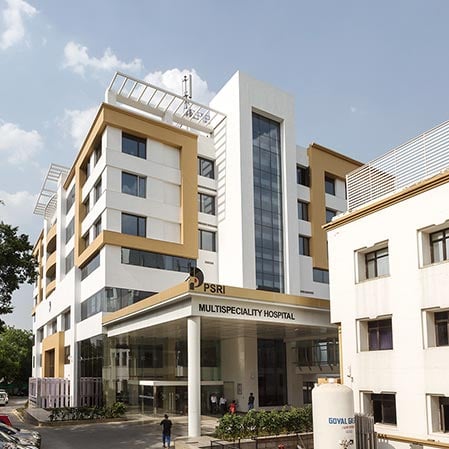
PSRI ооруканасы, Дели
Pushpawati Singhania изилдөө институту (PSRI ооруканасы), Нью-Дели, JK Group тарабынан 1996-жылы түзүлгөн алдыңкы көп адистиктеги үчүнчү даражадагы оо...
Аккредитациялар
Жайлар
Окшош процедуралар
Галерея
FAQ
Сынчы
Баарын көрүү
Төрага жана улук консультант - боорду алмаштыруу
Доктор Вивек Виж бул тармакта 15 жылдан ашык тажрыйбасы бар боорду алмаштыруу боюнча пионер хирург. Fortis ооруканаларында боорду трансплантациялоо жана гепатобилиарлык илимдер бөлүмүнүн төрагасы ката... Кененирээк маалымат

Биздин веб-сайтта кукилерди колдонот. Купуялык саясаты.