
Кардиостимуляторду имплантациялоо хирургиясы наркы Индия
Жөнүндө Кардиостимуляторду имплантациялоо хирургиясы
Кардиостимулятор деген эмне жана ал кантип иштейт?
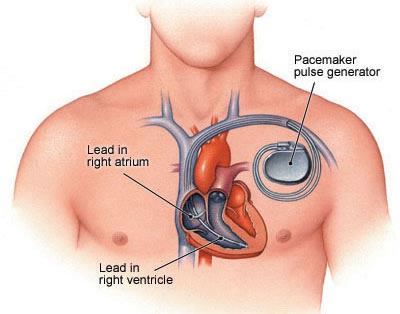
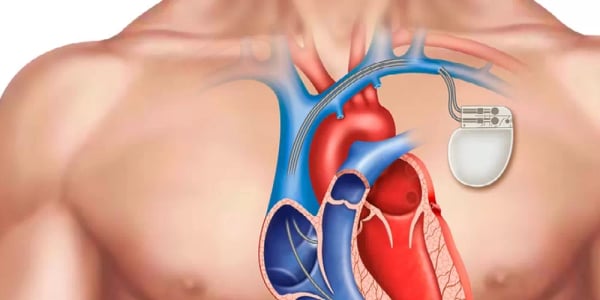
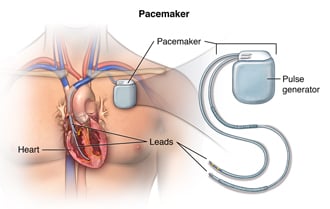
Кардиостимулятор - жүрөктүн нормалдуу ритмдерин көзөмөлдөөгө жардам берген кичинекей электрондук аппарат. Ал теринин астына, көбүнчө жака сөөгүнүн жанына отургузулат. Аппарат жүрөк булчуңдарына электрдик сигналдарды жөнөтүп, жүрөктүн согуусун бир калыпта кармап турат.
Кардиостимулятор эки негизги бөлүктөн турат:
- Импульс генератору: Бул бөлүктө электрдик импульстарды пайда кылуучу батарея жана электрондук схемалар бар.
- Сымдар (зымдар): Булар электрдик импульстарды генератордон жүрөккө жеткирүүчү ичке, изоляцияланган зымдар. Алар ошондой эле жүрөктөн маалыматты кайра аппаратка жөнөтүшөт.
Кээ бир жаңы кардиостимуляторлор баркоргошунсуз, аппарат жүрөк камерасынын ичине зымдарсыз жайгаштырылат дегенди билдирет.
Кардиостимулятор жүрөктүн ритмин дайыма көзөмөлдөп турат. Ал жай же туура эмес жүрөктүн согушун байкаганда, аны оңдоо үчүн электрдик сигнал жөнөтөт. Аппарат автоматтык түрдө иштейт жана уйку же көнүгүү учурундагы сыяктуу организмдин муктаждыктарына жараша туураланат.
Заманбап кардиостимуляторлор дагы маалыматтарды сакташат, аларды дарыгерлер кийинки сапарларда карап чыга алышат. Кээ бирлери сырткы мониторлорго зымсыз туташып, ден соолукту алыстан көзөмөлдөөгө мүмкүндүк берет.
Кардиостимуляторго операция качан керек?
Жүрөктүн табигый ритми өтө жай, туура эмес болуп калганда же узак убакытка токтоп калганда кардиостимуляторго операция жасоо керек. Бул шарттар денеге кан агымын чектеп, чарчоо, баш айлануу же эс-учун жоготууга алып келиши мүмкүн. Кардиостимулятор жүрөктүн туруктуу согушун калыбына келтирүүгө жана олуттуу кыйынчылыктардын алдын алууга жардам берет.
Кардиостимулятордун имплантациясын талап кылган негизги шарттардын айрымдары төмөнкүлөр:
- Брадикардия:Орган өтө жай согуп, көп учурда мүнөтүнө 60тан аз соккон жүрөк оорусу. Бул чарчоо, баш аламандык жана баш аламандыкка алып келиши мүмкүн.
- Жүрөк блогу:Жүрөктүн электр системасындагы жогорку жана төмөнкү камералардын ортосундагы сигналдарды кечеңдеткен же бөгөт койгон көйгөй. Ал жүрөктүн туура эмес согушуна же кыска убакытка токтоп калышына алып келет.
- Жай карынчалык реакциясы менен атриалдык фибрилляция:Кээ бир бейтаптарда жүрөктүн астыңкы камералары дары-дармек же оорунун айынан өтө жай согот. Коопсуз жүрөктүн кагышын кармап туруу үчүн кардиостимулятор керек болушу мүмкүн.
- Тахи-Бреди синдрому:Жүрөктүн тез жана жай ритмдердин алмашып турган абалы. Бул оорулуу синус синдрому менен ооруган адамдарда көп кездешет жана көбүнчө кардиостимулятор керек.
- Жүрөккө операциядан кийинки же инфаркттан кийин:Кээ бир адамдар жүрөк операциясынан же инфаркттан кийин ритмдин бузулушуна алып келет. Убактылуу же туруктуу кардиостимулятор калыбына келтирүүгө жардам берет.
- Жүрөк ритминин бузулушунан улам эс-учун жоготуу (синкоп):Эгерде тесттер жүрөктүн активдүүлүгүндөгү тыныгуулар эсин жоготууга алып келерин тастыктаса, кийинки эпизоддордун алдын алуу үчүн кардиостимулятор сунушталышы мүмкүн.
Дарыгерлер көбүнчө ЭКГ, Холтер монитору же окуяны жазгыч сыяктуу инструменттердин жардамы менен кардиостимулятордун зарылдыгын тастыкташат, алар убакыттын өтүшү менен жүрөктүн активдүүлүгүн байкашат.
Кардиостимулятор кантип орнотулган?
Дарыгерлер кардиостимуляторду кичине хирургиялык жол менен, адатта, жумшак седация менен жергиликтүү анестезия астында имплантациялашат. Бүт процесс адатта талап кылынатбир-эки саатжана ачык жүрөккө операция талап кылбайт.
- Даярдоо:Медициналык команда сиздин жашооңузду текшерип, кан анализдерин карап чыгып, жүрөк ритминин тесттерин ырастайт. Операция үстөлүнө жатасыз, алар жака сөөгүңүздүн жанындагы жерди (көбүнчө сол капталда) тазалап, уйкуратат.
- Лидерлерди киргизүү:Дарыгер жака сөөктүн ылдый жагында кичинекей кесип кылып, жакын жердеги тамыр аркылуу бир же бир нече жолду жиптейт. Алар жандуу рентгендин жардамы менен жүрөккө жетелейт. Ичке киргенден кийин, алар туура жүрөк камераларына алып баруучуларды бекитишет.
- Кардиостимулятордун генераторун орнотуу:Проводдорду бекиткенден кийин, дарыгер аларды импульс генераторуна, көлөмү ширенке кутучасындай болгон кичинекей жалпак аппаратка туташтырат. Алар генераторду ошол эле оюк аркылуу теринин астына коюшат.
- Сыноо жана программалоо:Команда сигналдарды туура жөнөтүп жатканын ырастоо үчүн кардиостимуляторду сынайт. Алар жүрөктүн минималдуу кагышы жана ылдамдык ритми сыяктуу жүрөгүңүздүн муктаждыктарына дал келүү үчүн орнотууларды тууралайт.
- Кийикти жабуу:Баары туура иштегенден кийин, кардиолог кесилген жерди тигиш же хирургиялык клей менен жабат. Алар таңгычты колдонушат жана сиз мониторинг жүргүзүү үчүн калыбына келтирүү бөлмөсүнө которуласыз.
Көпчүлүк бейтаптар ооруканада калышат1-2 күноперациядан кийин. Дарыгерлер жүрөктүн ритмине көз салып, оорунун оорлошуна көз салып, кардиостимулятордун жакшы иштеп жатканын текшеришет.
Акысыз дарылоо планын алыңыз
Кардиостимуляторду имплантациялоо хирургиясы жөнүндө Индия жөнүндө
What are the Different Types of Pacemakers Available in India?
India offers a wide range of pacemakers to suit different heart rhythm problems. The choice of pacemaker device depends on the patient's condition, age, and lifestyle needs. All major cardiac centers in India provide access to the latest models from leading global manufacturers.
- Single-Chamber Pacemaker: This pacemaker has one lead that connects to either the right atrium or right ventricle. It is often used in patients with simple rhythm issues, especially those with atrial fibrillation and a slow ventricular rate. It keeps one heart chamber in rhythm.
- Dual-Chamber Pacemaker: This type uses two leads—one in the right atrium and one in the right ventricle. It helps coordinate the timing between the upper and lower chambers. It is commonly used in heart block or sick sinus syndrome, where the signal delay needs correction for smoother blood flow.
- Biventricular Pacemaker (Cardiac Resynchronization Therapy - CRT): Designed for patients with heart failure, this device has three leads: right atrium, right ventricle, and left ventricle. It helps both sides of the heart beat in sync, improving pumping efficiency. CRT pacemakers are used when the ventricles beat out of coordination.
- Leadless Pacemaker: A newer option, this device is placed directly into the right ventricle through a catheter, without wires. It is smaller, causes fewer complications, and is suitable for patients needing single-chamber pacing. It reduces the risk of infection and lead-related issues.
- MRI-Compatible Pacemaker: Some older pacemakers cannot be exposed to MRI machines. MRI-safe pacemakers allow patients to undergo MRI scans safely. These are ideal for individuals with other health conditions that may require regular imaging in the future.
Each type is available in both standard and advanced models. Doctors in India evaluate the heart condition thoroughly before suggesting the most suitable device.
What is the Cost of Pacemaker Implantation Surgery in India?
The cost of pacemaker implantation surgery in India typically ranges from $3,000 to $7,800, depending on the type of pacemaker and the hospital's location, infrastructure, and reputation. This price includes the device, surgical fees, hospital stay, diagnostics, and follow-up care.
Detailed Cost Breakdown by Pacemaker Type
- For a single-chamber pacemaker, the total cost in India typically ranges from $3,000 to $4,200. It includes around $2,000 to $2,500 for the device itself and $1,000 to $1,700 for hospital stay, surgical fees, and postoperative care. This type is used when only one heart chamber requires pacing and is usually the least complex of all procedures.
- A dual-chamber pacemaker costs between $4,200 and $5,800. The device component accounts for $2,500 to $3,200, while the hospital and surgical expenses range from $1,700 to $2,600. The procedure is moderately complex, as it involves coordinating the upper and lower chambers of the heart.
- For patients with heart failure, a biventricular pacemaker or CRT (Cardiac Resynchronization Therapy) is often recommended. The cost of this advanced procedure in India falls between $6,000 and $8,000, with the device alone costing $3,800 to $5,000, and the procedure and associated care costing $2,200 to $3,000.
- Patients who require frequent MRI scans may be advised to receive an MRI-compatible pacemaker, which costs approximately $5,800 to $7,800. Of this, the device cost ranges from $3,500 to $4,800, and the remaining $2,000 to $3,000 covers the surgical and hospital-related charges.
- The most technologically advanced option is the leadless pacemaker, which is inserted directly into the heart via a catheter and requires no leads or chest incision. The procedure is priced between $7,200 and $10,800 in India. The bulk of the cost (about $5,500 to $7,500) goes toward the device, while the remaining $1,700 to $3,300 covers the procedure, hospital stay, and monitoring.
Pacemaker Type | Cost in INR | Cost in USD |
| Single-Chamber Pacemaker | ₹2,50,000 – ₹3,50,000 | $3,000 – $4,200 |
| Dual-Chamber Pacemaker | ₹3,50,000 – ₹4,80,000 | $4,200 – $5,800 |
| Biventricular (CRT) Pacemaker | ₹5,00,000 – ₹6,80,000 | $6,000 – $8,000 |
| MRI-Compatible Pacemaker | ₹4,80,000 – ₹6,50,000 | $5,800 – $7,800 |
| Leadless Pacemaker | ₹6,00,000 – ₹9,00,000 | $7,200 – $10,800 |
| Pre-surgical Diagnostics | ₹30,000 – ₹50,000 | $350 – $600 |
| Hospital Stay (1–2 days) | ₹20,000 – ₹40,000 | $240 – $480 |
Note: Costs may vary slightly between cities like Delhi, Mumbai, Chennai, and Bangalore. Prices are approximate and updated as of 2025.
What's Included and Excluded in the Package
Hospitals in India offer transparent, all-inclusive packages for pacemaker implantation. These packages are designed to cover essential medical services, from preoperative assessments to discharge. However, some items may not be included and could incur extra charges.
Inclusions in the Standard Package
- Pacemaker Device: The cost of the device itself (single-chamber, dual-chamber, CRT, or leadless).
- Surgeon and Anesthetist Fees: Professional charges for the cardiac electrophysiologist, surgical team, and anesthetist.
- Operating Room Charges: Usage of the cath lab or operating theatre and related equipment.
- Hospital Stay: 1–2 days in a private room, including nursing charges and meals.
- Basic Diagnostics: Preoperative ECG, blood tests, chest X-ray, and echocardiogram.
- Surgery and Monitoring: Complete implantation procedure and postoperative observation.
- Medications: Drugs administered during the hospital stay related to the surgery.
- Postoperative Device Check: Initial programming of the pacemaker before discharge.
- One Follow-Up Visit: In-person or virtual consultation within 7–10 days after surgery.
Exclusions (May Incur Additional Charges)
- Extended Hospital Stay: Additional days beyond the standard recovery period.
- ICU Admission: Charges apply if intensive care is required post-surgery.
- Management of Complications: Extra care for infections, lead dislodgment, or allergic reactions.
- Non-Routine Medications: Drugs for unrelated medical conditions.
- Advanced Imaging: CT scan or MRI (if required before surgery).
- Second Opinion Fees: If requested from another consultant.
- Personal Expenses: Items like phone use, meals for companions, or private nursing.
Cost Comparison with Other Countries
India offers some of the most affordable pacemaker implantation surgeries in the world without compromising medical quality. Compared to high-income countries, the difference in pricing is often dramatic, making India a preferred choice for international patients.
Country | Average Cost (USD) | Includes | Waiting Time |
| India | $3,000 – $7,800 | Device, surgery, stay, tests, medications, follow-up | Very Short (2–3 days) |
| USA | $25,000 – $65,000 | Device, surgery, stay (follow-up usually separate) | Short to Moderate |
| UK (Private) | $20,000 – $40,000 | Surgery and device (post-op care often separate) | Short (Private only) |
| UAE | $15,000 – $30,000 | Device, surgery, short stay | Short |
| Thailand | $8,000 – $12,000 | Device, surgery, stay (follow-up extra in some cases) | Short |
| Singapore | $12,000 – $20,000 | Device, surgery, medications (higher follow-up costs) | Short |
International Patient Support Services
Hospitals in India provide comprehensive support services for international patients undergoing pacemaker implantation. These services ensure a hassle-free experience from the moment a patient makes an inquiry until long after they return home.
Pre-Arrival Coordination
International patient departments assign a case manager who assists with:
- Sharing medical opinions based on reports
- Sending detailed treatment plans with cost estimates
- Arranging video consultations with cardiac specialists
- Providing visa invitation letters for medical travel
This early support helps patients make informed decisions before flying to India.
Airport and Local Assistance
Once the travel is confirmed, the hospital provides:
- Free airport pickup and drop-off service
- Local SIM card, currency exchange assistance, and translation support
- Ground transportation between the hotel and the hospital
These services reduce travel stress and help patients navigate a new country with ease.
Accommodation and Food Arrangements
Hospitals partner with nearby hotels and guest houses to provide:
- Budget and premium stay options with patient-friendly environments
- Access to hygienic meals tailored to medical needs
- Companion stays in the hospital room, wherever allowed
It ensures comfort for both patients and family members during the treatment period.
In-Hospital Support
Patients receive:
- A dedicated care coordinator or international desk officer
- 24/7 nursing support in a private or deluxe room
- Language interpreters (Arabic, French, Swahili, Russian, etc.)
- Daily progress updates and full access to medical records
This personalized care enhances patient confidence and trust in the treatment process.
Post-Treatment Services
After discharge, international patients benefit from:
- Free follow-up consultation by video or email
- Detailed discharge summary and device usage instructions
- Assistance with insurance paperwork and medical documents for reimbursement
- Ongoing support through WhatsApp or email for questions after returning home
These long-term services help patients stay connected with their care team even after leaving India.
What is the Success Rate of Pacemaker Implantation in India?
Pacemaker implantation in India has a success rate of over 98%, making it one of the most reliable cardiac procedures performed in the country. This high rate reflects the experience of cardiac specialists, the use of advanced technology, and strong hospital protocols.
What Defines Success?
A successful pacemaker surgery means:
- The device is correctly implanted.
- The heart rhythm stabilizes after activation.
- The patient shows symptom relief (e.g., no dizziness, fainting, or fatigue).
- No significant complications arise during or after the procedure.
Factors Behind the High Success Rate in India
- Experienced Electrophysiologists: Cardiac centers in India employ heart rhythm specialists who perform hundreds of pacemaker procedures each year.
- Modern Devices: Indian hospitals use the latest models, including leadless and MRI-compatible pacemakers. These offer better safety, longer battery life, and fewer complications.
- Real-Time Imaging: Surgeons use fluoroscopy and 3D mapping tools for precise placement of pacemaker leads, reducing the risk of misplacement.
- Dedicated Cardiac Units: Most large hospitals have specialized cardiac care units with trained staff who manage both routine and complex cases.
- Structured Follow-Up: After surgery, patients receive scheduled device checks and remote monitoring to ensure long-term success.
Post-Surgery Care and Recovery Timeline
After pacemaker implantation, the recovery process begins immediately. Most patients return home within 24 to 48 hours. However, full recovery and adjustment to the device take about 2 to 4 weeks.
- Hospital Stay and Initial Monitoring: Doctors monitor your heart rhythm for a day or two. They check pacemaker function using a programmer and ensure there are no signs of bleeding, infection, or lead displacement. You may feel some discomfort at the incision site, which usually settles in a few days.
- Activity Restrictions: You should avoid raising the arm on the side of the pacemaker above shoulder level for 2 to 3 weeks. It prevents lead movement. Lifting heavy objects, strenuous workouts, and contact sports should be paused until the doctor gives clearance.
- Wound Care: Keep the incision clean and dry. Most doctors recommend sponge baths until the dressing is removed. Avoid using creams or powders on the site. If swelling, redness, or discharge appears, contact your healthcare provider.
- Device Monitoring: Your doctor will schedule a follow-up visit within 7 to 10 days to check the incision and device settings. Most pacemakers now offer remote monitoring, so regular checkups can often be done digitally.
- Returning to Daily Life: You can resume light household work within a few days. Most people return to work in 1 to 2 weeks, depending on their job. Driving is allowed after your doctor confirms that the pacemaker is functioning correctly and you are symptom-free.
What are the Risks and Complications of Pacemaker Surgery?
Pacemaker implantation is a relatively safe and commonly performed procedure, but like all surgeries, it carries some risks. Hospitals in India follow strict protocols to reduce these risks, and most patients recover without complications.
- Infection at the Implant Site: The incision area may become infected, especially if proper wound care is not followed. Doctors usually prescribe antibiotics to prevent this. In rare cases, the device may need removal if the infection spreads.
- Bleeding or Bruising: Some patients experience bruising or swelling near the chest area. It is more common in those taking blood thinners. In most cases, the bruising clears up on its own within a week or two.
- Lead Displacement: Leads can shift from their original position, especially if arm movement is excessive soon after surgery. Lead dislodgement may cause pacing problems and might require repositioning or reimplantation.
- Pneumothorax (Collapsed Lung): During lead insertion, there is a slight chance that the lung may be punctured, causing air to leak into the chest cavity. This complication is rare and usually treated with a chest tube if it occurs.
- Allergic Reaction to Anesthesia or Materials: Although rare, some patients may react to the medications or the components of the pacemaker. The medical team manages such responses quickly with appropriate drugs.
- Blood Clots: Veins used to insert the leads can sometimes develop clots. Doctors may prescribe blood thinners if needed to avoid blockage.
- Device Malfunction: A pacemaker can fail due to battery issues, software errors, or lead problems. Modern devices include safety checks, and regular follow-ups help detect any early signs of malfunction.
Кардиостимуляторду имплантациялоо хирургиясы Өлкөнүн наркын салыштыруу
Ар кандай өлкөлөрдө Кардиостимуляторду имплантациялоо хирургиясы салыштыруу үчүн, медициналык дарылоо жөнүндө маалыматтуу чечим кабыл алуу үчүн.
| Өлкө | Чыгымдардын диапазону (АКШ доллары) | Потенциалдуу топтоо | Иш-аракет |
|---|---|---|---|
ИндияУчурдагыМыкты маани | $3,000 - $10,000 | — | Quote алуу |
Эскертүү: Чыгымдар ооруканага тандоо, бөлмө түрү, кошумча кызматтар жана жеке медициналык талаптарга негизделген.
Индия жылы Кардиостимуляторду имплантациялоо хирургиясы үчүн алдыңкы ооруканалар

BLK-Max Супер адистештирилген ооруканасы, Нью-Дели
Нью-Делидеги BLK-Max Super Specialty Hospital Индиянын эң алдыңкы саламаттыкты сактоо мекемелеринин бири, 650 керебетти, 22 өркүндөтүлгөн операциялык ...
Аккредитациялар

Жайлар
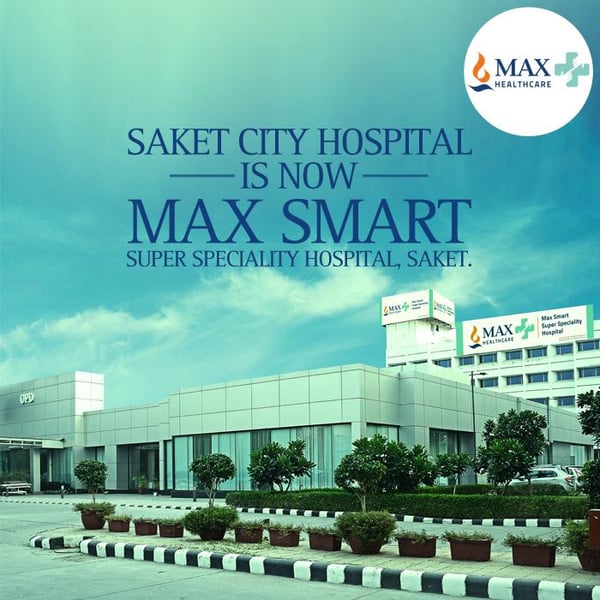
Макс Smart Супер адистик ооруканасы, Сакет, Нью-Дели
Max Smart Super Specialty Hospital, Сакет, Түштүк Делидеги 250 койкалуу үчүнчү даражадагы оорукана. Бул кардиология, онкология, ортопедия жана бөйрөк ...
Аккредитациялар
Жайлар
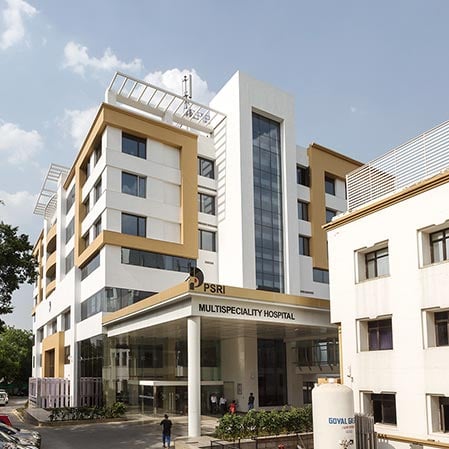
PSRI ооруканасы, Дели
Pushpawati Singhania изилдөө институту (PSRI ооруканасы), Нью-Дели, JK Group тарабынан 1996-жылы түзүлгөн алдыңкы көп адистиктеги үчүнчү даражадагы оо...
Аккредитациялар
Жайлар
Окшош процедуралар
Галерея
FAQ
Сынчы
Баарын көрүү
Dr. Biswarup Purkayastha is a highly skilled cardiothoracic and vascular surgeon with extensive experience in heart and lung transplantation. He has worked across leading Indian hospitals, gaining s... Кененирээк маалымат

Биздин веб-сайтта кукилерди колдонот. Купуялык саясаты.