
Transforaminal Bel Interbody Fusion - TLIF хирургиясы наркы Индия
Жөнүндө Transforaminal Bel Interbody Fusion - TLIF хирургиясы
TLIF хирургия деген эмне жана ал эмне үчүн жасалат?
Transforaminal бел interbody биригүү (TLIF) төмөнкү (бел) омурткасын турукташтыруу үчүн колдонулган омуртка биригүү хирургия болуп саналат. Бул, биринчи кезекте, өнөкөт бел оорусу, буттун оорушу (sciatica) же омуртка туруксуздугу менен ооруган бейтаптар үчүн сунушталат, мисалы дегенеративдик диск оорусу, спондилолистез, омуртка стенозу же кайталануучу диск грыжа.
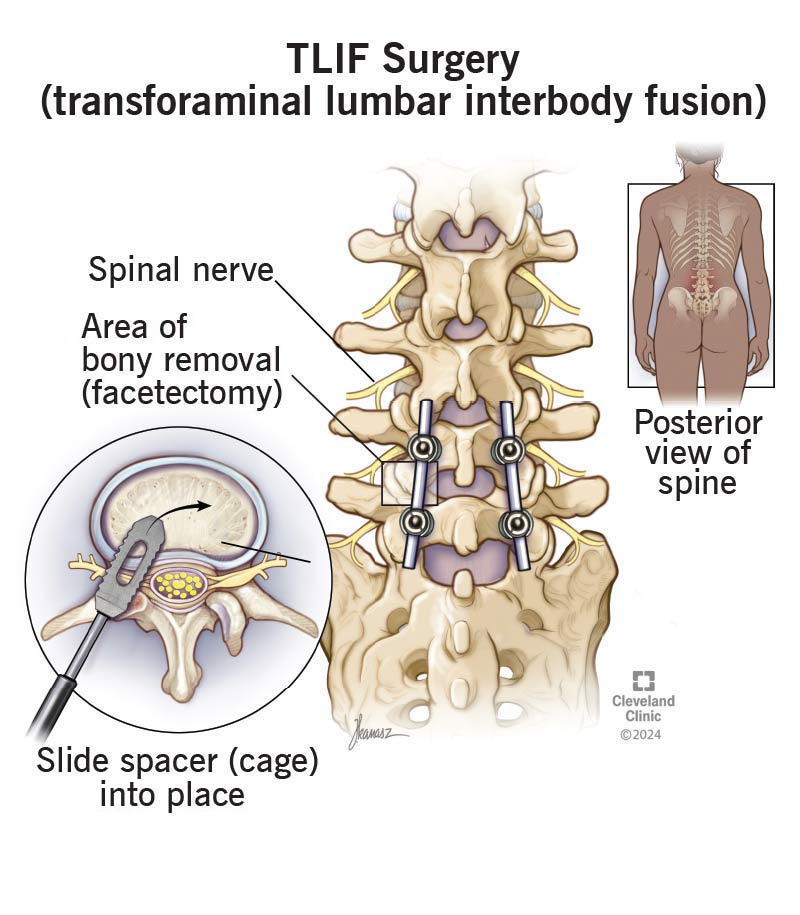
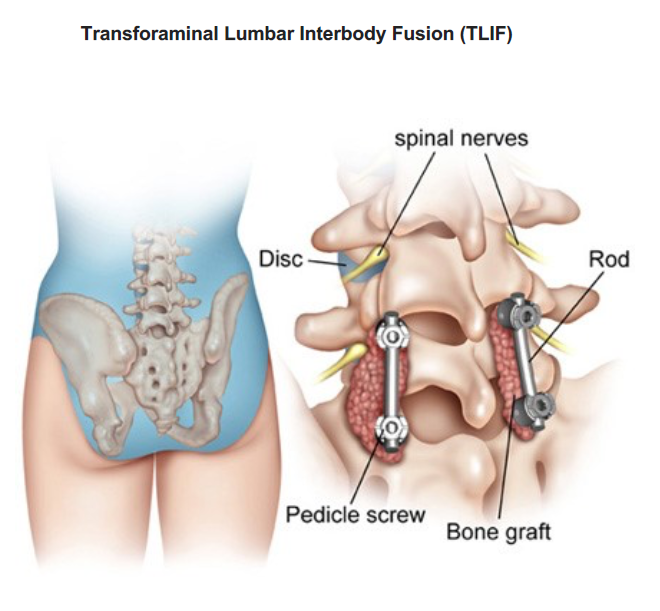
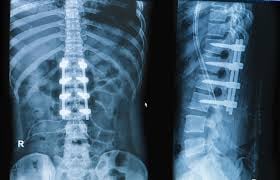
TLIFте хирург омурткага омуртка капталынан (трансфораминдик жол) жакындайт, бузулган омуртка аралык дискти алып салат жана эки омуртка ортосуна сөөк трансплантаты же капас орнотот. Убакыттын өтүшү менен омурткалар биригип, бир катуу сөөккө айланат. Бириктирүү муундагы ооруткан кыймылды жок кылат жана омурткага туруктуулукту калыбына келтирет.
TLIF башка биригүү ыкмаларына караганда тандалат, анткени:
- Бул мүмкүндүк беретбир кесүү аркылуу диск мейкиндигинин эки тарабына жетүү.
- Ал жүлүн менен нервдердин манипуляциясын азайтат.
- Ал камсыз кылатжакшы тегиздөө жана жүк көтөрүү жөндөмдүүлүгүомуртка үчүн.
- катары аткарса болотачык же минималдуу инвазивдик процедура, ишке жараша.
TLIF максаты болуп саналатнерв кысуу бошотуу, ооруну азайтуу, жана жабыр тарткан омуртка сегментти турукташтыруу менен омуртка милдетин калыбына келтирүү. Бул көбүнчө дары-дармектер, физикалык терапия же эпидуралдык инъекциялар сыяктуу консервативдик дарылоо натыйжасыз болгондо каралат.
TLIF хирургиясы кимге керек?
TLIF хирургиясы туруктуу белдин оорушун, нурлануучу буттун оорусун же хирургиялык эмес дарылоо менен жакшырбаган омуртка туруксуздугун сезген бейтаптарга сунушталат. Бул, өзгөчө, бел омурткасынын структуралык көйгөйлөрү бар адамдар үчүн ылайыктуу, диск дегенерация же омуртка тайып, жүлүн нервдеринин кысуусуна алып келет.
TLIF зарылдыгын көрсөткөн эң кеңири таралган шарттардын айрымдары:
- дегенеративдик диск оорусу (DDD):Омуртка аралык дисктер картаюудан же эскирүүдөн улам нымдуулугун жана бийиктигин жоготкондо, алар кулап, омурткалардын ортосунда катуу сүрүлүүнү пайда кылышы мүмкүн. TLIF дисктин бийиктигин калыбына келтирет жана сегментти турукташтырат.
- Спондилолистез:Бул оору бир омуртка астындагы омурткадан алдыга жылганда пайда болот. TLIF туруксуз сегментти бириктирүү жана нервдин кысуусун жеңилдетүү аркылуу андан ары тайып кетүүнүн алдын алат.
- Белдин чуркусу (кайталануучу симптомдору менен):Диск грыжа катуу бутту оорутуп (sciatica) жана discectomy же башка жол-жоболорунан кийин кайтып келген учурларда, TLIF туруктуу жабыр тарткан даражасын турукташтыруу үчүн колдонулат.
- Омуртканын стенозу (туруксуздук менен):Жүлүн каналынын тарышы нервдерди кысып, туруксуз кыймыл менен коштолгондо, TLIF нервдерди декомпрессиялоого жана омуртканы бириктирүүгө жардам берет.
- Failed Back Surgery Syndrome (FBSS):Мурунку омуртка жол-жоболорунан кийин ооруну улантып жаткан бейтаптар, эгерде сүрөттөө туруксуздукту, биригпөө же кайталануучу диск маселелерин көрсөтсө, TLIFтен пайда көрүшү мүмкүн.
- Омуртканын сыныктары же инфекциялары:Омуртканын туруктуулугун бузган травматикалык жаракат же инфекциянын тандалган учурларда, TLIF омуртканы калыбына келтирүү жана бириктирүү үчүн колдонулушу мүмкүн.
TLIF адатта эс алуу, физикалык терапия, сезгенүүгө каршы дары-дармектер же эпидуралдык стероиддик инъекциялар сыяктуу хирургиялык эмес дарылоолор 6-12 жума же андан көп убакыт бою натыйжа бербегенден кийин гана каралат. Бул ар кандай курактагы чоңдор үчүн ылайыктуу, бирок, айрыкча, алардын ортосундагылар үчүн кеңири таралган35 жана 70 жылнерв менен байланышкан белдин жана буттун оорушу.
TLIF хирургиясы кантип жасалат?
Хирургдар омуртканын ылдыйкы бөлүгүндөгү бузулган дискти алып чыгуу жана туруктуу туруктуулук үчүн эки омурткаларды бириктирүү үчүн трансфораминдик бел аралык биригүүнү (TLIF) аткарышат. Адатта бүт хирургия талап кылынат2-4 саатжана астында жүзөгө ашырылатжалпы анестезия. Хирургия бир нече кадамдарды камтыйт.
- Жайгашуу жана даярдоо:Хирургиялык топ бейтапты бети ылдый каратып, төшөлгөн операциялык столго жайгаштырышат. Анестезия астында хирург ылдый жагын тазалап, стерилизациялайт жана жабыркаган омуртка деңгээлинин кире жерин белгилейт.
- Кесүү жасоо:Хирург ылдый жагынын ортоңку сызыгын же капталын бойлой кичинекей кесүү жасайт. Минималдуу инвазивдик TLIFте бул кесүү болгону 2-4 см, ал эми ачык операция бир аз чоңураак кесүүнү талап кылат.
- Омурткага жетүү жана сөөктү алып салуу:Диск мейкиндигине жетүү үчүн хирург булчуңдарды акырын тартып, омурткаларды ачып коёт. Алар нерв тамырларын жана дискти ачык элестетүү үчүн фасеттик муундун же ламинанын бир бөлүгүн алып салышы мүмкүн.
- Дискти алып салуу жана нервди басуу:Хирург эки омуртка ортосундагы бузулган дискти кылдаттык менен алып салат. Нервдерди кысып турган ар кандай сөөк шпорлары же жумшак ткандар да жүлүн нервдериндеги басымды жеңилдетүү үчүн тазаланат.
- Spacer же капаска имплантациялоо:Диск мейкиндигин тазалагандан кийин, хирург омурткалардын ортосуна сөөк транспланты менен толтурулган арачты же капасты киргизет. Ал дисктин бийиктигин калыбына келтирет жана сөөктүн өсүшүнө өбөлгө түзөт. капас PEEK, титан же көмүртек буласынан жасалган болушу мүмкүн.
- Бурамаларды жана таяктарды жайгаштыруу:Омуртканы турукташтыруу үчүн, хирург диск мейкиндигинин үстүндө жана ылдыйында омурткаларга педикул бурамалар жана таякчаларды киргизет. Бул имплантаттар биригүү учурунда сөөктөрдү кармап турат.
- Жабуу жана кийинүү:Имплантаттар бекемделгенден жана тегиздөө ырасталгандан кийин, хирург тигиштерди колдонуу менен катмарлардагы кесүүнү жабат. Омуртканын хирургдары инфекцияны алдын алуу үчүн стерилдүү таңгычты колдонушат.
- Операциядан кийинки мониторинг:Оорулуу реанимация бөлмөсүнө которулуп, маанилүү белгилерин жана неврологиялык функциясын көзөмөлдөйт. Ооруну башкаруу дароо башталат жана 24-48 сааттын ичинде басуу сунушталат.
Көптөгөн ооруканалар азыр сунуш кылатминималдуу инвазивдик TLIF (MIS-TLIF), булчуңдардын зыянын, кан жоготууну жана ооруканага жатууну азайтат. Ачык жана MIS ортосундагы тандоо пациенттин анатомиясына, диагнозуна жана хирургдун каалоосуна жараша болот.
Акысыз дарылоо планын алыңыз
Transforaminal Bel Interbody Fusion - TLIF хирургиясы жөнүндө Индия жөнүндө
What is the Cost of TLIF Surgery in India?
The cost of TLIF surgery in India typically ranges from $5,000 to $8,500, depending on the number of spinal levels involved, the type of implants used, and the hospital’s facilities. This cost is significantly lower than in the US, UK, or Australia, where the same procedure may exceed $30,000 to $60,000.
What sets India apart is not just affordability, but the comprehensive nature of TLIF surgery packages. Hospitals offer all-inclusive pricing with no hidden charges, covering every step of the treatment journey, from pre-surgery consultations to rehabilitation.
TLIF surgery cost in India generally includes:
- Pre-Operative Evaluation: It includes MRI scans, X-rays, CT scans, blood tests, ECG, and anesthesia fitness assessment required for planning and safety.
- Surgeon’s and Anesthetist’s Fees: The total cost includes professional fees for the neurosurgeon or orthopedic spine specialist, the assisting surgical team, and the anesthesiologist.
- Operation Theatre Charges and Surgical Tools: It covers sterile instruments, neuromonitoring systems, fluoroscopy, and high-precision surgical equipment needed during the procedure.
- Spinal Implants and Cage System: Premium hospitals use FDA- or CE-approved spinal implants, including pedicle screws, titanium rods, and interbody cages. The implant cost is a significant portion of the total expense.
- Hospital Stay and ICU Monitoring: Patients usually stay in the hospital for 4 to 7 days, including 1 day in the ICU (if required). It includes nursing care, room charges, and monitoring.
- Inpatient Medications and Consumables: It includes IV antibiotics, painkillers, dressings, surgical sutures, and disposables used during the hospital stay.
- Physiotherapy and Mobilization Support: Basic post-surgical rehabilitation, including walking training, mobility support, and exercise guidance, is part of the standard package.
- Post-Discharge Follow-Up: Many hospitals include one or two follow-up consultations, wound inspections, and X-rays after discharge to monitor recovery.
In short, TLIF spine surgery in India offers not only significant cost savings but also a well-structured, end-to-end treatment plan that meets global standards.
Breakdown of TLIF Surgery Cost in India
The total cost of TLIF (transforaminal lumbar interbody fusion) surgery in India is influenced by several components, each contributing to the final package. Understanding this breakdown helps international patients prepare better and ensures transparency.
- The pre-operative evaluation for TLIF in India, including MRI, X-ray, blood tests, and anesthesia fitness, typically costs $300 to $600, depending on the diagnostic complexity.
- The TLIF implant cost, which includes titanium or PEEK cages, pedicle screws, and rods, ranges from $1,800 to $3,000. Hospitals use globally approved implants from brands like Medtronic, Stryker, or Zimmer Biomet.
- Surgeon’s and anesthetist’s fees are usually between $1,000 - $1,500, depending on the surgeon’s seniority and the surgical duration.
- Operation theatre charges, including advanced equipment (fluoroscopy, neuromonitoring, C-arm), generally fall in the range of $700 to $1,000.
- The hospital stay for TLIF in India, including 1 day ICU and 4-6 days in a private room, costs around $800 to $1,200, inclusive of nursing and meals.
- Inpatient medications and surgical consumables, such as antibiotics, painkillers, drapes, and sutures, add another $300 to $500 to the bill.
- Post-operative physiotherapy and mobilization, provided during the hospital stay, may cost $100 to $200, depending on the number of sessions.
Cost Component | Estimated Cost (USD) |
| Pre-operative Investigations | $300 – $600 |
| Spinal Implants and Hardware | $1,800 – $3,000 |
| Surgeon and Anesthetist Fees | $1,000 – $1,500 |
| Operation Theatre and Equipment | $700 – $1,000 |
| Hospital Stay and Nursing Care | $800 – $1,200 |
| Medications and Surgical Supplies | $300 – $500 |
| In-Hospital Physiotherapy | $100 – $200 |
| Total Estimated Cost (Single-Level TLIF) | $5,000 – $8,500 |
Note: This pricing applies to single-level TLIF surgery. In cases where multi-level fusion or additional spinal instrumentation is required, the cost may increase proportionally due to extended operating time, extra implants, and longer hospital stay.
Cost Comparison: TLIF Surgery in India vs Other Countries
TLIF surgery in India offers exceptional value compared to the same procedure in countries like the USA, UK, Australia, or the UAE. International patients often save up to 70–80% by choosing India, while still receiving globally approved implants, expert spine surgeons, and modern hospital facilities.
Country | Average TLIF Cost (USD) | Inclusions and Remarks |
| India | $5,000 – $8,500 | All-inclusive; covers surgery, implants, stay, meds, and physiotherapy |
| United States | $35,000 – $60,000 | Excludes rehab and extended hospital stay; costs vary widely by state |
| United Kingdom | $25,000 – $45,000 (Private) | NHS wait times; private care is expensive and not always fully inclusive |
| Australia | $28,000 – $50,000 | Partial insurance coverage; extra cost for implants and rehab |
| UAE | $18,000 – $25,000 | Premium pricing for private care; limited minimally invasive options |
| Singapore | $20,000 – $35,000 | High-tech hospitals but costly; post-op physiotherapy is often billed separately |
| Thailand | $8,500 – $12,000 | Cheaper than Western countries but still 30–50% higher than India |
With skilled spine surgeons, high success rates, and all-inclusive cost transparency, India remains one of the top choices for affordable TLIF surgery worldwide.
What Factors Influence TLIF Surgery Cost in India?
Several medical, surgical, and logistical factors influence the final cost of TLIF surgery in India. These variables help determine whether the patient’s treatment falls at the lower or higher end of the cost range.
- Number of Spinal Levels Fused: Single-level TLIF is more affordable. If multiple levels (e.g., L4-L5 and L5-S1) need to be fused, the cost increases due to additional implants, longer surgical time, and extended hospital stay.
- Type and Brand of Implants Used: The choice of cage (PEEK or titanium), pedicle screws, rods, and the brand of implants significantly impacts the cost. Premium brands like Medtronic, Globus, Stryker, and Zimmer Biomet cost more but offer superior durability and compatibility.
- Surgical Technique (Open vs. Minimally Invasive): Minimally Invasive TLIF (MIS-TLIF) uses specialized tools, smaller incisions, and advanced imaging. It leads to faster recovery and less blood loss, but may raise the overall cost due to equipment and technical expertise.
- Hospital Category and Location: Hospitals in metro cities like Delhi, Mumbai, and Bangalore, especially those with JCI or NABH accreditation, may charge more than smaller-tier city hospitals due to their superior infrastructure and international services.
- Surgeon’s Experience and Specialty: Highly experienced spine surgeons with fellowship training and specialization in complex fusions or revisions may charge higher professional fees, but often result in better outcomes and fewer complications.
- Pre-Existing Medical Conditions: If the patient has comorbidities like diabetes, obesity, or heart disease, they may require additional monitoring, ICU support, or extended stay, all of which increase the total bill.
- Post-Operative Rehabilitation Needs: Extended physiotherapy, advanced mobility aids (e.g., spinal braces, walking frames), and longer rehab stays can add to the cost. Some patients may also require follow-up imaging or pain management sessions.
- Accommodation and International Patient Services: Foreign patients may require visa assistance, airport transfers, interpreters, and arrangements for attendants to stay. These services are sometimes bundled into the package or billed separately.
Why Is TLIF Surgery More Affordable in India?
India offers world-class spine surgery at a fraction of the cost seen in other developed countries, without compromising on surgical quality, implant standards, or patient outcomes. The affordability of TLIF surgery in India stems from a combination of healthcare system efficiencies, lower operational costs, and patient-centered package models.
Some of the key reasons why TLIF surgery is more cost-effective in India are:
- Lower Operational and Infrastructure Costs: Indian hospitals operate at significantly lower costs for equipment maintenance, utilities, and staffing. These savings are passed directly to patients through reduced surgical pricing.
- Affordable Surgeon and Staff Fees: Highly skilled spine surgeons in India, many of whom have trained internationally, charge significantly less than their counterparts in the US or UK. Anesthetists, nurses, and physiotherapists also receive modest salaries, which helps keep overall costs low.
- Competitive Implant Pricing: India has access to a broad range of spinal implants, including both locally manufactured and globally imported options. With reduced import taxes and bulk procurement, hospitals can offer FDA/CE-approved implants at affordable rates.
- High Patient Volume and Streamlined Processes: Spine centers in India handle a large number of TLIF and other fusion surgeries annually. It allows hospitals to optimize surgical time, reduce inventory waste, and lower per-patient costs through volume efficiency.
- Integrated In-House Services: Hospitals offer diagnostics, pharmacy, physiotherapy, and rehab services on-site, eliminating the need for third-party outsourcing. It improves care continuity and significantly reduces overhead costs.
- Transparent and All-Inclusive Packages: Unlike Western countries, where patients are billed separately for consultation, surgery, implants, stay, and rehab, Indian hospitals bundle these into fixed-cost packages, ensuring price clarity and avoiding hidden expenses.
- Favorable Currency Exchange for International Patients: Patients traveling from countries like the USA, UK, UAE, Canada, or Africa benefit from favorable exchange rates, making high-end spine treatment in India far more affordable than in their home countries.
- Government Support for Medical Tourism: India promotes medical tourism with easy visa processes, airport assistance, multilingual support, and dedicated international patient departments in major hospitals.
International Patient Services for TLIF Surgery in India
India’s top hospitals provide a complete range of international patient services tailored to make spinal treatments like TLIF surgery smooth, safe, and stress-free for patients arriving from abroad. These services are often bundled with the treatment package or offered at minimal additional cost, ensuring convenience from pre-travel planning to post-surgery recovery.
- Medical Visa Assistance: Hospitals issue official medical invitation letters required for visa applications. International patient coordinators guide patients and their companions through the process and also assist with visa extensions when necessary.
- Airport Pickup and Drop Services: Patients are received at the airport by a hospital-appointed representative and transported safely to their accommodation or directly to the hospital. Return airport transfers are also arranged post-recovery.
- Dedicated International Patient Coordinator: Each patient is assigned a case manager who handles daily scheduling, interpreter services, billing support, travel assistance, and coordination with the surgical team.
- Multilingual Interpretation Services: To eliminate language barriers, interpreters are provided for Arabic, Russian, French, Spanish, Swahili, and more. Essential documents and medical reports are translated upon request.
- Pre-Travel Online Consultation: Patients can book an online video consultation with a spine surgeon before flying. It allows the doctor to review reports, explain the TLIF procedure, and provide a personalized estimate and treatment plan.
- Affordable Accommodation and Meal Options: Hospitals assist in booking budget hotels, guesthouses, or service apartments near the hospital. Meal plans are customizable and include halal, vegetarian, and diabetic-friendly options based on patient preference.
- Rehabilitation and Physiotherapy Support: After TLIF surgery, in-house physiotherapists provide mobilization training, posture correction, and spine-strengthening exercises. Customized rehab plans are shared for continued recovery after the patient returns home.
- Post-Discharge Remote Follow-Up: Surgeons remain available for virtual follow-ups via video, email, or WhatsApp. Patients can send updates, X-rays, or queries for months after returning home, at no extra charge.
- Assistance with FRRO Registration: For extended stays in India, hospitals help international patients complete FRRO (Foreigner Regional Registration Office) formalities to remain compliant with local laws.
- Family Support and Recovery Comfort: Hospitals offer companion support, including extra bedding, visitor access, and meal services for relatives. Recovery lounges and spiritual spaces are also available for patient comfort.
What is the Success Rate and Recovery Timeline After TLIF Surgery in India?
Transforaminal lumbar interbody fusion surgery is a highly successful spinal procedure, primarily when performed by experienced surgeons using high-quality implants. It is designed to relieve chronic lower back and leg pain, restore spinal stability, and improve mobility. In India, the procedure has shown excellent clinical outcomes, even in complex or revision cases.
Success Rate of TLIF Surgery in India
- The average success rate of TLIF surgery in India is around 90% to 95% for single-level fusion, depending on patient condition, surgeon experience, and surgical technique (open vs minimally invasive).
- Most TLIF patients report a significant reduction in pain and improved quality of life within 3 to 6 months of the procedure.
- Minimally Invasive TLIF often results in faster healing, reduced post-op pain, and shorter hospital stays, contributing to better patient satisfaction.
- Complication rates are relatively low in India due to advanced intraoperative technologies such as intraoperative neuromonitoring, C-arm navigation, and modern fusion systems.
Recovery Timeline After TLIF Surgery
Recovery after TLIF is gradual and can vary based on factors like the number of spinal levels fused, patient age, comorbidities, and whether the surgery was open or minimally invasive.
- Day 1-2: Patient is monitored in the hospital (1 day in ICU if needed). Pain is managed through IV medications. Breathing and leg movement exercises begin early.
- Day 3-5: Patient is encouraged to walk with support. Light physiotherapy begins. If stable, discharge is possible by day 4 or 5.
- Week 2-3: Staples or sutures are removed. The patient continues basic home-based physiotherapy. Bending and lifting are avoided.
- Week 4-6: Patient gains more mobility. Can walk longer distances and perform light tasks. Follow-up imaging may be scheduled.
- Month 3-6: Fusion progresses. Pain reduces significantly. Return to desk work or non-strenuous job roles is often possible.
- 6-12 Months: Bone graft fully fuses with the vertebrae. The patient can resume most normal activities, including travel, long walks, or non-impact exercise. Complete recovery usually occurs within 12 months.
Post-Operative Do’s and Don’ts
- Do follow a supervised physiotherapy plan. It’s essential for regaining strength and spine mobility.
- Don’t lift heavy objects or bend forward until your surgeon gives clearance.
- Do attend all follow-up visits and get periodic imaging (X-ray/CT) to monitor fusion progress.
- Don’t ignore numbness or new leg pain, which may indicate nerve irritation.
Transforaminal Bel Interbody Fusion - TLIF хирургиясы Өлкөнүн наркын салыштыруу
Ар кандай өлкөлөрдө Transforaminal Bel Interbody Fusion - TLIF хирургиясы салыштыруу үчүн, медициналык дарылоо жөнүндө маалыматтуу чечим кабыл алуу үчүн.
| Өлкө | Чыгымдардын диапазону (АКШ доллары) | Потенциалдуу топтоо | Иш-аракет |
|---|---|---|---|
ИндияУчурдагыМыкты маани | $5,000 - $8,500 | — | Quote алуу |
Эскертүү: Чыгымдар ооруканага тандоо, бөлмө түрү, кошумча кызматтар жана жеке медициналык талаптарга негизделген.
Индия жылы Transforaminal Bel Interbody Fusion - TLIF хирургиясы үчүн алдыңкы ооруканалар
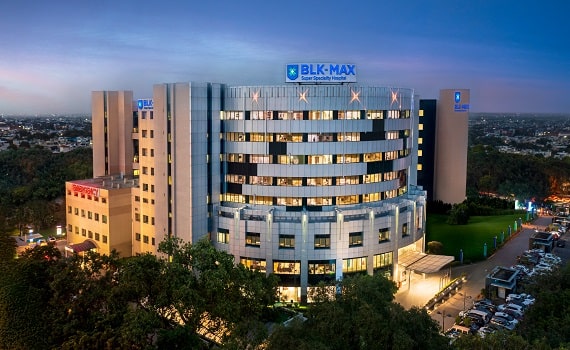
BLK-Max Супер адистештирилген ооруканасы, Нью-Дели
Нью-Делидеги BLK-Max Super Specialty Hospital Индиянын эң алдыңкы саламаттыкты сактоо мекемелеринин бири, 650 керебетти, 22 өркүндөтүлгөн операциялык ...
Аккредитациялар


Жайлар

Макс Smart Супер адистик ооруканасы, Сакет, Нью-Дели
Max Smart Super Specialty Hospital, Сакет, Түштүк Делидеги 250 койкалуу үчүнчү даражадагы оорукана. Бул кардиология, онкология, ортопедия жана бөйрөк ...
Аккредитациялар
Жайлар
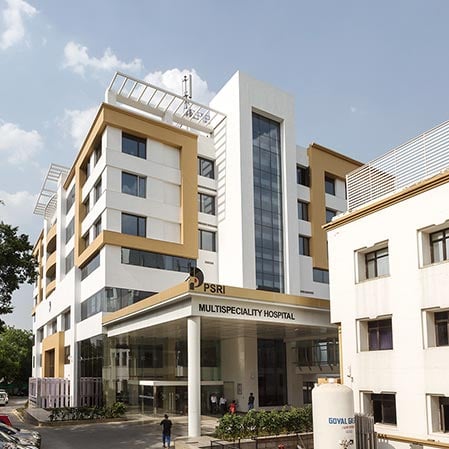
PSRI ооруканасы, Дели
Pushpawati Singhania изилдөө институту (PSRI ооруканасы), Нью-Дели, JK Group тарабынан 1996-жылы түзүлгөн алдыңкы көп адистиктеги үчүнчү даражадагы оо...
Аккредитациялар
Жайлар
Окшош процедуралар
Галерея
FAQ
Сынчы
Баарын көрүү
Dr. SK Rajan is an internationally trained and AO-certified Spine Surgeon with extensive expertise in managing complex spinal disorders. He has trained at leading national and global institutions, i... Кененирээк маалымат

Биздин веб-сайтта кукилерди колдонот. Купуялык саясаты.