Brain Tumor Treatment: A Comparative Guide to Surgery and Radiation Therapy

25/2/2026, 12:48:44 PM 9 min read Medical Tourism
Brain Tumor Treatment: A Comparative Guide to Surgery and Radiation Therapy
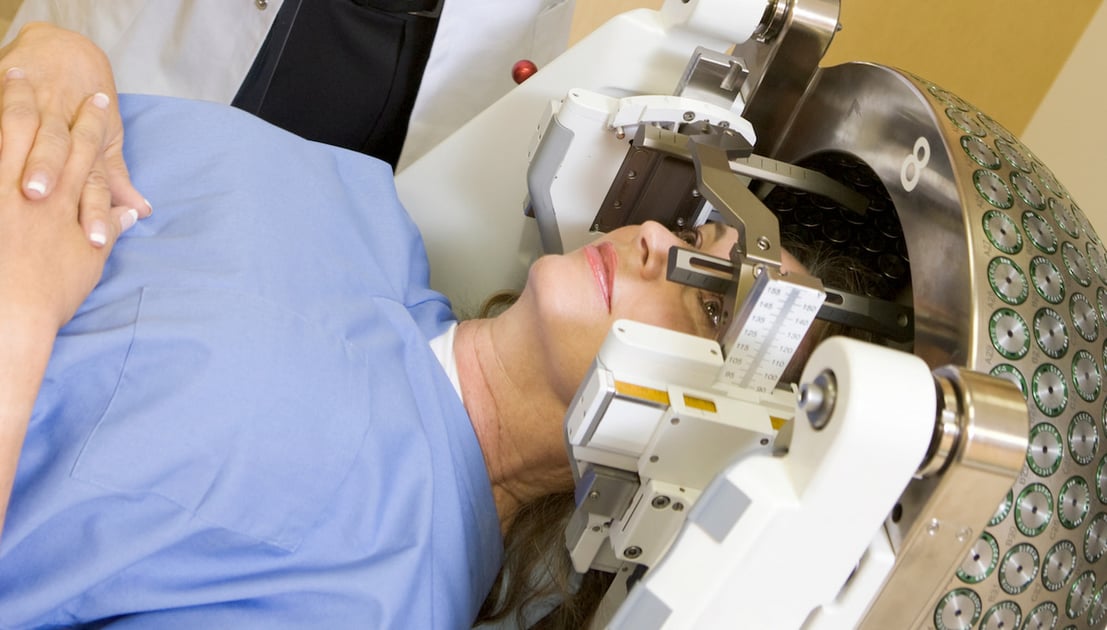
Quick Summary: Surgery is typically favored for accessible tumors requiring immediate pressure relief (debulking). Radiation (such as Gamma Knife) is often the preferred choice for deep-seated or inoperable lesions where surgical risk is high. In many 2026 treatment protocols, both are used in sequence.


When you are first diagnosed with a brain tumor, the sheer amount of information can be paralyzing. Most patients find themselves at a crossroads: Surgery or Radiation? While both are powerful tools, the 'right' choice isn't just about the tumor. It's about your specific anatomy, your symptoms, and your long-term quality of life.


Brain tumors vary widely in behavior and impact. Some tumors require immediate removal to reduce pressure on the brain. Others respond better to targeted radiation over time. Doctors evaluate risks, benefits, and expected outcomes before recommending a treatment plan.


Understanding the difference between surgery and radiation therapy helps patients and families participate in informed discussions. Clear knowledge reduces anxiety and supports realistic expectations during treatment planning.


What Is Brain Tumor Surgery?

Brain tumor surgery involves removing part or all of a tumor through a surgical procedure. Neurosurgeons aim to remove as much tumor tissue as safely possible while protecting normal brain function.


  • Purpose of Surgery: Surgery helps reduce intracranial pressure. Tumor removal can relieve symptoms such as headaches, seizures, or weakness. Surgery also provides tissue samples for accurate diagnosis.
  • How Surgeons Perform the Procedure: Neurosurgeons use imaging guidance and microsurgical tools during surgery. Advanced techniques help improve precision near sensitive brain areas. Careful planning reduces risk to the surrounding tissue.
  • Situations Where Surgery Helps Most: Doctors recommend surgery when tumors remain accessible and clearly defined. Removal often benefits patients with large tumors or mass effect. Surgery also helps when doctors need tissue confirmation.
  • Immediate Outcomes After Surgery: Many patients experience symptom relief after tumor removal. Recovery depends on tumor location and the extent of surgery. Doctors monitor neurological function closely after surgery.


What Is Radiation Therapy for Brain Tumors?

Radiation therapy treats brain tumors by using high-energy rays to damage tumor cells and limit their growth. Doctors often use radiation when surgery cannot remove the tumor completely or safely.


  • Purpose of Radiation Therapy: Radiation aims to control tumor growth and reduce symptoms. The treatment targets cancer cells while limiting damage to healthy brain tissue. Doctors often use radiation to prevent tumor progression.
  • How Radiation Therapy Works: Radiation damages the DNA of tumor cells. Damaged cells lose the ability to grow and divide. Over time, the tumor may shrink or stop growing.
  • Types of Radiation Used for Brain Tumors: Doctors may use external beam radiation or highly focused techniques such as stereotactic radiation. Focused methods allow precise targeting. Precision reduces exposure to surrounding brain tissue.
  • Treatment Schedule and Duration: Radiation therapy usually occurs over several sessions. Sessions may continue for weeks, depending on tumor type and treatment goals. Doctors plan schedules carefully to balance effectiveness and safety.

Radiation therapy is most effective for specific tumor types and locations. Doctors evaluate suitability before recommending treatment.


When Is Radiation Therapy Preferred Over Surgery for Brain Tumors?

Doctors recommend radiation therapy over surgery in certain clinical situations. Tumor characteristics and patient health guide this decision.


  • Tumors in Sensitive or Deep Brain Areas: Some tumors lie close to critical brain structures. Surgery may carry a high neurological risk. Radiation allows treatment without direct surgical intervention.
  • Residual Tumor After Surgery: Surgery may not safely remove all tumor tissue. Radiation helps control the remaining tumor cells. Combined treatment improves long-term control.
  • Patients Not Suitable for Surgery: Some patients are not suitable for surgery due to age or medical conditions. Radiation provides a non-surgical treatment option. Doctors adjust therapy to the patient's tolerance.
  • Slow-Growing or Diffuse Tumors: Certain tumors spread across brain tissue rather than forming a single mass. Radiation helps manage these tumors effectively. Surgery may not offer complete benefit in such cases.
  • Tumor Recurrence After Initial Treatment: Radiation often plays a role when tumors return after surgery. Targeted radiation helps control regrowth. Doctors tailor treatment plans carefully.


When Do Doctors Recommend Surgery for Brain Tumors?

Doctors recommend surgery when tumor removal offers a clear clinical benefit and acceptable risk. Several medical factors guide this decision.


  • Accessible Tumor Location: Tumors located in areas that surgeons can reach safely often qualify for surgery. Clear access reduces neurological risk. Surgical removal becomes more effective in such cases.
  • Large Tumors Causing Pressure: Some tumors increase intracranial pressure. Pressure can cause headaches, vision problems, or weakness. Surgery helps relieve pressure quickly.
  • Need for Tissue Diagnosis: Doctors often need tumor tissue to confirm diagnosis and plan treatment. Surgery provides tissue samples for accurate classification. Precise diagnosis supports targeted therapy.
  • Rapid Symptom Progression: Worsening symptoms may require urgent intervention. Surgery can reduce tumor burden promptly. Faster relief supports neurological stability.
  • Potential for Significant Tumor Removal: Doctors aim to remove as much tumor as safely possible. Greater removal often improves symptom control. Surgical benefit depends on tumor boundaries and location.


Surgery vs Radiation Therapy for Brain Tumor: Key Differences

Surgery and radiation therapy treat brain tumors in different ways. Understanding these differences helps patients compare options realistically.


  • Treatment Approach: Surgery removes tumor tissue directly. Radiation therapy targets tumor cells gradually. Each method works through a distinct mechanism.
  • Speed of Symptom Relief: Surgery often provides faster symptom relief. Radiation effects develop over time. Timing influences treatment selection.
  • Treatment Duration: Surgery involves a single procedure with a recovery time. Radiation therapy requires multiple treatment sessions. Duration varies by protocol.
  • Recovery Experience: Surgery requires hospital recovery and healing. Radiation usually allows outpatient treatment. Recovery experience differs for each option.
  • Impact on Daily Life: Surgery may limit activity during early recovery. Radiation allows daily routines between sessions. Lifestyle impact varies by patient.
  • Risk Profile: Surgery carries risks of surgical and neurological complications. Radiation carries delayed side effects over time. Doctors balance risks carefully.


How Do Doctors Decide Between Surgery and Radiation Therapy for a Brain Tumor?

Doctors do not choose between surgery and radiation therapy based on preference. They base the decision on how the tumor behaves inside the brain and how treatment may affect long-term function.


  • The first factor doctors consider is tumor location. Tumors located near critical brain areas that control speech, movement, or vision often carry a higher surgical risk. In such cases, radiation therapy may offer safer control without disturbing essential brain tissue.
  • Doctors also assess tumor size and growth pattern. Large tumors that cause pressure or swelling often require surgery to relieve symptoms quickly. Smaller or slowly growing tumors may respond well to radiation without immediate removal.
  • Tumor type also plays a major role. Some tumors respond strongly to radiation, while others require surgical removal to reduce tumor burden. Doctors rely on imaging and, when available, tissue diagnosis to guide treatment choice.
  • Patient health matters just as much as tumor features. Age, overall fitness, and existing medical conditions influence tolerance to treatment. Some patients tolerate surgery well, while others benefit more from non-surgical approaches.


Can Surgery and Radiation Therapy Be Used Together for Brain Tumor Treatment?

Yes, doctors often use surgery and radiation therapy together as part of a planned treatment sequence. Combined treatment allows doctors to manage the tumor more effectively while balancing safety.


  • Surgery often comes first when tumor removal can reduce pressure or symptoms. After surgery, radiation therapy may target remaining tumor cells that surgeons could not remove safely. This approach helps lower the risk of tumor regrowth.
  • In some situations, doctors use radiation first to shrink a tumor. Reduced tumor size may make later surgery safer or less invasive. This strategy works especially well for tumors near sensitive brain areas.
  • Combined treatment also helps in aggressive or recurrent tumors. Surgery reduces tumor burden, while radiation controls microscopic disease. Doctors tailor the sequence carefully to reduce side effects and protect brain function.

Not every patient requires both treatments. Doctors recommend combined therapy only when the benefits outweigh the risks. Careful planning ensures treatment remains effective without unnecessary exposure.


What Are the Risks and Side Effects of Surgery and Radiation Therapy for Brain Tumors?

Every brain tumor treatment carries some risk, and doctors weigh these risks carefully before recommending surgery or radiation therapy. The goal is always to control the tumor while protecting brain function.
 

  • Brain tumor surgery carries risks related to operating on delicate brain tissue. Patients may experience temporary weakness, speech difficulty, or coordination issues after surgery. These effects often improve with time and rehabilitation, especially when surgery avoids critical brain regions. Infection, bleeding, or swelling may also occur, which is why doctors monitor patients closely after surgery.
  • Radiation therapy does not involve an operation, but it can still cause side effects. Fatigue remains common during and after radiation treatment. Some patients notice headaches, skin irritation, or hair loss in the treated area. Radiation effects usually develop gradually rather than immediately.

Long-term effects depend on radiation dose, treatment area, and patient age. Doctors plan radiation carefully to reduce the impact on healthy brain tissue. Follow-up care helps detect and manage delayed effects early.


How Do Recovery and Quality of Life Compare After Surgery and Radiation Therapy?

Recovery experience differs between surgery and radiation therapy, and each path affects daily life in different ways.


  • Recovery after brain tumor surgery usually begins in the hospital. Patients may need days or weeks to regain strength, balance, or speech, depending on tumor location and the extent of surgery. Rehabilitation therapy often supports recovery and helps patients gradually return to independence.
  • Radiation therapy usually allows patients to remain active during treatment. Many patients continue daily routines while attending scheduled sessions. Fatigue may increase over time, but recovery often feels less intense compared to surgery.
  • Quality of life depends on symptom control and neurological function. Surgery may offer faster relief from pressure-related symptoms such as headaches or vision problems. Radiation therapy focuses more on long-term tumor control and stability.
  • Doctors consider both physical recovery and mental well-being when planning treatment. The chosen approach aims to preserve independence, cognitive function, and daily comfort as much as possible.

Each patient's recovery journey remains unique. Ongoing support and follow-up play an important role in maintaining quality of life after treatment.


How Do International Patients Plan Brain Tumor Treatment Decisions?

International patients usually start planning after a detailed medical review. Doctors study scans, reports, and symptoms to recommend surgery, radiation therapy, or a combined approach.


Treatment choice also affects travel and stay planning. Surgery often requires a longer stay for recovery and early follow-up. Radiation therapy may involve several weeks of scheduled sessions.


Doctors explain expected timelines clearly before treatment begins. Clear timelines help patients plan accommodation, recovery support, and return travel without pressure.


Recovery needs vary between patients. Some patients need rehabilitation after surgery. Others require monitoring after radiation therapy. Understanding recovery needs early reduces uncertainty.


Next Steps

Surgery and radiation therapy treat brain tumors in different ways. Doctors choose treatment based on tumor features and patient health, not preference. Understanding both options helps patients approach treatment decisions calmly. Clear information reduces fear and supports realistic expectations.


Patients considering brain tumor treatment benefit from expert medical review and personalized planning. Professional guidance helps patients move forward with clarity and confidence.

Холбоотой эмнэлэг

Энэхүү сэдэв нь чанарын эрүүл мэндийн үйлчилгээнд холбогдох эмнэлэг, эмнэлгийн төвүүд.
Medical Park Bahcelievler эмнэлэг

Истанбул, Турк

Medical Park Bahcelievler эмнэлэг нь Истанбул хотод 2007 онд байгуулагдсан, JCI байгууллагын магадлан итгэмжлэгдсэн 242 ортой эмнэлэг бөгөөд 33,000 ха...

Multi-specialty
Бий тооцоо 2007
242 ор
Хэрцийлсэн
Joint Commission International (JCI)
Нэгж
+13

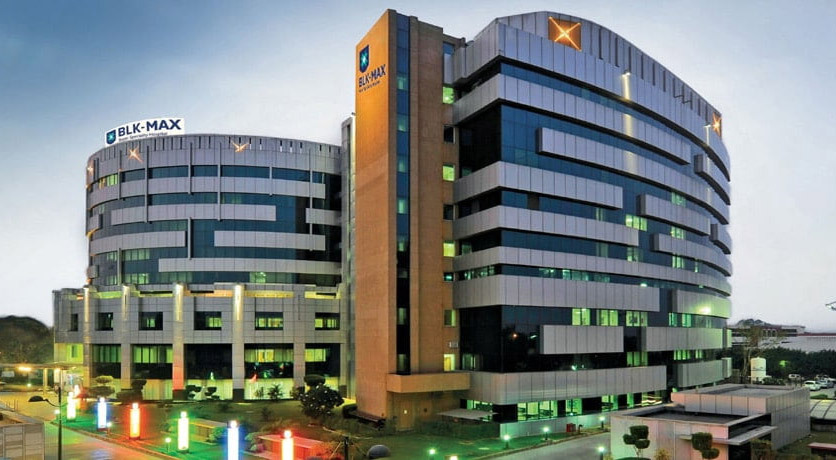
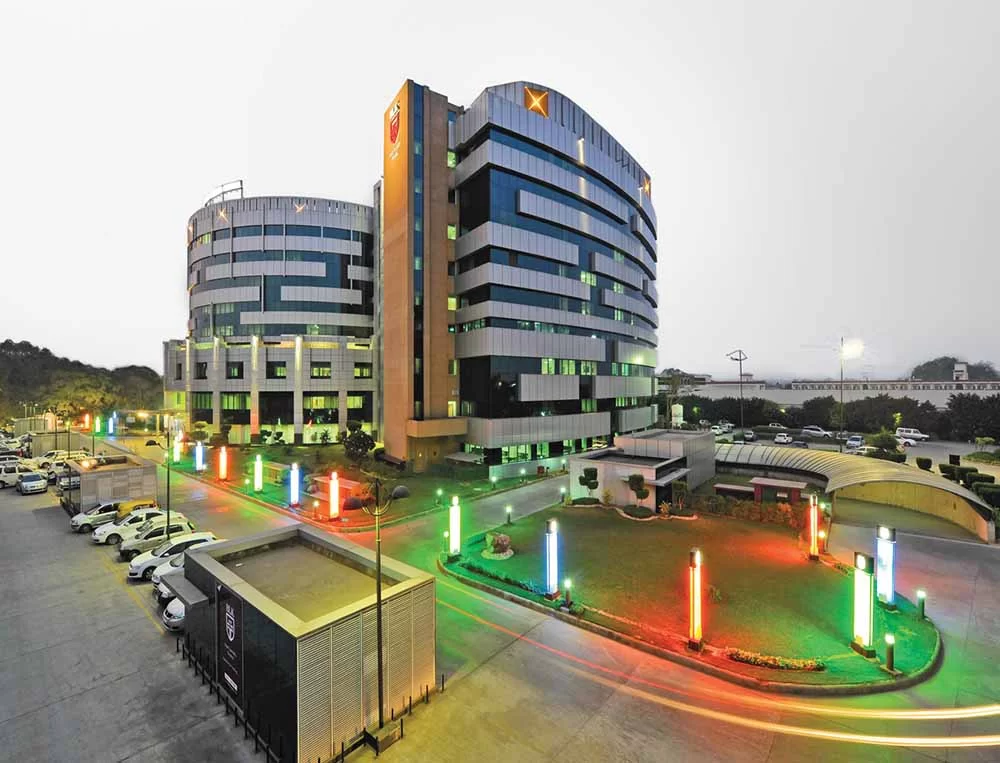
BLK-Max супер мэргэжлийн эмнэлэг, Нью Дели

Шинэ Дели, Энэтхэг

Шинэ Дели дэх BLK-Max Super Specialty эмнэлэг нь 650 ортой, 22 дэвшилтэт мэс заслын тасаг, 13 мэргэжлийн төвийг санал болгодог Энэтхэгийн эрүүл мэндий...

Multi-specialty
Бий тооцоо 1959
650 ор
Хэрцийлсэн
Joint Commission International (JCI)
National Accreditation Board for Hospitals & Healthcare Providers (NABH)
Нэгж
+13

Fortis Memorial Research Institute (FMRI), Гургаон

Гургаон, Энэтхэг

Гургаон хотын Fortis Memorial Research Institute (FMRI) нь 2013 онд байгуулагдсан дэлхийн жишигт нийцсэн олон төрлийн мэргэжлийн эмнэлэг юм. Тус эмнэл...

Multi-specialty
Бий тооцоо 2013
330 ор
Хэрцийлсэн
Joint Commission International (JCI)
National Accreditation Board for Hospitals & Healthcare Providers (NABH)
Нэгж
+13

Артемис эмнэлэг, Гургаон

Гургаон, Энэтхэг

Гургаон хотын Артемис эмнэлэг нь 2007 онд байгуулагдсан JCI байгууллагын магадлан итгэмжлэгдсэн олон мэргэшлийн эмнэлэг бөгөөд 9 акр талбайд 750+ орто...

Multi-specialty
Бий тооцоо 2007
750 ор
Хэрцийлсэн
Joint Commission International (JCI)
National Accreditation Board for Hospitals & Healthcare Providers (NABH)
International Organization for Standardization (ISO)
Нэгж
+13

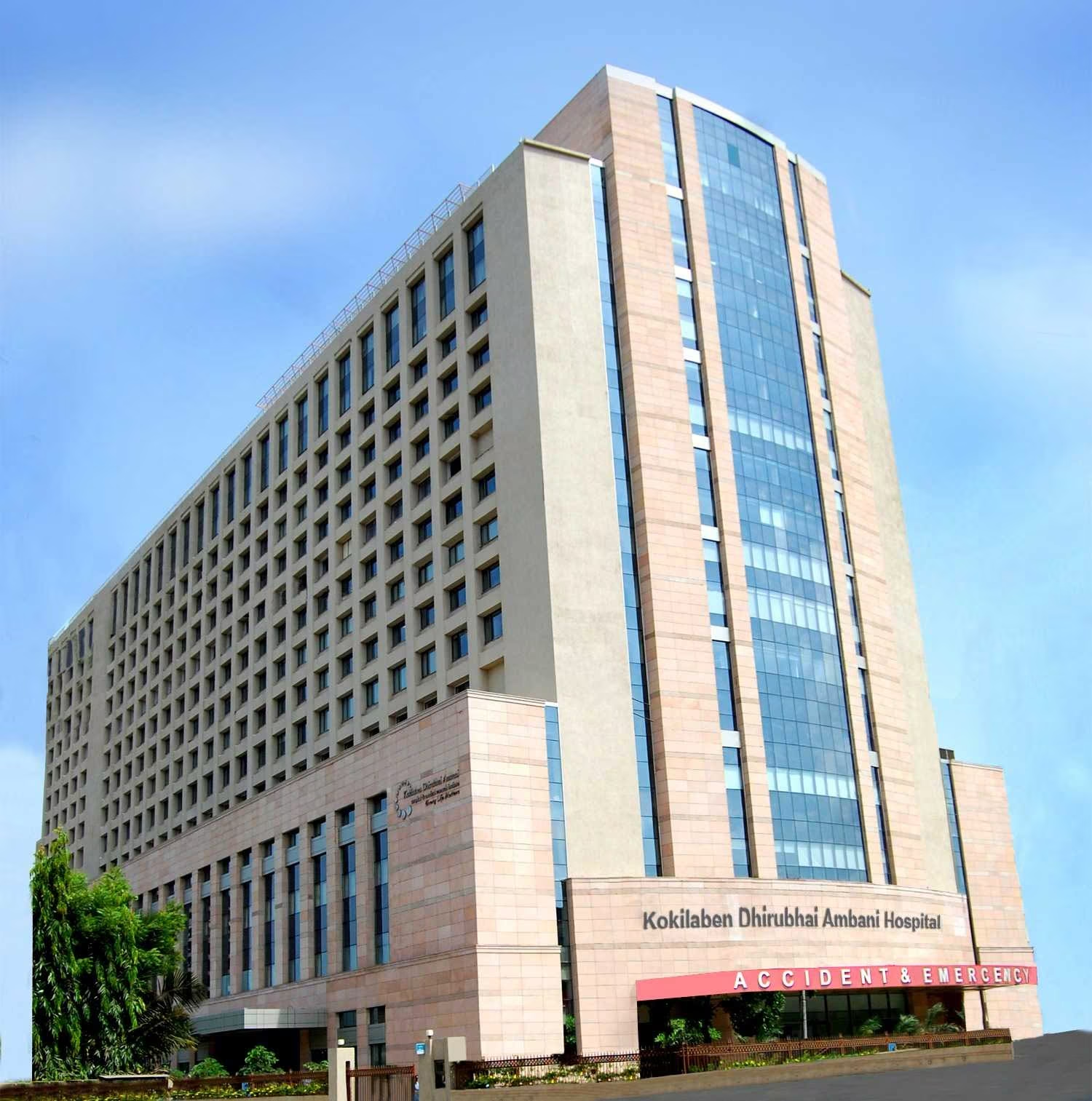
Кокилабен Дирубхай Амбани эмнэлэг, Мумбай

Мумбай, Энэтхэг

Мумбай дахь Кокилабен Дирубхай Амбани эмнэлэг нь 2009 онд байгуулагдсан JCI, NABH, NABL, CAP-ийн магадлан итгэмжлэгдсэн дөрөв дэх шатлалын эмнэлэг юм....

Multi-specialty
Бий тооцоо 2009
750 ор
Хэрцийлсэн
Joint Commission International (JCI)
National Accreditation Board for Hospitals & Healthcare Providers (NABH)
International Organization for Standardization (ISO)
Нэгж
+13

Медиковер эмнэлгүүд, Хайтек хот, Хайдарабад

Хайдарабад, Энэтхэг

Medicover Hospitals, Hitech City, Hyderabad нь 2011 онд байгуулагдсан 400 ортой NABH-ийн магадлан итгэмжлэгдсэн супер нарийн мэргэжлийн эмнэлэг юм. Эн...

Multi-specialty
Бий тооцоо 2011
400 ор
Хэрцийлсэн
National Accreditation Board for Hospitals & Healthcare Providers (NABH)
Joint Commission International (JCI)
Нэгж
+13

Холбоотой эмч нар

Энэ салбарт туршлагатай эмч, эмнэлгийн мэргэжилтнүүдтэй холбогдоорой.

Доктор Индранил Хан

Доктор Индранил Хан

Consultant

8 олон жилийн туршлага
Доктор Чандрамохан К

Доктор Чандрамохан К

Senior Consultant

27 олон жилийн туршлага
Доктор Бхавин Висария

Доктор Бхавин Висария

Consultant

10 олон жилийн туршлага
Доктор Сураж Чирания

Доктор Сураж Чирания

Senior Consultant

16 олон жилийн туршлага
Доктор Нинад Катдаре

Доктор Нинад Катдаре

Consultant

12 олон жилийн туршлага
Доктор Анкит Махувакар

Доктор Анкит Махувакар

Consultant

16 олон жилийн туршлага

Холбоотой хамаатгал

Эрүүл мэндийн ижил төстэй сэдвээр илүү олон нийтлэл, ойлголтыг судал.
Гадаадад нурууны мэс засал хийх нь аюулгүй юу?
Medical Tourism

Гадаадад нурууны мэс засал хийх нь аюулгүй юу?

2/4/2026, 1:32:33 PM
8 min read
Нурууны эмгэг нь дэлхий даяар сая сая өвчтөнд нөлөөлдөг. Мөгөөрсөн жийргэвчийн гулсалт, нугасны нарийсал, нурууны дегенератив өвчин зэрэг эмгэгүүд нь ...
Гадаадад эрхтэн шилжүүлэн суулгахад хэрхэн бэлдэх вэ: Эрүүл мэнд, хууль эрх зүй, аялал жуулчлалын хяналтын хуудас
Medical Tourism

Гадаадад эрхтэн шилжүүлэн суулгахад хэрхэн бэлдэх вэ: Эрүүл мэнд, хууль эрх зүй, аялал жуулчлалын хяналтын хуудас

2/4/2026, 1:03:37 PM
7 min read
Эрхтэн шилжүүлэн суулгахүе шат бүрт нарийн төлөвлөлт шаарддаг. Өвчтөнүүд шилжүүлэн суулгах мэс засалд орохоор гадаад руу явах үед бэлтгэл нь бүр ч чух...
Эрхтэн шилжүүлэн суулгахад хамгийн тохиромжтой улсууд: 2026 оны зардал, хүлээх хугацаа, хуулийн шаардлагуудын гарын авлага
Medical Tourism

Эрхтэн шилжүүлэн суулгахад хамгийн тохиромжтой улсууд: 2026 оны зардал, хүлээх хугацаа, хуулийн шаардлагуудын гарын авлага

2/4/2026, 9:05:33 AM
7 min read
Дэлхийн эрэлт хэрэгцэээрхтэн шилжүүлэн суулгах мэс засалжил бүр нэмэгдсээр байна. Сая сая өвчтөнүүд эрхтэний дутагдлын төгсгөлийн үе шатанд амьдардаг ...
Back Pain or Something More? When Does a Spine Tumor Require Surgery?

Medical Tourism

Back Pain or Something More? When Does a Spine Tumor Require Surgery?

1/3/2026, 12:51:20 PM
9 min read
Оношлогоо нь нуруунд хамаарах үед эхний асуулт нь бараг үргэлж байдаг.Би алхаж чадах болов уу?2026 онд нурууны хавдрыг эмчлэх нь "түрэмгий арилгах" -а...
Эрхтэн шилжүүлэн суулгасны дараа хэр удаан амьдрах боломжтой вэ?
Medical Tourism

Эрхтэн шилжүүлэн суулгасны дараа хэр удаан амьдрах боломжтой вэ?

1/3/2026, 12:19:15 PM
7 min read
Чамд хэрэгтэй гэж хэлэхэд тандшилжүүлэн суулгах, таныг зовоож буй эхний асуулт бол ихэвчлэн асуухад хамгийн хэцүү байдаг:Энэ надад хэр их цаг зарцуула...
Энэтхэгт хэн эрхтэн шилжүүлэн суулгах боломжтой вэ? Сонгон шалгаруулалтын дүрмийг тайлбарлав

Medical Tourism

Энэтхэгт хэн эрхтэн шилжүүлэн суулгах боломжтой вэ? Сонгон шалгаруулалтын дүрмийг тайлбарлав

1/3/2026, 12:00:36 PM
7 min read
Эрхтэн дутагдал нь дэлхийн эрүүл мэндийн тулгамдсан асуудал хэвээр байна. Бөөрний архаг өвчин дэлхий даяар сая сая хүнийг хамарч, жил бүр олон мянган ...
Доктор Дипаншу Сивач

Эрхэм анагаахын зохиолч

Sr. Medical Content Writer Qonaq Health and Wellness
Doctor of Pharmacy

Доктор Дипаншу Сивач бол эм зүйн ухааны доктор зэрэгтэй, туршлагатай эм зүйч юм. Тэрээр 4 гаруй жилийн туршлагатай бөгөөд олон мянган өвчтөнтэй ажилласан. Тэрээр Артемис Гургаон, Теертанкер Махавир ... Цааш унших

Манай вэбсайт нь жигнэмэг хэрэглэдэг. Нууцлалын бодлого.