
Тархины гүн өдөөлт (DBS) Энэтхэг оны өртөг
Тухай Тархины гүн өдөөлт (DBS)
Тархины гүн өдөөлт (DBS) гэж юу вэ?
DBS гэж товчилсон тархины гүн өдөөлт нь хөдөлгөөн, сэтгэл санааны зохицуулалтыг хариуцдаг тархины тодорхой хэсэгт цахилгаан импульс дамжуулах жижиг төхөөрөмжийг тархинд суулгаж өгдөг процедур юм. Эмч нар энэ аргыг зөвхөн эмэнд сайнаар нөлөөлдөггүй мэдрэлийн болон сэтгэцийн эмгэгийн шинж тэмдгийг хянахад тусалдаг.
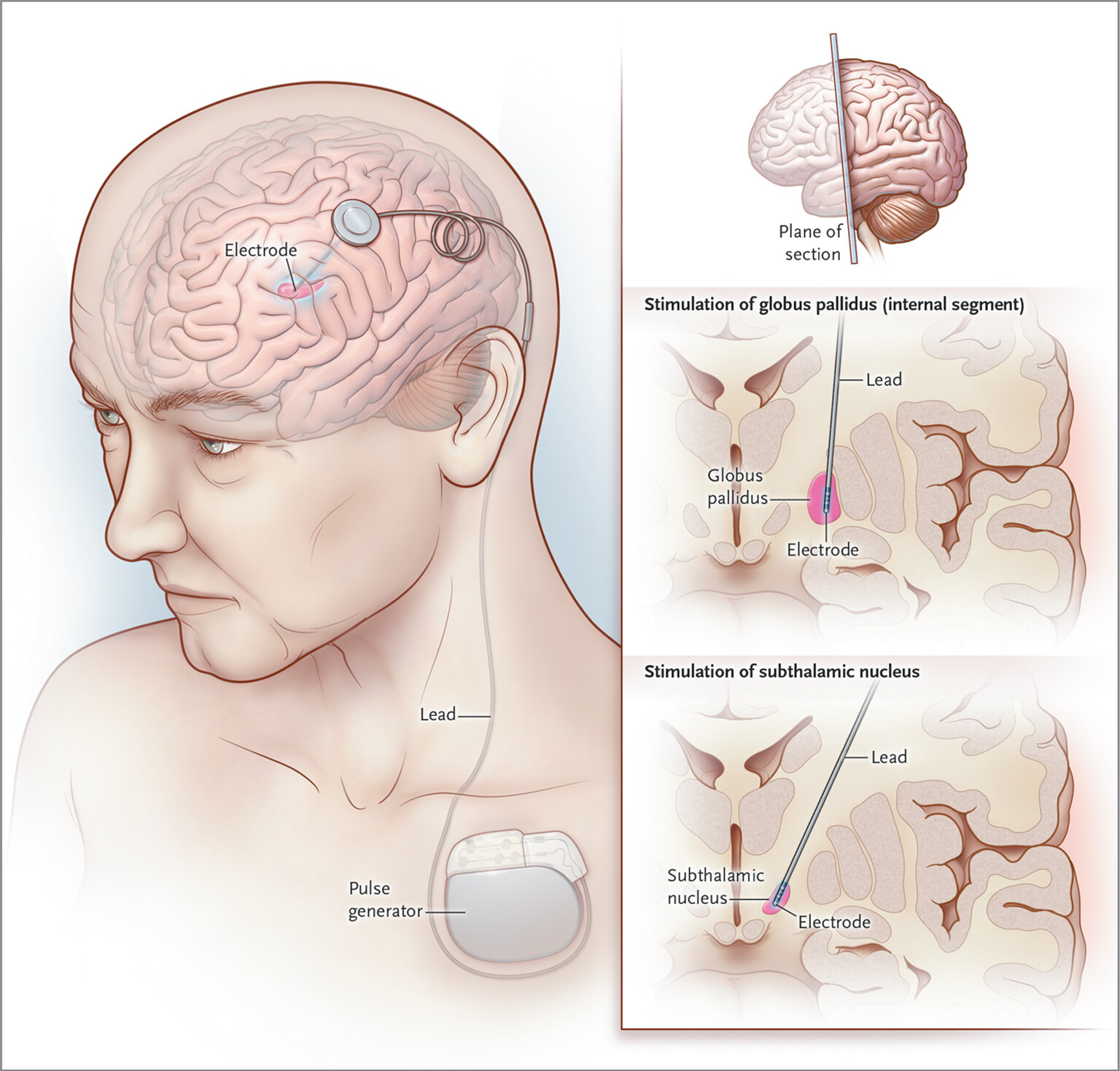
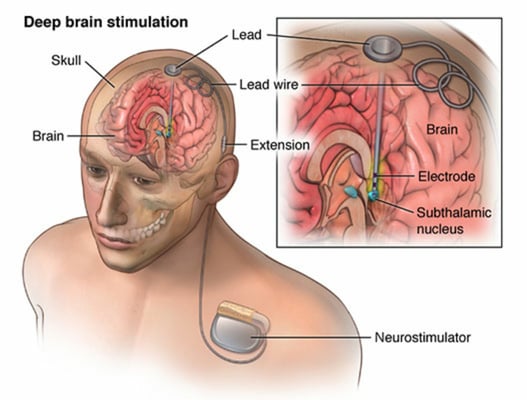
Уг процедур нь нимгэн электродуудыг тархины зорилтот хэсэгт байрлуулж, тэдгээрийг ихэвчлэн цээж, хэвлийн ойролцоо арьсан дор суулгадаг нейростимулятор гэж нэрлэгддэг батерейгаар ажилладаг төхөөрөмжтэй холбох явдал юм. Төхөөрөмжийн илгээсэн цахилгаан импульс нь тархины хэвийн бус дохиог өөрчлөхөд тусалдаг ба моторын хяналт болон бусад мэдрэлийн үйл ажиллагааг сайжруулдаг.
DBS нь мэдрэлийн эмгэгийг эмчлэхгүй ч шинж тэмдгийг эрс багасгаж, амьдралын чанарыг сайжруулж, олон өвчтөнд эм хэрэглэх хэрэгцээг бууруулдаг. Энэ нь өвчтөний хувьсан өөрчлөгдөж буй хэрэгцээнд нийцүүлэн цаг хугацааны явцад нарийн тааруулах боломжийг олгодог аюулгүй, буцаах, тохируулж болох эмчилгээ гэж үздэг.
Яагаад тархины гүн өдөөлтийг хийдэг вэ?
Эмч нар эмэнд хангалттай хариу өгөхгүй байгаа мэдрэлийн эмгэгийн шинж тэмдгийг арилгахын тулд тархины гүн өдөөлтийг хийдэг. Уг процедур нь холбогдох нөхцлүүдэд ашигтай байдагтархины хэвийн бус үйл ажиллагаа, үр дүнд нь хөдөлгөөн, зан байдал, сэтгэл санааны асуудал үүсдэг. Эмийн үр нөлөөг алдах эсвэл ноцтой гаж нөлөө үзүүлэх үед DBS нь шинж тэмдгийг хянах найдвартай, урт хугацааны шийдлийг санал болгодог.
DBS нь эдгээр эмгэгийг эмчилдэггүй ч өдөр тутмын үйл ажиллагааг эрс сайжруулж, чичиргээг багасгаж, хөдөлгөөний хяналтыг сайжруулж, эмээс хамааралтай байдлыг бууруулдаг. Тогтмол сэгсрэх, хөших, удаан хөдөлгөөнтэй тулгардаг өвчтөнүүд ихэвчлэн DBS-ийн дараа мэдэгдэхүйц тайвширдаг.
DBS-ээр ихэвчлэн эмчилдэг нөхцөлүүд нь:
- Паркинсоны өвчин:DBS нь чичиргээ, булчингийн хөшүүн байдал, хөдөлгөөний удаашрал, алхаж буй хүндрэлийг багасгахад тусалдаг. Энэ нь ихэвчлэн эм нь үр дүнтэй ажиллахаа больсон эсвэл албадан хөдөлгөөн (дискинези) гэх мэт хүндрэл үүсгэдэг тохиолдолд авч үздэг.
- Үндсэн чичиргээ:Энэ нөхцөл байдал нь ихэвчлэн гартаа хяналтгүй чичиргээ үүсгэдэг. DBS нь эмийн эмчилгээ хийснээр сайжрахгүй чичиргээг тогтворжуулахын тулд тархины тодорхой хэсгийг чиглүүлдэг.
- Дистони:Дистони өвчтэй өвчтөнүүдэд DBS нь өвдөлт, албадан булчингийн агшилт, хэвийн бус байрлалыг хянахад тусалдаг.
- Эпилепси:Эмч нар таталтын эсрэг эмэнд хариу үйлдэл үзүүлэхгүй байгаа хүмүүст таталтын давтамж, хүндрэлийг багасгахын тулд DBS ашигладаг.
- Обсессив-компульсив эмгэг (OCD):Хүнд, эмчилгээнд тэсвэртэй тохиолдолд DBS нь албадлагын бодол, үйлдэлд оролцдог тархины хэлхээг чиглүүлснээр сэтгэлийн байдал, зан үйлийг зохицуулахад тусалдаг.
- Туретт синдром (сонгосон тохиолдолд):DBS нь өдөр тутмын амьдралд саад болж, бусад эмчилгээнд хариу өгөхгүй хүнд хэлбэрийн tics-тэй хүмүүст ашигтай байж болно.
Эмч нар DBS-ийг зөвхөн нарийвчилсан үнэлгээний дараа, ихэвчлэн консерватив эмчилгээ нь удаан хугацааны тусламж үзүүлэхгүй байх үед зөвлөж байна. Энэ нь эрүүл, аюулгүй мэс засал хийлгэж чаддаг өвчтөнүүдэд хамгийн үр дүнтэй байдаг.
DBS журам хэрхэн ажилладаг вэ?
Тархины гүн өдөөлт нь хэвийн бус хөдөлгөөн, зан үйлийг хариуцдаг тархины тодорхой хэсгүүдэд хяналттай цахилгаан дохио илгээх замаар ажилладаг. Зорилго нь Паркинсоны өвчин, чухал чичиргээ, дистони зэрэг өвчний шинж тэмдэг үүсгэдэг тархины буруу дохиог зохицуулах эсвэл тасалдуулах явдал юм.
Систем нь гурван үндсэн бүрэлдэхүүн хэсгээс бүрдэнэ.
- Электродууд (хар тугалга):Эдгээр нь нимгэн, тусгаарлагдсан утаснууд бөгөөд мэдрэлийн мэс засалч нь тархины болгоомжтой чиглэсэн хэсгүүдэд байрлуулдаг. Электрод бүр нь хэд хэдэн холбоо барих цэгтэй тул нарийн өдөөх боломжийг олгодог.
- Өргөтгөх утас:Энэ утас нь арьсан дор толгойноосоо хүзүүгээр доошоо цээж хүртэл урсдаг. Энэ нь тархины электродуудыг нейростимулятортой холбодог.
- Нейростимулятор (импульс үүсгэгч):Энэ бол арьсан дор, хэвлий эсвэл эгэмний ойролцоо суулгасан, зайгаар ажилладаг жижиг төхөөрөмж юм. Энэ нь цахилгаан импульс үүсгэж, тархины электрод руу илгээдэг.
Мэс заслын үйл явц
DBS процедур нь ихэвчлэн хоёр үе шаттайгаар явагддаг бөгөөд ихэвчлэн нэг эсвэл хоёр өдрийн турш тархдаг:
1-р шат - Электродыг байрлуулах:Мэс заслын эмч нар тархины зорилтот хэсгийг нарийн тодорхойлохын тулд MRI, CT скан зэрэг дэвшилтэт дүрслэлийн аргуудыг ашигладаг. Замын замыг төлөвлөсний дараа тэд гавлын ясанд жижиг нүх гаргаж, электродуудыг оруулдаг. Зарим тохиолдолд мэс заслын энэ хэсэгт өвчтөн сэрүүн хэвээр байгаа нь эмч нарт хариу үйлдэл, хөдөлгөөнийг бодит цаг хугацаанд хянах замаар электродын байршлыг шалгах боломжийг олгодог.
2-р үе шат - Өдөөгчийг суулгах:Электродуудыг байрлуулсны дараа өвчтөнд ерөнхий мэдээ алдуулалт өгдөг. Дараа нь мэс засалч мэдрэлийн өдөөгч төхөөрөмжийг арьсан дор суулгаж, сунгах утас ашиглан тархины электродуудтай холбодог. Холбогдсоны дараа системийг зөв ажиллуулахын тулд шалгана.
Төхөөрөмжийг идэвхжүүлэх, тохируулах
Эмч нар мэс засал хийснээс хойш хэд хоногоос хэдэн долоо хоногийн дараа өдөөгчийг идэвхжүүлдэг. Гар програмчлалын төхөөрөмжийг ашиглан тэд өвчтөний өвөрмөц шинж тэмдгүүдэд тохируулан тохиргоог нарийн тохируулдаг. Үйл явц нь хамгийн оновчтой өдөөлтийг бий болгохын тулд хэдэн долоо хоногийн турш олон сесс шаардлагатай байж болно.
Өвчтөнүүд гэртээ тодорхой тохиргоог хийх, шаардлагатай бол төхөөрөмжийг асаах, унтраахын тулд алсын удирдлага хүлээн авдаг.
Тархины гүн өдөөлт нь шинж тэмдгийг хянах уян хатан, тохируулгатай аргыг санал болгодог. Цаг хугацаа өнгөрөхөд эмч нар шаардлагатай бол төхөөрөмжийг дахин програмчлах боломжтой бөгөөд энэ нь DBS-ийг өндөр хувь хүнд тохирсон, дасан зохицох эмчилгээ болгодог.
Үнэгүй эмчилгээний төлөвлөгөө авах
Энэтхэг-д Тархины гүн өдөөлт (DBS) орчим
What Is the Cost of Deep Brain Stimulation Surgery in India?
The cost of deep brain stimulation DBS surgery in India is more affordable compared to most Western countries, making it a preferred MVT destination for international patients. While the exact price varies based on several medical and logistical factors, India consistently offers high-quality care at a fraction of the cost.
In India, the cost of deep brain stimulation surgery generally ranges between $18,000 and $30,000. It includes major expenses, such as hospital stay, surgical fees, the DBS device (neurostimulator and leads), pre-surgical imaging, anesthesia, and postoperative recovery.
For international patients, hospitals often provide all-inclusive packages that include not only treatment services but also airport transfers, international coordinators, and post-discharge consultations.
Here is a typical breakdown of DBS cost in India:
Type of DBS Surgery | Estimated Cost (USD) |
| Single-sided DBS (Unilateral) | $18,000 – $22,000 |
| Both-sided DBS (Bilateral) | $25,000 – $30,000 |
| Rechargeable battery implant | $30,000 – $35,000 (optional) |
| Non-rechargeable battery implant | $18,000 – $25,000 |
Note: Rechargeable systems cost more upfront but last longer (up to 15 years), while non-rechargeable ones typically need replacement every 3–5 years.
What Does the Cost Usually Include?
Most reputed hospitals in India include the following services in their DBS surgery package:
- Preoperative investigations (MRI, CT scan, blood work, neurological assessment)
- Consultation with neurologist and neurosurgeon
- DBS electrodes and neurostimulator (device)
- Neurosurgery (typically two-stage)
- Hospital stay in a private or semi-private room (5–10 days)
- Intensive care monitoring after surgery
- Programming and activation of the DBS device
- Medications during hospitalization
- Postoperative follow-up before discharge
- Airport pickup and drop-off services for overseas patients
What's Not Included in the Base Price?
While most essentials are covered, international patients should budget separately for:
- Airfare and travel insurance
- Visa application fees
- Extra hospital stay (if recovery takes longer)
- Long-term rehabilitation or physiotherapy
- Hotel accommodation for family or caregivers
- Optional services like sightseeing or wellness therapy (if desired)
- Additional follow-up programming sessions (can be virtual or in-person)
What Factors Affect the Cost of DBS in India?
The total cost of deep brain stimulation (DBS) surgery varies from patient to patient, depending on several key medical and logistical factors. Hospitals typically provide a cost estimate based on the patient's condition, preferences, and type of treatment required. Some of the main elements that influence the final cost are:
- Type of Surgery (Unilateral or Bilateral DBS): The cost depends heavily on whether the surgery involves one side (unilateral) or both sides (bilateral) of the brain. Bilateral DBS is more complex and involves more hardware, longer surgical time, and extended postoperative care, resulting in higher overall expenses.
- Type of Neurostimulator (Rechargeable vs. Non-Rechargeable): Rechargeable neurostimulators last up to 15 years and are ideal for younger patients who want to avoid multiple surgeries. However, they are more expensive upfront. Non-rechargeable devices cost less initially but typically require replacement every 3 to 5 years, which may add to long-term costs.
- Brand of the DBS System: Hospitals in India utilize globally recognized brands such as Medtronic, Abbott, and Boston Scientific. Advanced models, which feature directional leads and wireless programming, tend to cost more than standard options. Patients can choose the brand based on their needs and budget.
- Hospital Location and Infrastructure: Hospitals in major metropolitan cities, such as Delhi, Mumbai, or Bangalore, may charge more due to higher operational costs, advanced surgical facilities, and international accreditations. Smaller towns may offer lower prices with comparable medical expertise.
- Experience of the Neurosurgeon: Highly experienced neurosurgeons specializing in DBS often charge more for their services. However, their expertise increases the likelihood of a successful procedure, faster recovery, and fewer complications.
- Duration of Hospital Stay: Most DBS patients stay in the healthcare facility for about 5 to 10 days. However, complications or slow recovery may extend the stay, increasing room charges, medication costs, and monitoring expenses.
- Post-Surgery Device Programming: After surgery, the neurostimulator must be programmed and adjusted to suit the patient's symptoms. Some hospitals include the first few sessions in their package, while others may charge separately for extended follow-ups.
Why Should You Choose India for DBS Surgery?
India has become a global destination for deep brain stimulation surgery due to its combination of world-class healthcare, internationally trained neurosurgeons, and remarkably affordable pricing. Thousands of international patients trust Indian hospitals each year for advanced neurological care, including DBS, because of the exceptional medical outcomes and patient-centered approach.
- Affordable Cost Without Compromising Quality: The cost of DBS in India is significantly lower than in countries such as Singapore, the USA, Australia, the UK, or Germany, often 60% to 70% less, without compromising on the quality of the surgery or equipment. Patients have access to the same FDA-approved DBS systems used worldwide, including those from Medtronic, Abbott, and Boston Scientific. This cost advantage allows patients to access life-changing treatment while staying within budget, especially important for those from countries where DBS is either too expensive or unavailable.
- Experienced Neurosurgeons and Neurologists: India boasts a large pool of highly qualified neurosurgeons who specialize in functional and stereotactic neurosurgery. Many have trained or practiced in the United States, Europe, or Australia and have performed hundreds of successful DBS surgeries. Their vast experience in handling complex cases of Parkinson's disease, essential tremor, dystonia, and epilepsy ensures safe surgical outcomes and accurate electrode placement.
- Advanced Technology and Infrastructure: Top Indian hospitals are equipped with cutting-edge technologies, including intraoperative MRI, neuro-navigation, robotic surgery systems, and 3D imaging to ensure precision during DBS implantation. These tools improve safety, reduce complications, and enhance the effectiveness of the procedure. Many hospitals also offer hybrid operating rooms and specialized DBS programming centers, where neurologists can fine-tune stimulation settings after surgery.
- Internationally Accredited Hospitals: Leading hospitals in India are accredited by the Joint Commission International (JCI) or the National Accreditation Board for Hospitals and Healthcare Providers (NABH). These certifications ensure that the hospital sticks to the highest international standards for safety, hygiene, patient rights, and clinical outcomes.
- Comprehensive Pre- and Post-Surgery Care: From detailed preoperative evaluations to postoperative programming and rehabilitation, Indian hospitals offer a full spectrum of healthcare under one roof. It includes medication management, physiotherapy, psychiatric support (if needed), and long-term follow-ups through teleconsultation. Doctors work as part of multidisciplinary teams to monitor and adjust treatment as needed, helping patients get the best possible outcome from their DBS therapy.
Success Rate and Long-Term Results of DBS in India
Deep brain stimulation is a highly successful and effective treatment for various neurological conditions, primarily when performed at experienced centers in India. With skilled neurosurgeons, advanced technologies, and international standards of care, DBS in India delivers consistently high success rates and long-term symptom control for eligible patients.
What Is the Success Rate of DBS in India?
India reports an average success rate of 80% to 90% for deep brain stimulation, particularly for Parkinson's disease, essential tremor, and dystonia. In Parkinson's patients, DBS typically results in a 60%–80% improvement in motor symptoms such as tremors, stiffness, and slow movement. For patients with essential tremor, the reduction in tremor severity can be as high as 85%, resulting in improvements in quality of life.
Dystonia patients also respond well, though improvements may occur more gradually over several months. In drug-resistant epilepsy and selected psychiatric disorders like OCD, DBS has shown promising results when performed at specialized centers under rigorous evaluation.
What Do Long-Term Results Show?
Long-term outcomes from DBS surgery in India remain favorable. Many patients experience sustained symptom relief for 5 to 15 years, depending on their condition, the type of device used, and their adherence to follow-up care with their care team. Rechargeable stimulators tend to last longer, minimizing the need for repeated surgeries.
Patients often report:
- Improved movement control and balance
- Reduced need for medications and their side effects
- Enhanced ability to perform daily activities
- Better emotional stability and mood regulation
- Higher levels of independence and social interaction
Follow-up programming plays a vital role in achieving and maintaining these outcomes. Indian hospitals offer ongoing support through in-person or remote consultations to fine-tune the stimulation settings, ensuring optimal device performance.
What Is the Recovery Timeline After DBS Surgery?
Recovery after deep brain stimulation surgery is generally smooth and well-managed when performed at advanced neurosurgical centers. Most international patients can expect to stay in the hospital for 5 to 10 days, followed by a brief recovery period before resuming their daily activities. Full recovery, including device activation and symptom control, can take several weeks.
What Happens Immediately After Surgery?
After the electrodes and neurostimulator are implanted, patients spend the first 24 to 48 hours in the intensive care unit (ICU) or a high-dependency ward for close monitoring. The medical team checks for any complications, such as bleeding, infection, or swelling, and provides supportive care as needed. Pain and discomfort at the incision sites are usually mild and manageable with medication.
By the third or fourth day, most patients are able to walk around and eat normally. Once the surgical wounds start to heal, doctors discharge the patient with a list of precautions and a follow-up plan.
When Is the DBS Device Activated?
Doctors do not activate the neurostimulator immediately after surgery. They typically wait 2 to 4 weeks for the brain to heal and for post-surgical swelling to subside. Once the healing process is complete, the DBS system is activated and programmed using a handheld device.
During the initial programming session, the neurologist adjusts the stimulation levels to match the patient's symptoms. It is a delicate process that may require multiple sessions to achieve optimal results. Most hospitals in India offer remote programming options for international patients once they return to their home country.
What Is Long-Term Recovery Like?
After the device is activated, patients typically begin to notice a gradual improvement in symptoms, including tremors, rigidity, and involuntary movements. It can take several weeks to a few months to achieve full benefit, depending on the neurological condition being treated and the body's response to stimulation.
Patients may need to reduce or adjust their medications during this period. Doctors usually monitor them closely and make recommendations accordingly. Many patients report feeling more independent and capable of performing daily tasks without assistance within 6 to 12 weeks of activation.
Is DBS Surgery Safe for International Patients?
Yes, deep brain stimulation surgery in India is safe for international patients, provided they receive care from accredited hospitals with experienced neurosurgeons and neurologists. Indian medical centers that perform DBS adhere to strict international safety protocols, use FDA-approved devices, and follow globally accepted surgical standards.
How Does India Ensure Safety During DBS?
Top hospitals in India utilize advanced imaging tools, such as MRI, CT, and intraoperative neuro-navigation, to accurately identify and target the specific brain regions responsible for a patient's symptoms. These tools reduce the risk of complications and enhance surgical precision. Many hospitals also utilize intraoperative electrophysiological monitoring, which enables surgeons to fine-tune electrode placement in real-time while monitoring patient responses.
The surgery is performed in modular, sterile operating rooms with dedicated neuroanesthesia and ICU teams on standby. Hospitals follow comprehensive checklists, adhere to aseptic techniques, and utilize real-time surgical guidance to minimize infection risk and ensure optimal patient outcomes.
How Do Doctors Minimize Risks?
Indian neurosurgeons assess every international patient thoroughly before recommending DBS. They review medical history, perform detailed neurological assessments, and conduct imaging studies. It ensures that only suitable candidates proceed with the surgery, thereby reducing avoidable risks.
After surgery, patients receive close monitoring in high-dependency units or neurosurgical ICUs. Hospitals use continuous cardiac, neurological, and respiratory monitoring to detect and manage any early complications.
What Services Are Offered for International Patients?
Indian hospitals go beyond just providing high-quality medical treatment. They provide a full range of services tailored to the needs of international patients undergoing deep brain stimulation surgery. These services ensure that patients traveling from abroad receive not only expert medical care but also seamless support throughout their journey, from the first inquiry to post-surgical recovery and follow-up.
- Visa Assistance and Invitation Letters: Hospitals in India assist patients in obtaining a medical visa by issuing official invitation letters and providing the supporting documentation required by Indian embassies. International patient coordinators guide patients through the visa application process.
- Airport Pickup and Drop-Off: Most hospitals offer complimentary airport transfers, ensuring that patients and their caregivers are picked up upon arrival and safely transported to the hospital or a designated hotel. Return transfers are also arranged after discharge, creating a hassle-free travel experience.
- Language Interpretation Services: To bridge communication gaps, hospitals offer professional interpreters in various languages, including Arabic, French, Spanish, Russian, Swahili, and others. This service helps patients understand medical advice, communicate with doctors, and feel confident about their care.
- Dedicated International Patient Coordinators: Every international patient is assigned a dedicated coordinator who serves as a single point of contact. This coordinator assists with medical appointments, billing, accommodations, and all logistical needs, enabling patients to focus solely on their treatment and recovery.
- Assistance with Accommodation and Meals: Hospitals help international patients and their families find comfortable accommodation near the hospital, ranging from guesthouses to star-rated hotels. Some hospitals offer in-facility attendant stay and meals, often included in the treatment package.
- Currency Exchange and SIM Card Support: Upon arrival, many hospitals provide assistance with currency exchange, mobile SIM card activation, and local transportation arrangements, ensuring that international patients remain connected and well-supported throughout their stay.
- Post-Surgery Follow-Up and Remote Monitoring: After the DBS device is implanted and programmed, international patients return home. Indian hospitals offer telemedicine follow-up services, where neurologists remotely adjust stimulation settings for patients. It allows patients to receive continuous care without having to return to India for each follow-up.
- Travel Support and Sightseeing Options (Optional): For patients interested in exploring India after their recovery, some hospitals or partnered agencies offer wellness tourism and sightseeing packages. These experiences are designed to help patients and families enjoy their trip while maintaining their postoperative care routine.
Тархины гүн өдөөлт (DBS) зардалтай харьцуулалт улс орнуудаар
Эмчилгээний талаар мэдээлэлтэй шийдвэр гаргахын тулд өөр өөр улс орнуудын Тархины гүн өдөөлт (DBS) зардлыг харьцуулж үзээрэй.
| Улс | Зардлын хүрээ (USD) | Боломжит хадгаламж | Үйл ажиллагаа |
|---|---|---|---|
ЭнэтхэгЯвцХамгийн сайн үнэ цэнэ | $18,000 - $30,000 | — | Ишлэл өгөх |
Дэггүй програм. Зардал нь эмнэлгийн сонголт, өрөөний төрөл, нэмэлт үйлчилгээ, нэмэлт үйлчилгээ, гарын авлага, эрүүл мэндийн шаардлага.
Энэтхэг оны Тархины гүн өдөөлт (DBS) оны тэргүүлэгч эмнэлгүүд
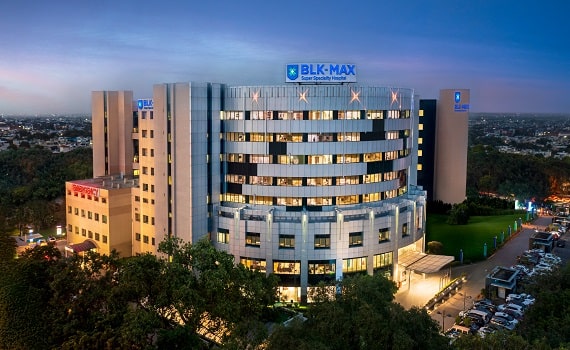
BLK-Max супер мэргэжлийн эмнэлэг, Нью Дели
Шинэ Дели дэх BLK-Max Super Specialty эмнэлэг нь 650 ортой, 22 дэвшилтэт мэс заслын тасаг, 13 мэргэжлийн төвийг санал болгодог Энэтхэгийн эрүүл мэндий...
Хэрцийлсэн
Нэгж
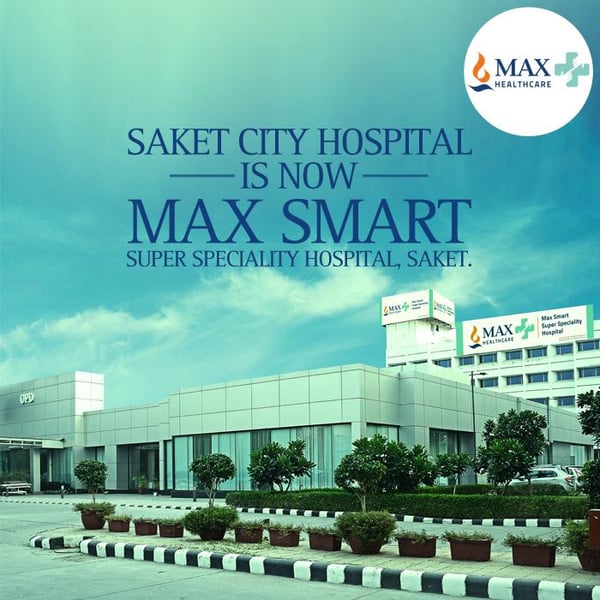
Макс Смарт супер мэргэжлийн эмнэлэг, Сакет, Шинэ Дели
Макс Смарт супер мэргэжлийн эмнэлэг, Сакет нь Өмнөд Дели дэх 250 ортой гуравдугаар шатлалын эмнэлэг юм. Энэ нь зүрхний шинжлэх ухаан, онкологи, ортопе...
Хэрцийлсэн
Нэгж
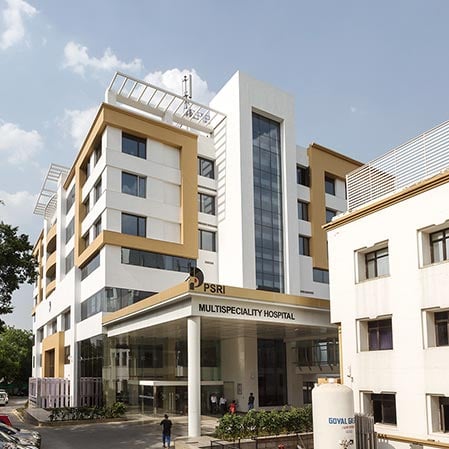
PSRI эмнэлэг, Дели
Пушпавати Синганиа Судалгааны Хүрээлэн (PSRI эмнэлэг), Нью Дели нь 1996 онд JK группээс үүсгэн байгуулсан олон төрлийн гуравдагч шатлалын тэргүүлэх эм...
Хэрцийлсэн
Нэгж
Ижил төстэй журам
Галерея
FAQ
Шалгагч
Бүгдийг харах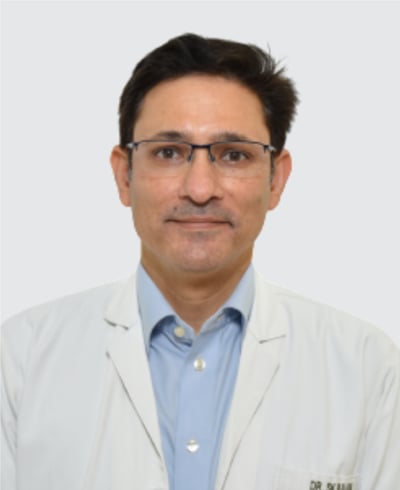
Dr. SK Rajan is an internationally trained and AO-certified Spine Surgeon with extensive expertise in managing complex spinal disorders. He has trained at leading national and global institutions, i... Цааш унших

Манай вэбсайт нь жигнэмэг хэрэглэдэг. Нууцлалын бодлого.