
Qalabka Caawinta Hawo-mareenka Bidix - LVAD Qiimaha Hindiya
Ku saabsan Qalabka Caawinta Hawo-mareenka Bidix - LVAD
Waa maxay Aaladda Caawinta Ventricular ee Bidix (LVAD)?
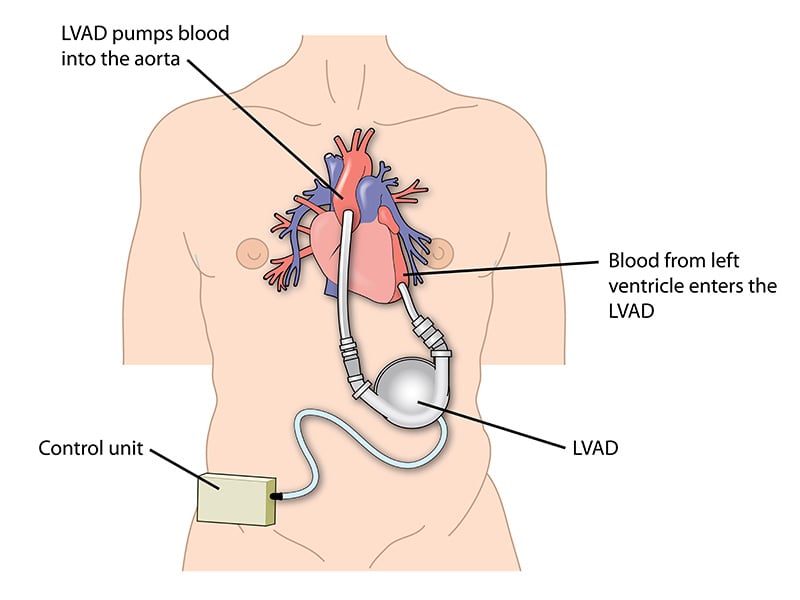
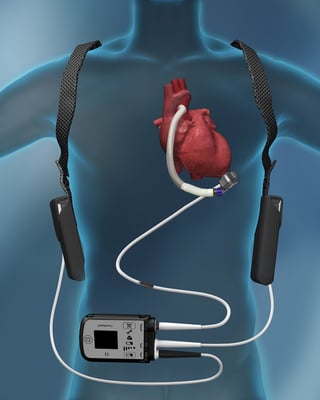
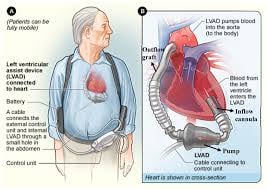
Qalabka caawinta hawo-mareenka bidix, oo loo soo gaabiyo LVAD, waa bamka farsamaysan ee caawiya ventricle-ka bidix (qolka bamgareynta wadnaha ee ugu weyn) inuu dhiigga ku wareego jirka oo dhan. Dhakhaatiirtu waxay ku dhejiyaan aaladda gudaha laabta inta lagu jiro qalliinka wadnaha furan. Marka meesha la joogo, LVAD wuxuu la wareegayaa shaqada garaaca wadnaha, isagoo hubinaya in dhiigga hodanka ku ah ogsijiinta uu sii wado qulqulka xubnaha muhiimka ah ee jirka oo dhan.
LVAD-yadu waxay faa'iido u leeyihiin bukaanada qaba wadne-gabka sareeyo, ugu horrayn marka dawooyinku aanay sii bixin gargaar. Si ka duwan wadarta wadnaha macmalka ah, kaas oo bedelaya wadnaha oo dhan, LVAD wuxuu la shaqeeyaa wadnaha bukaanka ee jira, taageeraya shaqadiisa daciifka ah.
Qalabku wuxuu ka kooban yahay dhowr qaybood oo muhiim ah:
- Abamka, kaas oo lagu beero gudaha laabta oo ku xiran wadnaha.
- Afiilada wadista, kaas oo dhex mara maqaarka oo ku xira bamka iyo kantaroolaha.
- Axakameeye, xidho meel ka baxsan jidhka, kaas oo awood u leh oo kormeera bamka.
- Qayb ka mid ahbaytariyada dib loo buuxin karo ama qayb koronto, kaas oo ka dhigaya in nidaamku socdo 24/7.
LVADs waxay soo mareen horumar la taaban karo sanadihii la soo dhaafay. Moodooyinka maanta waa ka yar yihiin, ka aamusan yihiin, oo aad waxtar u leh. Bukaan-socodka waxay ku noolaan karaan nolol firfircoon oo leh daryeel habboon, inta badan waxay la kulmaan horumar la taaban karo oo calaamadahooda, heerarka tamarta, iyo shaqada maalinlaha ah.
Maxay Bukaanku ugu baahan yihiin LVAD?
Bukaan-socodka waxay u baahan yihiin aalad caawinta hawo-mareenka bidix marka wadnahooda uu noqdo mid aad u jilicsan oo si wax ku ool ah keligiis ugu shubo dhiigga. Xaaladdani waxay caadi ahaan ka soo baxdaa marxaladda dhamaadka wadno-gabka, marka dawooyinka iyo daawaynta aan fiicneyn ay mar dambe maareeyaan calaamadaha ama ay ka hortagaan xumaan.
LVAD ma aha daawaynta safka koowaad. Dhakhaatiirtu waxay inta badan ku taliyaan marka bukaanku isku dayo daawaynta ugu badan (oo ay ku jiraan ACE inhibitors, beta-blockers, diuretics, iyo daroogooyinka kale) laakiin wali waxay la halgamayaan daal, neefta, xajinta dareeraha, iyo soo saarista wadnaha oo hooseeya. Xaaladahan oo kale, LVAD waxay bixisaa taageero farsamo si loo soo celiyo wareegga iyo in la yareeyo culeyska wadnaha.
Waxaa jira saddex xaaladood oo waaweyn oo ay dhakhaatiirtu isticmaalaan LVAD:
- Buundada Ku-tallaalidda:Bukaanada u sharaxan beerista wadnaha laakiin wajaha wakhti dheer oo sugitaan ah waxay inta badan helaan LVAD si ay u dejiyaan xaaladooda oo ay u noolaadaan oo ay u shaqeeyaan ilaa wadnaha deeqaha laga helayo.
- Daaweynta Meesha:Bukaannada aan u qalmin beerista wadnaha da'da, jirrooyinka kale, ama doorashada shakhsi ahaaneed waxay heli karaan LVAD sidii xal waqti dheer ah. Xaaladahan oo kale, qalabku wuxuu u shaqeeyaa sidii beddel joogto ah oo beddelidda, inta badan waxay kordhisaa nolosha dhowr sano.
- Buundada soo kabashada:Bukaanjiifka qaarkood, gaar ahaan kuwa qaba wadnaha ku-meel-gaarka ah ee ku-meel-gaadhka ah ee caabuqyada, myocarditis, ama dhibaatooyinka qalliinka ka dib, LVAD waxay taageertaa wadnaha muddo dheer oo ku filan si ay ugu oggolaato inuu ka soo kabsado keligiis. Marka wadnuhu awoodiisa dib u helo, dhakhaatiirtu waxay ka saari karaan qalabka.
Dhakhaatiirtu waxay qiimeeyaan bukaan kasta xaaladiisa caafimaad, cudurada isku midka ah, shaqada wadnaha, iyo saadaasha guud ka hor intaysan ku talin in LVAD la geliyo. Xulashada saxda ah ee bukaanka, qalabku wuxuu kordhin karaa heerka badbaadada wuxuuna hagaajin karaa tayada nolosha, isagoo siinaya bukaanada fursad labaad oo nolosha ah.
Waa Kuma Musharaxa LVAD?
Bukaanku waxa uu noqdaa musharrax gelinta aaladaha caawinta ventricular-ka bidix marka ay la ildaran yihiin wadno-qabsi sare oo aan hadda lagu maarayn dawooyinka ama daawaynta kale ee aan qalliinka ahayn. Dhakhaatiirtu waxay LVAD u tixgeliyaan shakhsiyaadka shaqadooda wadnuhu aad u liidato oo sii wada inay la kulmaan calaamado daciif ah in kasta oo daawayn caafimaad la hagaajiyay.
Shuruudaha muhiimka ah ee musharaxnimada LVAD waxaa ka mid ah:
- Dhamaadka Marxaladda Wadnaha (Fasalka NYHA ama IV):Musharixiinta sida caadiga ah waxay leeyihiin New York Heart Association Class III ama IV wadne hawlgab. Waxay la macno tahay inay dareemaan astaamo ay ka mid yihiin neefta oo ku dhegta, daal, ama barar, xitaa markay nasanayaan ama dhaqdhaqaaq jireed oo yar.
- Jajabka Soo saarista oo la dhimay:Bukaan-socodka caadi ahaan waxay leeyihiin jajab ka bixista hawo-mareenka bidix (LVEF) oo ka yar 25%, taas oo muujinaysa in wadnuhu uu garaaco qadar yar oo dhiig ah garaac kasta.
- Aan Ka Jawaabin Dawooyinka:In kasta oo ay helaan dawooyinka wadne-gabowga ee lagu hago, bukaannadani waxay sii wadaan inay ka sii daraan ama ay ku guul daraysteen inay horumariyaan.
- U Qalma Ku-tallaalid (ama Maya):Qaar ka mid ah dadka qaata LVAD waxay sugayaan beddelka wadnaha (buundada tallaalka), halka kuwa kalena aysan ku habboonayn ku-tallaalidda da'da ama cilladaha (daaweynta meesha). Labada kooxoodba waxa laga yaabaa inay xaq u yeeshaan iyadoo lagu salaynayo heerka shaqo ee guud iyo tayada yoolalka nolosha.
- Ma jiraan wax ka hortag ah:Bukaan-socodka waa in aysan qabin caabuqyo aan la xakameynin, kelyaha ama beerka oo xumaada, cilladaha xinjirowga, ama dhaawac maskaxeed oo aan laga laaban karin. Xaaladahaas waxay adkeyn karaan qalliinka ama waxay dhaawacayaan soo kabashada.
- Nidaamka Taageerada Ku Filan:Sababtoo ah LVAD waxay u baahan tahay maaraynta aaladda nolosha oo dhan, dabagal, iyo fiiro gaar ah xagga nadaafadda iyo sahayda korontada, bukaanku waa inuu lahaadaa jawi deggan oo guri iyo taageero daryeel bixiyaha.
Sidee buu u shaqeeyaa Habka Maqaargelinta LVAD?
Nidaamka maqaar-galaha LVAD waa qalliin weyn oo wadnaha furan oo lagu sameeyo hoostiisasuuxinta guud. Waxay ku lug leedahay gelinta bamka farsamada gudaha laabta si ay u caawiso ventricle bidix ee daciifka ah ee wareegga dhiigga. Habka oo dhan caadi ahaan wuu socdaa4 ilaa 6 saacadood, waxaana si dhow loola socdaa bukaanka ka hor, inta lagu jiro, iyo ka dib qaliinka.
Diyaarinta Qalliinka kahor
Qaliinka ka hor, bukaanku waxa la mariyaa qiimayn buuxda oo ay ku jirtoEchocardiograms,raajo laabta,baaritaanka dhiiggaiyo, xaaladaha qaarkood,catheterization wadnaha. Waxay ka caawisaa kooxda qalliinka inay qiimeeyaan shaqada wadnaha, caafimaadka sambabada, iyo u diyaargarowga hawsha. Bukaanka waxa la dhigaa hal ama laba maalmood ka hor qalliinka, iyo koox u go'ay wadne xanuun - oo ay ku jiraan takhtarka wadnaha, dhakhtarka wadnaha, suuxinta, iyo farsamada qalabka-waxay abuuraan qorshe qalliin oo habaysan.
Tallaabooyinka qaliinka
- Suuxinta iyo Jeexida:Dhakhtarka qaliinka ayaa maamula suuxinta guud, isaga oo hubinaya in bukaanku gabi ahaanba suuxsan yahay oo aanu xanuun lahayn. sternotomy khadka dhexe (la jeexitaan laabta) ayaa la sameeyaa si loo galo wadnaha.
- Lifaaqa Bamka LVAD:Qulqulka qulqulka LVAD wuxuu ku xiran yahay hawo-mareenka bidix, cannula-ka soo baxayaa wuxuu ku xiran yahay aorta kor u kaca. Halbowlahan weyn ayaa dhiigga u qaybiya jirka. Habayntani waxay u ogolaanaysaa bamka inuu dhiig ka soo saaro ventricle bidix ee shaqayn waayay oo uu si toos ah ugu gudbiyo wareegga habdhiska.
- Koontaroolka iyo Meelaynta Khadka Wada:Fiilada loo yaqaan khadka wadista waxay ku xidhaa bamka gudaha iyo kontoroolka dibadda iyo baakadka. Fiiladani waxa ay dhex martaa maqaarka waxaana lagu xidhaa qalab la xidhan karo oo uu bukaanku isticmaalo maalin kasta. Kantarooluhu wuxuu maamulaa xawaaraha bamka wuxuuna bixiyaa digniino haddii ay wax cillad ahi timaado.
- Xidhitaanka Laabta:Marka dhammaan isku xirka ay sugan yihiin oo bamka lagu tijaabiyo shaqeyntiisa, kooxda qalliinka waxay laabta ku xiraan tolmo ama qalab qalliin. Bukaanka LVAD ayaa markaa loo wareejinayaa qaybta daryeelka degdega ah ee wadnaha (ICU) si loola socdo iyo daryeel dhow.
Soo kabashada qaliinka kadib
Bukaan-socodka ayaa ku jira ICU-da wadnaha 2 ilaa 3 maalmood ka dibna waxaa loo wareejinayaa unug wadnaha hoos u socda. Inta lagu jiro joogitaanka cisbitaalka, kooxda daryeelku waxay la socdaan shaqada wadnaha, bogsashada dhaawaca, khatarta caabuqa, iyo waxqabadka qalabka si loo hubiyo daryeelka ugu fiican ee bukaanka. Daaweynta jireed waxay bilaabataa goor hore si ay u caawiso habka soo kabashada. Wadarta joogitaanka cusbitaalku waxa uu socdaa ilaa 2 ilaa 4 todobaad, taas oo ku xidhan xaalada bukaanka iyo jawaabta habsocodka.
Dhakhaatiirta iyo kalkaaliyayaasha caafimaadku waxay sidoo kale siiyaan tabobar qotodheer bukaanka iyo daryeel bixiyayaasha sida loo isticmaalo loona ilaaliyo LVAD, oo ay ku jiraan tilmaamaha ku saabsan beddelka batteriga, maaraynta kontoroolka, iyo maaraynta degdega ah.
Hel qorshe daaweyn oo bilaash ah
Qiyaastii Qalabka Caawinta Hawo-mareenka Bidix - LVAD gudaha Hindiya
What Is the Cost of LVAD Surgery in India?
The cost of left ventricular assist device (LVAD) surgery in India typically ranges from $45,000 to $65,000 for international patients. The price is significantly lower than what the same procedure would cost in the United States or Europe, where total costs often exceed $150,000 to $200,000. Despite the lower price, patients receive high-quality care, advanced surgical techniques, and internationally approved devices.
The total price of LVAD surgery in India generally includes:
- The LVAD device (FDA- or CE-approved, such as HeartMate 3 or HeartWare HVAD)
- Surgeon's and anesthetist's fees
- Operating room charges and surgical consumables
- Cardiac ICU stay and monitoring
- Hospital stay (14 to 21 days)
- Preoperative investigations and imaging
- Postoperative care and physiotherapy
- Patient and caregiver training sessions
- Follow-up consultations during the hospital stay
Note: The price range varies depending on factors such as hospital location, surgeon's experience, duration of hospitalization, device brand, and any complications that require extended care.
LVAD Surgery Cost Breakdown in India:
Category | Estimated Cost (in USD) |
| LVAD Device (HeartMate 3 or similar) | $25,000 – $35,000 |
| Surgical Fees | $4,000 – $6,000 |
| Anesthesia & ICU Charges | $3,000 – $5,000 |
| Hospital Stay (14–21 days) | $4,000 – $6,000 |
| Preoperative Tests & Imaging | $1,500 – $2,000 |
| Surgical Consumables | $1,000 – $2,000 |
| Post-Op Medications & Therapy | $1,000 – $1,500 |
| Device Controller & Accessories | $2,500 – $3,000 |
| Patient Education & Device Training | $500 – $1,000 |
| Follow-Up During Hospital Stay | $500 – $1,000 |
Total Estimated Cost: $45,000 – $65,000
This breakdown offers a transparent view of the factors that contribute to the overall cost of LVAD surgery in India. Most hospitals provide package-based pricing, but additional charges may apply if patients require extended ICU support, have pre-existing medical conditions, or require long-term hospitalization.
International patients are advised to request all-inclusive quotes that clearly outline the currency conversion, the inclusion of companion stay, visa assistance, and post-discharge follow-up support.
What Factors Influence the Cost of LVAD in India?
Several factors influence the final price of left ventricular assist device surgery in India, despite the country already offering highly competitive prices compared to the West.
- Choice of Hospital and Location: Hospitals in metro cities like Delhi, Mumbai, and Bangalore may charge more due to advanced infrastructure, JCI or NABH accreditations, and higher staffing costs.
- Brand and Type of LVAD Device: The cost varies depending on whether the hospital uses premium, FDA-approved devices, such as the HeartMate 3 or HeartWare HVAD. These devices are reliable and long-lasting, but they come at a higher base cost, which is reflected in the overall package.
- Experience of the Surgical Team: Highly experienced cardiac surgeons who specialize in mechanical circulatory support typically charge more. However, their involvement also increases safety, improves surgical outcomes, and reduces costs associated with complications.
- Preoperative and Postoperative Requirements: Patients with comorbidities such as diabetes, kidney disease, or lung issues may need additional diagnostic workups, ICU time, or specialist consultations, which can increase the total expense.
- Length of Hospital Stay: If complications arise or recovery is slower than expected, patients may need to stay longer in the ICU or ward, resulting in higher room, nursing, and care charges.
- Patient's Medical Condition: Patients in critical condition who require urgent surgery, multiple devices, or additional cardiac procedures, such as valve repair, may face higher overall costs due to the complexity of their condition.
Why Choose India for LVAD Implantation?
India has emerged as one of the most sought-after destinations for left ventricular assist device (LVAD) implantation, especially among international patients. The country combines cutting-edge medical technology, globally trained cardiac specialists, and cost-effective treatment, making it an ideal option for patients seeking advanced management of heart failure.
- World-Class Cardiac Expertise: India is home to some of the finest cardiac surgeons who specialize in mechanical circulatory support, including LVADs. Many of these experts have trained at top institutions in the US, UK, or Germany, bringing decades of experience in handling high-risk heart failure cases.
- FDA- and CE-Approved Devices: Indian hospitals utilize the latest generation of LVAD systems, including HeartMate 3 and HeartWare HVAD, which are approved by global regulatory bodies and are widely used in the West. These devices are recognized for their reliability, enhanced hemocompatibility, and reduced risk of thrombosis or stroke.
- Significant Cost Savings: LVAD surgery in India costs up to 70% less than in the United States, Canada, or Western Europe. International patients can expect complete LVAD treatment, including the device, surgery, hospital stay, ICU care, and medications, for around $45,000 to $65,000.
- Infrastructure That Matches Global Standards: Top cardiac centers in cities like Delhi, Mumbai, Chennai, and Bangalore offer state-of-the-art operating rooms, hybrid cath labs, and fully equipped cardiac ICUs.
- Proven Track Record with International Patients: Thousands of patients from countries such as Nigeria, Kenya, Iraq, Bangladesh, and the UAE have chosen India for LVAD surgery. High satisfaction rates, excellent outcomes, and positive word of mouth have solidified India's reputation as a global hub for heart care.
Support Services for International Patients
India offers a wide range of specialized support services to make LVAD surgery accessible, safe, and stress-free for international patients.
- Visa Assistance and Medical Invitation Letters: Most top cardiac hospitals in India offer medical visa invitation letters and assist with coordinating the necessary documentation for embassy approval.
- Airport Pickup and Local Transportation: Hospitals arrange airport pickup services in comfortable, air-conditioned vehicles. Patients and their companions are transported directly to the hospital or their accommodation without hassle.
- Language and Translation Services: India's major hospitals employ multilingual support teams and professional interpreters fluent in Arabic, French, Swahili, Russian, and other widely spoken languages.
- Affordable Accommodation Options: International desks assist with booking nearby guesthouses, serviced apartments, or hospital-based lodging that are hygienic, safe, and reasonably priced.
- Dedicated International Patient Coordinators: Every international patient is assigned a devoted case manager or patient coordinator who serves as the single point of contact. They handle scheduling, billing, pharmacy support, dietary needs, and any personal requests throughout the hospital stay.
- Post-Discharge Follow-Up and Teleconsultation: After discharge, hospitals provide regular teleconsultations to ensure the LVAD device is functioning correctly and address any concerns.
- Caregiver Training and Emergency Support: Before leaving the hospital, both patients and their caregivers undergo hands-on training in LVAD management, including changing batteries, handling alarms, and recognizing complications.
LVAD Success Rate and Life Expectancy in India
India has achieved impressive outcomes with left ventricular assist device implantation, thanks to advancements in cardiac surgery, skilled medical teams, and the availability of globally approved devices. Most leading cardiac centers in India now report success rates between 85% and 92% for LVAD procedures in carefully selected patients. These outcomes are comparable to those of top international heart institutes. Many patients who receive an LVAD as a bridge to transplant survive long enough to receive a donor's heart and experience excellent long-term outcomes. For those receiving LVAD as destination therapy, life expectancy has also increased, with studies showing survival rates of 70% at two years and 50% at five years post-implantation.
In India, the careful selection of patients, rigorous infection control measures, and continuous device monitoring have helped reduce common risks such as driveline infections or clot formation. Moreover, the use of newer-generation devices, such as the HeartMate 3, has minimized complications, including pump thrombosis and stroke.
Patients who respond well to the procedure often regain mobility, return to daily routines, and even travel, provided they manage the device correctly and adhere to medical advice. The emotional and physical burden of severe heart failure also eases significantly, allowing patients to live with greater independence and stability.
Continued improvements in device technology and postoperative care are anticipated to further enhance life expectancy and outcomes for LVAD patients in India in the years to come.
Is India a Safe Option for LVAD Surgery?
Yes, India is considered a safe and reliable destination for left ventricular assist device surgery, particularly for international patients seeking advanced cardiac care at an affordable price. The safety of LVAD implantation in India is backed by world-class infrastructure, internationally trained surgeons, and strict adherence to global healthcare standards.
Top cardiac hospitals in India follow evidence-based protocols for preoperative assessment, infection prevention, anesthesia, and post-surgical care. Many facilities are accredited by international bodies, such as the Joint Commission International (JCI) and the National Accreditation Board for Hospitals (NABH), ensuring quality assurance and patient safety at every step.
Modern hospitals in India also use advanced cardiac operating rooms, intraoperative imaging, and automated device calibration systems to reduce procedural risks. Postoperative care includes intensive monitoring in cardiac ICUs equipped with 24/7 telemetry, infection control units, and advanced life-support systems.
Infection control is a high priority, especially given the driveline involved in LVADs. Indian hospitals implement strict wound care protocols and educate patients on proper home hygiene and device maintenance to prevent complications.
International patients receive additional safety support through dedicated case managers, interpreters, and round-the-clock access to their medical teams. These services ensure that patients feel safe, informed, and cared for throughout their entire experience, from arrival to discharge and beyond.
Recovery Process and Timeline After LVAD Surgery
Recovery after left ventricular assist device surgery is gradual, but with proper care, patients can regain independence and resume many everyday activities.
Immediate Post-Surgery Phase (Week 1–2)
After surgery, the patient is transferred to the cardiac intensive care unit (ICU), where doctors closely monitor vital signs, device function, and heart performance. The ICU stay typically lasts 2 to 4 days, depending on the patient's response and condition.
Once stable, the patient is shifted to a step-down cardiac care unit for continued monitoring and early mobilization. Nurses help patients start with light physical activity and respiratory therapy to prevent complications such as pneumonia or blood clots.
Doctors begin training the patient and caregiver on how to manage the LVAD device, including how to respond to alarms, replace batteries, and care for the driveline exit site to prevent infection.
Hospital Stay and Discharge (Week 2–3)
Most patients stay in the hospital for around 14 to 21 days. Before discharge, they must demonstrate a good understanding of LVAD care. The hospital team also evaluates wound healing, organ function, and psychological readiness. A detailed care plan is provided, including medication schedules, dressing instructions, and emergency protocols.
By the time of discharge, most patients can walk short distances, climb a few stairs, and perform basic self-care tasks. The device settings are optimized, and telemonitoring is often arranged for follow-up from the patient's home country.
Recovery at Home (Month 1–3)
Once home, the patient needs a quiet, clean environment and assistance from a trained caregiver. Regular dressing changes, adherence to medication, and avoiding heavy lifting are essential. Most patients regain strength gradually and can resume light household activities within a few weeks.
Mid- to Long-Term Recovery (After 3 Months)
By three months, most patients see significant improvements in breathing, energy levels, and overall mobility. Many work-from-home tasks can be performed remotely, including attending social events and even traveling, provided they carry backup equipment and maintain strict device hygiene practices.
After six months, many LVAD patients reach a stable recovery stage. If the LVAD was implanted as a bridge to transplant, the transplant listing process may begin. If it was intended as destination therapy, patients continue with long-term monitoring and support.
Lifestyle Adjustments and Ongoing Care
While LVADs restore circulation and extend life, patients must adapt to a new lifestyle. They need to avoid swimming, extreme sports, and exposure to magnetic fields. They also require lifelong anticoagulation (blood thinning) and regular blood tests.
With good care, most LVAD patients in India live for 5 to 10 years or longer, depending on their underlying condition and how well they follow medical advice.
Qalabka Caawinta Hawo-mareenka Bidix - LVAD Isbarbardhigga Qiimaha Dal ahaan
Isbarbar dhig bogga
| Baaddiye | Kala duwanaanshaha qiimaha (USD) | Kaydinta suurtagalka ah | Waxqabad |
|---|---|---|---|
HindiyaQul-qulQiimaha ugu fiican | $45,000 - $65,000 | — | Soo xigasho |
Xusuusin: Kharashaadka ayaa ku kala duwanaan kara iyadoo lagu saleynayo doorashada isbitaalka, nooca qolka, adeegyada dheeraadka ah, iyo baahiyaha caafimaad ee shaqsiyadeed.
Cisbitaalada hogaaminaya Qalabka Caawinta Hawo-mareenka Bidix - LVAD gudaha Hindiya
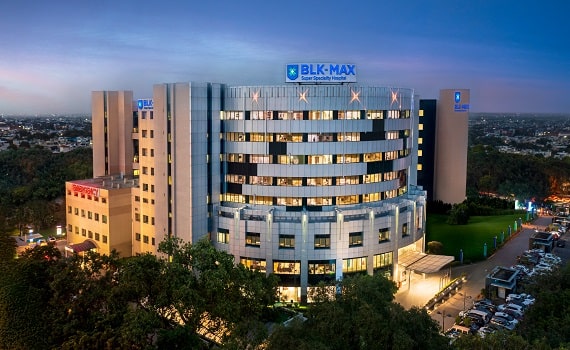
BLK-Max Super Specialty Hospital, New Delhi
BLK-Max Super Specialty Hospital ee New Delhi waa mid ka mid ah xarumaha daryeelka caafimaadka ee Hindiya, oo bixiya 650 sariirood, 22 tiyaatar qallii...
Aqoonsado
Gadawiya xarumaha
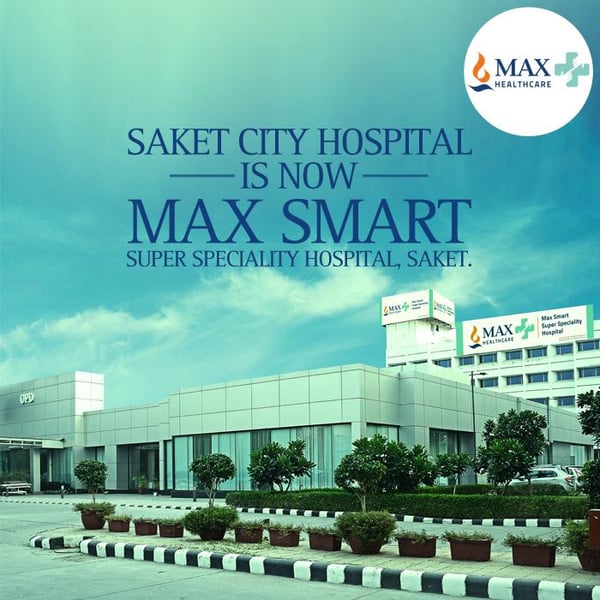
Max Smart Super Specialty Hospital, Saket, New Delhi
Max Smart Super Specialty Hospital, Saket, waa cosbitaal daryeel jaamacadeed 250 sariirood leh oo ku yaal South Delhi. Waxay bixisaa daryeel caafimaad...
Aqoonsado
Gadawiya xarumaha
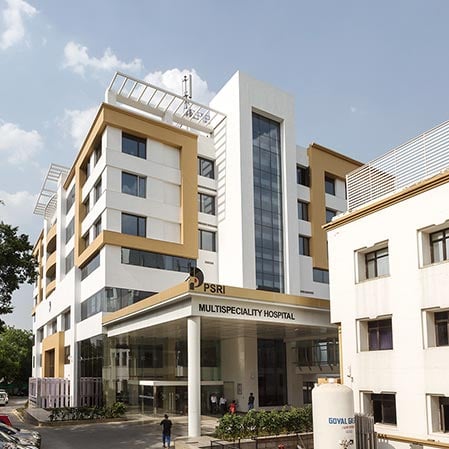
Isbitaalka PSRI, Delhi
Pushpawati Singhania Research Institute (PSRI Hospital), New Delhi, waa hormoodka ah cisbitaal daryeel jaamacadeed oo badan oo khaas ah oo ay aasaasee...
Aqoonsado
Gadawiya xarumaha
Nidaamyada la midka ah
Rug bandhig
Warqad maqas
Eeg
All
Dr. Biswarup Purkayastha is a highly skilled cardiothoracic and vascular surgeon with extensive experience in heart and lung transplantation. He has worked across leading Indian hospitals, gaining s... Akhri wax dheeraad ah

Websaydhkeenu wuxuu adeegsadaa cookies. Qaanuunka Arrimaha Khaaska ah.