
Qalliinka karbaash Qiimaha Hindiya
Ku saabsan Qalliinka karbaash
Waa maxay Habka Whipple?
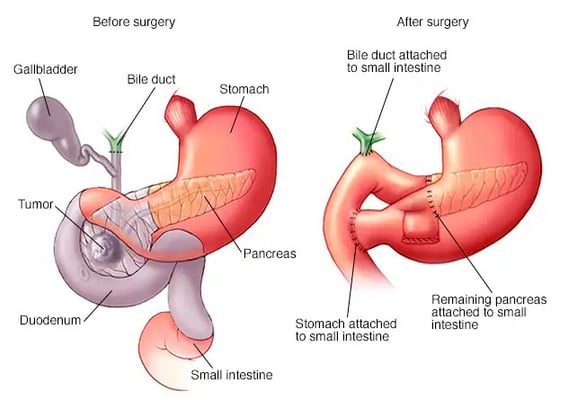
Habka Whipple, sidoo kale loo yaqaanpankreatikoduodenectomy, waxay ka saartaa madaxa ganaca oo ay weheliso qayb yar oo ka mid ah xiidmaha yar, xuubka xameetida, iyo xameetida. Dhakhaatiirta qaliinka ayaa qalliinkan u sameeya si ay u daweeyaan kansarrada ka bilaabma gudahaxameetida, xameetida, ama duodenum.
Hadafka qaliinka waa ingabi ahaanba ka saar buradaiyo soo celinta shaqada dheefshiidka caadiga ah. Ka dib markii uu ka saaro qaybaha ay saameeyeen, dhakhtarku wuxuu dib u xiraa xubnaha haray si uu u ilaaliyo socodka dabiiciga ah ee bile iyo casiirka dheefshiidka.
Nidaamka Whipple wuxuu bixiyaa fursadda ugu wanaagsan ee badbaadada muddada-dheer ee bukaannada qaba kansarka hore ee ganaca ama kaansarka periampulullary. Hababka qalliinka ee casriga ah, soo kabashada waxay noqotay mid dhakhso badan, badbaado leh, iyo guulo ka badan sidii hore.
Waa maxay shuruudaha looga baahan yahay Habka Whipple?
Dhakhaatiirtu waxay ku taliyaan nidaamka Whipple marka burada ama xannibaadda ay saamayso madaxa xameetida ama xubnaha u dhow. Qalliinku waxa uu meesha ka saarayaa unug buka oo waxa uu caawiyaa soo celinta dheefshiidka caadiga ah iyo socodka xaniinyaha.
- Kansarka ganaca:Bukaanjiifka badankoodu waxa ay maraan qaliinkan kansarka madaxa ee ganaca. Nidaamku waxa uu meesha ka saarayaa buro ka hor inta aanu ku faafin unugyada ku xeeran, isaga oo siinaya fursadda ugu wanaagsan ee daawaynta iyo xakamaynta muddada dheer.
- Kansarka Ampulary:Marka uu kansarku ka bilowdo meel u dhow ampulla ee Vater, qalliinka Whipple wuxuu nadiifiyaa xannibaadda wuxuuna baabi'iyaa gebi ahaanba burada.
- Kansarka Dhuumaha Bile (Cholangiocarcinoma):Haddii kansarku ka soo baxo qaybta hoose ee xiniinyaha, takhaatiirtu waxay sameeyaan nidaamka Whipple si ay meesha uga saaraan qaybta ay saameysay oo ay dib ugu xiraan dhuumaha caafimaadka qaba si ay u helaan dheecaan siman.
- Kansarka Duodenal:Kansarrada ka bilaabma qaybta hore ee mindhicirka yar (duodenum) inta badan waxay u baahan yihiin qaliinkan si looga hortago xannibaadda iyo faafitaanka.
- Xaaladaha Wanaagsan ama Kahor Kansarka:Habka Whipple waxa kale oo uu daaweeyaa finanka ganaca ee aan kansarka lahayn, pankreatit raaga, iyo nabarrada hore ee kansarka oo laga yaabo in hadhow noqdaan kuwo xun.
Qalliinkan ayaa weli ahkaliya doorashada daawayntaxanuuno badan oo caloosha iyo mindhicirka sare ah iyo xameetida marka la sameeyo wakhtiga saxda ah.
Sidee loo qabtaa Habka Whipple?
Dhakhaatiirta qalliinka waxay ku sameeyaan nidaamka Whipple iyadoo la raacayo suuxinta guud. Qalliinku inta badan wuu jiraalix ilaa siddeed saacadood, iyadoo ku xiran xajmiga burada iyo goobta. Qalliinku wuxuu ka saarayaa xubnaha ay saamaysay wuxuuna dib u xiraa habka dheef-shiidka, taasoo u oggolaanaysa jirku inuu si caadi ah u shaqeeyo ka dib habka.
Talaabada 1: Diyaarinta Qalliinka
- Dhakhaatiirtu waxay qiimeeyaan fayoobida bukaanka qalliinka ka hor iyada oo loo marayo tijaabooyinka dhiigga, sawirada sawirada, iyo qiimaynta wadnaha.
- Bukaanku habeen buu soomayaa, takhtarka suuxinta ayaa bixiya suuxinta si loo hubiyo raaxada iyo badbaadada buuxda inta lagu jiro qaliinka.
Talaabada 2: Ka Saaridda Xubnaha Ay Saamaysay
- Dhakhaatiirta qalliinka ayaa ka soo jeexiya caloosha sare (ama qalabyada laparoscopic ee qalliinka ugu yar ayuu isticmaalaa).
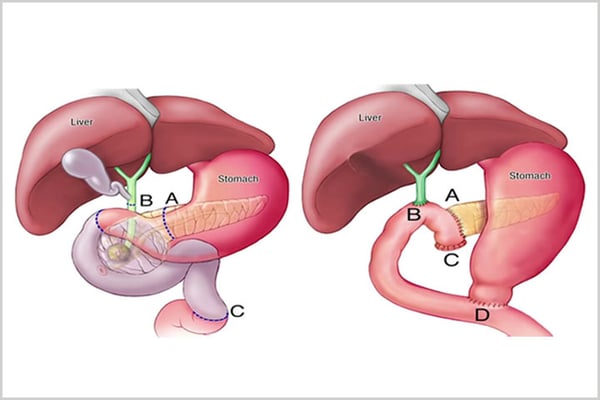
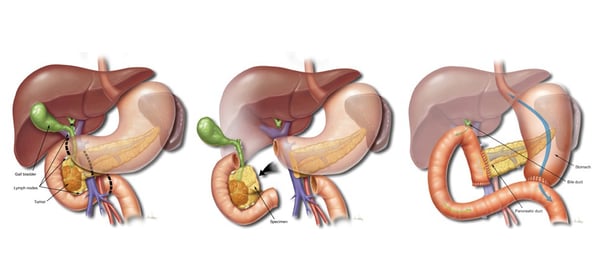
- Waxay meesha ka saaraanmadaxa xameetida,duodenum,xameetida, iyo qayb ka mid ahdhuunta xameetida.
- Haddii loo baahdo, qayb yar oo caloosha ah ayaa sidoo kale laga yaabaa in laga saaro si loo hubiyo dhammaystirka nadiifinta burada.
Tallaabada 3: Dib-u-dhiska
- Ka dib markii uu ka saaro xubnaha jirran, dhakhtarka qalliinka wuxuu dib u xiraa qaybaha haray ee habka dheef-shiidka.
- Thexameetida,dhuunta xameetidaiyocalooshawaxay ku xiran yihiin qaybaha kala duwan ee mindhicirka yar.
- Dib-u-dhiska ayaa u oggolaanaya enzymes-ka bile iyo dheef-shiid kiimikaadka inay si caadi ah u qulqulaan, ka caawinta jidhka inuu dheefshiido cuntada qalliinka ka dib.
Talaabada 4: Ikhtiyaarada ugu Yar ee Falalka iyo Robotic Whipple
- Isbitaalo badan oo Hindiya ku yaal ayaa hadda bixiyalaparoscopicamaqalliinka Whipple ee robotic.
- Farsamooyinkani waxay adeegsadaan jeexyo yaryar iyo kamarado horumarsan si loo gaaro saxnaan weyn iyo soo kabasho degdeg ah.
- Bukaanku waxay dareemaan xanuun yar, nabarro yar, iyo joogitaan isbitaal oo gaaban marka loo eego qalliinka furan.
Tallaabada 5: Soo kabashada degdega ah ee ICU
- Qalitaanka ka dib, bukaanka waxaa loo wareejinayaa ICU si loola socdo.
- Dhakhaatiirtu waxay eegaan calaamadaha muhiimka ah, tuubooyinka daadinta, iyo shaqada dheefshiidka ilaa bukaanku ka xasilayo.
- Marka xaaladdu soo roonaato, bukaanka waxaa loo rari doonaa qol gaar ah si uu u soo kabsado.
Hel qorshe daaweyn oo bilaash ah
Qiyaastii Qalliinka karbaash gudaha Hindiya
What Is the Cost of Whipple’s Procedure in India?
The average cost of Whipple’s procedure in India ranges between USD 7,000 and USD 11,000. This cost covers surgery, anesthesia, hospital stay, intensive care, and routine postoperative care. The exact amount depends on the patient’s condition, type of surgery, and total hospitalization period.
Whipple’s surgery in India costs almost one-tenth of what patients pay in Western countries, yet the medical standards remain equally high. Patients benefit from advanced surgical technology, shorter waiting times, and personalized care throughout the treatment journey.
Average Cost Breakdown
Component | Estimated Cost (USD) |
| Preoperative tests and imaging | 400 – 800 |
| Surgeon and anesthesia charges | 2,000 – 3,000 |
| Operation theatre and consumables | 1,500 – 2,000 |
| ICU and hospital stay (10–14 days) | 2,000 – 3,500 |
| Postoperative medicines and care | 500 – 700 |
| Total Estimated Cost | 7,000 – 11,000 |
Regional Cost Variation
Whipple’s procedure costs may vary slightly between Indian cities. Metropolitan centers such as Delhi, Mumbai, and Bangalore offer access to high-end facilities, while smaller towns provide similar expertise at lower prices. Regardless of location, patients receive transparent pricing and comprehensive packages that include all major medical expenses.
What Does the Cost of Whipple’s Procedure in India Include and Exclude?
Whipple’s procedure involves several steps, from preoperative testing to post-surgery recovery. Knowing what the treatment package covers helps patients plan their medical journey with confidence and avoid unexpected costs.
Inclusions: What’s Covered in the Cost
The standard Whipple’s procedure package in India usually covers:
- Pre-surgery evaluation, including blood tests, imaging, and specialist consultations.
- Surgeon and anesthesia charges for the whole duration of the operation.
- Operation theatre fees, instruments, and consumables used during surgery.
- ICU stay and hospital accommodation for 10 to 14 days, including nursing care.
- Standard medications, antibiotics, and pain management during hospitalization.
- Postoperative monitoring before discharge to ensure full recovery and stability.
- Follow-up visit at discharge, including dietary and recovery instructions.
These inclusions ensure that most major medical expenses are already part of the hospital package.
Exclusions: What’s Not Covered in the Cost
Some expenses remain outside the standard Whipple’s procedure package and depend on the patient’s personal needs or condition:
- International and domestic travel expenses.
- Accommodation and meals outside the hospital for the patient or companions.
- Visa processing and interpreter services.
- An additional hospital stay is required if the recovery period extends beyond the standard duration.
- Special diagnostic tests, such as PET-CT or genetic screening, may be necessary.
- Post-discharge medications for home use or long-term follow-up.
International patients should always request a written cost estimate before arrival. It ensures complete clarity about what the treatment package includes and helps with accurate budgeting.
What Factors Affect the Cost of Whipple’s Procedure in India?
The cost of Whipple’s procedure varies from one patient to another. Each case differs in surgical complexity, recovery needs, and overall medical requirements. Understanding these factors helps patients plan accurately and compare treatment options with confidence.
- Stage and Type of Disease: Early-stage pancreatic or bile duct cancers often need less complex surgery. Advanced disease may require a longer operation or reconstruction of nearby blood vessels, which increases the total cost.
- Type of Surgery Performed: The cost depends on whether the patient undergoes an open, laparoscopic, or robotic Whipple’s procedure. Minimally invasive and robotic surgeries cost slightly more but reduce hospital stay and recovery time.
- Duration of Hospital and ICU Stay: Whipple’s surgery usually requires 10 to 14 days of hospitalization, including ICU monitoring. Extended stays due to complications, infection control, or nutritional management add to the overall bill.
- Preoperative and Diagnostic Tests: Comprehensive imaging (CT, MRI, or endoscopic ultrasound) and laboratory evaluations determine tumor location and spread. Each additional test contributes to total expenses but ensures surgical accuracy and safety.
- Postoperative Care and Nutrition: After surgery, patients need specialized nutrition support and continuous monitoring. High-quality postoperative rehabilitation and nutritional supplements can slightly affect the total cost.
- Patient’s Age and Health Condition: Patients with diabetes, heart disease, or low immunity may need extra medical supervision. These factors can extend ICU stays or increase medication use, affecting overall costs.
- Technology and Facility Level: Hospitals with advanced infrastructure, modern ICU setups, and robotic equipment achieve greater precision and better outcomes. The technology used during surgery often determines a small portion of the final cost.
- Currency Exchange and Payment Mode: For international patients, exchange rate fluctuations and payment method (cash, wire transfer, or insurance) can slightly affect total expenditure.
How Does the Cost of Whipple’s Procedure in India Compare with Other Countries?
India performs Whipple’s procedure (pancreaticoduodenectomy) at a fraction of the global price while maintaining the same level of surgical precision and safety. International patients choose India not only for affordability but also for advanced technology, faster scheduling, and comprehensive post-surgery care.
Country | Average Cost (USD) | Estimated Savings (%) |
| India | 7,000 – 11,000 | — |
| United States | 45,000 – 80,000 | 75–85% |
| United Kingdom | 38,000 – 60,000 | 70–80% |
| Thailand | 18,000 – 25,000 | 50–60% |
| Singapore | 22,000 – 30,000 | 60–65% |
| UAE | 25,000 – 40,000 | 65–75% |
Even after including travel and living expenses, patients save tens of thousands of dollars by undergoing surgery in India. This cost advantage allows patients to access high-quality treatment quickly without the long waiting times common in Western healthcare systems.
What Is the Success Rate of Whipple’s Procedure in India?
The success rate of Whipple’s procedure in India ranges between 85% and 95%, depending on the stage of cancer and the patient’s overall health. This high rate reflects India’s use of modern surgical technology, expert surgical teams, and well-structured postoperative care.
Survival and Outcome Statistics
When doctors detect pancreatic or bile duct cancer early, Whipple’s surgery offers the best chance for long-term survival. Patients treated in early stages experience five-year survival rates of 40% to 50%, which aligns closely with global standards. Those with benign or precancerous conditions often recover fully and lead healthy, active lives.
Factors That Improve Success
Several key factors enhance the success of Whipple’s procedure in India:
- Early diagnosis and timely surgery before cancer spreads.
- Experienced surgical teams perform high volumes of pancreatic operations each year.
- Advanced imaging and robotic techniques that increase precision.
- Comprehensive postoperative monitoring to prevent infection or leakage.
- Strong nutritional and rehabilitation programs that support faster recovery.
Each of these factors contributes to improved outcomes and reduced complication rates. Many patients regain normal digestive health within a few months of surgery. With ongoing follow-up, balanced nutrition, and healthy lifestyle changes, long-term survival and quality of life continue to improve.
What Is the Recovery and Hospital Stay Like After Whipple’s Procedure?
Recovery after Whipple’s procedure takes time, care, and close medical supervision. Patients recover in phases, starting with intensive monitoring, then gradual strengthening, and finally dietary adaptation. With proper guidance, most patients regain stable health and return to regular routines within a few weeks.
Immediate Post-Surgery Phase
- After surgery, patients are moved to the ICU for 2 to 3 days.
- Doctors closely monitor heart rate, breathing, and digestion.
- Pain control, IV fluids, and antibiotics support healing during this early period.
- As the patient stabilizes, the medical team removes tubes and allows gentle movement to prevent stiffness.
Hospital Stay Duration
- Most Whipple surgery patients stay in the hospital for 10 to 14 days.
- During this time, doctors gradually introduce oral liquids and soft foods.
- Patients receive guidance on posture, wound care, and light walking to aid recovery.
- Before discharge, the team checks nutrition absorption and bowel function to ensure normal digestion.
At-Home Recovery
At home, recovery continues with simple but essential precautions:
- Eat small, frequent meals rich in protein and easy to digest.
- Avoid heavy lifting and physical strain for at least six weeks.
- Drink enough water to stay hydrated.
- Keep the surgical site clean and dry.
- Follow prescribed medications for pain and digestion.
Doctors schedule regular follow-up visits to track healing progress and check for any digestive discomfort.
Dietary Adjustment and Nutrition
- After Whipple’s surgery, the body takes time to adapt to its new digestive flow.
- Patients may need enzyme supplements or minor dietary modifications to improve absorption.
- A nutritionist helps plan meals that maintain weight and energy without causing bloating or fatigue.
Why Should You Choose India for Whipple’s Procedure?
India stands among the most trusted destinations for Whipple’s procedure (pancreaticoduodenectomy) because it combines advanced medical expertise with international-quality patient care.
- Advanced Surgical Expertise: Indian surgeons perform a large number of Whipple’s procedures every year, which sharpens their skill and consistency. Their experience in both open and minimally invasive approaches helps patients recover faster and lowers the risk of complications.
- Modern Medical Infrastructure: India’s top medical centers are equipped with state-of-the-art ICUs, robotic systems, and advanced imaging technology. These tools allow accurate tumor removal and smooth reconstruction, ensuring maximum preservation of digestive function.
- Comprehensive International Patient Support: Hospitals in India maintain dedicated international patient desks. These teams assist with visa invitations, travel coordination, interpreter services, and local stay arrangements, making the process effortless for patients and families.
- Short Waiting Time: Patients in India can schedule Whipple’s surgery within days of sharing their reports. Immediate evaluation and quick surgery scheduling prevent delays that often affect treatment success in other countries.
- Affordable, Transparent Pricing: India delivers world-class care at one-tenth the global cost, with no hidden charges. Hospitals provide detailed estimates in advance, helping patients confidently plan their budgets.
- Cultural Comfort and Communication: English is widely spoken among doctors, nurses, and staff across Indian hospitals. It ensures smooth communication, emotional comfort, and better understanding throughout treatment.
Global Reputation for Success: India’s consistent success rate of 85–95% in Whipple’s procedures, advanced post-surgery care, and holistic rehabilitation approach have made it a preferred destination for patients from over 70 countries.
Qalliinka karbaash Isbarbardhigga Qiimaha Dal ahaan
Isbarbar dhig bogga
| Baaddiye | Kala duwanaanshaha qiimaha (USD) | Kaydinta suurtagalka ah | Waxqabad |
|---|---|---|---|
HindiyaQul-qulQiimaha ugu fiican | $7,000 - $11,000 | — | Soo xigasho |
Xusuusin: Kharashaadka ayaa ku kala duwanaan kara iyadoo lagu saleynayo doorashada isbitaalka, nooca qolka, adeegyada dheeraadka ah, iyo baahiyaha caafimaad ee shaqsiyadeed.
Cisbitaalada hogaaminaya Qalliinka karbaash gudaha Hindiya

BLK-Max Super Specialty Hospital, New Delhi
BLK-Max Super Specialty Hospital ee New Delhi waa mid ka mid ah xarumaha daryeelka caafimaadka ee Hindiya, oo bixiya 650 sariirood, 22 tiyaatar qallii...
Aqoonsado


Gadawiya xarumaha

Max Smart Super Specialty Hospital, Saket, New Delhi
Max Smart Super Specialty Hospital, Saket, waa cosbitaal daryeel jaamacadeed 250 sariirood leh oo ku yaal South Delhi. Waxay bixisaa daryeel caafimaad...
Aqoonsado
Gadawiya xarumaha
Isbitaalka PSRI, Delhi
Pushpawati Singhania Research Institute (PSRI Hospital), New Delhi, waa hormoodka ah cisbitaal daryeel jaamacadeed oo badan oo khaas ah oo ay aasaasee...
Aqoonsado
Gadawiya xarumaha
Nidaamyada la midka ah
Rug bandhig
Warqad maqas
Eeg
All
Dr. Pradeep Chowbey is a globally renowned laparoscopic and bariatric surgeon known for pioneering minimally invasive surgery in India and the Asia-Pacific region. He is one of the first surgeons in... Akhri wax dheeraad ah

Websaydhkeenu wuxuu adeegsadaa cookies. Qaanuunka Arrimaha Khaaska ah.