
Hindistanda ýürek aýlanyş hirurgiýasy: görnüşleri, iň täze usullar we dikeldiş
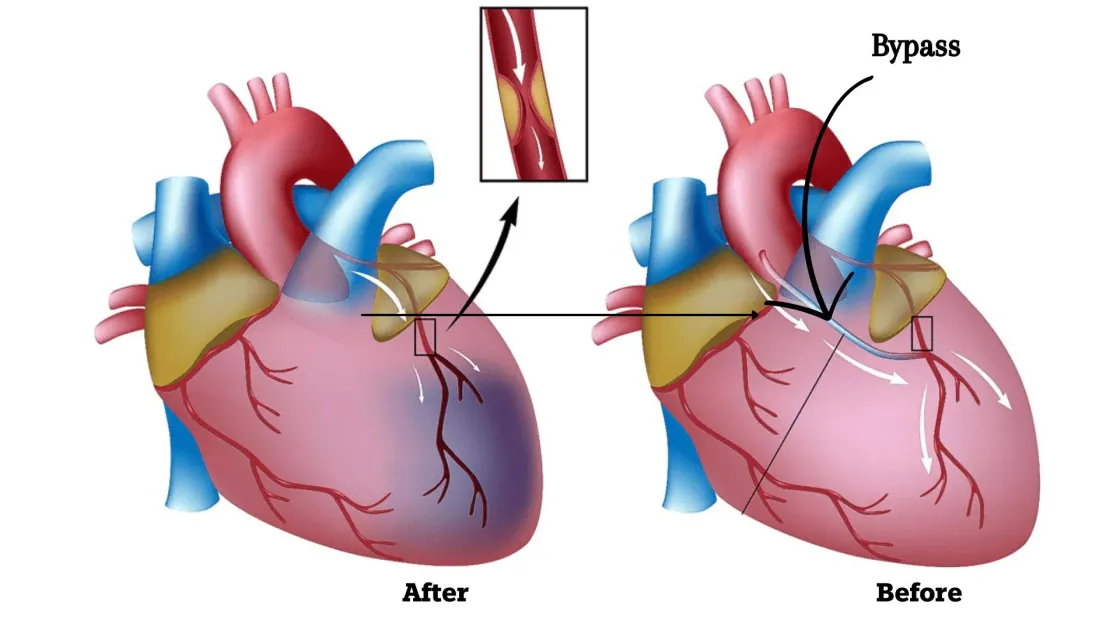
Cardiovascular disease is the world's leading cause of death, responsible for 17.9 million lives lost every year, according to the World Health Organisation. For patients diagnosed with severe coronary artery disease (CAD), heart bypass surgery, medically known as coronary artery bypass grafting (CABG), remains one of the most effective life-saving interventions available. It restores blood flow to a starved heart muscle and, for the right patient, delivers decades of improved quality of life.
The challenge for most international patients is not clinical. It is financial. CABG in the United States costs between USD 70,000 and USD 150,000. In the United Kingdom, private self-pay rates run from GBP 20,000 for a single bypass to GBP 44,000 for complex multi-vessel surgery. Many patients who need the procedure cannot access it at those prices or face months-long waiting lists in their home country's public system. In India, heart bypass surgery costs USD 5,000 to USD 9,000 at JCI-accredited hospitals.
India performs tens of thousands of CABG procedures annually for international patients, with success rates above 95 percent at leading cardiac centres, advanced surgical technology available at JCI- and NABH-accredited hospitals, and total treatment costs that are 70 to 85 percent below Western equivalents.
What Is Heart Bypass Surgery and Who Needs It?
CABG restores blood flow to the heart by creating new routes around blocked or narrowed coronary arteries. A surgeon harvests a healthy blood vessel, typically from the chest wall, forearm, or leg, and grafts it to bypass the obstruction, allowing oxygenated blood to reach the heart muscle that was previously deprived of it.
When Is CABG Recommended?
Cardiologists typically recommend bypass surgery when:
- Two or more coronary arteries are significantly blocked (usually more than 70 percent narrowed)
- The left main coronary artery is substantially narrowed, which affects blood supply to a large portion of the heart
- Coronary artery disease is present alongside reduced left ventricular function (ejection fraction below 35 percent)
- Stenting or angioplasty (PCI) has failed or is not technically feasible given the anatomy
- A patient experiences ongoing chest pain (angina) that does not respond to medication
The number of arteries bypassed determines whether the procedure is a single, double, triple, or quadruple bypass. Each graft adds surgical time but follows the same fundamental technique.
Graft Vessels Used
The choice of graft vessel significantly affects long-term outcomes:
- Left Internal Mammary Artery (LIMA): the gold standard graft, connected to the left anterior descending artery. Data consistently show that LIMA grafts remain patent in over 90 percent of cases at 10 years.
- Radial Artery (from the forearm): used increasingly for second and third grafts, with good long-term patency when harvested correctly
- Saphenous Vein (from the leg): commonly used for additional grafts; patency rates are lower than arterial grafts but remain clinically acceptable
What Types of CABG Are Performed in India?
India's leading cardiac centres offer all major CABG techniques, including minimally invasive approaches that reduce recovery time and surgical trauma significantly compared to conventional open-heart surgery.
Conventional On-Pump CABG
The traditional approach uses a heart-lung (cardiopulmonary bypass) machine to take over the heart and lung functions while the heart is temporarily stopped. The surgeon works on a still, bloodless field, which allows the most complex multi-vessel bypass work to be performed with precision. It remains the standard for high-risk and complex cases.
Off-Pump CABG (Beating Heart Surgery)
Off-pump CABG (OPCAB) is performed on a beating heart without the use of cardiopulmonary bypass. Specialised mechanical stabilisers hold the target area of the heart steady while the surgeon works. This approach avoids the inflammatory response and neurological risks associated with the bypass machine.
Data show off-pump CABG reduces the risk of stroke, kidney injury, and cognitive changes compared to conventional on-pump surgery in appropriately selected patients. India has particularly high expertise in OPCAB, and many leading centres report that the majority of their elective CABG procedures now use this technique.
Minimally Invasive Direct CABG (MIDCAB)
MIDCAB accesses the heart through a small incision between the ribs rather than a full sternotomy (splitting the breastbone). It is suited to patients who need single or limited-vessel bypass, particularly the left anterior descending artery. Recovery is significantly faster, with most patients leaving hospital in four to five days, compared with seven to ten days for conventional surgery.
How Does Robotic CABG Work and Where Is It Available in India?
Using the da Vinci Surgical System (4th generation), robotic CABG allows surgeons to perform complex bypass procedures through keyhole incisions with enhanced precision and three-dimensional visualisation. Multiple studies show that robotic CABG is associated with lower in-hospital mortality, fewer complications, and shorter hospital stays compared with conventional CABG. Centres including Kauvery Hospital Chennai, Apollo Hospitals, and Fortis now offer robotic-assisted beating heart CABG as part of their advanced cardiac programmes.
What Are the Latest Technologies at Indian Cardiac Centres?
India's top cardiac hospitals are not a step behind Western counterparts. Several are at the global frontier of cardiac surgical technology.
Cardiac Imaging and Planning
- 64-slice and 256-slice CT coronary angiography for pre-operative vessel mapping with sub-millimetre resolution
- 3D echocardiography for precise assessment of ventricular function and valve anatomy before and after surgery
- Fractional flow reserve (FFR) measurement during catheterisation to confirm which vessels functionally warrant bypass
Intraoperative Technology
- Intraoperative graft flow measurement using transit-time flowmetry to confirm graft function before chest closure
- Anaortic (no-touch aortic) technique at select centres, eliminating aortic manipulation to reduce stroke risk
- Intraoperative neurological monitoring for high-risk cases
Cardiac Intensive Care
- Specialised cardiac ICUs with continuous haemodynamic monitoring, intra-aortic balloon pump (IABP) support, and ECMO capability for complex post-operative management
- Rapid weaning protocols that significantly reduce time on ventilators and accelerate ICU discharge
How Much Does Heart Bypass Surgery Cost in India?
Heart bypass surgery in India costs between USD 5,000 and USD 9,000 for most international patients at accredited cardiac hospitals, depending on the number of vessels bypassed, the technique used, and the hospital tier.
What Drives the Cost Within the India Range?
Factor | Impact on Cost |
| Number of grafts | Single bypass at the lower end; triple/quadruple bypass at the higher end |
| Technique | Off-pump and robotic CABG carry a small technology premium |
| Graft type | All-arterial grafting (LIMA + radial) adds to operating time |
| Hospital tier | JCI-accredited private hospitals cost more than government or tier-2 facilities |
| ICU stay duration | Complex cases requiring longer cardiac ICU stays increase the total |
| City | Delhi, Mumbai, and Chennai carry slightly higher costs than Hyderabad or Kolkata |
What Is Typically Included in the Package?
At accredited Indian cardiac hospitals, international patient packages generally cover:
- Pre-operative workup: ECG, chest X-ray, echocardiography, blood panel, and anaesthetic assessment
- Surgery: surgeon's fee, assistant surgeons, scrub team, and operating theatre
- Anaesthesia: cardiac anaesthesiologist fees
- ICU care: cardiac ICU monitoring for two to three nights post-operatively
- Ward stay: five to seven nights of inpatient recovery post-ICU
- Medications: post-operative antibiotics, anticoagulants, and cardiac medications during the hospital stay
- Post-operative follow-up: one to two cardiology review appointments before discharge
How Does India's CABG Cost Compare Globally?
Country | CABG Cost (USD) | Notes |
| India | 5,000 to 9,000 | JCI/NABH-accredited hospitals, 70-85% saving vs US |
| Thailand | 12,000 to 18,000 | Quality comparable, higher cost than India |
| Turkey | 8,000 to 14,000 | Growing cardiac sector, competitive pricing |
| Germany | 25,000 to 45,000 | High clinical standard, European pricing |
| UK (private) | 20,000 to 44,000 | NHS waitlists drive many to private and abroad |
| USA | 70,000 to 150,000 | Highest cost globally; same outcomes as India's top centres |
| Australia | 30,000 to 60,000 | Public system delays push patients to private or abroad |
Note: All figures are indicative for uninsured international self-pay patients. Final quotes depend on case complexity, hospital tier, and graft configuration.
What Does Recovery Look Like After CABG in India?
- Days 1 to 2: Cardiac ICU monitoring. Ventilator weaning typically completes within 12 to 24 hours of surgery. Chest drains are removed on day two in most cases.
- Days 3 to 8: Step down to the cardiac ward. Patients begin sitting up, standing, and taking short walks as part of early cardiac rehabilitation.
- Day 7 to 10: Discharge from hospital, subject to stable vital signs, wound integrity, and normal cardiac rhythm.
After Discharge
Most international patients stay in India for three to four weeks after surgery. It allows:
- Wound review and suture removal at approximately ten days post-operatively
- A follow-up echocardiography and cardiology review before flying
- Surgical clearance for the flight home
After Returning Home
- Light activity and short walks from week two onward.
- Driving and desk work typically resume at weeks 4 to 6.
- Full physical activity, including exercise, returns at eight to twelve weeks.
- Cardiac rehabilitation is strongly recommended through a local programme on return home.
Minimally invasive MIDCAB and robotic CABG cases recover faster. Most MIDCAB patients leave hospital within four to five days and return home within two weeks of surgery.
Summary
Heart bypass surgery changes the trajectory of coronary artery disease in the patient's favour in a way that medication alone cannot sustain indefinitely. For patients with multi-vessel disease or left main involvement, CABG offers better long-term survival and quality of life outcomes compared to medical therapy or even stenting in the right clinical context.
India has built a cardiac surgery sector that delivers this procedure with internationally comparable outcomes, using the full range of modern techniques, at a cost that makes treatment genuinely accessible to patients in regions where USD 100,000 hospital bills are not a realistic option.
The gap between the need for CABG and the ability to afford it has narrowed significantly. For most international patients researching their options, India sits at the most favourable end of that spectrum.
Take the Next Step
Most accredited Indian cardiac hospitals offer a free remote medical opinion within 24 to 48 hours of receiving the patient's coronary angiography report, ECG, echocardiography, and blood results. The opinion covers whether CABG is the recommended approach, which technique is appropriate, how many grafts are likely required, and a detailed cost estimate.
Sending those reports costs nothing. For a patient on a waitlist at home or facing a six-figure bill, that conversation is the most important to have first.
To receive guidance from experienced cardiac specialists, you can speak with our experts or submit your medical reports through the contact form for a personalised review and treatment plan.
Disclaimer: This blog provides general educational information about heart bypass surgery and CABG treatment options in India. It does not constitute medical advice and must not replace a consultation with a qualified cardiologist or cardiothoracic surgeon. Individual treatment decisions depend on the patient's coronary anatomy, cardiac function, comorbidities, and surgical risk profile. Patients should consult their treating cardiologist before making any decisions about surgery or medical travel.
Baglanyşykly hassahanalar
Hil saglygy goraýyş hyzmatlary üçin bu mowzugy bilen hassahanalary we lukmançylyk merkezlerini öwreniň.
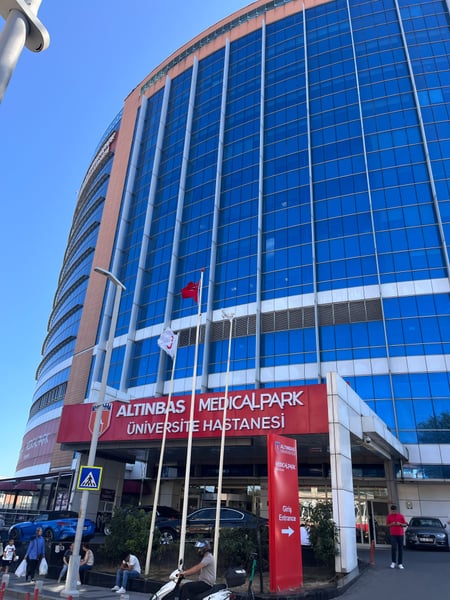
Lukmançylyk seýilgähi Bahçeliýewler hassahanasy
Medisina Park Bahçeliýewler hassahanasy, 2007-nji ýylda döredilen Stambulda 242 orunlyk JCI akkreditlenen hassahanadyr. 33,000 inedördül metr we 19 ga...
Akkreditasiýa
Desgalar
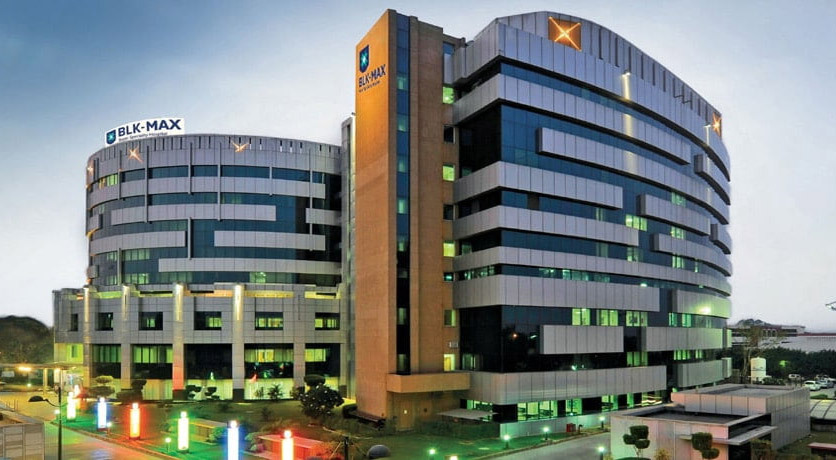
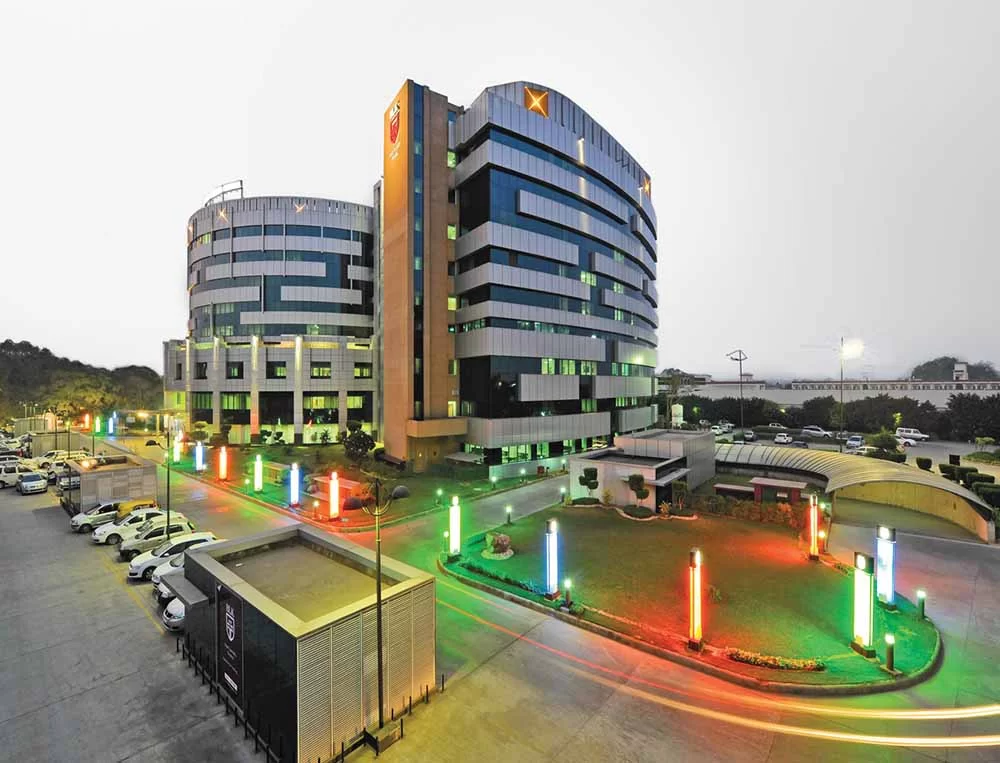
“BLK-Max” ýörite hünär hassahanasy, Nýu-Deli
Nýu-Delidäki “BLK-Max Super” ýörite hassahanasy 650 krowat, 22 sany öňdebaryjy operasiýa teatry we 13 sany ajaýyp merkez hödürleýän Hindistanda iň esa...
Akkreditasiýa

Desgalar
Fortis Memorial gözleg instituty (FMRI), Gurgaon
Gurgaon şäherindäki Fortis Memorial gözleg instituty (FMRI) 2013-nji ýylda döredilen dünýä derejesindäki köp hünärli hassahanadyr. Keselhana 330 krowa...
Akkreditasiýa


Desgalar
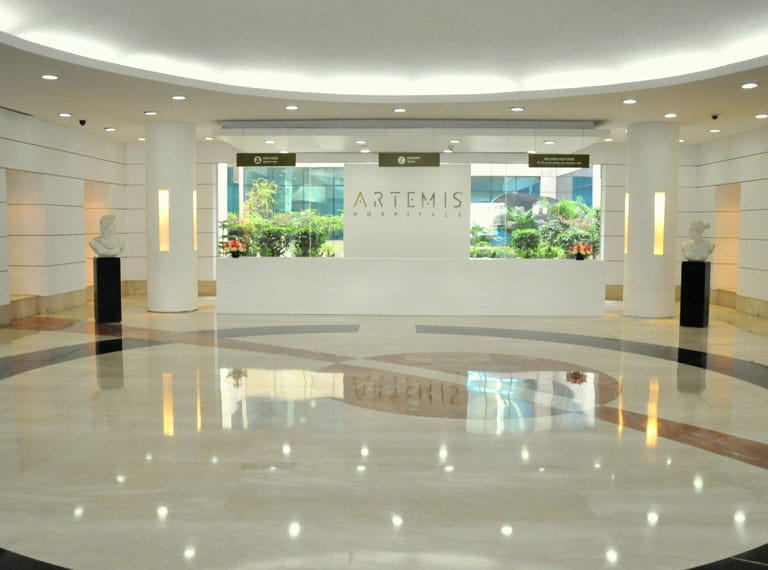
Artemis hassahanasy, Gurgaon
Gurgaon, Artemis hassahanasy, 2007-nji ýylda döredilen JCI akkreditlenen köp hünärli hassahanadyr. 9 gektar meýdanda 750+ düşek we dünýä derejesindäki...
Akkreditasiýa


Desgalar
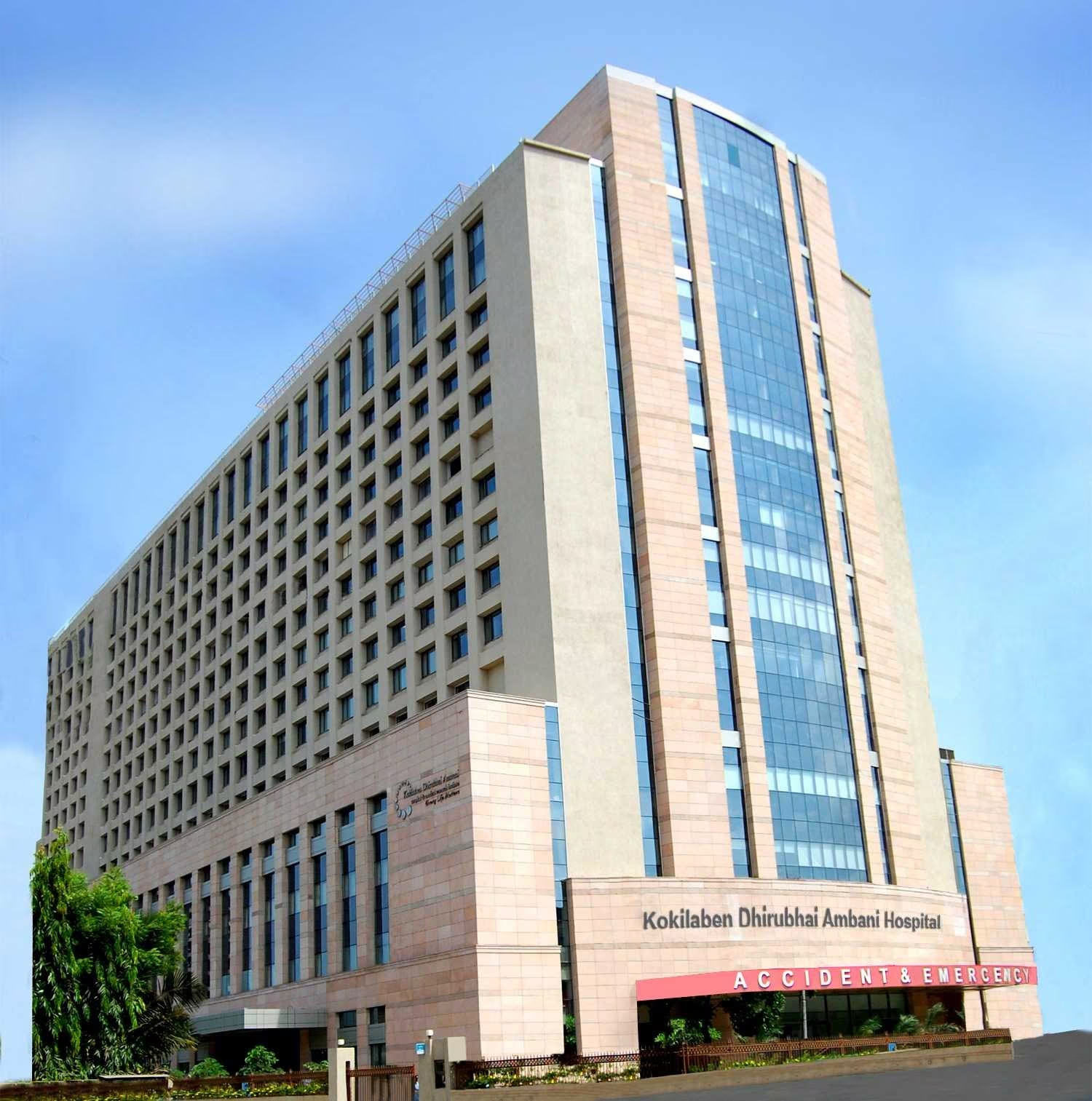
Kokilaben Dhirubhai Ambani hassahanasy, Mumbay
Mumbay, Kokilaben Dhirubhai Ambani hassahanasy, 2009-njy ýylda döredilen JCI, NABH, NABL we CAP tarapyndan akkreditlenen dört taraplaýyn bejeriş hassa...
Akkreditasiýa


Desgalar
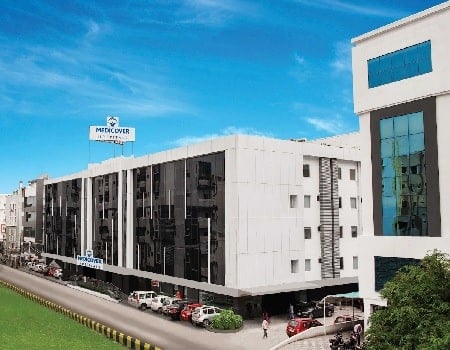
Medicover hassahanalary, Hitech şäheri, Haýdarabat
Medicover hassahanalary, Haýdarabadyň Hitech şäheri, 2011-nji ýylda döredilen 400 orunlyk NABH akkreditlenen super ýöriteleşdirilen hassahanadyr. 18 ý...
Akkreditasiýa


Desgalar
Baglanyşykly lukmanlar
Bu ugurda tejribeli lukmanlar we lukmançylyk hünärmenleri bilen birikdiriň.
Dr. P Krişnam Raju
Uly geňeşçi
Dr. K Raghu
Uly geňeşçi
Dr. C Narasimhan
Uly geňeşçi
Dr. Suvro Banerji
Uly geňeşçi
Dr. Aftab Han
Maslahatçy
Dr. Swapan Kumar De
Uly geňeşçi
Degişli makalalar
Şuňa meňzeş saglyk temalarynda has köp makalalary we düşünjeleri öwreniň.

Hindistanda facelift hirurgiýasy: Iň oňat hirurglary saýlamak, dikeltmek we saýlamak

Erkek önelgesizligi bejermek: Sebäpler, diagnoz we şu gün haýsy görnüşler bar
Hindistanda 2-nji görnüşli süýji keseli hirurgiýasy: Bariatriki ýa-da metabolik hirurgiýa süýji keselini tersine alyp bilermi?
Hindistanda çaga ýürek hirurgiýasy: çykdajylar, tehnologiýalar we netijeler
Heartürek näsazlygyny bejermegiň wariantlary: Dermanlardan ýürek göçürmesine çenli
Angioplastika vs aýlaw hirurgiýasy: Haýsy ýürek bejergisi has gowudyr?

Awtor
Hemmesini gormekBaşlyk - Halkara hassalar hyzmatlary
Doktor Riýa Şri, Nýu-Delidäki Mata Çanan Devi keselhanasynda tejribe işini tamamlap, näsaglara ideg we reabilitasiýa boýunça tejribe toplap, kliniki fizioterapewtdir. “Covid-19” pandemiýasy wagtynda ... Dowamyny okaň
Sahypamyz gutapjyk ulanýar. Gizlinlik syýasaty.
