
Robotic Knee Replacement in India: Benefits, Outcomes and Cost
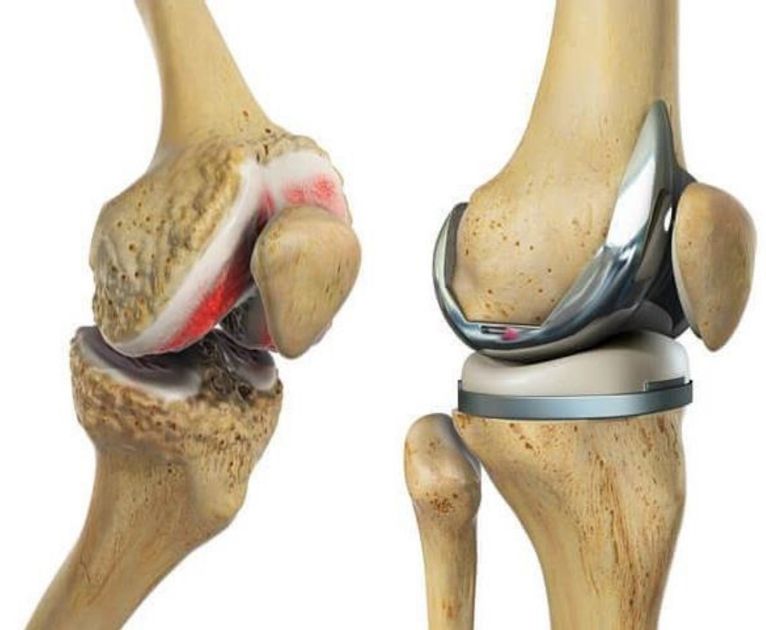
Knee osteoarthritis rarely stays still. The stiffness that once appeared only after a long walk starts showing up after a short one. Stairs become a calculation rather than a habit. By the time most patients reach the conversation about replacement surgery, they have already spent years adjusting their lives around a joint that no longer cooperates.
Robotic-assisted total knee arthroplasty has moved from a niche option to a mainstream one over the past five years. A 2024 to 2025 multicentre review found that robotic-assisted knee replacement reduced hospital stay compared with both conventional and computer-navigated surgery, at 5.5 days versus 6.3 and 7.1 days, respectively, and produced superior functional outcomes at medium-term follow-up across multiple validated outcome measures.
India has adopted the same robotic platforms used at leading orthopaedic centres worldwide, including Mako, ROSA, and NAVIO, at a fraction of the cost in Western hospitals. This article explains how robotic knee replacement works, what the evidence shows compared with conventional surgery, what the cost is in India, and what to ask before choosing a surgeon.
Robotic vs Conventional Knee Replacement at a Glance
Feature | Robotic Knee Replacement | Conventional Knee Replacement |
| Surgical planning | CT-based or image-guided | Manual |
| Implant positioning | Highly precise, computer-assisted | Surgeon dependent |
| Bone cuts | Robotic-assisted | Manual instrumentation |
| Hospital stay | Slightly shorter | Standard |
| Recovery | Similar or slightly faster | Standard |
| Implant longevity | Evidence continues to grow | Proven long-term durability |
| Cost in India | Higher | Lower |
What Is Robotic Knee Replacement and How Is It Different From Conventional Surgery?
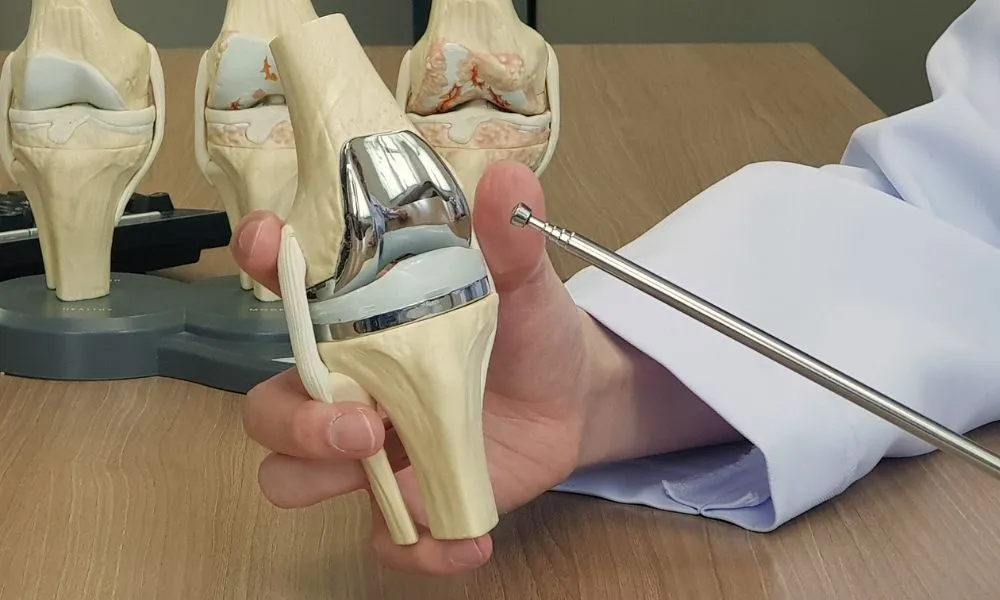
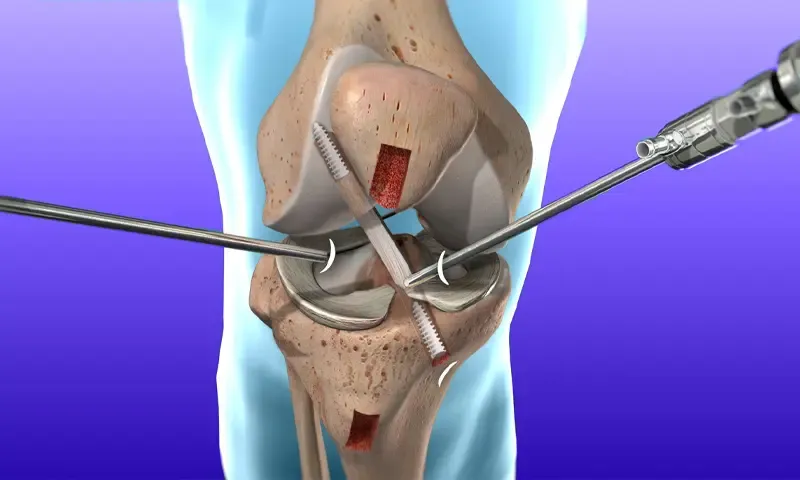
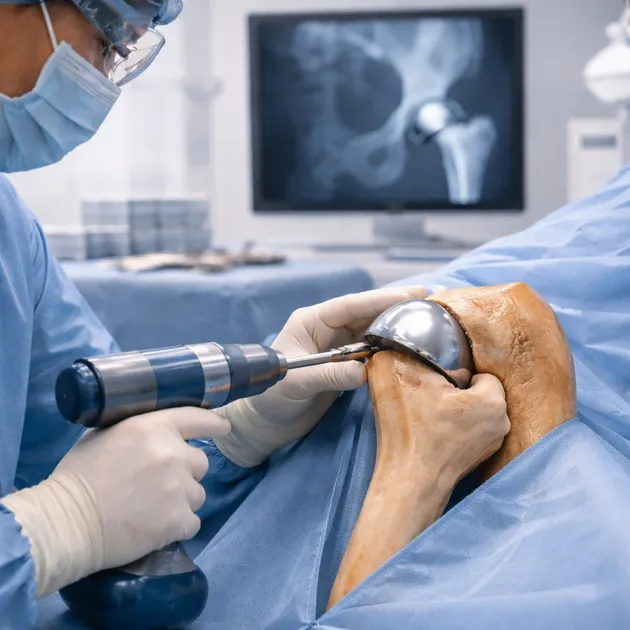
Robotic-assisted total knee arthroplasty (TKA) uses a robotic arm system, guided by a preoperative CT scan or intraoperative mapping, to help the surgeon plan and execute bone cuts with precision that manual instrumentation cannot consistently achieve.
The surgeon remains in full control throughout. The robot does not operate independently. Instead, it creates a three-dimensional model of the patient's specific knee anatomy, allows the surgeon to plan implant positioning and limb alignment before any cut is made, and then constrains the cutting tool to stay within the planned boundaries during surgery. If the surgeon's hand moves outside the planned zone, the system stops or resists, preventing damage to healthy bone or surrounding ligaments.
What Conventional TKA Relies On Instead
Conventional knee replacement uses mechanical jigs and the surgeon's visual and manual judgment to determine bone cuts and implant alignment. It remains a well-established, effective procedure that has been performed successfully for decades.
The difference robotic assistance introduces is in the consistency of precision, particularly for complex deformities, and in the planning stage, where the surgeon can simulate the outcome before committing to any cut.
What Robotic Systems Are Used in India?
India's leading orthopaedic centres use the same major robotic platforms as top hospitals in the United States, Europe, and Asia.
Mako (Stryker)
The most widely adopted robotic system globally and in India. Mako uses a preoperative CT scan to build a patient-specific 3D model before surgery. A 2025 systematic review and meta-analysis found that Mako-assisted TKA produced superior functional outcomes at medium-term follow-up compared with manual TKA, as measured across multiple patient-reported outcome instruments. Separate registry data found Mako was associated with reduced 90-day emergency department attendance compared with conventional and other robotic systems.
ROSA (Zimmer Biomet)
ROSA uses either preoperative imaging or intraoperative registration, without requiring a CT scan in certain workflows. A 2024 clinical evidence summary found ROSA-assisted TKA achieved a one-year range of motion of 119.4 degrees compared with 107.1 degrees in conventional TKA, a difference considered clinically meaningful for patient function.
NAVIO/CORI (Smith+Nephew)
An image-free, handheld robotic system that builds its model intraoperatively rather than from a preoperative CT scan, thereby reducing radiation exposure and preoperative imaging time. Comparative data between NAVIO and ROSA found broadly similar implantation accuracy, with some differences in specific outcome subscales favouring one system over the other, depending on the study.
No single platform has demonstrated definitive superiority over the others across all outcome measures. The surgeon's experience with the specific platform used matters considerably more than which brand of robotic system a hospital has installed.
What Does the Evidence Show for Robotic vs Conventional Knee Replacement?
The evidence for robotic-assisted total knee replacement (TKR) has grown considerably over the past decade. Recent systematic reviews and large comparative studies show that robotic systems improve surgical precision and implant positioning. However, the advantages in long-term clinical outcomes are more modest and remain under evaluation.
Precision and Implant Alignment
Robotic-assisted TKA consistently achieves more accurate implant positioning and lower limb alignment than conventional manual knee replacement. This improvement in surgical precision is the most consistent finding across comparative studies and may contribute to improved implant longevity and joint function.
Functional Outcomes
A 2025 meta-analysis comparing Mako-assisted robotic TKA with conventional manual TKA reported better medium-term functional outcomes following robotic surgery. Patients experienced improvements in validated patient-reported outcome measures (PROMs), including knee function scores and range of motion.
Hospital Stay and Recovery
A multicentre study in an Asian healthcare system found that patients undergoing robotic-assisted TKA had a shorter average hospital stay than those treated with computer-navigated or conventional TKA.
- Robotic TKA: 5.5 days
- Computer-navigated TKA: 6.3 days
- Conventional TKA: 7.1 days
Although robotic procedures required approximately 20 additional minutes in the operating theatre, patients generally recovered more quickly after surgery.
Complication and Revision Rates
For partial (unicompartmental) knee replacement, a 2025 systematic review and meta-analysis of 48,091 knees found that robotic-assisted surgery significantly reduced both complication rates and revision surgery compared with conventional techniques.
For total knee replacement, current registry data have not consistently demonstrated lower rates of early reoperation or mortality with robotic surgery. However, as robotic-assisted TKA is a relatively newer technique, long-term registry data are still being collected to determine whether improved implant positioning translates into lower revision rates over time.
Who Is the Right Candidate for Robotic Knee Replacement?
Robotic assistance benefits a broad range of knee replacement patients, though certain profiles see particularly meaningful advantages.
Patients Who Benefit Most
- Complex deformity cases: Significant varus (bow-legged) or valgus (knock-kneed) deformity, where precise correction is technically demanding with conventional instrumentation
- Partial knee replacement candidates: Patients with osteoarthritis confined to one compartment of the knee, where robotic precision particularly reduces complications and revision rates
- Younger, more active patients: Where precise alignment and balanced soft tissue tension may contribute to longer implant survival, though long-term revision data is still maturing
- Patients with prior knee surgery or altered anatomy, where preoperative 3D planning helps the surgeon anticipate technical challenges before entering the operating theatre
General Candidacy for Knee Replacement
Regardless of whether robotic or conventional techniques are used, knee replacement is generally appropriate for patients with advanced osteoarthritis causing persistent pain and functional limitation despite conservative management (weight management, physiotherapy, anti-inflammatory medication, and intra-articular injections), as confirmed by clinical assessment and imaging.
How Much Does Robotic Knee Replacement Cost in India?
Robotic knee replacement in India costs between USD 4,700 and USD 9,500 per knee, depending on the robotic platform, hospital, implant type, and city.
Cost by Procedure Type
Procedure | India Cost (USD) |
| Robotic Unilateral (single knee) TKA | 4,700 to 7,600 |
| Robotic Bilateral (both knees) TKA | 7,600 to 11,500 |
| Robotic Partial (unicompartmental) Knee Replacement | 4,000 to 6,500 |
| Conventional TKA, for comparison | 3,500 to 6,000 |
Individual Cost Components
Component | Approximate Cost (USD) |
| Surgeon's fee | 800 to 2,000 |
| Robotic system usage fee | 700 to 1,800 |
| Implant (standard to premium/imported) | 1,200 to 3,500 |
| Anaesthesia | 250 to 500 |
| Operating theatre | 500 to 1,200 |
| Hospital stay (4 to 6 nights) | 600 to 1,800 |
| Pre-operative imaging (CT for Mako/ROSA, X-rays, bloods) | 200 to 500 |
| Physiotherapy (inpatient course) | 150 to 400 |
The implant itself is one of the largest components of variable cost. Standard implants sit at the lower end of the range; premium materials such as oxinium or ceramic, and imported implant brands, add significantly to the total.
Global Cost Comparison
Country | Robotic TKA Cost (USD approx.) |
| India | 4,700 to 9,500 |
| Thailand | 12,000 to 18,000 |
| Turkey | 8,000 to 14,000 |
| UK (private) | 18,000 to 28,000 |
| USA | 35,000 to 55,000 |
What Does Recovery Look Like After Robotic Knee Replacement?
Recovery from robotic TKA follows a broadly similar timeline to conventional TKA, with some patients mobilising earlier due to the precision of soft-tissue balancing.
- Day 0: Most patients stand and take a few assisted steps with physiotherapy support on the day of surgery or the following morning.
- Days 1 to 4: Inpatient physiotherapy, focused on range of motion exercises and walking with a frame or crutches. Pain management is closely monitored.
- Days 4 to 6: Hospital discharge in most uncomplicated cases, once the patient can manage stairs and basic mobility safely.
- Week 2 to 6: Outpatient physiotherapy continues. Walking distance and range of motion improve progressively.
- Weeks 6 to 12: Most patients return to normal daily activities. Driving typically resumes around six weeks, subject to surgeon clearance.
- Months 3 to 12: Continued improvement in strength and range of motion. Full recovery and outcome assessment typically occur around the one-year mark.
International patients should plan a 14- to 18-day stay in India for unilateral robotic TKA, covering surgery, inpatient physiotherapy, wound review, and a clearance assessment before flying home. Bilateral procedures performed during the same admission typically require a slightly longer stay.
What Should International Patients Ask Before Choosing a Robotic Knee Replacement Centre?
The robotic system available at a hospital is only one part of the decision. Surgeon experience with that specific platform matters considerably more than which brand is installed.
Questions Worth Asking
- Which robotic platform does the centre use, and how many robotic TKA procedures has the operating surgeon personally performed?
- For complex deformity or revision cases, does the surgeon have specific experience with robotic-assisted correction of significant varus or valgus deformity?
- What implant options are available, and what is included in the quoted package versus billed separately?
- What does the inpatient physiotherapy programme include, and how many sessions are provided before discharge?
- Is a remote follow-up protocol available for wound checks and rehabilitation guidance after the patient returns home?
Conclusion
Robotic knee replacement does not replace surgical skill. It augments it, giving the surgeon a more precise tool for planning and execution than manual instrumentation alone provides. The evidence supports meaningful benefits in alignment accuracy, functional outcomes, and, specifically for partial knee replacement, lower complication and revision rates.
India's adoption of Mako, ROSA, and NAVIO systems at its leading orthopaedic centres has considerably closed the technology gap with Western hospitals, while the cost gap remains substantial. For international patients evaluating where to have this surgery, the robotic platform available is one factor among several. The surgeon's specific experience with that platform and the patient's particular knee anatomy remain the more important variables.
Find Out If Robotic Knee Replacement Is Right for You
Not every patient with knee arthritis requires robotic-assisted surgery, and not every robotic system is suitable for every case. The best approach depends on factors such as the severity of arthritis, knee deformity, bone quality, overall health, and your surgeon's experience with the robotic platform.
If you're considering robotic knee replacement in India, Qonaq Health can connect you with leading orthopaedic surgeons experienced in Mako, ROSA, and NAVIO robotic systems. Share your knee X-rays or MRI scans, previous medical records, and recent health reports for a remote specialist review.
Our orthopaedic specialists will assess your suitability for robotic knee replacement, recommend the most appropriate surgical approach, and provide a personalised treatment plan with a detailed cost estimate.
Frequently Asked Questions
Is robotic knee replacement better than traditional knee replacement?
Robotic knee replacement offers greater surgical precision and more accurate implant positioning than conventional knee replacement. Studies also suggest improved medium-term functional outcomes and slightly shorter hospital stays. However, long-term implant survival and revision rates remain broadly comparable, according to current evidence.
Is robotic knee replacement worth the extra cost?
For many patients, the additional cost may be worthwhile because robotic assistance improves surgical planning and implant alignment. Whether it provides sufficient value depends on factors such as your knee anatomy, the surgeon's experience, and personal treatment goals.
Which robotic system is best: Mako, ROSA, or NAVIO?
No robotic platform has consistently demonstrated superior outcomes across all studies. Mako, ROSA, and NAVIO are all widely used and effective systems. The surgeon's experience with a specific platform is generally more important than the brand itself.
Is recovery faster after robotic knee replacement?
Recovery timelines are similar for robotic and conventional knee replacement, although some studies have reported shorter hospital stays and earlier functional recovery following robotic-assisted surgery.
How long does a robotic knee replacement last?
The longevity of the implant depends primarily on factors such as implant design, surgical technique, patient activity, and overall health rather than whether robotic assistance was used. Current evidence suggests outcomes comparable to conventional knee replacement, with long-term registry data still evolving.
Can both knees be replaced using robotic surgery?
Yes. Robotic-assisted surgery can be used for both unilateral and bilateral knee replacement when clinically appropriate. Your orthopaedic surgeon will determine whether replacing both knees during the same admission is suitable for your overall health and rehabilitation goals.
Who is a good candidate for robotic knee replacement?
Patients with advanced knee osteoarthritis who continue to experience pain and reduced mobility despite conservative treatment may be candidates. Robotic assistance may be particularly beneficial for patients with complex deformities, altered anatomy, or those undergoing partial knee replacement.
Does insurance cover robotic knee replacement?
Coverage varies by insurer and country. Some insurance providers cover robotic-assisted knee replacement in the same way as conventional surgery, while others may charge additional fees for the robotic technology.
References
- Li J, et al. Robotic-assisted versus conventional total knee arthroplasty: A systematic review and meta-analysis. EFORT Open Reviews. 2025.
- Australian Orthopaedic Association National Joint Replacement Registry (AOANJRR). Annual Report. Latest edition.
- Mao Y, et al. Robotic-assisted versus conventional unicompartmental knee arthroplasty: Systematic review and meta-analysis of 48,091 knees. Journal of Orthopaedic Surgery and Research. 2025.
- Tan J, et al. Clinical and economic outcomes of robotic-assisted, computer-navigated, and conventional total knee arthroplasty in an Asian healthcare system. 2024/2025.
- Kayani B, Konan S, Pietrzak JRT, Haddad FS. Robotic-arm-assisted total knee arthroplasty improves early functional recovery compared with conventional total knee arthroplasty. Bone & Joint Journal.
- American Academy of Orthopaedic Surgeons (AAOS). Clinical Practice Guideline: Surgical Management of Osteoarthritis of the Knee.
- National Institute for Health and Care Excellence (NICE). Joint replacement (primary): Hip, knee and shoulder. NG157.
Disclaimer: This article provides general information about robotic knee replacement surgery in India. It does not constitute medical advice and must not replace a consultation with a qualified orthopaedic surgeon. Individual treatment decisions depend on the degree of joint damage and deformity, the patient's age and activity level, and overall health. Patients should consult an orthopaedic surgeon before making any decisions about knee replacement surgery.
Baglanyşykly hassahanalar
Hil saglygy goraýyş hyzmatlary üçin bu mowzugy bilen hassahanalary we lukmançylyk merkezlerini öwreniň.
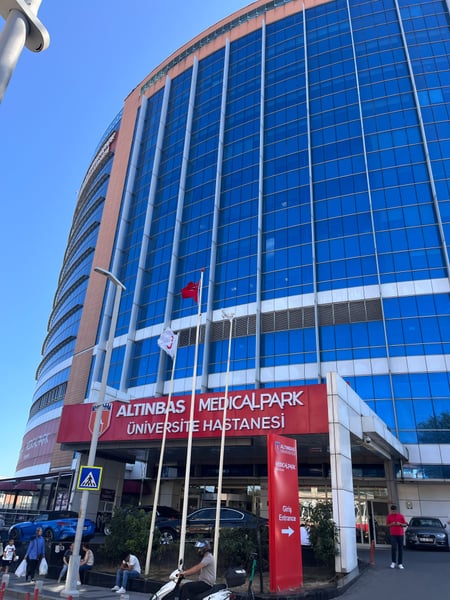
Lukmançylyk seýilgähi Bahçeliýewler hassahanasy
Medisina Park Bahçeliýewler hassahanasy, 2007-nji ýylda döredilen Stambulda 242 orunlyk JCI akkreditlenen hassahanadyr. 33,000 inedördül metr we 19 ga...
Akkreditasiýa

Desgalar
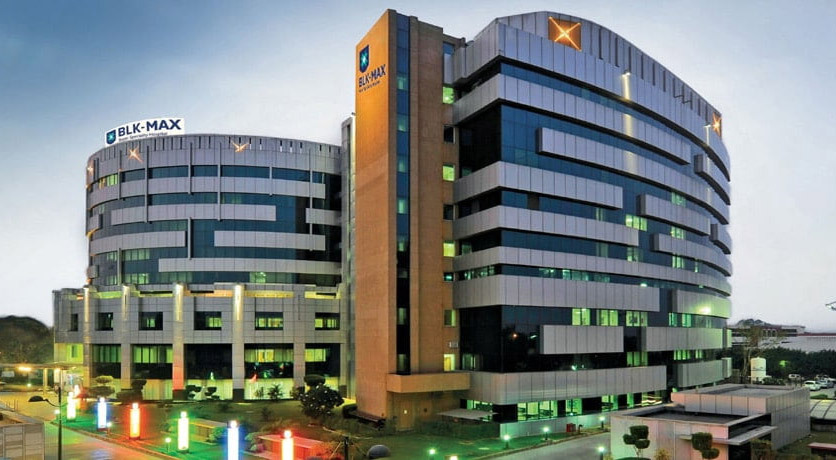
“BLK-Max” ýörite hünär hassahanasy, Nýu-Deli
Nýu-Delidäki “BLK-Max Super” ýörite hassahanasy 650 krowat, 22 sany öňdebaryjy operasiýa teatry we 13 sany ajaýyp merkez hödürleýän Hindistanda iň esa...
Akkreditasiýa


Desgalar
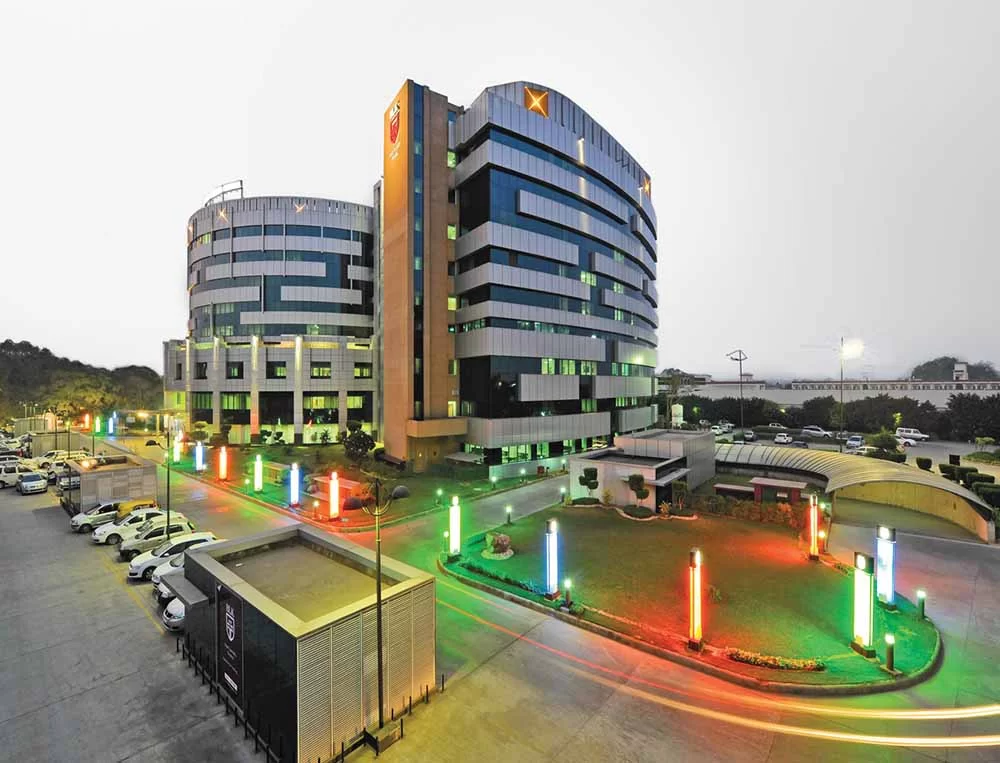
Fortis Memorial gözleg instituty (FMRI), Gurgaon
Gurgaon şäherindäki Fortis Memorial gözleg instituty (FMRI) 2013-nji ýylda döredilen dünýä derejesindäki köp hünärli hassahanadyr. Keselhana 330 krowa...
Akkreditasiýa


Desgalar
Artemis hassahanasy, Gurgaon
Gurgaon, Artemis hassahanasy, 2007-nji ýylda döredilen JCI akkreditlenen köp hünärli hassahanadyr. 9 gektar meýdanda 750+ düşek we dünýä derejesindäki...
Akkreditasiýa



Desgalar

Kokilaben Dhirubhai Ambani hassahanasy, Mumbay
Mumbay, Kokilaben Dhirubhai Ambani hassahanasy, 2009-njy ýylda döredilen JCI, NABH, NABL we CAP tarapyndan akkreditlenen dört taraplaýyn bejeriş hassa...
Akkreditasiýa


Desgalar
Medicover hassahanalary, Hitech şäheri, Haýdarabat
Medicover hassahanalary, Haýdarabadyň Hitech şäheri, 2011-nji ýylda döredilen 400 orunlyk NABH akkreditlenen super ýöriteleşdirilen hassahanadyr. 18 ý...
Akkreditasiýa


Desgalar
Baglanyşykly lukmanlar
Bu ugurda tejribeli lukmanlar we lukmançylyk hünärmenleri bilen birikdiriň.

Dr. Kançan Bhataçarýa
Maslahatçy

Dr. Kalyan Guha
Maslahatçy

Dr. Rajinder Singh Gaheer
Uly geňeşçi

Dr. Ravi Bharadwaj
Uly geňeşçi

Dr. Ranjan Kamilýa
Uly geňeşçi

Dr. Abheek Kar
Maslahatçy
Degişli makalalar
Şuňa meňzeş saglyk temalarynda has köp makalalary we düşünjeleri öwreniň.
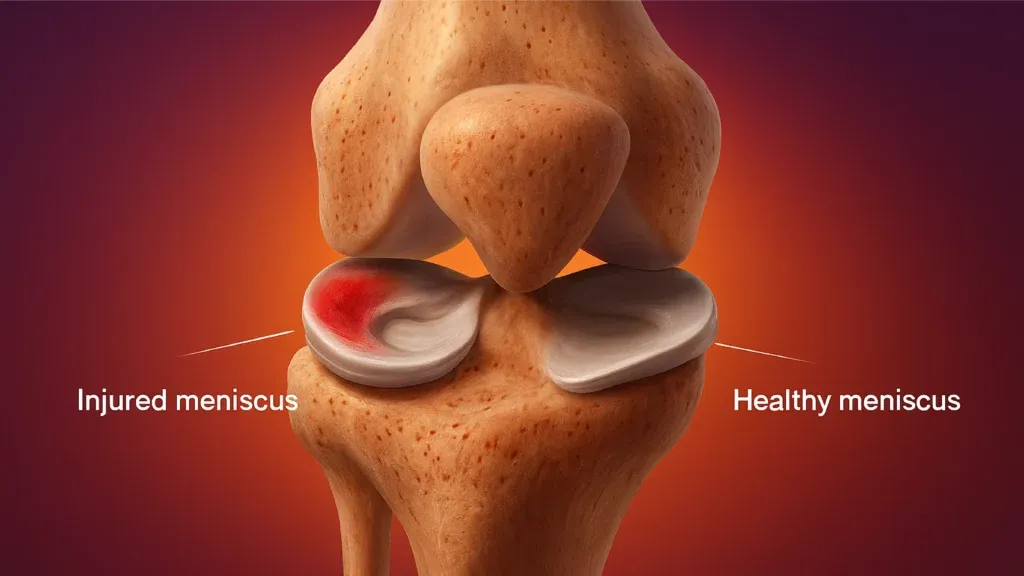
Hindistanda MCL we Meniskus bejergisi: hirurgiýa, üstünlik derejesi we dikeldiş
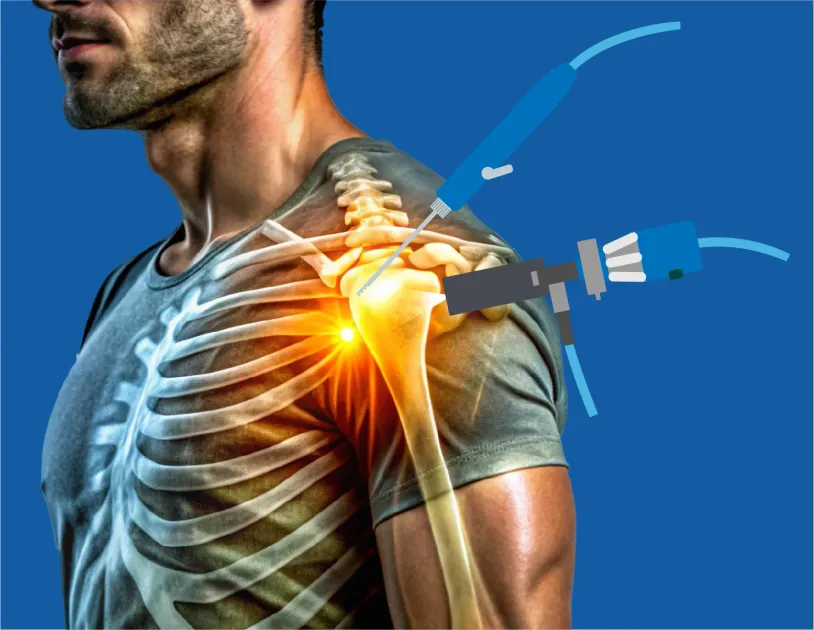
Rotator Cuff Repair Surgery in India: Procedure, Success Rates and Cost
Best Countries for Orthopaedic Surgery and Sports Medicine in 2026
Hindistanda ACL rekonstruksiýa hirurgiýasy: tertibi, bahasy we üstünlik derejesi
Hindistanda tersi egin çalyşmak: Bahasy, tertibi, dikeldişi
Hindistanda Hip Resurfacing hirurgiýasy: Prosedura, laýyklyk we dikeldiş

Awtor
Hemmesini gormekBaşlyk - Halkara hassalar hyzmatlary
Doktor Riýa Şri, Nýu-Delidäki Mata Çanan Devi keselhanasynda tejribe işini tamamlap, näsaglara ideg we reabilitasiýa boýunça tejribe toplap, kliniki fizioterapewtdir. “Covid-19” pandemiýasy wagtynda ... Dowamyny okaň
Sahypamyz gutapjyk ulanýar. Gizlinlik syýasaty.
