
Öýjük göçürmesi Hindistan bahasy
Hakda Öýjük göçürmesi
Öýjük göçürmesi näme?
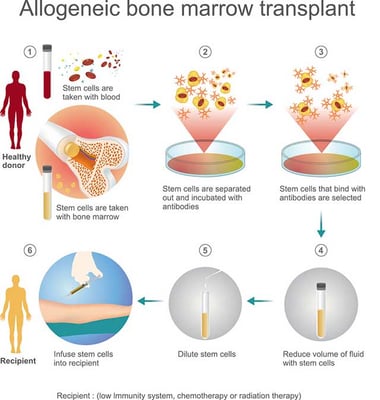
Öýjük göçürmesi, ýiliginiň kesel, himiýa bejergisi ýa-da käbir gan bozulmalary zerarly zeper ýeten hassalarda sagdyn süňk ýiligini dikeldýän amaldyr. Bu bejerginiň maksady, gyzyl gan öýjüklerini, ak gan öýjüklerini we trombositleri döretmäge jogapkär "ene öýjükleri" bolan sagdyn kök öýjüklerini girizip, bedene kadaly gan öýjüklerini öndürmäge kömek etmekdir.
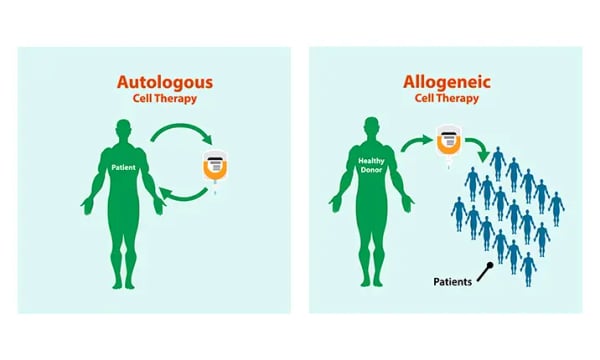
Bu kök öýjükleri näsagyň öz bedeninden alyp bolýar (an diýilýärotologiki transplantasiýa) ýa-da donordan (an diýilýärallogen transplantasiýa). Käbir ýagdaýlarda, maşgala agzasyndan bölekleýin oýun ulanylyp bilner, agaploidentiki transplantasiýa.
Öýjükleri göçürmek köplenç aşakdaky ýaly şertlerden ejir çekýänlere maslahat berilýär:
- Leýkemi
- Limfoma
- Birnäçe miýeloma
- Aplastiki ganazlyk
- Talassemiýa
- Immun ýetmezçiliginiň käbir bozulmalary
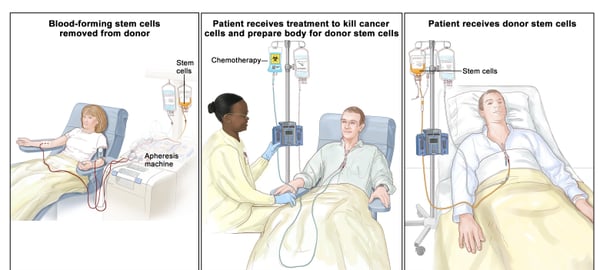
Bu amal, göçürmeden öňki bahalandyrmalardan başlap, ýokary dozaly himiýa terapiýasy ýa-da radiasiýa (näsag öýjükleri ýok etmek üçin), soň öýjükleriň hakyky infuziýasy we ahyrsoňy seresaplylykdan soňky dikeldiş döwri bilen birnäçe tapgyry öz içine alýar.
Çylşyrymly, kök öýjük transplantasiýasy başgaça durmuş üçin howply hassalara täze umyt hödürleýär.
Öýjükli göçürmeleriň dürli görnüşleri haýsylar?
Kök öýjüklerini göçürmek, öýjükleriň çeşmesine esaslanýar. Dogry görnüşi saýlamak bejergi alýan kesele, donoryň elýeterliligine, näsagyň saglyk ýagdaýyna we lukmanyň maslahatyna baglydyr.
Awtologiki kök öýjük transplantasiýasy (öz-özünden)
Awtologiki göçürmede bejergide näsagyň öz öýjükleri ulanylýar. Bu öýjükler gan akymyndan ýa-da süňk ýiliginden ýygnalýaröňýokary dozaly himiýa terapiýasy ýa-da radiasiýa geçýän näsag. Düwnük keseli ýa-da näsag öýjükler ýok edilenden soň, öýjükler sagdyn ýiligiň döremegine kömek etmek üçin bedene gaýtadan guýulýar.
Bu usul esasan ulanylýar:
- Birnäçe miýeloma
- Gaýtalanan Hodgkin ýa-da Hodkkin däl lenfoma
- Çagalarda käbir gaty çişler
Üstünlikleri:
- Öýjükler hassadan gelýänligi sebäpli, garşy-garşy kesel (GVHD) howpy ýok.
- Immun ret etmek howpy pes.
- Has gysga hassahanada bolmak we has çalt dikeldiş.
Şeýle-de bolsa, ýygnanan öýjükleriň käbirinde henizem rak keseliniň yzlary bolup biler, şonuň üçin bu görnüş leýkozyň käbir görnüşleri üçin laýyk däl.
Allogen kök öýjük transplantasiýasy (Donor-alnan)
Allogen transplantasiýa başga bir adamyň kök öýjüklerini ulanýar - adatça genetiki taýdan gabat gelýärdogan,garyndaş, ýa-dabaglanyşyksyz donor. Göçürilmezden ozal synag diýilýärdiHLA ýazmakdonor bilen hassanyň arasyndaky laýyklygy üpjün etmek üçin edilýär. Bu usul köplenç bejermek üçin ulanylýar:
- Uteiti we dowamly leýkoz
- Aplastiki ganazlyk
- Talassemiýa ýaly miras galan gan bozulmalary
- Miýelodisplastiki sindromlar (MDS)
Üstünlikleri:
- Donoryň kök öýjükleri galan rak öýjüklerine hem hüjüm edip biler - bu peýdaly täsirgraft-garşy-leýkoztäsiri.
- Sagdyn donor kök öýjükleri näsagyň bedeninde täze immun ulgamyny döredýär.
Töwekgelçilikler:
- MümkinçiligiGVHD, donoryň immun öýjükleri alyjynyň bedenine hüjüm edýär.
- Esasanam ilkinji 100 günde has seresaply gözegçiligi talap edýär.
Allogen transplantasy autologdan has çylşyrymly we gymmat, ýöne köp töwekgelçilikli ýagdaýlarda bejerip bilýär.
Gaploidentiki kök öýjük transplantasiýasy (ýarym gabat gelýän donor)
Gaploidentiki kök öýjük transplantasy, donoryň diňe a bolan allogen transplantasiýasynyň bir görnüşidir50% genetiki gabat gelýär. Bu wariant doly gabat gelýän donory tapyp bilmeýän hassalar üçin amatlydyr. Maşgala agzalary (ene-atalar, çagalar ýa-da doganlar ýaly) köplenç donor hökmünde ulanylýar.
Immunosupressiw bejergide soňky gazanylan üstünlikler, çeşmesi çäkli şertlerde-de göçürmegiň bu görnüşini has ygtybarly we üstünlikli etdi. Köplenç ulanylýar:
- Leýkemi
- Limfoma
- Aplastiki ganazlyk
- Gabat gelýän dogan ýok wagty talassemiýa
Taraz:
- Her näsag diýen ýaly ýarym gabat gelýän maşgala donoryny tapyp biler.
- Donoryň çalt elýeterliligi transplantasiýa işini çaltlaşdyrýar.
Garamaýan taraplary:
- Dogan dogan göçürmeler bilen deňeşdirilende immun kynçylyklarynyň has ýokary töwekgelçiligi.
- Hünärmenleriň aladasyny we ýakyndan gözegçilik edilmegini talap edýär.
Göwek bagynyň gan göçürmesi
Göwek bagynyň öýjük göçürmesi, dogulanda göbegiň ganyndan ýygnanan öýjükleri ulanýar. Bu öýjükler sim gan ganlarynda saklanýar we transplantasiýa üçin, esasanam çagalarda ulanylyp bilner. Bu öýjükler HLA gabat gelmezligine has uýgunlaşan hem bolsa, ulularda ulanylmagyny çäklendirýän san taýdan az.
Öýjük göçürmesine kime mätäç?
Öýjük göçürmesi köplenç aömri halas ediji bejergisüňk ýiligi indi dogry işlemeýän adamlar üçin. Munuň sebäbi bolup bilerrak, agenetiki näsazlykýa-da aagyr immun ulgamynyň näsazlygy. Şeýle ýagdaýlarda nädogry ýa-da ýok edilen ýigidi sagdyn kök öýjükleri bilen çalyşmak, bedeniň kadaly gan öýjüklerini gaýtadan öndürip başlamagyna kömek edýär.
Öýjük transplantasiýasynyň köplenç maslahat berilýän esasy şertleri:
Gan keseli
Gan keseli bilen kesellän hassalaryň köpüsi, uzak möhletleýin bejeriş meýilnamasynyň çäginde göçürmäni talap edýär. Bular öz içine alýar:
- Leýkemi: Esasanam ýiti lenfoblastiki leýkemi (HEMMESI) we ýiti mieloid leýkemi (AML). Transplantasiýa düwnük öýjüklerini ýok etmäge we sagdyn ýiligiň täzeden gurulmagyna kömek edýär.
- Limfoma: Hodgkiniň we Hodgkiniň däl lenfomasy, esasanam gaýdyp gelýän ýa-da agressiw görnüşlerde.
- Birnäçe miýeloma: Awtologiki kök öýjük göçürmesi köplenç remissiýany uzaltmak üçin başlangyç himiýa terapiýasyndan soň ulanylýar.
Süňk ýiliginiň näsazlygy
Rowil ýeterlik sagdyn gan öýjüklerini öndürip bilmese, transplantasiýa zerur bolýar:
- Aplastiki ganazlyk: Bedeniň ýeterlik täze gan öýjüklerini öndürmegini bes edýän kesel.
- Miýelodisplastiki sindrom (MDS): Gan öýjükleriniň erbet emele gelen ýa-da işlemeýän bozulmalary topary.
- Paroksismal gijeki gemoglobinuriýa (PNH): Gyzyl gan öýjüklerini ýok edýän we palta howpuny ýokarlandyrýan seýrek kesel.
Miras galan gan bozulmalary
Belli bir genetiki şertleri bolan çagalar we ýaş ulular öýjük transplantasiýasy arkaly bejergini gazanyp bilerler:
- Talassemiýa maýory: Esasanam donor bilen deňeşdirilen ýaş hassalarda, öýjük transplantasiýasy ömürlik gan tabşyrmagyň zerurlygyny aradan aýyryp biler.
- Kesel öýjük keseli: Agyr ýa-da gaýtalanýan ýagdaýlarda, adaty bejergiler şowsuz bolanda transplantasiýa hödürlenip bilner.
- Fankoni ganazlygy: Süňk ýiligine täsir edýän we aplastik ganazlyga ýa-da rak keseline sebäp bolýan seýrek miras galan ýagdaý.
Immun ýetmezçiligi sindromlary we gaýtalanýan ýa-da çydamly rak
Käbir adamlar gowşak immun ulgamlary bilen dogulýar we olary ýygy-ýygydan ýokançlyga sezewar edýär. Öýjükli göçürme immunitetini täzeden gurup biler. Mysallar:
- Agyr kombinirlenen immun ýetmezçiligi (SCID)
- Wiskott-Aldrih sindromy
- Dowamly granulomatoz keseli
Adaty himiýa bejergisi ýa-da radiasiýa şowsuz bolsa ýa-da kesel remissiýadan soň gaýdyp gelse, lukmanlar öýjük göçürmesini iň soňky, ýöne güýçli wariant hökmünde maslahat berip bilerler.
Öýjük göçürmegiň tertibi nähili?
Öýjükli göçürme, birnäçe hepdäniň dowamynda bolup geçýän seresaply meýilleşdirilen we köp fazaly bejergidir. Bu amal hassany taýýarlamagy, öýjükleri ýygnamagy we guýmagy, soňra dikeldiş döwründe bedeniň täsirini dolandyrmagy öz içine alýar. Göçürilen kök öýjükleriniň saklanmagyny we sagdyn gan öýjüklerini öndürip başlamagyny üpjün etmek üçin her ädim möhümdir.
Transplantadan öňki baha
Transplantasiýa edilmezden ozal hassanyň amaldan geçmäge ýeterlikdigini ýa-da ýokdugyny barlamak üçin doly saglyk baha berilýär. Ol öz içine alýar:
- Gan barlaglary
- Şekil skanerleri (döş rentgen şöhleleri ýa-da KT skanerleri ýaly)
- Heartürek we öýken funksiýasy synaglary
- Süňk ýilik biopsiýasy (käbir ýagdaýlarda)
- Donorlaryň gabat gelmegi üçin HLA ýazmak (allogen ýa-da gaploidentiki göçürmelerde)
Şeýle hem lukmanlar ýokançlyklary barlaýarlar, organlaryň işine baha berýärler we transplantasiýa netijelerine täsir edip biljek beýleki töwekgelçilik faktorlaryny kesgitleýärler.
Kondisioner bejergisi
Bahalandyrma tamamlanandan soň näsag alýarkondisioner bejergisiköplenç öz içine alýarýokary dozaly himiýa bejergisi,radiasiýa bejergisiýa-da ikisiniň utgaşmasy. Bu etap möhümdir, sebäbi:
- Süňk ýiligindäki düwnükli ýa-da kesel öýjükleri ýok edýär
- Immun ulgamyny basýar we transplantasiýa ret etmek howpuny azaltmaga kömek edýär
- Täze baldak öýjükleriniň ösmegi üçin giňişlik döredýär
Patientagdaý, näsagyň keseline we transplantasiýa görnüşine baglylykda birnäçe günden bir hepde dowam edip biler.
Öýjükleriň ýygyndysy
Kök öýjükleri göçürilmezden ozal ýygnalýar. Dürli usullar bilen edilip bilner:
- Näsagyň ganyndan(otologiki göçürmeler üçin)
- Donoryň ganyndan ýa-da süňk ýiliginden(allogen transplantasiýa üçin)
- Göwräniň ganyndan, öň saklanan we gabat gelýän bolsa
Collectionygnamak prosesi adatça agyrsyz we gözegçilik astynda ýerine ýetirilýär.
Öýjük infuziýasy
Kondisionerden soň ýygnan baldak öýjükleri ereýär (doňdurylan bolsa) we gan goýberilişi ýaly näsagyň ganyna guýulýar. Transplantasiýanyň bu bölegi gönümel we adatça birnäçe sagat dowam edýär.
Düwürtikli öýjükler süňk ýiligine geçýär we işe başlaýarussatlyk,dowamynda täze, sagdyn gan öýjüklerini öndürip başlaýarlar.
Dikeldiş we işe gözegçilik
Infuziýadan soňky günler iň möhümdir. Näsaga ýakyndan gözegçilik edilýär:
- Okançlyklar (immunitet gaty pes bolany üçin)
- Organ funksiýasy
- Graft-garşy kabul ediji kesel (donor esasly göçürmelerde)
- Gan akmak ýa-da goýbermek zerurlygy
Köplenç meşgullanmak başlaýar10-20 güninfuziýadan soň. Bu döwürde antibiotikler, agyrylary azaltmak, iýmitlenmek we gan önümleri ýaly goldaw goldawy zerur bolup biler.
Mugt bejeriş meýilnamasyny alyň
Öýjük göçürmesi hakda Hindistan
What Is the Cost of Stem Cell Transplant in India?
The cost of a stem cell transplant in India typically ranges between ₹15,00,000 and ₹35,00,000 (approximately $18,000 to $42,000), depending on several factors, including the type of transplant, the hospital, and the patient's clinical condition. The cost usually covers the full course of treatment, from evaluation to post-transplant care.
A standard stem cell transplant package at Indian hospitals includes:
- Pre-transplant evaluations such as HLA typing, imaging, blood tests, and infection screening.
- Hospital admission and inpatient care in specialized isolation rooms with HEPA filters.
- High-dose chemotherapy or radiation therapy for conditioning.
- Stem cell collection, processing, and storage (for autologous or donor-based procedures).
- Transplantation procedure including stem cell infusion and infusion-related care.
- Post-transplant monitoring such as infection control, blood transfusions, and supportive medications.
- Initial follow-up care for around 30–60 days after discharge (varies by center).
In some cases, additional expenses may arise for donor identification (for unrelated transplants), treatment of complications like graft-versus-host disease (GVHD), or extended ICU stay. International patients may also need to account for travel, visa, food, and accommodation costs separately.
Detailed Cost Breakdown of Stem Cell Transplant in India
The overall cost of a stem cell transplantation in India, which ranges between $18,000 and $42,000, can be better understood when broken down into individual components. Each phase of the transplant journey involves specific medical and logistical expenses.
- The initial phase includes pre-transplant evaluations, which typically cost between ₹1,00,000 and ₹2,00,000. These evaluations involve blood tests, imaging, heart and lung assessments, and donor matching (HLA typing), which are essential before proceeding with the transplant.
- The hospital stay accounts for a significant portion of the cost. For most patients, inpatient care in a high-efficiency isolation unit can cost anywhere between ₹4,00,000 and ₹7,00,000, depending on the duration of admission, which usually ranges from two to four weeks. Isolation rooms equipped with HEPA filters are essential for reducing the risk of infection during periods of immune suppression.
- The stem cell collection and processing charges vary depending on whether the transplant is autologous or allogeneic. For autologous transplants, the cost ranges from ₹2,00,000 to ₹4,00,000, while allogeneic transplants can cost ₹3,00,000 to ₹6,00,000, particularly if donor stem cells need to be mobilized and stored.
- Chemotherapy or conditioning therapy, which is administered before the transplant to destroy cancerous or damaged cells, adds around ₹1,50,000 to ₹3,00,000 to the total bill. Some cases may require additional radiation sessions, which are charged separately.
- The actual transplantation procedure, which includes stem cell infusion, medication, transfusions, and close monitoring, typically ranges between ₹3,00,000 and ₹5,00,000.
- Post-transplant care, including infection control, immunosuppressive drugs, supportive injections, and routine blood monitoring for the first 30–60 days, can cost another ₹2,00,000 to ₹4,00,000. This phase may also include the treatment of complications, such as graft-versus-host disease (GVHD), which can increase the cost if additional hospitalization is required.
Cost Component | Estimated Cost (INR) | Estimated Cost (USD) |
| Pre-Transplant Evaluation | ₹1,00,000 – ₹2,00,000 | $1,200 – $2,400 |
| Hospital Stay (Isolation & ICU) | ₹4,00,000 – ₹7,00,000 | $4,800 – $8,400 |
| Stem Cell Collection & Processing | ₹2,00,000 – ₹6,00,000 | $2,400 – $7,200 |
| Chemotherapy / Conditioning Therapy | ₹1,50,000 – ₹3,00,000 | $1,800 – $3,600 |
| Transplant Procedure & Infusion | ₹3,00,000 – ₹5,00,000 | $3,600 – $6,000 |
| Post-Transplant Medications & Monitoring | ₹2,00,000 – ₹4,00,000 | $2,400 – $4,800 |
| Total Estimated Cost | ₹15,00,000 – ₹35,00,000 | $18,000 – $42,000 |
Note: Prices may vary based on the type of transplant (autologous vs. allogeneic), complications, duration of stay, and the hospital chosen.
Cost Comparison: Stem Cell Transplant in India vs Other Countries
One of the biggest reasons overseas patients from more than 120 nations choose India for stem cell transplant is the significant cost advantage. While hospitals in India offer internationally accredited care with top-notch medical technology, the total expense remains a fraction of what it would cost in many Western countries.
Country | Average Cost (USD) | Inclusions |
| India | $18,000 – $42,000 | Complete transplant package including hospitalization, chemo, transplant, follow-up |
| United States | $120,000 – $250,000 | Usually excludes post-op stay and long-term care |
| United Kingdom | $100,000 – $200,000 | NHS may cover UK residents; private hospitals are costly |
| Canada | $110,000 – $210,000 | Public system covers locals; private costs for foreigners are high |
| Singapore | $60,000 – $120,000 | Excellent care, but overall expensive |
| UAE / Middle East | $80,000 – $150,000 | High-quality services, but at a premium price |
| Thailand | $30,000 – $50,000 | Competitive pricing, though still more than India |
Despite the lower pricing, the quality of care in India remains on par with global standards — making it an ideal destination for patients who need timely, affordable, and effective stem cell transplant care.
What Factors Affect Stem Cell Transplant Cost in India?
The cost of a stem cell transplant in India can vary widely between patients. While the average range falls between ₹15,00,000 and ₹35,00,000, several key factors influence where a patient falls within this spectrum.
- Type of Transplant: The most significant cost variation arises from the kind of stem cell transplant being performed. An autologous transplant is less expensive than an allogeneic transplant. Haploidentical and unrelated donor transplants further increase costs due to added testing, stem cell procurement, and immune-suppressive care.
- Donor Availability and Matching: If a matched sibling donor is available, the process is more straightforward and more cost-effective. However, when a matched unrelated donor or cord blood unit must be sourced from a registry, the cost rises.
- Choice of Hospital and City: Renowned multispecialty centers in metropolitan areas like Delhi, Mumbai, or Bangalore may charge more due to their premium infrastructure and advanced infection control systems.
- Length of Hospital Stay: If complications arise (such as infections or delayed engraftment), the hospital stay can extend, thereby increasing the overall bill.
- Post-Transplant Complications: Some patients may experience graft-versus-host disease (GVHD), serious infections, or organ dysfunction, especially after allogeneic transplants. Managing these complications requires additional medications, supportive care, or even re-hospitalization, all of which increase the total expenditure.
- Medications and Supportive Therapy: Costs for growth factors, antifungals, antivirals, and immunosuppressants can accumulate over the first few months of treatment.
- Follow-up and Recovery Needs: After discharge, the patient may require frequent follow-up tests, blood transfusions, or extended nutritional and physical rehabilitation services.
Why Choose India for Stem Cell Transplant?
India has become one of the world's leading destinations for stem cell transplant due to a rare combination of world-class treatment, experienced doctors, and affordable pricing. For patients facing complex blood disorders and life-threatening conditions, India offers not only clinical excellence but also personalized, compassionate care at a fraction of the global cost.
- Internationally Accredited Hospitals: India offers top-tier hospitals with JCI and NABH accreditations. These centers are equipped with HEPA-filtered transplant units and advanced laboratories that adhere to global standards.
- Expert Transplant Specialists: India boasts highly experienced doctors who have successfully handled hundreds of transplants. Many have received training in Europe or the US, ensuring access to world-class care.
- Cost-Effective Treatment: The cost of stem cell transplant in India is just a fraction of what it costs in the West, starting from ₹15 lakh. Yet, the quality of care remains uncompromised.
- High Success Rates: Indian hospitals report strong success rates, with over 80% for autologous transplants and up to 75% for matched donor transplants. These outcomes align with global benchmarks.
- Fast Treatment Without Waitlists: Unlike Western countries, where waiting for a transplant can take months, Indian hospitals can begin treatment quickly after evaluation and donor confirmation.
- Dedicated International Patient Support: From visa letters and airport pickups to translators and hotel booking, Indian hospitals offer full logistical support to patients traveling from abroad.
- Donor Flexibility: India has a strong track record in performing haploidentical and unrelated donor transplants. It benefits patients who don't have a fully matched sibling donor.
What Services Are Available for International Patients Undergoing Stem Cell Transplant in India?
India is a global hub for medical tourism, and top hospitals ensure that international patients receive not only excellent medical care but also comprehensive logistical and emotional support throughout their treatment journey.
- Medical Visa Assistance: Hospitals provide official invitation letters to help patients and donors secure a fast-track medical visa from Indian embassies. Many also guide families through the visa application process.
- Airport Pickup and Transfers: On arrival, patients are offered airport pickup services with a hospital representative to ensure safe and direct transport to the medical facility or hotel.
- Dedicated International Patient Coordinator: A multilingual coordinator is assigned to manage appointments, hospital admissions, discharge planning, and communication with doctors throughout the treatment.
- Affordable Accommodation Options: Hospitals either have in-house guest rooms or tie-ups with nearby hotels and serviced apartments for long-term stays. These are comfortable, hygienic, and budget-friendly for patient families.
- Language Interpretation Services: For non-English speakers, interpretation support is available in Arabic, French, Swahili, Bengali, and other major languages, facilitating easy communication with doctors and staff.
- Donor and Family Support: In allogeneic transplants, donors often accompany the patient. Hospitals assist in arranging donor evaluations, accommodations, and documentation for both parties.
- Food and Cultural Considerations: Hospitals often provide customized food options that take into account cultural and dietary needs, including halal, vegetarian, and African cuisine upon request.
- Post-Treatment Follow-up Coordination: Once the patient returns home, hospitals maintain ongoing communication through email, video consultations, and WhatsApp support to track recovery and manage medications.
These services are designed to make the process smooth and stress-free, allowing patients to focus entirely on their healing while the hospital handles the rest.
What Is the Success Rate and Recovery Timeline of Stem Cell Transplant in India?
Stem cell transplant is a complex and high-stakes treatment, but with the right medical team and supportive care, it offers excellent long-term outcomes. In India, the success rate of stem cell transplants is comparable to that of top international centers, while the recovery journey is carefully managed through structured protocols.
Success Rate of Stem Cell Transplant in India
The success of a stem cell transplant depends on multiple factors, including the patient's age, disease type, donor match, and the timing of the transplant. That said, India has built a strong track record of high success rates across various transplant types.
- Autologous Stem Cell Transplant: In cases like multiple myeloma or relapsed lymphoma, where the patient's own stem cells are used, India reports success rates of 80–90%. Since there is no risk of rejection, these procedures are generally safer and have quicker recovery times.
- Allogeneic Stem Cell Transplant: For patients receiving donor stem cells — especially those with leukemia, thalassemia, or aplastic anemia — success rates range from 60% to 75%, provided there is a suitable donor match and a timely transplant.
- Haploidentical Transplants (Half-Matched Donors): With improvements in immunosuppressive therapy and GVHD management, India has achieved survival rates of 50–70% even in high-risk haploidentical transplants.
- Pediatric Thalassemia and Immune Disorders: Children with matched sibling donors often see success rates above 90%, particularly when transplanted early in the disease course.
Success is typically measured by engraftment (the acceptance of new stem cells), the absence of severe graft-versus-host disease (GVHD), and long-term disease-free survival. Indian hospitals adhere to global protocols for transplant eligibility, infection control, and complication management, resulting in consistently positive outcomes.
Recovery Timeline After Stem Cell Transplant in India
Recovery after a stem cell transplant is gradual and closely supervised. While the hospital stay is just a few weeks, complete recovery can take several months.
- Hospital Stay (2-4 Weeks): Patients remain hospitalized during the transplant and engraftment phases. During this time, they are kept in protective isolation to reduce the risk of infection. Daily blood tests are performed to track the recovery of WBCs, RBCs, and platelets.
- Engraftment Period (10 to 20 Days Post-Infusion): This is the period when the transplanted stem cells begin producing new blood cells. Signs of engraftment include rising white cell counts and improved immunity. Fever, rashes, or gastrointestinal symptoms may occur and are treated promptly.
- Initial Home Recovery (1 to 3 Months): After discharge, patients continue recovering at home or in hotel apartments near the hospital. They must follow strict hygiene practices, avoid crowds, and attend frequent follow-ups. During this phase, they may require supportive medications, such as antivirals, antifungals, and immune boosters.
- Immune System Rebuilding (3 to 12 Months): It can take up to one year for the immune system to recover fully, especially in allogeneic or haploidentical transplants. Patients are gradually re-vaccinated during this time and closely monitored for late complications.
- Return to Normal Life (6 to 12 Months): Most patients resume work, school, or everyday activities within 6 to 12 months, depending on their overall condition. Physical strength, mental well-being, and quality of life steadily improve during this time with good nutrition, rest, and rehabilitation.
Öýjük göçürmesi Costurt boýunça çykdajylary deňeşdirmek
Lukmançylyk bejergiňiz barada habarly karar bermek üçin dürli ýurtlardaky Öýjük göçürmesi çykdajylaryny deňeşdiriň.
| Countryurt | Çykdajy aralyk (USD) | Potensial tygşytlamak | Hereket |
|---|---|---|---|
HindistanTokIň gowy baha | $18,000 - $42,000 | — | Sitata alyň |
Bellik: Çykdajylar hassahan saýlamaga, otag görnüşi, goşmaça hyzmatlara we aýratyn lukmançylyk talaplaryna esaslanyp üýtgäp biler.
Öýjük göçürmesi üçin Öýjük göçürmesi üçin öňdebaryjy hassahanalar
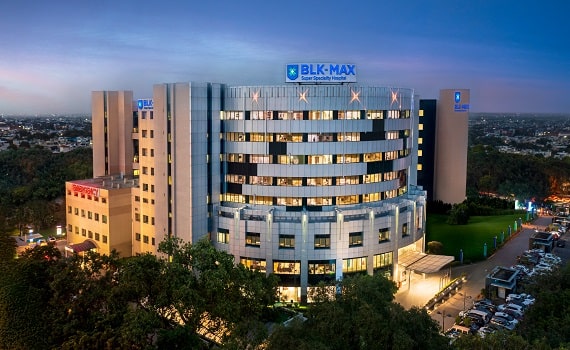
“BLK-Max” ýörite hünär hassahanasy, Nýu-Deli
Nýu-Delidäki “BLK-Max Super” ýörite hassahanasy 650 krowat, 22 sany öňdebaryjy operasiýa teatry we 13 sany ajaýyp merkez hödürleýän Hindistanda iň esa...
Akkreditasiýa

Desgalar
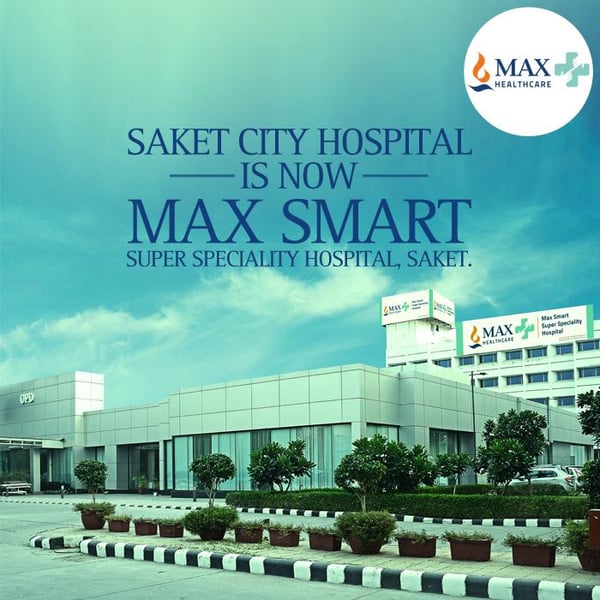
Maks Smart Super ýöriteleşdirilen hassahana, Saket, Nýu-Deli
Maks Smart Super ýöriteleşdirilen hassahana, Saket, Günorta Delidäki 250 orunlyk üçünji derejeli hassahanadyr. Cardürek ylymlary, onkologiýa, ortopedi...
Akkreditasiýa
Desgalar
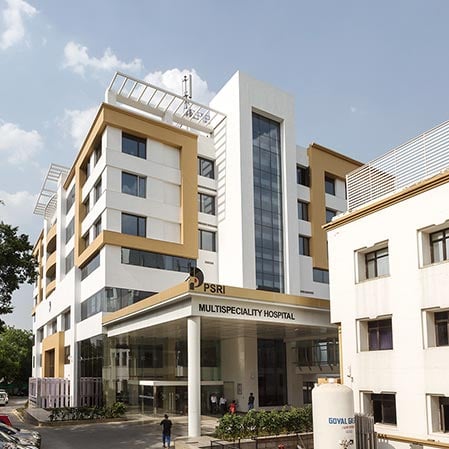
PSRI hassahanasy, Deli
Nýu-Delidäki Puşpawati Singhania gözleg instituty (PSRI hassahanasy), JK topary tarapyndan 1996-njy ýylda döredilen köp ugurly ýokary derejeli hassaha...
Akkreditasiýa
Desgalar
Şuňa meňzeş proseduralar
Galereýa
Faktura
Synçy
Hemmesini gormek
Başlyk we uly geňeşçi - Bagyr transplantasiýasy
Doktor Wivek Wij bu ugurda 15 ýyldan gowrak tejribesi bolan bagyr transplantasiýasynyň öňdebaryjy hirurgydyr. Fortis hassahanalarynda bagyr transplantasiýasy we gepatobiliýa ylymlarynyň başlygy hökmün... Dowamyny okaň

Sahypamyz gutapjyk ulanýar. Gizlinlik syýasaty.