
Kimyoterapiya Narxi Hindiston
Haqida Kimyoterapiya
Kimyoterapiya nima va u qanday ishlaydi?
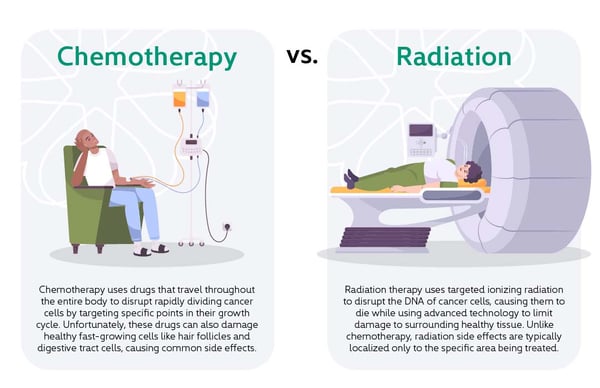
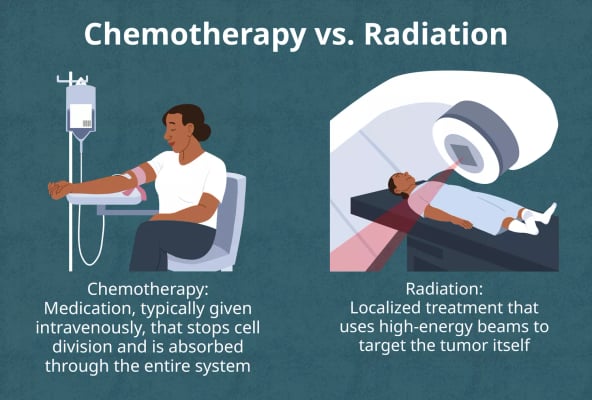
Kimyoterapiya - bu saraton hujayralarini yo'q qilish uchun maxsus dorilarni qo'llaydigan tibbiy davolash. Ushbu dorilar qon oqimi orqali tananing turli qismlaridagi saraton hujayralariga etib boradi, bu kimyoterapiyani ayniqsa tarqalib ketgan yoki tarqalish xavfi bo'lgan saratonlar uchun foydali qiladi. Muayyan sohaga qaratilgan jarrohlik yoki radiatsiyadan farqli o'laroq, kimyoterapiya tizimli ravishda ishlaydi, u qaerda bo'lishidan qat'i nazar, saratonga qarshi kurashadi.
Kimyoterapiyada ishlatiladigan dorilar tez ko'payadigan hujayralarning o'sishi va bo'linishini to'xtatish uchun mo'ljallangan. O'simta hujayralari ko'pchilik oddiy hujayralarga qaraganda tezroq bo'linishi sababli, ular ushbu dorilarga nisbatan juda zaifdir. Biroq, soch follikulalari, ovqat hazm qilish tizimi va suyak iligi kabi ba'zi sog'lom hujayralar ham ta'sir qilishi mumkin, shuning uchun soch to'kilishi va charchoq kabi yon ta'sirlar paydo bo'lishi mumkin.
Kimyoterapiya bir necha usulda qo'llanilishi mumkin:
- Operatsiyadan oldin (neoadjuvan terapiya)o'simtani qisqartirish uchun.
- Asosiy davolash sifatidajarrohlik yo'li bilan olib tashlanmaydigan saraton kasalliklari uchun.
- Jarrohlikdan keyin (adjuvant terapiya),qolgan saraton hujayralarini yo'q qilish uchun.
- Kombinatsiyadayaxshi natijalarga erishish uchun radiatsiya yoki maqsadli terapiya bilan.
Har bir kimyoterapiya rejasi shaxsiylashtirilgan. Shifokorlar saraton turi, bosqichi, bemorning yoshi, umumiy sog'lig'i va davolash maqsadlariga qarab dori turini, dozasini va tsikllar sonini tanlaydilar. Ushbu yondashuv saraton kasaliga xavflarni minimallashtirish bilan birga eng samarali davolanishni ta'minlaydi.
Kimyoterapiyaning har xil turlari qanday?
Kimyoterapiya bir o'lchovli yondashuv emas. Kimyoterapiyaning bir necha turlari mavjud bo'lib, ularning har biri saraton turiga, uning bosqichiga va qanchalik tajovuzkorligiga qarab ma'lum bir maqsad uchun qilingan. Keling, asosiy toifalarni oddiy so'zlar bilan ko'rib chiqaylik:
Dori funktsiyasi asosida
- Alkillashtiruvchi moddalar:Ushbu dorilar saraton hujayralarining DNKsiga zarar etkazish orqali ishlaydi, bu ularning ko'payishini imkonsiz qiladi. Ular odatda limfoma, leykemiya va jigar va o'pka saratoni kabi qattiq o'smalarni davolashda qo'llaniladi.
- Antimetabolitlar:Ushbu dorilar tanadagi tabiiy moddalarni taqlid qiladi va saraton hujayralarini ulardan foydalanish uchun aldaydi. So'rilgach, ular hujayralarning o'sishini to'xtatadilar. Yo'g'on ichak, ko'krak va oshqozon osti bezi saratoni kabi saratonlar ko'pincha bularga yaxshi javob beradi.
- O'simtaga qarshi antibiotiklar:Nomiga qaramay, bular infektsiyaga qarshi kurashuvchi antibiotiklar emas. Buning o'rniga, ular saraton hujayralari bo'linishi va o'sishi uchun zarur bo'lgan fermentlarga aralashadi. Ular ko'pincha qon bilan bog'liq saraton va ayrim qattiq o'smalarni davolashda qo'llaniladi.
- O'simlik alkaloidlari va mitotik ingibitorlar:O'simliklardan olingan bu dorilar hujayra bo'linishini bloklaydi. Ular ko'pincha ko'krak va o'pka saratonini davolashda qo'llaniladi va hujayra siklining muayyan bosqichlarida ayniqsa samarali ekanligi ma'lum.
- Topoizomeraz inhibitörleri:Ular saraton hujayralarini DNKni tiklashni to'xtatib, hujayra o'limiga olib keladi. Ular leykemiya, tuxumdon saratoni va ayrim o'pka saratonini davolashda yordam beradi.
Bu qanday berilganiga asoslangan
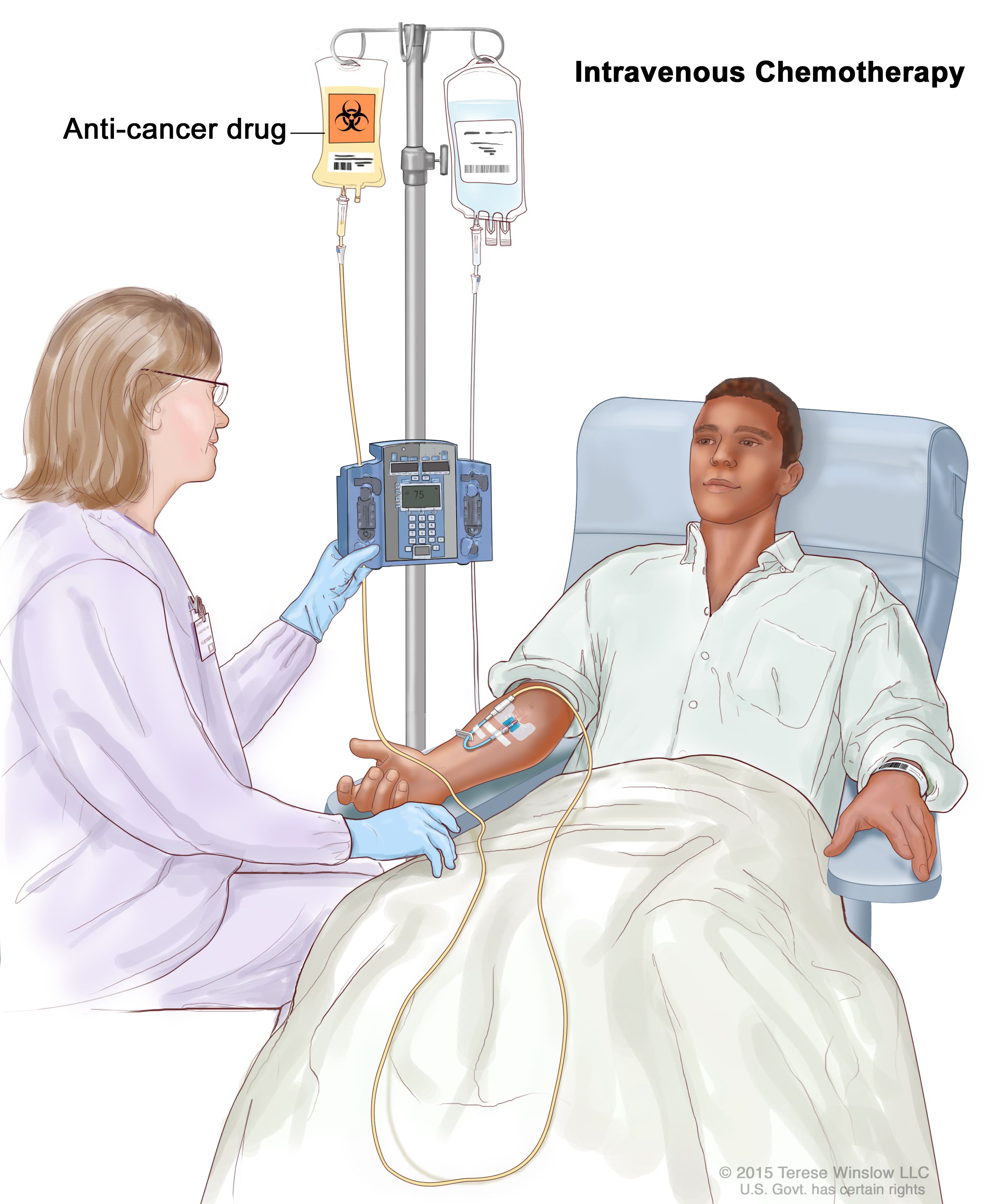
- Vena ichiga (IV) kimyoterapiya:Bu eng keng tarqalgan usul. Dori-darmonlar to'g'ridan-to'g'ri tomir ichiga yuboriladi va butun tanada tarqaladi.
- Og'iz orqali kimyoterapiya:Tabletkalar yoki kapsulalar sifatida qabul qilingan bu dorilar bemorlarga muntazam kuzatuv bilan uyda davolanish imkonini beradi.
- Mushak ichiga yoki teri ostiga yuborish:Ba'zida kimyoterapiya preparatlari dori turiga qarab mushak ichiga yoki teri ostiga kiritiladi.
- Topikal kimyoterapiya:Kamdan kam hollarda qo'llaniladi, bu shakl teriga, odatda, yuzaki teri saratoni uchun qo'llaniladi.
Ushbu turlarning har biri saraton kasalligini davolashda muhim rol o'ynaydi. Onkologlar nazorat qilinadigan yon ta'sirlar bilan maksimal samaradorlikka erishish uchun klinik baholash asosida eng mos kombinatsiyani diqqat bilan tanlaydilar.
Kimyoterapiya jarayoni
Kimyoterapiyani boshlash, ayniqsa birinchi marta bemorlar yoki davolanish uchun chet elga sayohat qilganlar uchun juda qiyin bo'lishi mumkin. Ammo nima kutish kerakligini bilish sayohatni yanada yumshoqroq va kamroq stressli qilishi mumkin. Saraton kasalxonalari xalqaro protokollarga amal qiladi va bemorlar butun jarayon davomida to'liq rahbarlik qilishlarini ta'minlaydi.
Dastlabki maslahat va baholash
Sizning saraton kasalligingizni davolash tibbiy onkolog bilan to'liq maslahatlashuvdan boshlanadi. Ular eng yaxshi kimyoterapiya rejasini aniqlash uchun biopsiya hisobotlarini, ko'rish skanerlarini, qon testlarini va umumiy sog'lig'ingizni ko'rib chiqadilar. Saraton turi, bosqichi, yoshingiz va oldingi davolanishingiz kabi omillar sizning individual protokolingizni shakllantirishga yordam beradi.
Davolashni rejalashtirish
Kimyoterapiya tasdiqlangandan so'ng, shifokor qaror qiladi:
- Qanday dorilarni qo'llash kerak
- Qancha tsikl kerak
- Har bir tsikl orasidagi bo'shliq (odatda 2-3 hafta)
- Yon ta'sirlarni kamaytirish uchun qo'llab-quvvatlovchi dorilar
Shuningdek, siz klinik koordinator, hamshira yoki tibbiy maslahatchi bilan uchrashishingiz mumkin, u jadvalni, nima qilish kerakligini va qilmaslikni, ovqatlanish bo'yicha maslahatlarni va simptomlarni kuzatishni tushuntiradi.
Kimyoterapiya sessiyasi
Kimyoterapiya odatda shifoxonadagi maxsus kunduzgi parvarishlash markazida amalga oshiriladi. Agar siz IV kimyo qabul qilsangiz:
- Sizning tomiringizga kanül yoki port o'rnatilgan.
- Dorilar turiga qarab 1-4 soat davomida asta-sekin infuz qilinadi.
- Siz ko'ngil aynish yoki allergik reaktsiyalar kabi darhol nojo'ya ta'sirlar uchun kuzatasiz.
- Seansdan so'ng, agar kasalxonaga yotqizish kerak bo'lmasa, o'sha kuni uyga borishingiz mumkin.
Og'zaki kimyoterapiya uchun shifoxona sizning dori-darmonlaringizni qachon va qanday qabul qilish bo'yicha ko'rsatmalar bilan ta'minlaydi.
Davolanishdan keyingi monitoring
Har bir tsikldan keyin shifokorlar qon miqdorini, jigar va buyraklar faoliyatini va umumiy javobni tekshiradilar. O'simtaning qisqarishini yoki kasallik nazoratini kuzatish uchun bir necha tsikldan so'ng tasvirlash testlari takrorlanishi mumkin. Dozani sozlash tanangizning dorilarga qanday ta'sir qilishiga qarab amalga oshiriladi.
Bepul davolash rejasini oling
Hindiston yilda Kimyoterapiya haqida
What is the Cost of Chemotherapy in India?
India offers high-quality cancer treatment at prices that are significantly lower than in Western countries. On average, a single cycle of chemotherapy in India costs between ₹20,000 to ₹70,000 ($240 to $840), depending on the drugs used and the hospital chosen. Most patients undergo 4 to 8 cycles, which brings the total treatment cost to around ₹1,00,000 to ₹5,00,000 ($1,200 to $6,000).
Doctors in India determine the number of chemotherapy cycles based on the type of cancer, the stage at diagnosis, and the patient's response to treatment. They also decide on the drug combinations, which directly influence the cost. For example, standard drugs like paclitaxel or cyclophosphamide cost less, while targeted or platinum-based therapies like carboplatin or docetaxel raise the expense.
Top private hospitals in India offer chemotherapy as part of day-care oncology units. These centers include consultation, drug administration, pre-medication, nursing, and follow-up care in their cost. Some hospitals offer international patients bundled packages that make budgeting easier.
Oral chemotherapy medications cost less per cycle and don't always require hospital visits. Intravenous chemotherapy, however, involves additional costs like IV setup, blood tests, port insertion (if needed), and observation time, which can slightly increase the price.
Compared to the US, where a single chemo cycle can cost $4,000 to $10,000, India offers world-class chemotherapy at just a fraction of that. Many international patients find that even after including travel and lodging expenses, their overall savings remain substantial.
Chemotherapy Cost Breakdown by Treatment Type
Understanding the different types of chemotherapy and their associated costs helps patients make informed financial decisions. Below is a detailed look at how chemotherapy expenses vary based on treatment type, drug choice, and delivery method in India.
- Intravenous Chemotherapy Cost in India: Hospitals typically charge ₹25,000 to ₹70,000 ($300 to $840) per cycle for IV chemotherapy. This cost includes the drug itself, infusion setup, pre-medication, nursing charges, and observation. If a patient receives high-end or imported drugs like docetaxel, trastuzumab, or bevacizumab, the cost rises. Using a chemo port also adds around ₹30,000 ($360) as a one-time cost.
- Oral Chemotherapy Cost in India: Oral chemotherapy tends to be more affordable and convenient. Most pills cost between ₹5,000 to ₹25,000 ($60 to $300) per cycle, depending on the brand and molecule. These medications are often prescribed for hormone-sensitive cancers or maintenance therapy and can be taken at home. Follow-up tests and consultations may incur extra costs.
- Neoadjuvant and Adjuvant Chemotherapy Cost: When doctors prescribe chemotherapy either before or after surgery, it is called neoadjuvant or adjuvant therapy. The cost for each cycle remains the same as regular IV chemotherapy, but the total number of cycles might vary. Patients typically spend ₹1,00,000 to ₹3,50,000 ($1,200 to $4,200) for the full course, depending on the treatment duration.
- Palliative Chemotherapy Cost: In advanced-stage cancers, doctors may recommend palliative chemotherapy to reduce symptoms and improve quality of life. This type often uses lower doses or less aggressive combinations. Each cycle costs ₹15,000 to ₹40,000 ($180 to $480), with total expenses depending on how long the patient continues therapy.
- Additional Expenses to Consider: Besides the cost of drugs and sessions, patients should also plan for supportive medications (anti-nausea, growth factors), blood tests, scans, and periodic consultations. These additional services may add ₹2,000 to ₹10,000 ($25 to $120) per cycle to the total bill.
Each chemotherapy plan is unique, and costs will depend on the exact drugs used, the cancer type, and how the body responds. Fortunately, India's transparent pricing and affordable treatment models allow patients from across the globe to access top-tier care without financial strain.
Comparison of Chemotherapy Cost – India vs Other Countries
India offers chemotherapy at significantly lower prices compared to many developed nations. Patients traveling from the US, UK, or the Middle East often choose India because of its cost-effectiveness without compromising on medical quality.
Country | Cost per Chemotherapy Cycle (USD) | Total Cost for 6–8 Cycles | Key Notes |
| India | $240 – $840 | $1,500 – $6,000 | Includes top-tier hospital care and international support services |
| United States | $4,000 – $10,000 | $25,000 – $80,000+ | Extremely high due to drug pricing, hospital bills, and insurance complexity |
| United Kingdom | $3,800 – $9,000 | $20,000 – $60,000 | Free for citizens via the NHS; very expensive for private or international patients |
| UAE / Gulf | $3,500 – $7,000 | $25,000 – $50,000 | High cost with limited generic options |
| Singapore | $2,500 – $5,000 | $15,000 – $30,000 | Modern hospitals but much more expensive than in India |
| Thailand | $2,000 – $4,000 | $12,000 – $24,000 | Cheaper than Western countries, but still double the Indian rates |
| South Africa / Kenya / Nigeria | $2,000 – $5,000 | $15,000 – $30,000 | Expensive due to limited access and drug imports |
Why Is Chemotherapy Affordable in India?
India is a global hub for cost-effective cancer care. Several important factors contribute to the significantly lower price of chemotherapy here compared to Western nations.
- Widespread Use of Generic Chemotherapy Drugs: India is one of the world's largest producers of generic medications. Pharmaceutical companies manufacture high-quality, FDA-approved generic versions of expensive chemotherapy drugs. These generics lower the cost of treatment by up to 70% while maintaining international standards of safety and efficacy.
- Competitive Healthcare Market: India's private healthcare sector is highly competitive. Leading hospitals and cancer centers continuously strive to offer better care at lower prices to attract international patients.
- Lower Operational and Labor Costs: Healthcare staff salaries, administrative charges, and facility overheads in India are lower than in countries like the USA or the UK.
- Cost-Efficient Infrastructure: Many Indian hospitals invest in cost-effective, high-volume infrastructure. They treat thousands of patients annually, which helps distribute fixed costs like equipment and utilities over a larger base, keeping individual treatment costs down.
- Government and NGO Support Programs: India offers several subsidy schemes and partnerships with NGOs that reduce chemotherapy costs for eligible patients. While these are primarily for residents, international patients indirectly benefit as hospitals maintain overall pricing within an accessible range.
Together, these factors make India one of the most affordable countries for chemotherapy, especially for foreign patients seeking top-tier cancer treatment without the burden of sky-high expenses.
Factors That Affect Chemotherapy Cost in India
The cost of chemotherapy in India doesn't follow a fixed number. It depends on several medical and logistical factors that can influence both the per-cycle cost and the total treatment expense. Knowing these factors helps patients plan their budget better and avoid unexpected charges during their cancer journey.
- Type of Cancer: The cost of chemotherapy varies depending on the type of cancer. Some cancers require basic drug combinations, while others need targeted or high-intensity regimens.
- Stage of Cancer: Advanced-stage cancers often require longer treatment plans, more potent drugs, and additional cycles, increasing the overall cost of chemotherapy.
- Choice of Chemotherapy Drugs: Generic drugs cost much less than branded or imported chemotherapy medications. The choice of drug directly impacts the price of each cycle.
- Number of Chemotherapy Cycles: Patients receiving more cycles pay higher cumulative costs. Most treatment plans range between 4 to 8 cycles based on medical response.
- Route of Administration: Intravenous chemotherapy involves extra charges for hospital stay and IV setup, while oral drugs can reduce overall costs by eliminating inpatient care.
- Hospital Type and City: Premium hospitals in metro cities charge more than smaller or tier-2 hospitals. However, they often include added support like accommodation, translators, and concierge services for international patients.
- Diagnostic and Monitoring Tests: Regular blood tests, imaging, and toxicity monitoring are essential during chemotherapy and add to the total cost, especially in long-term treatment.
- Supportive Medications: Drugs for managing side effects like nausea, immunity boosters, and pain relief also influence the total cost of chemotherapy treatment in India.
Services for International Patients Seeking Chemotherapy in India
India offers a seamless healthcare experience for international patients, especially those seeking chemotherapy. Leading hospitals have dedicated teams to assist patients every step of the way, from arrival to recovery.
- Dedicated International Patient Departments: Top hospitals in India have a dedicated international patient wing. These teams handle everything, including appointment scheduling, visa invitation letters, airport pickups, and accommodation planning.
- Personalized Treatment Coordination: A medical coordinator is assigned to every patient to manage their appointments, diagnostic tests, doctor consultations, and follow-up care. It ensures a smooth, stress-free experience for patients traveling from abroad.
- Multilingual Support: Language is never a barrier. Hospitals offer interpreters fluent in Arabic, French, Spanish, Swahili, Bengali, and many other languages, allowing patients and families to communicate easily with medical staff.
- Visa Assistance and Travel Help: International patients receive complete assistance for medical visas, documentation, and travel arrangements. Many hospitals partner with medical tourism facilitators to streamline this process.
- Affordable Accommodation Options: Patients can choose from hospital guesthouses, service apartments, or budget hotels located close to treatment centers.
- Nutritional and Psychological Support: Chemotherapy can be physically and emotionally challenging. Dieticians and counselors are available throughout the journey to support patients with meal plans and mental health care.
- Follow-Up and Teleconsultation Services: After treatment, patients can stay connected with their doctors through virtual follow-up sessions. Hospitals offer long-term support via email, WhatsApp, and video calls, ensuring continuity of care from home.
- 24/7 Emergency Care and Monitoring: Hospitals provide round-the-clock medical support and emergency services during chemotherapy. Nurses, oncologists, and ICU teams are always on standby in case of complications.
Success Rate of Chemotherapy in India
Chemotherapy in India has shown excellent success, especially when the cancer is diagnosed early. For early-stage cancers like breast, colon, or lymphoma, patients often experience survival rates exceeding 80–90% with timely chemotherapy cycles.
Advanced Protocols for Complex Cases: Indian oncology centers follow globally accepted protocols, including targeted therapies and combination regimens. This approach boosts success rates even for advanced-stage cancers, making treatment outcomes comparable to top hospitals in the US or the UK.
Personalized Chemotherapy Improves Outcomes: Oncologists in India customize chemotherapy plans based on cancer type, genetic profile, and patient tolerance. This individualized approach increases treatment effectiveness and reduces the chances of recurrence.
Success Rates Vary by Cancer Type: The outcome of chemotherapy varies depending on the specific cancer. For example, testicular cancer responds very well to chemotherapy with a cure rate of over 95%, while pancreatic cancer has a lower success rate despite treatment. Oncologists explain realistic expectations during the planning stage.
What are the Side Effects of Chemotherapy?
Chemotherapy works by targeting fast-growing cancer cells, but it also affects healthy cells that grow quickly. This is why patients often experience a range of side effects during and after treatment. Not every patient has the same symptoms. Some experience mild discomfort, while others need active medical support to manage the effects.
- Fatigue: Most patients feel unusually tired during chemotherapy. It can make daily tasks difficult, even after a full night's sleep. The fatigue builds up over time but usually improves after the treatment ends.
- Nausea and Vomiting: Many chemotherapy drugs cause nausea or vomiting, especially in the first few hours or days after treatment. Doctors usually prescribe anti-nausea medications to reduce this side effect.
- Hair Loss: Hair loss is among the most visible side effects of chemotherapy. It can affect the eyebrows, eyelashes, scalp, and body hair. Hair begins to grow back after cancer treatment ends.
- Loss of Appetite: Patients may lose their desire to eat due to changes in taste, nausea, or fatigue. A dietitian can help manage this by suggesting calorie-rich, easy-to-digest foods.
- Low White Blood Cell Count: Chemotherapy can weaken the immune system by lowering white blood cells, making patients more vulnerable to infections. Doctors monitor blood counts closely during treatment.
- Mouth Sores: Some people develop painful sores in the mouth or throat. These can make eating and drinking uncomfortable, but usually heal after treatment is over.
- Skin and Nail Changes: Skin may become dry, red, or sensitive. Nails can turn dark, brittle, or develop ridges. These changes are usually temporary and fade over time.
- Nerve Damage (Neuropathy): Tingling, numbness, or burning in the hands and feet may occur. It is known as peripheral neuropathy and can persist for weeks or months after chemotherapy.
- Emotional Changes: Chemotherapy often affects mood and mental health. It's normal to feel anxious, depressed, or emotionally drained during long treatments. Support groups and counseling can help.
- Fertility Impact: In some cases, chemotherapy affects fertility in both men and women. Patients concerned about future family planning should discuss options with their doctor before starting treatment.
How Indian Hospitals and Doctors Manage Chemotherapy Side Effects
Indian hospitals follow a patient-first approach when managing the side effects of chemotherapy. Oncologists in India combine advanced medical care with personalized support to help patients cope with physical, emotional, and nutritional challenges during treatment.
- Proactive Symptom Management: Doctors in India don't wait for side effects to become severe. They start patients on preventive medications like anti-nausea drugs, steroids, and immune boosters from the very first cycle to minimize discomfort and complications.
- Regular Blood Monitoring: Indian oncologists closely monitor blood cell counts during each cycle. If levels drop, they promptly adjust the dose or administer supportive injections like growth factors to avoid treatment delays or infections.
- Nutritional Counseling: Most cancer centers in India have in-house dietitians who create personalized meal plans to help patients maintain energy, manage nausea, and recover faster from treatment.
- Emotional and Psychological Support: Top hospitals offer access to oncology counselors and support groups. These services help patients deal with anxiety, fear, and depression, which are common emotional side effects of long-term chemotherapy.
- Specialized Nursing Teams: Chemotherapy patients are assisted by dedicated oncology nurses trained to recognize early signs of adverse reactions. They provide day-to-day care, help manage fatigue, and offer comfort during hospital stays.
- Use of Latest Drug Formulations: Doctors in India often use newer-generation chemotherapy drugs or combine them with targeted therapies to reduce damage to healthy cells. It helps lower the risk and intensity of common side effects like hair loss or neuropathy.
- Holistic and Integrative Care: Some Indian hospitals also offer complementary treatments like yoga, meditation, and ayurvedic support to improve mental well-being and overall tolerance to chemotherapy.
- Personalized Dose Adjustments: If a patient experiences severe side effects, oncologists quickly adjust the dosage or switch drug regimens without compromising treatment effectiveness.
Kimyoterapiya Mamlakat bo'yicha xarajatlarni taqqoslash
Tibbiy davolanishingiz haqida asosli qaror qabul qilish uchun turli mamlakatlardagi Kimyoterapiya xarajatlarni solishtiring.
| Mamlakat | Narxlar oralig'i (AQSh dollari) | Potentsial tejash | Harakat |
|---|---|---|---|
HindistonHozirgiEng yaxshi qiymat | $1,200 - $6,000 | — | Iqtibosni oling |
Eslatma: Xarajatlar kasalxonani tanlashda, xona turi, qo'shimcha xizmatlar va tibbiy talablarga asoslanishi mumkin.
Hindiston yilda Kimyoterapiya uchun yetakchi kasalxonalar
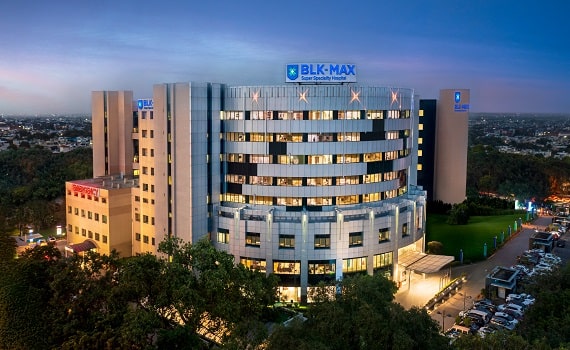
BLK-Max super ixtisoslashtirilgan kasalxonasi, Nyu-Dehli
Nyu-Dehlidagi BLK-Max Super Specialty Hospital 650 o'rinli yotoq, 22 ta ilg'or operasiya teatri va 13 ta mukammallik markazlarini taklif qiluvchi Hind...
Akkreditatsiya
Muvofiqliklar
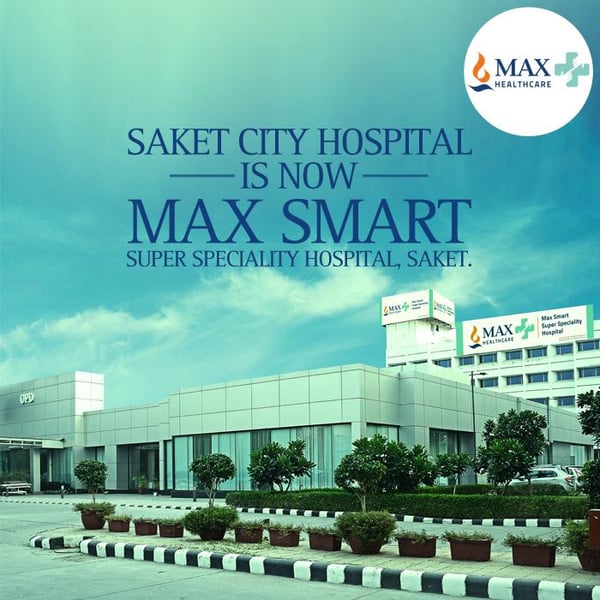
Max Smart Super maxsus kasalxonasi, Saket, Nyu-Dehli
Max Smart Super Specialty Hospital, Saket - Janubiy Dehlidagi 250 o'rinli uchinchi darajali shifoxona. U 22 dan ortiq mutaxassisliklar, jumladan, yura...
Akkreditatsiya
Muvofiqliklar
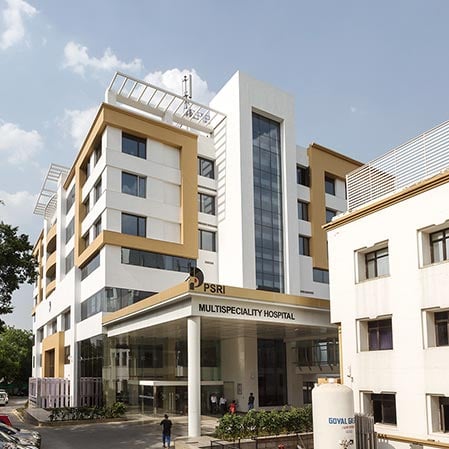
PSRI kasalxonasi, Dehli
Pushpawati Singhania tadqiqot instituti (PSRI kasalxonasi), Nyu-Dehli, 1996 yilda JK Group tomonidan tashkil etilgan etakchi ko'p ixtisoslashgan uchin...
Akkreditatsiya
Muvofiqliklar
Shunga o'xshash protseduralar
Galereya
TSS
Sharhlovchi
Hammasini ko'rish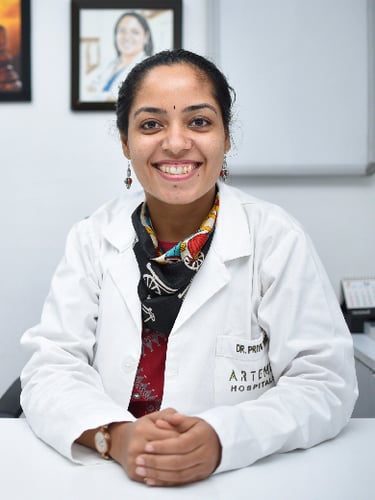
Dr. Priya Tiwari is a renowned medical oncologist trained at the prestigious All India Institute of Medical Sciences (AIIMS). She specializes in comprehensive cancer care and is committed to deliver... Ko'proq o'qish

Bizning veb-saytimiz cookie-fayllardan foydalanadi. Maxfiylik siyosati.