
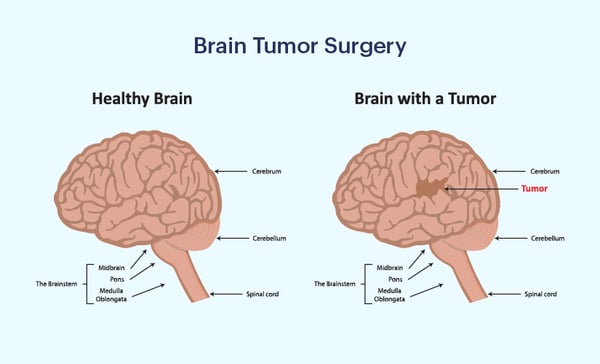
Beyin Şişi Cərrahiyyəsi dəyəri Hindistan
Haqqında Beyin Şişi Cərrahiyyəsi
Hər il daha çoxDünya üzrə 300.000 insanbeyin şişi diaqnozu qoyulur. Bu, hərəkətə, nitqə, yaddaşa və hətta şəxsiyyətə təsir edə biləcək bir vəziyyətdir. Ancaq müasir neyrocərrahiyyə sayəsində bir vaxtlar həyat üçün təhlükəli hesab edilən şey indi tez-tez təhlükəsiz və effektiv şəkildə müalicə edilə bilər.
Dünya səviyyəli infrastruktur, neyronaviqasiya sistemləri və əməliyyatdaxili MRT vasitələri ilə xəstələr artıq şişin maksimum çıxarılması, daha sürətli sağalma və minimal nevroloji riskdən faydalanırlar.
Beyin şişi əməliyyatı nədir?
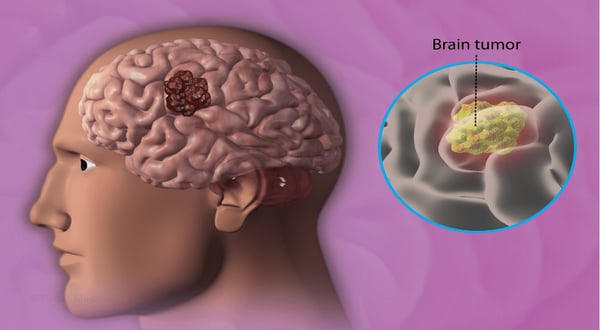
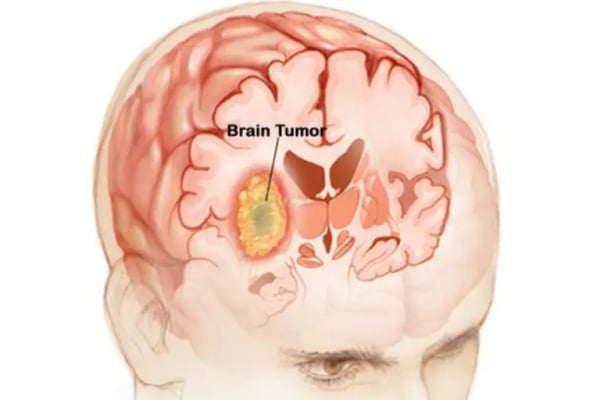
Beyin şişi cərrahiyyəsi beyindən anormal böyümələri və ya kütlələri çıxarmaq üçün xüsusi bir neyrocərrahiyyə prosedurudur. Əməliyyatın əsas məqsədi sağlam beyin toxumasını və hərəkət, nitq və yaddaş kimi vacib funksiyaları qoruyarkən, mümkün qədər çox şişi aradan qaldırmaqdır.
Cərrahlar son dərəcə dəqiqliklə əməliyyat aparmaq üçün mikrocərrahiyyə, neyronaviqasiya və əməliyyatdaxili monitorinq də daxil olmaqla qabaqcıl üsullardan istifadə edirlər. Bu texnologiyalar şişin sərhədlərini dəqiq müəyyən etməyə kömək edir, minimal nevroloji zədə ilə şişin maksimum çıxarılmasını təmin edir.
Beyin şişi əməliyyatı hər ikisi üçün edilə bilərxoşxassəli (xərçəng olmayan)vəbədxassəli (xərçəngli)şişlər. Bir çox hallarda, o, tam xəstəliyin idarə olunması üçün radiasiya terapiyası, kemoterapiya və ya məqsədyönlü terapiyanı əhatə edən daha geniş müalicə planının bir hissəsini təşkil edir.
Müasir beyin əməliyyatları təhlükəsiz, effektiv və minimal invazivdir ki, bu da xəstələrə daha tez sağalmağa və həyat keyfiyyətini daha tez bərpa etməyə imkan verir.
Beyin şişlərinin müxtəlif növləri hansılardır?
Beyin şişləri haradan yarandığına və aqressivlik səviyyəsinə görə təsnif edilir. Bu növləri bilmək həkimlərə ən effektiv cərrahi və tibbi müalicə planını təyin etməyə kömək edir.
Origin əsasında
- İlkin beyin şişləri:Bunlar beyin və ya beyin qişaları, hipofiz vəzi və ya kəllə sinirləri kimi yaxın toxumalarda yaranır. Onlar xoşxassəli (yavaş inkişaf edən) və ya bədxassəli (xərçəngli) ola bilər. Ümumi nümunələrə aşağıdakılar daxildir:
- Qliomalar: Qlial hüceyrələrdən əmələ gəlir və bütün beyin şişlərinin təxminən 30%-ni təşkil edir.
- Meningiomalar: Adətən beyni əhatə edən qişalarda böyüyən xoşxassəli şişlər.
- Hipofiz adenomaları: Bu şişlər hipofiz bezinə təsir edir, tez-tez hormonal balanssızlığa səbəb olur.
- Akustik Neyromalar (Şvannomalar): Eşitmə və tarazlığı idarə edən sinirləri inkişaf etdirin.
- Medulloblastomalar: Uşaqlarda tez-tez rast gəlinən aqressiv, lakin müalicə oluna bilən şişlər.
- İkincil (metastatik) beyin şişləri:Bunlar xərçəngin başqa bir orqandan (ağciyər, döş, böyrək və ya kolon kimi) beyinə yayıldığı zaman baş verir. Onlar böyüklərdə daha çox rast gəlinir və adətən cərrahiyyə, radiasiya və kimyaterapiyanın birləşməsini tələb edir.
Davranış və artım sürətinə əsaslanır
- Xoşxassəli şişlər:Yavaş böyüyür, adətən bir sahə ilə məhdudlaşır və çıxarıldıqdan sonra təkrarlanma ehtimalı azdır.
- Bədxassəli şişlər:Sürətlə böyüyən və invaziv; yaxınlıqdakı beyin toxumalarına yayıla və ya müalicədən sonra da yenidən görünə bilər.
Məkan əsasında
Şişlər frontal lob (davranış, hərəkət), temporal lob (nitq, yaddaş) və ya beyincik (balans, koordinasiya) kimi müxtəlif bölgələrdə inkişaf edə bilər. Şişin yeri əməliyyatın planlaşdırılmasında və sağalmanın proqnozlaşdırılmasında mühüm rol oynayır.
Beyin şişi əməliyyatı necə edilir?
Beyin şişi cərrahiyyəsi qabaqcıl görüntüləmə, kompüter rəhbərliyi və mikrocərrahi alətlərdən istifadə edərək neyrocərrahlar tərəfindən həyata keçirilən yüksək dəqiqlikli prosedurdur. Həyati vacib beyin funksiyalarını qoruyarkən şişi təhlükəsiz şəkildə çıxarmaq üçün hər bir addım diqqətlə planlaşdırılır.
- Əməliyyatdan əvvəl planlaşdırma:Əməliyyatdan əvvəl xəstələr şişin dəqiq ölçüsünü, dərinliyini və kritik sinirlərə və ya qan damarlarına yaxınlığını müəyyən etmək üçün MRT, CT və ya funksional beyin taramasından keçirlər. Mürəkkəb hallarda nitq, görmə və ya hərəkətə nəzarət edən bölgələri tapmaq üçün neyro-naviqasiya proqramı və funksional MRT (fMRI) istifadə olunur.
- Anesteziya və Xəstənin Yerləşdirilməsi:Beyin şişi əməliyyatı adətən ümumi anesteziya altında aparılır. Seçilmiş hallarda, xüsusən də şişlər kritik danışma və ya hərəkət sahələrinə yaxın olduqda, cərrahlar oyaq kraniotomiya edirlər.
- Kraniotomiya (Kəllənin açılması):Beyinə daxil olmaq üçün kəllənin kiçik bir hissəsi diqqətlə çıxarılır. Bu açılış travmanı minimuma endirmək və daha sürətli sağalmağa kömək etmək üçün mümkün qədər kiçik edilir.
- Şişin çıxarılması:Əməliyyat mikroskopunun və ya endoskopun altında cərrah həssas alətlərdən istifadə edərək mümkün qədər çox şişi çıxarır. İntraoperativ MRT və neyronaviqasiya daxil olmaqla real vaxt rejimində bələdçilik sistemləri sağlam beyin toxumasını qoruyarkən tam çıxarılmasını təsdiqləməyə kömək edir.
- Bağlanma və bərpa:Şiş çıxarıldıqdan sonra kəllə sümüyü qapağı dəyişdirilir və bərkidilir. Xəstələr 24-48 saatlıq müşahidə üçün neyro-ICU-ya köçürülür. Çoxu şişin növündən və yerindən asılı olaraq 5-10 gün ərzində sağalır.
- Əməliyyatdan sonrakı monitorinq:Qalıq şiş toxumasını yoxlamaq üçün təqib taramaları aparılır. Patoloji hesabatından asılı olaraq, tam nəzarət üçün əlavə radiasiya və ya kemoterapi tövsiyə oluna bilər.
Pulsuz bir müalicə planı alın
Hindistan ildə təxminən Beyin Şişi Cərrahiyyəsi
What Is the Cost of Brain Tumour Surgery in India?
The average cost of brain tumour surgery in India ranges between ₹3,50,000 and ₹8,00,000 ($4,200 – $9,600). The total cost depends on the tumour's size, type, location, and whether advanced technologies such as neuronavigation or intraoperative MRI are used.
Type of Surgery | Average Cost (INR) | Approx. USD Cost |
| Conventional Craniotomy | ₹3,00,000 – ₹5,00,000 | $3,600 – $6,000 |
| Endoscopic Brain Surgery | ₹3,50,000 – ₹6,00,000 | $4,200 – $7,200 |
| Stereotactic (Image-Guided) Surgery | ₹4,00,000 – ₹7,00,000 | $4,800 – $8,400 |
| Awake Craniotomy | ₹4,50,000 – ₹8,00,000 | $5,400 – $9,600 |
| Skull Base or Pituitary Surgery | ₹3,00,000 – ₹6,50,000 | $3,600 – $7,800 |
Additional Costs (if Required)
Treatment Component | Average Cost (INR) | Approx. USD Cost |
| MRI / CT Brain Scan | ₹15,000 – ₹30,000 | $180 – $360 |
| Biopsy / Histopathology | ₹10,000 – ₹25,000 | $120 – $300 |
| Radiation Therapy (IMRT/IGRT) | ₹2,50,000 – ₹6,00,000 | $3,000 – $7,200 |
| Chemotherapy (6 cycles) | ₹1,50,000 – ₹3,50,000 | $1,800 – $4,200 |
| ICU Stay (per day) | ₹8,000 – ₹15,000 | $95 – $180 |
- Advanced microsurgical or endoscopic techniques slightly increase costs but reduce complications and hospital stay.
- If post-surgery radiotherapy or chemotherapy is required, the total cost may rise by 30–40%.
- Some brain tumour surgeries qualify for cashless insurance or international patient packages with fixed pricing.
Cost Includes
- Doctor Consultations and Neurosurgeon Fees: All consultations, surgical planning, and daily visits by the neurosurgeon and medical team during hospitalization.
- Surgery and Operation Theatre Charges: Complete surgical procedure costs, including anaesthesia, consumables, instruments, and OT staff.
- Hospital Stay and ICU Care: Room charges, nursing care, and ICU observation (typically 1–2 days) after surgery.
- Routine Diagnostic and Imaging Tests: Includes basic blood work, CT or MRI scans used for surgical planning and post-surgery evaluation.
- Medications and Consumables: All drugs, fluids, and surgical materials used during the hospital stay.
- Post-Surgery Physiotherapy and Rehabilitation: Initial physical therapy or mobility training sessions are included during the inpatient period.
- Follow-Up Consultation (Initial): Most hospitals include one post-discharge follow-up visit as part of the package.
Cost Excludes
- Advanced Imaging or Functional Scans: PET-CT, fMRI, or neuro-navigation mapping may incur additional costs if not included in the base package.
- High-End Implants or Special Instruments: Imported clips, mesh, or specialized hardware (if needed for reconstruction) are charged separately.
- Extended ICU or Hospital Stay: Stays beyond the standard recovery period (5–10 days) may incur additional costs.
- Adjuvant Treatments: Any chemotherapy, radiation therapy, or targeted therapy recommended post-surgery.
- International Travel and Accommodation: Visa fees, flights, and hotel stays for patients or caregivers are not part of hospital packages.
- Long-Term Rehabilitation or Home Nursing: Extended physiotherapy or home-based care services are billed outside the primary surgical package.
City-Wise Brain Tumour Surgery Cost in India
The cost of surgical removal of the brain tumour varies by city, hospital infrastructure, neurosurgeon expertise, and available technology. Metropolitan hospitals are usually equipped with advanced neuronavigation, endoscopic, and robotic systems.
Below is a city-wise comparison of the average cost of brain tumour surgery in India:
City | Average Cost (INR) | Approx. USD Cost |
| New Delhi | ₹4,00,000 – ₹8,00,000 | $4,800 – $9,600 |
| Mumbai | ₹4,50,000 – ₹8,50,000 | $5,400 – $10,200 |
| Bangalore | ₹3,80,000 – ₹7,50,000 | $4,560 – $9,000 |
| Chennai | ₹3,50,000 – ₹7,00,000 | $4,200 – $8,400 |
| Hyderabad | ₹3,50,000 – ₹7,50,000 | $4,200 – $9,000 |
| Gurgaon | ₹4,00,000 – ₹8,50,000 | $4,800 – $10,200 |
| Pune | ₹3,20,000 – ₹6,50,000 | $3,840 – $7,800 |
| Kochi | ₹3,00,000 – ₹6,00,000 | $3,600 – $7,200 |
| Kolkata | ₹3,20,000 – ₹6,80,000 | $3,840 – $8,160 |
- Delhi, Mumbai, and Gurgaon lead in robotic, image-guided, and minimally invasive brain tumour surgeries.
- Bangalore, Chennai, and Hyderabad offer a balance of cutting-edge care and moderate pricing, making them ideal for long or complex treatments.
- Tier-2 cities such as Pune, Kochi, and Kolkata provide cost-effective yet safe alternatives, with excellent post-surgical recovery outcomes.
What Factors Affect the Cost of Brain Tumour Surgery in India?
The total cost of brain tumour surgery in India depends on several clinical and logistical factors. Each case is unique, influenced by the tumour's location, complexity, and the technologies used during the procedure.
- Type and Location of Tumor: Tumors near critical areas, such as the brainstem or speech centers, require microsurgical precision and intraoperative mapping, which increases overall cost. Superficial or benign tumours are simpler to remove and less expensive.
- Type of Surgery Performed: Costs vary by surgical method, including conventional craniotomy, endoscopic, and stereotactic image-guided surgery. Minimally invasive or awake procedures utilize advanced tools, which reduce hospital stay and recovery time.
- Technology and Equipment Used: Hospitals using neuronavigation, intraoperative MRI, or robotic systems may charge higher fees. However, these technologies improve tumour removal accuracy and reduce postoperative complications.
- Surgeon's Experience and Team Expertise: Highly experienced neurosurgeons and multidisciplinary teams (neuro-anaesthetists, physiotherapists, oncologists) contribute to better outcomes, and slightly higher consultation or surgical fees.
- Hospital Category and Accreditation: JCI- and NABH-accredited hospitals, which often feature advanced ICUs, rehabilitation units, and 24/7 neuro-monitoring facilities, tend to have higher package rates than smaller centers.
- Duration of Hospital Stay: Most patients stay 5–10 days post-surgery. Complex or recurrent tumours requiring longer ICU or ward care can raise the total cost.
- Post-Surgical Care and Rehabilitation: Following surgery, speech therapy, physiotherapy, or occupational therapy may be necessary. These add minor but important follow-up expenses to support complete recovery.
- Additional Treatments (If Needed): If the tumor is malignant, chemotherapy or radiotherapy may be recommended following surgery, which can increase the overall cost of care.
How Does the Cost in India Compare with Other Countries?
Brain tumour surgery in India offers world-class precision and outcomes at one of the lowest costs globally. Hospitals utilize the same FDA- and CE-approved surgical systems, neuronavigation technology, and intraoperative imaging as those found in leading US and European centers.
Country | Average Cost (USD) | Savings Compared to India |
| India | $4,200 – $9,600 | — |
| United States | $45,000 – $75,000 | 75–80% lower |
| United Kingdom | $35,000 – $60,000 | 70–75% lower |
| United Arab Emirates | $25,000 – $40,000 | 65–70% lower |
| Singapore | $20,000 – $35,000 | 60–65% lower |
| Thailand | $12,000 – $18,000 | 50–60% lower |
Why India Offers Better Value
- Advanced technology: Modern neuronavigation, intraoperative MRI, and endoscopic systems.
- Skilled neurosurgeons: High-volume centers with excellent outcomes in complex brain surgeries.
- Integrated care: Surgery, ICU care, and rehabilitation under one hospital stay.
- Transparent pricing: Fixed packages with detailed cost breakdowns for international patients.
What Does Recovery After Brain Tumour Surgery Look Like?
Recovery after brain tumour surgery depends on the tumour's location, type of surgery, and patient health — but most patients regain mobility and independence within a few weeks. Modern surgical techniques in India, such as microsurgery and endoscopic approaches, help ensure faster healing with fewer complications.
Hospital Stay and Immediate Recovery
Patients usually spend 1–2 days in the ICU for close neurological monitoring, followed by 5–7 days in a regular ward. Pain, swelling, or mild fatigue are common in the first week but subside with medication and rest. By the time of discharge, most patients are able to walk, eat, and communicate normally.
Home Recovery and Rehabilitation
At home, recovery continues for 4–6 weeks. Patients may experience temporary fatigue or mild weakness, depending on the brain area involved. Doctors often recommend:
- Physiotherapy to improve balance and coordination.
- Speech or occupational therapy if speech or hand movements were affected.
- Nutritional support to aid healing and brain function.
Follow-up MRI scans are done at 1 and 3 months post-surgery to ensure no tumour regrowth or fluid buildup.
Returning to Normal Life
Most patients resume light activities within a month and return to work or travel after 6 to 8 weeks, based on their progress. For malignant tumours, chemotherapy or radiotherapy may begin once the surgical wound has fully healed.
Emotional and Cognitive Recovery
It's normal to experience mood swings or mild concentration issues during recovery. Counselling, mental health support, and family involvement play a key role in emotional healing. Many Indian hospitals offer dedicated neuro-rehabilitation programs that combine physical and psychological care to facilitate a comprehensive recovery.
Long-Term Follow-Up
Patients are advised to maintain regular follow-ups every 6–12 months for MRI scans and neurological assessments. Lifestyle habits, such as getting enough sleep and maintaining a balanced diet, also support long-term brain health.
What Is the Success Rate of Brain Tumour Surgery in India?
Brain tumour surgery in India has a success rate of 80% to 95%, depending on the tumour's size, location, and whether it is benign or malignant. With the use of advanced neuronavigation, intraoperative MRI, and awake craniotomy techniques, Indian neurosurgeons achieve outcomes comparable to those of the world's top centers.
Success is defined not only by tumor removal but also by the preservation of neurological function (speech, memory, and mobility) and the patient's ability to return to everyday life.
- Benign Brain Tumours: For non-cancerous tumours, such as meningioma, pituitary adenoma, or acoustic neuroma, complete removal is possible in over 90% of cases. Recurrence rates remain below 10%, and most patients return to their normal lives within a few weeks.
- Malignant or Complex Tumours: For aggressive or deep-seated cancers, the success rate averages 70–85%, depending on tumour type and response to adjuvant therapy (radiation or chemotherapy). Combined treatment significantly improves both survival and long-term disease control.
- Pediatric Brain Tumours: India's leading pediatric neurosurgery units achieve 85–90% tumour control in children, using microsurgical and endoscopic techniques that minimize long-term side effects.
Beyin Şişi Cərrahiyyəsi Ölkə üzrə Xərclərin Müqayisəsi
Tibbi müalicənizlə bağlı məlumatlı qərar vermək üçün müxtəlif ölkələr üzrə Beyin Şişi Cərrahiyyəsi xərcləri müqayisə edin.
| ölkə | Xərc Aralığı (USD) | Potensial qənaət | Fəaliyyət |
|---|---|---|---|
HindistanCariƏn Yaxşı Dəyər | $4,200 - $9,600 | — | Sitat alın |
Qeyd: Xərclər xəstəxana seçiminə, otaq növünə, əlavə xidmətlərə və fərdi tibbi tələblərə əsasən dəyişə bilər.
Hindistan ildə Beyin Şişi Cərrahiyyəsi üçün aparıcı xəstəxanalar
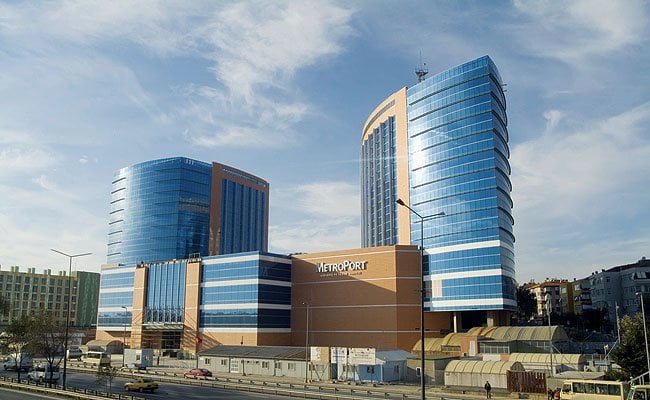
Medical Park Bahçelievler Xəstəxanası
Medical Park Bahçelievler Xəstəxanası İstanbulda 2007-ci ildə qurulmuş 242 çarpayılıq JCI tərəfindən akkreditə olunmuş xəstəxanadır. 33.000 kvadratmet...
Akkreditasiyalar

Obyektlər
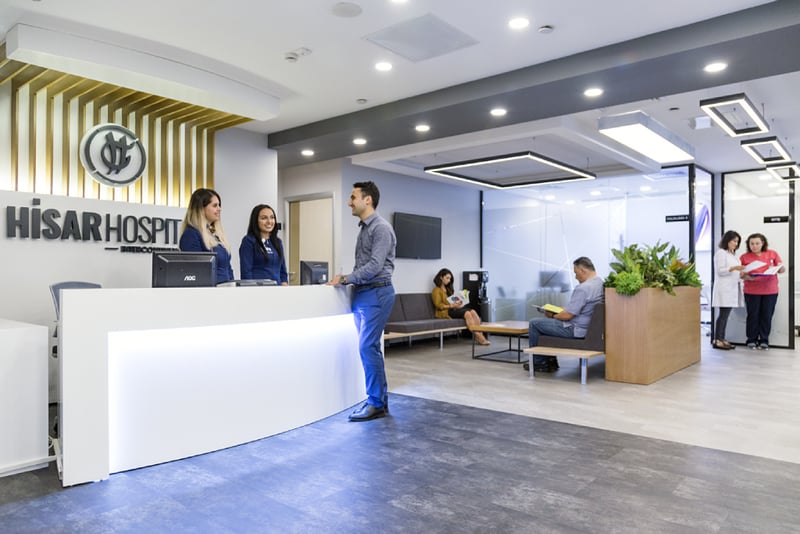
Hisar Intercontinental Xəstəxanası, İstanbul
İstanbuldakı Hisar Intercontinental Xəstəxanası JCI tərəfindən akkreditə olunmuş, 212 çarpayılıq, 35.000 kvadratmetr ərazini əhatə edən və 53 tibb şöb...
Akkreditasiyalar
Obyektlər
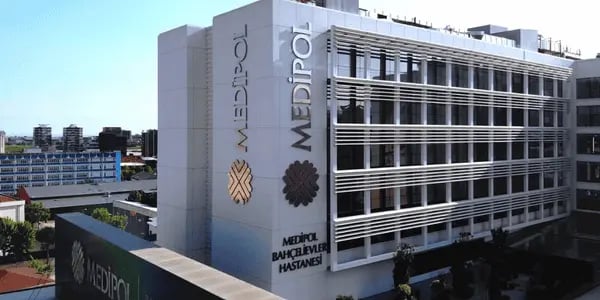
Medipol Bahçelievler Xəstəxanası
Medipol Bahçelievler Xəstəxanası İstanbulda 2022-ci ilin may ayında fəaliyyətə başlayan 441 çarpayılıq özəl xəstəxanadır. 15 mərtəbədə 60.000 kvadratm...
Akkreditasiyalar
Obyektlər
Oxşar Prosedurlar
Hindistan ildə Minimal İnvaziv Beyin Cərrahiyyəsi
Qalereya
Tez-tez verilən suallar
Rəyçi
Hamısına baxın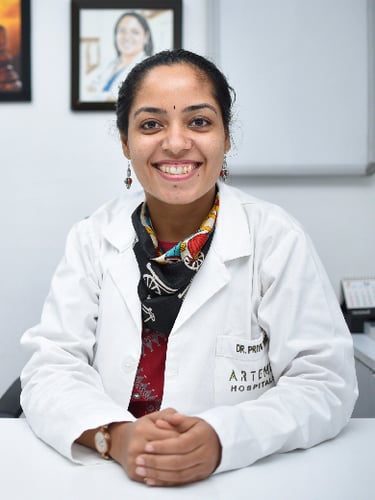
Dr. Priya Tiwari is a renowned medical oncologist trained at the prestigious All India Institute of Medical Sciences (AIIMS). She specializes in comprehensive cancer care and is committed to deliver... Daha ətraflı oxuyun

Veb saytımız çərəzlərdən istifadə edir. Məxfilik Siyasəti.