
Sol mədəciyin köməkçi cihazı - LVAD dəyəri Hindistan
Haqqında Sol mədəciyin köməkçi cihazı - LVAD
Sol mədəciyin köməkçi cihazı (LVAD) nədir?
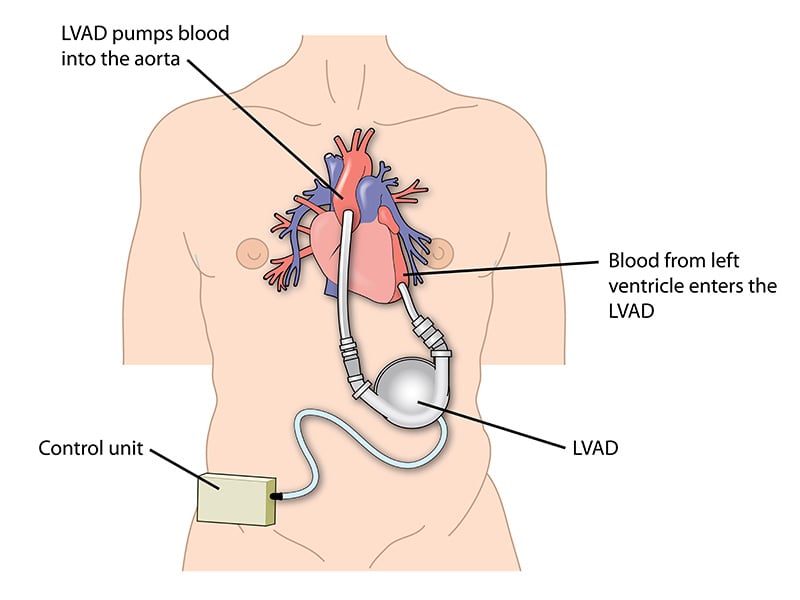
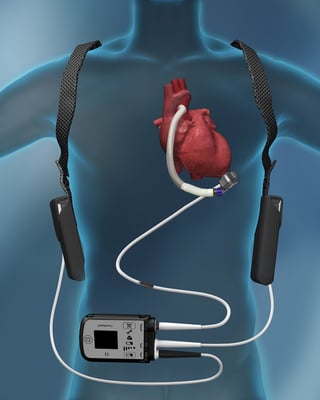
LVAD kimi qısaldılmış sol mədəciyin köməkçi cihazı, sol mədəciyin (ürənin əsas nasos kamerası) bütün bədəndə qan dövranını təmin edən mexaniki nasosdur. Həkimlər açıq ürək əməliyyatı zamanı cihazı döş qəfəsinin içərisinə yerləşdirirlər. Yerləşdikdən sonra LVAD ürəyin nasos funksiyasını öz üzərinə götürərək, oksigenlə zəngin qanın bütün bədəndəki həyati orqanlara axmağa davam etməsini təmin edir.
LVAD'lar inkişaf etmiş ürək çatışmazlığı olan xəstələrdə, ilk növbədə dərmanlar artıq rahatlama təmin etmədikdə faydalıdır. Bütün ürəyi əvəz edən tam süni ürəkdən fərqli olaraq, LVAD xəstənin mövcud ürəyi ilə birlikdə işləyir və onun zəifləmiş funksiyasını dəstəkləyir.
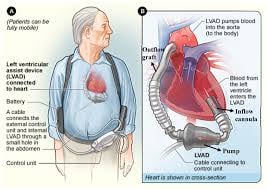
Cihaz bir neçə əsas komponentdən ibarətdir:
- Anasos, sinə içərisinə implantasiya edilən və ürəyə bağlanan.
- Aötürücü kabel, dəridən keçən və nasosu nəzarətçiyə birləşdirən.
- Anəzarətçi, bədəndən kənarda geyilən, nasosu gücləndirən və ona nəzarət edən.
- bir sıratəkrar doldurulan batareyalar və ya enerji bloku, sistemin 24/7 işləməsini təmin edən.
LVAD-lar illər ərzində əhəmiyyətli təkamül keçirmişdir. İndiki modellər daha kiçik, daha səssiz və daha səmərəlidir. Xəstələr lazımi qayğı ilə aktiv həyat sürə, tez-tez simptomlarında, enerji səviyyələrində və gündəlik fəaliyyətlərində əhəmiyyətli yaxşılaşma müşahidə edə bilərlər.
Xəstələrə niyə LVAD lazımdır?
Ürəyi tək başına effektiv şəkildə qanı vura bilməyəcək qədər kövrək olduqda xəstələrə sol mədəciyin köməkçi cihazı lazımdır. Bu vəziyyət adətən ürək çatışmazlığının son mərhələsində, dərmanlar və daha az invaziv müalicələr artıq simptomları idarə etmədikdə və ya pisləşmənin qarşısını almadıqda yaranır.
LVAD birinci sıra terapiya deyil. Həkimlər adətən xəstə maksimum tibbi müalicəyə (o cümlədən ACE inhibitorları, beta-blokerlər, diuretiklər və digər dərmanlar) cəhd etdikdə, lakin yenə də yorğunluq, nəfəs darlığı, maye tutma və aşağı ürək çıxışı ilə mübarizə apardıqda bunu tövsiyə edirlər. Belə hallarda LVAD qan dövranını bərpa etmək və ürəyin yükünü yüngülləşdirmək üçün mexaniki dəstək verir.
Həkimlərin LVAD istifadə etdiyi üç əsas ssenari var:
- Transplantasiya üçün körpü:Ürək transplantasiyasına namizəd olan, lakin uzun gözləmə müddətləri ilə üzləşən xəstələr vəziyyətlərini sabitləşdirmək və donor ürəyi mövcud olana qədər onları canlı və funksional saxlamaq üçün tez-tez LVAD alırlar.
- Təyinat Terapiyası:Yaşı, digər xəstəlikləri və ya şəxsi seçiminə görə ürək transplantasiyası üçün uyğun olmayan xəstələr uzunmüddətli həll yolu kimi LVAD qəbul edə bilərlər. Belə hallarda, cihaz transplantaya daimi alternativ kimi çıxış edir, çox vaxt ömrü bir neçə il uzadır.
- Bərpa üçün körpü:Bəzi xəstələrdə, xüsusən də infeksiyalar, miokarditlər və ya əməliyyatdan sonrakı ağırlaşmalar səbəbindən müvəqqəti ürək çatışmazlığı olan xəstələrdə LVAD ürəyi öz-özünə sağalmasına imkan verəcək qədər uzun müddət dəstəkləyə bilər. Ürək gücünü bərpa etdikdən sonra həkimlər cihazı çıxara bilərlər.
Həkimlər LVAD implantasiyasını tövsiyə etməzdən əvvəl hər bir xəstənin tibbi vəziyyətini, müşayiət olunan xəstəlikləri, ürək funksiyasını və ümumi proqnozunu qiymətləndirirlər. Xəstənin düzgün seçilməsi ilə cihaz sağ qalma nisbətlərini artıra və həyat keyfiyyətini yaxşılaşdıra, xəstələrə ikinci həyat şansı verə bilər.
LVAD-a Kim Namizəddir?
Xəstə dərmanlar və ya digər qeyri-cərrahi müalicələr vasitəsilə artıq idarə olunmayan inkişaf etmiş ürək çatışmazlığından əziyyət çəkəndə sol mədəciyin köməkçi cihazının implantasiyasına namizəd olur. Həkimlər LVAD-ı ürək funksiyası ciddi şəkildə pozulmuş və optimallaşdırılmış tibbi müalicəyə baxmayaraq zəiflədici simptomlar yaşamağa davam edən şəxslər üçün nəzərdə tuturlar.
LVAD namizədliyi üçün əsas meyarlara aşağıdakılar daxildir:
- Son Mərhələ Ürək Çatışmazlığı (NYHA Class III və ya IV):Namizədlər adətən Nyu-York Ürək Dərnəyinin III və ya IV sinif ürək çatışmazlığına malikdirlər. Bu o deməkdir ki, onlar hətta istirahətdə və ya minimal fiziki fəaliyyətlə nəfəs darlığı, yorğunluq və ya şişkinlik kimi simptomlarla qarşılaşırlar.
- Azaldılmış Ejeksiyon Fraksiyası:Xəstələrdə adətən 25%-dən az olan sol mədəciyin boşalma fraksiyası (LVEF) olur ki, bu da ürəyin hər vuruşda nisbətən az miqdarda qan pompaladığını göstərir.
- Dərmanlara cavab verməmək:Təlimatlara uyğun ürək çatışmazlığı dərmanları almasına baxmayaraq, bu xəstələr pisləşməyə davam edir və ya yaxşılaşmır.
- Transplantasiya üçün uyğun (və ya olmayan):Bəzi LVAD resipiyentləri ürək transplantasiyası gözləyir (transplantasiya üçün körpü), digərləri isə yaşa və ya əlavə xəstəliklərə görə transplantasiya üçün uyğun deyil (təyinat terapiyası). Hər iki qrup ümumi funksional vəziyyətə və həyat keyfiyyətinin məqsədlərinə əsasən uyğun ola bilər.
- Əks göstərişlər yoxdur:Xəstələrdə nəzarətsiz infeksiyalar, ağır böyrək və ya qaraciyər çatışmazlığı, laxtalanma pozğunluqları və ya geri dönməz beyin zədələnməsi olmamalıdır. Bu şərtlər əməliyyatı çətinləşdirə və ya sağalmanı poza bilər.
- Kifayət qədər dəstək sistemi:LVAD ömür boyu cihazın idarə edilməsini, təqibləri və gigiyena və enerji təchizatına diqqət yetirməyi tələb etdiyi üçün xəstənin sabit ev mühiti və baxıcı dəstəyi olmalıdır.
LVAD İmplant Proseduru Necə İşləyir?
LVAD implantasiya proseduru altında həyata keçirilən böyük açıq ürək əməliyyatıdırümumi anesteziya. Bu, zəifləmiş sol mədəciyin qan dövranına kömək etmək üçün sinə içərisinə mexaniki bir nasosun yerləşdirilməsini nəzərdə tutur. Bütün proses adətən davam edir4-6 saat, əməliyyatdan əvvəl, əməliyyat zamanı və əməliyyatdan sonra xəstə yaxından izlənilir.
Cərrahiyyə öncəsi hazırlıq
Əməliyyatdan əvvəl xəstələr daxil olan hərtərəfli bir qiymətləndirmədən keçirlərexokardioqrammalar,döş qəfəsinin rentgenoqrafiyası,qan testlərivə bəzi hallardaürək kateterizasiyası. Bu, cərrahi qrupa ürək funksiyasını, ağciyər sağlamlığını və prosedura hazırlığı qiymətləndirməyə kömək edir. Xəstə əməliyyatdan bir və ya iki gün əvvəl qəbul edilir və kardioloq, ürək cərrahı, anestezioloq və cihaz texniki daxil olmaqla xüsusi ürək çatışmazlığı qrupu xüsusi bir cərrahi plan yaradır.
Cərrahi addımlar
- Anesteziya və kəsik:Cərrah ümumi anesteziya verir, xəstənin tamamilə huşsuz və ağrısız olmasını təmin edir. Ürəyə daxil olmaq üçün orta xətt sternotomiyası (sinədən kəsik) edilir.
- LVAD nasosunun qoşması:LVAD-ın daxil olan kanulası sol mədəciyə, çıxış kanulası isə yüksələn aortaya bağlanır. Bu əsas arteriya qanı bədənə paylayır. Bu quraşdırma nasosun uğursuz sol mədəcikdən qan çəkməsinə və onu birbaşa sistem dövriyyəsinə çatdırmasına imkan verir.
- Nəzarətçi və Sürücü Xəttinin Yerləşdirilməsi:Sürücü xətti kimi tanınan kabel daxili nasosu xarici nəzarətçiyə və batareya paketinə birləşdirir. Bu kabel dəridən keçirilir və xəstənin gündəlik istifadə etdiyi geyilə bilən cihaza bərkidilir. Nəzarətçi nasosun sürətini idarə edir və hər hansı nasazlıq halında xəbərdarlıq edir.
- Sinə bağlanması:Bütün əlaqələr etibarlı olduqda və nasosun funksionallığı yoxlanıldıqdan sonra cərrahi qrup sinəni tikiş və ya cərrahi ştapellərlə bağlayır. LVAD xəstəsi daha sonra yaxından izləmə və qayğı üçün kardiyak reanimasiya şöbəsinə (ICU) köçürülür.
Əməliyyatdan sonrakı bərpa
Xəstələr 2-3 gün ərzində ürək reanimasiya şöbəsində qalırlar və sonra pilləli ürək bölməsinə köçürülürlər. Xəstəxanada qalma müddətində baxım qrupu optimal xəstə baxımını təmin etmək üçün ürəyin işinə, yaraların sağalmasına, infeksiya riskinə və cihazın işinə nəzarət edir. Bərpa prosesinə kömək etmək üçün fizioterapiya erkən başlayır. Ümumi xəstəxanada qalma müddəti xəstənin vəziyyətindən və prosedura reaksiyasından asılı olaraq təxminən 2 ilə 4 həftə davam edir.
Həkimlər və tibb bacıları, həmçinin xəstələrə və baxıcılara LVAD-dan necə istifadə etmək və ona qulluq etmək, o cümlədən batareyanın dəyişdirilməsi, nəzarətçinin idarə edilməsi və fövqəladə hallarla bağlı təlimatlar üzrə dərin təlim keçirlər.
Pulsuz bir müalicə planı alın
Hindistan ildə təxminən Sol mədəciyin köməkçi cihazı - LVAD
What Is the Cost of LVAD Surgery in India?
The cost of left ventricular assist device (LVAD) surgery in India typically ranges from $45,000 to $65,000 for international patients. The price is significantly lower than what the same procedure would cost in the United States or Europe, where total costs often exceed $150,000 to $200,000. Despite the lower price, patients receive high-quality care, advanced surgical techniques, and internationally approved devices.
The total price of LVAD surgery in India generally includes:
- The LVAD device (FDA- or CE-approved, such as HeartMate 3 or HeartWare HVAD)
- Surgeon's and anesthetist's fees
- Operating room charges and surgical consumables
- Cardiac ICU stay and monitoring
- Hospital stay (14 to 21 days)
- Preoperative investigations and imaging
- Postoperative care and physiotherapy
- Patient and caregiver training sessions
- Follow-up consultations during the hospital stay
Note: The price range varies depending on factors such as hospital location, surgeon's experience, duration of hospitalization, device brand, and any complications that require extended care.
LVAD Surgery Cost Breakdown in India:
Category | Estimated Cost (in USD) |
| LVAD Device (HeartMate 3 or similar) | $25,000 – $35,000 |
| Surgical Fees | $4,000 – $6,000 |
| Anesthesia & ICU Charges | $3,000 – $5,000 |
| Hospital Stay (14–21 days) | $4,000 – $6,000 |
| Preoperative Tests & Imaging | $1,500 – $2,000 |
| Surgical Consumables | $1,000 – $2,000 |
| Post-Op Medications & Therapy | $1,000 – $1,500 |
| Device Controller & Accessories | $2,500 – $3,000 |
| Patient Education & Device Training | $500 – $1,000 |
| Follow-Up During Hospital Stay | $500 – $1,000 |
Total Estimated Cost: $45,000 – $65,000
This breakdown offers a transparent view of the factors that contribute to the overall cost of LVAD surgery in India. Most hospitals provide package-based pricing, but additional charges may apply if patients require extended ICU support, have pre-existing medical conditions, or require long-term hospitalization.
International patients are advised to request all-inclusive quotes that clearly outline the currency conversion, the inclusion of companion stay, visa assistance, and post-discharge follow-up support.
What Factors Influence the Cost of LVAD in India?
Several factors influence the final price of left ventricular assist device surgery in India, despite the country already offering highly competitive prices compared to the West.
- Choice of Hospital and Location: Hospitals in metro cities like Delhi, Mumbai, and Bangalore may charge more due to advanced infrastructure, JCI or NABH accreditations, and higher staffing costs.
- Brand and Type of LVAD Device: The cost varies depending on whether the hospital uses premium, FDA-approved devices, such as the HeartMate 3 or HeartWare HVAD. These devices are reliable and long-lasting, but they come at a higher base cost, which is reflected in the overall package.
- Experience of the Surgical Team: Highly experienced cardiac surgeons who specialize in mechanical circulatory support typically charge more. However, their involvement also increases safety, improves surgical outcomes, and reduces costs associated with complications.
- Preoperative and Postoperative Requirements: Patients with comorbidities such as diabetes, kidney disease, or lung issues may need additional diagnostic workups, ICU time, or specialist consultations, which can increase the total expense.
- Length of Hospital Stay: If complications arise or recovery is slower than expected, patients may need to stay longer in the ICU or ward, resulting in higher room, nursing, and care charges.
- Patient's Medical Condition: Patients in critical condition who require urgent surgery, multiple devices, or additional cardiac procedures, such as valve repair, may face higher overall costs due to the complexity of their condition.
Why Choose India for LVAD Implantation?
India has emerged as one of the most sought-after destinations for left ventricular assist device (LVAD) implantation, especially among international patients. The country combines cutting-edge medical technology, globally trained cardiac specialists, and cost-effective treatment, making it an ideal option for patients seeking advanced management of heart failure.
- World-Class Cardiac Expertise: India is home to some of the finest cardiac surgeons who specialize in mechanical circulatory support, including LVADs. Many of these experts have trained at top institutions in the US, UK, or Germany, bringing decades of experience in handling high-risk heart failure cases.
- FDA- and CE-Approved Devices: Indian hospitals utilize the latest generation of LVAD systems, including HeartMate 3 and HeartWare HVAD, which are approved by global regulatory bodies and are widely used in the West. These devices are recognized for their reliability, enhanced hemocompatibility, and reduced risk of thrombosis or stroke.
- Significant Cost Savings: LVAD surgery in India costs up to 70% less than in the United States, Canada, or Western Europe. International patients can expect complete LVAD treatment, including the device, surgery, hospital stay, ICU care, and medications, for around $45,000 to $65,000.
- Infrastructure That Matches Global Standards: Top cardiac centers in cities like Delhi, Mumbai, Chennai, and Bangalore offer state-of-the-art operating rooms, hybrid cath labs, and fully equipped cardiac ICUs.
- Proven Track Record with International Patients: Thousands of patients from countries such as Nigeria, Kenya, Iraq, Bangladesh, and the UAE have chosen India for LVAD surgery. High satisfaction rates, excellent outcomes, and positive word of mouth have solidified India's reputation as a global hub for heart care.
Support Services for International Patients
India offers a wide range of specialized support services to make LVAD surgery accessible, safe, and stress-free for international patients.
- Visa Assistance and Medical Invitation Letters: Most top cardiac hospitals in India offer medical visa invitation letters and assist with coordinating the necessary documentation for embassy approval.
- Airport Pickup and Local Transportation: Hospitals arrange airport pickup services in comfortable, air-conditioned vehicles. Patients and their companions are transported directly to the hospital or their accommodation without hassle.
- Language and Translation Services: India's major hospitals employ multilingual support teams and professional interpreters fluent in Arabic, French, Swahili, Russian, and other widely spoken languages.
- Affordable Accommodation Options: International desks assist with booking nearby guesthouses, serviced apartments, or hospital-based lodging that are hygienic, safe, and reasonably priced.
- Dedicated International Patient Coordinators: Every international patient is assigned a devoted case manager or patient coordinator who serves as the single point of contact. They handle scheduling, billing, pharmacy support, dietary needs, and any personal requests throughout the hospital stay.
- Post-Discharge Follow-Up and Teleconsultation: After discharge, hospitals provide regular teleconsultations to ensure the LVAD device is functioning correctly and address any concerns.
- Caregiver Training and Emergency Support: Before leaving the hospital, both patients and their caregivers undergo hands-on training in LVAD management, including changing batteries, handling alarms, and recognizing complications.
LVAD Success Rate and Life Expectancy in India
India has achieved impressive outcomes with left ventricular assist device implantation, thanks to advancements in cardiac surgery, skilled medical teams, and the availability of globally approved devices. Most leading cardiac centers in India now report success rates between 85% and 92% for LVAD procedures in carefully selected patients. These outcomes are comparable to those of top international heart institutes. Many patients who receive an LVAD as a bridge to transplant survive long enough to receive a donor's heart and experience excellent long-term outcomes. For those receiving LVAD as destination therapy, life expectancy has also increased, with studies showing survival rates of 70% at two years and 50% at five years post-implantation.
In India, the careful selection of patients, rigorous infection control measures, and continuous device monitoring have helped reduce common risks such as driveline infections or clot formation. Moreover, the use of newer-generation devices, such as the HeartMate 3, has minimized complications, including pump thrombosis and stroke.
Patients who respond well to the procedure often regain mobility, return to daily routines, and even travel, provided they manage the device correctly and adhere to medical advice. The emotional and physical burden of severe heart failure also eases significantly, allowing patients to live with greater independence and stability.
Continued improvements in device technology and postoperative care are anticipated to further enhance life expectancy and outcomes for LVAD patients in India in the years to come.
Is India a Safe Option for LVAD Surgery?
Yes, India is considered a safe and reliable destination for left ventricular assist device surgery, particularly for international patients seeking advanced cardiac care at an affordable price. The safety of LVAD implantation in India is backed by world-class infrastructure, internationally trained surgeons, and strict adherence to global healthcare standards.
Top cardiac hospitals in India follow evidence-based protocols for preoperative assessment, infection prevention, anesthesia, and post-surgical care. Many facilities are accredited by international bodies, such as the Joint Commission International (JCI) and the National Accreditation Board for Hospitals (NABH), ensuring quality assurance and patient safety at every step.
Modern hospitals in India also use advanced cardiac operating rooms, intraoperative imaging, and automated device calibration systems to reduce procedural risks. Postoperative care includes intensive monitoring in cardiac ICUs equipped with 24/7 telemetry, infection control units, and advanced life-support systems.
Infection control is a high priority, especially given the driveline involved in LVADs. Indian hospitals implement strict wound care protocols and educate patients on proper home hygiene and device maintenance to prevent complications.
International patients receive additional safety support through dedicated case managers, interpreters, and round-the-clock access to their medical teams. These services ensure that patients feel safe, informed, and cared for throughout their entire experience, from arrival to discharge and beyond.
Recovery Process and Timeline After LVAD Surgery
Recovery after left ventricular assist device surgery is gradual, but with proper care, patients can regain independence and resume many everyday activities.
Immediate Post-Surgery Phase (Week 1–2)
After surgery, the patient is transferred to the cardiac intensive care unit (ICU), where doctors closely monitor vital signs, device function, and heart performance. The ICU stay typically lasts 2 to 4 days, depending on the patient's response and condition.
Once stable, the patient is shifted to a step-down cardiac care unit for continued monitoring and early mobilization. Nurses help patients start with light physical activity and respiratory therapy to prevent complications such as pneumonia or blood clots.
Doctors begin training the patient and caregiver on how to manage the LVAD device, including how to respond to alarms, replace batteries, and care for the driveline exit site to prevent infection.
Hospital Stay and Discharge (Week 2–3)
Most patients stay in the hospital for around 14 to 21 days. Before discharge, they must demonstrate a good understanding of LVAD care. The hospital team also evaluates wound healing, organ function, and psychological readiness. A detailed care plan is provided, including medication schedules, dressing instructions, and emergency protocols.
By the time of discharge, most patients can walk short distances, climb a few stairs, and perform basic self-care tasks. The device settings are optimized, and telemonitoring is often arranged for follow-up from the patient's home country.
Recovery at Home (Month 1–3)
Once home, the patient needs a quiet, clean environment and assistance from a trained caregiver. Regular dressing changes, adherence to medication, and avoiding heavy lifting are essential. Most patients regain strength gradually and can resume light household activities within a few weeks.
Mid- to Long-Term Recovery (After 3 Months)
By three months, most patients see significant improvements in breathing, energy levels, and overall mobility. Many work-from-home tasks can be performed remotely, including attending social events and even traveling, provided they carry backup equipment and maintain strict device hygiene practices.
After six months, many LVAD patients reach a stable recovery stage. If the LVAD was implanted as a bridge to transplant, the transplant listing process may begin. If it was intended as destination therapy, patients continue with long-term monitoring and support.
Lifestyle Adjustments and Ongoing Care
While LVADs restore circulation and extend life, patients must adapt to a new lifestyle. They need to avoid swimming, extreme sports, and exposure to magnetic fields. They also require lifelong anticoagulation (blood thinning) and regular blood tests.
With good care, most LVAD patients in India live for 5 to 10 years or longer, depending on their underlying condition and how well they follow medical advice.
Sol mədəciyin köməkçi cihazı - LVAD Ölkə üzrə Xərclərin Müqayisəsi
Tibbi müalicənizlə bağlı məlumatlı qərar vermək üçün müxtəlif ölkələr üzrə Sol mədəciyin köməkçi cihazı - LVAD xərcləri müqayisə edin.
| ölkə | Xərc Aralığı (USD) | Potensial qənaət | Fəaliyyət |
|---|---|---|---|
HindistanCariƏn Yaxşı Dəyər | $45,000 - $65,000 | — | Sitat alın |
Qeyd: Xərclər xəstəxana seçiminə, otaq növünə, əlavə xidmətlərə və fərdi tibbi tələblərə əsasən dəyişə bilər.
Hindistan ildə Sol mədəciyin köməkçi cihazı - LVAD üçün aparıcı xəstəxanalar
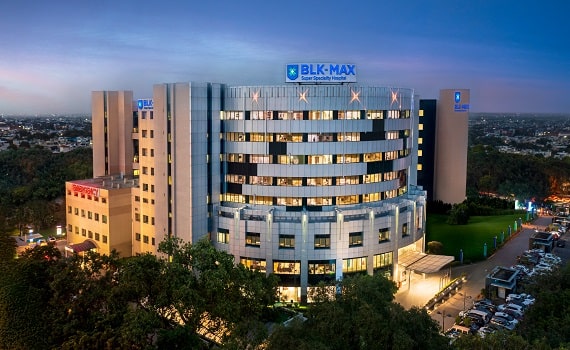
BLK-Max Super İxtisas Xəstəxanası, Yeni Dehli
Yeni Dehlidəki BLK-Max Super İxtisas Xəstəxanası 650 çarpayı, 22 qabaqcıl əməliyyat teatrı və 13 Mükəmməllik Mərkəzi təklif edən Hindistanın ən yaxşı ...
Akkreditasiyalar
Obyektlər
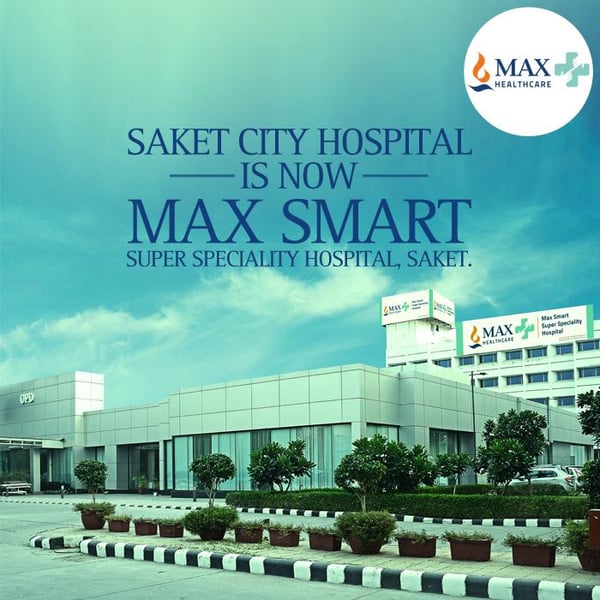
Max Smart Super İxtisas Xəstəxanası, Saket, Yeni Dehli
Max Smart Super İxtisas Xəstəxanası, Saket, Cənubi Dehlidə 250 çarpayılıq üçüncü dərəcəli xəstəxanadır. O, ürək elmləri, onkologiya, ortopediya və böy...
Akkreditasiyalar
Obyektlər
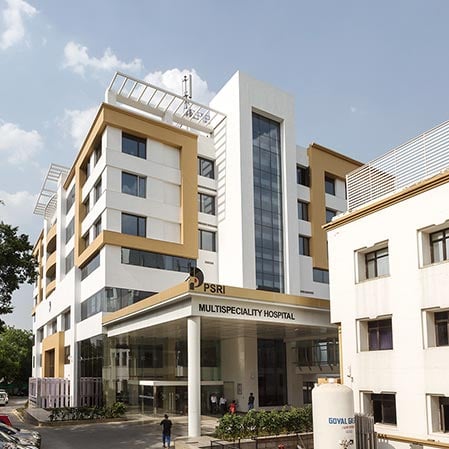
PSRI Xəstəxanası, Dehli
Pushpawati Singhania Tədqiqat İnstitutu (PSRI Xəstəxanası), Yeni Dehli, 1996-cı ildə JK Qrupu tərəfindən yaradılmış qabaqcıl çoxixtisaslı üçüncü dərəc...
Akkreditasiyalar
Obyektlər
Oxşar Prosedurlar
Qalereya
Tez-tez verilən suallar
Rəyçi
Hamısına baxın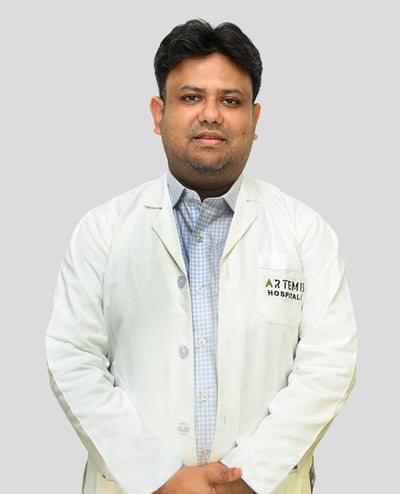
Dr. Biswarup Purkayastha is a highly skilled cardiothoracic and vascular surgeon with extensive experience in heart and lung transplantation. He has worked across leading Indian hospitals, gaining s... Daha ətraflı oxuyun

Veb saytımız çərəzlərdən istifadə edir. Məxfilik Siyasəti.