
Kök Hüceyrə Nəqli dəyəri Hindistan
Haqqında Kök Hüceyrə Nəqli
Kök hüceyrə nəqli nədir?
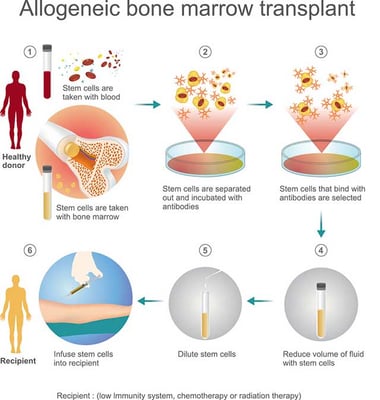
Kök hüceyrə transplantasiyası xəstəlik, kimyaterapiya və ya müəyyən qan xəstəlikləri nəticəsində iliyi zədələnmiş xəstələrdə sağlam sümük iliyini bərpa edən prosedurdur. Bu müalicənin məqsədi qırmızı qan hüceyrələrini, ağ qan hüceyrələrini və trombositləri yaratmaqdan məsul olan "ana hüceyrələr" olan sağlam kök hüceyrələri təqdim edərək bədənə yenidən normal qan hüceyrələri istehsal etməyə kömək etməkdir.
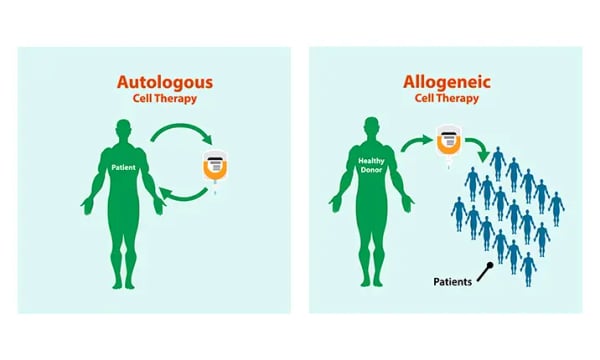
Bu kök hüceyrələr xəstənin öz bədənindən əldə edilə bilər (aotoloji transplantasiya) və ya donordan (an kimi istinad edilirallogenik transplantasiya). Bəzi hallarda ailə üzvündən qismən uyğunluq istifadə oluna bilər, buna a kimi istinad edilirhaploident transplantasiyası.
Kök hüceyrə transplantasiyası tez-tez aşağıdakı xəstəliklərdən əziyyət çəkən insanlar üçün tövsiyə olunur:
- Leykemiya
- Lenfoma
- Çoxlu miyelom
- Aplastik anemiya
- Talassemiya
- Müəyyən immun çatışmazlığı pozğunluqları
Prosedura transplantasiyadan əvvəl qiymətləndirmələrdən başlayaraq, yüksək dozalı kimyaterapiya və ya radiasiya (xəstələnmiş hüceyrələri aradan qaldırmaq üçün), daha sonra faktiki kök hüceyrə infuziyası və nəhayət transplantasiyadan sonrakı diqqətli bərpa müddətini əhatə edən bir neçə mərhələni əhatə edir.
Mürəkkəb olsa da, kök hüceyrə transplantasiyası başqa cür həyati təhlükəsi olan xəstələrə yeni ümidlər verir.
Kök hüceyrə nəqlinin müxtəlif növləri hansılardır?
Kök hüceyrə nəqli kök hüceyrələrin mənbəyinə görə təsnif edilir. Doğru növün seçilməsi müalicə olunan xəstəlikdən, donorun mövcudluğundan, xəstənin sağlamlıq vəziyyətindən və həkimin tövsiyəsindən asılıdır.
Autolog Kök Hüceyrə Transplantasiyası (Özündən törəmə)
Otoloji transplantasiyada müalicə üçün xəstənin öz kök hüceyrələrindən istifadə edilir. Bu hüceyrələr qan dövranından və ya sümük iliyindən toplanırəvvəlyüksək dozalı kemoterapiya və ya radiasiyaya məruz qalan xəstə. Xərçəng və ya xəstə hüceyrələr məhv edildikdən sonra, kök hüceyrələr sağlam iliyin bərpasına kömək etmək üçün bədənə geri qaytarılır.
Bu üsul əsasən aşağıdakı hallarda istifadə olunur:
- Multipl miyelom
- Residiv Hodgkin və ya Hodgkin olmayan lenfoma
- Uşaqlarda müəyyən bərk şişlər
Üstünlüklər:
- Hüceyrələr xəstədən gəldiyi üçün graft-versus-host xəstəliyi (GVHD) riski yoxdur.
- İmmunitetdən imtina riski aşağıdır.
- Daha qısa xəstəxanada qalma və daha sürətli ilkin bərpa.
Bununla belə, toplanmış kök hüceyrələrin bəzilərinin hələ də xərçəng izlərini daşıya bilməsi riski var, buna görə də bu tip müəyyən lösemi növləri üçün uyğun deyil.
Allogenik Kök Hüceyrə Nəqli (Donordan Alınmış)
Allogenik nəqli başqa bir insanın kök hüceyrələrindən istifadə edir - adətən genetik olaraq uyğundurqardaş,qohum, və yaəlaqəsi olmayan donor. Transplantasiyadan əvvəl bir test çağırılırHLA yazmaqdonor və xəstə arasında uyğunluğu təmin etmək üçün edilir. Bu üsul ümumiyyətlə müalicə üçün istifadə olunur:
- Kəskin və xroniki leykemiyalar
- Aplastik anemiya
- Talassemiya kimi irsi qan xəstəlikləri
- Miyelodisplastik sindromlar (MDS)
Üstünlüklər:
- Donor kök hüceyrələri qalıq xərçəng hüceyrələrinə də hücum edə bilər - bu faydalı təsir kimi tanınırgraft-versus-leykemiyatəsiri.
- Sağlam donor kök hüceyrələr xəstənin orqanizmində yeni immun sistemi yaradır.
Risklər:
- imkanıGVHD, burada donorun immun hüceyrələri resipientin bədəninə hücum edir.
- Xüsusilə ilk 100 gündə daha diqqətli monitorinq tələb edir.
Allogenik transplantasiya otoloji ilə müqayisədə daha mürəkkəb və daha bahalıdır, lakin bir çox yüksək riskli hallarda müalicəvi ola bilər.
Haploidentik Kök Hüceyrə Nəqli (Yarım Uyğun Donor)
Haploidentik kök hüceyrə transplantasiyası allogenik transplantasiyanın bir formasıdır, burada donor yalnız a50% genetik uyğunluq. Bu seçim tam uyğun donor tapa bilməyən xəstələr üçün idealdır. Ailə üzvləri (valideynlər, uşaqlar və ya qardaşlar kimi) çox vaxt donor kimi istifadə olunur.
İmmunosupressiv terapiyada son nailiyyətlər, hətta resurs məhdud şəraitdə belə transplantasiyanın bu növünü daha təhlükəsiz və daha uğurlu etmişdir. Tez-tez istifadə olunur:
- Leykemiya
- Lenfoma
- Aplastik anemiya
- Uyğun bir qardaş olmadıqda talassemiya
Müsbət cəhətləri:
- Demək olar ki, hər bir xəstə yarı uyğun ailə donoru tapa bilər.
- Tez donor mövcudluğu transplantasiya prosesini sürətləndirir.
Eksiler:
- Qardaş transplantasiyası ilə müqayisədə immun komplikasiya riski daha yüksəkdir.
- Mütəxəssis qayğısı və yaxından izlənilməsini tələb edir.
Göbək bağı qan transplantasiyası
Göbək kordonu kök hüceyrə nəqli doğuş zamanı göbək qanından toplanan kök hüceyrələrdən istifadə edir. Bu hüceyrələr kordon qanı banklarında saxlanılır və xüsusilə uşaqlarda transplantasiya üçün istifadə edilə bilər. Bu hüceyrələr HLA uyğunsuzluğuna daha uyğunlaşsa da, onların sayı daha azdır, bu da onların böyüklərdə istifadəsini məhdudlaşdırır.
Kök Hüceyrə Nəqli Kimə lazımdır?
Kök hüceyrə transplantasiyası çox vaxt ahəyat qurtaran müalicəsümük iliyi artıq düzgün işləməyən insanlar üçün. səbəbiylə ola bilərxərçəng, agenetik pozğunluq, və ya aağır immun sisteminin çatışmazlığı. Belə hallarda, qüsurlu və ya məhv edilmiş iliyi sağlam kök hüceyrələrlə əvəz etmək bədənin yenidən normal qan hüceyrələrini istehsal etməyə başlamasına kömək edir.
Kök hüceyrə transplantasiyasının tövsiyə edildiyi əsas şərtlər:
Qan Xərçəngləri
Qan xərçəngi diaqnozu qoyulan bir çox xəstə uzunmüddətli müalicə planının bir hissəsi olaraq transplantasiya tələb edir. Bunlara daxildir:
- Leykemiya: Xüsusilə kəskin lenfoblastik lösemi (ALL) və kəskin miyeloid leykemiya (AML). Transplantasiya xərçəng hüceyrələrini aradan qaldırmağa və sağlam iliyi bərpa etməyə kömək edir.
- Lenfoma: Həm Hodgkin, həm də Hodgkin olmayan lenfoma, xüsusilə residiv və ya aqressiv formalarda.
- Çoxlu miyelom: Remissiya müddətini uzatmaq üçün ilkin kimyaterapiyadan sonra otoloji kök hüceyrə transplantasiyası tez-tez istifadə olunur.
Sümük iliyi çatışmazlığı pozğunluqları
İlik kifayət qədər sağlam qan hüceyrəsi istehsal etmədikdə, transplantasiya vacib olur:
- Aplastik anemiya: Bədənin kifayət qədər yeni qan hüceyrələri istehsalını dayandırdığı bir xəstəlik.
- Miyelodisplastik Sindrom (MDS): Qan hüceyrələrinin zəif formalaşdığı və ya işləmədiyi bir qrup pozğunluq.
- Paroksismal gecə hemoglobinuriyası (PNH): Qırmızı qan hüceyrələrini məhv edən və laxtalanma riskini artıran nadir bir xəstəlik.
İrsi Qan Xəstəlikləri
Müəyyən genetik xəstəlikləri olan uşaqlar və gənclər kök hüceyrə transplantasiyası vasitəsilə müalicəyə nail ola bilərlər:
- Talassemiya mayoru: Xüsusilə uyğun donoru olan gənc xəstələrdə kök hüceyrə nəqli ömürlük qanköçürmə ehtiyacını aradan qaldıra bilər.
- Oraq hüceyrə xəstəliyi: Ağır və ya təkrarlanan hallarda, standart müalicələr uğursuz olduqda transplantasiya təklif oluna bilər.
- Fankoni anemiyası: Sümük iliyinə təsir edən və aplastik anemiyaya və ya xərçəngə səbəb olan nadir irsi vəziyyət.
İmmun çatışmazlığı sindromları və təkrarlanan və ya davamlı xərçənglər
Bəzi insanlar zəifləmiş immunitet sistemi ilə doğulur, bu da onları tez-tez infeksiyalara meylli edir. Kök hüceyrə nəqli onların toxunulmazlığını bərpa edə bilər. Nümunələr daxildir:
- Şiddətli Qarışıq İmmun Çatışmazlığı (SCID)
- Wiskott-Aldrich sindromu
- Xroniki Qranulomatoz Xəstəlik
Standart kimyaterapiya və ya radiasiya uğursuz olarsa və ya xəstəlik remissiyadan sonra bərpa olunarsa, həkimlər son, lakin güclü seçim olaraq kök hüceyrə transplantasiyasını tövsiyə edə bilərlər.
Kök Hüceyrə Transplantasiyası Proseduru Nədir?
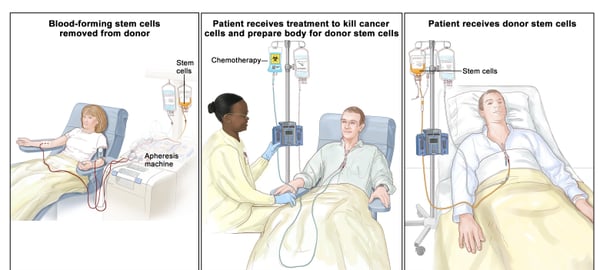
Kök hüceyrə transplantasiyası bir neçə həftə ərzində baş verən diqqətlə planlaşdırılmış, çoxfazalı bir müalicədir. Proses xəstənin hazırlanmasını, kök hüceyrələrin toplanması və infuziya edilməsini, sonra isə bərpa dövründə orqanizmin reaksiyasını idarə etməyi əhatə edir. Transplantasiya edilmiş kök hüceyrələrin tutulmasını və sağlam qan hüceyrələrini istehsal etməyə başlamasını təmin etmək üçün hər bir addım çox vacibdir.
Transplantasiyadan əvvəl Qiymətləndirmə
Transplantasiyadan əvvəl xəstənin prosedurdan keçmək üçün kifayət qədər uyğun olub olmadığını yoxlamaq üçün tam sağlamlıq qiymətləndirməsi aparılır. Buraya daxildir:
- Qan testləri
- Görüntü taramaları (məsələn, döş qəfəsinin rentgenoqrafiyası və ya CT taramaları)
- Ürək və ağciyər funksiyası testləri
- Sümük iliyinin biopsiyası (bəzi hallarda)
- Donor uyğunluğu üçün HLA tiplənməsi (allojenik və ya haploidentik transplantlarda)
Həkimlər həmçinin infeksiyaları yoxlayır, orqan funksiyasını qiymətləndirir və transplantasiya nəticələrinə təsir edə biləcək digər risk faktorlarını müəyyənləşdirir.
Kondisioner terapiyası
Qiymətləndirmə başa çatdıqdan sonra xəstə qəbul edirkondisioner müalicəsi, adətən daxildiryüksək dozalı kemoterapi,radiasiya terapiyası, və ya hər ikisinin birləşməsi. Bu mərhələ vacibdir, çünki:
- Sümük iliyində xərçəng və ya xəstə hüceyrələri məhv edir
- İmmunitet sistemini basdırır və transplantasiyadan imtina riskini azaltmağa kömək edir
- Yeni kök hüceyrələrin böyüməsi üçün yer yaradır
Kondisioner xəstənin xəstəliyindən və transplantasiya növündən asılı olaraq bir neçə gündən bir həftəyə qədər davam edə bilər.
Kök Hüceyrə Kolleksiyası
Kök hüceyrələr transplantasiyadan əvvəl toplanır. Bu müxtəlif yollarla edilə bilər:
- Xəstənin qanından(otoloji transplantasiya üçün)
- Donorun qanından və ya sümük iliyindən(allojenik transplantlar üçün)
- Göbək qanından, əvvəllər saxlanılıbsa və uyğunlaşdırılıbsa
Toplama prosesi adətən ağrısızdır və nəzarət edilən şəraitdə aparılır.
Kök hüceyrə infuziyası
Kondisionerdən sonra toplanmış kök hüceyrələr əridilir (dondurulubsa) və qan köçürülməsi kimi xəstənin qanına yeridilir. Transplantasiyanın bu hissəsi sadədir və adətən bir neçə saat çəkir.
İnfüzyondan sonra, kök hüceyrələr sümük iliyinə hərəkət edir və prosesi başlayıroyma,bu müddət ərzində onlar yeni, sağlam qan hüceyrələri istehsal etməyə başlayırlar.
Bərpa və Enraftment Monitorinqi
İnfüzyondan sonrakı günlər ən kritik günlərdir. Xəstə yaxından izlənilir:
- İnfeksiyalar (immunitet çox aşağı olduğundan)
- Orqan funksiyası
- Graft-versus-host xəstəliyi (donor əsaslı transplantasiyalarda)
- Qanama və ya transfüzyon ehtiyacı
Oyma adətən ətrafında başlayır10 ilə 20 güninfuziyadan sonra. Bu müddət ərzində antibiotiklər, ağrı kəsiciləri, qidalanma dəstəyi və qan məhsulları da daxil olmaqla dəstəkləyici qayğı tələb oluna bilər.
Pulsuz bir müalicə planı alın
Hindistan ildə təxminən Kök Hüceyrə Nəqli
What Is the Cost of Stem Cell Transplant in India?
The cost of a stem cell transplant in India typically ranges between ₹15,00,000 and ₹35,00,000 (approximately $18,000 to $42,000), depending on several factors, including the type of transplant, the hospital, and the patient's clinical condition. The cost usually covers the full course of treatment, from evaluation to post-transplant care.
A standard stem cell transplant package at Indian hospitals includes:
- Pre-transplant evaluations such as HLA typing, imaging, blood tests, and infection screening.
- Hospital admission and inpatient care in specialized isolation rooms with HEPA filters.
- High-dose chemotherapy or radiation therapy for conditioning.
- Stem cell collection, processing, and storage (for autologous or donor-based procedures).
- Transplantation procedure including stem cell infusion and infusion-related care.
- Post-transplant monitoring such as infection control, blood transfusions, and supportive medications.
- Initial follow-up care for around 30–60 days after discharge (varies by center).
In some cases, additional expenses may arise for donor identification (for unrelated transplants), treatment of complications like graft-versus-host disease (GVHD), or extended ICU stay. International patients may also need to account for travel, visa, food, and accommodation costs separately.
Detailed Cost Breakdown of Stem Cell Transplant in India
The overall cost of a stem cell transplantation in India, which ranges between $18,000 and $42,000, can be better understood when broken down into individual components. Each phase of the transplant journey involves specific medical and logistical expenses.
- The initial phase includes pre-transplant evaluations, which typically cost between ₹1,00,000 and ₹2,00,000. These evaluations involve blood tests, imaging, heart and lung assessments, and donor matching (HLA typing), which are essential before proceeding with the transplant.
- The hospital stay accounts for a significant portion of the cost. For most patients, inpatient care in a high-efficiency isolation unit can cost anywhere between ₹4,00,000 and ₹7,00,000, depending on the duration of admission, which usually ranges from two to four weeks. Isolation rooms equipped with HEPA filters are essential for reducing the risk of infection during periods of immune suppression.
- The stem cell collection and processing charges vary depending on whether the transplant is autologous or allogeneic. For autologous transplants, the cost ranges from ₹2,00,000 to ₹4,00,000, while allogeneic transplants can cost ₹3,00,000 to ₹6,00,000, particularly if donor stem cells need to be mobilized and stored.
- Chemotherapy or conditioning therapy, which is administered before the transplant to destroy cancerous or damaged cells, adds around ₹1,50,000 to ₹3,00,000 to the total bill. Some cases may require additional radiation sessions, which are charged separately.
- The actual transplantation procedure, which includes stem cell infusion, medication, transfusions, and close monitoring, typically ranges between ₹3,00,000 and ₹5,00,000.
- Post-transplant care, including infection control, immunosuppressive drugs, supportive injections, and routine blood monitoring for the first 30–60 days, can cost another ₹2,00,000 to ₹4,00,000. This phase may also include the treatment of complications, such as graft-versus-host disease (GVHD), which can increase the cost if additional hospitalization is required.
Cost Component | Estimated Cost (INR) | Estimated Cost (USD) |
| Pre-Transplant Evaluation | ₹1,00,000 – ₹2,00,000 | $1,200 – $2,400 |
| Hospital Stay (Isolation & ICU) | ₹4,00,000 – ₹7,00,000 | $4,800 – $8,400 |
| Stem Cell Collection & Processing | ₹2,00,000 – ₹6,00,000 | $2,400 – $7,200 |
| Chemotherapy / Conditioning Therapy | ₹1,50,000 – ₹3,00,000 | $1,800 – $3,600 |
| Transplant Procedure & Infusion | ₹3,00,000 – ₹5,00,000 | $3,600 – $6,000 |
| Post-Transplant Medications & Monitoring | ₹2,00,000 – ₹4,00,000 | $2,400 – $4,800 |
| Total Estimated Cost | ₹15,00,000 – ₹35,00,000 | $18,000 – $42,000 |
Note: Prices may vary based on the type of transplant (autologous vs. allogeneic), complications, duration of stay, and the hospital chosen.
Cost Comparison: Stem Cell Transplant in India vs Other Countries
One of the biggest reasons overseas patients from more than 120 nations choose India for stem cell transplant is the significant cost advantage. While hospitals in India offer internationally accredited care with top-notch medical technology, the total expense remains a fraction of what it would cost in many Western countries.
Country | Average Cost (USD) | Inclusions |
| India | $18,000 – $42,000 | Complete transplant package including hospitalization, chemo, transplant, follow-up |
| United States | $120,000 – $250,000 | Usually excludes post-op stay and long-term care |
| United Kingdom | $100,000 – $200,000 | NHS may cover UK residents; private hospitals are costly |
| Canada | $110,000 – $210,000 | Public system covers locals; private costs for foreigners are high |
| Singapore | $60,000 – $120,000 | Excellent care, but overall expensive |
| UAE / Middle East | $80,000 – $150,000 | High-quality services, but at a premium price |
| Thailand | $30,000 – $50,000 | Competitive pricing, though still more than India |
Despite the lower pricing, the quality of care in India remains on par with global standards — making it an ideal destination for patients who need timely, affordable, and effective stem cell transplant care.
What Factors Affect Stem Cell Transplant Cost in India?
The cost of a stem cell transplant in India can vary widely between patients. While the average range falls between ₹15,00,000 and ₹35,00,000, several key factors influence where a patient falls within this spectrum.
- Type of Transplant: The most significant cost variation arises from the kind of stem cell transplant being performed. An autologous transplant is less expensive than an allogeneic transplant. Haploidentical and unrelated donor transplants further increase costs due to added testing, stem cell procurement, and immune-suppressive care.
- Donor Availability and Matching: If a matched sibling donor is available, the process is more straightforward and more cost-effective. However, when a matched unrelated donor or cord blood unit must be sourced from a registry, the cost rises.
- Choice of Hospital and City: Renowned multispecialty centers in metropolitan areas like Delhi, Mumbai, or Bangalore may charge more due to their premium infrastructure and advanced infection control systems.
- Length of Hospital Stay: If complications arise (such as infections or delayed engraftment), the hospital stay can extend, thereby increasing the overall bill.
- Post-Transplant Complications: Some patients may experience graft-versus-host disease (GVHD), serious infections, or organ dysfunction, especially after allogeneic transplants. Managing these complications requires additional medications, supportive care, or even re-hospitalization, all of which increase the total expenditure.
- Medications and Supportive Therapy: Costs for growth factors, antifungals, antivirals, and immunosuppressants can accumulate over the first few months of treatment.
- Follow-up and Recovery Needs: After discharge, the patient may require frequent follow-up tests, blood transfusions, or extended nutritional and physical rehabilitation services.
Why Choose India for Stem Cell Transplant?
India has become one of the world's leading destinations for stem cell transplant due to a rare combination of world-class treatment, experienced doctors, and affordable pricing. For patients facing complex blood disorders and life-threatening conditions, India offers not only clinical excellence but also personalized, compassionate care at a fraction of the global cost.
- Internationally Accredited Hospitals: India offers top-tier hospitals with JCI and NABH accreditations. These centers are equipped with HEPA-filtered transplant units and advanced laboratories that adhere to global standards.
- Expert Transplant Specialists: India boasts highly experienced doctors who have successfully handled hundreds of transplants. Many have received training in Europe or the US, ensuring access to world-class care.
- Cost-Effective Treatment: The cost of stem cell transplant in India is just a fraction of what it costs in the West, starting from ₹15 lakh. Yet, the quality of care remains uncompromised.
- High Success Rates: Indian hospitals report strong success rates, with over 80% for autologous transplants and up to 75% for matched donor transplants. These outcomes align with global benchmarks.
- Fast Treatment Without Waitlists: Unlike Western countries, where waiting for a transplant can take months, Indian hospitals can begin treatment quickly after evaluation and donor confirmation.
- Dedicated International Patient Support: From visa letters and airport pickups to translators and hotel booking, Indian hospitals offer full logistical support to patients traveling from abroad.
- Donor Flexibility: India has a strong track record in performing haploidentical and unrelated donor transplants. It benefits patients who don't have a fully matched sibling donor.
What Services Are Available for International Patients Undergoing Stem Cell Transplant in India?
India is a global hub for medical tourism, and top hospitals ensure that international patients receive not only excellent medical care but also comprehensive logistical and emotional support throughout their treatment journey.
- Medical Visa Assistance: Hospitals provide official invitation letters to help patients and donors secure a fast-track medical visa from Indian embassies. Many also guide families through the visa application process.
- Airport Pickup and Transfers: On arrival, patients are offered airport pickup services with a hospital representative to ensure safe and direct transport to the medical facility or hotel.
- Dedicated International Patient Coordinator: A multilingual coordinator is assigned to manage appointments, hospital admissions, discharge planning, and communication with doctors throughout the treatment.
- Affordable Accommodation Options: Hospitals either have in-house guest rooms or tie-ups with nearby hotels and serviced apartments for long-term stays. These are comfortable, hygienic, and budget-friendly for patient families.
- Language Interpretation Services: For non-English speakers, interpretation support is available in Arabic, French, Swahili, Bengali, and other major languages, facilitating easy communication with doctors and staff.
- Donor and Family Support: In allogeneic transplants, donors often accompany the patient. Hospitals assist in arranging donor evaluations, accommodations, and documentation for both parties.
- Food and Cultural Considerations: Hospitals often provide customized food options that take into account cultural and dietary needs, including halal, vegetarian, and African cuisine upon request.
- Post-Treatment Follow-up Coordination: Once the patient returns home, hospitals maintain ongoing communication through email, video consultations, and WhatsApp support to track recovery and manage medications.
These services are designed to make the process smooth and stress-free, allowing patients to focus entirely on their healing while the hospital handles the rest.
What Is the Success Rate and Recovery Timeline of Stem Cell Transplant in India?
Stem cell transplant is a complex and high-stakes treatment, but with the right medical team and supportive care, it offers excellent long-term outcomes. In India, the success rate of stem cell transplants is comparable to that of top international centers, while the recovery journey is carefully managed through structured protocols.
Success Rate of Stem Cell Transplant in India
The success of a stem cell transplant depends on multiple factors, including the patient's age, disease type, donor match, and the timing of the transplant. That said, India has built a strong track record of high success rates across various transplant types.
- Autologous Stem Cell Transplant: In cases like multiple myeloma or relapsed lymphoma, where the patient's own stem cells are used, India reports success rates of 80–90%. Since there is no risk of rejection, these procedures are generally safer and have quicker recovery times.
- Allogeneic Stem Cell Transplant: For patients receiving donor stem cells — especially those with leukemia, thalassemia, or aplastic anemia — success rates range from 60% to 75%, provided there is a suitable donor match and a timely transplant.
- Haploidentical Transplants (Half-Matched Donors): With improvements in immunosuppressive therapy and GVHD management, India has achieved survival rates of 50–70% even in high-risk haploidentical transplants.
- Pediatric Thalassemia and Immune Disorders: Children with matched sibling donors often see success rates above 90%, particularly when transplanted early in the disease course.
Success is typically measured by engraftment (the acceptance of new stem cells), the absence of severe graft-versus-host disease (GVHD), and long-term disease-free survival. Indian hospitals adhere to global protocols for transplant eligibility, infection control, and complication management, resulting in consistently positive outcomes.
Recovery Timeline After Stem Cell Transplant in India
Recovery after a stem cell transplant is gradual and closely supervised. While the hospital stay is just a few weeks, complete recovery can take several months.
- Hospital Stay (2-4 Weeks): Patients remain hospitalized during the transplant and engraftment phases. During this time, they are kept in protective isolation to reduce the risk of infection. Daily blood tests are performed to track the recovery of WBCs, RBCs, and platelets.
- Engraftment Period (10 to 20 Days Post-Infusion): This is the period when the transplanted stem cells begin producing new blood cells. Signs of engraftment include rising white cell counts and improved immunity. Fever, rashes, or gastrointestinal symptoms may occur and are treated promptly.
- Initial Home Recovery (1 to 3 Months): After discharge, patients continue recovering at home or in hotel apartments near the hospital. They must follow strict hygiene practices, avoid crowds, and attend frequent follow-ups. During this phase, they may require supportive medications, such as antivirals, antifungals, and immune boosters.
- Immune System Rebuilding (3 to 12 Months): It can take up to one year for the immune system to recover fully, especially in allogeneic or haploidentical transplants. Patients are gradually re-vaccinated during this time and closely monitored for late complications.
- Return to Normal Life (6 to 12 Months): Most patients resume work, school, or everyday activities within 6 to 12 months, depending on their overall condition. Physical strength, mental well-being, and quality of life steadily improve during this time with good nutrition, rest, and rehabilitation.
Kök Hüceyrə Nəqli Ölkə üzrə Xərclərin Müqayisəsi
Tibbi müalicənizlə bağlı məlumatlı qərar vermək üçün müxtəlif ölkələr üzrə Kök Hüceyrə Nəqli xərcləri müqayisə edin.
| ölkə | Xərc Aralığı (USD) | Potensial qənaət | Fəaliyyət |
|---|---|---|---|
HindistanCariƏn Yaxşı Dəyər | $18,000 - $42,000 | — | Sitat alın |
Qeyd: Xərclər xəstəxana seçiminə, otaq növünə, əlavə xidmətlərə və fərdi tibbi tələblərə əsasən dəyişə bilər.
Hindistan ildə Kök Hüceyrə Nəqli üçün aparıcı xəstəxanalar
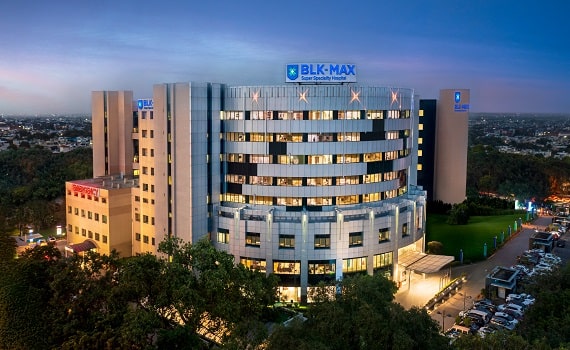
BLK-Max Super İxtisas Xəstəxanası, Yeni Dehli
Yeni Dehlidəki BLK-Max Super İxtisas Xəstəxanası 650 çarpayı, 22 qabaqcıl əməliyyat teatrı və 13 Mükəmməllik Mərkəzi təklif edən Hindistanın ən yaxşı ...
Akkreditasiyalar
Obyektlər
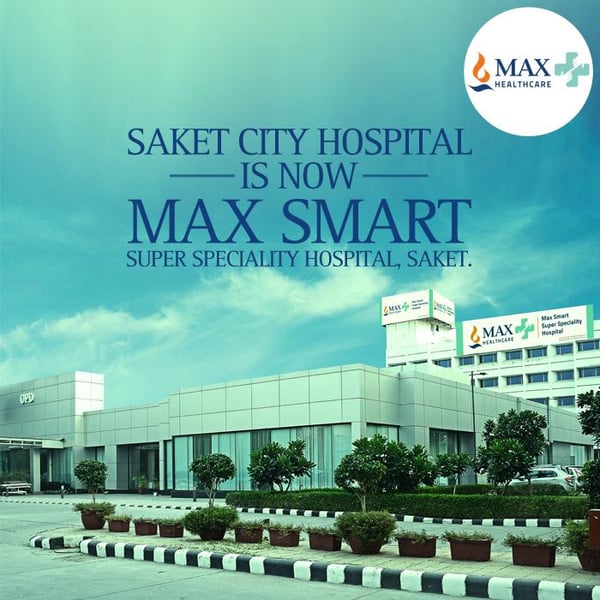
Max Smart Super İxtisas Xəstəxanası, Saket, Yeni Dehli
Max Smart Super İxtisas Xəstəxanası, Saket, Cənubi Dehlidə 250 çarpayılıq üçüncü dərəcəli xəstəxanadır. O, ürək elmləri, onkologiya, ortopediya və böy...
Akkreditasiyalar
Obyektlər
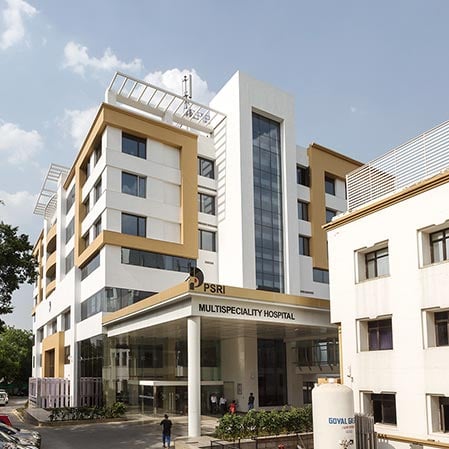
PSRI Xəstəxanası, Dehli
Pushpawati Singhania Tədqiqat İnstitutu (PSRI Xəstəxanası), Yeni Dehli, 1996-cı ildə JK Qrupu tərəfindən yaradılmış qabaqcıl çoxixtisaslı üçüncü dərəc...
Akkreditasiyalar
Obyektlər
Oxşar Prosedurlar
Qalereya
Tez-tez verilən suallar
Rəyçi
Hamısına baxın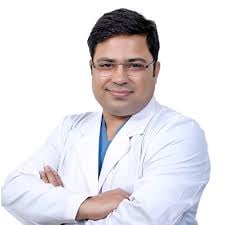
Sədr və Baş Məsləhətçi - Qaraciyər transplantasiyası
Dr. Vivek Vij bu sahədə 15 ildən artıq təcrübəsi olan qabaqcıl qaraciyər transplantasiyası cərrahıdır. Fortis Xəstəxanalarında Qaraciyər Transplantasiyası və Hepatobiliar Elmlər üzrə Sədri kimi o, can... Daha ətraflı oxuyun

Veb saytımız çərəzlərdən istifadə edir. Məxfilik Siyasəti.