
Sidik kisəsi şişinin transuretral rezeksiyası (TURBT) dəyəri Hindistan
Haqqında Sidik kisəsi şişinin transuretral rezeksiyası (TURBT)
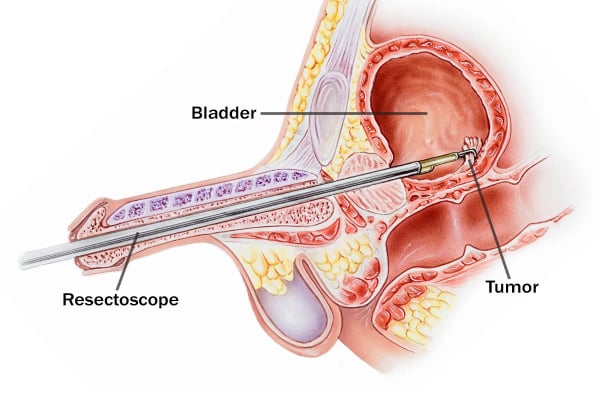
Sidik kisəsi şişinin transuretral rezeksiyası (TURBT) həkimlərin sidik kisəsi divarından şişləri çıxarmaq üçün istifadə etdiyi minimal invaziv cərrahi əməliyyatdır. Cərrahiyyə xarici kəsiklərə ehtiyacı aradan qaldıran sistoskop adlanan nazik, işıqlı alətdən istifadə edərək uretra vasitəsilə həyata keçirilir. TURBT erkən mərhələdə sidik kisəsi xərçənginin həm diaqnozunda, həm də müalicəsində əsas rol oynayır. O, şiş böyüməsini idarə etməyə kömək edir, residivlərin qarşısını alır və həkimlərə xərçəngin sidik kisəsinin astarında nə qədər dərin yayıldığını qiymətləndirməyə imkan verir.
Sidik kisəsi şişi nədir və necə inkişaf edir?
Sidik kisəsini əhatə edən hüceyrələr nəzarətsiz böyüməyə başlayanda sidik kisəsi şişi əmələ gəlir. Bu hüceyrələr ola bilər, bir parça və ya böyümə meydana gətirə bilərqeyri-xərçəng (yaxşı)və yaxərçəngli (bədxassəli). Sidik kisəsi xərçənginin əksəriyyətində başlayırurotelial hüceyrələr, sidik kisəsinin içini əhatə edən və sidiklə təmasda olan eyni hüceyrələr.
Sidik kisəsi şişlərinə nə səbəb olur?
Bir neçə amil sidik kisəsi şişlərinin inkişafına səbəb ola bilər:
- Siqaret çəkmək:Tütündən olan kimyəvi maddələr sidikdə toplanır və sidik kisəsini qıcıqlandırır.
- Kimyəvi məruz qalma:Boyalar, rezin və ya boyalarla işləyən insanlar daha yüksək risklə üzləşə bilər.
- Xroniki sidik kisəsi infeksiyaları:Uzun müddətli qıcıqlanma anormal hüceyrə dəyişikliklərinə səbəb ola bilər.
- Ailə tarixi və yaşı:Yaşlı insanlar və genetik mutasiyaları olanlar daha çox riskə malikdirlər.
Sidik kisəsi şişinin ümumi simptomları hansılardır?
Erkən simptomlar adətən yüngül olur və sidik yolu infeksiyaları ilə səhv salına bilər.
Xəstələr aşağıdakılarla qarşılaşdıqda həkimə müraciət etməlidirlər:
- Sidikdə qan (hematuriya)ən çox yayılmış əlamətdir.
- Ağrı və ya yanmaidrar edərkən.
- Tez-tez və ya təcili idrarinfeksiya olmadan.
- Pelvik və ya aşağı arxa narahatlıq, xüsusilə sonrakı mərhələlərdə.
Erkən aşkarlanma niyə vacibdir?
Sidik kisəsi şişlərinin erkən mərhələdə aşkarlanması daha az invaziv müalicəyə və daha yaxşı uzunmüddətli nəticələrə imkan verir. Erkən aşkar edildikdə, şişlər adətən sidik kisəsinin daxili divarı ilə məhdudlaşır və TURBT istifadə edərək tamamilə çıxarıla bilər. Diaqnozun gecikməsi xərçəngin sidik kisəsi əzələsinə daha dərin invaziv olmasına səbəb ola bilər ki, bu da sonradan daha geniş müalicə tələb edir.
Sidik kisəsi şişinin transuretral rezeksiyası necə aparılır?
TURBT proseduru sidik kisəsi divarından anormal böyümələri aradan qaldıran minimal invaziv cərrahi əməliyyatdır. Bu həm adiaqnostik və terapevtikproseduru, həkimlərə şiş növünü təsdiqləyərkən onu təhlükəsiz şəkildə çıxarmağa kömək edir.
Əməliyyatdan əvvəl nə baş verir?
Prosedurdan əvvəl xəstələr cərrahi əməliyyata uyğun olduqlarından əmin olmaq üçün ətraflı müayinədən keçirlər. Buraya daxildir:
- Qan və sidik testləriorqan funksiyasını yoxlamaq üçün.
- Təsvir tədqiqatları,şişin yerini müəyyən etmək üçün ultrasəs və ya CT taraması kimi istifadə olunur.
- Sistoskopiya, burada kiçik bir kamera sidik kisəsinin içini yoxlayır.
Həkimlər xəstələrə əməliyyatdan bir neçə saat əvvəl yemək və içkilərdən uzaq durmağı məsləhət görürlər. Prosedur adətən altında həyata keçirilironurğa və ya ümumi anesteziya. TURBT əməliyyatı zamanı xəstə ağrı hiss etmir.
TURBT Proseduru Necə Edilir?
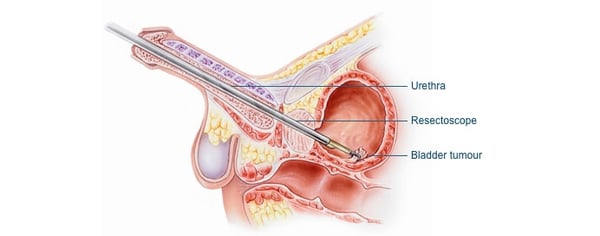
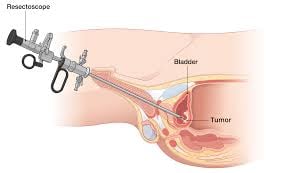
TURBT zamanı cərrah asistoskop(kamera və cərrahi ilmə ilə nazik, çevik boru) uretradan sidik kisəsinə daxil olur. Xarici kəsiklər və tikişlər yoxdur.
Şiş vizual olaraq yerləşir və arezeksiya döngəsiXərçəngi sidik kisəsi divarından diqqətlə çıxarmaq üçün elektrik cərəyanı ilə təchiz edilir. Kiçik toxuma nümunələri daha sonra şişin xərçəng olub-olmadığını və dərəcəsini və mərhələsini müəyyən etmək üçün biopsiya üçün laboratoriyaya göndərilir.
Şişin çıxarıldığı sahə qanaxmanın qarşısını almaq və təkrarlanma riskini azaltmaq üçün yandırılır.
Əməliyyat nə qədər vaxt aparır?
TURBT proseduru adətən arasında davam edir30 və 60 dəqiqə, şişlərin sayı, ölçüsü və yerindən asılı olaraq. Əksər hallarda xəstələr xəstəxanada qalırlariki-üç günmüşahidə və bərpa üçün.
Əməliyyatdan Sonra Nə Olur?
Prosedurdan sonra həkimlər müvəqqəti olaraq asidik kateterisidiyi boşaltmağa kömək etmək və sidik kisəsinin sağalmasına imkan vermək. Xəstələr bir neçə gün ərzində sidikdə yüngül yanma və ya qan hiss edə bilərlər. Bu normaldır və adətən istirahət və dərman müalicəsi ilə yox olur. Şişin tam çıxarılmasını təmin etmək və hər hansı residivləri izləmək üçün bir neçə həftədən sonra təkrar sistoskopiya tez-tez tövsiyə olunur.
TURBT Təhlükəsiz Prosedurdurmu?
Bəli, TURBT a hesab olunurtəhlükəsiz və yaxşı tolere edilirtəcrübəli cərrahlar tərəfindən həyata keçirildikdə. Bu, minimal komplikasiya riski daşıyır və tez-tez olurbirinci dərəcəli müalicəerkən mərhələdə sidik kisəsi xərçəngi üçün. Minimal invaziv olduğu üçün sağalma tez baş verir və xəstələr qısa müddət ərzində gündəlik fəaliyyətlərinə qayıdırlar.
Pulsuz bir müalicə planı alın
Hindistan ildə təxminən Sidik kisəsi şişinin transuretral rezeksiyası (TURBT)
What Is the Cost of TURBT in India?
The cost of Transurethral Resection of Bladder Tumor (TURBT) in India ranges between USD 1,500 and USD 3,500. It includes hospitalization, anesthesia, surgeon’s fee, operation theatre charges, and post-surgery care. The final cost may vary depending on the patient’s medical condition, tumor complexity, and duration of hospital stay.
Cost Variation Across India
TURBT procedures are available across major Indian cities, including Delhi, Mumbai, Chennai, Bangalore, and Hyderabad. Prices may differ slightly due to the regional cost of living, medical infrastructure, and hospital category. However, even the highest cost in India remains 70–80% lower than prices in Western countries.
Average Cost Breakdown
Expense Category | Estimated Cost (USD) |
| Pre-surgery tests and consultation | 150 – 250 |
| Surgeon and anesthesia charges | 600 – 1,000 |
| Operation theatre and equipment use | 400 – 700 |
| Hospital stay (2–3 days) | 300 – 600 |
| Post-surgery medicines and care | 100 – 200 |
| Total Estimated Cost | 1,500 – 3,500 |
(These are average figures, and the exact price may vary depending on clinical factors)
Why Is TURBT More Affordable in India?
India’s healthcare system offers international-quality treatment at lower operational costs. Key reasons include lower medical expenses, efficient hospital management, and favorable currency exchange rates for foreign patients. Despite lower costs, Indian hospitals maintain high standards of safety, hygiene, and technology.
What Does the TURBT Cost in India Include and Exclude?
Understanding what is covered within the TURBT package cost helps international patients plan their medical journey with confidence. In India, hospitals usually offer transparent pricing that covers all significant aspects of the surgery and stay. However, some expenses may fall outside the base package depending on individual requirements.
Inclusions: What’s Covered in the Cost
The standard cost of Transurethral Resection of Bladder Tumor (TURBT) in India generally includes:
- Preoperative investigations: Routine blood tests, urine analysis, and imaging studies.
- Surgeon’s fee and anesthesia charges: The professional charges of the surgical and anesthesia team.
- Operation theatre usage: Sterile equipment, cystoscope, and resection loop utilization.
- Hospital stay: Standard room accommodation for 2–3 days with nursing care.
- Medications during hospitalization: Antibiotics, pain relievers, and fluids that are administered during recovery.
- Post-surgery follow-up at the hospital: Medical assessment before discharge.
These components are part of the comprehensive hospital package unless the patient’s condition requires additional interventions.
Exclusions: What’s Not Included in the Cost
Certain expenses are typically not part of the base TURBT cost and may vary by patient needs:
- International and domestic travel costs.
- Accommodation outside the hospital for the patient or accompanying family members.
- An additional hospital stay beyond the standard duration due to complications or recovery delays.
- Special diagnostic procedures, such as MRI or PET scans, if advised separately.
- Post-discharge medications for home use.
International patients are encouraged to request a detailed cost breakdown before traveling to ensure complete clarity on all inclusions and exclusions.
How Does the Cost of TURBT in India Compare with Other Countries?
India offers some of the most affordable TURBT packages worldwide, while maintaining strong treatment outcomes and modern surgical standards. This cost advantage helps international patients access high-quality bladder tumor surgery without financial strain.
Country | Average Cost (USD) | Estimated Savings (%) |
| India | 1,500 – 3,500 | — |
| United States | 12,000 – 18,000 | 75–80% |
| United Kingdom | 9,000 – 14,000 | 70–75% |
| Thailand | 3,000 – 5,000 | 40–50% |
| Singapore | 6,000 – 8,500 | 55–65% |
Patients choosing India for TURBT can undergo the same minimally invasive surgery performed with endoscopic and cauterization technology used globally. Even after including travel and accommodation, total expenditure in India remains significantly lower than in Western nations. It enables access to reliable, timely, and effective cancer treatment without compromising safety or comfort.
What Factors Affect the Cost of TURBT in India?
The cost of TURBT in India depends on several medical and non-medical factors. Each patient’s case is unique, and tumor characteristics, patient health, and hospital-related factors influence the final price. Below are the key factors that determine overall cost.
- Tumor Size and Complexity: Larger or multiple bladder tumors require more time for removal and may increase the total procedure cost. Complex cases involving deeper bladder wall invasion often need a longer surgical duration and additional cauterization steps.
- Type of Anesthesia Used: TURBT can be performed under spinal or general anesthesia. The choice depends on patient preference, tumor location, and medical condition. General anesthesia usually adds a slight increase in cost due to extended monitoring and medication use.
- Duration of Hospital Stay: Most patients stay in the hospital for two to three days. However, extended stays for observation, catheter care, or complications may increase expenses related to accommodation, nursing, and medication.
- Diagnostic and Pathology Tests: Pre-surgery evaluations such as ultrasound, cystoscopy, and blood work are necessary for surgical planning. After the procedure, the removed tissue is analyzed in the laboratory to determine tumor type and grade. These pathology tests add to the total cost but are essential for accurate treatment planning.
- Technology and Equipment Used: Advanced endoscopic systems, high-definition cystoscopes, and precision cautery loops improve safety and visibility during surgery. Hospitals equipped with the latest technology can charge slightly more but provide greater accuracy and reduced risk of recurrence.
- Patient’s Overall Health Condition: Patients with existing conditions such as diabetes, hypertension, or kidney disease may require additional monitoring and medications, which can slightly increase costs. Personalized care, ICU observation, or specialist consultations can also affect the final billing.
- Postoperative Care and Follow-Up: Follow-up cystoscopy and medication prescribed after discharge are essential to prevent recurrence. Although these costs are generally minimal, they vary depending on the patient’s recovery rate and the treating physician’s advice.
What Is the Recovery and Hospital Stay Like After TURBT?
Recovery after TURBT is usually quick, as the procedure does not involve any external cuts or stitches. Most patients resume light activities within a few days, and complete recovery typically occurs within 1 to 2 weeks.
Hospital Stay Duration
- Patients are generally kept in the hospital for two to three days after surgery.
- This short stay allows doctors to monitor urine output, manage pain, and ensure there are no signs of infection or bleeding.
- A urinary catheter is placed temporarily to help the bladder drain and heal properly.
- Once urine flow is clear and stable, the catheter is removed, and patients are discharged.
Immediate Post-Surgery Phase
- Mild discomfort, burning during urination, or slight blood in the urine may occur for a few days.
- These symptoms are temporary and managed with oral medications and increased fluid intake.
- Patients are encouraged to rest and drink plenty of water to flush the bladder.
At-Home Recovery
At home, recovery continues under simple precautions. Patients should:
- Avoid strenuous exercise or lifting heavy objects for at least 2 weeks.
- Take all prescribed medications regularly.
- Monitor for fever, clot formation, or persistent pain, and contact the doctor if needed.
- Attend all scheduled follow-up appointments.
Most individuals can return to regular work routines within 10 to 14 days, depending on overall health and the body’s healing rate.
Follow-Up and Monitoring
A follow-up cystoscopy is often recommended a few weeks after the surgery. It helps doctors monitor healing progress and ensure that no new tumor growth has occurred. For some patients, additional preventive therapies such as intravesical chemotherapy may be suggested to reduce recurrence risk.
What Is the Success Rate of TURBT in India?
The success rate of Transurethral Resection of Bladder Tumor (TURBT) in India is generally 90% to 95% for early-stage, non-muscle-invasive bladder cancers. This high success rate reflects India’s use of advanced endoscopic technology, precise surgical techniques, and standardized postoperative follow-up protocols.
- Clinical Effectiveness: TURBT effectively removes visible bladder tumors in the majority of patients, enabling accurate diagnosis and staging via tissue biopsy. When performed in early-stage cases, the procedure often eliminates the tumor, minimizing the need for more invasive surgery. For superficial or low-grade bladder cancers, TURBT alone is sufficient as the primary treatment.
- Recurrence and Long-Term Control: While TURBT successfully removes tumors, bladder cancer tends to recur in some cases. To reduce recurrence, doctors often recommend regular cystoscopic monitoring and, if necessary, intravesical chemotherapy or immunotherapy after surgery. With consistent follow-up and early detection of new lesions, recurrence control rates can reach 85–90%.
- Patient Outcomes: Most patients regain normal bladder function shortly after recovery and lead active, healthy lives. Regular follow-up appointments are critical for early detection of recurrent tumors. With continued surveillance, the long-term prognosis after TURBT in India remains highly favorable.
Factors Influencing Success
Several factors impact long-term success after TURBT:
- Stage and grade of the tumor: Early, low-grade tumors have the best outcomes.
- Complete tumor removal: Precision during surgery reduces the risk of recurrence.
- Postoperative therapy adherence: Timely intravesical treatments help prevent regrowth.
- Lifestyle factors: Quitting smoking and maintaining hydration support bladder health.
Why Should You Choose India for TURBT?
India has become one of the world’s most trusted destinations for Transurethral Resection of Bladder Tumor (TURBT) and other urological treatments. International patients choose India for its combination of advanced medical infrastructure, efficient healthcare delivery, and patient-centered services.
- Advanced Surgical Technology: Hospitals in India use modern endoscopic and cautery systems that ensure precision, minimal blood loss, and faster recovery. Many facilities have integrated high-definition imaging and digital visualization, improving the surgeon’s accuracy during tumor resection.
- Comprehensive Patient Support: International patients receive end-to-end assistance, including treatment coordination, visa support, and post-surgery care guidance. Dedicated patient care teams help manage every step of the journey from airport pickup to follow-up consultation.
- High Treatment Standards: Indian healthcare institutions follow international medical protocols and maintain stringent safety and hygiene standards. Many Indian hospitals are accredited by organizations such as JCI and NABH, ensuring that patients receive care matching global benchmarks.
- Short Waiting Times: Unlike many Western countries, where patients may wait weeks for surgical appointments, TURBT procedures in India are scheduled quickly. It helps patients receive timely diagnosis, treatment, and recovery without unnecessary delays.
- Cultural Comfort and Communication: English is widely spoken across medical facilities, making communication effortless for international patients. Cultural sensitivity, dietary accommodations, and personalized care plans create a comfortable environment throughout the stay.
- Global Reputation for Medical Excellence: India is globally recognized for its skilled surgeons, strong medical education system, and world-class facilities. Combined with affordable care, this reputation attracts thousands of patients annually from the Middle East, Africa, Europe, and Asia for urological treatments like TURBT.
Sidik kisəsi şişinin transuretral rezeksiyası (TURBT) Ölkə üzrə Xərclərin Müqayisəsi
Tibbi müalicənizlə bağlı məlumatlı qərar vermək üçün müxtəlif ölkələr üzrə Sidik kisəsi şişinin transuretral rezeksiyası (TURBT) xərcləri müqayisə edin.
| ölkə | Xərc Aralığı (USD) | Potensial qənaət | Fəaliyyət |
|---|---|---|---|
HindistanCariƏn Yaxşı Dəyər | $1,500 - $3,500 | — | Sitat alın |
Qeyd: Xərclər xəstəxana seçiminə, otaq növünə, əlavə xidmətlərə və fərdi tibbi tələblərə əsasən dəyişə bilər.
Hindistan ildə Sidik kisəsi şişinin transuretral rezeksiyası (TURBT) üçün aparıcı xəstəxanalar
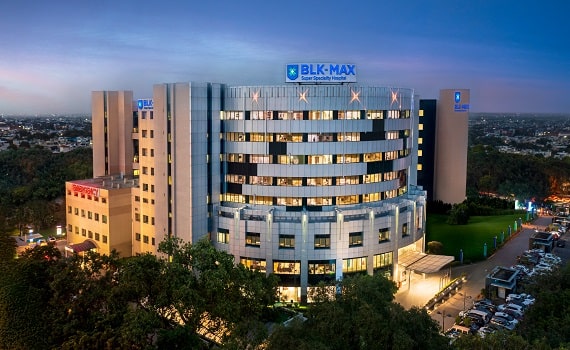
BLK-Max Super İxtisas Xəstəxanası, Yeni Dehli
Yeni Dehlidəki BLK-Max Super İxtisas Xəstəxanası 650 çarpayı, 22 qabaqcıl əməliyyat teatrı və 13 Mükəmməllik Mərkəzi təklif edən Hindistanın ən yaxşı ...
Akkreditasiyalar


Obyektlər
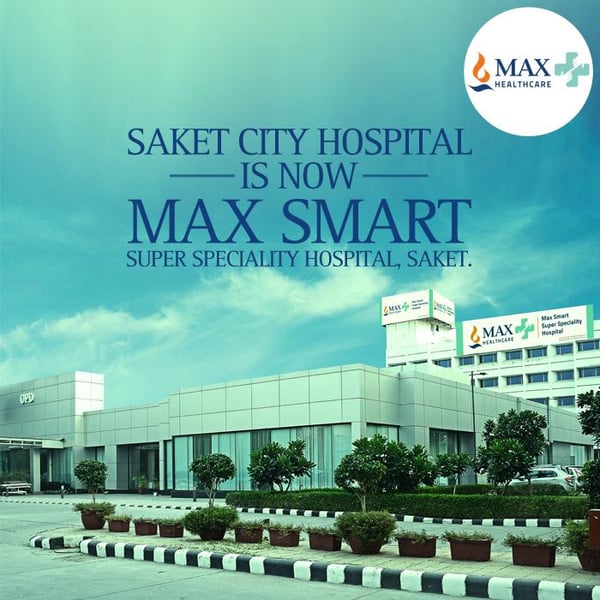
Max Smart Super İxtisas Xəstəxanası, Saket, Yeni Dehli
Max Smart Super İxtisas Xəstəxanası, Saket, Cənubi Dehlidə 250 çarpayılıq üçüncü dərəcəli xəstəxanadır. O, ürək elmləri, onkologiya, ortopediya və böy...
Akkreditasiyalar
Obyektlər
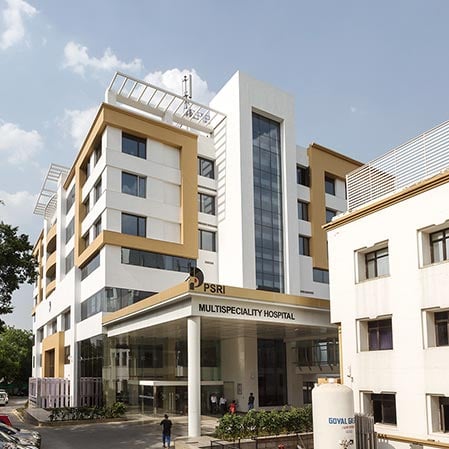
PSRI Xəstəxanası, Dehli
Pushpawati Singhania Tədqiqat İnstitutu (PSRI Xəstəxanası), Yeni Dehli, 1996-cı ildə JK Qrupu tərəfindən yaradılmış qabaqcıl çoxixtisaslı üçüncü dərəc...
Akkreditasiyalar
Obyektlər
Oxşar Prosedurlar
Qalereya
Tez-tez verilən suallar
Rəyçi
Hamısına baxın
Dr. Anant Kumar is one of India’s leading urologists with extensive expertise in Urology, Kidney Transplantation, Robotic Surgery, and Uro-Oncology. He is widely recognized as one of the best robotic... Daha ətraflı oxuyun

Veb saytımız çərəzlərdən istifadə edir. Məxfilik Siyasəti.