
Бөйрөктөгү таштар үчүн PCNL vs ESWL: кайсынысы жакшы жана качан?
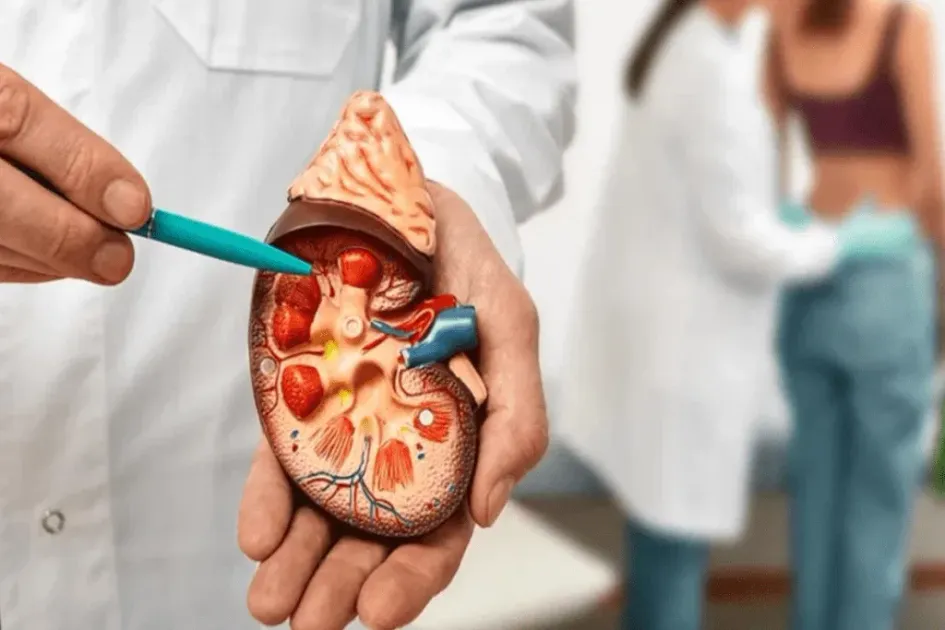
Two patients with kidney stones can sit in the same clinic and leave with completely different treatment recommendations. One gets ESWL, shockwave therapy from outside the body, no incision, no hospital stay. The other gets PCNL, a small incision in the back, a nephroscope inserted directly into the kidney, stones fragmented and removed in a single session. The difference in how invasive these procedures are is dramatic. The difference in when each is appropriate is equally significant.
Choosing between them is not a simple matter of preference. Stone size, stone location, stone density, the patient's anatomy, and their individual priorities all determine which approach makes clinical sense. For stones under 10 mm, ESWL often works well and avoids any procedure at all beyond targeted shockwaves. For stones over 2 cm, ESWL rarely clears the stone adequately, and PCNL achieves stone-free rates that ESWL cannot match.
A 2023 Cochrane review of 31 randomised controlled trials involving 3,361 patients found that, for every 1,000 people treated, only 619 treated with ESWL had no stones at three months, compared with 923 treated with PCNL. PCNL achieves substantially better stone clearance. ESWL produces substantially fewer complications and requires no hospital admission. Both facts are true simultaneously, and they define the trade-off at the centre of this decision.
PCNL vs ESWL: Key Differences
Feature | ESWL | PCNL |
| Best stone size | <15 mm | >20 mm |
| Incision | No | Yes |
| Hospital stay | Same day | 2–5 days |
| Anaesthesia | Sedation | General/Spinal |
| Stone-free rate | Lower | Higher |
| Recovery | Faster | Longer |
| Best for | Small stones | Large/complex stones |
What Is ESWL and How Does It Work?
Extracorporeal Shock Wave Lithotripsy directs focused acoustic energy at the kidney stone from outside the body, breaking it into fragments small enough to pass naturally in urine.
The patient lies on a treatment table while a lithotripter machine focuses shockwaves, generated either electromagnetically or electrohydraulically, onto the stone using X-ray or ultrasound guidance.
The shockwaves travel through the body, generating compressive and tensile forces precisely at the stone surface, causing it to crack and fragment. No incision is made. No instrument enters the body.
What Makes a Stone Suitable for ESWL
- Size under 10 to 15 mm: Smaller stones fragment more completely, and the resulting fragments are small enough to pass
- Upper or mid-pole kidney location: Fragments drain toward the renal pelvis and ureter more easily from these positions
- Soft stone composition: Uric acid stones and calcium phosphate stones fragment readily under shockwave energy; calcium oxalate monohydrate stones are significantly harder and resist fragmentation
- No obstruction distal to the stone: Fragments need a clear path to pass out
ESWL is performed as a day procedure under sedation or analgesia, without general anaesthesia in most cases. The session lasts 45 to 60 minutes. Many patients require two to three sessions before adequate fragmentation is achieved.
What Is PCNL and How Does It Work?
Percutaneous Nephrolithotomy accesses the kidney directly through a small incision in the flank. Under fluoroscopic or ultrasound guidance, a needle is introduced into the kidney's collecting system, a tract is dilated to allow a nephroscope, and stones are fragmented using ultrasonic, pneumatic, or laser energy and directly removed.
Because the surgeon works under direct vision inside the kidney, PCNL can remove stones of virtually any size and composition in a single session. The procedure takes 60 to 150 minutes under general or spinal anaesthesia and requires a hospital stay of two to five days.
What Makes a Stone Suitable for PCNL
- Size over 20 mm: The primary indication; stones this size are rarely cleared by ESWL in one or even multiple sessions
- Lower pole stones over 10 mm: Gravity works against ESWL fragment clearance from the lower pole; PCNL addresses this directly
- Hard stones with density above 1,000 Hounsfield units on CT: These resist ESWL energy and require mechanical or direct laser fragmentation
- Staghorn calculi: Branching stones filling the renal pelvis and calyces; only PCNL can clear these in a manageable number of sessions
- Failed ESWL: Patients who have undergone two or more ESWL sessions without adequate clearance
Which Has Better Stone-Free Rates: PCNL or ESWL?
PCNL achieves significantly higher stone-free rates than ESWL across all stone-size ranges for which the two are compared.
The 2023 Cochrane review, drawing on 12 studies involving 1,303 participants, found that ESWL had a risk ratio of 0.67 for three-month treatment success compared with PCNL. In practical terms, for every 1,000 patients treated, 923 treated with PCNL were stone-free at three months compared with only 619 treated with ESWL.
How Stone Size Affects the Gap
Stone Size | ESWL Stone-Free Rate | PCNL Stone-Free Rate |
| Under 10 mm | 70 to 90% | 90 to 98% |
| 10 to 15 mm | 50 to 80% | 85 to 95% |
| 15 to 20 mm | 35 to 60% | 80 to 92% |
| Over 20 mm | Under 30% (often multiple sessions) | 80 to 93% |
For stones under 10 mm in the upper or mid-pole, ESWL produces acceptable stone-free rates and avoids any procedural invasion entirely. As the stone size exceeds 15 mm, the gap between ESWL and PCNL widens considerably, and the case for accepting PCNL's greater invasiveness becomes stronger.
Which Procedure Has Fewer Complications?
ESWL is associated with significantly fewer complications than PCNL. The 2023 Cochrane review found that for every 1,000 patients, 134 treated with ESWL experienced complications, compared to 216 treated with PCNL.
ESWL Complication Profile
- Renal haematoma: Subcapsular bleeding occurs in approximately 1-2% of ESWL cases. Most resolve without intervention.
- Steinstrasse: A "stone street" of fragments obstructing the ureter occurs in 2-4% of cases. Most pass spontaneously; some require ureteroscopic intervention.
- Incomplete fragmentation: The most common "complication" of ESWL is simply that it does not work, requiring a repeat session or conversion to another procedure.
- Skin bruising: Mild bruising at the shockwave entry site is common and self-limiting.
PCNL Complication Profile
- Fever and urinary infection: 10 to 15 percent incidence; managed with targeted antibiotics
- Bleeding requiring transfusion: 2 to 5 percent; higher with standard compared to mini-PCNL tracts
- Residual stone fragments: Requiring auxiliary procedures in 4 to 20 percent depending on stone complexity
- Pleural injury from supracostal access: Rare, below 5 percent for supracostal punctures
- Mortality: Approximately 0.2 percent in large published cohorts, most often from sepsis
The complication differential is real and matters for patient decision-making, particularly for older patients or those with significant comorbidities. However, the complication comparison is only meaningful when both procedures are suitable options for the stone in question. For stones >20 mm, ESWL is unlikely to be effective and is not a lower-complication alternative.
When Is ESWL Not a Suitable Option?
ESWL is contraindicated or produces poor results in specific patient and stone situations. Proceeding with ESWL in these cases often results in multiple failed sessions before conversion to a more appropriate approach.
Absolute Contraindications
- Pregnancy: Shockwave energy poses a risk to the foetus. ESWL is contraindicated throughout pregnancy.
- Uncorrected bleeding disorder or anticoagulation: The shockwave impact causes microhaemorrhage within the kidney; patients who cannot stop anticoagulation face excessive bleeding risk.
- Cardiac pacemaker or implantable defibrillator: The electrical discharge from some lithotripters can interfere with device function. PCNL or RIRS is the appropriate alternative.
- Untreated urinary obstruction distal to the stone: Fragments have no pathway to pass.
- Active urinary infection: Fragmentation in the presence of infection increases the risk of systemic bacterial dissemination. Infection must be treated before ESWL.
Situations Where ESWL Is Unlikely to Work
- Lower pole stones, regardless of size, due to gravitational drainage difficulty
- Stones with CT density above 900 to 1,000 Hounsfield units
- Stones over 15 mm, where multiple sessions are typically needed, and stone-free rates remain low
- Obese patients, where the focal depth of the shockwave may not reliably reach the stone
- Cystine stones and calcium oxalate monohydrate stones, which are among the hardest stone compositions
How Much Do PCNL and ESWL Cost in India?
One reason many international patients choose India is the significant cost savings without compromising access to experienced urologists. Both procedures are available at accredited hospitals across India at costs well below those in Western countries.
ESWL in India costs INR 15,000 to INR 60,000 (approximately USD 180 to USD 720). PCNL costs INR 70,000 to INR 2,50,000 (approximately USD 840 to USD 3,000).
Detailed Cost Comparison
Component | ESWL (INR) | PCNL (INR) |
| Urologist's fee | 3,000 to 8,000 | 15,000 to 50,000 |
| Procedure/equipment | 6,000 to 20,000 | 15,000 to 60,000 |
| Anaesthesia | Light sedation: 1,000 to 3,000 | Spinal/GA: 8,000 to 15,000 |
| Hospital stay | Day procedure, no overnight | 3,000 to 8,000 per night |
| Pre-operative imaging (if needed) | 2,000 to 5,000 | 2,000 to 5,000 |
| Post-operative medications | 500 to 2,000 | 2,000 to 5,000 |
| Stent removal (PCNL) | Not applicable | 3,000 to 6,000 |
Global Cost Comparison
Country | ESWL (USD) | PCNL (USD) |
| India | 180 to 720 | 840 to 3,000 |
| Turkey | 500 to 1,500 | 3,500 to 6,500 |
| Thailand | 800 to 2,000 | 5,000 to 10,000 |
| UK (private) | 2,000 to 4,000 | 10,000 to 20,000 |
| USA | 3,000 to 7,000 | 20,000 to 50,000 |
What Does Recovery Look Like After an ESWL Procedure?
- Day of procedure: Patients go home the same day, usually within one to two hours of treatment
- Days 1 to 7: Blood-tinged urine is normal as fragments pass. Patients are advised to drink at least 3 litres of water daily to assist with the passage of fragments.
- Weeks 1 to 4: Most fragments pass within this window. Pain may occur when fragments enter the ureter.
- Follow-up: Ultrasound or X-ray at four to six weeks confirms whether the stone has cleared or a further session is needed
PCNL Recovery Timeline
- Day 0 to 2: Inpatient recovery. A nephrostomy tube drains the kidney. A urethral catheter is also in place.
- Days 1 to 2: Nephrostogram confirms no urine leakage; nephrostomy tube is removed.
- Days 2 to 5: Hospital discharge in uncomplicated cases. Mild flank discomfort continues.
- Week 1 to 2: Light activity resumes. A postoperative CT or KUB X-ray confirms stone clearance.
- Week 2 to 4: Full normal activity, including physical work and exercise.
International patients should plan approximately 7 to 10 days in India for PCNL and as few as 2 to 3 days for a single ESWL session. However, multiple ESWL sessions spaced 1 to 2 weeks apart can extend this considerably.
The Bottomline
The choice between PCNL and ESWL is rarely about which procedure the patient would prefer. A patient with a 25 mm staghorn stone cannot be treated with ESWL and expect clearance. A patient with an 8-mm upper-pole uric acid stone has no clinical indication for PCNL.
Where the decision becomes genuinely nuanced is in the 10-20 mm range for upper- or mid-pole stones without particular hardness or complexity. In this territory, both procedures produce acceptable outcomes: ESWL with fewer complications and PCNL with fewer sessions and better clearance rates. The patient's priorities, whether that is avoiding any procedure at all versus achieving clearance in a single definitive session, become legitimate factors in the decision.
Still Deciding Between PCNL and ESWL?
The right treatment depends on factors such as the size, location, and density of your kidney stone, as well as your overall kidney health. A procedure that works well for one patient may not be the best option for another.
If you're considering treatment in India, Qonaq Health can help you decide whether PCNL or ESWL is the better option. Share your CT scan report and images with our team. Our partnered urology specialists will review your case, explain which procedure is most appropriate for your stone, and provide a personalised treatment plan with a detailed cost estimate.
Fill out the consultation form to receive your expert treatment assessment. Most case reviews are completed within 1-2 working days.
Frequently Asked Questions
Is PCNL better than ESWL for kidney stones?
PCNL generally provides higher stone-free rates than ESWL, particularly for kidney stones larger than 20 mm, staghorn calculi, or hard stones that are difficult to fragment. ESWL is less invasive and is often preferred for smaller kidney stones that are likely to pass after fragmentation.
What size kidney stone requires PCNL?
PCNL is typically recommended for kidney stones larger than 20 mm. It may also be advised for lower pole stones larger than 10 mm, staghorn stones, hard stones with high CT density, or stones that did not respond to ESWL.
Is ESWL suitable for all kidney stones?
No. ESWL is most effective for kidney stones smaller than 10–15 mm, located in the upper or middle kidney, and composed of material that fragments easily. It is generally less effective for large, dense, lower-pole, or staghorn stones.
Which procedure has a faster recovery: PCNL or ESWL?
ESWL usually has a shorter recovery because it is a non-invasive outpatient procedure. Most patients return to normal activities within a few days. PCNL requires a small incision and a hospital stay, with recovery typically taking two to four weeks.
Can ESWL fail to remove kidney stones?
Yes. Some stones do not fragment completely after ESWL, and patients may need additional treatment sessions or another procedure, such as PCNL or ureteroscopy, to achieve complete stone clearance.
Is PCNL more painful than ESWL?
PCNL is more invasive than ESWL because it involves a small incision to access the kidney. Patients usually experience more postoperative discomfort, but pain is managed with medication, and the procedure offers a higher chance of complete stone removal in a single session.
How many ESWL sessions are usually needed?
Many patients achieve satisfactory results after one ESWL session, but larger or harder stones often require 2 or more sessions to achieve adequate fragmentation and clearance.
How do doctors decide between PCNL and ESWL?
The decision depends on several factors, including the stone's size, location, density, composition, urinary tract anatomy, overall kidney function, and the patient's general health. A CT scan helps the urologist determine which treatment is most appropriate.
References
- Setthawong V, Srisubat A, Potisat S, Lojanapiwat B, Pattanittum P. Extracorporeal shock wave lithotripsy (ESWL) versus percutaneous nephrolithotomy (PCNL) or retrograde intrarenal surgery (RIRS) for kidney stones. Cochrane Database of Systematic Reviews. 2023;8. doi:10.1002/14651858.CD007044.pub4.
- European Association of Urology (EAU). EAU Guidelines on Urolithiasis. 2025 Edition.
- American Urological Association (AUA). Surgical Management of Kidney and Ureteral Stones: AUA Guideline. Journal of Urology. 2025/2026.
- Akram M, et al. Urological Guidelines for Kidney Stones: Overview and Comprehensive Update. Journal of Clinical Medicine. 2024.
Тиешелүү ооруканалар
Сапаттуу медициналык кызматтар үчүн ушул темага байланышкан ооруканаларды жана медициналык борборлорду таап алыңыз.
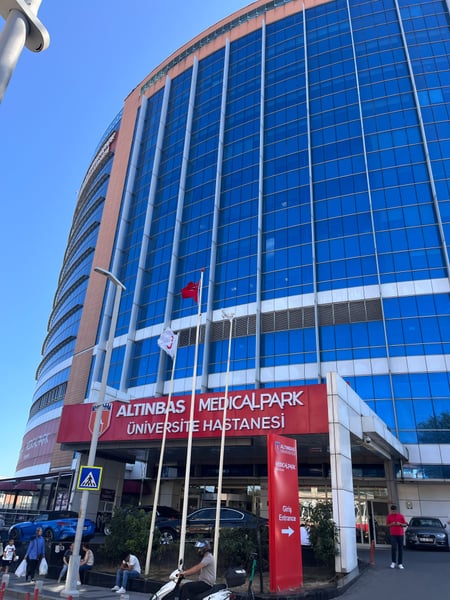
Medical Park Bahcelievler ооруканасы
Medical Park Bahcelievler ооруканасы 2007-жылы негизделген Стамбулдагы 242 койкалуу JCI тарабынан аккредиттелген оорукана. 33 000 чарчы метр жана 19 к...
Аккредитациялар
Жайлар
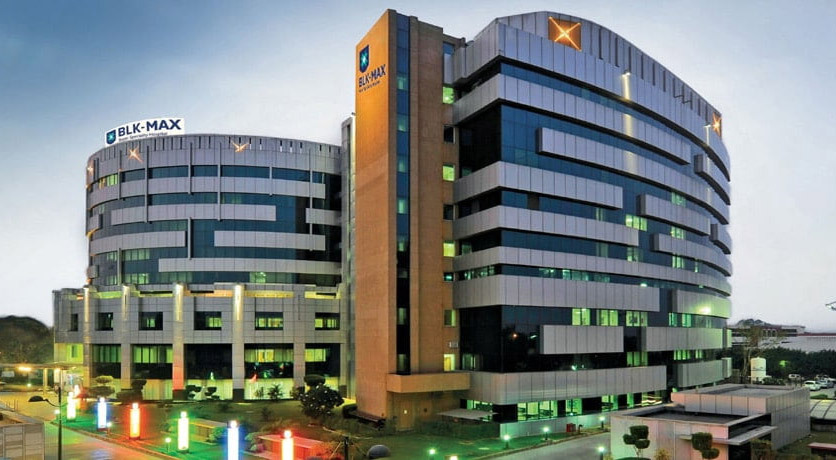
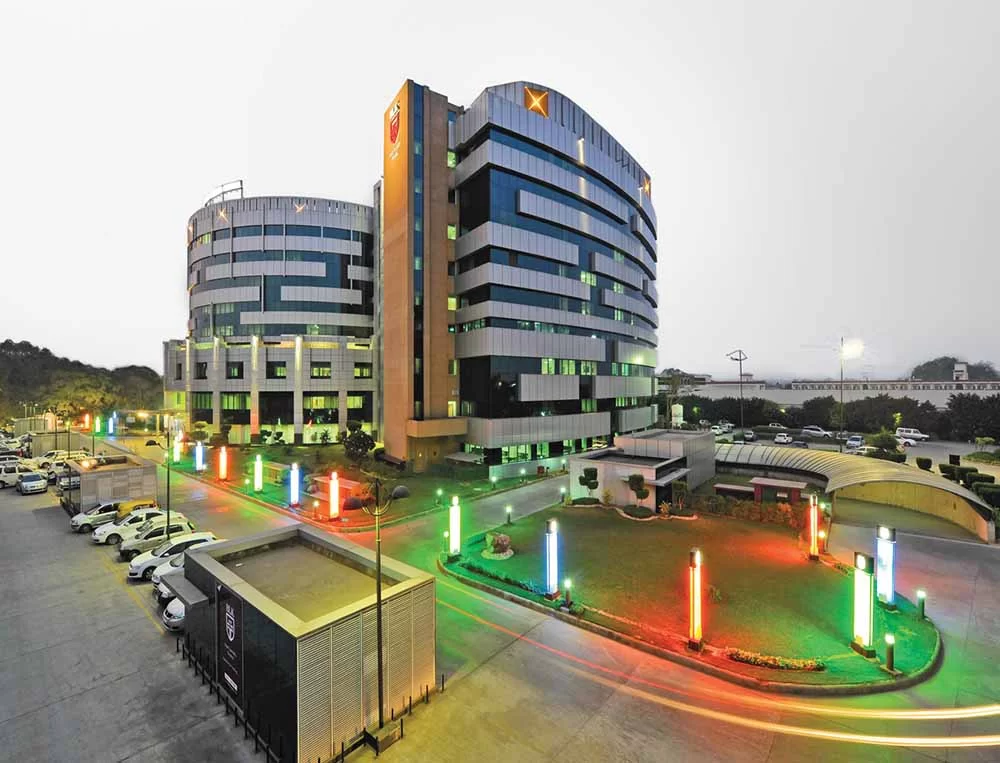
BLK-Max Супер адистештирилген ооруканасы, Нью-Дели
Нью-Делидеги BLK-Max Super Specialty Hospital Индиянын эң алдыңкы саламаттыкты сактоо мекемелеринин бири, 650 керебетти, 22 өркүндөтүлгөн операциялык ...
Аккредитациялар


Жайлар
Fortis Memorial изилдөө институту (FMRI), Гургаон
Fortis Memorial изилдөө институту (FMRI), Гургаон, 2013-жылы түзүлгөн дүйнөлүк класстагы көп адистештирилген оорукана болуп саналат. Оорукана 330 кере...
Аккредитациялар


Жайлар
Артемис ооруканасы, Гургаон
Артемис ооруканасы, Гургаон, 2007-жылы түзүлгөн JCI аккредитацияланган көп адистиктеги оорукана. Ал 9 акр жерге жайылган 750+ керебетти жана дүйнөлүк ...
Аккредитациялар



Жайлар
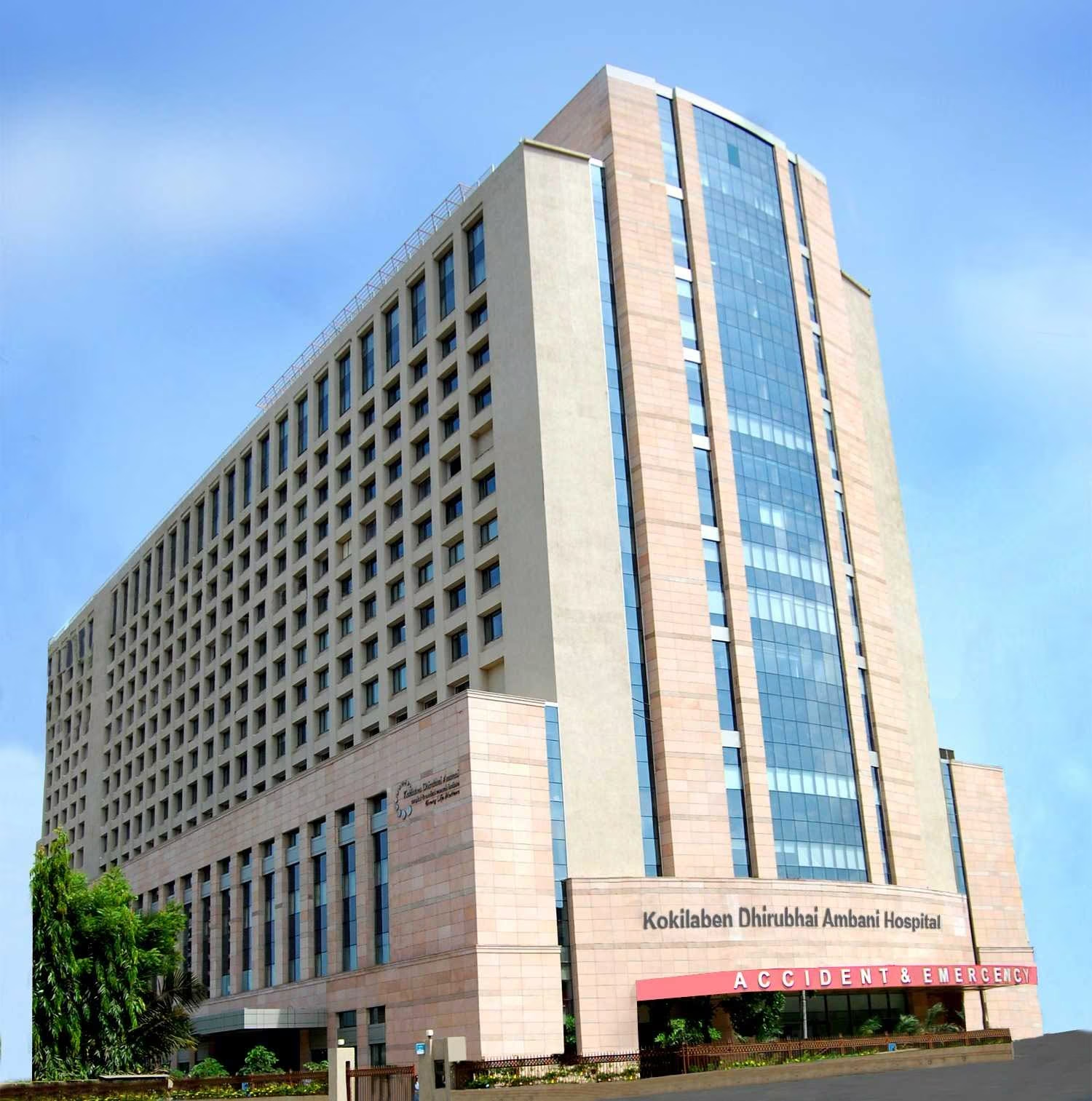
Кокилабен Дирубхай Амбани ооруканасы, Мумбай
Кокилабен Дирубхай Амбани ооруканасы, Мумбай, 2009-жылы түзүлгөн JCI, NABH, NABL жана CAP тарабынан аккредиттелген төртүнчү медициналык оорукана. 750 ...
Аккредитациялар


Жайлар
Медиковер ооруканалары, Хитех шаары, Хайдарабад
Medicover Hospitals, Hitech City, Хайдарабад, 2011-жылы түзүлгөн 400 койкалуу NABH тарабынан аккредиттелген супер адистештирилген оорукана. Ал Medicov...
Аккредитациялар


Жайлар
Related Doctors
Тажрыйбалуу дарыгерлер жана медициналык адистер менен байланышыңыз.

Доктор Бибхас Ранжан Кунду
Улук консультант

Доктор Ревати Р
Консультант

Доктор Прасад Раджу Калидинди
Улук консультант

Доктор Шакир Табрез
Кошумча директор

Доктор Вичеан Камолпорнвижит
Консультант

Доктор Укрид Кестхонг
Консультант
Тектеш макалалар
Саламаттыкты сактоо темаларында көбүрөөк макалаларды жана түшүнүктөрдү изилдөө.
Чоңойгон простата үчүн Rezūm суу буусу терапиясы: Индиядагы процедура, натыйжалар жана баасы
RIRS Treatment in India for Kidney Stones: Cost, Procedure, and Success Rate
Индиядагы чоң бөйрөк таштары үчүн PCNL: процедура, ийгиликтин баасы жана баасы
Чоңойгон простата үчүн HoLEP vs TURP: Кайсы процедура жакшыраак?
Индияда уретропластика: жол-жобосу, ийгилик курстары, наркы жана калыбына келтирүү
Индияда простата рагы үчүн HIFU дарылоо: тартиби, наркы жана калыбына келтирүү

Автор
Баарын көрүүЖетекчиси - Эл аралык бейтаптарды тейлөө
Доктор Рия Шри – клиникалык физиотерапевт, ал Мата Чанан Деви ооруканасында, Нью-Делиде стажировкадан өтүп, пациенттерге кам көрүү жана реабилитациялоо боюнча практикалык тажрыйбага ээ. Ал Ковид-19 п... Кененирээк маалымат
Биздин веб-сайтта кукилерди колдонот. Купуялык саясаты.
