
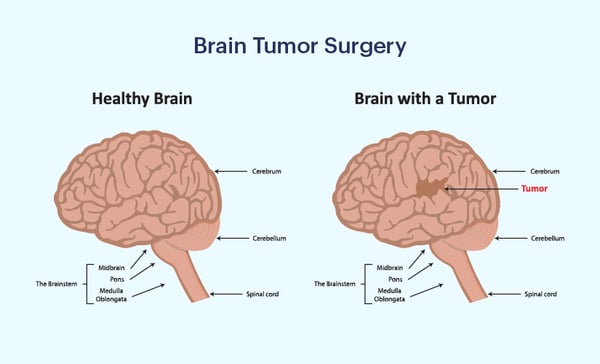
Тархины хавдрын мэс засал Энэтхэг оны өртөг
Тухай Тархины хавдрын мэс засал
Жил бүр илүүДэлхий даяар 300,000 хүнтархины хавдартай гэж оношлогддог. Энэ нь хөдөлгөөн, яриа, ой санамж, тэр ч байтугай хувийн шинж чанарт нөлөөлдөг нөхцөл юм. Гэвч орчин үеийн мэдрэлийн мэс заслын ачаар нэгэн цагт амь насанд аюултай гэж үздэг байсан өвчнийг одоо аюулгүй, үр дүнтэй эмчлэх боломжтой болсон.
Дэлхийн жишигт нийцсэн дэд бүтэц, мэдрэлийн навигацийн систем, хагалгааны үеийн MRI төхөөрөмж бүхий өвчтөнүүд одоо хавдрыг дээд зэргээр арилгах, хурдан эдгэрэх, мэдрэлийн эрсдэл багатай байх боломжтой.
Тархины хавдрын мэс засал гэж юу вэ?
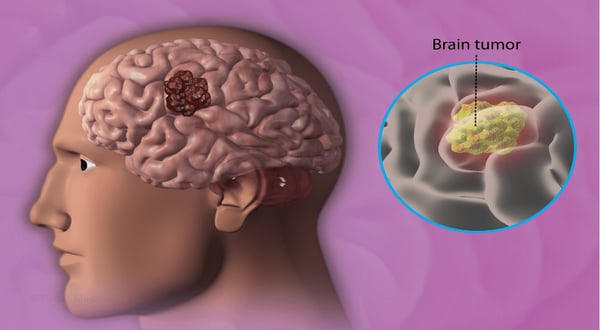
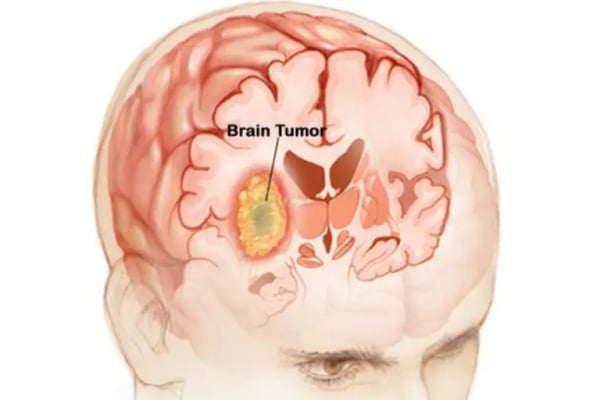
Тархины хавдрын мэс засал нь тархины хэвийн бус өсөлт, массыг арилгах тусгай мэдрэлийн мэс заслын арга юм. Мэс заслын гол зорилго нь тархины эрүүл эд эсийг хамгаалахын зэрэгцээ хөдөлгөөн, хэл яриа, ой санамж зэрэг чухал үйл ажиллагааг хамгаалахын зэрэгцээ хавдрыг аль болох их хэмжээгээр арилгах явдал юм.
Мэс засалчид маш нарийн хагалгаа хийхийн тулд бичил мэс засал, мэдрэлийн навигаци, мэс заслын үеийн хяналт зэрэг дэвшилтэт арга техникийг ашигладаг. Эдгээр технологи нь хавдрын хил хязгаарыг нарийн тодорхойлоход тусалдаг ба мэдрэлийн гэмтэл багатай хавдрыг хамгийн их хэмжээгээр арилгах боломжийг олгодог.
Тархины хавдрын мэс заслыг хоёуланд нь хийж болнохоргүй (хорт хавдаргүй)болонхорт хавдар (хорт хавдар)хавдар. Ихэнх тохиолдолд энэ нь туяа эмчилгээ, хими эмчилгээ эсвэл өвчний бүрэн менежментийн зорилтот эмчилгээг багтаасан өргөн хүрээний эмчилгээний төлөвлөгөөний нэг хэсэг юм.
Орчин үеийн тархины мэс засал нь аюулгүй, үр дүнтэй, бага зэргийн инвазив бөгөөд өвчтөнүүд илүү хурдан эдгэрч, амьдралын чанараа хурдан сэргээх боломжийг олгодог.
Тархины хавдрын янз бүрийн хэлбэрүүд юу вэ?
Тархины хавдрыг хаана үүссэн, түрэмгий байдлын түвшингээр нь ангилдаг. Эдгээр төрлүүдийг мэдэх нь эмч нарт хамгийн үр дүнтэй мэс заслын болон эмчилгээний эмчилгээний төлөвлөгөөг тодорхойлоход тусалдаг.
Гарал үүсэл дээр үндэслэсэн
- Тархины анхдагч хавдар:Эдгээр нь тархи эсвэл ойролцоох эд эсүүд, тухайлбал тархины хальс, гипофиз булчирхай эсвэл гавлын мэдрэлээс үүсдэг. Эдгээр нь хоргүй (удаан ургадаг) эсвэл хорт хавдар (хорт хавдар) байж болно. Нийтлэг жишээнд:
- Глиома: Глиал эсээс үүсдэг ба тархины бүх хавдрын 30 орчим хувийг эзэлдэг.
- Менингиома: Ихэвчлэн тархийг бүрхсэн бүрхүүлд ургадаг хоргүй хавдар.
- Гипофизын аденома: Эдгээр хавдар нь гипофиз булчирхайд нөлөөлж, ихэвчлэн дааврын тэнцвэргүй байдлыг үүсгэдэг.
- Акустик нейрома (Шваннома): Сонсгол, тэнцвэрийг хянадаг мэдрэлийг хөгжүүлнэ.
- Медуллобластома: Хүүхдэд ихэвчлэн ажиглагддаг түрэмгий боловч эмчлэх боломжтой хавдар.
- Тархины хоёрдогч (метастаз) хавдар:Эдгээр нь хорт хавдар нь өөр эрхтнээс (уушиг, хөх, бөөр, бүдүүн гэдэс гэх мэт) тархинд тархах үед үүсдэг. Эдгээр нь насанд хүрэгчдэд илүү түгээмэл байдаг бөгөөд ихэвчлэн мэс засал, цацраг туяа, хими эмчилгээг хослуулан хэрэглэхийг шаарддаг.
Зан төлөв болон өсөлтийн хурдад тулгуурласан
- Хоргүй хавдар:Удаан ургадаг, ихэвчлэн нэг хэсэгт хязгаарлагддаг, арилгасны дараа дахин үүсэх магадлал бага байдаг.
- Хорт хавдар:Хурдан өсөлттэй, инвазив; Ойролцоох тархины эдэд тархах эсвэл эмчилгээний дараа дахин гарч ирж болно.
Байршил дээр үндэслэсэн
Урд талын дэлбэн (зан байдал, хөдөлгөөн), түр зуурын дэлбэн (яриа, санах ой), тархи (тэнцвэр, зохицуулалт) гэх мэт янз бүрийн бүс нутагт хавдар үүсч болно. Хавдрын байршил нь мэс заслыг төлөвлөх, эдгэрэлтийг урьдчилан таамаглахад чухал үүрэг гүйцэтгэдэг.
Тархины хавдрын хагалгааг хэрхэн хийдэг вэ?
Тархины хавдрын мэс засал нь мэдрэлийн мэс засалчид дэвшилтэт дүрслэл, компьютерийн зааварчилгаа, бичил мэс заслын багаж хэрэгслийг ашиглан өндөр нарийвчлалтай хийдэг мэс засал юм. Тархины амин чухал үйл ажиллагааг хамгаалахын зэрэгцээ хавдрыг найдвартай арилгахын тулд алхам бүрийг сайтар төлөвлөж байна.
- Мэс заслын өмнөх төлөвлөлт:Хагалгааны өмнө өвчтөнүүд хавдрын нарийн хэмжээ, гүн, чухал мэдрэл эсвэл цусны судаснуудтай ойрхон байгааг тодорхойлохын тулд MRI, CT эсвэл тархины функциональ сканнерд ордог. Нарийн төвөгтэй тохиолдлуудад мэдрэлийн навигацийн программ хангамж болон функциональ MRI (fMRI) нь яриа, алсын хараа, хөдөлгөөнийг хянах бүс нутгийг олоход ашиглагддаг.
- Мэдээ алдуулах ба өвчтөний байрлал:Тархины хавдрын мэс заслыг ерөнхий мэдээ алдуулалтын дор хийдэг. Сонгосон тохиолдлуудад, ялангуяа хавдар нь яриа, хөдөлгөөний чухал хэсэгт ойрхон байвал мэс засалчид сэрүүн краниотоми хийдэг.
- Краниотоми (гавлын ясыг нээх):Тархи руу нэвтрэхийн тулд гавлын ясны жижиг хэсгийг болгоомжтой арилгадаг. Гэмтлийг багасгах, хурдан эдгэрэхэд туслах үүднээс энэ нүхийг аль болох бага хэмжээгээр хийдэг.
- Хавдар арилгах:Үйлдлийн микроскоп эсвэл дурангийн дор мэс засалч нарийн багаж ашиглан хавдрыг аль болох их хэмжээгээр арилгадаг. Мэс заслын үеийн MRI болон мэдрэлийн навигаци зэрэг бодит цагийн удирдамжийн систем нь тархины эрүүл эдийг хадгалахын зэрэгцээ бүрэн арилгахад тусалдаг.
- Хаах ба сэргээх:Хавдрыг арилгасны дараа гавлын ясны хавтсыг сольж, бэхлэнэ. Өвчтөнүүдийг 24-48 цагийн ажиглалтаар мэдрэлийн эрчимт эмчилгээний тасагт шилжүүлдэг. Ихэнх нь хавдрын төрөл, байршлаас хамааран 5-10 хоногийн дотор эдгэрдэг.
- Мэс заслын дараах хяналт:Хавдрын үлдэгдэл эдийг шалгахын тулд дараагийн сканнеруудыг хийдэг. Эмгэг судлалын тайлангаас хамааран нэмэлт туяа эсвэл хими эмчилгээг бүрэн хянахын тулд зөвлөж болно.
Үнэгүй эмчилгээний төлөвлөгөө авах
Энэтхэг-д Тархины хавдрын мэс засал орчим
What Is the Cost of Brain Tumour Surgery in India?
The average cost of brain tumour surgery in India ranges between ₹3,50,000 and ₹8,00,000 ($4,200 – $9,600). The total cost depends on the tumour's size, type, location, and whether advanced technologies such as neuronavigation or intraoperative MRI are used.
Type of Surgery | Average Cost (INR) | Approx. USD Cost |
| Conventional Craniotomy | ₹3,00,000 – ₹5,00,000 | $3,600 – $6,000 |
| Endoscopic Brain Surgery | ₹3,50,000 – ₹6,00,000 | $4,200 – $7,200 |
| Stereotactic (Image-Guided) Surgery | ₹4,00,000 – ₹7,00,000 | $4,800 – $8,400 |
| Awake Craniotomy | ₹4,50,000 – ₹8,00,000 | $5,400 – $9,600 |
| Skull Base or Pituitary Surgery | ₹3,00,000 – ₹6,50,000 | $3,600 – $7,800 |
Additional Costs (if Required)
Treatment Component | Average Cost (INR) | Approx. USD Cost |
| MRI / CT Brain Scan | ₹15,000 – ₹30,000 | $180 – $360 |
| Biopsy / Histopathology | ₹10,000 – ₹25,000 | $120 – $300 |
| Radiation Therapy (IMRT/IGRT) | ₹2,50,000 – ₹6,00,000 | $3,000 – $7,200 |
| Chemotherapy (6 cycles) | ₹1,50,000 – ₹3,50,000 | $1,800 – $4,200 |
| ICU Stay (per day) | ₹8,000 – ₹15,000 | $95 – $180 |
- Advanced microsurgical or endoscopic techniques slightly increase costs but reduce complications and hospital stay.
- If post-surgery radiotherapy or chemotherapy is required, the total cost may rise by 30–40%.
- Some brain tumour surgeries qualify for cashless insurance or international patient packages with fixed pricing.
Cost Includes
- Doctor Consultations and Neurosurgeon Fees: All consultations, surgical planning, and daily visits by the neurosurgeon and medical team during hospitalization.
- Surgery and Operation Theatre Charges: Complete surgical procedure costs, including anaesthesia, consumables, instruments, and OT staff.
- Hospital Stay and ICU Care: Room charges, nursing care, and ICU observation (typically 1–2 days) after surgery.
- Routine Diagnostic and Imaging Tests: Includes basic blood work, CT or MRI scans used for surgical planning and post-surgery evaluation.
- Medications and Consumables: All drugs, fluids, and surgical materials used during the hospital stay.
- Post-Surgery Physiotherapy and Rehabilitation: Initial physical therapy or mobility training sessions are included during the inpatient period.
- Follow-Up Consultation (Initial): Most hospitals include one post-discharge follow-up visit as part of the package.
Cost Excludes
- Advanced Imaging or Functional Scans: PET-CT, fMRI, or neuro-navigation mapping may incur additional costs if not included in the base package.
- High-End Implants or Special Instruments: Imported clips, mesh, or specialized hardware (if needed for reconstruction) are charged separately.
- Extended ICU or Hospital Stay: Stays beyond the standard recovery period (5–10 days) may incur additional costs.
- Adjuvant Treatments: Any chemotherapy, radiation therapy, or targeted therapy recommended post-surgery.
- International Travel and Accommodation: Visa fees, flights, and hotel stays for patients or caregivers are not part of hospital packages.
- Long-Term Rehabilitation or Home Nursing: Extended physiotherapy or home-based care services are billed outside the primary surgical package.
City-Wise Brain Tumour Surgery Cost in India
The cost of surgical removal of the brain tumour varies by city, hospital infrastructure, neurosurgeon expertise, and available technology. Metropolitan hospitals are usually equipped with advanced neuronavigation, endoscopic, and robotic systems.
Below is a city-wise comparison of the average cost of brain tumour surgery in India:
City | Average Cost (INR) | Approx. USD Cost |
| New Delhi | ₹4,00,000 – ₹8,00,000 | $4,800 – $9,600 |
| Mumbai | ₹4,50,000 – ₹8,50,000 | $5,400 – $10,200 |
| Bangalore | ₹3,80,000 – ₹7,50,000 | $4,560 – $9,000 |
| Chennai | ₹3,50,000 – ₹7,00,000 | $4,200 – $8,400 |
| Hyderabad | ₹3,50,000 – ₹7,50,000 | $4,200 – $9,000 |
| Gurgaon | ₹4,00,000 – ₹8,50,000 | $4,800 – $10,200 |
| Pune | ₹3,20,000 – ₹6,50,000 | $3,840 – $7,800 |
| Kochi | ₹3,00,000 – ₹6,00,000 | $3,600 – $7,200 |
| Kolkata | ₹3,20,000 – ₹6,80,000 | $3,840 – $8,160 |
- Delhi, Mumbai, and Gurgaon lead in robotic, image-guided, and minimally invasive brain tumour surgeries.
- Bangalore, Chennai, and Hyderabad offer a balance of cutting-edge care and moderate pricing, making them ideal for long or complex treatments.
- Tier-2 cities such as Pune, Kochi, and Kolkata provide cost-effective yet safe alternatives, with excellent post-surgical recovery outcomes.
What Factors Affect the Cost of Brain Tumour Surgery in India?
The total cost of brain tumour surgery in India depends on several clinical and logistical factors. Each case is unique, influenced by the tumour's location, complexity, and the technologies used during the procedure.
- Type and Location of Tumor: Tumors near critical areas, such as the brainstem or speech centers, require microsurgical precision and intraoperative mapping, which increases overall cost. Superficial or benign tumours are simpler to remove and less expensive.
- Type of Surgery Performed: Costs vary by surgical method, including conventional craniotomy, endoscopic, and stereotactic image-guided surgery. Minimally invasive or awake procedures utilize advanced tools, which reduce hospital stay and recovery time.
- Technology and Equipment Used: Hospitals using neuronavigation, intraoperative MRI, or robotic systems may charge higher fees. However, these technologies improve tumour removal accuracy and reduce postoperative complications.
- Surgeon's Experience and Team Expertise: Highly experienced neurosurgeons and multidisciplinary teams (neuro-anaesthetists, physiotherapists, oncologists) contribute to better outcomes, and slightly higher consultation or surgical fees.
- Hospital Category and Accreditation: JCI- and NABH-accredited hospitals, which often feature advanced ICUs, rehabilitation units, and 24/7 neuro-monitoring facilities, tend to have higher package rates than smaller centers.
- Duration of Hospital Stay: Most patients stay 5–10 days post-surgery. Complex or recurrent tumours requiring longer ICU or ward care can raise the total cost.
- Post-Surgical Care and Rehabilitation: Following surgery, speech therapy, physiotherapy, or occupational therapy may be necessary. These add minor but important follow-up expenses to support complete recovery.
- Additional Treatments (If Needed): If the tumor is malignant, chemotherapy or radiotherapy may be recommended following surgery, which can increase the overall cost of care.
How Does the Cost in India Compare with Other Countries?
Brain tumour surgery in India offers world-class precision and outcomes at one of the lowest costs globally. Hospitals utilize the same FDA- and CE-approved surgical systems, neuronavigation technology, and intraoperative imaging as those found in leading US and European centers.
Country | Average Cost (USD) | Savings Compared to India |
| India | $4,200 – $9,600 | — |
| United States | $45,000 – $75,000 | 75–80% lower |
| United Kingdom | $35,000 – $60,000 | 70–75% lower |
| United Arab Emirates | $25,000 – $40,000 | 65–70% lower |
| Singapore | $20,000 – $35,000 | 60–65% lower |
| Thailand | $12,000 – $18,000 | 50–60% lower |
Why India Offers Better Value
- Advanced technology: Modern neuronavigation, intraoperative MRI, and endoscopic systems.
- Skilled neurosurgeons: High-volume centers with excellent outcomes in complex brain surgeries.
- Integrated care: Surgery, ICU care, and rehabilitation under one hospital stay.
- Transparent pricing: Fixed packages with detailed cost breakdowns for international patients.
What Does Recovery After Brain Tumour Surgery Look Like?
Recovery after brain tumour surgery depends on the tumour's location, type of surgery, and patient health — but most patients regain mobility and independence within a few weeks. Modern surgical techniques in India, such as microsurgery and endoscopic approaches, help ensure faster healing with fewer complications.
Hospital Stay and Immediate Recovery
Patients usually spend 1–2 days in the ICU for close neurological monitoring, followed by 5–7 days in a regular ward. Pain, swelling, or mild fatigue are common in the first week but subside with medication and rest. By the time of discharge, most patients are able to walk, eat, and communicate normally.
Home Recovery and Rehabilitation
At home, recovery continues for 4–6 weeks. Patients may experience temporary fatigue or mild weakness, depending on the brain area involved. Doctors often recommend:
- Physiotherapy to improve balance and coordination.
- Speech or occupational therapy if speech or hand movements were affected.
- Nutritional support to aid healing and brain function.
Follow-up MRI scans are done at 1 and 3 months post-surgery to ensure no tumour regrowth or fluid buildup.
Returning to Normal Life
Most patients resume light activities within a month and return to work or travel after 6 to 8 weeks, based on their progress. For malignant tumours, chemotherapy or radiotherapy may begin once the surgical wound has fully healed.
Emotional and Cognitive Recovery
It's normal to experience mood swings or mild concentration issues during recovery. Counselling, mental health support, and family involvement play a key role in emotional healing. Many Indian hospitals offer dedicated neuro-rehabilitation programs that combine physical and psychological care to facilitate a comprehensive recovery.
Long-Term Follow-Up
Patients are advised to maintain regular follow-ups every 6–12 months for MRI scans and neurological assessments. Lifestyle habits, such as getting enough sleep and maintaining a balanced diet, also support long-term brain health.
What Is the Success Rate of Brain Tumour Surgery in India?
Brain tumour surgery in India has a success rate of 80% to 95%, depending on the tumour's size, location, and whether it is benign or malignant. With the use of advanced neuronavigation, intraoperative MRI, and awake craniotomy techniques, Indian neurosurgeons achieve outcomes comparable to those of the world's top centers.
Success is defined not only by tumor removal but also by the preservation of neurological function (speech, memory, and mobility) and the patient's ability to return to everyday life.
- Benign Brain Tumours: For non-cancerous tumours, such as meningioma, pituitary adenoma, or acoustic neuroma, complete removal is possible in over 90% of cases. Recurrence rates remain below 10%, and most patients return to their normal lives within a few weeks.
- Malignant or Complex Tumours: For aggressive or deep-seated cancers, the success rate averages 70–85%, depending on tumour type and response to adjuvant therapy (radiation or chemotherapy). Combined treatment significantly improves both survival and long-term disease control.
- Pediatric Brain Tumours: India's leading pediatric neurosurgery units achieve 85–90% tumour control in children, using microsurgical and endoscopic techniques that minimize long-term side effects.
Тархины хавдрын мэс засал зардалтай харьцуулалт улс орнуудаар
Эмчилгээний талаар мэдээлэлтэй шийдвэр гаргахын тулд өөр өөр улс орнуудын Тархины хавдрын мэс засал зардлыг харьцуулж үзээрэй.
| Улс | Зардлын хүрээ (USD) | Боломжит хадгаламж | Үйл ажиллагаа |
|---|---|---|---|
ЭнэтхэгЯвцХамгийн сайн үнэ цэнэ | $4,200 - $9,600 | — | Ишлэл өгөх |
Дэггүй програм. Зардал нь эмнэлгийн сонголт, өрөөний төрөл, нэмэлт үйлчилгээ, нэмэлт үйлчилгээ, гарын авлага, эрүүл мэндийн шаардлага.
Энэтхэг оны Тархины хавдрын мэс засал оны тэргүүлэгч эмнэлгүүд
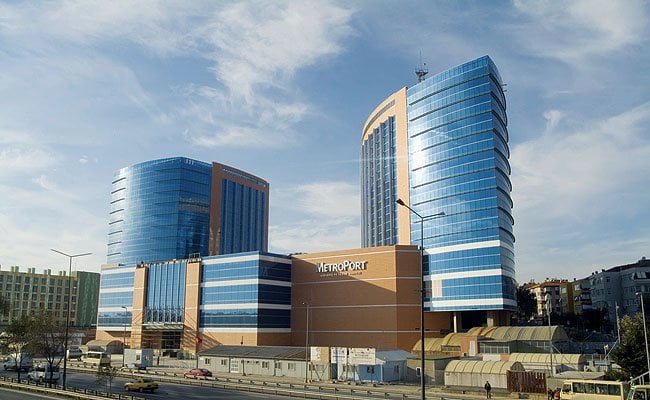
Medical Park Bahcelievler эмнэлэг
Medical Park Bahcelievler эмнэлэг нь Истанбул хотод 2007 онд байгуулагдсан, JCI байгууллагын магадлан итгэмжлэгдсэн 242 ортой эмнэлэг бөгөөд 33,000 ха...
Хэрцийлсэн

Нэгж
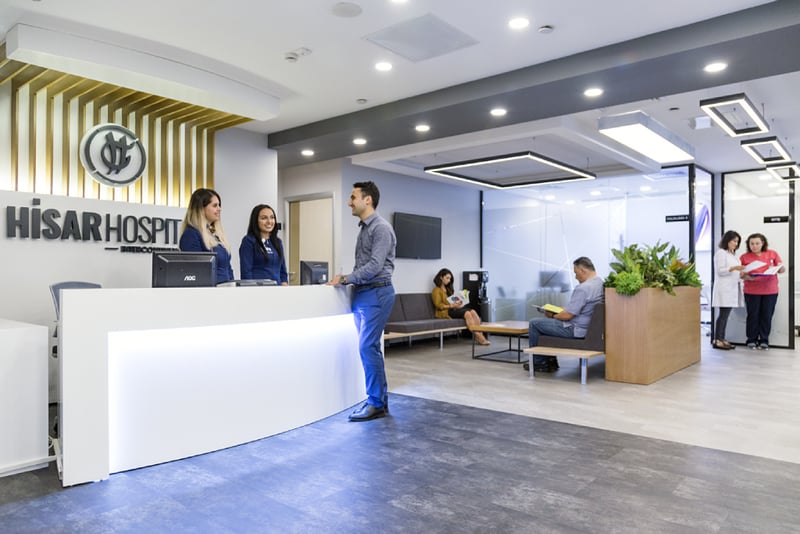
Хисар тив хоорондын эмнэлэг, Истанбул
Истанбул дахь Хисар тив хоорондын эмнэлэг нь JCI байгууллагаас магадлан итгэмжлэгдсэн, 212 ортой, 35,000 квадрат метр талбайтай, 53 эмнэлгийн тасагтай...
Хэрцийлсэн
Нэгж
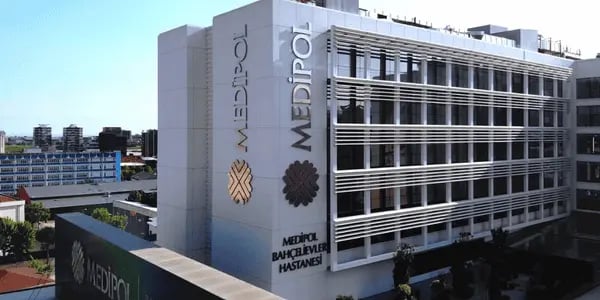
Медипол Бахчелиевлер эмнэлэг
Медипол Бахчелиевлер эмнэлэг нь Истанбул хотын 441 ортой хувийн эмнэлэг бөгөөд 2022 оны 5-р сард үйл ажиллагаагаа явуулж эхэлсэн. 15 давхарт 60,000 ха...
Хэрцийлсэн
Нэгж
Ижил төстэй журам
Энэтхэг-д Тархины хамгийн бага инвазив мэс засал
Галерея
FAQ
Шалгагч
Бүгдийг харах
Dr. Priya Tiwari is a renowned medical oncologist trained at the prestigious All India Institute of Medical Sciences (AIIMS). She specializes in comprehensive cancer care and is committed to deliver... Цааш унших

Манай вэбсайт нь жигнэмэг хэрэглэдэг. Нууцлалын бодлого.