
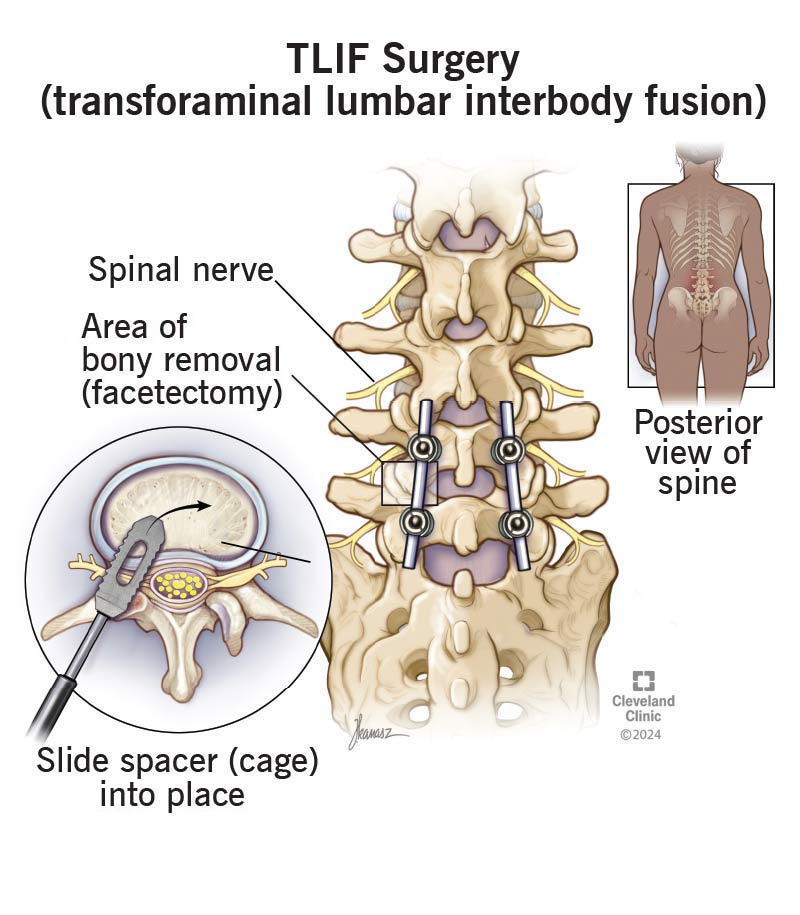
Transforaminal Lumbar Interbody Fusion - TLIF мэс засал Энэтхэг оны өртөг
Тухай Transforaminal Lumbar Interbody Fusion - TLIF мэс засал
TLIF мэс засал гэж юу вэ, яагаад үүнийг хийдэг вэ?
Transforaminal lumbar interbody fusion (TLIF) нь нурууны доод хэсгийг тогтворжуулахад ашигладаг нугасны хайлуулах мэс засал юм. Энэ нь юуны түрүүнд нурууны архаг өвдөлт, хөлний өвдөлт (шуудал), эсвэл дискний дегенератив өвчин, нугасны нарийсал, мөгөөрсөн жийргэвчийн ивэрхий зэрэг эмгэгийн улмаас нугасны тогтворгүй байдал зэрэг өвчнөөр шаналж буй өвчтөнүүдэд зөвлөж байна.
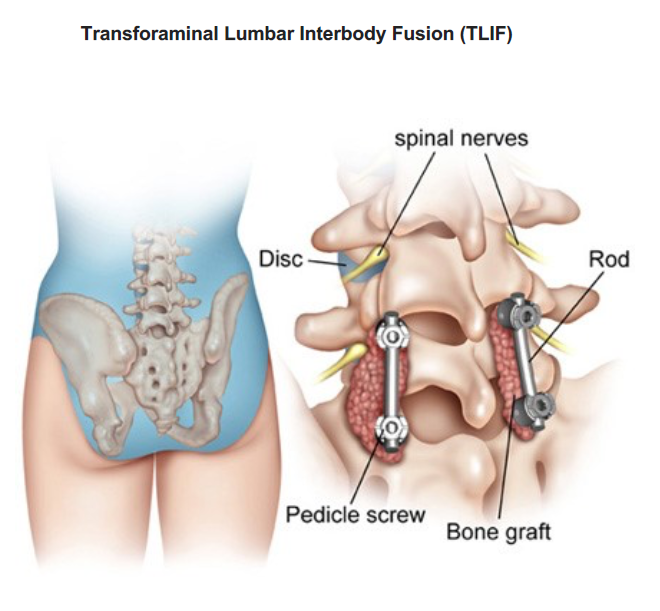
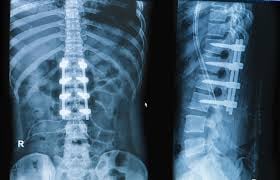
TLIF-ийн үед мэс засалч нь нугаламын хажуугаар (трансфорамин зам) нуруунд ойртож, гэмтсэн нугалам хоорондын дискийг авч, хоёр нугаламын хооронд яс залгаас эсвэл тор байрлуулна. Цаг хугацаа өнгөрөхөд нугалам нь нэг цул яс болж хувирдаг. Уусмал нь үе мөчний өвдөлтийн хөдөлгөөнийг арилгаж, нурууны тогтвортой байдлыг сэргээдэг.
TLIF нь бусад хайлуулах аргуудаас сонгогддог, учир нь:
- Энэ нь зөвшөөрдөгнэг зүсэлтээр дискний зайны хоёр тал руу нэвтрэх.
- Энэ нь нугасны болон мэдрэлийн үйл ажиллагааг багасгадаг.
- Энэ нь хангадагилүү сайн тэгшлэх, даах чадварнурууны хувьд.
- Үүнийг хийж болнонээлттэй буюу бага инвазив процедур, тохиолдлоос хамааран.
TLIF-ийн зорилго ньмэдрэлийн шахалтыг арилгах, өвдөлтийг багасгах, нөлөөлөлд өртсөн нугаламын сегментийг тогтворжуулах замаар нурууны үйл ажиллагааг сэргээх. Эмийн эмчилгээ, физик эмчилгээ, эпидураль тарилга зэрэг консерватив эмчилгээ үр дүнгүй болсон тохиолдолд үүнийг ихэвчлэн авч үздэг.
TLIF мэс засал хэнд хэрэгтэй вэ?
Нурууны байнгын өвдөлт, хөлний хурц өвдөлт, нуруу нугасны тогтворгүй байдал нь мэс заслын бус эмчилгээнд сайжрахгүй байгаа өвчтөнүүдэд TLIF мэс засал хийхийг зөвлөж байна. Энэ нь ялангуяа мөгөөрсөн жийргэвчийн доройтол, нугаламын гулсалтаас үүдэлтэй нурууны нурууны бүтцийн асуудалтай, нугасны мэдрэлийг шахахад хүргэдэг хүмүүст тохиромжтой.
TLIF-ийн хэрэгцээг илтгэдэг хамгийн нийтлэг нөхцөлүүдийн зарим нь:
- Дискний дегенератив өвчин (DDD):Хөгшрөлт, элэгдлээс болж нугалам хоорондын диск нь чийгшүүлж, өндрөө алдах үед тэдгээр нь нурж, нугаламын хооронд өвдөлттэй үрэлтийг үүсгэдэг. TLIF нь дискний өндрийг сэргээж, сегментийг тогтворжуулдаг.
- Спондилолистез:Энэ өвчин нь нэг нугалам доороосоо урагш гулсах үед үүсдэг. TLIF нь тогтворгүй сегментийг нэгтгэж, мэдрэлийн шахалтыг арилгаснаар цаашид гулсахаас сэргийлдэг.
- Бүсэлхий нурууны мөгөөрсөн жийргэвчийн ивэрхий (давтагдах шинж тэмдэгтэй):Мөгөөрсөн жийргэвчийн ивэрхий нь хөлний хүчтэй өвдөлтийг (sciatica) үүсгэдэг бөгөөд дискэктоми эсвэл бусад мэс заслын дараа эргэж ирдэг тохиолдолд TLIF-ийг нөлөөлөлд өртсөн түвшинг байнга тогтворжуулахад ашигладаг.
- Нурууны нарийсал (тогтворгүй байдал):Нуруу нугасны сувгийн нарийсалт нь мэдрэлийг шахаж, тогтворгүй хөдөлгөөн дагалддаг бол TLIF нь мэдрэлийг задалж, нурууг нэгтгэж, цаашид гэмтэхээс сэргийлдэг.
- Амжилтгүй нурууны мэс заслын хам шинж (FBSS):Нуруу нугасны өмнөх мэс засал хийлгэсний дараа өвдөлт хэвээр байгаа өвчтөнүүд тогтворгүй байдал, нэгдэхгүй, эсвэл дахин давтагдах дискний асуудал илэрвэл TLIF-ээс ашиг тус хүртэх боломжтой.
- Нурууны хугарал эсвэл халдвар:Нуруу нугасны тогтвортой байдлыг алдагдуулдаг гэмтлийн гэмтэл, халдварын зарим тохиолдлуудад TLIF-ийг нурууг сэргээж, нэгтгэхэд ашиглаж болно.
TLIF-ийг ихэвчлэн амрах, физик эмчилгээ, үрэвслийн эсрэг эм, эпидураль стероидын тарилга зэрэг мэс заслын бус эмчилгээ 6-12 долоо хоног ба түүнээс дээш хугацаанд үр дүнгүй болсны дараа л авч үздэг. Энэ нь янз бүрийн насны насанд хүрэгчдэд тохиромжтой, гэхдээ ялангуяа дунд насныханд түгээмэл байдаг35 ба 70 жилмэдрэлээс үүдэлтэй нуруу, хөлний өвдөлтийг мэдрэх.
TLIF мэс заслыг хэрхэн хийдэг вэ?
Мэс засалчид нурууны доод хэсэгт гэмтсэн дискийг гаргаж, байнгын тогтвортой байдлыг хангахын тулд хоёр нугаламыг нэгтгэхийн тулд трансфораминаль бүсэлхийн хоорондын нийлэгжилтийг (TLIF) хийдэг. Бүхэл бүтэн мэс засал нь ихэвчлэн шаардлагатай байдаг2-оос 4 цагдор хийгдэж байнаерөнхий мэдээ алдуулалт. Мэс засал нь хэд хэдэн үе шатыг агуулдаг.
- Байршил, бэлтгэл:Мэс заслын баг өвчтөнийг хагалгааны ширээн дээр доош харуулан байрлуулна. Мэдээ алдуулалтанд орсны дараа мэс засалч нурууны доод хэсгийг цэвэрлэж, ариутгаж, нөлөөлөлд өртсөн нугаламын түвшинд нэвтрэх цэгийг тэмдэглэнэ.
- Зүсэлт хийх:Мэс засалч нурууны дунд хэсэг эсвэл хажуугийн дагуу жижиг зүсэлт хийдэг. Бага зэргийн инвазив TLIF-д энэ зүсэлт нь ердөө 2-4 см байдаг бол нээлттэй мэс засалд арай том зүсэлт шаардлагатай байдаг.
- Нуруунд хүрч, ясыг зайлуулах:Мөгөөрсөн жийргэвчийн зайд хүрэхийн тулд мэс засалч булчингуудыг зөөлөн татаж, нугаламыг ил гаргадаг. Мэдрэлийн үндэс болон дискийг тодорхой дүрслэхийн тулд нүүрний үе эсвэл давхаргын хэсгийг салгаж болно.
- Дискийг арилгах, мэдрэлийн даралтыг бууруулах:Мэс засалч хоёр нугаламын хоорондох гэмтсэн дискийг болгоомжтой арилгадаг. Нурууны мэдрэлийн даралтыг бууруулахын тулд мэдрэлийг шахаж буй аливаа ясны салаа эсвэл зөөлөн эдийг цэвэрлэнэ.
- Суулгац эсвэл тор суулгах:Мөгөөрсөн жийргэвчийн зайг цэвэрлэсний дараа мэс засалч нугаламын хооронд ясны шилжүүлэн суулгах зай эсвэл торыг оруулдаг. Энэ нь дискний өндрийг сэргээж, ясны өсөлтийг дэмждэг. Тор нь PEEK, титан эсвэл карбон файбераар хийгдсэн байж болно.
- Шураг ба саваа байрлуулах:Нуруу нугасыг тогтворжуулахын тулд мэс засалч нь мөгөөрсөн жийргэвчийн зайны дээд ба доор нугаламын нугаламын шураг, саваа оруулдаг. Эдгээр суулгацууд нь нэгдэх үед ясыг барьж байдаг.
- Хаалт ба хувцаслалт:Суулгацыг бэхэлж, тэгшилсэнийг баталгаажуулсны дараа мэс засалч оёдлын утас ашиглан зүслэгийг давхаргаар хаадаг. Нурууны мэс засалчид халдвараас урьдчилан сэргийлэхийн тулд ариутгасан боолт хэрэглэдэг.
- Мэс заслын дараах хяналт:Өвчтөнийг сэргээх өрөөнд шилжүүлж, амин чухал шинж тэмдэг, мэдрэлийн үйл ажиллагааг хянадаг. Өвдөлт намдаах эмчилгээг нэн даруй эхлүүлж, 24-48 цагийн дотор алхахыг дэмждэг.
Одоо олон эмнэлгүүд санал болгож байнабага инвазив TLIF (MIS-TLIF), энэ нь булчингийн гэмтэл, цус алдалт, эмнэлэгт хэвтэхийг бууруулдаг. Нээлттэй болон MIS-ийн хоорондох сонголт нь өвчтөний анатоми, оношлогоо, мэс заслын эмчийн сонголтоос хамаарна.
Үнэгүй эмчилгээний төлөвлөгөө авах
Энэтхэг-д Transforaminal Lumbar Interbody Fusion - TLIF мэс засал орчим
What is the Cost of TLIF Surgery in India?
The cost of TLIF surgery in India typically ranges from $5,000 to $8,500, depending on the number of spinal levels involved, the type of implants used, and the hospital’s facilities. This cost is significantly lower than in the US, UK, or Australia, where the same procedure may exceed $30,000 to $60,000.
What sets India apart is not just affordability, but the comprehensive nature of TLIF surgery packages. Hospitals offer all-inclusive pricing with no hidden charges, covering every step of the treatment journey, from pre-surgery consultations to rehabilitation.
TLIF surgery cost in India generally includes:
- Pre-Operative Evaluation: It includes MRI scans, X-rays, CT scans, blood tests, ECG, and anesthesia fitness assessment required for planning and safety.
- Surgeon’s and Anesthetist’s Fees: The total cost includes professional fees for the neurosurgeon or orthopedic spine specialist, the assisting surgical team, and the anesthesiologist.
- Operation Theatre Charges and Surgical Tools: It covers sterile instruments, neuromonitoring systems, fluoroscopy, and high-precision surgical equipment needed during the procedure.
- Spinal Implants and Cage System: Premium hospitals use FDA- or CE-approved spinal implants, including pedicle screws, titanium rods, and interbody cages. The implant cost is a significant portion of the total expense.
- Hospital Stay and ICU Monitoring: Patients usually stay in the hospital for 4 to 7 days, including 1 day in the ICU (if required). It includes nursing care, room charges, and monitoring.
- Inpatient Medications and Consumables: It includes IV antibiotics, painkillers, dressings, surgical sutures, and disposables used during the hospital stay.
- Physiotherapy and Mobilization Support: Basic post-surgical rehabilitation, including walking training, mobility support, and exercise guidance, is part of the standard package.
- Post-Discharge Follow-Up: Many hospitals include one or two follow-up consultations, wound inspections, and X-rays after discharge to monitor recovery.
In short, TLIF spine surgery in India offers not only significant cost savings but also a well-structured, end-to-end treatment plan that meets global standards.
Breakdown of TLIF Surgery Cost in India
The total cost of TLIF (transforaminal lumbar interbody fusion) surgery in India is influenced by several components, each contributing to the final package. Understanding this breakdown helps international patients prepare better and ensures transparency.
- The pre-operative evaluation for TLIF in India, including MRI, X-ray, blood tests, and anesthesia fitness, typically costs $300 to $600, depending on the diagnostic complexity.
- The TLIF implant cost, which includes titanium or PEEK cages, pedicle screws, and rods, ranges from $1,800 to $3,000. Hospitals use globally approved implants from brands like Medtronic, Stryker, or Zimmer Biomet.
- Surgeon’s and anesthetist’s fees are usually between $1,000 - $1,500, depending on the surgeon’s seniority and the surgical duration.
- Operation theatre charges, including advanced equipment (fluoroscopy, neuromonitoring, C-arm), generally fall in the range of $700 to $1,000.
- The hospital stay for TLIF in India, including 1 day ICU and 4-6 days in a private room, costs around $800 to $1,200, inclusive of nursing and meals.
- Inpatient medications and surgical consumables, such as antibiotics, painkillers, drapes, and sutures, add another $300 to $500 to the bill.
- Post-operative physiotherapy and mobilization, provided during the hospital stay, may cost $100 to $200, depending on the number of sessions.
Cost Component | Estimated Cost (USD) |
| Pre-operative Investigations | $300 – $600 |
| Spinal Implants and Hardware | $1,800 – $3,000 |
| Surgeon and Anesthetist Fees | $1,000 – $1,500 |
| Operation Theatre and Equipment | $700 – $1,000 |
| Hospital Stay and Nursing Care | $800 – $1,200 |
| Medications and Surgical Supplies | $300 – $500 |
| In-Hospital Physiotherapy | $100 – $200 |
| Total Estimated Cost (Single-Level TLIF) | $5,000 – $8,500 |
Note: This pricing applies to single-level TLIF surgery. In cases where multi-level fusion or additional spinal instrumentation is required, the cost may increase proportionally due to extended operating time, extra implants, and longer hospital stay.
Cost Comparison: TLIF Surgery in India vs Other Countries
TLIF surgery in India offers exceptional value compared to the same procedure in countries like the USA, UK, Australia, or the UAE. International patients often save up to 70–80% by choosing India, while still receiving globally approved implants, expert spine surgeons, and modern hospital facilities.
Country | Average TLIF Cost (USD) | Inclusions and Remarks |
| India | $5,000 – $8,500 | All-inclusive; covers surgery, implants, stay, meds, and physiotherapy |
| United States | $35,000 – $60,000 | Excludes rehab and extended hospital stay; costs vary widely by state |
| United Kingdom | $25,000 – $45,000 (Private) | NHS wait times; private care is expensive and not always fully inclusive |
| Australia | $28,000 – $50,000 | Partial insurance coverage; extra cost for implants and rehab |
| UAE | $18,000 – $25,000 | Premium pricing for private care; limited minimally invasive options |
| Singapore | $20,000 – $35,000 | High-tech hospitals but costly; post-op physiotherapy is often billed separately |
| Thailand | $8,500 – $12,000 | Cheaper than Western countries but still 30–50% higher than India |
With skilled spine surgeons, high success rates, and all-inclusive cost transparency, India remains one of the top choices for affordable TLIF surgery worldwide.
What Factors Influence TLIF Surgery Cost in India?
Several medical, surgical, and logistical factors influence the final cost of TLIF surgery in India. These variables help determine whether the patient’s treatment falls at the lower or higher end of the cost range.
- Number of Spinal Levels Fused: Single-level TLIF is more affordable. If multiple levels (e.g., L4-L5 and L5-S1) need to be fused, the cost increases due to additional implants, longer surgical time, and extended hospital stay.
- Type and Brand of Implants Used: The choice of cage (PEEK or titanium), pedicle screws, rods, and the brand of implants significantly impacts the cost. Premium brands like Medtronic, Globus, Stryker, and Zimmer Biomet cost more but offer superior durability and compatibility.
- Surgical Technique (Open vs. Minimally Invasive): Minimally Invasive TLIF (MIS-TLIF) uses specialized tools, smaller incisions, and advanced imaging. It leads to faster recovery and less blood loss, but may raise the overall cost due to equipment and technical expertise.
- Hospital Category and Location: Hospitals in metro cities like Delhi, Mumbai, and Bangalore, especially those with JCI or NABH accreditation, may charge more than smaller-tier city hospitals due to their superior infrastructure and international services.
- Surgeon’s Experience and Specialty: Highly experienced spine surgeons with fellowship training and specialization in complex fusions or revisions may charge higher professional fees, but often result in better outcomes and fewer complications.
- Pre-Existing Medical Conditions: If the patient has comorbidities like diabetes, obesity, or heart disease, they may require additional monitoring, ICU support, or extended stay, all of which increase the total bill.
- Post-Operative Rehabilitation Needs: Extended physiotherapy, advanced mobility aids (e.g., spinal braces, walking frames), and longer rehab stays can add to the cost. Some patients may also require follow-up imaging or pain management sessions.
- Accommodation and International Patient Services: Foreign patients may require visa assistance, airport transfers, interpreters, and arrangements for attendants to stay. These services are sometimes bundled into the package or billed separately.
Why Is TLIF Surgery More Affordable in India?
India offers world-class spine surgery at a fraction of the cost seen in other developed countries, without compromising on surgical quality, implant standards, or patient outcomes. The affordability of TLIF surgery in India stems from a combination of healthcare system efficiencies, lower operational costs, and patient-centered package models.
Some of the key reasons why TLIF surgery is more cost-effective in India are:
- Lower Operational and Infrastructure Costs: Indian hospitals operate at significantly lower costs for equipment maintenance, utilities, and staffing. These savings are passed directly to patients through reduced surgical pricing.
- Affordable Surgeon and Staff Fees: Highly skilled spine surgeons in India, many of whom have trained internationally, charge significantly less than their counterparts in the US or UK. Anesthetists, nurses, and physiotherapists also receive modest salaries, which helps keep overall costs low.
- Competitive Implant Pricing: India has access to a broad range of spinal implants, including both locally manufactured and globally imported options. With reduced import taxes and bulk procurement, hospitals can offer FDA/CE-approved implants at affordable rates.
- High Patient Volume and Streamlined Processes: Spine centers in India handle a large number of TLIF and other fusion surgeries annually. It allows hospitals to optimize surgical time, reduce inventory waste, and lower per-patient costs through volume efficiency.
- Integrated In-House Services: Hospitals offer diagnostics, pharmacy, physiotherapy, and rehab services on-site, eliminating the need for third-party outsourcing. It improves care continuity and significantly reduces overhead costs.
- Transparent and All-Inclusive Packages: Unlike Western countries, where patients are billed separately for consultation, surgery, implants, stay, and rehab, Indian hospitals bundle these into fixed-cost packages, ensuring price clarity and avoiding hidden expenses.
- Favorable Currency Exchange for International Patients: Patients traveling from countries like the USA, UK, UAE, Canada, or Africa benefit from favorable exchange rates, making high-end spine treatment in India far more affordable than in their home countries.
- Government Support for Medical Tourism: India promotes medical tourism with easy visa processes, airport assistance, multilingual support, and dedicated international patient departments in major hospitals.
International Patient Services for TLIF Surgery in India
India’s top hospitals provide a complete range of international patient services tailored to make spinal treatments like TLIF surgery smooth, safe, and stress-free for patients arriving from abroad. These services are often bundled with the treatment package or offered at minimal additional cost, ensuring convenience from pre-travel planning to post-surgery recovery.
- Medical Visa Assistance: Hospitals issue official medical invitation letters required for visa applications. International patient coordinators guide patients and their companions through the process and also assist with visa extensions when necessary.
- Airport Pickup and Drop Services: Patients are received at the airport by a hospital-appointed representative and transported safely to their accommodation or directly to the hospital. Return airport transfers are also arranged post-recovery.
- Dedicated International Patient Coordinator: Each patient is assigned a case manager who handles daily scheduling, interpreter services, billing support, travel assistance, and coordination with the surgical team.
- Multilingual Interpretation Services: To eliminate language barriers, interpreters are provided for Arabic, Russian, French, Spanish, Swahili, and more. Essential documents and medical reports are translated upon request.
- Pre-Travel Online Consultation: Patients can book an online video consultation with a spine surgeon before flying. It allows the doctor to review reports, explain the TLIF procedure, and provide a personalized estimate and treatment plan.
- Affordable Accommodation and Meal Options: Hospitals assist in booking budget hotels, guesthouses, or service apartments near the hospital. Meal plans are customizable and include halal, vegetarian, and diabetic-friendly options based on patient preference.
- Rehabilitation and Physiotherapy Support: After TLIF surgery, in-house physiotherapists provide mobilization training, posture correction, and spine-strengthening exercises. Customized rehab plans are shared for continued recovery after the patient returns home.
- Post-Discharge Remote Follow-Up: Surgeons remain available for virtual follow-ups via video, email, or WhatsApp. Patients can send updates, X-rays, or queries for months after returning home, at no extra charge.
- Assistance with FRRO Registration: For extended stays in India, hospitals help international patients complete FRRO (Foreigner Regional Registration Office) formalities to remain compliant with local laws.
- Family Support and Recovery Comfort: Hospitals offer companion support, including extra bedding, visitor access, and meal services for relatives. Recovery lounges and spiritual spaces are also available for patient comfort.
What is the Success Rate and Recovery Timeline After TLIF Surgery in India?
Transforaminal lumbar interbody fusion surgery is a highly successful spinal procedure, primarily when performed by experienced surgeons using high-quality implants. It is designed to relieve chronic lower back and leg pain, restore spinal stability, and improve mobility. In India, the procedure has shown excellent clinical outcomes, even in complex or revision cases.
Success Rate of TLIF Surgery in India
- The average success rate of TLIF surgery in India is around 90% to 95% for single-level fusion, depending on patient condition, surgeon experience, and surgical technique (open vs minimally invasive).
- Most TLIF patients report a significant reduction in pain and improved quality of life within 3 to 6 months of the procedure.
- Minimally Invasive TLIF often results in faster healing, reduced post-op pain, and shorter hospital stays, contributing to better patient satisfaction.
- Complication rates are relatively low in India due to advanced intraoperative technologies such as intraoperative neuromonitoring, C-arm navigation, and modern fusion systems.
Recovery Timeline After TLIF Surgery
Recovery after TLIF is gradual and can vary based on factors like the number of spinal levels fused, patient age, comorbidities, and whether the surgery was open or minimally invasive.
- Day 1-2: Patient is monitored in the hospital (1 day in ICU if needed). Pain is managed through IV medications. Breathing and leg movement exercises begin early.
- Day 3-5: Patient is encouraged to walk with support. Light physiotherapy begins. If stable, discharge is possible by day 4 or 5.
- Week 2-3: Staples or sutures are removed. The patient continues basic home-based physiotherapy. Bending and lifting are avoided.
- Week 4-6: Patient gains more mobility. Can walk longer distances and perform light tasks. Follow-up imaging may be scheduled.
- Month 3-6: Fusion progresses. Pain reduces significantly. Return to desk work or non-strenuous job roles is often possible.
- 6-12 Months: Bone graft fully fuses with the vertebrae. The patient can resume most normal activities, including travel, long walks, or non-impact exercise. Complete recovery usually occurs within 12 months.
Post-Operative Do’s and Don’ts
- Do follow a supervised physiotherapy plan. It’s essential for regaining strength and spine mobility.
- Don’t lift heavy objects or bend forward until your surgeon gives clearance.
- Do attend all follow-up visits and get periodic imaging (X-ray/CT) to monitor fusion progress.
- Don’t ignore numbness or new leg pain, which may indicate nerve irritation.
Transforaminal Lumbar Interbody Fusion - TLIF мэс засал зардалтай харьцуулалт улс орнуудаар
Эмчилгээний талаар мэдээлэлтэй шийдвэр гаргахын тулд өөр өөр улс орнуудын Transforaminal Lumbar Interbody Fusion - TLIF мэс засал зардлыг харьцуулж үзээрэй.
| Улс | Зардлын хүрээ (USD) | Боломжит хадгаламж | Үйл ажиллагаа |
|---|---|---|---|
ЭнэтхэгЯвцХамгийн сайн үнэ цэнэ | $5,000 - $8,500 | — | Ишлэл өгөх |
Дэггүй програм. Зардал нь эмнэлгийн сонголт, өрөөний төрөл, нэмэлт үйлчилгээ, нэмэлт үйлчилгээ, гарын авлага, эрүүл мэндийн шаардлага.
Энэтхэг оны Transforaminal Lumbar Interbody Fusion - TLIF мэс засал оны тэргүүлэгч эмнэлгүүд
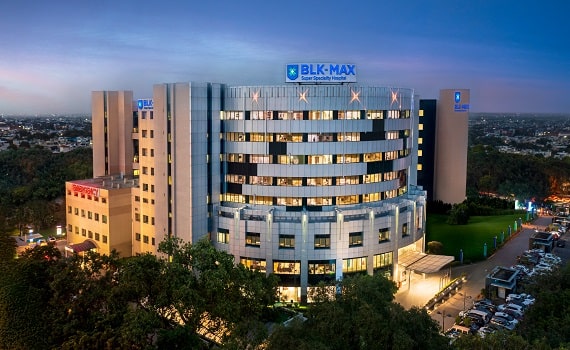
BLK-Max супер мэргэжлийн эмнэлэг, Нью Дели
Шинэ Дели дэх BLK-Max Super Specialty эмнэлэг нь 650 ортой, 22 дэвшилтэт мэс заслын тасаг, 13 мэргэжлийн төвийг санал болгодог Энэтхэгийн эрүүл мэндий...
Хэрцийлсэн


Нэгж

Макс Смарт супер мэргэжлийн эмнэлэг, Сакет, Шинэ Дели
Макс Смарт супер мэргэжлийн эмнэлэг, Сакет нь Өмнөд Дели дэх 250 ортой гуравдугаар шатлалын эмнэлэг юм. Энэ нь зүрхний шинжлэх ухаан, онкологи, ортопе...
Хэрцийлсэн
Нэгж
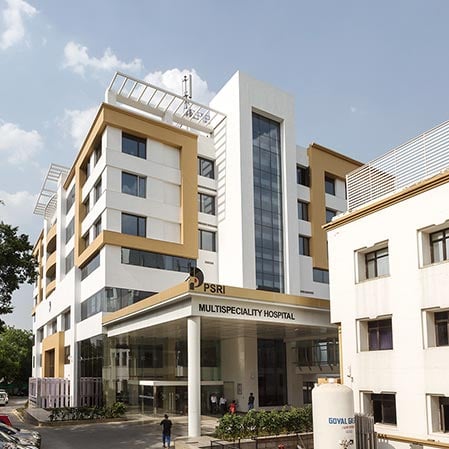
PSRI эмнэлэг, Дели
Пушпавати Синганиа Судалгааны Хүрээлэн (PSRI эмнэлэг), Нью Дели нь 1996 онд JK группээс үүсгэн байгуулсан олон төрлийн гуравдагч шатлалын тэргүүлэх эм...
Хэрцийлсэн
Нэгж
Ижил төстэй журам
Галерея
FAQ
Шалгагч
Бүгдийг харах
Dr. SK Rajan is an internationally trained and AO-certified Spine Surgeon with extensive expertise in managing complex spinal disorders. He has trained at leading national and global institutions, i... Цааш унших

Манай вэбсайт нь жигнэмэг хэрэглэдэг. Нууцлалын бодлого.