
Өвдөгний нийт солих - TKR Энэтхэг оны өртөг
Тухай Өвдөгний нийт солих - TKR
Өвдөгний үе солих гэж юу вэ, яагаад үүнийг хийдэг вэ?
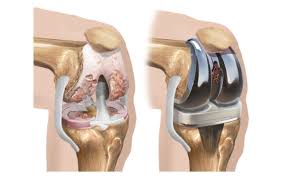
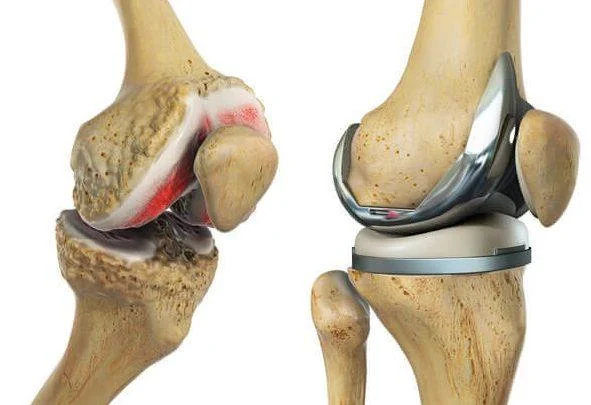
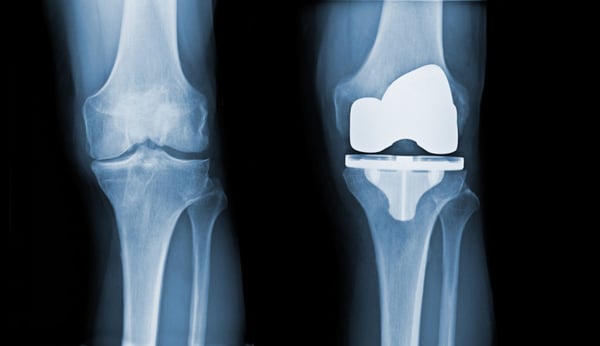
Өвдөгний үеийг бүхэлд нь солих (TKR) нь өвдөгний гэмтсэн, хуучирсан гадаргууг арилгаж, металл болон хуванцар эд ангиудаар солих мэс заслын үйл ажиллагаа юм. Хүний гараар бүтээгдсэн эдгээр бүрэлдэхүүн хэсгүүд нь эрүүл өвдөгний байгалийн хөдөлгөөнийг дуурайж, улмаар өвчтөнүүдийг өвдөлт, хөшүүн байдал, үйл ажиллагааны хязгаарлалтаас чөлөөлдөг.
Өвдөгний ясыг зөөлрүүлдэг мөгөөрс дараахь шалтгааны улмаас элэгдэж, өвдөг солих мэс засал хийх шаардлагатай болдог.
- Остеоартрит: Нас ахих тусам үе мөчний доройтолд хүргэдэг TKR-ийн хамгийн түгээмэл шалтгаан.
- Ревматоид артрит: Үе мөчний гадаргууг үрэвсүүлж, элэгдэлд оруулдаг аутоиммун өвчин.
- Гэмтлийн дараах үе мөчний үрэвсэл: хугарал, шөрмөсний урагдал зэрэг өмнөх гэмтлүүдийн үр дагавар.
- Хүнд хэлбэрийн хэв гажилт: Алхаа, байрлалд нөлөөлдөг нум хөл, өвдөг тогших зэрэг бүтцийн гажиг.
Дараах тохиолдолд өвдөгний бүрэн солихыг зөвлөж байна.
- Амрах эсвэл унтах үед ч гэсэн байнгын өвдөлт.
- Алхах, шатаар өгсөх эсвэл ердийн үйл ажиллагаа явуулах нь хэцүү эсвэл боломжгүй болдог.
- Эм, физик эмчилгээ, үе мөчний тарилга нь тайвшрахаа больсон.
- Рентген туяа нь ясны ясыг харуулдаг бөгөөд энэ нь үе мөчний дэвшилтэт доройтлыг илтгэнэ.
TKR мэс заслын зорилго нь өвдөлтийг арилгах, үе мөчний хэвийн үйл ажиллагааг сэргээх, өвчтөний тусламжгүйгээр өдөр тутмын үйл ажиллагаандаа эргэн орох боломжийг олгодог. Ихэнх өвчтөнүүд мэс засал хийснээс хойш хэдэн сарын дотор хөдөлгөөн, амьдралын чанар мэдэгдэхүйц сайжирдаг.
Өвдөгний үе солих мэс засал хэнд хэрэгтэй вэ?
Өвдөгний үе солих мэс заслыг ихэвчлэн өвдөгний архаг, тахир дутуу өвчнөөр шаналж, хэвийн, идэвхтэй амьдрах чадварт нь нөлөөлдөг өвчтөнүүдэд зөвлөдөг. Өвдөгний үений өвчин аль ч насанд тохиолдож болох ч өвдөгний үений бүрэн солих мэс заслыг ихэвчлэн 50-аас дээш насны дунд болон хүнд хэлбэрийн үе мөчний гэмтэлтэй хүмүүст хийдэг.
- Дэвшилтэт остеоартриттай өвчтөнүүд:Өвдөгний мөгөөрс нь хөгшрөлтийн улмаас элэгдэж, ясны үрэлт үүсдэг бөгөөд энэ нь өвдөж, хөших, хөдөлгөөнгүй болоход хүргэдэг. Эдгээр өвчтөнүүд ихэвчлэн үе мөчний хөшүүн байдалтай сэрдэг бөгөөд алхах, удаан хугацаагаар зогсох, шатаар авирах нь хэцүү байдаг.
- Ревматоид артрит эсвэл үрэвсэлт үе мөчний өвчтэй хүмүүс:Ревматоид артрит гэх мэт аутоиммун эмгэгүүд нь өвдөгний үений архаг үрэвсэл үүсгэдэг. Цаг хугацаа өнгөрөхөд энэ үрэвсэл нь мөгөөрс, ясыг устгаж, улмаар хүнд хэлбэрийн гажиг, тогтворгүй байдал, байнгын өвдөлт үүсгэдэг.
- Гэмтлийн дараах үе мөчний үрэвсэлтэй хүмүүс:Өвдөгний хугарал, шөрмөс тасарсан, мөгөөрсний гэмтэл зэрэг өвдөгний үений гэмтэл олон жилийн дараа үе мөчний үрэвсэл үүсч болно. Энэ гэмтэл нь үе мөчний нуралт, хөшүүн байдалд хүргэдэг бол өвдөгний үеийг бүхэлд нь солих шаардлагатай байж болно.
- Мэс заслын бус эмчилгээнд хариу өгөхөө больсон өвчтөнүүд:Хэрэв эм, үе мөчний тарилга, физик эмчилгээ, аппарат, амьдралын хэв маягийг өөрчлөх нь шинж тэмдгийг арилгахгүй, өдөр тутмын үйл ажиллагаа хязгаарлагдмал хэвээр байвал мэс засал хийх нь хамгийн найдвартай шийдэл болно.
- Өвдөгний хүнд хэлбэрийн гажигтай хүмүүс:Вальгус (өвдөг тогших) эсвэл варус (нум хөл) зэрэг нөхцөл байдал нь хөлний байгалийн байрлалыг өөрчилдөг. Цаг хугацаа өнгөрөх тусам эдгээр хэв гажилт нь үе мөчний ачаалал, өвдөлтийг нэмэгдүүлж, хөдөлгөөнийг бууруулдаг. TKR нь үеийг дахин тохируулах, хэв гажилтыг засахад тусалдаг.
- Шөнийн байнгын өвдөлт, нойргүйдэл бүхий өвчтөнүүд:Өвдөгний өвдөлт нь амрахад саад болох эсвэл өвчтөнийг ая тухтай унтахад саад болдог бол энэ нь ихэвчлэн үе мөчний төгсгөлийн үеийг илтгэдэг. Өвчин нь мэс заслын оролцооны гол үзүүлэлт юм.
Өвдөгний үе солих мэс заслыг хэрхэн хийдэг вэ?
Өвдөгний үеийг бүхэлд нь солих нь ихэвчлэн үргэлжилдэг процедур юм60-аас 90 минут. Хагалгааны явцад мэс засалч гэмтсэн үе мөчний гадаргууг арилгаж, гөлгөр, өвдөлтгүй хөдөлгөөнийг сэргээдэг хиймэл бүрэлдэхүүн хэсгүүдээр (протез) сольж өгдөг. Бүх үйл явц нь нугасны эсвэл ерөнхий мэдээ алдуулалтын дор явагддаг бөгөөд өвчтөнд өвдөлт мэдрэхгүй байх болно.
- Байршил ба мэдээ алдуулалт:Өвчтөнийг мэс заслын өрөөнд аваачиж, өвдсөн өвдөгний нугалан нуруун дээр нь байрлуулна. Мэдээ алдуулалтыг баталгаажуулсны дараа мэс заслын туршид ариутгасан талбайг хадгалахын тулд хөлийг цэвэрлэж, ариутгана.
- Үе мөчний зүсэлт ба өртөлт:Мэс засалч өвдөгний урд хэсэгт босоо зүсэлт хийдэг бөгөөд ихэвчлэн 6-10 инч урттай байдаг. Тэд үе мөчийг ил гаргахын тулд өвдөгний хонхорхойг зөөлөн хөдөлгөж, гэмтсэн яс, мөгөөрсний гадаргууг харах боломжийг олгоно.
- Гэмтсэн гадаргууг арилгах:Мэс заслын нарийн багаж хэрэгслийг ашиглан мэс засалч гуяны яс (гуяны яс), шилбэний яс (шилний яс), өвдөгний өвдөгний доод хэсгээс элэгдэж хуучирсан мөгөөрс, ясыг таслана. Тусгай бэхэлгээ, багаж хэрэгсэл нь зөв байрлалыг хадгалахад тусалдаг.
- Протезийн эд ангиудыг суулгах:Мэс засалч гуяны яс, шилбэ дээр металл таг, заримдаа ясны цементээр хийдэг. Гөлгөр гулсах боломжийг олгохын тулд тэдгээрийн хооронд хуванцар зай суурилуулсан байна. Шаардлагатай бол өвдөгний арын хэсгийг мөн хуванцар суулгацаар сэргээдэг.
- Дахин тохируулах ба хаах:Бүх эд ангиудыг зассаны дараа мэс засалч өвдөгний үений хөдөлгөөн, байрлалыг шалгана. Тэд шингээх оёдол эсвэл үдээс ашиглан зүслэгийг давхаргаар хааж, дараа нь ариутгасан боолт, зарим тохиолдолд шахалтын боолт хийдэг.
- Мэс заслын дараах хяналт:Өвчтөнийг сэргээх өрөөнд шилжүүлж, сувилагч нар амин чухал шинж тэмдгүүдийг хянаж байдаг. Өвдөлт намдаах эмчилгээ нэн даруй эхэлдэг. Ихэнх өвчтөнүүд хагалгааны дараа 24-48 цагийн дотор физик эмчилгээний эмчийн удирдлаган дор дэмжлэгтэйгээр алхаж эхэлдэг.
Дэвшилтэт төвүүдэд мэс засалчид хэрэглэж болнокомпьютерийн тусламжтай эсвэл роботын тусламжтайгаар навигацийн системнарийвчлалыг нэмэгдүүлэх. Эдгээр технологиуд нь суулгацыг илүү сайн байрлуулах, цусны алдагдалыг багасгах, хурдан сэргээхэд тусалдаг.
Үнэгүй эмчилгээний төлөвлөгөө авах
Энэтхэг-д Өвдөгний нийт солих - TKR орчим
What is the Cost of a Total Knee Replacement in India?
The cost of total knee replacement (TKR) in India typically ranges from ₹3,50,000 to ₹6,00,000 per knee (approximately $4,500 to $8,000), depending on the hospital's infrastructure, the surgeon's experience, and the type of implant used. For patients requiring bilateral knee replacement, the combined cost ranges from $8,500 to $13,500.
Unlike many countries where pricing is fragmented and excludes post-operative services, hospitals in India offer transparent, all-inclusive packages that cover the entire treatment journey from pre-op evaluations to recovery support.
The total knee replacement cost in India generally includes:
- Pre-operative Investigations: This covers X-rays, MRI (if needed), blood tests, ECG, and other screenings required to assess surgical fitness and plan the procedure.
- Surgeon's and Anesthetist's Fees: The professional fees of the orthopedic surgeon, anesthesiologist, and the entire surgical team are included in the package cost.
- Operation Theatre and Equipment Charges: This consists of the use of the OT, surgical instruments, sterilization, suction, and high-end equipment such as computer navigation or robotics (if applicable).
- FDA- or CE-approved Knee Implants: Hospitals typically offer a selection of implant brands (Zimmer, Stryker, DePuy, etc.), including both fixed-bearing and mobile-bearing designs, as well as cemented and cementless options, tailored to meet patient needs and budget.
- Hospital Stay and Nursing Care: Packages include a hospital stay of 5 to 7 days, including ICU care (if needed), daily rounds, and all medical consumables.
- Medications and Consumables During Admission: All intraoperative and post-operative medications, surgical dressings, disposable items, and pain control medications are covered.
- Physiotherapy During Hospital Stay: Basic physiotherapy sessions begin 24 to 48 hours after surgery. These are included to ensure early mobility and pain-free joint function.
- Post-Discharge Follow-up Consultation: One or two follow-up appointments are included in the standard package after discharge.
Breakdown of Total Knee Replacement Cost in India
The cost of a total knee replacement in India is divided across multiple components, each contributing to the overall expense of the surgery. While package pricing offers a bundled estimate, understanding the individual cost segments helps international patients plan better and avoid hidden charges.
- The pre-operative investigations for total knee replacement in India, including X-rays, blood tests, ECG, and fitness evaluations, generally cost between $200 and $400. These assessments ensure that the patient is medically fit for surgery.
- The implant cost is the largest contributor to the total bill, ranging from $1,800 to $3,500 depending on the brand, material (metal, ceramic, or oxinium), and whether the procedure is single or bilateral. India utilizes globally recognized implants that are FDA and CE approved.
- The surgeon's and anesthetist's fees typically fall between $800 and $1,500. Surgeons with international training or experience in robotic-assisted TKR may charge at the higher end.
- Operating theatre charges, including sterilization, surgical tools, and advanced systems such as navigation or robotics, typically range from $600 to $1,000 per procedure.
- The hospital stay cost for total knee replacement in India (including 5 to 7 days of room rent, nursing, and inpatient care) ranges between $800 and $1,200.
- Post-surgery, the patient receives pain medications, antibiotics, dressing materials, and other consumables at a cost of around $300 to $500.
- Initial physiotherapy and rehabilitation sessions during the hospital stay add about $100 to $300 to the total bill.
Cost Component | Estimated Cost (USD) |
| Pre-operative Investigations | $200 – $400 |
| Knee Implant (per knee) | $1,800 – $3,500 |
| Surgeon & Anesthesia Fees | $800 – $1,500 |
| Operation Theatre & Equipment | $600 – $1,000 |
| Hospital Stay & Nursing Care | $800 – $1,200 |
| Medications & Consumables | $300 – $500 |
| In-Hospital Physiotherapy | $100 – $300 |
| Total Estimated Cost (Single Knee) | $4,500 – $8,000 |
| Total Estimated Cost (Both Knees) | $8,500 – $13,500 |
Cost Comparison: Total Knee Replacement in India vs Other Countries
Total knee replacement is a major procedure, and the cost varies significantly across countries. India offers one of the most affordable options globally, while maintaining high standards in surgical expertise, implant quality, and hospital care.
Country | Average Cost per Knee (USD) | Remarks |
| India | $4,500 – $8,000 | All-inclusive; includes implant, surgery, stay, and physiotherapy |
| United States | $30,000 – $60,000 | Very high due to surgeon fees, hospital charges, and separate rehab costs |
| United Kingdom | $20,000 – $40,000 (Private) | Covered by NHS only in limited cases; long waiting periods apply |
| Australia | $22,000 – $35,000 | Partial coverage with insurance; long elective wait times |
| Canada | $25,000 – $40,000 (Private) | Public system has waitlists; private care is expensive |
| UAE | $18,000 – $25,000 | Premium pricing; limited availability of advanced implants |
| Singapore | $15,000 – $28,000 | Surgery and implants are priced separately |
| Thailand | $7,000 – $12,000 | Costlier than India; limited robotic surgery options |
Choosing total knee replacement surgery in India can save international patients up to 75% in costs while receiving treatment from world-class orthopedic surgeons using globally approved implants.
What Factors Influence Total Knee Replacement Cost in India?
The cost of total knee replacement (TKR) in India is influenced by several variables that extend beyond the surgical procedure itself. These factors determine whether the final price stays on the lower or higher end of the average range.
- Type of Surgery (Unilateral vs Bilateral): The cost of replacing both knees (bilateral) is naturally higher than a single knee replacement (unilateral). However, doing both knees in the same surgical session is often more cost-effective than two separate procedures.
- Choice of Knee Implant: Implants vary in cost based on brand, material, and design. Standard metal-polyethylene implants are more affordable, while high-end options, such as ceramic-coated implants, oxinium implants, or gender-specific implants, are more expensive.
- Use of Robotic or Computer-Assisted Technology: Hospitals offering robotic-assisted or navigation-guided knee replacement may charge more due to the precision tools and infrastructure involved.
- Hospital Location and Accreditation: Hospitals in metro cities (Delhi, Mumbai, Chennai) or those accredited by JCI/NABH may have slightly higher pricing compared to hospitals in tier-2 cities.
- Surgeon's Experience and Reputation: Orthopedic surgeons with decades of experience, international fellowships, and specialization in complex cases may charge higher consultation and surgical fees.
- Duration of Hospital Stay: The standard stay is 5–7 days; however, if the patient requires ICU monitoring, develops complications, or requires extended rehabilitation, the cost can increase.
- Post-Operative Support Services: Inclusions such as physiotherapy sessions, joint braces, walker/crutches, and medication kits can influence the total cost. Many international patient packages include these services to reduce out-of-pocket expenses later.
- Additional Health Conditions: Patients with diabetes, heart disease, or obesity may require special medical management, extended hospital monitoring, or extra diagnostics, which can increase the total cost of surgery.
Why Is Total Knee Replacement More Affordable in India?
India offers some of the most cost-effective total knee replacement surgeries in the world, attracting thousands of international patients every year. The affordability of TKR does not compromise the quality of care. In fact, many Indian hospitals perform more TKRs annually than top hospitals in Europe or the US. Several key reasons explain why this high-quality surgery remains so accessible in India:
- Affordable Surgeon and Medical Staff Fees: Highly experienced orthopedic surgeons in India charge far less than their counterparts abroad.
- Cost-Effective Medical Implants and Devices: India is home to leading manufacturers and suppliers of high-quality knee implants, which are approved by global health authorities like the FDA and CE.
- In-House Diagnostic and Rehab Services: Most Indian hospitals offer integrated imaging, lab tests, physiotherapy, and pharmacy services under one roof. It minimizes outsourcing and keeps costs low for patients.
- High Patient Volume and Surgical Efficiency: Indian orthopedic centers handle a large number of TKR cases annually, which improves surgical workflow, minimizes waste, and reduces per-patient costs.
- Low Administrative and Insurance Overheads: Unlike Western healthcare systems, which are burdened by layers of insurance processing, Indian hospitals offer direct billing and pre-negotiated packages, eliminating hidden charges.
- Currency Exchange Benefits for Foreign Patients: For international travelers, especially from the US, UK, Canada, or the Middle East, the conversion rate to Indian Rupees (INR) results in significant savings.
- Government and Hospital Support for Medical Tourism: India actively promotes medical tourism through streamlined visa processes, transparent pricing, and international patient departments in top hospitals.
What International Patient Services are Available in India for Total Knee Replacement Surgery?
India has developed a robust medical tourism infrastructure that supports patients throughout their entire journey. For those undergoing total knee replacement surgery, hospitals in India offer comprehensive international patient services that ensure safety, convenience, and peace of mind.
- Medical Visa Assistance: Hospitals provide a formal visa invitation letter, required for visa processing. Dedicated international desks assist patients and their attendants in securing e-visas or physical visas under India's medical visa category, often within a few days.
- Free Airport Pickup and Drop: Patients are met at the airport by a hospital representative and transported directly to their hotel or the hospital.
- Dedicated International Patient Coordinator: Each international patient is assigned a personal case manager who assists with appointments, billing, translations, accommodation coordination, and post-surgery support.
- Multilingual Interpretation Services: Language interpreters are available for Arabic, French, Russian, Swahili, Spanish, and more.
- Pre-Travel Video Consultation: Patients can consult the orthopedic surgeon online before traveling. This virtual appointment helps finalize the diagnosis, confirm the need for surgery, estimate the duration of stay, and clarify any medical concerns.
- Assistance with Local Accommodations: Hospitals often partner with nearby hotels, serviced apartments, and guesthouses to provide affordable and hygienic stay options for patients.
- Personalized Diet and Mobility Support: Specialized meal plans (including halal, vegetarian, diabetic, etc.) are available, tailored to the patient's specific needs. After surgery, hospitals typically provide patients with walkers, commodes, wheelchairs, and other mobility aids as part of their care plan.
- Physiotherapy and Rehabilitation Services: In-house physiotherapy departments offer guided rehab sessions starting 24 to 48 hours after surgery.
- Post-Discharge Remote Follow-Up: After returning to their country, patients can continue to consult with their surgeon via email, phone, or video.
What is the Success Rate of Total Knee Replacement in India?
- The success rate for total knee replacement in India ranges from 90% to 95%, making it a safe and effective option for international patients.
- Indian orthopedic surgeons perform more than 150,000 knee replacements annually, with leading hospitals often exceeding 1,000 cases per year.
- Success is measured by long-term joint function, pain reduction, patient satisfaction, and implant longevity.
- Most patients experience dramatic improvement in mobility and are able to walk, climb stairs, and return to daily routines without assistance within a few months.
- With proper care and follow-up, knee implants typically last 15 to 20 years, or even longer in patients with a healthy weight and a low-impact lifestyle.
What is the Recovery Timeline After Total Knee Replacement?
The recovery process is structured and progressive. Here's what patients can expect post-surgery:
- First 24 to 48 Hours (In-Hospital Phase): The patient is transferred to a recovery room for pain management and stabilization of vital signs. Walking with support (using a walker or crutches) usually begins within 24 hours under a physiotherapist's supervision.
- Days 3 to 7 (Hospital Stay): Patients continue walking with support and practice bending and straightening the knee. Sutures or staples may be visible, and the dressing is changed regularly. Doctors manage pain and swelling with medications and cold therapy. Discharge usually occurs between days 5 and 7, depending on the patient's progress.
- Weeks 2 to 4 (Initial Rehab Phase): The patient transitions to walking with a cane or walking stick. Knee flexion and muscle strengthening exercises are intensified under the guidance of a physiotherapist. Many patients can climb stairs and perform light household activities by week 3.
- Weeks 5 to 8 (Functional Recovery): Patients achieve nearly complete knee bending (110–120 degrees). Walking without support becomes easier, and confidence improves. Patients may resume low-impact activities, such as cycling or swimming, if cleared by a doctor.
- Month 3 and Beyond (Long-Term Recovery): Most patients return to work and everyday routines. Full recovery is typically achieved within 3 to 6 months, depending on factors such as age, weight, and commitment to rehabilitation. Long-term follow-up includes periodic X-rays and implant assessment every 1–2 years.
Recovery Tips for Patients:
- Stick to your rehab plan after returning home. Indian hospitals usually provide a printed or digital exercise protocol.
- Try maintaining a healthy weight to reduce stress on the new joint.
- Avoid high-impact sports or deep knee bending unless advised otherwise.
- Stay in contact with your orthopedic surgeon for remote follow-up, especially during the first 6 months.
Өвдөгний нийт солих - TKR зардалтай харьцуулалт улс орнуудаар
Эмчилгээний талаар мэдээлэлтэй шийдвэр гаргахын тулд өөр өөр улс орнуудын Өвдөгний нийт солих - TKR зардлыг харьцуулж үзээрэй.
| Улс | Зардлын хүрээ (USD) | Боломжит хадгаламж | Үйл ажиллагаа |
|---|---|---|---|
ЭнэтхэгЯвцХамгийн сайн үнэ цэнэ | $4,500 - $8,000 | — | Ишлэл өгөх |
Дэггүй програм. Зардал нь эмнэлгийн сонголт, өрөөний төрөл, нэмэлт үйлчилгээ, нэмэлт үйлчилгээ, гарын авлага, эрүүл мэндийн шаардлага.
Энэтхэг оны Өвдөгний нийт солих - TKR оны тэргүүлэгч эмнэлгүүд

BLK-Max супер мэргэжлийн эмнэлэг, Нью Дели
Шинэ Дели дэх BLK-Max Super Specialty эмнэлэг нь 650 ортой, 22 дэвшилтэт мэс заслын тасаг, 13 мэргэжлийн төвийг санал болгодог Энэтхэгийн эрүүл мэндий...
Хэрцийлсэн

Нэгж

Макс Смарт супер мэргэжлийн эмнэлэг, Сакет, Шинэ Дели
Макс Смарт супер мэргэжлийн эмнэлэг, Сакет нь Өмнөд Дели дэх 250 ортой гуравдугаар шатлалын эмнэлэг юм. Энэ нь зүрхний шинжлэх ухаан, онкологи, ортопе...
Хэрцийлсэн
Нэгж
PSRI эмнэлэг, Дели
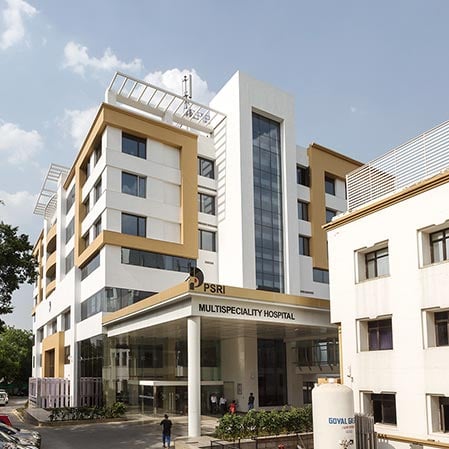
Пушпавати Синганиа Судалгааны Хүрээлэн (PSRI эмнэлэг), Нью Дели нь 1996 онд JK группээс үүсгэн байгуулсан олон төрлийн гуравдагч шатлалын тэргүүлэх эм...
Хэрцийлсэн
Нэгж
Ижил төстэй журам
Галерея
FAQ
Шалгагч
Бүгдийг харах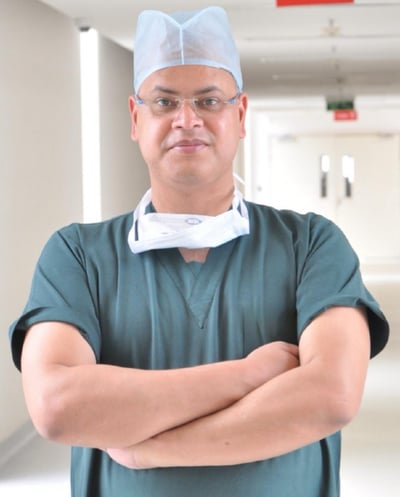
Dr. Ramkinkar Jha is an accomplished orthopaedic surgeon with extensive experience across India’s leading hospitals. He is renowned for his expertise in joint reconstruction, robotic-assisted surger... Цааш унших

Манай вэбсайт нь жигнэмэг хэрэглэдэг. Нууцлалын бодлого.