
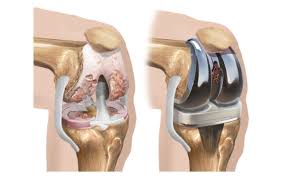
Dyzlaryň umumy çalyşmagy - TKR Hindistan bahasy
Hakda Dyzlaryň umumy çalyşmagy - TKR
Dyzlaryň umumy çalyşmagy näme we näme üçin ýerine ýetirilýär?
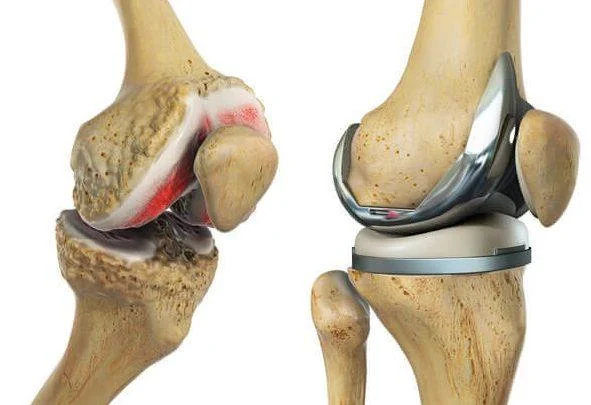
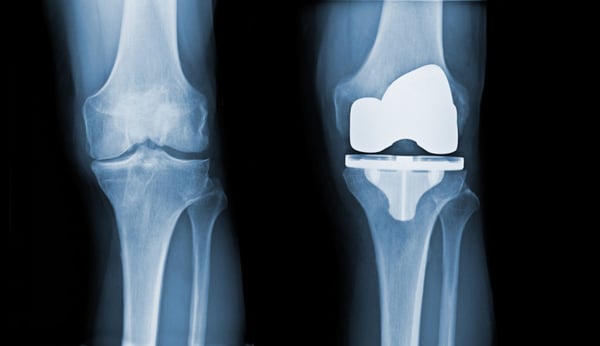
Dyzlaryň umumy çalyşmagy (TKR), dyzyň zeper ýeten ýa-da könelen ýüzleri aýrylyp, metaldan we plastmassadan ýasalan bölekler bilen çalşylýan hirurgiki amaldyr. Adam tarapyndan döredilen bu komponentler sagdyn dyzyň tebigy hereketini takyklaýar we şeýlelik bilen hassalary agyrydan, berklikden we funksional çäklendirmelerden halas edýär.
Dyzdaky süňkleri gysýan garynjagaz könelip başlanda, dyz çalyşmak operasiýasy zerur bolýar:
- Osteoartrit: TKR-iň iň köp ýaýran sebäbi, ýaş bilen bogun bozulmagyna sebäp bolýar.
- Romatoid artrit: Bilelikdäki ýüzleri çişirýän we ýoklaýan awtoimmun ýagdaýy.
- Travmatikden soňky artrit: Döwükler ýa-da bogun gözýaşlary ýaly öňki şikeslerden.
- Agyr deformasiýa: Gezelenç we duruşa täsir edýän ýaý aýaklary ýa-da dyz epmek ýaly gurluş deformasiýalary.
Jemi dyz çalyşmak maslahat berilýär:
- Dynç wagtynda ýa-da uky wagtynda yzygiderli agyry.
- Pyýada ýöremek, basgançaklara çykmak ýa-da adaty çäreleri ýerine ýetirmek kyn ýa-da mümkin däl bolýar.
- Dermanlar, fizioterapiýa we bogun sanjymlary indi ýeňillik bermeýär.
- Rentgen şöhleleri süňkleriň we süňkleriň aragatnaşygyny görkezýär, bu ösen bogun degenerasiýasyny görkezýär.
TKR operasiýasynyň maksady agyryny ýok etmek, adaty bogun işini dikeltmek we hassanyň gündelik işlerine kömek etmezden gaýdyp gelmekdir. Näsaglaryň köpüsi operasiýadan soň birnäçe aýyň içinde hereketde we durmuş derejesinde ep-esli gowulaşýar.
Dyz çalyşmagyň umumy hirurgiýasy kime mätäç?
Dyz çalyşmagyň umumy operasiýasy, adaty, işjeň durmuşda ýaşamak ukybyna täsir edýän, dowamly, dyz agyryny kesýän näsaglara maslahat berilýär. Dyz meselesi islendik ýaşda ýüze çykyp bilse-de, dyzlaryň umumy çalyşmagy köplenç orta we agyr bogun zeperleri bolan 50 ýaşdan uly adamlarda amala aşyrylýar.
- Ösen osteoartritli näsaglar:Garrylyk sebäpli dyzdaky garynjalar könelse, süňkleriň üstünde süňkleriň sürtülmegine sebäp bolýar, agyrylara, berklige we hereketiň ýitmegine sebäp bolýar. Bu hassalar köplenç bogun berkligi bilen oýanýarlar we ýöremek, uzak wagtlap durmak ýa-da basgançaklara çykmak kyn bolýar.
- Romatoid artrit ýa-da çişme bilelikdäki keseli bolan adamlar:Romatoid artrit ýaly awtoimmun bozulmalary, dyz bogunlarynda dowamly çişmä sebäp bolýar. Wagtyň geçmegi bilen bu çişme kıkyrdagy we süňkleri ýok edýär, netijede agyr deformasiýa, durnuksyzlyk we hemişelik agyry bolýar.
- Travmatikden soňky artrit bilen kesellänler:Öňki dyz şikesleri, döwükler, bogunlar ýa-da kıkırdak zeperleri ýaly adamlar birnäçe ýyldan soň artrit keselini döredip bilerler. Bu şikes bogun çökmegine ýa-da berkleşmegine sebäp bolanda, dyzyň umumy çalyşmagy zerur bolup biler.
- Indi hirurgiki däl bejergilere jogap bermeýän hassalar:Dermanlar, bilelikdäki sanjymlar, fizioterapiýa, ýaýlar ýa-da durmuş ýörelgeleriniň üýtgemegi simptomlary aýyryp bilmese we gündelik işler çäklendirilen bolsa, operasiýa iň ygtybarly çözgüt bolýar.
- Dyz epilmezligi bolan adamlar:Walgus (dyzlary urmak) ýa-da varus (ýaý aýaklary) ýaly ýagdaýlar aýagyň tebigy deňleşmesini üýtgedip biler. Wagtyň geçmegi bilen bu deformasiýa bogunlara ünsi çekýär, agyryny artdyrýar we hereketi peseldýär. TKR bogunlary düzmäge we deformasiýany düzetmäge kömek edýär.
- Gijeki yzygiderli agyry ýa-da ukyny ýitirýän näsaglar:Dyz agyry dynç almaga päsgel berse ýa-da näsaglaryň rahat uklamagynyň öňüni alanda, köplenç ahyrky artriti görkezýär. Kesel hirurgiki gatyşmagyň esasy görkezijisidir.
Jemi dyz çalyşmagy nähili amala aşyrylýar?
Dyzlaryň umumy çalyşmagy, adatça dowam edýän amaldyr60-dan 90 minut. Operasiýa wagtynda, hirurg zeper ýeten bogun ýüzlerini aýyrýar we ýerine, agyrysyz hereketi dikeldýän emeli komponentler (protez) bilen çalyşýar. Tutuş proses oňurga ýa-da umumy nägilelik astynda geçirilýär, hassanyň agyry duýmazlygyny üpjün edýär.
- Positionerleşişi we anestezi:Näsag operasiýa otagyna äkidilýär we dyz epilen bilen arkasyna ýerleşdirilýär. Anestezi tassyklandan soň, operasiýa wagtynda steril meýdany saklamak üçin aýak arassalanýar we sterilizasiýa edilýär.
- Bileleşigiň kesilmegi we açylmagy:Hirurg, dyzynyň öň tarapynda dik kesýär, adatça 6-10 dýuým. Zeper ýeten süňk we kıkırdak ýüzlerini görmäge mümkinçilik berýän bogunlary açmak üçin dyz epmesini ýuwaşlyk bilen süýşürýärler.
- Zeper ýeten ýüzleri aýyrmak:Takyk hirurgiki gurallary ulanyp, hirurg könelişen kıkyrdagy we süňkleri femurdan (bud süňkünden), tibiýadan (şin süňkünden) we patellanyň aşaky böleginden (dyz epýär) kesýär. Specialörite jigler we gurallar dogry deňleşmegi saklamaga kömek edýär.
- Protez komponentleriniň implantasiýasy:Hirurg demir gapaklaryny femur we tibia, käte süňk sementi bilen goýýar. Smoothuwaş süýşmegine mümkinçilik bermek üçin olaryň arasynda plastmassa spacer hem goýulýar. Zerur bolsa, dyzynyň arka tarapy hem plastmassa implantasy bilen täzelenýär.
- Bölünmek we ýapmak:Componentshli komponentler düzedilenden soň, hirurg dyzyň hereketini we deňleşmesini barlaýar. Siňdirilýän tikişleri ýa-da ştapelleri ulanyp, gatlaklary kesýärler, soň bolsa steril geýinýärler we käbir ýagdaýlarda gysyş bandajyny ýapýarlar.
- Operasiýadan soňky gözegçilik:Näsag sagaldyş otagyna geçirilýär, şepagat uýalary möhüm alamatlara gözegçilik edýärler. Agyry bejermek derrew başlaýar. Näsaglaryň köpüsi fizioterapewtiň ýolbaşçylygynda operasiýadan soň 24 48 sagadyň dowamynda goldaw bilen ýöräp başlaýarlar.
Ösen merkezlerde hirurglar ulanyp bilerlerkompýuter ýa-da robot kömegi bilen nawigasiýa ulgamlarytakyklygyny ýokarlandyrmak üçin. Bu tehnologiýalar implantlaryň has gowy ýerleşmegine, ganyň ýitmegine we has çalt dikelmegine kömek edýär.
Mugt bejeriş meýilnamasyny alyň
Dyzlaryň umumy çalyşmagy - TKR hakda Hindistan
What is the Cost of a Total Knee Replacement in India?
The cost of total knee replacement (TKR) in India typically ranges from ₹3,50,000 to ₹6,00,000 per knee (approximately $4,500 to $8,000), depending on the hospital's infrastructure, the surgeon's experience, and the type of implant used. For patients requiring bilateral knee replacement, the combined cost ranges from $8,500 to $13,500.
Unlike many countries where pricing is fragmented and excludes post-operative services, hospitals in India offer transparent, all-inclusive packages that cover the entire treatment journey from pre-op evaluations to recovery support.
The total knee replacement cost in India generally includes:
- Pre-operative Investigations: This covers X-rays, MRI (if needed), blood tests, ECG, and other screenings required to assess surgical fitness and plan the procedure.
- Surgeon's and Anesthetist's Fees: The professional fees of the orthopedic surgeon, anesthesiologist, and the entire surgical team are included in the package cost.
- Operation Theatre and Equipment Charges: This consists of the use of the OT, surgical instruments, sterilization, suction, and high-end equipment such as computer navigation or robotics (if applicable).
- FDA- or CE-approved Knee Implants: Hospitals typically offer a selection of implant brands (Zimmer, Stryker, DePuy, etc.), including both fixed-bearing and mobile-bearing designs, as well as cemented and cementless options, tailored to meet patient needs and budget.
- Hospital Stay and Nursing Care: Packages include a hospital stay of 5 to 7 days, including ICU care (if needed), daily rounds, and all medical consumables.
- Medications and Consumables During Admission: All intraoperative and post-operative medications, surgical dressings, disposable items, and pain control medications are covered.
- Physiotherapy During Hospital Stay: Basic physiotherapy sessions begin 24 to 48 hours after surgery. These are included to ensure early mobility and pain-free joint function.
- Post-Discharge Follow-up Consultation: One or two follow-up appointments are included in the standard package after discharge.
Breakdown of Total Knee Replacement Cost in India
The cost of a total knee replacement in India is divided across multiple components, each contributing to the overall expense of the surgery. While package pricing offers a bundled estimate, understanding the individual cost segments helps international patients plan better and avoid hidden charges.
- The pre-operative investigations for total knee replacement in India, including X-rays, blood tests, ECG, and fitness evaluations, generally cost between $200 and $400. These assessments ensure that the patient is medically fit for surgery.
- The implant cost is the largest contributor to the total bill, ranging from $1,800 to $3,500 depending on the brand, material (metal, ceramic, or oxinium), and whether the procedure is single or bilateral. India utilizes globally recognized implants that are FDA and CE approved.
- The surgeon's and anesthetist's fees typically fall between $800 and $1,500. Surgeons with international training or experience in robotic-assisted TKR may charge at the higher end.
- Operating theatre charges, including sterilization, surgical tools, and advanced systems such as navigation or robotics, typically range from $600 to $1,000 per procedure.
- The hospital stay cost for total knee replacement in India (including 5 to 7 days of room rent, nursing, and inpatient care) ranges between $800 and $1,200.
- Post-surgery, the patient receives pain medications, antibiotics, dressing materials, and other consumables at a cost of around $300 to $500.
- Initial physiotherapy and rehabilitation sessions during the hospital stay add about $100 to $300 to the total bill.
Cost Component | Estimated Cost (USD) |
| Pre-operative Investigations | $200 – $400 |
| Knee Implant (per knee) | $1,800 – $3,500 |
| Surgeon & Anesthesia Fees | $800 – $1,500 |
| Operation Theatre & Equipment | $600 – $1,000 |
| Hospital Stay & Nursing Care | $800 – $1,200 |
| Medications & Consumables | $300 – $500 |
| In-Hospital Physiotherapy | $100 – $300 |
| Total Estimated Cost (Single Knee) | $4,500 – $8,000 |
| Total Estimated Cost (Both Knees) | $8,500 – $13,500 |
Cost Comparison: Total Knee Replacement in India vs Other Countries
Total knee replacement is a major procedure, and the cost varies significantly across countries. India offers one of the most affordable options globally, while maintaining high standards in surgical expertise, implant quality, and hospital care.
Country | Average Cost per Knee (USD) | Remarks |
| India | $4,500 – $8,000 | All-inclusive; includes implant, surgery, stay, and physiotherapy |
| United States | $30,000 – $60,000 | Very high due to surgeon fees, hospital charges, and separate rehab costs |
| United Kingdom | $20,000 – $40,000 (Private) | Covered by NHS only in limited cases; long waiting periods apply |
| Australia | $22,000 – $35,000 | Partial coverage with insurance; long elective wait times |
| Canada | $25,000 – $40,000 (Private) | Public system has waitlists; private care is expensive |
| UAE | $18,000 – $25,000 | Premium pricing; limited availability of advanced implants |
| Singapore | $15,000 – $28,000 | Surgery and implants are priced separately |
| Thailand | $7,000 – $12,000 | Costlier than India; limited robotic surgery options |
Choosing total knee replacement surgery in India can save international patients up to 75% in costs while receiving treatment from world-class orthopedic surgeons using globally approved implants.
What Factors Influence Total Knee Replacement Cost in India?
The cost of total knee replacement (TKR) in India is influenced by several variables that extend beyond the surgical procedure itself. These factors determine whether the final price stays on the lower or higher end of the average range.
- Type of Surgery (Unilateral vs Bilateral): The cost of replacing both knees (bilateral) is naturally higher than a single knee replacement (unilateral). However, doing both knees in the same surgical session is often more cost-effective than two separate procedures.
- Choice of Knee Implant: Implants vary in cost based on brand, material, and design. Standard metal-polyethylene implants are more affordable, while high-end options, such as ceramic-coated implants, oxinium implants, or gender-specific implants, are more expensive.
- Use of Robotic or Computer-Assisted Technology: Hospitals offering robotic-assisted or navigation-guided knee replacement may charge more due to the precision tools and infrastructure involved.
- Hospital Location and Accreditation: Hospitals in metro cities (Delhi, Mumbai, Chennai) or those accredited by JCI/NABH may have slightly higher pricing compared to hospitals in tier-2 cities.
- Surgeon's Experience and Reputation: Orthopedic surgeons with decades of experience, international fellowships, and specialization in complex cases may charge higher consultation and surgical fees.
- Duration of Hospital Stay: The standard stay is 5–7 days; however, if the patient requires ICU monitoring, develops complications, or requires extended rehabilitation, the cost can increase.
- Post-Operative Support Services: Inclusions such as physiotherapy sessions, joint braces, walker/crutches, and medication kits can influence the total cost. Many international patient packages include these services to reduce out-of-pocket expenses later.
- Additional Health Conditions: Patients with diabetes, heart disease, or obesity may require special medical management, extended hospital monitoring, or extra diagnostics, which can increase the total cost of surgery.
Why Is Total Knee Replacement More Affordable in India?
India offers some of the most cost-effective total knee replacement surgeries in the world, attracting thousands of international patients every year. The affordability of TKR does not compromise the quality of care. In fact, many Indian hospitals perform more TKRs annually than top hospitals in Europe or the US. Several key reasons explain why this high-quality surgery remains so accessible in India:
- Affordable Surgeon and Medical Staff Fees: Highly experienced orthopedic surgeons in India charge far less than their counterparts abroad.
- Cost-Effective Medical Implants and Devices: India is home to leading manufacturers and suppliers of high-quality knee implants, which are approved by global health authorities like the FDA and CE.
- In-House Diagnostic and Rehab Services: Most Indian hospitals offer integrated imaging, lab tests, physiotherapy, and pharmacy services under one roof. It minimizes outsourcing and keeps costs low for patients.
- High Patient Volume and Surgical Efficiency: Indian orthopedic centers handle a large number of TKR cases annually, which improves surgical workflow, minimizes waste, and reduces per-patient costs.
- Low Administrative and Insurance Overheads: Unlike Western healthcare systems, which are burdened by layers of insurance processing, Indian hospitals offer direct billing and pre-negotiated packages, eliminating hidden charges.
- Currency Exchange Benefits for Foreign Patients: For international travelers, especially from the US, UK, Canada, or the Middle East, the conversion rate to Indian Rupees (INR) results in significant savings.
- Government and Hospital Support for Medical Tourism: India actively promotes medical tourism through streamlined visa processes, transparent pricing, and international patient departments in top hospitals.
What International Patient Services are Available in India for Total Knee Replacement Surgery?
India has developed a robust medical tourism infrastructure that supports patients throughout their entire journey. For those undergoing total knee replacement surgery, hospitals in India offer comprehensive international patient services that ensure safety, convenience, and peace of mind.
- Medical Visa Assistance: Hospitals provide a formal visa invitation letter, required for visa processing. Dedicated international desks assist patients and their attendants in securing e-visas or physical visas under India's medical visa category, often within a few days.
- Free Airport Pickup and Drop: Patients are met at the airport by a hospital representative and transported directly to their hotel or the hospital.
- Dedicated International Patient Coordinator: Each international patient is assigned a personal case manager who assists with appointments, billing, translations, accommodation coordination, and post-surgery support.
- Multilingual Interpretation Services: Language interpreters are available for Arabic, French, Russian, Swahili, Spanish, and more.
- Pre-Travel Video Consultation: Patients can consult the orthopedic surgeon online before traveling. This virtual appointment helps finalize the diagnosis, confirm the need for surgery, estimate the duration of stay, and clarify any medical concerns.
- Assistance with Local Accommodations: Hospitals often partner with nearby hotels, serviced apartments, and guesthouses to provide affordable and hygienic stay options for patients.
- Personalized Diet and Mobility Support: Specialized meal plans (including halal, vegetarian, diabetic, etc.) are available, tailored to the patient's specific needs. After surgery, hospitals typically provide patients with walkers, commodes, wheelchairs, and other mobility aids as part of their care plan.
- Physiotherapy and Rehabilitation Services: In-house physiotherapy departments offer guided rehab sessions starting 24 to 48 hours after surgery.
- Post-Discharge Remote Follow-Up: After returning to their country, patients can continue to consult with their surgeon via email, phone, or video.
What is the Success Rate of Total Knee Replacement in India?
- The success rate for total knee replacement in India ranges from 90% to 95%, making it a safe and effective option for international patients.
- Indian orthopedic surgeons perform more than 150,000 knee replacements annually, with leading hospitals often exceeding 1,000 cases per year.
- Success is measured by long-term joint function, pain reduction, patient satisfaction, and implant longevity.
- Most patients experience dramatic improvement in mobility and are able to walk, climb stairs, and return to daily routines without assistance within a few months.
- With proper care and follow-up, knee implants typically last 15 to 20 years, or even longer in patients with a healthy weight and a low-impact lifestyle.
What is the Recovery Timeline After Total Knee Replacement?
The recovery process is structured and progressive. Here's what patients can expect post-surgery:
- First 24 to 48 Hours (In-Hospital Phase): The patient is transferred to a recovery room for pain management and stabilization of vital signs. Walking with support (using a walker or crutches) usually begins within 24 hours under a physiotherapist's supervision.
- Days 3 to 7 (Hospital Stay): Patients continue walking with support and practice bending and straightening the knee. Sutures or staples may be visible, and the dressing is changed regularly. Doctors manage pain and swelling with medications and cold therapy. Discharge usually occurs between days 5 and 7, depending on the patient's progress.
- Weeks 2 to 4 (Initial Rehab Phase): The patient transitions to walking with a cane or walking stick. Knee flexion and muscle strengthening exercises are intensified under the guidance of a physiotherapist. Many patients can climb stairs and perform light household activities by week 3.
- Weeks 5 to 8 (Functional Recovery): Patients achieve nearly complete knee bending (110–120 degrees). Walking without support becomes easier, and confidence improves. Patients may resume low-impact activities, such as cycling or swimming, if cleared by a doctor.
- Month 3 and Beyond (Long-Term Recovery): Most patients return to work and everyday routines. Full recovery is typically achieved within 3 to 6 months, depending on factors such as age, weight, and commitment to rehabilitation. Long-term follow-up includes periodic X-rays and implant assessment every 1–2 years.
Recovery Tips for Patients:
- Stick to your rehab plan after returning home. Indian hospitals usually provide a printed or digital exercise protocol.
- Try maintaining a healthy weight to reduce stress on the new joint.
- Avoid high-impact sports or deep knee bending unless advised otherwise.
- Stay in contact with your orthopedic surgeon for remote follow-up, especially during the first 6 months.
Dyzlaryň umumy çalyşmagy - TKR Costurt boýunça çykdajylary deňeşdirmek
Lukmançylyk bejergiňiz barada habarly karar bermek üçin dürli ýurtlardaky Dyzlaryň umumy çalyşmagy - TKR çykdajylaryny deňeşdiriň.
| Countryurt | Çykdajy aralyk (USD) | Potensial tygşytlamak | Hereket |
|---|---|---|---|
HindistanTokIň gowy baha | $4,500 - $8,000 | — | Sitata alyň |
Bellik: Çykdajylar hassahan saýlamaga, otag görnüşi, goşmaça hyzmatlara we aýratyn lukmançylyk talaplaryna esaslanyp üýtgäp biler.
Dyzlaryň umumy çalyşmagy - TKR üçin Dyzlaryň umumy çalyşmagy - TKR üçin öňdebaryjy hassahanalar
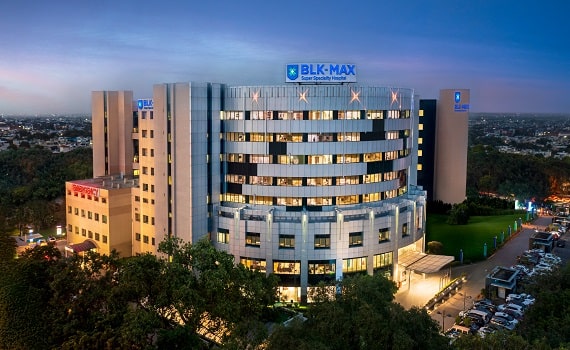
“BLK-Max” ýörite hünär hassahanasy, Nýu-Deli
Nýu-Delidäki “BLK-Max Super” ýörite hassahanasy 650 krowat, 22 sany öňdebaryjy operasiýa teatry we 13 sany ajaýyp merkez hödürleýän Hindistanda iň esa...
Akkreditasiýa

Desgalar

Maks Smart Super ýöriteleşdirilen hassahana, Saket, Nýu-Deli
Maks Smart Super ýöriteleşdirilen hassahana, Saket, Günorta Delidäki 250 orunlyk üçünji derejeli hassahanadyr. Cardürek ylymlary, onkologiýa, ortopedi...
Akkreditasiýa
Desgalar
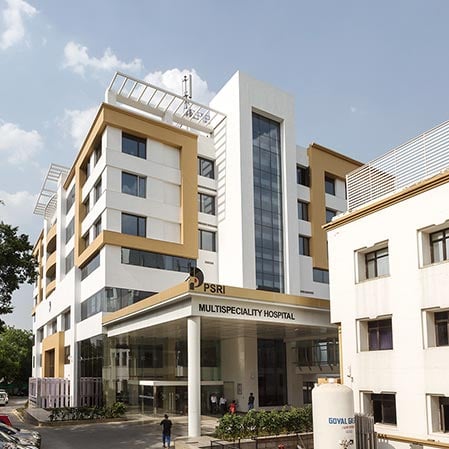
PSRI hassahanasy, Deli
Nýu-Delidäki Puşpawati Singhania gözleg instituty (PSRI hassahanasy), JK topary tarapyndan 1996-njy ýylda döredilen köp ugurly ýokary derejeli hassaha...
Akkreditasiýa
Desgalar
Şuňa meňzeş proseduralar
Galereýa
Faktura
Synçy
Hemmesini gormek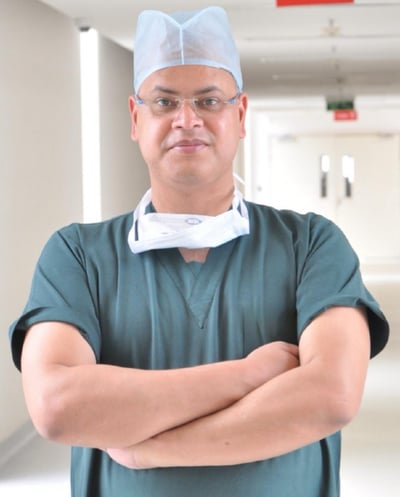
Dr. Ramkinkar Jha is an accomplished orthopaedic surgeon with extensive experience across India’s leading hospitals. He is renowned for his expertise in joint reconstruction, robotic-assisted surger... Dowamyny okaň

Sahypamyz gutapjyk ulanýar. Gizlinlik syýasaty.