
Hindistonda ACL rekonstruksiya jarrohligi: protsedura, narx va muvaffaqiyat darajasi
An ACL tear announces itself clearly. Most patients describe a pop at the moment of injury, followed by rapid swelling and the unsettling feeling that the knee has shifted in a way it should not. For a young athlete, a weekend footballer, or an active adult in their 30s or 40s, the ligament that stabilises the knee through cutting, pivoting, and sudden changes of direction has given way, and no amount of rest brings it back.
The ACL does not heal on its own in the way that broken bones do. When it tears completely, reconstruction using a tissue graft is the only way to restore the rotational stability that makes active movement safe again. Without it, the knee buckles unpredictably, and damage accumulates in the cartilage and meniscus with every episode.
India performs a large volume of ACL reconstructions annually at accredited hospitals staffed by sports medicine-trained arthroscopic surgeons. Costs range from USD 1,800 to USD 4,200, a fraction of the USD 20,000 to USD 35,000 that the same procedure commands in the United States. This article covers everything a patient needs to know before deciding: graft choice, what surgery involves, what the evidence says about outcomes, and what to expect from recovery.
ACL Reconstruction Surgery in India: Quick Summary
Procedure | Arthroscopic ACL Reconstruction |
| Best suited for | Complete ACL tears causing knee instability, especially in active individuals and athletes |
| Surgery duration | 60–90 minutes |
| Hospital stay | 1–2 nights |
| Anaesthesia | General or spinal anaesthesia |
| Recovery time | Daily activities within 6–12 weeks; return to sports typically in 9–12 months |
| Success rate | Approximately 90–95% in appropriately selected patients |
| Cost in India | INR 1,50,000–3,50,000 (USD 1,800–4,200) |
| International patient stay | Around 10–14 days |
| Most common grafts | Hamstring tendon, bone-patellar tendon-bone (BPTB), quadriceps tendon |
| Surgical approach | Arthroscopic (keyhole surgery) |
What Is ACL Reconstruction Surgery?
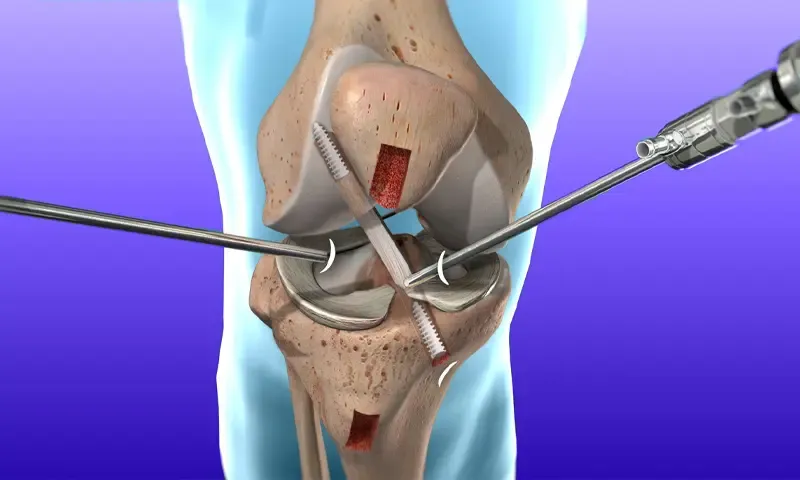
ACL reconstruction is an arthroscopic procedure that replaces a completely torn anterior cruciate ligament with a tissue graft. The graft serves as a biological scaffold, into which new ligament cells grow over months to recreate the functional properties of the original structure.
The word "reconstruction" is precise. The procedure does not repair the torn ligament by sewing it back together. It removes the torn remnants and constructs a new structure using tendon tissue sourced from the patient's own body (autograft) or a donor (allograft).
The surgery is performed arthroscopically through two to three small incisions around the knee, using a camera and specialised instruments. Bone tunnels are drilled in the femur and tibia, the graft is threaded through and fixed at both ends with screws or suspensory fixation devices, and the knee is tested for stability before closure. The whole procedure takes 60 to 90 minutes under general or spinal anaesthesia.
Who Needs ACL Reconstruction and When Can It Be Avoided?
ACL reconstruction is not mandatory for every complete tear. The decision depends on the patient's age, activity level, instability symptoms, and what other structures were damaged at the time of injury.
Who Typically Needs Reconstruction
- Young, active patients who want to return to sports that involve cutting, pivoting, or contact (football, basketball, tennis, martial arts, skiing).
- Patients with recurrent episodes of the knee giving way during everyday activities.
- Patients who also have meniscal or cartilage injury at the time of the ACL tear, where surgical stabilisation protects the repaired structures.
- Skeletally mature adolescents involved in competitive sport, where the risk of reinjury and cartilage damage is significant and delayed reconstruction is likely.
When Non-Surgical Management Is Reasonable
Older, less active patients who are willing to modify their activities and do not experience instability can sometimes manage with intensive physiotherapy and activity modification alone. The knee becomes stable through muscle compensation rather than ligament reconstruction. This path carries a higher risk of cartilage and meniscal damage over time and is generally not recommended for patients under 40 who want to continue active lives.
A concurrent meniscal tear, which occurs in approximately 50% of ACL injuries, typically requires surgical repair or resection at the time of ACL reconstruction.
How Much Does ACL Reconstruction Cost in India?
ACL reconstruction in India costs between INR 1,50,000 and INR 3,50,000 (approximately USD 1,800 to USD 4,200) for most patients at accredited hospitals.
Cost by Procedure Type
Procedure | India Cost (INR) | India Cost (USD approx.) |
| Standard ACL reconstruction (autograft) | 1,50,000 to 2,50,000 | 1,800 to 3,000 |
| ACL reconstruction with allograft | 2,50,000 to 3,50,000 | 3,000 to 4,200 |
| ACL reconstruction with concurrent meniscal repair | 2,00,000 to 3,50,000 | 2,400 to 4,200 |
| Revision ACL reconstruction | 2,50,000 to 4,50,000 | 3,000 to 5,400 |
Individual Cost Components
Component | Approximate Cost (INR) | USD Approx. |
| Surgeon's fee (sports medicine/arthroscopy specialist) | 25,000 to 60,000 | 300 to 720 |
| Anaesthesia | 8,000 to 15,000 | 96 to 180 |
| Operating theatre (arthroscopic equipment) | 15,000 to 30,000 | 180 to 360 |
| Implants (screws/suspensory fixation, branded) | 25,000 to 80,000 | 300 to 960 |
| Hospital stay (1 to 2 nights) | 5,000 to 15,000 | 60 to 180 |
| Pre-operative investigations (MRI, X-ray, bloods) | 5,000 to 10,000 | 60 to 120 |
| Knee brace and crutches | 3,000 to 8,000 | 36 to 96 |
| Inpatient physiotherapy (first session) | 2,000 to 5,000 | 24 to 60 |
Global Cost Comparison
Country | ACL Reconstruction (USD approx.) |
| India | 1,800 to 4,200 |
| Turkey | 4,000 to 7,000 |
| Thailand | 6,000 to 10,000 |
| UK (private) | 10,000 to 18,000 |
| USA | 20,000 to 35,000 |
| Australia | 12,000 to 22,000 |
What Graft Types Are Used in ACL Reconstruction?
Graft options for ACL reconstruction include autografts, allografts, and synthetic alternatives. Autografts utilise the patient's own tissue and are commonly harvested from the quadriceps, patellar, hamstring, or Achilles tendons. Autografts, particularly the quadruple semitendinosus/gracilis tendon and bone-patellar tendon-bone, are commonly preferred.
Hamstring Tendon Autograft (Semitendinosus-Gracilis)
The hamstring graft uses the semitendinosus and gracilis tendons from the inner thigh, folded to create a four-strand bundle (quadrupled). In a global survey, hamstring tendon accounted for 53% of graft preference among high-volume ACL surgeons.
Advantages:
- Smaller incision and less donor site pain than patellar tendon
- No anterior knee pain or patellar tendon shortening
- Good tensile strength as a quadrupled bundle
Disadvantages:
- Higher re-rupture rates in high-risk patients (young, pivoting sports, steep tibial slope)
- Graft diameter varies by patient anatomy, which can affect fixation strength
Bone-Patellar Tendon-Bone (BPTB) Autograft
BPTB takes the central third of the patellar tendon with bone plugs attached at each end from the patella and tibial tubercle. At the highest level of cutting and pivoting athletics, BPTB remains the dominant graft: in a 2024 survey of all 32 NFL head team physicians, 97% preferred bone-patellar tendon-bone.
Advantages:
- Bone-to-bone healing in the tunnels (faster and stronger initial fixation)
- Lower re-rupture rates in high-risk patients compared to hamstring
- Gold standard for competitive pivoting athletes
Disadvantages:
- Donor site: anterior knee pain, patellar tendon shortening, and occasional kneeling discomfort in some patients
- More post-operative pain in the early recovery period
What Are the Newer Graft Options: Quadriceps Tendon and Allograft?
The quadriceps tendon, harvested from the front of the thigh just above the kneecap, has become increasingly popular over the past decade. It produces a larger graft than hamstring or patellar tendon grafts, carries bone on one end, similar to BPTB, and avoids patellar morbidity. Sports medicine specialists increasingly describe it as a graft combining the strength advantages of BPTB with the reduced donor-site morbidity of hamstring.
Allografts use cadaveric donor tendon tissue, avoiding donor site morbidity entirely and reducing operative time. Data consistently show higher failure rates in young athletes compared to autografts, particularly in patients under 25. Allografts are more commonly used in older patients, revision cases, or patients who cannot donate adequate autograft tissue.
Patellar Tendon vs Hamstring: Which Graft Performs Better?
It is the most debated question in ACL reconstruction, and the honest answer depends heavily on the patient's risk profile.
The patellar tendon shows lower re-rupture rates in high-risk groups and comparable patient-reported outcomes in lower-risk patients, according to a 2026 retrospective cohort study that stratified patients by three risk factors: age 20 or younger, posterior tibial slope of 12 degrees or more, and participation in pivoting sports.
For patients with two or fewer of these risk factors, both grafts produce equivalent outcomes on the Knee Injury and Osteoarthritis Outcome Score (KOOS). For patients with all three risk factors, BPTB was associated with a lower re-rupture rate.
The practical recommendation from high-volume sports medicine specialists is:
- Young athletes in pivoting sports with steep tibial slope: Patellar tendon or quadriceps tendon autograft
- Older, less active patients or those with anterior knee sensitivity: Hamstring autograft
- Revision cases: Quadriceps tendon or allograft depending on remaining tissue availability
Surgeons at high-volume sports medicine centres note that graft choice matters less than surgical technique, correct tunnel placement, adequate graft tensioning, and consistent rehabilitation, all of which contribute more to long-term outcomes than the tissue itself.
ACL Reconstruction vs ACL Repair: What Is the Difference?
Although the terms are often used interchangeably, ACL repair and ACL reconstruction are two different procedures.
- ACL repair involves reattaching the patient's own torn ligament to the bone. It is possible only in carefully selected cases where the tear occurs close to the ligament's attachment, and the tissue remains healthy enough to heal. Because only a small proportion of ACL tears meet these criteria, primary ACL repair is performed relatively infrequently.
- ACL reconstruction, on the other hand, replaces the torn ligament with a tendon graft taken from the patient's own body (autograft) or from a donor (allograft). Over time, the graft becomes incorporated into the knee and functions as a new ligament. Reconstruction remains the standard treatment for most complete ACL tears because it provides more predictable long-term stability and has the strongest clinical evidence supporting its outcomes.
Feature | ACL Repair | ACL Reconstruction |
| Procedure | Reattaches the patient's original ligament | Replaces the torn ligament with a tendon graft |
| Suitable for | Selected proximal ACL tears with good tissue quality | Most complete ACL tears |
| Most common graft | Not required | Hamstring, patellar tendon, quadriceps tendon, or allograft |
| Long-term evidence | Limited compared with reconstruction | Extensive long-term clinical evidence |
| Risk of failure | Higher in many patient groups | Lower when performed appropriately with structured rehabilitation |
| Current role | Selected patients only | Standard treatment for most complete ACL tears |
The choice between ACL repair and reconstruction depends on the location of the tear, tissue quality, patient age, activity level, and the surgeon's assessment during imaging and, in some cases, arthroscopy. For the majority of active adults and athletes with complete ACL ruptures, reconstruction remains the preferred procedure because of its well-established success rates and long-term durability.
What Happens If an ACL Tear Is Left Untreated?
Not every ACL tear requires surgery, but an unstable knee can lead to additional joint damage over time. Each episode of the knee giving way places extra stress on the menisci and articular cartilage, increasing the likelihood of secondary injuries.
For active individuals, repeated instability may eventually contribute to early osteoarthritis and reduce long-term knee function.
Patients with lower activity levels who do not experience instability may be managed successfully with physiotherapy, muscle strengthening, and activity modification. However, those who wish to return to pivoting sports or physically demanding occupations often benefit from reconstruction to restore knee stability and reduce the risk of further injury.
How Is ACL Reconstruction Performed Step by Step?
ACL reconstruction follows a precise arthroscopic sequence that takes 60 to 90 minutes.
- Anaesthesia: General or spinal anaesthesia is induced. A tourniquet may be applied to the thigh to reduce bleeding in the operative field.
- Graft harvest: The chosen autograft is harvested through a small incision. For hamstring, a 2-3 cm incision is made over the inner knee. For BPTB, a vertical incision is made below the kneecap.
- Arthroscopic entry: Two to three small portals are created around the knee for the camera and instruments. The joint is assessed, including the menisci and cartilage.
- ACL remnant removal: The torn ACL tissue is debrided. Some surgeons leave a small remnant cuff to support biological healing.
- Tunnel drilling: A femoral tunnel is drilled in the outer thigh bone and a tibial tunnel in the shin bone, positioned to replicate the native ACL anatomy.
- Graft passage and fixation: The graft is passed through the tunnels and fixed at both ends. Fixation methods include interference screws, suspensory devices (Endobutton), or cross-pins depending on the graft type.
- Stability testing: The knee is moved through its range and tested with the Lachman and pivot shift manoeuvres to confirm correct tension and positioning.
- Closure: Portals are closed with sutures. A drain may be placed overnight.
What Is the Success Rate of ACL Reconstruction?
The overall success rate for ACL reconstruction in India is 90-95%, consistent with international standards. Success means restored knee stability, return to pre-injury activity level, and no graft failure within the first two years.
Return to Sport
Return-to-sport rates vary significantly by sport and by how rigorously return-to-sport testing is applied before clearance. Published data shows:
- Return to any sports activity: 80 to 90% by 9 to 12 months.
- Return to competitive pivoting sport at pre-injury level: 60 to 70 % in published athletic cohorts.
- Re-rupture rate: 5 to 10% overall, rising to 15 to 20% in adolescent athletes returning to cutting sports within the first year.
The most significant predictor of re-rupture is returning to sport before the graft has fully matured, which takes a minimum of 9 months and is confirmed by quadriceps strength testing and a psychological readiness assessment, not by time alone.
What Are the Risks of ACL Reconstruction Surgery?
ACL reconstruction is considered a safe and highly successful procedure, but like any operation, it carries certain risks. Most complications are uncommon and can often be managed effectively when recognised early.
Possible complications include:
- Infection around the surgical site or within the knee joint
- Blood clots in the leg (deep vein thrombosis)
- Knee stiffness or reduced range of motion
- Persistent pain or swelling
- Failure or stretching of the reconstructed graft
- Re-tear following another injury or an early return to sports
- Temporary numbness around the incision sites
- Failure of fixation devices or tunnel-related complications
- Need for revision ACL reconstruction in selected cases
The overall risk of complications is low when surgery is performed by an experienced arthroscopic surgeon and followed by a structured rehabilitation programme.
What Does Recovery After ACL Reconstruction Look Like?
ACL reconstruction recovery is not primarily about the surgery. It is about the 9- to 12-month rehabilitation that follows.
- Days 0 to 3: Hospital stay of one to two nights. Ice, elevation, and early straight-leg raises begin within 24 hours. Most patients are mobile with crutches before discharge.
- Week 1 to 2: Wound review and suture removal. Crutches are continued for 2 to 4 weeks, depending on the graft type and the surgeon's preference.
- Week 2 to 6: Range of motion restoration. Physiotherapy focuses on regaining full extension first, followed by full flexion, alongside quadriceps activation exercises.
- Week 6 to 12: Stationary cycling, swimming, and low-impact cardiovascular exercise resume. Strength training begins under guidance.
- Month 3 to 6: Jogging and straight-line running reintroduced once quadriceps strength reaches 70 to 80 % of the unaffected leg.
- Month 6 to 9: Sport-specific training, agility work, and neuromuscular coordination drills.
- Month 9 to 12: Return to full sport, subject to passing objective return-to-sport criteria including quadriceps symmetry above 90 %.
ACL Reconstruction Recovery Timeline
Time | Recovery |
| Day 1 | Walk with crutches |
| Week 2 | Sutures removed |
| Week 6 | Stationary bike |
| Month 3 | Jogging |
| Month 6 | Agility training |
| Month 9 | Return to sport |
International patients typically plan a stay of 10 to 14 days in India, covering surgery, initiation of inpatient physiotherapy, wound review, and clearance before flying. Outpatient rehabilitation continues at home with a physiotherapy programme provided by the Indian treating team.
Key Takeaway
ACL reconstruction restores the structural stability the knee needs for active movement. The surgery itself, performed arthroscopically by an experienced sports medicine surgeon, takes less than two hours and has a well-defined, highly successful track record.
What determines whether a patient actually returns to full sport and stays there is the 9-month rehabilitation that follows. Data consistently show that patients who skip or shorten rehabilitation, and those who return to sport before objective criteria are met, carry a significantly higher re-rupture risk than those who complete the full programme. The graft needs time to mature, and the neuromuscular control that protects it needs deliberate retraining.
India offers access to sports medicine surgeons trained in specialist arthroscopy fellowships, who use internationally certified implants, at costs that make treatment accessible to patients from across the GCC, Africa, Southeast Asia, and beyond.
Speak with Qonaq Health Experts
Choosing the right treatment involves more than confirming an ACL tear. Factors such as associated meniscus or cartilage injuries, the choice of graft, your activity level, and your recovery goals all influence the surgical plan and rehabilitation strategy.
Qonaq Health can help you connect with experienced sports medicine specialists in India for a personalised treatment opinion. Share your MRI scans, medical reports, and injury history for a detailed case review, along with a transparent treatment plan and cost estimate tailored to your needs.
Fill out the enquiry form to receive your personalised treatment assessment and begin planning your care in India.
Frequently Asked Questions
What is the success rate of ACL reconstruction surgery?
ACL reconstruction has a success rate of approximately 85% to 95% in appropriately selected patients. Most people regain knee stability, return to daily activities, and, with proper rehabilitation, many can safely return to sports.
How long does it take to recover from ACL reconstruction?
Full recovery after ACL reconstruction typically takes 6 to 12 months. While walking usually resumes within a few weeks, returning to running, pivoting sports, and high-impact activities requires a structured rehabilitation programme and medical clearance.
When can I walk after ACL reconstruction surgery?
Most patients begin walking with crutches on the day of surgery or the following day. Depending on the type of reconstruction and associated injuries, many can gradually bear full weight within two to four weeks.
When can I return to sports after ACL reconstruction?
Most athletes return to sports between 9 and 12 months after ACL reconstruction. The exact timing depends on knee strength and stability, functional testing, and the completion of rehabilitation, rather than on time alone.
Is ACL reconstruction performed arthroscopically?
Yes. ACL reconstruction is almost always performed using arthroscopic (keyhole) surgery. This minimally invasive technique uses small incisions, resulting in less tissue damage, reduced pain, and a faster recovery than traditional open surgery.
Which ACL graft is the best?
There is no single best ACL graft for every patient. The ideal choice depends on factors such as age, activity level, sporting goals, prior injuries, and the surgeon's recommendation. Common options include hamstring tendon, patellar tendon, quadriceps tendon, and allografts.
Can an ACL tear heal without surgery?
A complete ACL tear does not heal on its own because the ligament has a limited blood supply. Some patients with low activity demands may manage with physiotherapy and bracing, but persistent knee instability often requires reconstruction.
What happens if an ACL tear is left untreated?
An untreated ACL tear can lead to repeated episodes of knee instability, increasing the risk of meniscus injuries, cartilage damage, and early osteoarthritis. The need for surgery depends on symptoms, lifestyle, and activity level.
How painful is ACL reconstruction surgery?
Most patients experience moderate pain during the first few days after surgery, which is managed with medication, ice therapy, and early rehabilitation. Pain gradually decreases as healing progresses and physiotherapy begins.
How much does ACL reconstruction surgery cost in India?
ACL reconstruction surgery in India typically costs between USD 1,800 and USD 4,200, depending on the hospital, the surgeon's expertise, the implants or fixation devices used, and whether additional procedures such as meniscus repair are required.
Can the ACL tear again after reconstruction?
Yes. Although ACL reconstruction is highly successful, the reconstructed ligament can re-tear, particularly after a new injury or returning to sports before rehabilitation is complete. Following the recommended rehabilitation programme helps reduce this risk.
Is physiotherapy necessary after ACL reconstruction?
Yes. Physiotherapy is an essential part of ACL reconstruction recovery. A structured rehabilitation programme helps restore knee strength, stability, balance, and movement, allowing patients to return to daily activities and sports safely.
References
- American Academy of Orthopaedic Surgeons. Management of anterior cruciate ligament injuries: Clinical practice guideline. Rosemont (IL): AAOS; 2022.
- van Melick N, van Cingel REH, Brooijmans F, et al. Evidence-based clinical practice update: Practice guidelines for anterior cruciate ligament rehabilitation based on a systematic review and multidisciplinary consensus. Br J Sports Med. 2016;50(24):1506-1515.
- Webster KE, Feller JA. Return to sport following anterior cruciate ligament reconstruction: A systematic review and meta-analysis of the state of play. Br J Sports Med. 2019;53(20):1288-1294.
- Kaeding CC, Aros B, Pedroza A, et al. Allograft versus autograft anterior cruciate ligament reconstruction: Predictors of failure from a multicentre cohort. Am J Sports Med. 2011;39(5):1021-1029.
- Wiggins AJ, Grandhi RK, Schneider DK, Stanfield D, Webster KE, Myer GD. Risk of secondary injury in younger athletes after anterior cruciate ligament reconstruction: A systematic review and meta-analysis. Am J Sports Med. 2016;44(7):1861-1876.
- Wasserstein D, Khoshbin A, Dwyer T, et al. Risk factors for recurrent anterior cruciate ligament reconstruction: A population study in Ontario, Canada. Am J Sports Med. 2013;41(9):2099-2107.
- Mohtadi NGH, Chan DS, Dainty KN, Whelan DB. Patellar tendon versus hamstring tendon autograft for anterior cruciate ligament rupture in adults. Cochrane Database Syst Rev. 2011;(9):CD005960.
- National Institute for Health and Care Excellence (NICE). Anterior cruciate ligament injury: Assessment and management. London: NICE.
- U.S. National Library of Medicine. MedlinePlus: ACL injuries. Bethesda (MD): National Library of Medicine.
Tegishli kasalxonalar
Sifatli tibbiy xizmatlar uchun ushbu mavzu bilan bog'liq kasalxonalar va tibbiyot markazlarini kashf eting.
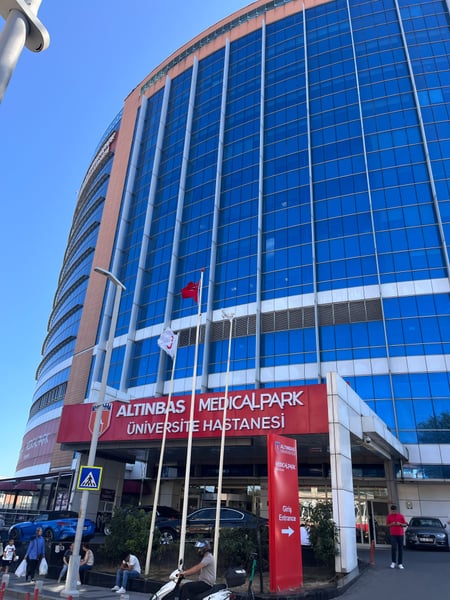
Medical Park Bahcelievler kasalxonasi
Medical Park Baxchelievler kasalxonasi 2007-yilda tashkil etilgan Istanbuldagi 242 oʻrinli JCI akkreditatsiyadan oʻtgan shifoxona boʻlib. 33 000 kvadr...
Akkreditatsiya

Muvofiqliklar
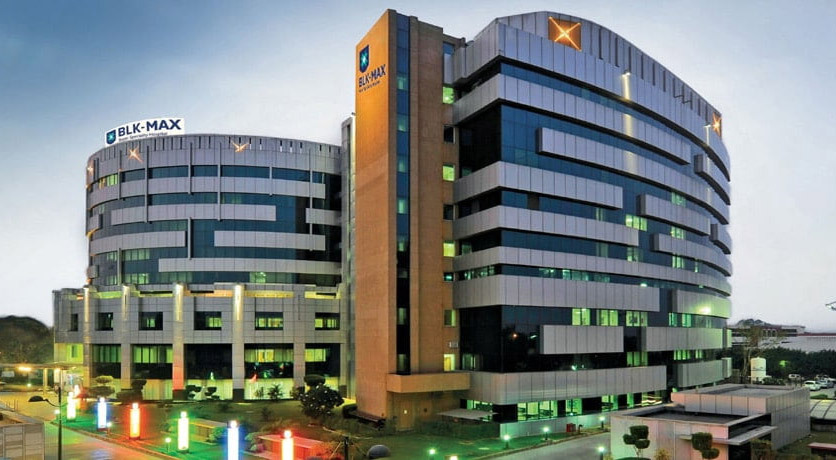
BLK-Max super ixtisoslashtirilgan kasalxonasi, Nyu-Dehli
Nyu-Dehlidagi BLK-Max Super Specialty Hospital 650 o'rinli yotoq, 22 ta ilg'or operasiya teatri va 13 ta mukammallik markazlarini taklif qiluvchi Hind...
Akkreditatsiya


Muvofiqliklar
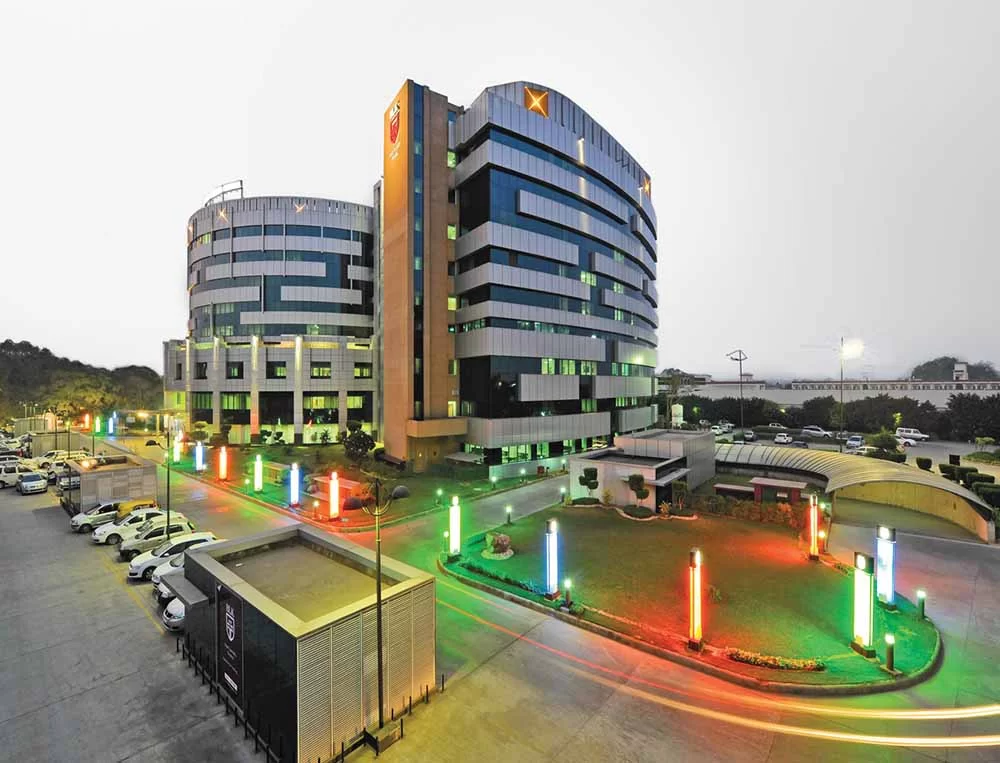
Fortis Memorial tadqiqot instituti (FMRI), Gurgaon
Fortis Memorial Research Institute (FMRI), Gurgaon, 2013-yilda tashkil etilgan jahon miqyosidagi ko‘p ixtisoslashgan shifoxonadir. Kasalxona 330 ta yo...
Akkreditatsiya


Muvofiqliklar

Artemis kasalxonasi, Gurgaon
Artemis kasalxonasi, Gurgaon, 2007-yilda tashkil etilgan JCI akkreditatsiyadan oʻtgan koʻp ixtisoslashgan shifoxonadir. U 9 akr maydonda 750+ oʻrinli ...
Akkreditatsiya



Muvofiqliklar
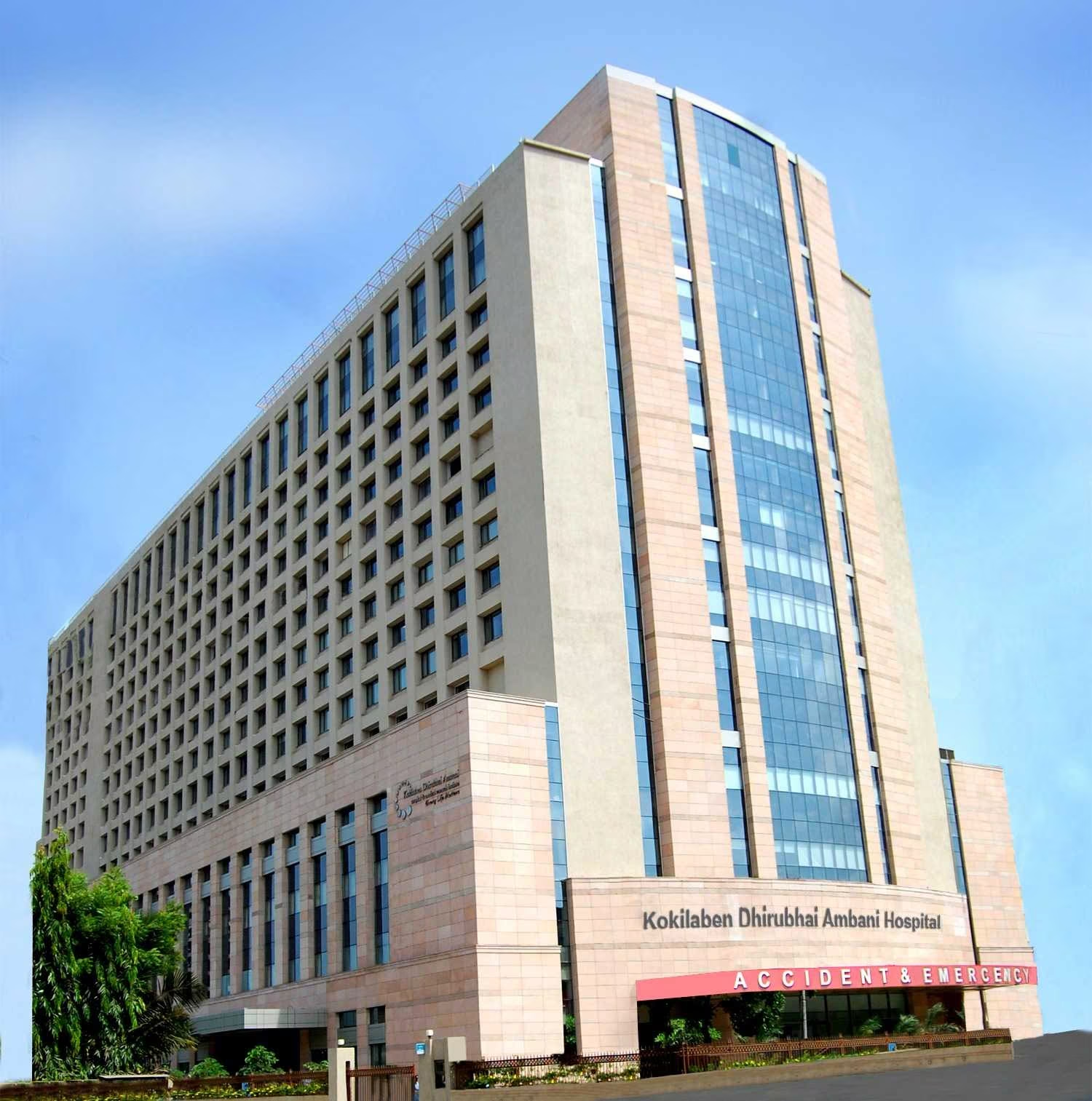
Kokilaben Dhirubhai Ambani kasalxonasi, Mumbay
Kokilaben Dhirubhai Ambani kasalxonasi, Mumbay, 2009-yilda tashkil etilgan JCI, NABH, NABL va CAP tomonidan akkreditatsiya qilingan toʻrtlamchi tibbiy...
Akkreditatsiya


Muvofiqliklar
Medicover kasalxonalari, Hitech Siti, Haydarobod
Medicover Hospitals, Hitech City, Haydarobod, 2011-yilda tashkil etilgan 400 oʻrinli NABH akkreditatsiyasidan oʻtgan oʻta ixtisoslashgan shifoxonadir....
Akkreditatsiya


Muvofiqliklar
Tegishli shifokorlar
Ushbu sohada tajribali shifokorlar va tibbiyot mutaxassislari bilan bog'laning.
Doktor Kanchan Bhattacharyya
Maslahatchi
Doktor Kalyan Guha
Maslahatchi
Doktor Rajinder Singx Gahir
Katta maslahatchi
Dr. Ravi Bharadwaj
Katta maslahatchi
Doktor Ranjan Komilya
Katta maslahatchi
Doktor Abheek Kar
Maslahatchi
Tegishli maqolalar
Shunga o'xshash sog'liqni saqlash mavzularida boshqa maqolalar va tushunchalarni o'rganing.
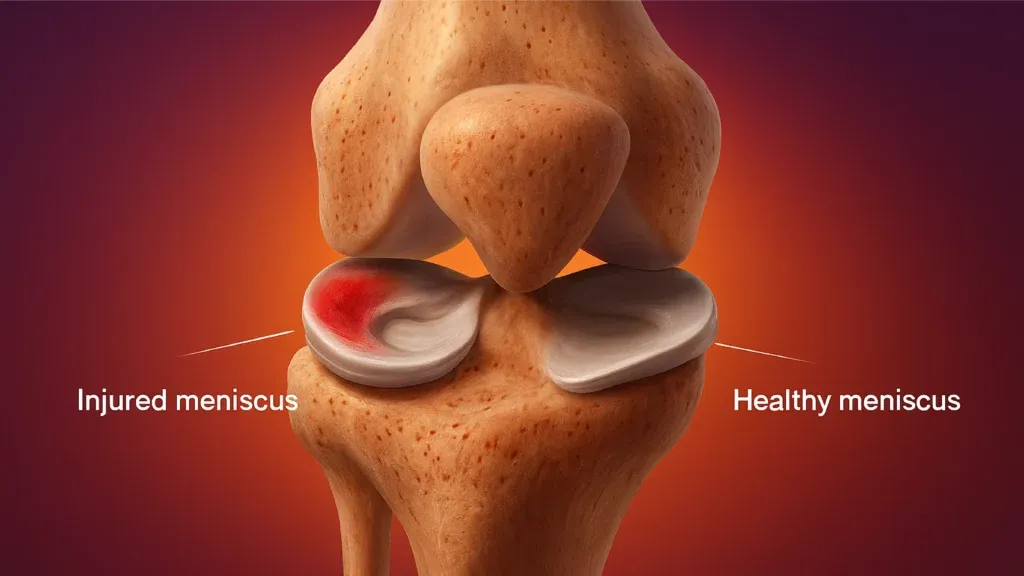
Hindistonda MCL va meniskusni ta'mirlash: jarrohlik, muvaffaqiyat darajasi va tiklanish
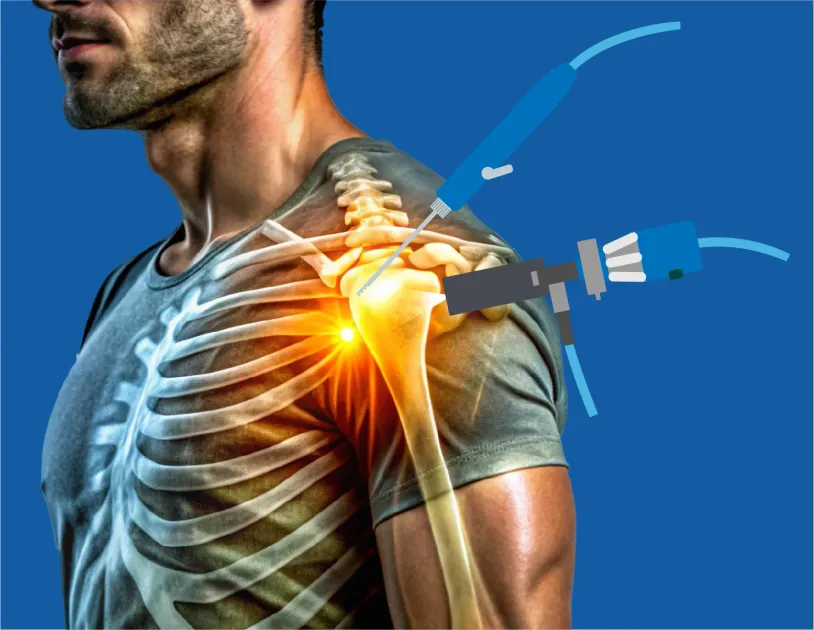
Rotator Cuff Repair Surgery in India: Procedure, Success Rates and Cost
Best Countries for Orthopaedic Surgery and Sports Medicine in 2026
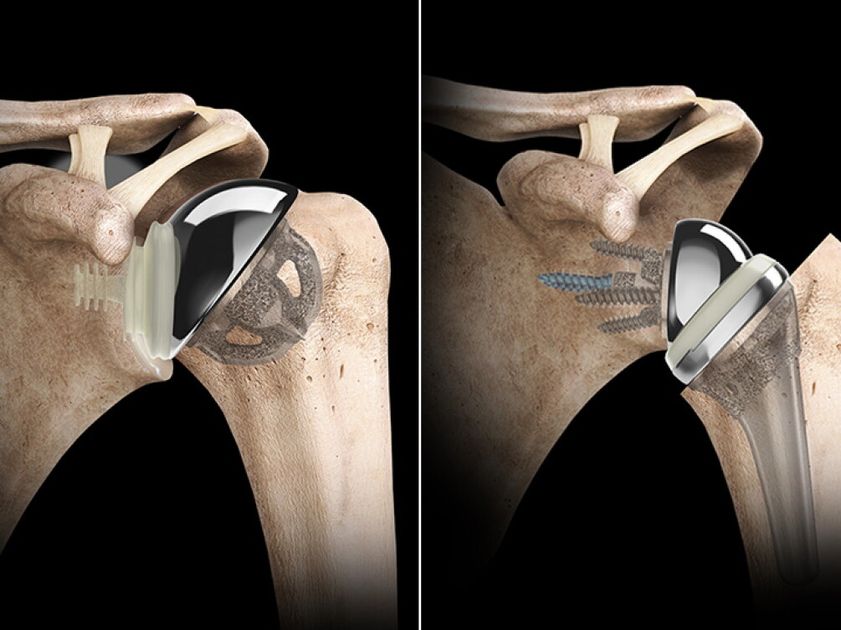
Hindistonda teskari elkani almashtirish: xarajat, protsedura, tiklanish
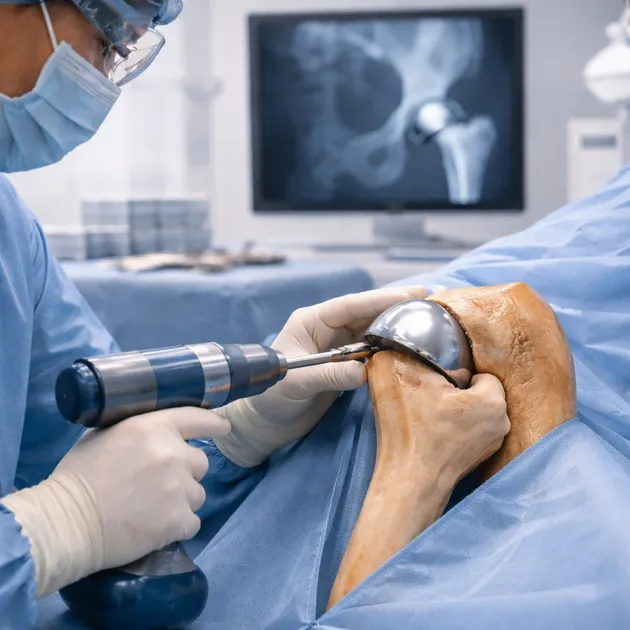
Hindistonda sonni qayta tiklash jarrohligi: protsedura, muvofiqlik va tiklanish
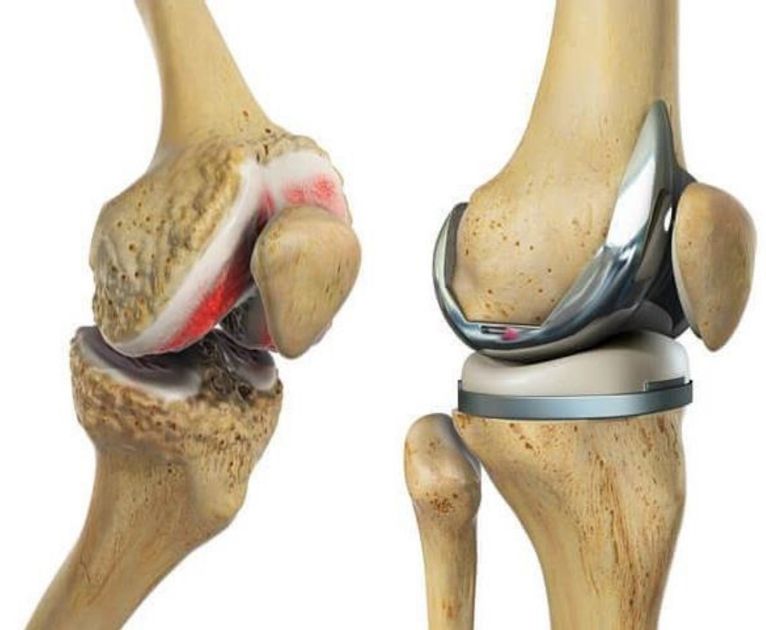
Hindistonda tizzani robot bilan almashtirish: foyda, natijalar va narx

Muallif
Hammasini ko'rishTibbiyot yozuvchisi
Doktor Dipanshu Sivach farmatsevtika fanlari doktori darajasiga ega bo'lgan tajribali klinik farmatsevtdir. U 4 yildan ortiq tajribaga ega va minglab bemorlar bilan ishlagan. U Artemis Gurgaon va Te... Ko'proq o'qish
Bizning veb-saytimiz cookie-fayllardan foydalanadi. Maxfiylik siyosati.
