Hindistonda MCL va meniskusni ta'mirlash: jarrohlik, muvaffaqiyat darajasi va tiklanish

1/7/2026, 4:09:39 PM 15 daqiqa o'qish Tibbiyot turizmi
Hindistonda MCL va meniskusni ta'mirlash: jarrohlik, muvaffaqiyat darajasi va tiklanish
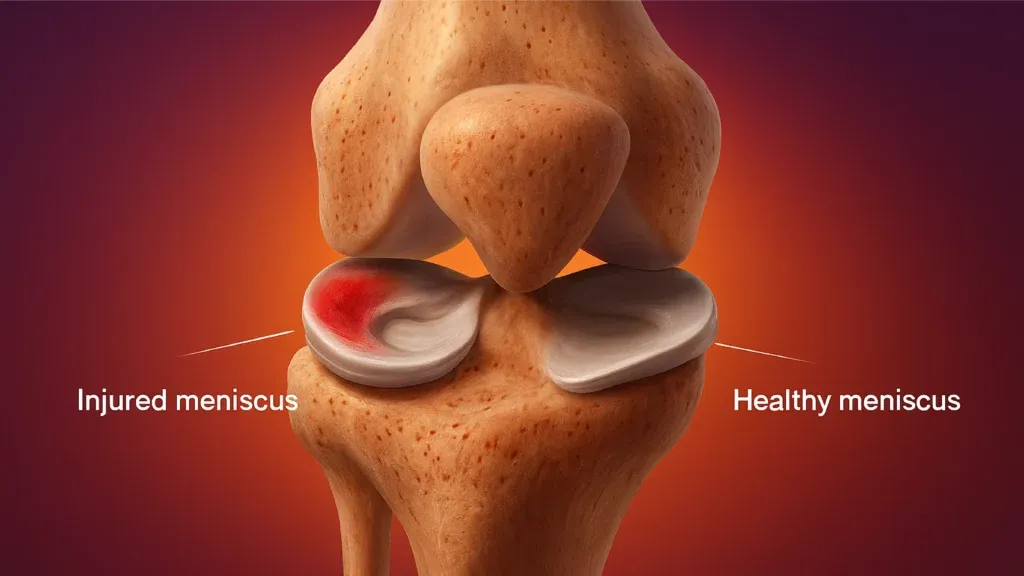
Knee injuries rarely arrive alone. The medial collateral ligament (MCL) and the menisci sit on the same side of the joint and take force from the same movements, which is why a twisting fall, a tackle, or an awkward landing frequently damages both at once. A footballer who hears the characteristic pop and feels the medial knee give way may discover on MRI that the MCL is partially torn, the medial meniscus has a bucket-handle tear, and the anterior cruciate ligament (ACL) is also under scrutiny. 


What makes this combination particularly relevant for international patients in India is that both conditions can often be addressed in a single arthroscopic session or in a carefully sequenced treatment plan, at costs that represent a 70-80% saving compared with the same care in the United Kingdom or the United States. Indian orthopaedic and sports medicine centres have built significant arthroscopic volumes over the past two decades, and the full range of techniques, including meniscus repair, partial meniscectomy, MCL augmentation, and combined multiligament procedures, is available at accredited centres across Delhi, Mumbai, Hyderabad, and Bangalore.


This article explains what each injury involves, how treatment decisions are made, what a combined package covers, and what the full cost picture looks like.


Quick Summary

  • MCL and meniscus injuries often occur together after sports injuries, falls, or twisting accidents that place excessive stress on the inner side of the knee.
  • Most Grade 1 and Grade 2 MCL tears heal without surgery using a knee brace and structured physiotherapy.
  • Meniscus treatment depends on the tear pattern. Repair is preferred whenever possible, while irreparable tears may require partial meniscectomy.
  • Both injuries can often be treated during a single arthroscopic procedure when surgery is indicated.
  • The cost of MCL and meniscus treatment in India generally ranges from INR 1,20,000 to INR 2,80,000 (USD 1,440–3,360) for international patients, depending on the procedure and implants used.
  • Recovery takes longer after meniscus repair than after partial meniscectomy, with most patients returning to sports within four to six months following successful rehabilitation.


What Are MCL and Meniscus Injuries and How Do They Happen?

Both injuries arise from the same force patterns at the knee, which is why they coexist in a significant proportion of sports trauma cases.


The Medial Collateral Ligament (MCL)

The MCL runs along the inner side of the knee from the femur to the tibia, resisting valgus force, the inward stress that wants to push the knee sideways. An MCL tear typically happens when the foot is planted, and an external force pushes the knee inward, a common mechanism in football tackles, skiing falls, and rugby contact.


MCL injuries are graded by severity:


  • Grade 1: Fibres are stretched but intact. Localised tenderness over the MCL, no joint opening on stress testing.
  • Grade 2: Partial tear. Significant pain and swelling. Some laxity on valgus stress testing but a firm endpoint remains.
  • Grade 3: Complete rupture. The knee opens on valgus stress with no firm endpoint. May feel unstable during activities.


The Menisci

The two menisci are C-shaped wedges of fibrocartilage sitting between the femur and tibia on the inner (medial) and outer (lateral) sides of the knee. They absorb shock, distribute weight, and stabilise the joint. Meniscal tears happen through the same twisting and impact mechanisms that injure the MCL, and the medial meniscus is far more commonly injured than the lateral, partly because of its stronger attachment to the MCL.


Tear patterns range from simple longitudinal and radial tears to complex bucket-handle tears, where a large flap of meniscus displaces into the joint and causes it to lock.


What Are the Symptoms of Combined MCL and Meniscus Injuries?

Because the same twisting force frequently injures the MCL and meniscus, patients often experience symptoms affecting both structures simultaneously. The severity depends on the extent of the ligament damage, the type of meniscal tear, and whether other knee ligaments are also involved.


Common symptoms include:


  • Pain along the inner (medial) side of the knee
  • Swelling that develops within hours after injury
  • A popping sensation at the time of injury
  • Difficulty walking or bearing weight
  • Knee instability or the feeling that the knee may "give way"
  • Locking or catching of the knee, particularly with bucket-handle meniscus tears
  • Reduced range of motion
  • Pain during twisting, pivoting, squatting, or climbing stairs

Persistent locking, significant instability, or an inability to fully straighten the knee should be assessed promptly by an orthopaedic specialist.


What MCL Grade Determines Whether Surgery Is Needed?

For most MCL injuries, surgery is not the first answer. The MCL is one of the few major ligaments in the body with a reliable capacity to heal without surgical intervention, owing to its relatively good blood supply and the compressive forces that keep the torn ends in proximity during healing.


Grade 1 and Grade 2

The large majority of Grade 1 and Grade 2 MCL injuries heal successfully with:


  • Hinged knee brace providing medial support while allowing flexion and extension
  • Physiotherapy: Quadriceps strengthening, range of motion restoration, proprioceptive retraining
  • Progressive weight-bearing on crutches, advancing to full weight-bearing as comfort allows
  • Timeline: Grade 1 injuries typically heal in one to three weeks. Grade 2 injuries take four to six weeks of bracing and rehabilitation.


Grade 3

Complete MCL rupture is treated conservatively in most cases, with a longer bracing period of six to twelve weeks. Surgical augmentation or reconstruction is reserved for Grade 3 tears that meet specific criteria:


  • Complete MCL rupture associated with a concurrent ACL or PCL tear requiring reconstruction, where the residual MCL laxity would compromise the result of ligament reconstruction.
  • Grade 3 injuries with posteromedial corner involvement, where the proximal tibial attachment has avulsed (pulled away from the bone), and the anatomy makes biological healing unreliable.
  • Chronic MCL insufficiency after failed conservative management.

When MCL surgery is needed, options include primary repair, augmented repair with a tendon graft, or reconstruction with a hamstring or gracilis tendon autograft.


Injury

Is Surgery Usually Needed?

Typical Treatment

Grade 1 MCL tearNoKnee brace, physiotherapy, gradual return to activity
Grade 2 MCL tearUsually noHinged knee brace and structured rehabilitation
Grade 3 MCL tear (isolated)SometimesConservative treatment in most cases; surgery if instability persists or healing fails
Grade 3 MCL tear with ACL/PCL injuryOften yesCombined ligament reconstruction or repair
Repairable meniscus tear (red zone)Usually yesArthroscopic meniscus repair
Bucket-handle meniscus tearUsually yesArthroscopic reduction and repair whenever possible
Complex or degenerative meniscus tearNot alwaysPhysiotherapy first; partial meniscectomy only if symptoms persist
Locked knee caused by a displaced meniscus tearYesEarly arthroscopic surgery is usually recommended

When Does a Meniscus Tear Need Repair vs Partial Removal?

The treatment decision for a meniscal tear depends on the tear's location, pattern, and size, the patient's age, and whether the knee is otherwise stable.


What Makes a Tear Repairable?

Current surgical philosophy prioritises meniscal preservation wherever possible. The main message of the ESSKA meniscus surgical consensus was that preservation of the meniscus, including repair or partial meniscectomy, should be the first treatment philosophy for traumatic tears.


Tears are most likely to heal after repair when they fall in the outer one-third of the meniscus, called the red zone, which has adequate blood supply to support biological healing. Tears suitable for repair include:


  • Longitudinal tears (parallel to the meniscus circumference) in the vascular zone
  • Bucket-handle tears, where the displaced flap is large, fresh, and reducible
  • Root tears, which are increasingly repaired with knotted suture techniques through bone tunnels to restore meniscal hoop stress function
  • Tears in young, active patients where long-term joint health justifies the more demanding recovery


When Partial Meniscectomy Is Used Instead

Tears in the inner two-thirds of the meniscus, the white zone with minimal blood supply, typically cannot heal after repair and require partial removal of the damaged segment. Degenerative tears in older patients, complex or irreparable tear patterns, and tears with significant tissue loss are also managed by resection rather than repair.

Partial meniscectomy removes only the damaged portion, preserving as much healthy meniscal tissue as possible.


Non-operative treatment, including physical therapy, is the first-line approach for degenerative meniscus lesions and may be an option for some acute tears, which means not every meniscal tear that reaches a surgeon's desk requires surgery at all.


How Is Arthroscopic Meniscus Repair Performed?

Both meniscal repair and partial meniscectomy are performed arthroscopically through two to three small portals around the knee. General or spinal anaesthesia is used. The procedure takes 45 to 90 minutes.


Inside-Out, Outside-In, and All-Inside Techniques

  • Inside-out repair: Sutures are passed from inside the joint outward and tied on the external capsule. Most reliable for posterior horn tears, requires a small posteromedial incision to tie the sutures safely away from the popliteal vessels.
  • Outside-in repair: Sutures are passed from the outside inward; useful for anterior horn tears when the anatomy allows this approach.
  • All-inside repair: Uses specialised devices (FasT-Fix, Omnispan, Meniscal Cinch) deployed entirely arthroscopically without additional incisions. Faster and reduces nerve risk at the posteromedial corner, now the most commonly used technique for posterior horn tears at high-volume centres.

After repair, a temporary cannula may be placed for saline irrigation. The portals are closed with sutures, and the knee is dressed with a compression bandage.


How Much Do MCL and Meniscus Procedures Cost in India?

MCL and meniscus surgery in India typically costs between INR 1,20,000 and INR 2,80,000 (approximately USD 1,440–3,360) for international patients, depending on the severity of the injury, whether meniscus repair or partial meniscectomy is performed, the need for MCL reconstruction, the implants used, and the hospital selected. Patients requiring only arthroscopic meniscus surgery generally pay less than those undergoing combined ligament reconstruction. Even after including travel and accommodation, treatment in India remains significantly more affordable than in countries such as the United States, the United Kingdom, and many parts of Europe. 


Cost by Procedure (2026)

Procedure

India Cost (INR)

India Cost (USD approx.)

Arthroscopic partial meniscectomy55,000 to 1,00,000660 to 1,200
Arthroscopic meniscus repair80,000 to 1,80,000960 to 2,160
MCL augmentation/reconstruction (if surgical)80,000 to 1,50,000960 to 1,800
Combined meniscus repair + MCL management1,20,000 to 2,80,0001,440 to 3,360
Complex repair (bucket handle + root repair)1,50,000 to 2,50,0001,800 to 3,000

What Factors Influence the Cost of MCL and Meniscus Treatment?

The total cost of treatment depends on more than just the surgical procedure. Hospital charges, surgeon experience, implant selection, operating theatre fees, anaesthesia, rehabilitation requirements, and the complexity of the injury all contribute to the final package price. Understanding these individual components helps patients compare treatment estimates and plan their medical travel budget more accurately.


Component

Approximate Cost (INR)

USD Approx.

Surgeon's fee20,000 to 50,000240 to 600
Anaesthesia8,000 to 15,00096 to 180
Operating theatre and arthroscopy equipment15,000 to 30,000180 to 360
Meniscal repair implants (all-inside devices)15,000 to 40,000180 to 480
Hospital stay (1 to 2 nights)5,000 to 15,00060 to 180
Knee brace3,000 to 8,00036 to 96
Post-operative medications2,000 to 5,00024 to 60
Physiotherapy sessions (inpatient)2,000 to 6,00024 to 72

How Does the Cost of MCL and Meniscus Surgery in India Compare Internationally?

India offers some of the most cost-effective orthopaedic care for international patients without compromising access to experienced sports medicine specialists or modern arthroscopic techniques. Compared with treatment in the United States or the United Kingdom, patients can often achieve substantial savings while receiving care at internationally accredited hospitals.


Country

Meniscus Repair (USD)

Combined Package (USD)

India960 to 2,1601,440 to 3,360
Turkey3,000 to 5,5004,500 to 8,000
Thailand5,000 to 8,0007,000 to 12,000
UK (private)8,000 to 15,00012,000 to 22,000
USA15,000 to 30,00025,000 to 45,000

What Does a Combined MCL and Meniscus Package Include in India?

When both the MCL and the meniscus require treatment, Indian sports medicine centres typically offer combined packages that cover:


What Is Usually Included

  • Pre-operative consultation with a sports medicine orthopaedic surgeon
  • MRI review and diagnosis confirmation
  • Arthroscopic meniscus repair or partial meniscectomy under general or spinal anaesthesia
  • Any concurrent MCL augmentation or reconstruction if surgically indicated (most Grade 3 MCL injuries are managed with bracing rather than surgery, so this component is procedure-dependent)
  • Knee brace for post-operative use
  • One to two nights of inpatient stay
  • Physiotherapy initiation (first two to four inpatient sessions)
  • Follow-up consultation before discharge


What Is Usually Excluded

  • Pre-operative blood tests and imaging if not already completed
  • Extended physiotherapy beyond the inpatient period
  • Additional outpatient physiotherapy sessions
  • Bracing for Grade 2 to 3 MCL non-surgical management (often a separate orthotic prescription)


What Is the Success Rate of MCL and Meniscus Treatment?

Overall outcomes are excellent when treatment is matched to the type and severity of the injury.

Most Grade 1 and Grade 2 MCL tears heal successfully without surgery through bracing and rehabilitation. Even many isolated Grade 3 injuries recover well with structured conservative management.


For traumatic meniscal tears, repair is preferred whenever it is feasible, as preserving the meniscus helps maintain long-term knee function and may reduce the risk of early osteoarthritis. Success rates are generally highest in younger patients, acute injuries, and tears located within the vascular "red zone" of the meniscus.


Long-term results depend on several factors, including:


  • Tear pattern and location
  • Time between injury and treatment
  • Associated ligament injuries
  • Patient age and activity level
  • Adherence to post-operative rehabilitation

Following the recommended rehabilitation programme is one of the strongest predictors of a successful recovery.


What Are the Risks and Possible Complications?

Although arthroscopic knee surgery is considered a safe procedure, every operation carries some degree of risk.

Potential complications include:


  • Infection
  • Bleeding or blood clot formation (deep vein thrombosis)
  • Knee stiffness or reduced range of motion
  • Persistent pain or swelling
  • Failure of the meniscus to heal after repair
  • Recurrent meniscal tear
  • Residual knee instability if associated ligament injuries are not adequately treated
  • Rare injury to nearby nerves or blood vessels

Choosing an experienced orthopaedic surgeon and following the prescribed rehabilitation programme help minimise these risks and improve long-term outcomes.


What Does Recovery Look Like After Knee Ligament and Meniscus Surgery?

The recovery timeline depends significantly on whether meniscus repair or partial meniscectomy was performed, and whether concurrent MCL surgery was needed.


After Partial Meniscectomy (Faster Recovery)

  • Days 0 to 1: Home or hotel same day or following morning. Walking with crutches, partial weight bearing.
  • Weeks 1 to 2: Full weight-bearing progresses. Swelling reduces. Physiotherapy begins.
  • Week 2 to 6: Return to light activity. Swimming and cycling resume around week four.
  • Month 1 to 3: Return to sport in most cases, depending on the extent of tissue removed.


After Meniscus Repair (Slower, More Protected)

Meniscal repair requires a longer, more protected recovery to allow biological healing of the repaired tissue.


  • Week 0 to 6: Partial weight bearing with crutches. The repaired meniscus is protected from compressive and rotational forces.
  • A minimum of four months of rehabilitation may be recommended for repaired vertical tears of the meniscus.
  • Month 2 to 4: Gradual return to cycling, swimming, and strengthening. Running begins around month three to four.
  • Month 4 to 6: Sport-specific training introduced. Return to contact or pivoting sport at six months or later, guided by clinical assessment.


Partial Meniscectomy vs. Meniscus Repair Timelines

PhasePartial Meniscectomy (Tissue Removal)Meniscus Repair (Sutured Tissue)
Hospital StaySame-day discharge or 1 night1 to 2 nights
Weight-BearingImmediate partial weight-bearing with crutchesStrictly protected weight-bearing (4–6 weeks)
Initial Healing1 to 2 weeks (swelling subsides)6 weeks (waiting for biological cell fusion)
Return to Light Sports4 to 6 weeks (swimming/cycling)3 to 4 months (straight-line running only)
Full Contact Sports1 to 3 months6 months+ (requires clinical assessment)

After MCL Conservative Management Alongside Meniscus Surgery

Non-surgical MCL treatment runs concurrently with recovery from the knee procedure. The brace worn for MCL healing also provides support during the early weight-bearing phase of meniscal recovery. Most Grade 2 and 3 MCL injuries heal over six to twelve weeks, aligning broadly with the meniscus repair timeline.


International patients should plan a 10 to 14-day stay in India for a combined procedure, including surgery, early physiotherapy, wound review, and clearance before flying home. Extended physiotherapy continues back in the home country.


Conclusion

MCL and meniscus injuries represent the most common combined knee trauma in active populations. The good news is that the MCL reliably heals without surgery in the majority of cases, which means most combined presentations need only one surgical procedure: arthroscopic meniscus treatment, accompanied by a planned bracing programme and physiotherapy for the ligament.


For cases that require combined surgical intervention, India's arthroscopic sports medicine centres handle both procedures in a single session, offering international patients access to the same quality of care they would receive in Europe or the United States at a lower cost.


Consult Qonaq Health for MCL and Meniscus Treatment in India

If you have been diagnosed with an MCL tear, a meniscus injury, or both, choosing the right treatment plan starts with an expert evaluation. At Qonaq Health, we help international patients connect with experienced orthopaedic and sports medicine specialists across India's leading hospitals. From reviewing your MRI and treatment options to planning travel, surgery, and rehabilitation, our team supports you throughout your treatment journey.


Contact Qonaq Health by completing the enquiry form to receive a personalised treatment plan and cost estimate for your condition.


Frequently Asked Questions

Can an MCL tear and a meniscus tear heal without surgery?


Many combined injuries do not require surgery. Most Grade 1 and Grade 2 MCL tears heal with bracing and physiotherapy. Whether the meniscus also heals without surgery depends on the tear's size, location, and symptoms.


Can both injuries be treated during the same surgery?


Yes. When surgery is indicated, orthopaedic surgeons can often perform arthroscopic meniscus repair or a partial meniscectomy during the same procedure, while addressing any MCL injury requiring surgical treatment.


How long does recovery take after MCL and meniscus surgery?


Recovery varies according to the procedure performed. Patients undergoing partial meniscectomy often recover within six to twelve weeks, while meniscus repair usually requires four to six months before returning to sports.


How long should international patients stay in India?


Most international patients should plan to remain in India for approximately 10 to 14 days after surgery for wound review, early physiotherapy, and medical clearance before travelling home.


Is walking allowed after surgery?


Walking is usually encouraged soon after surgery with crutches and a knee brace, although weight-bearing restrictions depend on whether a meniscus repair or partial meniscectomy was performed.


Will I need physiotherapy?


Yes. Rehabilitation is an essential part of recovery and helps restore strength, flexibility, balance, and knee stability.


Can I fly after knee surgery?


Most patients can travel once their surgeon confirms that the wound is healing well and the risk of complications is low. International patients are typically reviewed before receiving clearance to fly.


Does meniscus repair reduce the risk of arthritis?


Whenever possible, surgeons aim to preserve the meniscus because maintaining healthy meniscal tissue may help protect the knee joint and reduce the long-term risk of osteoarthritis compared with removing large portions of the meniscus.


What happens if an MCL or meniscus tear is left untreated?


Minor MCL injuries often heal with conservative treatment. However, untreated unstable meniscal tears may continue causing pain, locking, instability, and progressive cartilage damage.


When can I return to sports?


Return to sports depends on healing, muscle strength, knee stability, and your surgeon's assessment. Most patients return between four and six months after successful meniscus repair, while recovery after partial meniscectomy is generally quicker.


References

  1. Beaufils P, Becker R, Kopf S, Englund M, Verdonk R, Ollivier M, et al. Surgical management of traumatic meniscus tears: the 2019 ESSKA meniscus consensus. Knee Surg Sports Traumatol Arthrosc. 2020;28(4):1177-1194.
  2. American Academy of Orthopaedic Surgeons. Medial Collateral Ligament (MCL) Injuries. Rosemont (IL): American Academy of Orthopaedic Surgeons.
  3. American Academy of Orthopaedic Surgeons. Meniscus Tears. Rosemont (IL): American Academy of Orthopaedic Surgeons.
  4. European Society of Sports Traumatology, Knee Surgery and Arthroscopy. ESSKA Meniscus Consensus Project. Luxembourg: ESSKA.
  5. Abram SGF, Beard DJ, Price AJ, BASK Meniscal Working Group. Arthroscopic meniscal surgery: a national society treatment guideline. Br J Sports Med. 2019;53(5):290-292.


Disclaimer: This article provides general educational information about MCL and meniscus repair surgery in India. It does not constitute medical advice and must not replace a consultation with a qualified orthopaedic or sports medicine surgeon. Individual treatment decisions depend on injury grade, tear location, patient age and activity level, and whether other structures are concurrently injured. Patients should consult a specialist before making any decisions about knee surgery.

Tegishli kasalxonalar

Sifatli tibbiy xizmatlar uchun ushbu mavzu bilan bog'liq kasalxonalar va tibbiyot markazlarini kashf eting.
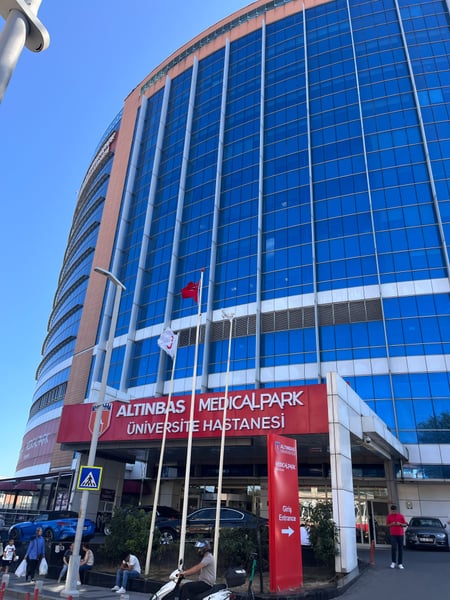
Medical Park Bahcelievler kasalxonasi
Platina
Tafsilotlarni ko'rish

Medical Park Bahcelievler kasalxonasi

Istanbul, Turkiya

Medical Park Baxchelievler kasalxonasi 2007-yilda tashkil etilgan Istanbuldagi 242 oʻrinli JCI akkreditatsiyadan oʻtgan shifoxona boʻlib. 33 000 kvadr...

Multi-specialty
O'rnatilgan 2007
242 to'shak
Akkreditatsiya
Joint Commission International (JCI)
Muvofiqliklar
+13
BLK-Max super ixtisoslashtirilgan kasalxonasi, Nyu-Dehli
Platina
Tafsilotlarni ko'rish

BLK-Max super ixtisoslashtirilgan kasalxonasi, Nyu-Dehli

Yangi Dehli, Hindiston

Nyu-Dehlidagi BLK-Max Super Specialty Hospital 650 o'rinli yotoq, 22 ta ilg'or operasiya teatri va 13 ta mukammallik markazlarini taklif qiluvchi Hind...

Multi-specialty
O'rnatilgan 1959
650 to'shak
Akkreditatsiya
Joint Commission International (JCI)
National Accreditation Board for Hospitals & Healthcare Providers (NABH)
Muvofiqliklar
+13
Fortis Memorial tadqiqot instituti (FMRI), Gurgaon
Platina
Tafsilotlarni ko'rish

Fortis Memorial tadqiqot instituti (FMRI), Gurgaon

Gurgaon, Hindiston

Fortis Memorial Research Institute (FMRI), Gurgaon, 2013-yilda tashkil etilgan jahon miqyosidagi ko‘p ixtisoslashgan shifoxonadir. Kasalxona 330 ta yo...

Multi-specialty
O'rnatilgan 2013
330 to'shak
Akkreditatsiya
Joint Commission International (JCI)
National Accreditation Board for Hospitals & Healthcare Providers (NABH)
Muvofiqliklar
+13
Artemis kasalxonasi, Gurgaon
Platina
Tafsilotlarni ko'rish

Artemis kasalxonasi, Gurgaon

Gurgaon, Hindiston

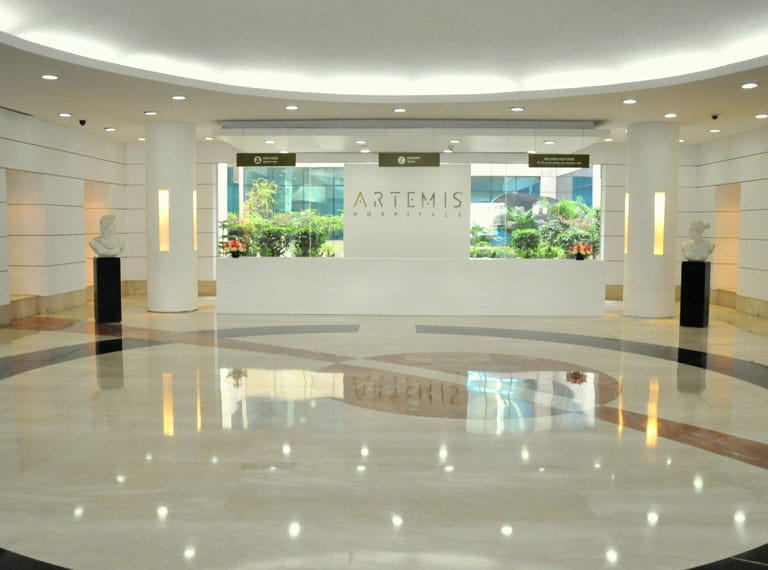
Artemis kasalxonasi, Gurgaon, 2007-yilda tashkil etilgan JCI akkreditatsiyadan oʻtgan koʻp ixtisoslashgan shifoxonadir. U 9 akr maydonda 750+ oʻrinli ...

Multi-specialty
O'rnatilgan 2007
750 to'shak
Akkreditatsiya
Joint Commission International (JCI)
National Accreditation Board for Hospitals & Healthcare Providers (NABH)
International Organization for Standardization (ISO)
Muvofiqliklar
+13
Kokilaben Dhirubhai Ambani kasalxonasi, Mumbay
Platina
Tafsilotlarni ko'rish

Kokilaben Dhirubhai Ambani kasalxonasi, Mumbay

Mumbay, Hindiston

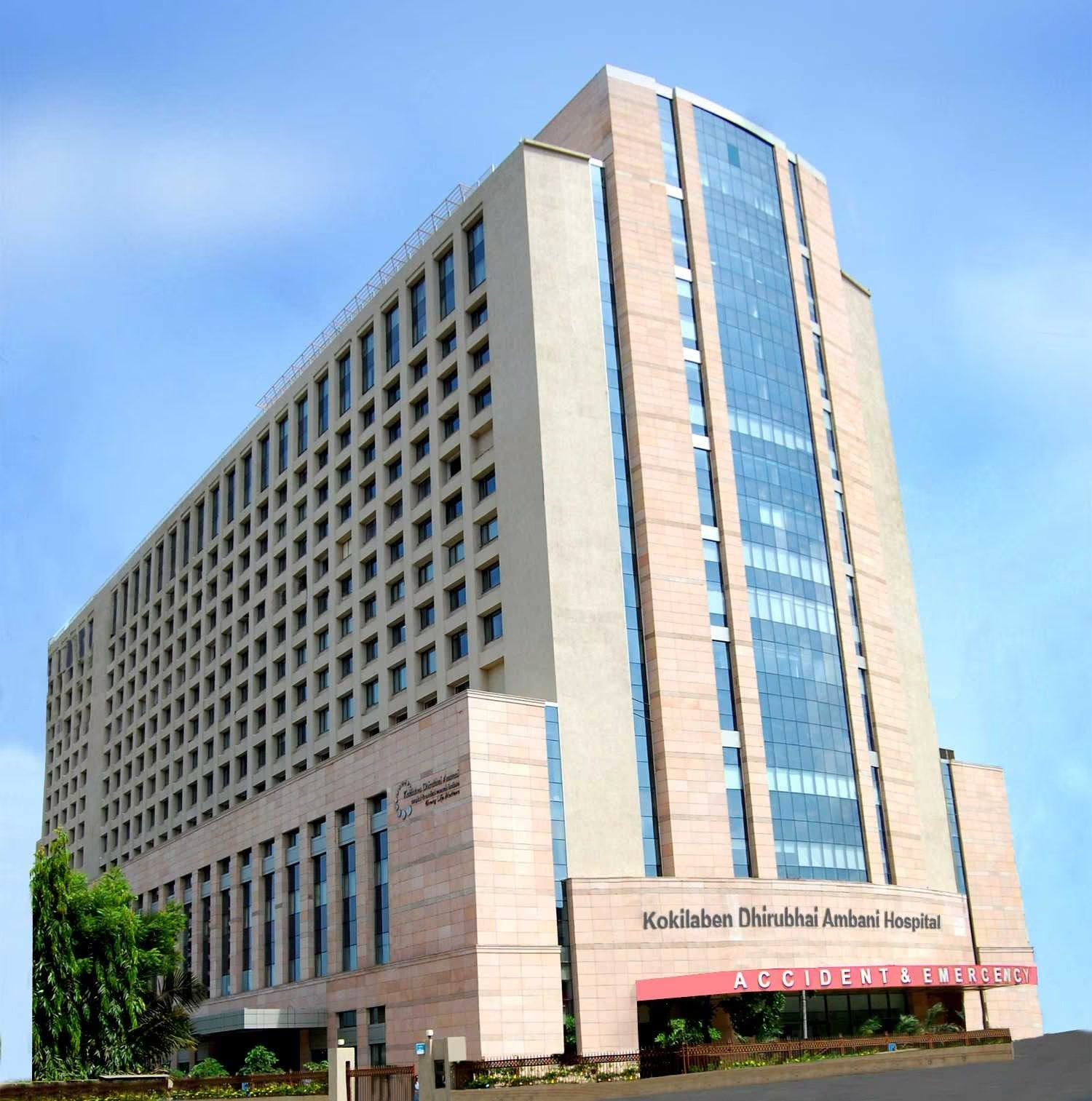
Kokilaben Dhirubhai Ambani kasalxonasi, Mumbay, 2009-yilda tashkil etilgan JCI, NABH, NABL va CAP tomonidan akkreditatsiya qilingan toʻrtlamchi tibbiy...

Multi-specialty
O'rnatilgan 2009
750 to'shak
Akkreditatsiya
Joint Commission International (JCI)
National Accreditation Board for Hospitals & Healthcare Providers (NABH)
International Organization for Standardization (ISO)
Muvofiqliklar
+13
Medicover kasalxonalari, Hitech Siti, Haydarobod
Platina
Tafsilotlarni ko'rish

Medicover kasalxonalari, Hitech Siti, Haydarobod

Haydarobod, Hindiston

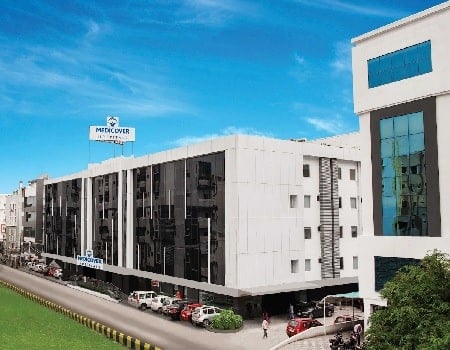
Medicover Hospitals, Hitech City, Haydarobod, 2011-yilda tashkil etilgan 400 oʻrinli NABH akkreditatsiyasidan oʻtgan oʻta ixtisoslashgan shifoxonadir....

Multi-specialty
O'rnatilgan 2011
400 to'shak
Akkreditatsiya
National Accreditation Board for Hospitals & Healthcare Providers (NABH)
Joint Commission International (JCI)
Muvofiqliklar
+13

Tegishli shifokorlar

Ushbu sohada tajribali shifokorlar va tibbiyot mutaxassislari bilan bog'laning.
Doktor Kanchan Bhattacharyya

Doktor Kanchan Bhattacharyya

Maslahatchi
34 ko'p yillik tajriba
Tafsilotlarni ko'rish
Doktor Kalyan Guha

Doktor Kalyan Guha

Maslahatchi

20 ko'p yillik tajriba
Tafsilotlarni ko'rish
Doktor Rajinder Singx Gahir

Doktor Rajinder Singx Gahir

Katta maslahatchi
27 ko'p yillik tajriba
Tafsilotlarni ko'rish
Dr. Ravi Bharadwaj

Dr. Ravi Bharadwaj

Katta maslahatchi

30 ko'p yillik tajriba
Tafsilotlarni ko'rish
Doktor Ranjan Komilya

Doktor Ranjan Komilya

Katta maslahatchi
25 ko'p yillik tajriba
Tafsilotlarni ko'rish
Doktor Abheek Kar

Doktor Abheek Kar

Maslahatchi

17 ko'p yillik tajriba
Tafsilotlarni ko'rish

Tegishli maqolalar

Shunga o'xshash sog'liqni saqlash mavzularida boshqa maqolalar va tushunchalarni o'rganing.
Rotator Cuff Repair Surgery in India: Procedure, Success Rates and Cost
Tibbiyot turizmi

Rotator Cuff Repair Surgery in India: Procedure, Success Rates and Cost

1/7/2026, 3:51:06 PM
13 min read
Reaching for a glass on a high shelf, putting on a jacket, sleeping on one side-these are the small, automatic movements that a torn rotator cuff turn...
Ko'proq o'qish
Best Countries for Orthopaedic Surgery and Sports Medicine in 2026
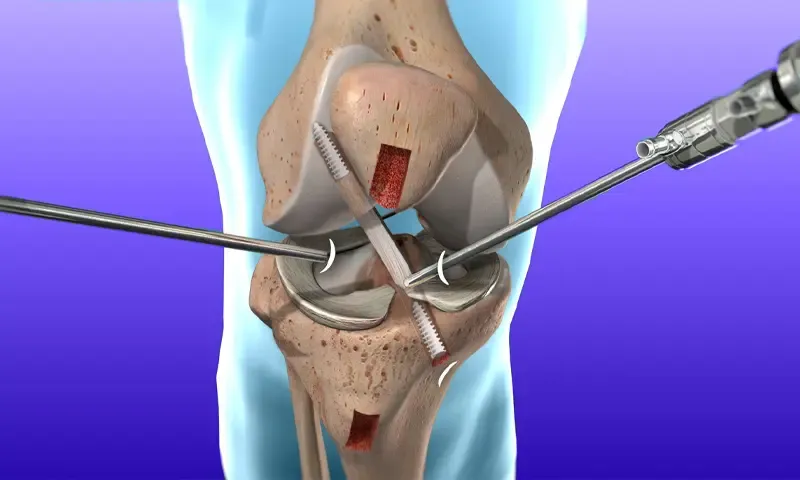
Tibbiyot turizmi

Best Countries for Orthopaedic Surgery and Sports Medicine in 2026

1/7/2026, 2:07:25 PM
13 min read
The question of where to have orthopaedic surgery involves more than finding the lowest price. A patient with a complex ACL tear alongside meniscal da...
Ko'proq o'qish
Hindistonda ACL rekonstruksiya jarrohligi: protsedura, narx va muvaffaqiyat darajasi
Tibbiyot turizmi

Hindistonda ACL rekonstruksiya jarrohligi: protsedura, narx va muvaffaqiyat darajasi

1/7/2026, 1:27:59 PM
16 daqiqa o'qish
An ACL tear announces itself clearly. Most patients describe a pop at the moment of injury, followed by rapid swelling and the unsettling feeling that...
Ko'proq o'qish
Hindistonda teskari elkani almashtirish: xarajat, protsedura, tiklanish
Tibbiyot turizmi

Hindistonda teskari elkani almashtirish: xarajat, protsedura, tiklanish

30/6/2026, 6:09:19 PM
13 daqiqa o'qish
Yelka inson tanasidagi eng harakatchan bo'g'indir, ammo katta aylanishli manjet yirtilishi, progressiv artrit yoki murakkab sinish uning ishlamay qoli...
Ko'proq o'qish
Hindistonda sonni qayta tiklash jarrohligi: protsedura, muvofiqlik va tiklanish
Tibbiyot turizmi

Hindistonda sonni qayta tiklash jarrohligi: protsedura, muvofiqlik va tiklanish

30/6/2026, 2:55:59 PM
13 daqiqa o'qish
Yugurib yuradigan, velosipedda yuradigan, futbol o'ynagan va kalça osteoartriti borligi aytilgan 45 yoshli erkak o'ziga xos va noqulay qarorga duch ke...
Ko'proq o'qish
Hindistonda tizzani robot bilan almashtirish: foyda, natijalar va narx

Tibbiyot turizmi

Hindistonda tizzani robot bilan almashtirish: foyda, natijalar va narx

30/6/2026, 2:00:27 PM
11 daqiqa o'qish
Knee osteoarthritis rarely stays still. The stiffness that once appeared only after a long walk starts showing up after a short one. Stairs become a c...
Ko'proq o'qish
Doktor Dipanshu Sivach

Tibbiyot yozuvchisi

Sr. Tibbiy kontent muallifi Qonaq salomatlik va salomatlik
Farmatsevtika fanlari doktori

Doktor Dipanshu Sivach farmatsevtika fanlari doktori darajasiga ega bo'lgan tajribali klinik farmatsevtdir. U 4 yildan ortiq tajribaga ega va minglab bemorlar bilan ishlagan. U Artemis Gurgaon va Te... Ko'proq o'qish

Bizning veb-saytimiz cookie-fayllardan foydalanadi. Maxfiylik siyosati.