
Miya shishi jarrohligi Narxi Hindiston
Haqida Miya shishi jarrohligi
Har yili, dan ortiqDunyo bo'ylab 300 000 kishimiya shishi tashxisi qo'yilgan. Bu harakat, nutq, xotira va hatto shaxsiyatga ta'sir qilishi mumkin bo'lgan holat. Ammo zamonaviy neyroxirurgiya tufayli, bir vaqtlar hayot uchun xavfli deb hisoblangan narsalarni endi tez-tez xavfsiz va samarali davolash mumkin.
Jahon darajasidagi infratuzilma, neyronavigatsiya tizimlari va intraoperativ MRI qurilmalari bilan bemorlar endi o'simtani maksimal darajada olib tashlash, tezroq tiklanish va minimal nevrologik xavfdan foyda ko'radilar.
Miya shishi jarrohligi nima?
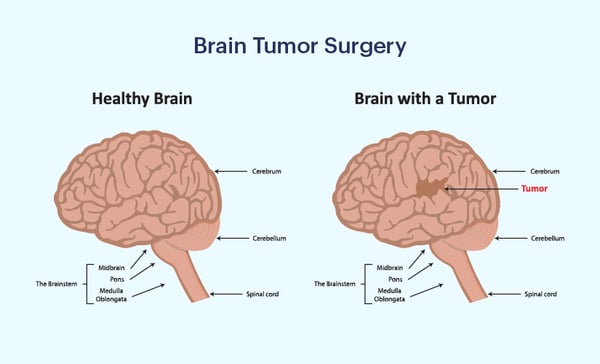
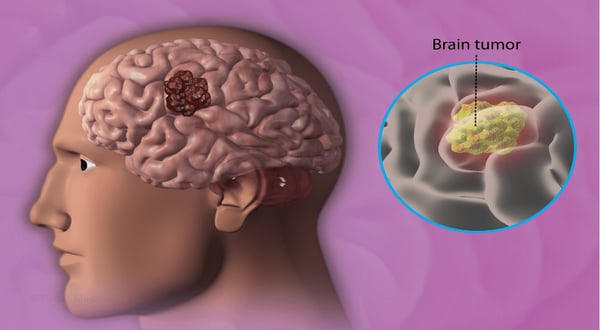
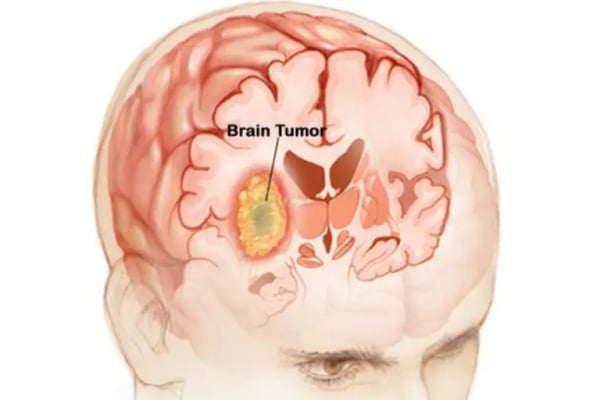
Miya shishi jarrohligi - bu miyadan g'ayritabiiy o'smalar yoki massalarni olib tashlash uchun maxsus neyroxirurgik protsedura. Jarrohlikning asosiy maqsadi sog'lom miya to'qimasini va harakat, nutq va xotira kabi muhim funktsiyalarni himoya qilishda o'simtani iloji boricha xavfsiz tarzda yo'q qilishdir.
Jarrohlar o'ta aniqlik bilan operatsiya qilish uchun mikrojarrohlik, neyronavigatsiya va intraoperativ monitoring kabi ilg'or usullardan foydalanadilar. Ushbu texnologiyalar o'simta chegaralarini to'g'ri aniqlashga yordam beradi, minimal nevrologik zarar bilan maksimal o'smani olib tashlashni ta'minlaydi.
Miya shishi operatsiyasi ikkalasi uchun ham amalga oshirilishi mumkinyaxshi (saraton bo'lmagan)vamalign (saratonli)shishlar. Ko'pgina hollarda, u radiatsiya terapiyasi, kimyoterapiya yoki kasallikni to'liq boshqarish uchun maqsadli terapiyani o'z ichiga olgan kengroq davolash rejasining bir qismini tashkil qiladi.
Zamonaviy miya operatsiyalari xavfsiz, samarali va minimal invaziv bo'lib, bemorlarga tezroq tiklanish va hayot sifatini tezroq tiklash imkonini beradi.
Miya o'smalarining har xil turlari qanday?
Miya o'smalari qaerdan kelib chiqqanligi va ularning tajovuzkorlik darajasiga qarab tasniflanadi. Ushbu turlarni bilish shifokorlarga eng samarali jarrohlik va tibbiy davolash rejasini aniqlashga yordam beradi.
Origin asosida
- Bosh miya shishi:Ular miyada yoki yaqin atrofdagi to'qimalarda, masalan, meninkslar, gipofiz bezlari yoki kranial nervlar ichida paydo bo'ladi. Ular yaxshi (sekin o'sadigan) yoki malign (saraton) bo'lishi mumkin. Umumiy misollarga quyidagilar kiradi:
- Gliomalar: Glial hujayralardan kelib chiqadi va barcha miya o'smalarining taxminan 30% ni tashkil qiladi.
- Meningiomalar: Odatda miyani qoplaydigan membranalarda o'sadigan yaxshi xulqli o'smalar.
- Gipofiz adenomalari: Bu o'smalar gipofiz beziga ta'sir qiladi, ko'pincha gormonal muvozanatni keltirib chiqaradi.
- Akustik neyromalar (shvannomalar): Eshitish va muvozanatni boshqaradigan nervlarni rivojlantiring.
- Medulloblastomalar: Agressiv, ammo davolash mumkin bo'lgan o'smalar, ko'pincha bolalarda kuzatiladi.
- Ikkilamchi (metastatik) miya shishi:Bular saraton boshqa organdan (masalan, o'pka, ko'krak, buyrak yoki yo'g'on ichak) miyaga o'tganda paydo bo'ladi. Ular kattalarda ko'proq uchraydi va odatda jarrohlik, radiatsiya va kimyoterapiya kombinatsiyasini talab qiladi.
Xulq-atvor va o'sish sur'ati asosida
- Yaxshi o'smalar:Sekin-asta o'sib boradi, odatda bir sohada cheklangan va olib tashlangandan keyin takrorlanish ehtimoli kamroq.
- Xatarli o'smalar:Tez o'sadigan va invaziv; yaqin atrofdagi miya to'qimalariga tarqalishi yoki davolanishdan keyin ham qayta paydo bo'lishi mumkin.
Joylashuv asosida
Shishlar turli hududlarda rivojlanishi mumkin, masalan, frontal lob (xulq-atvor, harakat), temporal lob (nutq, xotira) yoki serebellum (muvozanat, muvofiqlashtirish). O'simtaning joylashuvi operatsiyani rejalashtirish va tiklanishni bashorat qilishda hal qiluvchi rol o'ynaydi.
Miya shishi jarrohligi qanday amalga oshiriladi?
Miya shishi jarrohligi neyroxirurglar tomonidan ilg'or tasvirlar, kompyuter ko'rsatmalari va mikrojarrohlik vositalaridan foydalangan holda amalga oshiriladigan yuqori aniqlikdagi protseduradir. Har bir qadam miyaning hayotiy funktsiyalarini himoya qilishda o'simtani xavfsiz olib tashlash uchun ehtiyotkorlik bilan rejalashtirilgan.
- Jarrohlikdan oldingi rejalashtirish:Operatsiyadan oldin bemorlar o'simtaning aniq hajmini, chuqurligini va muhim nervlar yoki qon tomirlariga yaqinligini aniqlash uchun MRI, KT yoki funktsional miya tekshiruvidan o'tadilar. Murakkab holatlarda nutq, ko'rish yoki harakatni boshqaradigan hududlarni aniqlash uchun neyro-navigatsiya dasturi va funktsional MRI (fMRI) qo'llaniladi.
- Anesteziya va bemorni joylashtirish:Miya shishi operatsiyasi odatda umumiy behushlik ostida amalga oshiriladi. Tanlangan holatlarda, ayniqsa o'smalar tanqidiy nutq yoki harakat joylariga yaqin bo'lsa, jarrohlar uyg'oq kraniotomiya qiladilar.
- Kraniotomiya (bosh suyagini ochish):Bosh suyagining kichik bir qismi miyaga kirish uchun ehtiyotkorlik bilan chiqariladi. Shikastlanishni kamaytirish va tezroq davolanishga yordam berish uchun bu teshik imkon qadar kichikroq qilingan.
- O'simtani olib tashlash:Operatsion mikroskop yoki endoskop ostida jarroh nozik asboblar yordamida imkon qadar ko'proq o'simtani olib tashlaydi. Haqiqiy vaqtda yo'l-yo'riq tizimlari, shu jumladan intraoperativ MRI va neyronavigatsiya sog'lom miya to'qimasini saqlab qolgan holda to'liq olib tashlashni tasdiqlashga yordam beradi.
- Yopish va tiklash:O'simta olib tashlanganidan so'ng, bosh suyagi suyagi qopqog'i almashtiriladi va mahkamlanadi. Bemorlar 24-48 soatlik kuzatuv uchun neyro-ICUga o'tkaziladi. Ko'pchilik o'simtaning turi va joylashishiga qarab 5-10 kun ichida tiklanadi.
- Jarrohlikdan keyingi monitoring:O'sma to'qimalarining qoldiqlarini tekshirish uchun keyingi tekshiruvlar o'tkaziladi. Patologiya hisobotiga qarab, to'liq nazorat qilish uchun qo'shimcha radiatsiya yoki kimyoterapiya tavsiya etilishi mumkin.
Bepul davolash rejasini oling
Hindiston yilda Miya shishi jarrohligi haqida
What Is the Cost of Brain Tumour Surgery in India?
The average cost of brain tumour surgery in India ranges between ₹3,50,000 and ₹8,00,000 ($4,200 – $9,600). The total cost depends on the tumour's size, type, location, and whether advanced technologies such as neuronavigation or intraoperative MRI are used.
Type of Surgery | Average Cost (INR) | Approx. USD Cost |
| Conventional Craniotomy | ₹3,00,000 – ₹5,00,000 | $3,600 – $6,000 |
| Endoscopic Brain Surgery | ₹3,50,000 – ₹6,00,000 | $4,200 – $7,200 |
| Stereotactic (Image-Guided) Surgery | ₹4,00,000 – ₹7,00,000 | $4,800 – $8,400 |
| Awake Craniotomy | ₹4,50,000 – ₹8,00,000 | $5,400 – $9,600 |
| Skull Base or Pituitary Surgery | ₹3,00,000 – ₹6,50,000 | $3,600 – $7,800 |
Additional Costs (if Required)
Treatment Component | Average Cost (INR) | Approx. USD Cost |
| MRI / CT Brain Scan | ₹15,000 – ₹30,000 | $180 – $360 |
| Biopsy / Histopathology | ₹10,000 – ₹25,000 | $120 – $300 |
| Radiation Therapy (IMRT/IGRT) | ₹2,50,000 – ₹6,00,000 | $3,000 – $7,200 |
| Chemotherapy (6 cycles) | ₹1,50,000 – ₹3,50,000 | $1,800 – $4,200 |
| ICU Stay (per day) | ₹8,000 – ₹15,000 | $95 – $180 |
- Advanced microsurgical or endoscopic techniques slightly increase costs but reduce complications and hospital stay.
- If post-surgery radiotherapy or chemotherapy is required, the total cost may rise by 30–40%.
- Some brain tumour surgeries qualify for cashless insurance or international patient packages with fixed pricing.
Cost Includes
- Doctor Consultations and Neurosurgeon Fees: All consultations, surgical planning, and daily visits by the neurosurgeon and medical team during hospitalization.
- Surgery and Operation Theatre Charges: Complete surgical procedure costs, including anaesthesia, consumables, instruments, and OT staff.
- Hospital Stay and ICU Care: Room charges, nursing care, and ICU observation (typically 1–2 days) after surgery.
- Routine Diagnostic and Imaging Tests: Includes basic blood work, CT or MRI scans used for surgical planning and post-surgery evaluation.
- Medications and Consumables: All drugs, fluids, and surgical materials used during the hospital stay.
- Post-Surgery Physiotherapy and Rehabilitation: Initial physical therapy or mobility training sessions are included during the inpatient period.
- Follow-Up Consultation (Initial): Most hospitals include one post-discharge follow-up visit as part of the package.
Cost Excludes
- Advanced Imaging or Functional Scans: PET-CT, fMRI, or neuro-navigation mapping may incur additional costs if not included in the base package.
- High-End Implants or Special Instruments: Imported clips, mesh, or specialized hardware (if needed for reconstruction) are charged separately.
- Extended ICU or Hospital Stay: Stays beyond the standard recovery period (5–10 days) may incur additional costs.
- Adjuvant Treatments: Any chemotherapy, radiation therapy, or targeted therapy recommended post-surgery.
- International Travel and Accommodation: Visa fees, flights, and hotel stays for patients or caregivers are not part of hospital packages.
- Long-Term Rehabilitation or Home Nursing: Extended physiotherapy or home-based care services are billed outside the primary surgical package.
City-Wise Brain Tumour Surgery Cost in India
The cost of surgical removal of the brain tumour varies by city, hospital infrastructure, neurosurgeon expertise, and available technology. Metropolitan hospitals are usually equipped with advanced neuronavigation, endoscopic, and robotic systems.
Below is a city-wise comparison of the average cost of brain tumour surgery in India:
City | Average Cost (INR) | Approx. USD Cost |
| New Delhi | ₹4,00,000 – ₹8,00,000 | $4,800 – $9,600 |
| Mumbai | ₹4,50,000 – ₹8,50,000 | $5,400 – $10,200 |
| Bangalore | ₹3,80,000 – ₹7,50,000 | $4,560 – $9,000 |
| Chennai | ₹3,50,000 – ₹7,00,000 | $4,200 – $8,400 |
| Hyderabad | ₹3,50,000 – ₹7,50,000 | $4,200 – $9,000 |
| Gurgaon | ₹4,00,000 – ₹8,50,000 | $4,800 – $10,200 |
| Pune | ₹3,20,000 – ₹6,50,000 | $3,840 – $7,800 |
| Kochi | ₹3,00,000 – ₹6,00,000 | $3,600 – $7,200 |
| Kolkata | ₹3,20,000 – ₹6,80,000 | $3,840 – $8,160 |
- Delhi, Mumbai, and Gurgaon lead in robotic, image-guided, and minimally invasive brain tumour surgeries.
- Bangalore, Chennai, and Hyderabad offer a balance of cutting-edge care and moderate pricing, making them ideal for long or complex treatments.
- Tier-2 cities such as Pune, Kochi, and Kolkata provide cost-effective yet safe alternatives, with excellent post-surgical recovery outcomes.
What Factors Affect the Cost of Brain Tumour Surgery in India?
The total cost of brain tumour surgery in India depends on several clinical and logistical factors. Each case is unique, influenced by the tumour's location, complexity, and the technologies used during the procedure.
- Type and Location of Tumor: Tumors near critical areas, such as the brainstem or speech centers, require microsurgical precision and intraoperative mapping, which increases overall cost. Superficial or benign tumours are simpler to remove and less expensive.
- Type of Surgery Performed: Costs vary by surgical method, including conventional craniotomy, endoscopic, and stereotactic image-guided surgery. Minimally invasive or awake procedures utilize advanced tools, which reduce hospital stay and recovery time.
- Technology and Equipment Used: Hospitals using neuronavigation, intraoperative MRI, or robotic systems may charge higher fees. However, these technologies improve tumour removal accuracy and reduce postoperative complications.
- Surgeon's Experience and Team Expertise: Highly experienced neurosurgeons and multidisciplinary teams (neuro-anaesthetists, physiotherapists, oncologists) contribute to better outcomes, and slightly higher consultation or surgical fees.
- Hospital Category and Accreditation: JCI- and NABH-accredited hospitals, which often feature advanced ICUs, rehabilitation units, and 24/7 neuro-monitoring facilities, tend to have higher package rates than smaller centers.
- Duration of Hospital Stay: Most patients stay 5–10 days post-surgery. Complex or recurrent tumours requiring longer ICU or ward care can raise the total cost.
- Post-Surgical Care and Rehabilitation: Following surgery, speech therapy, physiotherapy, or occupational therapy may be necessary. These add minor but important follow-up expenses to support complete recovery.
- Additional Treatments (If Needed): If the tumor is malignant, chemotherapy or radiotherapy may be recommended following surgery, which can increase the overall cost of care.
How Does the Cost in India Compare with Other Countries?
Brain tumour surgery in India offers world-class precision and outcomes at one of the lowest costs globally. Hospitals utilize the same FDA- and CE-approved surgical systems, neuronavigation technology, and intraoperative imaging as those found in leading US and European centers.
Country | Average Cost (USD) | Savings Compared to India |
| India | $4,200 – $9,600 | — |
| United States | $45,000 – $75,000 | 75–80% lower |
| United Kingdom | $35,000 – $60,000 | 70–75% lower |
| United Arab Emirates | $25,000 – $40,000 | 65–70% lower |
| Singapore | $20,000 – $35,000 | 60–65% lower |
| Thailand | $12,000 – $18,000 | 50–60% lower |
Why India Offers Better Value
- Advanced technology: Modern neuronavigation, intraoperative MRI, and endoscopic systems.
- Skilled neurosurgeons: High-volume centers with excellent outcomes in complex brain surgeries.
- Integrated care: Surgery, ICU care, and rehabilitation under one hospital stay.
- Transparent pricing: Fixed packages with detailed cost breakdowns for international patients.
What Does Recovery After Brain Tumour Surgery Look Like?
Recovery after brain tumour surgery depends on the tumour's location, type of surgery, and patient health — but most patients regain mobility and independence within a few weeks. Modern surgical techniques in India, such as microsurgery and endoscopic approaches, help ensure faster healing with fewer complications.
Hospital Stay and Immediate Recovery
Patients usually spend 1–2 days in the ICU for close neurological monitoring, followed by 5–7 days in a regular ward. Pain, swelling, or mild fatigue are common in the first week but subside with medication and rest. By the time of discharge, most patients are able to walk, eat, and communicate normally.
Home Recovery and Rehabilitation
At home, recovery continues for 4–6 weeks. Patients may experience temporary fatigue or mild weakness, depending on the brain area involved. Doctors often recommend:
- Physiotherapy to improve balance and coordination.
- Speech or occupational therapy if speech or hand movements were affected.
- Nutritional support to aid healing and brain function.
Follow-up MRI scans are done at 1 and 3 months post-surgery to ensure no tumour regrowth or fluid buildup.
Returning to Normal Life
Most patients resume light activities within a month and return to work or travel after 6 to 8 weeks, based on their progress. For malignant tumours, chemotherapy or radiotherapy may begin once the surgical wound has fully healed.
Emotional and Cognitive Recovery
It's normal to experience mood swings or mild concentration issues during recovery. Counselling, mental health support, and family involvement play a key role in emotional healing. Many Indian hospitals offer dedicated neuro-rehabilitation programs that combine physical and psychological care to facilitate a comprehensive recovery.
Long-Term Follow-Up
Patients are advised to maintain regular follow-ups every 6–12 months for MRI scans and neurological assessments. Lifestyle habits, such as getting enough sleep and maintaining a balanced diet, also support long-term brain health.
What Is the Success Rate of Brain Tumour Surgery in India?
Brain tumour surgery in India has a success rate of 80% to 95%, depending on the tumour's size, location, and whether it is benign or malignant. With the use of advanced neuronavigation, intraoperative MRI, and awake craniotomy techniques, Indian neurosurgeons achieve outcomes comparable to those of the world's top centers.
Success is defined not only by tumor removal but also by the preservation of neurological function (speech, memory, and mobility) and the patient's ability to return to everyday life.
- Benign Brain Tumours: For non-cancerous tumours, such as meningioma, pituitary adenoma, or acoustic neuroma, complete removal is possible in over 90% of cases. Recurrence rates remain below 10%, and most patients return to their normal lives within a few weeks.
- Malignant or Complex Tumours: For aggressive or deep-seated cancers, the success rate averages 70–85%, depending on tumour type and response to adjuvant therapy (radiation or chemotherapy). Combined treatment significantly improves both survival and long-term disease control.
- Pediatric Brain Tumours: India's leading pediatric neurosurgery units achieve 85–90% tumour control in children, using microsurgical and endoscopic techniques that minimize long-term side effects.
Miya shishi jarrohligi Mamlakat bo'yicha xarajatlarni taqqoslash
Tibbiy davolanishingiz haqida asosli qaror qabul qilish uchun turli mamlakatlardagi Miya shishi jarrohligi xarajatlarni solishtiring.
| Mamlakat | Narxlar oralig'i (AQSh dollari) | Potentsial tejash | Harakat |
|---|---|---|---|
HindistonHozirgiEng yaxshi qiymat | $4,200 - $9,600 | — | Iqtibosni oling |
Eslatma: Xarajatlar kasalxonani tanlashda, xona turi, qo'shimcha xizmatlar va tibbiy talablarga asoslanishi mumkin.
Hindiston yilda Miya shishi jarrohligi uchun yetakchi kasalxonalar
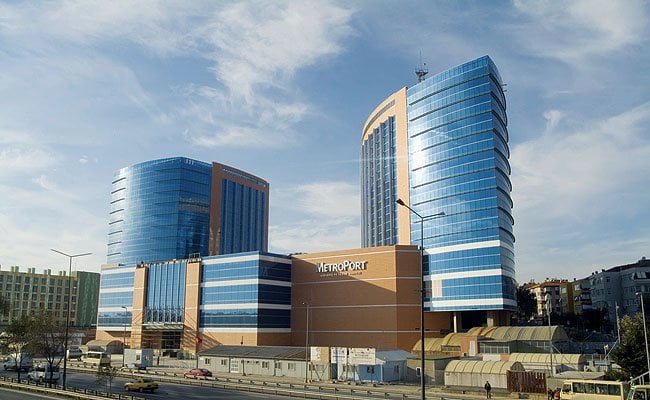
Medical Park Bahcelievler kasalxonasi
Medical Park Baxchelievler kasalxonasi 2007-yilda tashkil etilgan Istanbuldagi 242 oʻrinli JCI akkreditatsiyadan oʻtgan shifoxona boʻlib. 33 000 kvadr...
Akkreditatsiya

Muvofiqliklar
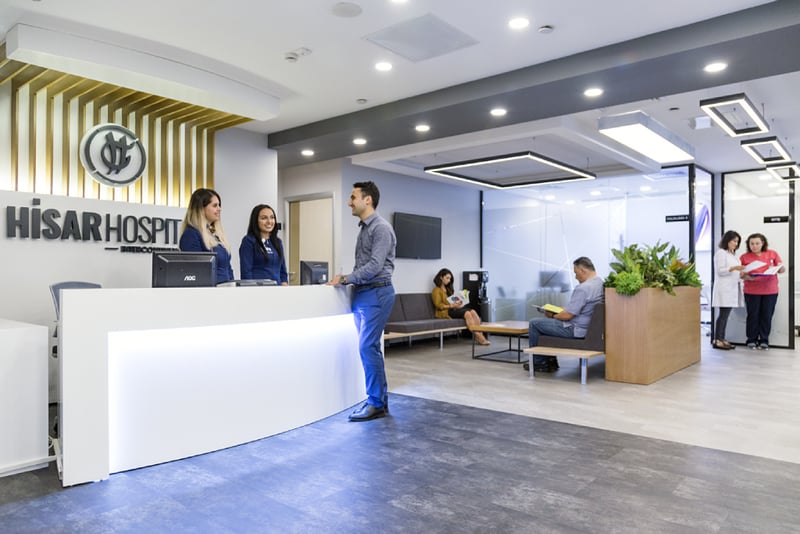
Hisor qit'alararo kasalxonasi, Istanbul
Istanbuldagi Hisor Intercontinental Hospital JCI tomonidan akkreditatsiyadan oʻtgan, 212 oʻrinli koʻp ixtisoslashgan shifoxona boʻlib, 35 000 kvadrat ...
Akkreditatsiya
Muvofiqliklar
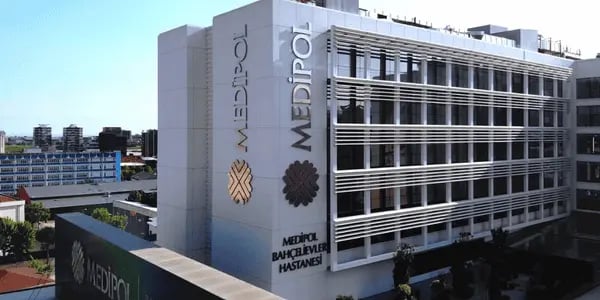
Medipol Bahçelievler kasalxonasi
Medipol Bahçelievler kasalxonasi Istanbuldagi 441 oʻrinli xususiy shifoxona boʻlib, 2022-yil may oyida oʻz faoliyatini boshlagan. 15 qavatda 60.000 kv...
Akkreditatsiya
Muvofiqliklar
Shunga o'xshash protseduralar
Minimal invaziv miya jarrohligi yilda Hindiston
Galereya
TSS
Sharhlovchi
Hammasini ko'rish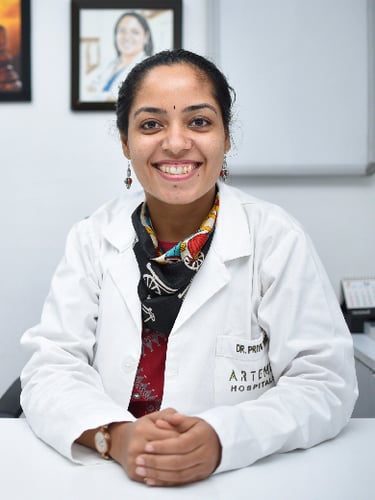
Dr. Priya Tiwari is a renowned medical oncologist trained at the prestigious All India Institute of Medical Sciences (AIIMS). She specializes in comprehensive cancer care and is committed to deliver... Ko'proq o'qish

Bizning veb-saytimiz cookie-fayllardan foydalanadi. Maxfiylik siyosati.