
Yurak qopqog'ini almashtirish Narxi Hindiston
Haqida Yurak qopqog'ini almashtirish
Yurak qopqog'ini almashtirish operatsiyasi nima?
Yurak qopqog'ini almashtirish operatsiyasi shifokorlar shikastlangan yoki kasal yurak qopqog'ini olib tashlab, uni sun'iy yoki biologik qopqoq bilan almashtiradigan protseduradir. Ushbu operatsiya normal qon oqimini tiklaydi, asoratlarni oldini oladi va yurakning samarali pompalanishiga imkon beradi.
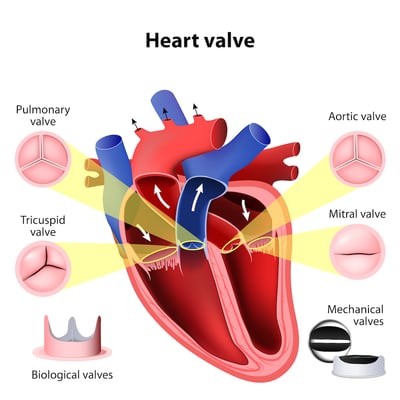
Inson yuragida to'rtta klapan bor (mitral, triküspid, aorta va o'pka) qonning to'g'ri yo'nalishda oqishini ta'minlaydi. Yosh, infektsiya yoki tug'ma nuqsonlar tufayli bir yoki bir nechta klapan toraysa (stenoz), oqishi (regürjitatsiya) yoki to'g'ri ishlamay qolsa, yurak ko'proq ishlashi kerak. Vaqt o'tib, zo'riqish charchoq, nafas qisilishi, angina, oyoq shishishi va hatto yurak etishmovchiligiga olib kelishi mumkin.
Dori-darmonlar yoki kamroq invaziv muolajalar, masalan, balon valvuloplastikasi yordam bermasa, yurak jarrohlari qopqoqni almashtirishni tavsiya qiladilar. Jarrohlik noto'g'ri qopqoqni olib tashlash va uni sintetik (mexanik) yoki biologik to'qimalardan (cho'chqalar, sigirlar yoki inson to'qimalaridan olingan) yangisi bilan almashtirishni o'z ichiga oladi.
Shifokorlar bemorning ahvoliga, klapan turiga, kasalxona sharoitlari va resurslarining mavjudligiga qarab ochiq yurak jarrohlik yoki minimal invaziv yondashuv orqali qopqoqni almashtirishni amalga oshiradilar.
Yurak qopqog'ini almashtirish nafaqat simptomlarni, balki simptomlarni ham yaxshilaydiumr ko'rishni uzaytiradi, jismoniy chidamlilikni oshiradi, va hayot uchun xavfli yurak shikastlanishining oldini oladi.
Nega bemorlarga yurak klapanlarini almashtirish kerak?
Bemorlarning bir yoki bir nechta yurak klapanlari to'g'ri ishlashi uchun juda jiddiy shikastlangan yoki kasal bo'lib qolganda yurak qopqog'ini almashtirishni talab qiladi. Valflar qattiq va tor bo'lib, qon oqimini cheklab qo'yishi mumkin (bu holatstenoz), yoki ular oqishi va qonning orqaga oqib ketishiga olib kelishi mumkin (bu holatregurgitatsiya). Qanday bo'lmasin, yurak qonni quyish uchun ko'proq ishlashi kerak, bu esa faqat dori-darmonlarni bartaraf eta olmaydigan alomatlar va asoratlarni keltirib chiqaradi.
Shifokorlar odatda yurak qopqog'ini almashtirishni tavsiya qiladilar, agar qopqoqni ta'mirlash mumkin bo'lmasa va shikastlanish bemorning kundalik hayotiga yoki umumiy yurak faoliyatiga ta'sir qila boshlasa. Agar davolanmasa, qopqoq kasalligi rivojlanishi va sabab bo'lishi mumkinyurak etishmovchiligi, qon quyqalari, qon tomirlari yoki hatto to'satdan yurak o'limi.
Bemorlarning aksariyati kabi alomatlarni boshdan kechira boshlaydinafas qisilishi, charchoq, yurak urishining buzilishi, ko'krak qafasidagi noqulaylik, bosh aylanishi yoki oyoq va to'piqlarda shishish. Ushbu belgilar paydo bo'lganda va testlar valf funktsiyasi jiddiy buzilganligini ko'rsatsa, jarrohlik zarur bo'ladi.
Shifokorlar, shuningdek, alomatlari bo'lmagan, ammo asoratlar xavfi yuqori bo'lgan odamlarda jiddiy qopqoq nuqsonlarini aniqlaganlarida, klapanlarni almashtirishni taklif qilishadi. Ba'zi hollarda bemorlar, ayniqsa, ularning ahvoli tez yomonlashishi kutilsa, profilaktika chorasi sifatida operatsiya qilinadi.
Yurak qopqog'ini almashtirishni talab qiladigan umumiy tibbiy holatlar quyidagilardan iborat:
- Aorta stenozi(aorta qopqog'ining torayishi) keksa bemorlarda qopqoqni almashtirishning eng keng tarqalgan ko'rsatkichlaridan biridir.
- Mitral qopqoq etishmovchiligi, mitral qopqoq to'g'ri yopilmasa va qon yurakka orqaga oqib chiqsa.
- Revmatik yurak kasalligi, bu bir nechta yurak klapanlariga zarar etkazishi mumkin va ko'plab rivojlanayotgan hududlarda hali ham keng tarqalgan.
- Tug'ma yurak nuqsonlari, bemorlar keyinchalik hayotda almashtirilishi kerak bo'lgan noto'g'ri klapanlar bilan tug'ilganda.
- Endokardit, valf to'qimasini yo'q qiladigan va shoshilinch almashtirishni talab qiladigan infektsiya.
Shikastlangan qopqoqni mexanik yoki to'qimalarga asoslangan muqobil bilan almashtirish orqali shifokorlar normal qon oqimini tiklaydi va bemorni hayotga xavf tug'diradigan asoratlardan himoya qiladi.
Yurak qopqog'ini almashtirishning har xil turlari qanday?
Shifokorlar bemorning ahvoli, yoshi va kasallik tarixiga qarab turli xil texnika va materiallar yordamida yurak qopqog'ini almashtirishni amalga oshiradilar. Amaldagi ikkita asosiy turdagi almashtirish klapanlari mexanik valflar va biologik (to'qima) klapanlardir. Operatsiya aorta, mitral, triküspid yoki o'pka qopqog'ini almashtirishni o'z ichiga olishi mumkin.
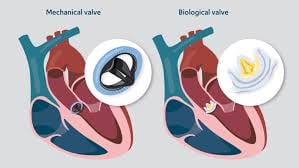
- Mexanik valfni almashtirish:Mexanik klapanlar titan yoki uglerod kabi kuchli, bardoshli materiallardan olinadi. Ushbu klapanlar bir necha o'n yillar davomida xizmat qiladi, bu ularni uzoq muddatli chidamlilikka muhtoj bo'lgan yosh bemorlar uchun ideal qiladi. Biroq, mexanik klapanlarni olgan bemorlar qon pıhtılarının oldini olish uchun umr bo'yi warfarin kabi qonni suyultiruvchi dorilarni (antikoagulyantlar) olishlari kerak.
- Biologik (to'qima) klapanni almashtirish:Biologik klapanlar hayvonlarning to'qimalaridan, odatda cho'chqalar (cho'chqalar) yoki sigirlar (sigirlar) yoki ba'zi hollarda donor qilingan inson to'qimalaridan (gomograftlar) tayyorlanadi. Ushbu klapanlar qon pıhtılarının paydo bo'lishi ehtimoli kamroq, shuning uchun ko'pchilik bemorlar uzoq muddatli antikoagulyantlarni talab qilmaydi. Biroq, to'qima klapanlari odatda vaqt o'tishi bilan eskiradi va 10-20 yildan keyin, ayniqsa yosh odamlarda almashtirilishi kerak bo'lishi mumkin.
O'zgartirilishi mumkin bo'lgan yurak klapanlarining turlari
Shifokorlar quyidagi klapanlardan birini almashtirishlari kerak bo'lishi mumkin:
- Aorta qopqog'ini almashtirish:Bu aorta stenozi yoki aorta etishmovchiligi tufayli ko'pincha zarur bo'lgan qopqoqni almashtirishning eng keng tarqalgan turi.
- Mitral qopqoqni almashtirish:Jarrohlar buni mitral qopqoq juda torayib ketganda yoki birinchi navbatda revmatik yurak kasalligi yoki qarish tufayli oqib ketganda amalga oshiradilar.
- Trikuspid qopqog'ini almashtirish:Ushbu protsedura kamroq talab qilinadi va odatda triküspid qopqog'i shikastlanganda, ko'pincha infektsiya yoki tug'ma nogironlik tufayli qo'llaniladi.
- O'pka qopqog'ini almashtirish:Ushbu protsedura odatda tug'ma yurak nuqsonlari bo'lgan bemorlarda, ayniqsa bolalar yoki yoshlarda amalga oshiriladi.
Minimal invaziv va transkateter valfni almashtirish
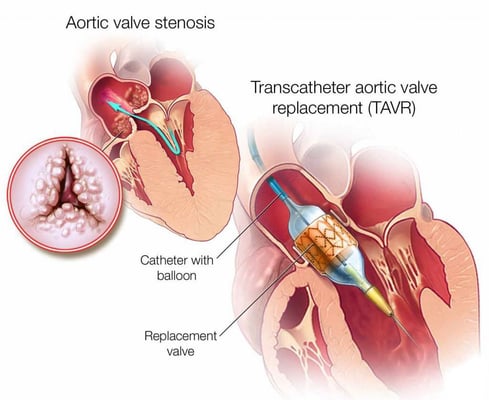
Muvofiq bemorlarda shifokorlar foydalanishi mumkinminimal invaziv usullaryoki bajaringtranskateter aorta qopqog'ini almashtirish (TAVR), bu ochiq yurak jarrohligisiz klapanlarni almashtirish imkonini beradi. Ushbu muolajalar natijasida kichikroq kesmalar, tezroq tiklanish va kamroq og'riq paydo bo'ladi. Biroq, ular har bir bemor uchun mos kelmasligi mumkin.
Yurak qopqog'ini almashtirish tartibi qanday?
Yurak qopqog'ini almashtirish - bu ilg'or usullardan foydalangan holda yuqori tajribali kardiotorakal jarrohlar tomonidan amalga oshiriladigan jarrohlik muolajadir. Ochiq yurak jarrohligidan yoki minimal invaziv yondashuvdan qat'i nazar, yurak shifoxonalari operatsiyadan oldin operatsiyadan keyingi tiklanishgacha xavfsiz, samarali va arzon yordamni ta'minlaydi.
Jarrohlikdan oldingi baholash
Jarrohlikdan oldin tibbiy guruh batafsil baholashni amalga oshiradi. Shifokorlar turli xil ko'rish testlarini o'tkazadilar, shu jumladanekokardiyografi, ko'krak qafasi rentgenogrammasi, yurak MRI, KT va koronar angiografiya;qopqoqning shikastlanishini baholash va yurak faoliyatini baholash. Qon testlari va anesteziyani tozalash ham ushbu tayyorgarlikning bir qismidir. Natijalarga asoslanib, jarrohlik guruhi qo'llaniladigan qopqoq turini - mexanik yoki to'qimalarni aniqlaydi va eng mos jarrohlik usulini tanlaydi.
Jarrohlik muolajasi
Jarrohlik kuni kasalxona jamoasi bemorni umumiy behushlik qo'llash orqali tayyorlaydi. a davomidaan'anaviy ochiq yurak qopqog'ini almashtirish, yurak jarrohi ko'krak qafasida kesma qiladi va bemorni vaqtincha ayurak-o'pka mashinasi. Ushbu qurilma yurakning nasos funktsiyasini o'z zimmasiga oladi va bu jarrohga tinch va qonsiz yurak ustida ishlash imkonini beradi.
Keyin kardiojarroh shikastlangan qopqoqni olib tashlaydi va ehtiyotkorlik bilan yangi mexanik yoki to'qima qopqog'i bilan almashtiradi. O'zgartirish tugallangach, jarroh yurakni qayta ishga tushiradi, yurak-o'pka mashinasini olib tashlaydi va ko'krak qafasini jarrohlik tikuv yoki simlar bilan yopadi.
Muvofiq bo'lgan bemorlar uchunminimal invaziv jarrohlik, jarroh qovurg'alar orasidagi kichikroq kesmalar qiladi va ko'krak suyagini kesishdan qochadi. Ushbu usul kamroq og'riqni, kasalxonada qolishni qisqartirishni va tezroq tiklanishni ta'minlaydi.
Ba'zi yuqori xavfli bemorlar yoki an'anaviy jarrohlik amaliyotini o'tkaza olmaydigan keksa odamlarda shifokorlartranskateter aorta qopqog'ini almashtirish. TAVRda yangi klapan son arteriyasi orqali son bo'shlig'iga o'rnatilgan kateter orqali kiritiladi va ko'krak qafasini ochish zaruratini bartaraf etgan holda tasvirlash usullaridan foydalangan holda joyiga yo'naltiriladi.
Kasalxonada operatsiyadan keyingi tiklanish
Jarrohlikdan so'ng bemor kasalxonaga o'tkaziladiyurak intensiv terapiya bo'limi (ICU)24 dan 72 soatgacha monitoring. Tibbiy guruh yurak faoliyatini, qon bosimini, kislorod darajasini va jarohatni davolashni tekshiradi. Stabillashtirgandan so'ng, bemorning rivojlanishiga qarab, yana 4 dan 7 kungacha reabilitatsiya xonasiga o'tkaziladi.
Shifokorlar dori-darmonlarni buyuradilar, nafas olish mashqlarini bajaradilar va tiklanishga yordam berish uchun engil jismoniy terapiyani boshlaydilar. Bemorlarga, shuningdek, ovqatlanish, dori-darmonlar, jismoniy faollik va bo'shatilgandan keyin ehtiyot choralari bo'yicha ko'rsatmalar beriladi.
Bepul davolash rejasini oling
Hindiston yilda Yurak qopqog'ini almashtirish haqida
What Is the Cost of Heart Valve Replacement Surgery in India?
India offers one of the most affordable options for heart valve replacement surgery globally. In India, the cost of heart valve replacement surgery typically ranges from $5,000 to $10,000, depending on various factors, including the type of valve used, the surgical approach, and the hospital's location. While the cost of the same procedure in countries like the United States, the UK, or Australia can exceed $80,000 to $150,000, Indian hospitals provide equally advanced care at a much lower price.
Average Cost Breakdown (in USD):
- Mechanical valve replacement: $5,000 – $8,000
- Biological (tissue) valve replacement: $6,000 – $9,000
- Minimally invasive valve replacement: $7,000 – $10,000
- Transcatheter Aortic Valve Replacement: $25,000 – $35,000
Prices may vary based on the patient's overall health, length of hospital stay, and postoperative care requirements.
What Does the Cost Usually Include?
Indian hospitals often provide all-inclusive packages for international patients. These packages usually cover:
- Preoperative investigations and imaging
- Surgical fees and anesthesia charges
- Cost of the valve (mechanical or tissue)
- ICU stay and postoperative monitoring
- Inpatient hospital stay (5–10 days)
- Medications and consumables used during hospitalization
- Post-discharge consultation before flying home
Hospitals may also include non-medical support, such as airport transfers, interpreters, meals, and visa assistance, in their medical tourism plans.
Additional Expenses to Consider
While most core medical costs are included in the package, international patients should also budget for:
- Travel expenses and air tickets
- Extended hotel stay for family members
- Visa fees and travel insurance
- Optional cardiac rehabilitation after surgery
- Additional tests or extended ICU care if complications arise
Patients who choose India for valve replacement surgery typically save 60% to 80% compared to other developed countries, without compromising on the quality. The availability of cost-effective treatment makes India a trusted destination for heart valve surgery among international patients.
What Factors Affect the Cost of Heart Valve Replacement in India?
Although India offers heart valve replacement at a significantly lower cost than many countries, the final expense can vary based on several medical and non-medical factors.
- Type of Valve Used: Mechanical valves generally cost less than biological (tissue) valves in the short term. However, tissue valves are often preferred in older patients who want to avoid lifelong use of blood thinners.
- Surgical Technique: Traditional open-heart surgery is more affordable than minimally invasive or robotic-assisted procedures. If a patient qualifies for minimally invasive valve replacement or TAVR, the cost will be higher due to specialized equipment, technology, and expertise required.
- Hospital Selection: Hospitals across India offer different pricing depending on their location, reputation, and facilities. Multispecialty hospitals in major cities like Delhi, Mumbai, Bangalore, and Chennai may charge more than hospitals in smaller towns.
- Surgeon's Experience: Highly experienced surgeons who have performed a large number of valve replacements may charge higher fees. However, their expertise often ensures better outcomes and lower chances of complications.
- Patient's Health Condition: The patient's age, heart function, and overall medical status can affect the complexity of the surgery. Patients with other health problems such as diabetes, lung disease, or kidney dysfunction may require more extended ICU care, more medications, and additional diagnostics, which increase the final bill.
- Length of Hospital Stay: Most patients stay in the hospital for ~5 to 10 days; however, complications or a slower recovery may result in extended hospitalization. Every extra day incurs additional costs for room charges, nursing care, and extra medical monitoring.
- Room Category Chosen: Hospitals offer a variety of room types, including general wards, private rooms, deluxe rooms, and suite rooms. Choosing a private or deluxe room increases the per-day cost significantly.
- Postoperative Care and Rehabilitation: The base package typically includes immediate postoperative care; however, additional support, such as physiotherapy, dietary planning, and cardiac rehabilitation, may incur extra charges.
Cost Comparison: Heart Valve Replacement in India vs Other Countries
Cardiac valve replacement surgery is a life-saving procedure, but in many countries, the cost can make it inaccessible for patients without insurance or with limited coverage.
Patients who travel to India for heart valve surgery typically save 60% to 80% compared to prices in the United States, UK, or Australia. While the technology, surgical expertise, and outcomes remain on par with global standards, India's lower operational and infrastructure costs enable the country to offer affordable treatment.
Country | Approximate Cost (USD) |
| United States | $80,000 – $150,000 |
| United Kingdom | $70,000 – $120,000 (private care) |
| Canada | $60,000 – $100,000 (private) |
| Australia | $65,000 – $110,000 |
| Singapore | $45,000 – $70,000 |
| Turkey | $20,000 – $30,000 |
| Thailand | $18,000 – $25,000 |
| India | $5,000 – $10,000 |
These figures reflect the cost of traditional open-heart valve replacement. If the patient requires a minimally invasive approach or transcatheter aortic valve replacement, costs rise accordingly.
What Makes India More Affordable?
India delivers affordable care without compromising quality because hospitals operate with lower administrative overhead, favorable currency exchange rates, and high surgical volumes. Many doctors have trained in the US or the UK, and hospitals utilize FDA-approved or CE-marked valves and internationally recognized devices. Patients also benefit from shorter waiting times, comprehensive medical packages, and post-treatment virtual follow-ups, all of which are included at a fraction of the global price.
What Is the Success Rate and Recovery Timeline for Heart Valve Replacement?
India has established a strong reputation for achieving excellent outcomes in heart valve replacement surgery, with success rates comparable to those of leading hospitals in the West. In experienced cardiac centers, the success rate for valve replacement surgery exceeds 95%, especially in patients who receive timely treatment and follow proper recovery guidelines.
What Determines the Success of Valve Replacement?
Several factors influence the outcome of the valve replacement surgery, including the type of valve used, the patient's age and overall health, the surgeon's expertise, and the presence of other medical conditions. Patients with fewer comorbidities and strong heart function tend to recover faster and experience fewer side effects.
Even for high-risk or elderly patients, Indian hospitals deliver excellent results by using advanced techniques such as minimally invasive surgery or transcatheter aortic valve replacement. These approaches reduce surgical stress and shorten hospital stays.
What Is the Typical Recovery Timeline?
Immediately after surgery, the patient is sent to the cardiac ICU, where doctors closely monitor vital signs and heart function. Patients usually spend one to three days in intensive care, depending on how quickly they stabilize.
During the first week, the patient begins walking slowly with assistance and starts breathing exercises to restore lung function. By the end of the hospital stay, which typically lasts five to ten days, patients are well enough to sit, walk short distances, and eat regular meals.
In the first month after discharge, patients typically recover at home or in a nearby hotel, especially if they are international travelers. During this period, they continue light activities, follow a prescribed diet, and take all medications as directed. Follow-up visits or virtual consultations enable doctors to monitor patient progress.
Within six to eight weeks, most patients resume their daily activities, such as walking independently, climbing stairs, and performing light work. For some patients, especially those who had open-heart surgery, full recovery may take up to three months.
Patients who undergo minimally invasive valve replacement or TAVR often recover faster, sometimes in just four to six weeks, because the procedure causes less physical trauma.
How Can Patients Improve Recovery?
To speed up healing and reduce complications, patients should:
- Take medications on time, especially blood thinners, if they have a mechanical valve.
- Avoid smoking and alcohol.
- Maintain a low-sodium, heart-healthy diet.
- Attend cardiac rehabilitation if recommended.
- Follow a gradual return to physical activity.
- Stay in touch with their healthcare team for both remote and in-person follow-ups.
Why Should International Patients Choose India for Heart Valve Replacement?
India has become a trusted destination for heart valve replacement surgery, especially for international patients seeking high-quality treatment at an affordable price. Patients from Africa, the United States, the UK, the Middle East, and Southeast Asia travel to India each year to receive world-class cardiac care from experienced specialists.
- India Offers Global-Standard Care at a Lower Cost: One of the many reasons patients choose India is its cost-effectiveness. In India, heart valve replacement costs 70% to 80% less than in most Western countries, yet the hospitals maintain international clinical standards. Patients receive surgery using FDA- or CE-approved valves, advanced diagnostic imaging, and expert postoperative monitoring, all within affordable packages.
- Surgeons Deliver Consistently High Success Rates: India's cardiac surgeons are among the most experienced in the world. Many of them have trained at leading institutions in the US, UK, or Europe and perform hundreds of valve surgeries annually. Their experience ensures precise technique, reduced complication rates, and faster recovery.
- Hospitals Use Advanced Technology: Top hospitals in India are equipped with cutting-edge surgical suites, robotic assistance systems, hybrid cath labs, and 24/7 critical care units. These facilities support advanced procedures such as minimally invasive valve replacement and TAVR, making India a preferred choice even for high-risk patients.
- India Has No Waiting Lists: Unlike many countries where patients wait weeks or months for surgery, Indian hospitals can often schedule heart valve replacement within a few days of your arrival. This fast access is critical for patients with worsening symptoms or urgent surgical needs.
What Services Are Available for International Patients Undergoing Heart Valve Replacement in India?
Indian hospitals recognize that international patients require more than just surgery. They need a seamless, safe, and supportive experience from start to finish. That's why most hospitals in India offer a wide range of services designed specifically for overseas medical travelers, ensuring their comfort, convenience, and peace of mind throughout their journey.
- Visa Assistance and Documentation Support: Once you have chosen a hospital or doctor, the hospital's international patient department will send you a medical visa invitation letter, which helps you and your companion obtain a medical visa quickly. They also guide you through the application process and explain the documents you'll need for travel and admission.
- Airport Pickup and Local Transportation: Upon arrival in India, a hospital-appointed driver will meet you at the airport and ensure a safe transfer to your hotel or the hospital. Hospitals often provide complimentary airport pickup and drop-off services for international patients and their families.
- Dedicated Patient Coordinators: Hospitals assign a personal case manager or international patient coordinator who stays with you throughout your stay. This coordinator helps schedule consultations, arranges diagnostics, assists with financial transactions, and manages communication between you and your medical team. You won't need to handle logistics on your own.
- Language Interpretation Services: To remove language barriers, hospitals offer interpreters in multiple languages, including Arabic, French, Spanish, Russian, Swahili, and more. These interpreters assist during consultations, clearly explain treatment plans, and help you understand your post-discharge instructions.
- Affordable Accommodations for Family Members: Most hospitals offer assistance with booking nearby guesthouses, serviced apartments, or accommodations attached to the hospital for your family or caregiver. These options range from budget to deluxe and include food and transport arrangements, making extended stays more manageable and comfortable.
- Customized Meal Plans and Dietary Support: For patients with special dietary needs, hospitals provide personalized meals as advised by dietitians. If you have religious, cultural, or medical dietary restrictions, your care team ensures you receive the appropriate food throughout your stay.
- Pre-Arrival Consultation and Online Second Opinions: Many hospitals offer online pre-arrival consultations or second opinions based on your medical reports. It helps you understand the expected treatment plan, estimate costs, and prepare for travel before you even leave your home country.
- Post-Treatment Follow-Up and Teleconsultation: After discharge, the hospital continues to support you through virtual follow-up appointments, medication guidance, and recovery tracking. Whether you're in Africa, the Middle East, or Southeast Asia, you can stay connected with your Indian care team for months after your return.
- Help with Sightseeing and Wellness Travel (Optional): If your condition allows and your doctor approves, some hospitals or medical tourism facilitators can arrange short sightseeing trips, spa sessions, or yoga retreats as part of your extended recovery. India's wellness heritage can be a peaceful way to heal, especially after major heart surgery.
Yurak qopqog'ini almashtirish Mamlakat bo'yicha xarajatlarni taqqoslash
Tibbiy davolanishingiz haqida asosli qaror qabul qilish uchun turli mamlakatlardagi Yurak qopqog'ini almashtirish xarajatlarni solishtiring.
| Mamlakat | Narxlar oralig'i (AQSh dollari) | Potentsial tejash | Harakat |
|---|---|---|---|
HindistonHozirgiEng yaxshi qiymat | $5,000 - $10,000 | — | Iqtibosni oling |
Eslatma: Xarajatlar kasalxonani tanlashda, xona turi, qo'shimcha xizmatlar va tibbiy talablarga asoslanishi mumkin.
Hindiston yilda Yurak qopqog'ini almashtirish uchun yetakchi kasalxonalar

BLK-Max super ixtisoslashtirilgan kasalxonasi, Nyu-Dehli
Nyu-Dehlidagi BLK-Max Super Specialty Hospital 650 o'rinli yotoq, 22 ta ilg'or operasiya teatri va 13 ta mukammallik markazlarini taklif qiluvchi Hind...
Akkreditatsiya


Muvofiqliklar

Max Smart Super maxsus kasalxonasi, Saket, Nyu-Dehli
Max Smart Super Specialty Hospital, Saket - Janubiy Dehlidagi 250 o'rinli uchinchi darajali shifoxona. U 22 dan ortiq mutaxassisliklar, jumladan, yura...
Akkreditatsiya
Muvofiqliklar
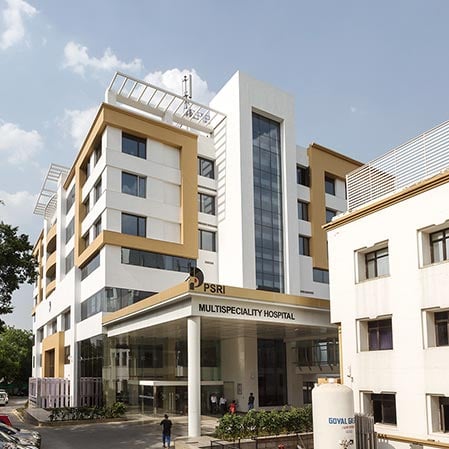
PSRI kasalxonasi, Dehli
Pushpawati Singhania tadqiqot instituti (PSRI kasalxonasi), Nyu-Dehli, 1996 yilda JK Group tomonidan tashkil etilgan etakchi ko'p ixtisoslashgan uchin...
Akkreditatsiya
Muvofiqliklar
Shunga o'xshash protseduralar
Elektron yurak stimulyatori implantatsiyasi jarrohligi yilda Hindiston
Galereya
TSS
Sharhlovchi
Hammasini ko'rish
Dr. Biswarup Purkayastha is a highly skilled cardiothoracic and vascular surgeon with extensive experience in heart and lung transplantation. He has worked across leading Indian hospitals, gaining s... Ko'proq o'qish

Bizning veb-saytimiz cookie-fayllardan foydalanadi. Maxfiylik siyosati.