
Chap qorincha yordamchi qurilmasi - LVAD Narxi Hindiston
Haqida Chap qorincha yordamchi qurilmasi - LVAD
Chap qorincha yordamchi qurilmasi (LVAD) nima?
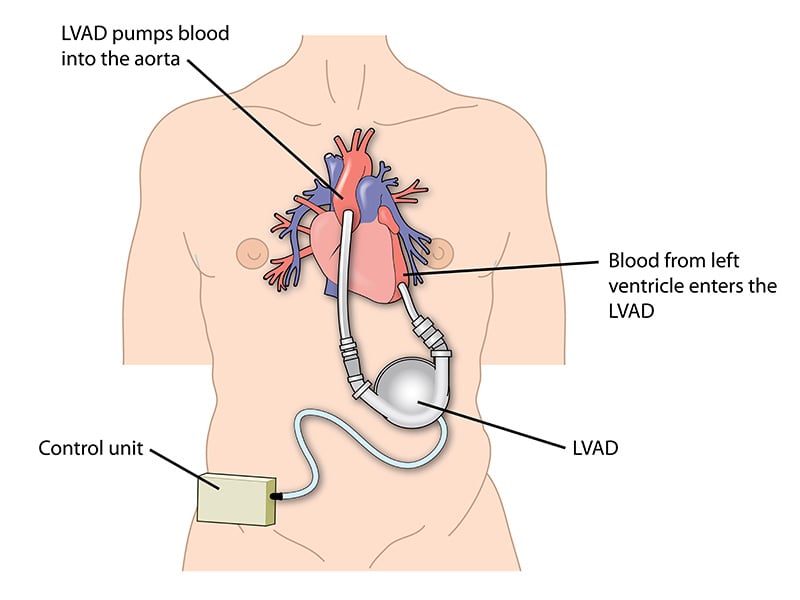
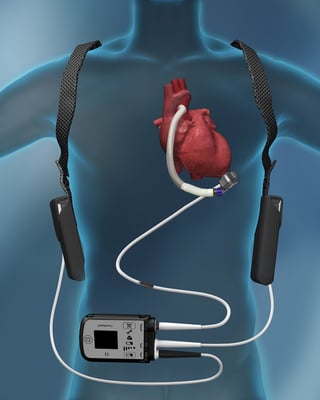
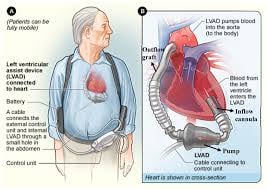
LVAD deb qisqartirilgan chap qorincha yordamchi qurilmasi chap qorincha (yurakning asosiy nasos kamerasi) butun tanada qon aylanishiga yordam beradigan mexanik nasosdir. Shifokorlar ochiq yurak operatsiyasi paytida qurilmani ko'krak qafasi ichiga joylashtiradilar. LVAD o'rnatilgandan so'ng yurakning nasos funktsiyasini o'z zimmasiga oladi va kislorodga boy qon butun tanadagi muhim organlarga oqib borishini ta'minlaydi.
LVADlar rivojlangan yurak etishmovchiligi bo'lgan bemorlarda, birinchi navbatda, dorilar endi yordam bermasa, foydalidir. Butun yurak o'rnini bosadigan umumiy sun'iy yurakdan farqli o'laroq, LVAD bemorning mavjud yuragi bilan birgalikda ishlaydi va uning zaiflashgan funktsiyasini qo'llab-quvvatlaydi.
Qurilma bir nechta asosiy qismlardan iborat:
- Anasos, ko'krak qafasi ichiga implantatsiya qilingan va yurak bilan bog'langan.
- Ahaydovchi kabeli, teridan o'tib, nasosni tekshirgichga ulaydi.
- Aboshqaruvchi, tanadan tashqarida kiyiladi, nasosni quvvatlantiradi va nazorat qiladi.
- Bir to'plamqayta zaryadlanuvchi batareyalar yoki quvvat bloki, bu tizimning 24/7 ishlashini ta'minlaydi.
Yillar davomida LVADlar sezilarli evolyutsiyaga uchradi. Bugungi modellar kichikroq, jimroq va samaraliroq. Bemorlar to'g'ri parvarish bilan faol hayot kechirishlari mumkin, ko'pincha simptomlari, energiya darajasi va kundalik faoliyati sezilarli darajada yaxshilanadi.
Nega bemorlarga LVAD kerak?
Yuragi o'z-o'zidan qonni samarali pompalay olmaydigan darajada zaiflashganda, bemorlarga chap qorincha yordamchi qurilma kerak bo'ladi. Bu holat odatda yurak yetishmovchiligining so'nggi bosqichida, dori-darmonlar va kamroq invaziv muolajalar semptomlarni boshqara olmasa yoki yomonlashuvning oldini olmasa paydo bo'ladi.
LVAD birinchi darajali terapiya emas. Shifokorlar, odatda, bemor maksimal tibbiy davolanishni (jumladan, ACE inhibitörleri, beta-blokerlar, diuretiklar va boshqa dori-darmonlarni) sinab ko'rgan bo'lsa-da, lekin hali ham charchoq, nafas qisilishi, suyuqlikni ushlab turish va yurak faoliyatining pastligi bilan kurashganda tavsiya qiladi. Bunday hollarda LVAD qon aylanishini tiklash va yurakdagi yukni engillashtirish uchun mexanik yordam beradi.
Shifokorlar LVADdan foydalanadigan uchta asosiy stsenariy mavjud:
- Transplantatsiya uchun ko'prik:Yurak transplantatsiyasiga nomzod bo'lgan, ammo uzoq kutish vaqtiga duch kelgan bemorlar ko'pincha holatini barqarorlashtirish va donor yuragi mavjud bo'lgunga qadar ularni tirik va funktsional saqlash uchun LVAD oladi.
- Destination terapiyasi:Yoshi, boshqa kasalliklari yoki shaxsiy tanlovi tufayli yurak transplantatsiyasi uchun mos bo'lmagan bemorlar uzoq muddatli yechim sifatida LVADni olishlari mumkin. Bunday hollarda qurilma transplantatsiyaga doimiy muqobil bo'lib, ko'pincha umrini bir necha yilga uzaytiradi.
- Qayta tiklash uchun ko'prik:Ba'zi bemorlarda, ayniqsa infektsiyalar, miyokardit yoki jarrohlikdan keyingi asoratlar tufayli vaqtinchalik yurak etishmovchiligi bo'lgan bemorlarda LVAD yurakni o'z-o'zidan tiklanishiga imkon beradigan darajada uzoq vaqt davomida qo'llab-quvvatlaydi. Yurak kuchini tiklagach, shifokorlar qurilmani olib tashlashi mumkin.
Shifokorlar LVAD implantatsiyasini tavsiya etishdan oldin har bir bemorning tibbiy holatini, birgalikdagi kasalliklarini, yurak faoliyatini va umumiy prognozini baholaydilar. Bemorni to'g'ri tanlash bilan qurilma omon qolish darajasini oshirishi va hayot sifatini yaxshilashi mumkin, bu esa bemorlarga ikkinchi hayot imkoniyatini beradi.
LVAD uchun nomzod kim?
Bemor dori-darmonlar yoki boshqa jarrohlik bo'lmagan muolajalar orqali boshqarib bo'lmaydigan rivojlangan yurak etishmovchiligidan aziyat cheksa, chap qorincha yordamchi qurilma implantatsiyasiga nomzod bo'ladi. Shifokorlar LVADni yurak faoliyati jiddiy buzilgan va optimallashtirilgan tibbiy terapiyaga qaramay, zaiflashtiruvchi alomatlarni boshdan kechirishda davom etadigan shaxslar uchun ko'rib chiqadilar.
LVAD nomzodi uchun asosiy mezonlarga quyidagilar kiradi:
- Yakuniy bosqichdagi yurak etishmovchiligi (NYHA III yoki IV sinf):Nomzodlar odatda Nyu-York yurak assotsiatsiyasi III yoki IV sinf yurak etishmovchiligiga ega. Bu ular nafas qisilishi, charchoq yoki shishish kabi alomatlarni, hatto dam olishda yoki minimal jismoniy faollik bilan his qilishlarini anglatadi.
- Kamaytirilgan ejeksiyon fraktsiyasi:Bemorlarda odatda chap qorincha ejeksiyon fraktsiyasi (LVEF) 25% dan kam bo'ladi, bu yurak har bir urish bilan nisbatan oz miqdordagi qonni pompalashini ko'rsatadi.
- Dori-darmonlarga javob bermaslik:Ko'rsatmalar bo'yicha yurak etishmovchiligiga qarshi dori-darmonlarni qabul qilishiga qaramay, bu bemorlar yomonlashishda yoki yaxshilanishda davom etmoqda.
- Transplantatsiya uchun mos (yoki yo'q):Ba'zi LVAD qabul qiluvchilari yurak transplantatsiyasini (transplantatsiya uchun ko'prik) kutmoqdalar, boshqalari yoshi yoki komorbidiyalari (maqsadli terapiya) tufayli transplantatsiya uchun mos emas. Ikkala guruh ham umumiy funktsional holat va hayot sifati maqsadlari asosida mos bo'lishi mumkin.
- Qo'llash mumkin bo'lmagan holatlar yo'q:Bemorlarda nazoratsiz infektsiyalar, og'ir buyrak yoki jigar etishmovchiligi, qon ivishining buzilishi yoki miyaning qaytarilmas shikastlanishi bo'lmasligi kerak. Bunday sharoitlar operatsiyani murakkablashtirishi yoki tiklanishni buzishi mumkin.
- Etarli qo'llab-quvvatlash tizimi:LVAD umr bo'yi qurilma boshqaruvini, kuzatuvni va gigiena va elektr ta'minotiga e'tiborni talab qilganligi sababli, bemorda barqaror uy muhiti va parvarish qiluvchining yordami bo'lishi kerak.
LVAD implantatsiya protsedurasi qanday ishlaydi?
LVAD implantatsiyasi protsedurasi ostida amalga oshiriladigan katta ochiq yurak jarrohligidirumumiy behushlik. Bu zaiflashgan chap qorincha qon aylanishiga yordam berish uchun ko'krak qafasi ichiga mexanik nasos o'rnatishni o'z ichiga oladi. Butun jarayon odatda davom etadi4 dan 6 soatgacha, va bemor operatsiyadan oldin, davomida va operatsiyadan keyin yaqindan nazorat qilinadi.
Jarrohlikdan oldingi tayyorgarlik
Operatsiyadan oldin bemorlar to'liq tekshiruvdan o'tadilar, jumladanekokardiyogramlar,ko'krak qafasining rentgenogrammasi,qon testlari, va ba'zi hollarda,yurak kateterizatsiyasi. Bu jarrohlik guruhiga yurak faoliyatini, o'pka sog'lig'ini va protseduraga tayyorligini baholashga yordam beradi. Bemor operatsiyadan bir yoki ikki kun oldin qabul qilinadi va yurak etishmovchiligi bo'yicha maxsus guruh, jumladan, kardiolog, kardiojarroh, anestezist va qurilma bo'yicha mutaxassis - moslashtirilgan jarrohlik rejasini tuzadi.
Jarrohlik bosqichlari
- Anesteziya va kesma:Jarroh bemorning butunlay behush va og'riqsiz bo'lishini ta'minlab, umumiy behushlik qiladi. Yurakga kirish uchun o'rta chiziqli sternotomiya (ko'krak orqali kesma) amalga oshiriladi.
- LVAD nasosining biriktirilishi:LVAD ning kirish kanulasi chap qorincha bilan, chiqish kanülasi esa ko'tarilgan aorta bilan bog'langan. Bu asosiy arteriya qonni tanaga tarqatadi. Ushbu o'rnatish nasosga muvaffaqiyatsiz chap qorinchadan qon olish va uni to'g'ridan-to'g'ri tizimli qon aylanishiga etkazish imkonini beradi.
- Nazoratchi va drayverni joylashtirish:Drayv sifatida ma'lum bo'lgan kabel ichki nasosni tashqi boshqaruvchi va batareyalar to'plamiga ulaydi. Ushbu kabel teri orqali o'tkaziladi va bemor har kuni foydalanadigan kiyinadigan qurilmaga biriktiriladi. Tekshirish moslamasi nasos tezligini boshqaradi va har qanday nosozlik bo'lsa ogohlantirish beradi.
- Ko'krak qafasini yopish:Barcha ulanishlar xavfsiz bo'lgandan so'ng va nasosning funksionalligi tekshirilgandan so'ng, jarrohlik guruhi ko'krak qafasini tikuv yoki jarrohlik shtapel bilan yopadi. Keyin LVAD bemori yaqin monitoring va parvarish qilish uchun yurak intensiv terapiya bo'limiga (ICU) o'tkaziladi.
Operatsiyadan keyingi tiklanish
Bemorlar 2 dan 3 kungacha kardiyak reabilitatsiya bo'limida qoladilar va keyin pastga tushadigan yurak bo'limiga o'tkaziladi. Kasalxonada bo'lish vaqtida parvarishlash guruhi bemorni optimal parvarish qilishni ta'minlash uchun yurak faoliyatini, jarohatni davolashni, infektsiya xavfini va qurilmaning ishlashini nazorat qiladi. Jismoniy terapiya tiklanish jarayoniga yordam berish uchun erta boshlanadi. Kasalxonada bo'lishning umumiy muddati bemorning ahvoli va protseduraga javobiga qarab 2 dan 4 haftagacha davom etadi.
Shifokorlar va hamshiralar, shuningdek, bemorlar va g'amxo'rlarga LVADdan qanday foydalanish va texnik xizmat ko'rsatish bo'yicha chuqurlashtirilgan treninglar o'tkazadilar, shu jumladan batareyani o'zgartirish, kontrollerni boshqarish va favqulodda vaziyatlarda ishlash bo'yicha ko'rsatmalar.
Bepul davolash rejasini oling
Hindiston yilda Chap qorincha yordamchi qurilmasi - LVAD haqida
What Is the Cost of LVAD Surgery in India?
The cost of left ventricular assist device (LVAD) surgery in India typically ranges from $45,000 to $65,000 for international patients. The price is significantly lower than what the same procedure would cost in the United States or Europe, where total costs often exceed $150,000 to $200,000. Despite the lower price, patients receive high-quality care, advanced surgical techniques, and internationally approved devices.
The total price of LVAD surgery in India generally includes:
- The LVAD device (FDA- or CE-approved, such as HeartMate 3 or HeartWare HVAD)
- Surgeon's and anesthetist's fees
- Operating room charges and surgical consumables
- Cardiac ICU stay and monitoring
- Hospital stay (14 to 21 days)
- Preoperative investigations and imaging
- Postoperative care and physiotherapy
- Patient and caregiver training sessions
- Follow-up consultations during the hospital stay
Note: The price range varies depending on factors such as hospital location, surgeon's experience, duration of hospitalization, device brand, and any complications that require extended care.
LVAD Surgery Cost Breakdown in India:
Category | Estimated Cost (in USD) |
| LVAD Device (HeartMate 3 or similar) | $25,000 – $35,000 |
| Surgical Fees | $4,000 – $6,000 |
| Anesthesia & ICU Charges | $3,000 – $5,000 |
| Hospital Stay (14–21 days) | $4,000 – $6,000 |
| Preoperative Tests & Imaging | $1,500 – $2,000 |
| Surgical Consumables | $1,000 – $2,000 |
| Post-Op Medications & Therapy | $1,000 – $1,500 |
| Device Controller & Accessories | $2,500 – $3,000 |
| Patient Education & Device Training | $500 – $1,000 |
| Follow-Up During Hospital Stay | $500 – $1,000 |
Total Estimated Cost: $45,000 – $65,000
This breakdown offers a transparent view of the factors that contribute to the overall cost of LVAD surgery in India. Most hospitals provide package-based pricing, but additional charges may apply if patients require extended ICU support, have pre-existing medical conditions, or require long-term hospitalization.
International patients are advised to request all-inclusive quotes that clearly outline the currency conversion, the inclusion of companion stay, visa assistance, and post-discharge follow-up support.
What Factors Influence the Cost of LVAD in India?
Several factors influence the final price of left ventricular assist device surgery in India, despite the country already offering highly competitive prices compared to the West.
- Choice of Hospital and Location: Hospitals in metro cities like Delhi, Mumbai, and Bangalore may charge more due to advanced infrastructure, JCI or NABH accreditations, and higher staffing costs.
- Brand and Type of LVAD Device: The cost varies depending on whether the hospital uses premium, FDA-approved devices, such as the HeartMate 3 or HeartWare HVAD. These devices are reliable and long-lasting, but they come at a higher base cost, which is reflected in the overall package.
- Experience of the Surgical Team: Highly experienced cardiac surgeons who specialize in mechanical circulatory support typically charge more. However, their involvement also increases safety, improves surgical outcomes, and reduces costs associated with complications.
- Preoperative and Postoperative Requirements: Patients with comorbidities such as diabetes, kidney disease, or lung issues may need additional diagnostic workups, ICU time, or specialist consultations, which can increase the total expense.
- Length of Hospital Stay: If complications arise or recovery is slower than expected, patients may need to stay longer in the ICU or ward, resulting in higher room, nursing, and care charges.
- Patient's Medical Condition: Patients in critical condition who require urgent surgery, multiple devices, or additional cardiac procedures, such as valve repair, may face higher overall costs due to the complexity of their condition.
Why Choose India for LVAD Implantation?
India has emerged as one of the most sought-after destinations for left ventricular assist device (LVAD) implantation, especially among international patients. The country combines cutting-edge medical technology, globally trained cardiac specialists, and cost-effective treatment, making it an ideal option for patients seeking advanced management of heart failure.
- World-Class Cardiac Expertise: India is home to some of the finest cardiac surgeons who specialize in mechanical circulatory support, including LVADs. Many of these experts have trained at top institutions in the US, UK, or Germany, bringing decades of experience in handling high-risk heart failure cases.
- FDA- and CE-Approved Devices: Indian hospitals utilize the latest generation of LVAD systems, including HeartMate 3 and HeartWare HVAD, which are approved by global regulatory bodies and are widely used in the West. These devices are recognized for their reliability, enhanced hemocompatibility, and reduced risk of thrombosis or stroke.
- Significant Cost Savings: LVAD surgery in India costs up to 70% less than in the United States, Canada, or Western Europe. International patients can expect complete LVAD treatment, including the device, surgery, hospital stay, ICU care, and medications, for around $45,000 to $65,000.
- Infrastructure That Matches Global Standards: Top cardiac centers in cities like Delhi, Mumbai, Chennai, and Bangalore offer state-of-the-art operating rooms, hybrid cath labs, and fully equipped cardiac ICUs.
- Proven Track Record with International Patients: Thousands of patients from countries such as Nigeria, Kenya, Iraq, Bangladesh, and the UAE have chosen India for LVAD surgery. High satisfaction rates, excellent outcomes, and positive word of mouth have solidified India's reputation as a global hub for heart care.
Support Services for International Patients
India offers a wide range of specialized support services to make LVAD surgery accessible, safe, and stress-free for international patients.
- Visa Assistance and Medical Invitation Letters: Most top cardiac hospitals in India offer medical visa invitation letters and assist with coordinating the necessary documentation for embassy approval.
- Airport Pickup and Local Transportation: Hospitals arrange airport pickup services in comfortable, air-conditioned vehicles. Patients and their companions are transported directly to the hospital or their accommodation without hassle.
- Language and Translation Services: India's major hospitals employ multilingual support teams and professional interpreters fluent in Arabic, French, Swahili, Russian, and other widely spoken languages.
- Affordable Accommodation Options: International desks assist with booking nearby guesthouses, serviced apartments, or hospital-based lodging that are hygienic, safe, and reasonably priced.
- Dedicated International Patient Coordinators: Every international patient is assigned a devoted case manager or patient coordinator who serves as the single point of contact. They handle scheduling, billing, pharmacy support, dietary needs, and any personal requests throughout the hospital stay.
- Post-Discharge Follow-Up and Teleconsultation: After discharge, hospitals provide regular teleconsultations to ensure the LVAD device is functioning correctly and address any concerns.
- Caregiver Training and Emergency Support: Before leaving the hospital, both patients and their caregivers undergo hands-on training in LVAD management, including changing batteries, handling alarms, and recognizing complications.
LVAD Success Rate and Life Expectancy in India
India has achieved impressive outcomes with left ventricular assist device implantation, thanks to advancements in cardiac surgery, skilled medical teams, and the availability of globally approved devices. Most leading cardiac centers in India now report success rates between 85% and 92% for LVAD procedures in carefully selected patients. These outcomes are comparable to those of top international heart institutes. Many patients who receive an LVAD as a bridge to transplant survive long enough to receive a donor's heart and experience excellent long-term outcomes. For those receiving LVAD as destination therapy, life expectancy has also increased, with studies showing survival rates of 70% at two years and 50% at five years post-implantation.
In India, the careful selection of patients, rigorous infection control measures, and continuous device monitoring have helped reduce common risks such as driveline infections or clot formation. Moreover, the use of newer-generation devices, such as the HeartMate 3, has minimized complications, including pump thrombosis and stroke.
Patients who respond well to the procedure often regain mobility, return to daily routines, and even travel, provided they manage the device correctly and adhere to medical advice. The emotional and physical burden of severe heart failure also eases significantly, allowing patients to live with greater independence and stability.
Continued improvements in device technology and postoperative care are anticipated to further enhance life expectancy and outcomes for LVAD patients in India in the years to come.
Is India a Safe Option for LVAD Surgery?
Yes, India is considered a safe and reliable destination for left ventricular assist device surgery, particularly for international patients seeking advanced cardiac care at an affordable price. The safety of LVAD implantation in India is backed by world-class infrastructure, internationally trained surgeons, and strict adherence to global healthcare standards.
Top cardiac hospitals in India follow evidence-based protocols for preoperative assessment, infection prevention, anesthesia, and post-surgical care. Many facilities are accredited by international bodies, such as the Joint Commission International (JCI) and the National Accreditation Board for Hospitals (NABH), ensuring quality assurance and patient safety at every step.
Modern hospitals in India also use advanced cardiac operating rooms, intraoperative imaging, and automated device calibration systems to reduce procedural risks. Postoperative care includes intensive monitoring in cardiac ICUs equipped with 24/7 telemetry, infection control units, and advanced life-support systems.
Infection control is a high priority, especially given the driveline involved in LVADs. Indian hospitals implement strict wound care protocols and educate patients on proper home hygiene and device maintenance to prevent complications.
International patients receive additional safety support through dedicated case managers, interpreters, and round-the-clock access to their medical teams. These services ensure that patients feel safe, informed, and cared for throughout their entire experience, from arrival to discharge and beyond.
Recovery Process and Timeline After LVAD Surgery
Recovery after left ventricular assist device surgery is gradual, but with proper care, patients can regain independence and resume many everyday activities.
Immediate Post-Surgery Phase (Week 1–2)
After surgery, the patient is transferred to the cardiac intensive care unit (ICU), where doctors closely monitor vital signs, device function, and heart performance. The ICU stay typically lasts 2 to 4 days, depending on the patient's response and condition.
Once stable, the patient is shifted to a step-down cardiac care unit for continued monitoring and early mobilization. Nurses help patients start with light physical activity and respiratory therapy to prevent complications such as pneumonia or blood clots.
Doctors begin training the patient and caregiver on how to manage the LVAD device, including how to respond to alarms, replace batteries, and care for the driveline exit site to prevent infection.
Hospital Stay and Discharge (Week 2–3)
Most patients stay in the hospital for around 14 to 21 days. Before discharge, they must demonstrate a good understanding of LVAD care. The hospital team also evaluates wound healing, organ function, and psychological readiness. A detailed care plan is provided, including medication schedules, dressing instructions, and emergency protocols.
By the time of discharge, most patients can walk short distances, climb a few stairs, and perform basic self-care tasks. The device settings are optimized, and telemonitoring is often arranged for follow-up from the patient's home country.
Recovery at Home (Month 1–3)
Once home, the patient needs a quiet, clean environment and assistance from a trained caregiver. Regular dressing changes, adherence to medication, and avoiding heavy lifting are essential. Most patients regain strength gradually and can resume light household activities within a few weeks.
Mid- to Long-Term Recovery (After 3 Months)
By three months, most patients see significant improvements in breathing, energy levels, and overall mobility. Many work-from-home tasks can be performed remotely, including attending social events and even traveling, provided they carry backup equipment and maintain strict device hygiene practices.
After six months, many LVAD patients reach a stable recovery stage. If the LVAD was implanted as a bridge to transplant, the transplant listing process may begin. If it was intended as destination therapy, patients continue with long-term monitoring and support.
Lifestyle Adjustments and Ongoing Care
While LVADs restore circulation and extend life, patients must adapt to a new lifestyle. They need to avoid swimming, extreme sports, and exposure to magnetic fields. They also require lifelong anticoagulation (blood thinning) and regular blood tests.
With good care, most LVAD patients in India live for 5 to 10 years or longer, depending on their underlying condition and how well they follow medical advice.
Chap qorincha yordamchi qurilmasi - LVAD Mamlakat bo'yicha xarajatlarni taqqoslash
Tibbiy davolanishingiz haqida asosli qaror qabul qilish uchun turli mamlakatlardagi Chap qorincha yordamchi qurilmasi - LVAD xarajatlarni solishtiring.
| Mamlakat | Narxlar oralig'i (AQSh dollari) | Potentsial tejash | Harakat |
|---|---|---|---|
HindistonHozirgiEng yaxshi qiymat | $45,000 - $65,000 | — | Iqtibosni oling |
Eslatma: Xarajatlar kasalxonani tanlashda, xona turi, qo'shimcha xizmatlar va tibbiy talablarga asoslanishi mumkin.
Hindiston yilda Chap qorincha yordamchi qurilmasi - LVAD uchun yetakchi kasalxonalar
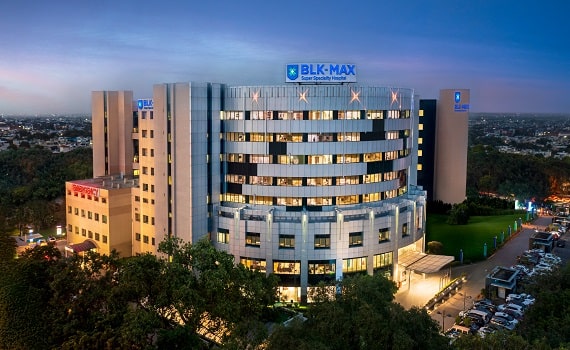
BLK-Max super ixtisoslashtirilgan kasalxonasi, Nyu-Dehli
Nyu-Dehlidagi BLK-Max Super Specialty Hospital 650 o'rinli yotoq, 22 ta ilg'or operasiya teatri va 13 ta mukammallik markazlarini taklif qiluvchi Hind...
Akkreditatsiya
Muvofiqliklar
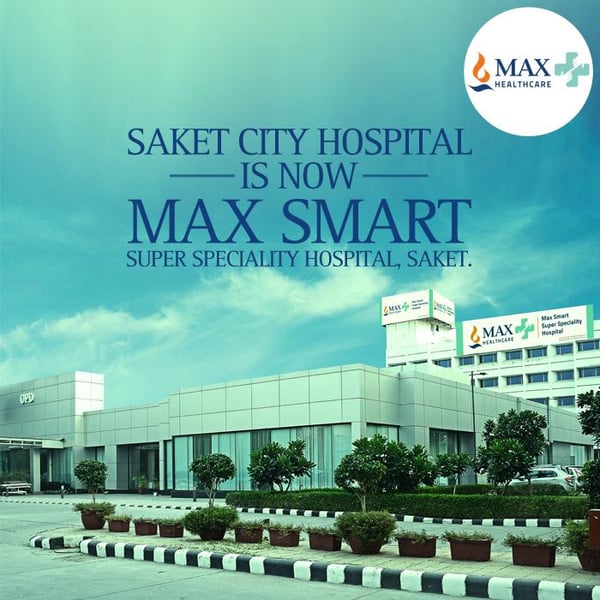
Max Smart Super maxsus kasalxonasi, Saket, Nyu-Dehli
Max Smart Super Specialty Hospital, Saket - Janubiy Dehlidagi 250 o'rinli uchinchi darajali shifoxona. U 22 dan ortiq mutaxassisliklar, jumladan, yura...
Akkreditatsiya
Muvofiqliklar
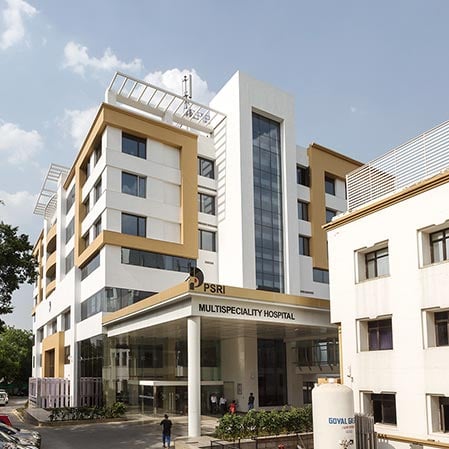
PSRI kasalxonasi, Dehli
Pushpawati Singhania tadqiqot instituti (PSRI kasalxonasi), Nyu-Dehli, 1996 yilda JK Group tomonidan tashkil etilgan etakchi ko'p ixtisoslashgan uchin...
Akkreditatsiya
Muvofiqliklar
Shunga o'xshash protseduralar
Elektron yurak stimulyatori implantatsiyasi jarrohligi yilda Hindiston
Galereya
TSS
Sharhlovchi
Hammasini ko'rish
Dr. Biswarup Purkayastha is a highly skilled cardiothoracic and vascular surgeon with extensive experience in heart and lung transplantation. He has worked across leading Indian hospitals, gaining s... Ko'proq o'qish

Bizning veb-saytimiz cookie-fayllardan foydalanadi. Maxfiylik siyosati.