
የአጥንት መቅኒ ሽግግር - BMT ወጪ በሕንድ
ስለ የአጥንት መቅኒ ሽግግር - BMT
የአጥንት መቅኒ ትራንስፕላንት ምንድን ነው?
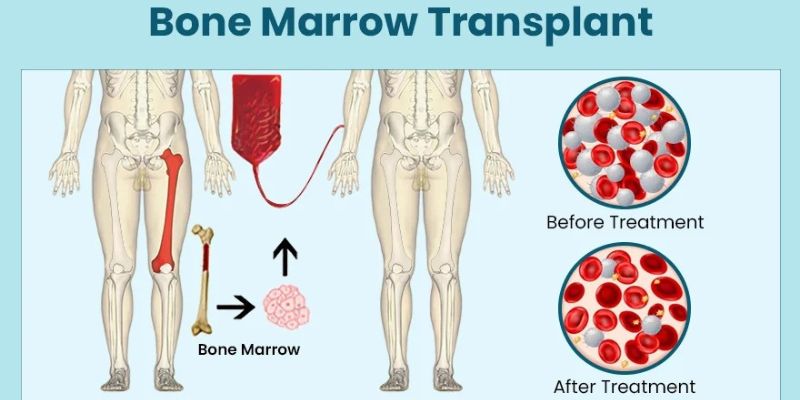
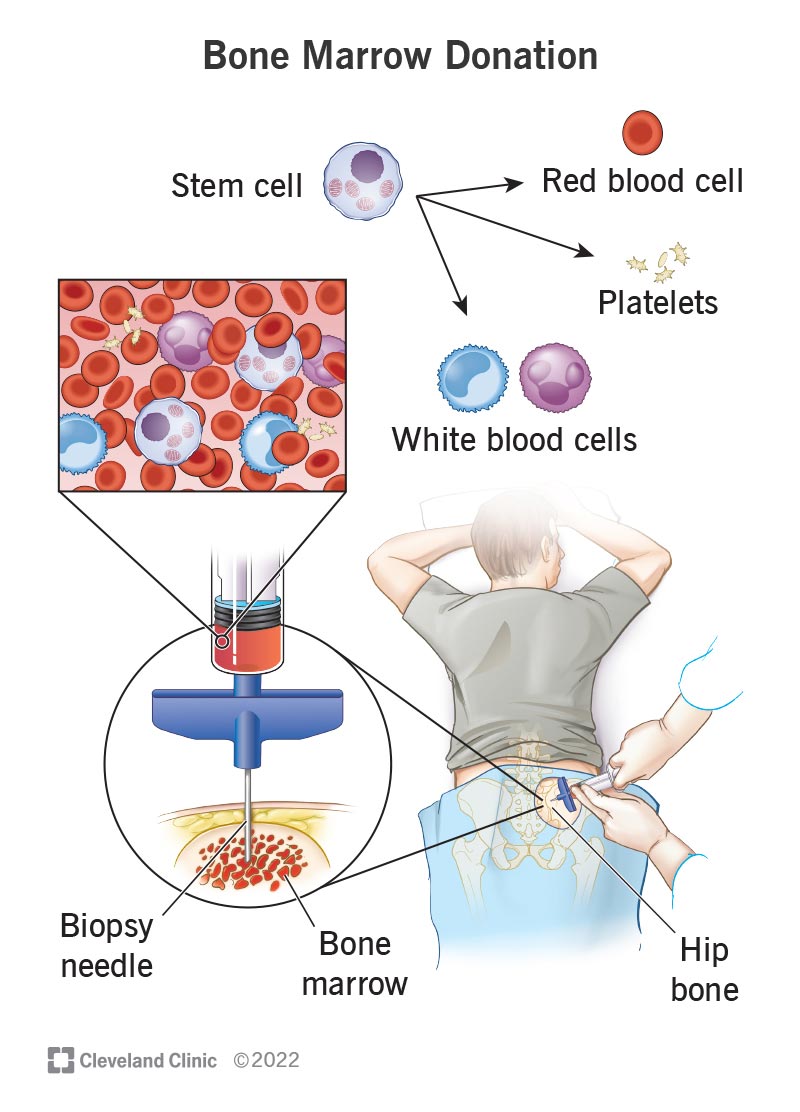
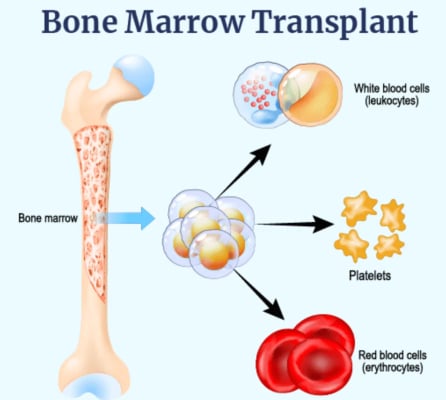
የአጥንት መቅኒ ንቅለ ተከላ፣ በአህጽሮት BMT፣ የሚተካ የሕክምና ሕክምና ነው።ጤናማ ያልሆነ ወይም የተጎዳ መቅኒጤናማ ደም ከሚፈጥሩ የሴል ሴሎች ጋር. መቅኒ በአጥንታችን ውስጥ የሚገኝ ለስላሳ እና ስፖንጅ ቲሹ ነው። እንደ ፋብሪካ ይሰራል፣ ቀይ የደም ሴሎችን፣ ነጭ የደም ሴሎችን እና ፕሌትሌትስ (የደም ወሳኝ ክፍሎችን) በማምረት ይሰራል።
የአጥንት መቅኒ በትክክል መሥራቱን ሲያቆም (እንደ የደም ካንሰር፣ የጄኔቲክ ሁኔታዎች ወይም አንዳንድ ኢንፌክሽኖች ባሉ በሽታዎች ምክንያት) ጤናማ የደም ሴሎችን መፍጠር አይችልም። ያኔ ነው የአጥንት መቅኒ ንቅለ ተከላ አስፈላጊ የሚሆነው።
እንዴት ነው የሚሰራው?
የመትከሉ ሂደት ያካትታልበመጀመሪያ ጤናማ ያልሆኑትን ወይም የካንሰር ሕዋሳትን ማስወገድበኬሞቴራፒ ወይም በጨረር በመጠቀም በአጥንት መቅኒ ውስጥ. ሰውነት ከተዘጋጀ በኋላ,ጤናማ የሴል ሴሎች ወደ ውስጥ ይገባሉወደ ደም ውስጥ. እነዚህ አዳዲስ ሴሎች ወደ መቅኒ ቦታዎች ይጓዛሉ እና ትኩስ ጤናማ የደም ሴሎችን መፍጠር ይጀምራሉ (ሂደቱ ይባላልማስጌጥ).
አስቡትየሰውነትዎን የደም መፍጫ ሥርዓት እንደገና ማስጀመርጥልቅ ስህተትን ለማስተካከል ኮምፒተርን እንደገና ከማስጀመር ጋር ተመሳሳይ ነው።
የስቴም ሴሎች በጣም አስፈላጊ የሆኑት ለምንድነው?
ስቴም ሴሎች ሰውነትዎ ወደሚያስፈልገው ማንኛውም የደም ሕዋስ ውስጥ ሊዳብሩ የሚችሉ ልዩ ሴሎች ናቸው። በ BMT ውስጥ፣ ጤናማ ደም እና በሽታ የመከላከል ስርዓትን እንደገና ለመገንባት እነዚህን የሴል ሴሎች እንጠቀማለን። በቂ የሥራ ሴል ሴሎች ከሌሉ ሰውነት ኢንፌክሽኖችን መዋጋት፣ ኦክስጅንን መሸከም ወይም የደም መፍሰስ ማቆም አይችልም።
እነዚህ ግንድ ሴሎች ከየት መጡ?
ለአጥንት መቅኒ ንቅለ ተከላ ጥቅም ላይ የሚውሉት ግንድ ሴሎች ከተለያዩ ምንጮች ሊመጡ ይችላሉ።
- የራስዎ አካል (ራስ-ሰር ሽግግር)በአንዳንድ ሁኔታዎች ከኬሞቴራፒ በፊት ስቴም ሴሎች ከደምዎ ይሰበሰባሉ እና ከህክምናው በኋላ ይመለሳሉ.
- ለጋሽ (allogeneic transplant):ለአንዳንድ በሽታዎች በጣም ጥሩው አማራጭ የሴል ሴሎችን ከጤናማ ለጋሽ መጠቀም ነው. ወንድም እህት፣ የማይዛመድ ለጋሽ ወይም ከፊል ተዛማጅ የቤተሰብ አባል ሊሆን ይችላል።
- እምብርት ደም;በተለየ ሁኔታ፣ ስቴም ሴሎች በተወለዱበት ጊዜ ከሚሰበሰበው ከለገሰ የደም ደም ሊመጡ ይችላሉ።
ማዛመድን አስፈላጊ የሚያደርገው ምንድን ነው?
በለጋሽ ላይ የተመሰረተ ትራንስፕላንት (allogeneic BMT)፣HLA ተዛማጅቁልፍ ነው። HLA፣ ወይም Human Leukocyte Antigen፣ ለጋሾችን እና ተቀባዮችን ለመተከል ዓላማዎች ለማዛመድ የሚያገለግል የዘረመል ምልክት ነው። መቀራረብ ማለት ያነሱ ውስብስቦች እና የተሻለ የስኬት እድል ነው።
የአጥንት መቅኒ ንቅለ ተከላ ለምን ያስፈልጋል?
የአጥንት መቅኒ ንቅለ ተከላ ሰዎች በየቀኑ የሚያስፈልጋቸው ነገር አይደለም። ብዙውን ጊዜ የአንድ ሰው መቅኒ ጤናማ የደም ሴሎችን መሥራት ሲያቅተው ወይም የደም ሴሎች እራሳቸው ያልተለመዱ ሲሆኑ የሚመከር ዋና ሕክምና ነው። በተወሰኑ ምክንያቶች ሊከሰት ይችላልየደም ነቀርሳዎች, የጄኔቲክ በሽታዎች ወይም የአጥንት መቅኒ ውድቀት.
BMT ህይወትን የሚያድን ወይም ህይወትን የሚቀይር በጣም የተለመዱ ሁኔታዎች ከታች አሉ።
- ሉኪሚያየደም ካንሰር አይነት ሲሆን መቅኒው ከቁጥጥር ውጭ የሆነ እና ጤናማ ሴሎችን የሚጨናነቅ ነጭ የደም ሴሎችን የሚያመርትበት ነው። የአጥንት መቅኒ ንቅለ ተከላ በካንሰር የተሞላውን መቅኒ በአዲስ ጤናማ የሴል ሴሎች በመተካት በሽተኛው እንዲያገግም እና ከካንሰር ነጻ ሆኖ እንዲቆይ ይረዳል።
- ሊምፎማየበሽታ መከላከል ስርዓት አካል የሆነውን የሊንፋቲክ ስርዓትን ይነካል. ኃይለኛ ወይም ያገረሸው የሊምፎማ ጉዳዮች፣ በተለይም ሆጅኪን እና ሆጅኪን ያልሆኑ ሊምፎማ፣ BMT ከከባድ የኬሞቴራፒ ሕክምና በኋላ የሰውነትን በሽታ የመከላከል ስርዓትን እንደገና ለመገንባት ይጠቅማል።
- ብዙ myelomaየፕላዝማ ሴሎችን የሚያጠቃ የካንሰር አይነት ነው። በብዙ ታካሚዎች ውስጥ በራስ-ሰር ትራንስፕላንት (የበሽተኛውን የራሱን ግንድ ሴሎች በመጠቀም) በሽታውን ለመቆጣጠር እና ህልውናውን ለማራዘም ይረዳል።
- አፕላስቲክ የደም ማነስመቅኒ በአጠቃላይ በቂ የደም ሴሎችን ማምረት የሚያቆምበት ሁኔታ ነው። የሰውነት በሽታ የመከላከል ስርዓት ቅልጥኑን በማጥቃት, አንዳንድ መድሃኒቶች ወይም ያልታወቁ ምክንያቶች ሊከሰት ይችላል. ለጋሽ ትራንስፕላንት (allogeneic BMT) የማይሰራውን መቅኒ በጤናማ ግንድ ሴሎች ሊተካ ይችላል።
- ታላሴሚያሰውነታችን መደበኛውን ሄሞግሎቢንን ማምረት የማይችልበት የጄኔቲክ የደም መታወክ ሲሆን ይህም ለከፍተኛ የደም ማነስ ችግር ይዳርጋል። ታላሴሚያ ያለባቸው ልጆች ብዙ ጊዜ መደበኛ ደም መውሰድ ያስፈልጋቸዋል. ለዚህ ሁኔታ በተለይም በትናንሽ ታካሚዎች ላይ ቢኤምቲ ብቸኛው የታወቀ ፈውስ ነው።
- የታመመ ሴል በሽታበዘር የሚተላለፍ በሽታ RBCs እንዲሳሳቱ (የማጭድ ቅርጽ) እንዲፈጠር ያደርጋል፣ በዚህም ምክንያት መዘጋት፣ ህመም እና የአካል ክፍሎች መጎዳት ያስከትላል። የተሳካ ቢኤምቲ ለታካሚው መደበኛ ቅርጽ ያላቸው ቀይ የደም ሴሎችን የሚያመርቱ አዳዲስ ሴል ሴሎችን በመስጠት የታመመውን ሕዋስ በሽታ ማዳን ይችላል።
- አልፎ አልፎ በዘር የሚተላለፉ ሁኔታዎች(እንደ ፋንኮኒ አኒሚያ፣ SCID (ከባድ የተቀናጀ የበሽታ መከላከያ እጥረት)፣ እና አንዳንድ የሜታቦሊክ ወይም የበሽታ መከላከል ስርዓት መዛባቶች) በተለይም በህይወት መጀመርያ ላይ ከተደረገ መቅኒ ንቅለ ተከላ አማካኝነት ሊታከሙ ወይም ሊታከሙ ይችላሉ።
የተለያዩ የአጥንት መቅኒ ትራንስፕላንት ዓይነቶች ምንድ ናቸው?
ዶክተሮች በታካሚው በሽታ, ዕድሜ, አጠቃላይ ጤና እና ተስማሚ ለጋሽ መገኘት ላይ በመመርኮዝ የአጥንት ቅልጥምንም ዓይነት ይመርጣሉ. እያንዳንዱ ዓይነት ጤናማ የሴል ሴሎችን ይጠቀማል, ነገር ግን ምንጫቸው ሊለያይ ይችላል.
አውቶሎጂካል የአጥንት መቅኒ ሽግግር
በአውቶሎጅ ትራንስፕላንት ዶክተሮች ከፍተኛ መጠን ያለው ኬሞቴራፒ ወይም ጨረራ ከመጀመራቸው በፊት የታካሚውን ግንድ ሴሎች ይሰበስባሉ እና ይጠብቃሉ። ህክምናው ካለቀ በኋላ ሰውነታቸውን እንዲያገግሙ እንዲረዳቸው የሴል ሴሎችን እንደገና ይሞላሉ. Autologous BMT በተለምዶ እንደ ሊምፎማ እና ብዙ ማይሎማ ላሉ ካንሰሮች ጥቅም ላይ ይውላል፣ በሽተኛው የራሱ አጥንት ጤናማ እና አዋጭ ሆኖ ይቆያል።
- ቁልፍ ጥቅም፡የታካሚው አካል ግንድ ሴሎች ከአንድ ሰው የመጡ በመሆናቸው ውድቅ የማድረግ ዕድላቸው አነስተኛ ነው።
- ገደብ፡ማንኛቸውም የካንሰር ህዋሶች በተሰበሰቡት ግንድ ህዋሶች ውስጥ ቢቀሩ፣ ሊያገረሽ ይችላል።
Alogeneic Bone Marrow Transplant
አንድ allogeneic transplant ከሌላ ሰው፣ ብዙውን ጊዜ ወንድም ወይም እህት፣ ዘመድ ወይም ተዛማጅነት የሌለው ተዛማጅ ለጋሽ ሴል ሴሎችን ይጠቀማል። Alogeneic BMT የጄኔቲክ በሽታዎችን፣ ሉኪሚያን እና የአጥንት መቅኒ ሽንፈትን ሲንድረም ለማከም አስፈላጊ ነው። አዲሶቹ ግንድ ሴሎች ጤናማ የደም ስርዓት ይፈጥራሉ እና የተቀሩትን የካንሰር ህዋሶችም ሊያጠቁ ይችላሉ።
- ቁልፍ ጥቅም፡ለጋሽ ግንድ ሴሎች የተበላሸውን የበሽታ መከላከያ ስርዓት ሙሉ በሙሉ በመተካት ካንሰርን በተሻለ ሁኔታ ማስወገድ ይችላሉ.
- ገደብ፡ሰውነቱ አዲሶቹን ህዋሶች ውድቅ ሊያደርግ ወይም የግራፍ-ቨርስ-ሆስት በሽታ (GVHD) ሊያድግ ይችላል፣ ይህም ለጋሽ ሴሎች የተቀባዩን ሕብረ ሕዋስ ያጠቃሉ።
ሃፕሎይዲካል የአጥንት መቅኒ ሽግግር
ፍጹም ለጋሽ ግጥሚያ በማይገኝበት ጊዜ፣ ዶክተሮች ሃፕሎይዲካል ትራንስፕላንት ያስባሉ። በሃፕሎይድቲካል BMT፣ ለጋሹ ከዘረመል ምልክቶች ግማሹን ብቻ ይጋራል (ብዙውን ጊዜ ወላጅ፣ ወንድም ወይም እህት ወይም ልጅ)። አዳዲስ ቴክኒኮች እና መድሃኒቶች አሁን ይህንን አማራጭ የበለጠ ደህንነቱ የተጠበቀ እና የበለጠ ውጤታማ ያደርጉታል።
- ቁልፍ ጥቅም፡ምንም እንኳን ግጥሚያው ፍጹም ባይሆንም ተስማሚ ለጋሽ በቤተሰብ ውስጥ ለማግኘት ቀላል ነው።
- ገደብ፡ምንም እንኳን ዘመናዊ የሕክምና እንክብካቤ ይህንን ሊቀንስ ቢችልም እንደ GVHD ያሉ ውስብስቦች አደጋ ከፍተኛ ሊሆን ይችላል.
እምብርት የደም ዝውውር
ዶክተሮች አዲስ ከተወለደው እምብርት እና የእንግዴ እፅዋት የተሰበሰቡ ስቴም ሴሎችንም መጠቀም ይችላሉ። እነዚህ ግንድ ሴሎች በገመድ ደም ባንኮች ውስጥ ይከማቻሉ እና ፍጹም ተዛማጅ አያስፈልጋቸውም ምክንያቱም እነሱ በጣም የሚለምዱ ናቸው።
- ቁልፍ ጥቅም፡የገመድ ደም ንቅለ ተከላዎች ከለጋሽ ማዛመድ ጋር የበለጠ ተለዋዋጭነትን ይሰጣሉ።
- ገደብ፡በአንድ ገመድ የደም ክፍል ውስጥ ያሉት የሴል ሴሎች ቁጥር ለአዋቂዎች በቂ ላይሆን ይችላል, በዚህም ምክንያት ረዘም ያለ የማገገሚያ ጊዜ.
ደረጃ በደረጃ የአጥንት መቅኒ የመትከል ሂደት
እያንዳንዱን የአጥንት መቅኒ ንቅለ ተከላ ሂደትን መረዳቱ ህመምተኞች እና ቤተሰቦቻቸው በስሜትም ሆነ በአካል በተሻለ ሁኔታ እንዲዘጋጁ ይረዳቸዋል። ከመጀመሪያው ምክክር እስከ የማገገሚያ ምዕራፍ ምን እንደሚከሰት ግልጽ የሆነ አጠቃላይ እይታ ይኸውና.
የቅድመ-ትራንስፕላንት ግምገማ እና እቅድ
ዶክተሮች ሙሉ የሕክምና ግምገማ ይጀምራሉ. የደም ምርመራዎችን፣ የምስል ቅኝቶችን፣ የልብ እና የሳንባ ተግባራትን እና የአጥንት መቅኒ ባዮፕሲን ያካትታል። በሽተኛው ለመተከል ተስማሚ መሆኑን ይገመግማሉ እና በጣም ተስማሚ የሆነውን ዓይነት ይወስናሉ. ታካሚዎች የአሰራር ሂደቱን፣ ሊከሰቱ የሚችሉ የጎንዮሽ ጉዳቶችን እና የሕክምናውን ስሜታዊ ተፅእኖ ለመረዳት ከትግላ አስተባባሪዎች፣ ከአመጋገብ ባለሙያዎች እና ከሳይኮሎጂስቶች ጋር ይገናኛሉ።
የስቴም ሴል ስብስብ
ንቅለ ተከላው በራስ-ሰር ከሆነ፣ ዶክተሮች የታካሚውን ግንድ ሴሎች አፌሬሲስ የተባለውን ሂደት በመጠቀም ይሰበስባሉ። ሕመምተኛው የስቴም ሴሎችን ምርት ለማነቃቃት በጥቂት ቀናት ውስጥ መርፌዎችን ይቀበላል. ዶክተሮች ደም ቀድተው ስቴም ሴሎችን በሚለየው ማሽን ውስጥ ያስተላልፉትና ወደ ሰውነት ይመለሳሉ. ለአሎጄኒክ ቢኤምቲ፣ የሴል ሴሎች የሚሰበሰቡት ከተዛማጅ ለጋሹ ተመሳሳይ ዘዴ ነው። በአማራጭ፣ የአጥንት መቅኒ ከለጋሽ ሂፕ አጥንት በማደንዘዣ ስር በቀጥታ ሊወጣ ይችላል።
ኮንዲሽነሪንግ ሕክምና (ኬሞቴራፒ/ጨረር)
የሴል ሴሎች ከተሰበሰቡ በኋላ ታካሚው ከፍተኛ መጠን ያለው የኬሞቴራፒ ሕክምናን ይቀበላል, አንዳንዴም ከጨረር ጋር ይጣመራል. የኮንዲሽኑ ደረጃ የካንሰር ሕዋሳትን ያስወግዳል እና የሰውነትን በሽታ የመከላከል ስርዓትን በመጨፍለቅ አዲሶቹ የሴል ሴሎች እንዲረጋጉ ያስችላቸዋል. ይህ ደረጃ ኃይለኛ ቢሆንም, የተበላሹ ወይም የታመሙ ሴሎችን በማጽዳት ረገድ ቁልፍ ሚና ይጫወታል.
የንቅለ ተከላ ቀን (የስቴም ሴሎችን ማፍሰስ)
ህክምና ከተደረገ በኋላ ዶክተሮች ጤናማውን የሴል ሴሎች በደም ወሳጅ (IV) መስመር ውስጥ ያስገባሉ. ሂደቱ ከደም መውሰድ ጋር ተመሳሳይ ነው. ይህ "ቀን 0" በመባል ይታወቃል. በተለምዶ ጥቂት ሰዓታትን የሚወስድ ቀላል፣ ህመም የሌለው ሂደት ነው። አዲሶቹ ግንድ ሴሎች በደም ስርጭታቸው በኩል ወደ አጥንት መቅኒ ይሄዳሉ፣ እነዚህ ሴሎች ጤናማ የደም ሴሎችን ማምረት ይጀምራሉ።
ቀረጻ እና ክትትል
ኢንግራፍቲንግ (Engraftment) የተተከሉ ስቴም ሴሎች አዲስ የደም ሴሎችን ማምረት የሚጀምሩበት ሂደት ነው። ብዙውን ጊዜ ከ10 እስከ 28 ቀናት ይወስዳል። በዚህ ጊዜ ውስጥ, በሽተኛው የኢንፌክሽን ስጋትን ለመቀነስ በንፁህ ንቅለ ተከላ ክፍል ውስጥ ይቆያል. የደም ብዛት በየቀኑ ቁጥጥር ይደረግበታል, እና የጎንዮሽ ጉዳቶችን ለመቆጣጠር ድጋፍ ሰጪ እንክብካቤ (አንቲባዮቲክስ, ፀረ-ፈንገስ, ፈሳሽ, አመጋገብ) ይሰጣል.
መልሶ ማግኘት እና ክትትል
ከተሳካ በኋላ, ታካሚዎች ቀስ በቀስ ይለቀቃሉ. ነገር ግን፣ የክትትል ጉብኝቶች ለሚቀጥሉት ከ6 እስከ 12 ወራት አስፈላጊ እንደሆኑ ይቆያሉ። ዶክተሮች የአካል ክፍሎችን ተግባር፣ የደም ብዛትን፣ የሰውነትን በሽታ የመከላከል አቅምን ማዳን እና እንደ ኢንፌክሽኖች ወይም የግራፍ-ተቃራኒ-ሆስት በሽታ (GVHD) ያሉ ችግሮችን ይቆጣጠራሉ። ታካሚዎች የበሽታ መከላከያ መልሶ ማቋቋምን ለመደገፍ ክትባቶችን እና መድሃኒቶችን ይቀበላሉ.
ነፃ የሕክምና ዕቅድ ያግኙ
በ ሕንድ ውስጥ ስለ የአጥንት መቅኒ ሽግግር - BMT
What is the Cost of a Bone Marrow Transplant in India?
The bone marrow transplant cost in India ranges from ₹18,00,000 to ₹35,00,000 (approximately $21,600 to $42,000). The pricing depends on the type of transplant (autologous or allogeneic), the hospital's location, the patient's medical condition, and whether a donor is involved.
India offers a complete transplant package at an affordable rate without compromising on quality or safety. Many top-tier hospitals in India are internationally accredited and led by highly experienced hematologists and transplant surgeons. These centers utilize cutting-edge technology and adhere to global treatment protocols, making India a preferred destination for patients worldwide.
What's Included in the Cost?
The quoted bone marrow transplant cost in India usually includes:
- Doctor's consultation and surgeon's fee
- Hospital stay and nursing charges
- ICU and isolation room charges
- Pre-transplant investigations and diagnostics
- Cost of chemotherapy or radiation (conditioning therapy)
- Donor screening and matching (for allogeneic transplant)
- Bone marrow harvesting procedure
- Stem cell infusion procedure
- Medications during hospitalization
- Post-transplant monitoring during stay
- Short-term follow-up consultations
However, extended hospital stays, additional infections, or unexpected complications may increase the total cost. Long-term follow-up medications and outpatient visits after discharge are typically billed separately, unless they are part of a bundled package.
Cost Breakdown of Bone Marrow Transplant in India
The cost of a bone marrow transplant procedure in India depends on several critical components, including the type of transplant, pre-transplant evaluation, donor matching, ICU care, hospital stay, medications, and follow-up treatment.
- Pre-Transplant Evaluation Cost: Before the transplant is scheduled, doctors conduct several tests, including complete blood counts, bone marrow biopsies, imaging (such as CT/PET scans), cardiac evaluations, and specialist consultations. The pre-transplant diagnostic workup costs between ₹75,000 and ₹1,50,000 ($900 to $1,800).
- Donor Matching and HLA Typing Cost: For allogeneic and haploidentical transplants, finding a compatible donor is crucial. It involves high-resolution HLA typing. The cost of HLA typing and donor screening ranges from ₹60,000 to ₹1,20,000 ($720 to $1,450).
- Bone Marrow Transplant Surgery Cost: The transplant procedure itself involves the conditioning regimen (chemotherapy or radiation), stem cell infusion, and several weeks of intensive care. It is the most expensive part of the treatment. The surgery cost varies by type:
- Autologous transplant (using patient's own stem cells): ₹12 lakhs to ₹15 lakhs ($14,500 to $18,000)
- Allogeneic transplant (matched donor): ₹18 lakhs to ₹25 lakhs ($21,600 to $30,000)
- Haploidentical transplant (half-matched donor): ₹28 lakhs to ₹40 lakhs ($35,000 to $48,000)
- ICU Charges and Hospital Stay: Patients undergoing bone marrow transplant typically require a sterile, high-grade isolation unit, and many spend time in the ICU if complications arise. ICU care and hospital stay combined usually cost between ₹2,00,000 and ₹4,00,000 ($2,400 to $4,800).
- Immunosuppressive Medications and Supportive Drugs: After the transplant, patients need immunosuppressants to prevent graft-versus-host disease (GVHD). Antifungal, antiviral, and antibiotic medications are also necessary. Initial medication costs range between ₹1,00,000 and ₹2,50,000 ($1,200 to $3,000).
- Follow-up Consultations and Monitoring: Following discharge, patients undergo routine blood tests, imaging, and clinical reviews to monitor their recovery and progress. The cost of follow-up care in the first three months is usually between ₹50,000 and ₹1,00,000 ($600 to $1,200).
Expense Component | Cost in INR | Cost in USD |
| Pre-Transplant Diagnostics | ₹75,000 – ₹1,50,000 | $900 – $1,800 |
| HLA Typing and Donor Matching | ₹60,000 – ₹1,20,000 | $720 – $1,450 |
| Autologous BMT | ₹12,00,000 – ₹15,00,000 | $14,500 – $18,000 |
| Allogeneic BMT | ₹18,00,000 – ₹25,00,000 | $21,600 – $30,000 |
| ICU & Isolation Ward | ₹2,00,000 – ₹4,00,000 | $2,400 – $4,800 |
| Post-Transplant Medications | ₹1,00,000 – ₹2,50,000 | $1,200 – $3,000 |
| Follow-up Care | ₹50,000 – ₹1,00,000 | $600 – $1,200 |
- Total Estimated Cost of Autologous BMT in India: ₹18,00,000 – ₹25,00,000 ($21,600 – $30,000)
- Total Estimated Cost of Allogeneic BMT in India: ₹25,00,000 – ₹35,00,000 ($30,000 – $42,000)
Cost Comparison: Bone Marrow Transplant in India vs Other Countries
Bone marrow transplant in India offers world-class care at lower costs compared to countries such as the United Kingdom, Canada, Australia, and Singapore. Overseas patients often choose India because they receive expert treatment at one-third or even one-fifth of the price charged elsewhere, without compromising on quality or safety.
Below is a detailed comparison of BMT costs by type and country.
Autologous Bone Marrow Transplant Cost Comparison:
Country | Cost (in USD) |
| India | $21,600 – $30,000 |
| USA | $100,000 – $150,000 |
| UK | $80,000 – $120,000 |
| Canada | $90,000 – $130,000 |
| Australia | $85,000 – $120,000 |
| Singapore | $60,000 – $90,000 |
| Turkey | $35,000 – $50,000 |
| Thailand | $25,000 – $35,000 |
Allogeneic Bone Marrow Transplant Cost Comparison:
Country | Cost (in USD) |
| India | $30,000 – $42,000 |
| USA | $200,000 – $350,000 |
| UK | $150,000 – $250,000 |
| Canada | $180,000 – $300,000 |
| Australia | $160,000 – $280,000 |
| Singapore | $100,000 – $180,000 |
| Turkey | $60,000 – $90,000 |
| Thailand | $40,000 – $60,000 |
Why India Is a More Affordable Option
India significantly reduces the financial burden of bone marrow transplant through:
- Lower medical costs without compromising international standards.
- Efficient use of local donor registries reduces delays and expenses in donor matching.
- Inclusive transplant packages that cover diagnostics, isolation wards, ICU charges, medications, and post-discharge care.
- Availability of experienced specialists at top hospitals, such as Fortis Memorial Research Institute, which provides care comparable to that in Western countries.
Patients not only save over 60–80% of the total treatment cost but also benefit from faster scheduling, shorter waiting times, and personalized care.
What Factors Affect Bone Marrow Transplant Cost in India?
While India offers some of the most affordable bone marrow transplant packages globally, several key elements can influence the final treatment cost.
- Type of Bone Marrow Transplant Performed: Autologous transplants (using the patient's own stem cells) are generally less expensive than allogeneic transplants, which require a donor and complex matching procedures. Haploidentical and unrelated donor transplants cost even more due to added testing and logistics.
- Donor Availability and HLA Matching: If a matched sibling donor is available, the cost reduces significantly. However, finding unrelated or haploidentical donors may involve registries, HLA typing, and couriering of stem cells, which adds to the total cost.
- Hospital Infrastructure and Location: Premium hospitals in metropolitan cities, such as Delhi, Mumbai, or Bangalore, often charge more than smaller hospitals. Costs may vary based on room category, ICU setup, and the availability of dedicated BMT units with HEPA filtration.
- Diagnostic and Pre-Transplant Evaluations: Patients undergo extensive testing before transplant, including imaging, cardiac screening, viral markers, and organ function tests. These evaluations can increase the upfront cost.
- Complications and ICU Stay Duration: Some patients may require extended ICU support due to infections, graft-versus-host disease (GVHD), or organ failure. Longer stays and intensive care can significantly increase treatment costs.
- Length of Hospitalization and Isolation Care: Bone marrow transplant patients usually remain in protective isolation for 3–4 weeks. If complications arise, the hospitalization period may extend, resulting in increased room, nursing, and supportive care charges.
- Post-Transplant Medications and Supportive Care: Patients often require immunosuppressants, antibiotics, antivirals, and nutritional supplements after discharge from the hospital. The duration and type of medication have a significant impact on the overall cost, especially in allogeneic BMT.
- Follow-up Consultations and Remote Monitoring: Ongoing follow-ups for 3 to 6 months post-discharge are crucial for monitoring recovery and managing complications. These include doctor visits, blood tests, and teleconsultations, which add to the overall budget.
Why Choose India for Bone Marrow Transplant?
India is a global hub for bone marrow transplants due to its blend of advanced medical infrastructure, experienced specialists, and cost-effective care. For international patients seeking high success rates and compassionate treatment without the financial burden, India offers an unmatched combination of quality and affordability.
- World-Class Hospitals with International Accreditation: India is home to globally recognized hospitals, including Fortis Memorial Research Institute, Amrita Hospital, and Max Super Specialty Hospital, which are JCI and NABH accredited. These facilities offer advanced isolation units, HEPA filters, and the latest transplant technologies.
- Expert Hematologists and Transplant Specialists: India boasts some of the world's top BMT doctors, renowned for their expertise in complex cases. These specialists have been trained in the US, UK, and Europe and follow globally accepted protocols.
- Affordable Treatment Packages: Bone marrow transplant in India costs up to 80% less than in Western countries. Hospitals offer transparent, all-inclusive packages that cover everything from diagnosis to post-discharge care.
- Shorter Waiting Times: Unlike the long queues seen in the US or Canada, Indian hospitals are known for faster transplant scheduling. It helps patients receive timely care and increases the chances of recovery.
- Comprehensive Donor Support: India has a growing network of donor registries and advanced HLA-matching labs. These facilities streamline donor identification for allogeneic transplants, reducing delays and costs.
- Seamless Medical Tourism Support: From visa assistance to airport pickup, international help desks at top hospitals ensure a stress-free experience. Multilingual staff and patient coordinators ensure a smooth and culturally sensitive process.
- Excellent Post-Transplant Care and Follow-ups: India offers robust follow-up systems with outpatient support, remote consultations, and easy access to medications. It ensures continuity of care even after patients return home.
What is the Success Rate of Bone Marrow Transplant in India?
India has made significant advancements in hematology and transplant medicine, achieving success rates comparable to top global centers. The outcome depends on factors such as the type of disease, patient age, type of transplant, and the hospital's expertise.
- Autologous Transplant Success Rate: Autologous bone marrow transplants have a higher success rate because there's no risk of graft rejection or GVHD. In India, the success rate typically ranges between 85% and 90%, especially for multiple myeloma and certain types of lymphoma.
- Allogeneic Transplant Success Rate: Allogeneic transplants carry more risks but offer a potential cure for conditions like leukemia, aplastic anemia, and thalassemia. Success rates in India average 65% to 80%, depending on HLA matching, donor type, and the presence of pre-existing infections.
- Matched Sibling Transplant Outcomes: Matched sibling donor transplants exhibit excellent outcomes, with success rates reaching up to 85%, particularly when performed in early disease stages and at specialized centers equipped with isolation facilities.
- Haploidentical and Unrelated Donor Transplants: Due to their increased complexity and higher complication risk, the success rates for haploidentical and unrelated donor transplants range from 50% to 70%. However, Indian hospitals are steadily improving these numbers with the introduction of newer protocols.
Recovery Timeline After Bone Marrow Transplant in India
Recovery from BMT is gradual and varies for each patient. However, most international patients complete the critical phases within a few months under close medical supervision.
- Initial Recovery (First 30 Days): The first month is crucial. Patients remain in isolation to prevent infections while their new marrow begins producing healthy cells. Blood counts are closely monitored, and doctors manage side effects like mucositis or neutropenia.
- Days 30 to 100: Immune Rebuilding Phase: By day 100, most patients exhibit improved blood counts. However, immunity remains weak. Doctors schedule weekly or bi-weekly visits, and patients continue taking immunosuppressants and antifungal/antiviral drugs.
- 3 to 6 Months Post-Transplant: Gradual Strength Gain: Energy levels begin to improve. Most patients return to their basic routines. Children may return to school, and adults can resume non-strenuous work. Regular check-ups ensure early detection of GVHD or infections.
- 6 to 12 Months Post-Transplant: The immune system recovers significantly by the end of the first year. Vaccinations are reintroduced, and long-term medications are tapered. Most patients return to their everyday lives with only minor restrictions.
- Beyond 1 Year: Long-Term Monitoring: Doctors continue to monitor for late complications like chronic GVHD or relapse. Annual reviews, lifestyle adjustments, and periodic bone marrow biopsies are essential for ensuring long-term success and stability.
የአጥንት መቅኒ ሽግግር - BMT ወጪ ማነፃፀሪያ በአገር
ስለ ሕክምናዎ መረጃ አሳማኝ ውሳኔ ለማድረግ የአጥንት መቅኒ ሽግግር - BMT ወጪዎችን በተለያዩ አገሮች ያወዳድሩ።
| ሀገር | የዋጋ ክልል (USD) | ሊሆኑ የሚችሉ ቁጠባዎች | እርምጃ |
|---|---|---|---|
ሕንድየአሁኑምርጥ እሴት | $21,600 - $42,000 | — | ጥቅስ ያግኙ |
ማስታወሻ ወጭዎች በሆስፒታሉ ምርጫ, በክፍል ትይዩ, ተጨማሪ አገልግሎቶች እና በግለሰቦች የህክምና መስፈርቶች ላይ በመመርኮዝ ሊለያዩ ይችላሉ.
በ ሕንድ ውስጥ ለ የአጥንት መቅኒ ሽግግር - BMT መሪ ሆስፒታሎች
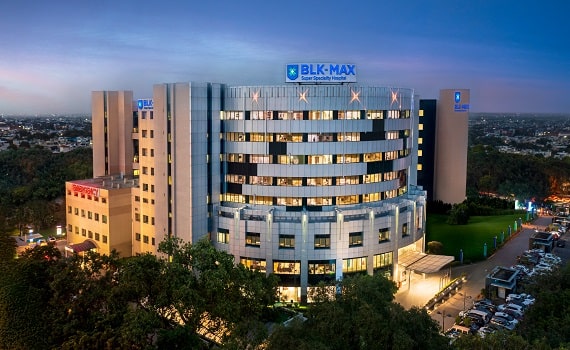
BLK-ማክስ ሱፐር ስፔሻሊቲ ሆስፒታል፣ ኒው ዴሊ
በኒው ዴሊ የሚገኘው BLK-Max Super Specialty ሆስፒታል 650 አልጋዎች፣ 22 የላቁ የኦፕሬሽን ቲያትሮች እና 13 የልህቀት ማእከላት በማቅረብ ከህንድ የመጀመሪያ የጤና እንክብካቤ ተቋማት አንዱ ነው። በአለም አቀፍ ደረጃ በካን...
መድኃኒቶች


መገልገያዎች
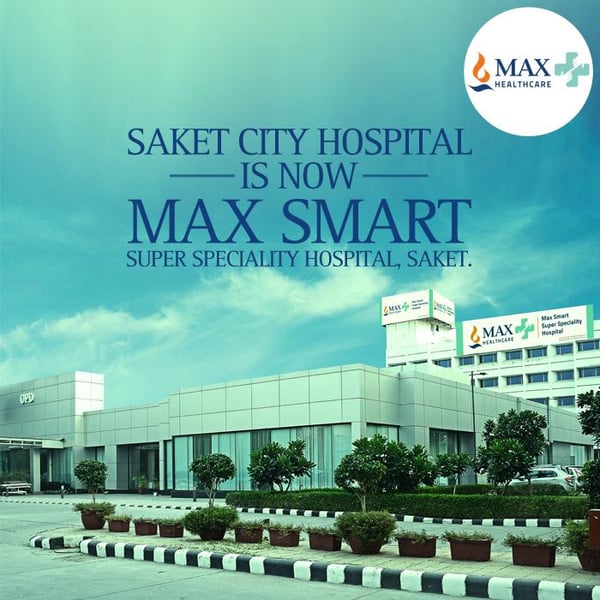
ማክስ ስማርት ሱፐር ስፔሻሊቲ ሆስፒታል፣ ሳኬት፣ ኒው ዴሊ
ማክስ ስማርት ሱፐር ስፔሻሊቲ ሆስፒታል፣ ሳኬት፣ በደቡብ ዴልሂ ውስጥ ባለ 250 አልጋ ከፍተኛ እንክብካቤ ሆስፒታል ነው። የልብ ሳይንስን፣ ኦንኮሎጂን፣ ኦርቶፔዲክስን እና የኩላሊት ንቅለ ተከላዎችን ጨምሮ በ22+ ስፔሻሊስቶች የላቀ የህክም...
መድኃኒቶች
መገልገያዎች
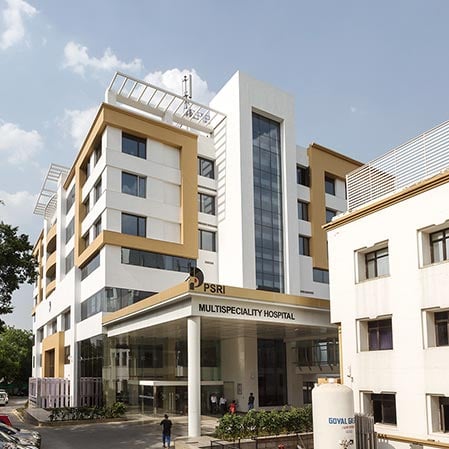
PSRI ሆስፒታል ፣ ዴሊ
ፑሽፓዋቲ ሲንጋኒያ የምርምር ኢንስቲትዩት (PSRI ሆስፒታል)፣ ኒው ዴሊ፣ በ1996 በJK ቡድን የተቋቋመ ግንባር ቀደም የብዝሃ-ልዩ ከፍተኛ እንክብካቤ ሆስፒታል ነው። በኩላሊት ንቅለ ተከላ፣ በጨጓራ ኢንተሮሎጂ፣ በሄፕቶሎጂ፣ በልብ ሳይንሶ...
መድኃኒቶች
መገልገያዎች
ተመሳሳይ ቅደም ተከተሎች
ጋለሪ
ተዘውትረው የሚጠየቁ ጥያቄዎች
ገምጋሚ
ሁሉንም ይመልከቱ
ሊቀመንበር እና ከፍተኛ አማካሪ - የጉበት ትራንስፕላንት
ዶ/ር ቪቬክ ቪጅ በመስክ ከ15 ዓመታት በላይ ልምድ ያለው ፈር ቀዳጅ የጉበት ንቅለ ተከላ ቀዶ ሐኪም ነው። በፎርቲስ ሆስፒታሎች የጉበት ትራንስፕላንቴሽን እና ሄፓቶቢሊሪ ሳይንሶች ሊቀ መንበር እንደመሆኖ፣ ህያው ለጋሽ ጉበት ንቅለ ተከላ ቴክኒኮችን በማዘጋጀት እና የደህንነት ፕሮቶኮሎችን ደረጃ በማውጣት 100% የለጋሾ... ተጨማሪ ያንብቡ

ድር ጣቢያችን ኩኪዎችን ይጠቀማል. የግላዊነት ፖሊሲ.