
የእጅ ትራንስፕላንት ወጪ በሕንድ
ስለ የእጅ ትራንስፕላንት
የእጅ ትራንስፕላንት ምንድን ነው?
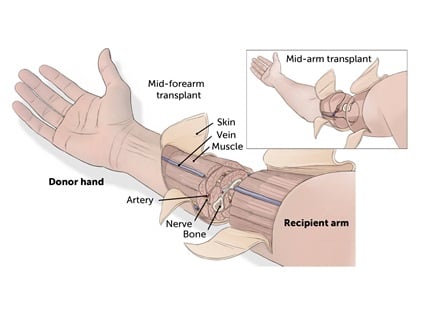
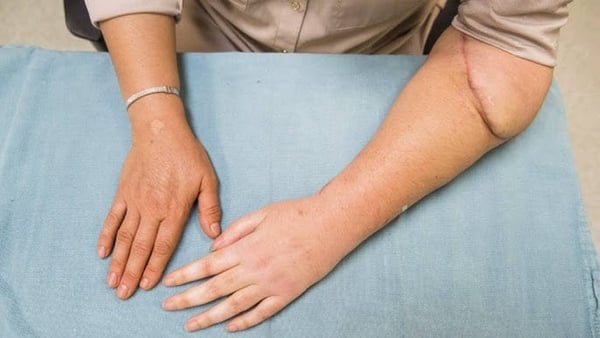
ሀየእጅ ትራንስፕላንትበጣም ልዩ የሆነ የቀዶ ጥገና ሂደት ሲሆን ሀለጋሽ እጅ ወይም ክንድበአሰቃቂ ሁኔታ ፣ በቃጠሎ ፣ በኢንፌክሽን ወይም በተፈጥሮ የአካል ጉዳተኞች እጁን ካጣ ሰው ጋር በቀዶ ሕክምና ተያይዟል። እንደ ፕሮስቴትስ ሳይሆን፣ ይህ አሰራር ከተፈጥሮ እጅ ጋር በቅርበት፣ በተንቀሳቃሽነት እና በመታየት እውነተኛ፣ ተግባራዊ የሆኑ እግሮችን መልሶ የማግኘት እድል ይሰጣል።
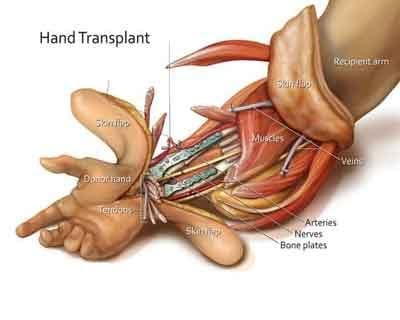
ቀዶ ጥገናው የሚከተሉትን ያጠቃልላልየአጥንት፣ የደም ቧንቧዎች፣ ደም መላሽ ቧንቧዎች፣ ጅማቶች፣ ጡንቻዎች እና ነርቮች በትክክል መገናኘትማይክሮ ቀዶ ጥገና ዘዴዎችን በመጠቀም. በጊዜ ሂደት, በተገቢው ተሀድሶ, ታካሚዎች ጠቃሚ ተግባራትን ወደነበሩበት መመለስ ይችላሉ-እንደ መያዝ, ስሜት እና መንቀሳቀስ.
ይሁን እንጂ ይህ ቀዶ ጥገና ብቻ እንዳልሆነ ልብ ሊባል ይገባል. የእጅ ንቅለ ተከላ የህይወት ዘመን ቁርጠኝነት ነው። ትራንስፕላንት ታካሚዎች ይወስዳሉየበሽታ መከላከያ መድሃኒቶችአዲሱን እጅ አለመቀበልን ለማስወገድ እና የረጅም ጊዜ የፊዚዮቴራፒ እና የስነ-ልቦና ድጋፍን በዕለት ተዕለት ሕይወት ውስጥ ተግባራዊ ውህደትን ለማረጋገጥ.
ለእጅ ንቅለ ተከላ ለጋሽ ማን ሊሆን ይችላል?
የእጅ ንቅለ ተከላ አእምሮው እንደሞተ የተነገረለት እና ቤተሰቡ ለእጅ አካል ለመለገስ በመረጃ የተደገፈ ፈቃድ የሰጠ ለጋሽ ያስፈልገዋል። ከውስጣዊ አካላት በተለየ መልኩ እጆች ውጫዊ እና የሚታዩ ናቸው, ይህም የልገሳ ሂደቱን የበለጠ ጥንቃቄ የተሞላበት ያደርገዋል. ሁለቱንም የሕክምና እና የመዋቢያዎች ተኳሃኝነት በጥንቃቄ መመርመርን ይጠይቃል.
ለጋሾች ምርጫ በጣም ጥሩውን ተዛማጅነት ለማረጋገጥ በጥብቅ መስፈርቶች ላይ የተመሠረተ ነው። እነዚህም የሚከተሉትን ያካትታሉ:
- የደም ቡድን ተኳሃኝነት
- የቲሹ ማዛመድ (HLA ትየባ)
- ተመሳሳይ የቆዳ ቀለም፣ የእጅ እግር መጠን እና መገንባት
- ከተቻለ የዕድሜ እና የጾታ አሰላለፍ
አንድ ተስማሚ ለጋሽ ከታወቀ በኋላ፣ እጅ ወይም ክንድ በቀዶ ጥገና ከትክክለኛነት ተነስቶ ወሳኝ የሆኑ መዋቅሮችን ለመጠበቅነርቮች, ደም ወሳጅ ቧንቧዎች, ደም መላሽ ቧንቧዎች, ጡንቻዎች, ጅማቶች እና አጥንቶች. ጊዜ ወሳኝ ነው። የሕብረ ሕዋሳትን ህያውነት ለማረጋገጥ እና የችግሮች ስጋትን ለመቀነስ የተወሰደው አካል በተወሰነ መስኮት ውስጥ መተካት አለበት።
ሂደቱ በኦፊሴላዊ የአካል ልገሳ አውታሮች የተቀናጀ ነው, እና የስነምግባር ፕሮቶኮሎች በጥብቅ ይከተላሉ. የለጋሾች ስም-አልባነት በአጠቃላይ ይጠበቃል። በአንዳንድ ሁኔታዎች, ሁለቱም ቤተሰቦች ከቀዶ ጥገናው በኋላ የተወሰነ መረጃን እርስ በርስ ለመለዋወጥ ሊመርጡ ይችላሉ.
የእጅ ትራንስፕላንት እንዴት ይከናወናል?
የእጅ ንቅለ ተከላ በጣም ውስብስብ ከሆኑ የመልሶ ማቋቋም ቀዶ ጥገናዎች አንዱ ነው, ይህም የፕላስቲክ ቀዶ ጥገና, የአጥንት ቀዶ ጥገና, የደም ቧንቧ ቀዶ ጥገና እና ማደንዘዣ ሕክምናን ጨምሮ የበርካታ ስፔሻሊስቶችን ትብብር ይጠይቃል. አሰራሩ በተለምዶ ይወስዳልከ 12 እስከ 20 ሰአታትእና ያካትታልጥቃቅን ቀዶ ጥገና ትክክለኛነትአጥንትን, የደም ሥሮችን, ነርቮችን, ጡንቻዎችን እና ቆዳን ለማገናኘት.
የተጠናቀቀው አሰራር እንደሚከተለው ነው.
- የተቀባይ ዝግጅትየታካሚው ቀሪ አካል በጥንቃቄ ይገመገማል. የቀዶ ጥገና ሐኪሞች አጥንትን በመቁረጥ የደም ቧንቧዎችን, ደም መላሾችን እና ነርቮችን ለማያያዝ ያዘጋጃሉ.
- የለጋሾች እጅና እግር ዝግጅትለጋሹ እጅ ወይም ክንድ ተዛምዶ የተጠበቀ ነው። የቀዶ ጥገና ሐኪሞች ሁሉም የደም ሥር እና መዋቅራዊ አካላት ያልተበላሹ እና ለግንኙነት ዝግጁ መሆናቸውን ያረጋግጣሉ.
- የአጥንት ማስተካከል፦የለጋሹ እጅ አጥንቶች ተስተካክለው በተቀባዩ አጥንት ላይ ተስተካክለው የታይታኒየም ሳህኖች እና ብሎኖች ለመረጋጋት።
- የደም ቧንቧ ግንኙነትየቀዶ ጥገና ሐኪሞች ደም ወሳጅ ቧንቧዎችን እና ደም መላሾችን ለማገናኘት በማይክሮ ቀዶ ጥገና መሳሪያዎች ይጠቀማሉ, ይህም የደም መፍሰስ እንዲጀምር ያስችለዋል. ወደ ተከላው እጅ ህይወትን የሚያድስ ወሳኝ ደረጃ ነው.
- ጅማት እና የጡንቻ መጎተትየጣት እና የእጅ አንጓ እንቅስቃሴን ለመፍቀድ Flexor እና Extensor ጅማቶች ተያይዘዋል።
- የነርቭ ሽፋንየቀዶ ጥገና ሐኪሞች ውሎ አድሮ የስሜት ሕዋሳትን እና የሞተር ተግባራትን ለማንቃት ዋና ዋና ነርቮችን ያገናኛሉ።
- የቆዳ መዘጋት እና መልበስ: ውጫዊው ሽፋን በጥንቃቄ ተዘግቷል, እና እጁ በስፕሊን ውስጥ የማይንቀሳቀስ ነው.
ከቀዶ ጥገናው በኋላ በሽተኛው በ ICU ውስጥ ቁጥጥር ይደረግበታል, እናየበሽታ መከላከያ ህክምናየአካል ክፍሎችን አለመቀበልን ለመከላከል ወዲያውኑ ይጀምራል. የረጅም ጊዜ ተሃድሶ የሚጀምረው ጥንካሬን, እንቅስቃሴን እና ስሜትን ለመመለስ ብዙም ሳይቆይ ነው.
በህንድ ውስጥ የእጅ ትራንስፕላንት ዋጋ ምን ያህል ነው እና ምን ያካትታል?
በህንድ ውስጥ የእጅ ንቅለ ተከላ ዋጋ በተለምዶ በመካከላቸው ይለያያል35,000 እና 55,000 ዶላር በአንድ እጅ. ዋጋው ከቀዶ ጥገናው በፊት ከተደረጉ ግምገማዎች እስከ ድህረ ቀዶ ጥገና ማገገሚያ ድረስ ሙሉውን የእንክብካቤ ሽፋን ይሸፍናል. እንደ ዩኤስኤ ካሉ አገሮች ጋር ሲነጻጸር፣ የእጅ ንቅለ ተከላ ከ250,000 ዶላር በላይ ሊሆን ይችላል፣ ህንድ በጥቂቱ ወጪ ዓለም አቀፍ ደረጃ ያላቸውን የቀዶ ሕክምና ውጤቶችን ታቀርባለች።
ወጪው በአጠቃላይ የሚከተሉትን ያጠቃልላል
- ቅድመ-ቀዶ ጥገና ምርመራዎች፦ የደም ሥራ፣ ምስል፣ ማዛመድ፣ እና የሥነ ልቦና ግምገማ።
- ለጋሽ እጅ ማውጣት እና ማጓጓዝ: በተመሰከረላቸው የኦርጋን አውታሮች የተቀናጀ።
- የቀዶ ጥገና አሰራርየላቀ ማይክሮ ቀዶ ጥገና መሳሪያዎችን በመጠቀም ብዙ ስፔሻሊስቶችን ማሳተፍ.
- የመትከያ እና የመጠገጃ መሳሪያዎችእንደ ቲታኒየም ሳህኖች፣ ዊንቶች እና የቀዶ ጥገና ፍጆታዎች።
- የሆስፒታል ቆይታ እና የአይሲዩ እንክብካቤክትትል እና የቁስል እንክብካቤን ጨምሮ ከ2-3 ሳምንታት አካባቢ።
- የበሽታ መከላከያ መድሃኒቶችለመጀመሪያው ወር ከተተከለው በኋላ.
- የፊዚዮቴራፒ እና የሙያ ሕክምናበሆስፒታል ውስጥ የሚደረጉ የመጀመሪያ ክፍለ ጊዜዎች.
- የድህረ-ምርት ክትትል እና ምክክርከ ንቅለ ተከላ ቡድን ጋር እስከ 30 ቀናት ድረስ.
ነፃ የሕክምና ዕቅድ ያግኙ
በ ሕንድ ውስጥ ስለ የእጅ ትራንስፕላንት
What Is the Cost of a Hand Transplant in India and What Does It Include?
The cost of a hand transplant in India typically ranges between $35,000 and $55,000 per hand. The pricing covers the full spectrum of care, from preoperative evaluations to postoperative rehabilitation. Compared to countries like the USA, where hand transplants can exceed $250,000, India offers world-class surgical outcomes at a fraction of the cost.
The cost generally includes:
- Pre-surgical investigations: Blood work, imaging, crossmatching, and psychological assessment.
- Donor hand retrieval and transport: Coordinated through certified organ networks.
- Surgical procedure: Involving multiple specialists using advanced microsurgical equipment.
- Implants and fixation devices: Such as titanium plates, screws, and surgical consumables.
- Hospital stay and ICU care: For around 2–3 weeks, including monitoring and wound care.
- Immunosuppressive medications: For the first month post-transplant.
- Physiotherapy and occupational therapy: Initial sessions provided during hospitalization.
- Post-op follow-up and consultations: With the transplant team for up to 30 days.
Breakdown of Hand Transplant Cost in India
The total cost of a hand transplant in India typically falls between ₹30,00,000 and ₹50,00,000 ($35,000 – $55,000), and this includes several crucial stages of treatment. To help international patients understand exactly where their money goes, here's a detailed cost breakdown of the components involved in a hand transplant in India.
- Preoperative investigations, such as blood tests, HLA typing, imaging scans (like CT or MRI), and psychological evaluations, generally cost between $1,000 and $2,000. These tests are essential for determining the patient's suitability for surgery and compatibility with the donor hand.
- The cost of procuring the donor hand, including transportation, surgical retrieval, and preservation, ranges from $3,000 to $5,000.
- The surgical procedure itself, which involves complex microsurgery by a team of highly specialized surgeons, is the most significant part of the expense and usually costs between $20,000 and $30,000. It includes the use of advanced operating theaters, specialized instruments, and surgical consumables, such as titanium plates and sutures.
- The ICU care and hospital stay after surgery (typically 14 to 21 days) costs approximately $4,000 to $7,000, depending on the type of room selected and any complications that may arise during recovery.
- Immunosuppressive medications, which are crucial to prevent rejection of the donor hand, can cost $2,000 to $4,000 during the initial post-surgery period.
- Postoperative physiotherapy and occupational therapy, which are needed to regain movement and function, can add $2,000 to $3,000 to the overall cost. Intensive rehabilitation usually begins during the hospital stay and may continue as an outpatient service.
- Finally, follow-up consultations and wound care management during the first month may cost around $500 to $1,000.
Treatment Component | Estimated Cost (USD) |
| Pre-operative Investigations | $1,000 – $2,000 |
| Donor Hand Procurement & Transport | $3,000 – $5,000 |
| Transplant Surgery (Single Hand) | $20,000 – $30,000 |
| ICU & Hospital Stay (2–3 weeks) | $4,000 – $7,000 |
| Immunosuppressive Medication (1 month) | $2,000 – $4,000 |
| Post-operative Physiotherapy | $2,000 – $3,000 |
| Follow-up Consultations (30 days) | $500 – $1,000 |
| Total Estimated Cost | $35,000 – $55,000 |
Important: This cost is for a single hand transplant. A double hand transplant could cost 1.8x to 2x more, depending on the complexity and duration of surgery.
Cost Comparison: Hand Transplant in India vs Other Countries
Choosing where to undergo a hand transplant is a vital decision with cost being one of the biggest factors for international patients. Compared to Western countries, India offers the same surgical quality and postoperative care at dramatically lower prices.
Country | Average Cost (USD) | Inclusions & Notes |
| India | $35,000 – $55,000 | Includes surgery, hospital stay, ICU, immunosuppressants, and rehab |
| United States | $250,000 – $400,000 | Surgery alone; post-op rehab and long-term medications billed separately |
| United Kingdom | $200,000+ (Private) | Limited transplant availability; not typically covered by NHS |
| Germany | $220,000 – $350,000 | High-end care with long waiting times and added cost for rehab |
| UAE / Middle East | $180,000 – $250,000 | Expensive due to imported specialists and limited centers |
| Thailand | $60,000 – $90,000 | Fewer transplant cases and less experience in complex microsurgery |
In India, patients receive complete transplant care (surgical, medical, and rehabilitative) for nearly 80% less than what they would spend in the US or Europe. The cost savings do not come at the expense of quality; leading hospitals in India match global standards and often exceed expectations in personalized care and recovery support.
What Factors Affect the Cost of Hand Transplant in India?
Several variables can direct the final cost of a hand transplant in India. Understanding these helps patients plan more accurately and avoid unexpected expenses:
- Single vs. Double Hand Transplant: A transplant involving both hands nearly doubles the surgical time, recovery effort, and resource use, increasing the overall cost significantly compared to a single-hand transplant.
- Donor Availability and Procurement Logistics: If a suitable donor is not locally available, additional costs may arise for transportation, coordination with organ registries, and surgical retrieval of the donor limb.
- Duration of ICU and Hospital Stay: Patients who need extended critical care, ventilator support, or have postoperative complications will incur higher hospitalization costs.
- Type and Brand of Immunosuppressive Drugs: The cost of anti-rejection medications varies widely based on brand, dosage, and duration. Imported or higher-end immunosuppressants may increase the budget.
- Rehabilitation and Physiotherapy Intensity: Longer or more aggressive physiotherapy protocols, including robotic-assisted rehabilitation or customized splints, may increase the cost.
- City and Choice of Hospital: Metro cities like Delhi, Mumbai, and Bangalore may have slightly higher pricing due to facility standards and specialist availability, while tier-2 towns can be more affordable.
- Surgeon's Expertise and Hospital Accreditation: Renowned transplant surgeons and JCI/NABH-accredited hospitals often charge more, but they offer better outcomes and provide assurance of safety.
India's Leadership in Hand Transplant: Latest Statistics and Landmark Cases
As of September 2024, India has completed 73 out of 179 hand transplants performed globally, accounting for over 40% of all such cases worldwide. The United States follows with 55 cases, while the United Kingdom has completed 17.
Mumbai alone accounts for nearly one-third of India's total hand transplants (around 24), showing strong regional leadership.
Recent and Notable Cases
- Amrita Hospital, Faridabad has completed multiple complex transplants:
- In December 2023, they performed North India's first transplant on a kidney transplant recipient (64-year-old) and a 19-year-old with above-elbow amputations.
- In February 2025, they conducted a rare double-hand transplant, followed by multi-organ transplants from the same donor—making them the first team in North India to do so.
- Sir Ganga Ram Hospital, Delhi, achieved the first successful bilateral hand transplant in Delhi in early 2024, giving both hands to a 45-year-old accident survivor from a brain-dead female donor.
- Sir Ganga Ram Hospital also led North India's inaugural bilateral hand transplant, performed on Meena Mehta, benefiting multiple organ recipients. Hands were transplanted to "Rahul" following a 12-hour procedure.
- In Gujarat, Kiran Hospital performed the state's first bilateral hand transplant in March 2025, granting renewed independence to a 35-year-old lineman.
Why Is Hand Transplant More Affordable in India?
India has emerged as a top destination for advanced surgeries, such as hand transplants—not just because of its medical expertise, but also due to its cost-effectiveness. Here's why India can offer high-quality care at significantly lower prices:
- Lower Surgical and Hospital Fees: The overall cost of healthcare services in India—including surgeons' fees, operating room charges, and nursing care—is substantially lower compared to the US or Europe. Yet, the quality of care meets international standards.
- Economic Infrastructure and Staffing: India's hospitals operate with optimized operational costs. Medical staff salaries, administrative expenses, and facility maintenance are cost-effective without compromising safety or hygiene.
- In-House Rehabilitation and Follow-Up Services: Many Indian hospitals offer physiotherapy, occupational therapy, and follow-up consultations as part of their package, thereby reducing the need for expensive third-party rehabilitation centers.
- Cost of Medications Is Significantly Lower: India is a global hub for generic pharmaceuticals. Life-long immunosuppressive drugs required after a hand transplant are available at 40–70% less than in most Western countries.
- Favorable Currency Exchange Rates: Patients coming from the US, UK, Middle East, or Australia benefit from favorable exchange rates, making even premium Indian hospitals highly affordable in dollar terms.
- Government-Supported Medical Tourism Ecosystem: With strong government backing for medical tourism, Indian hospitals provide bundled packages, visa support, and concierge services—all at competitive pricing for international patients.
Support Services for International Patients Undergoing Hand Transplant in India
India offers a well-developed medical tourism ecosystem that ensures international patients receive seamless, end-to-end support before, during, and after their treatment. These services are designed to make the journey smooth, comfortable, and medically successful.
- Visa Assistance and Medical Invitation Letters: Hospitals provide official visa invitation letters (VILs) that facilitate the quick issuance of a medical visa for patients and their attendants. Some centers even assist with visa extensions if the recovery period is longer than expected.
- Airport Pickup and Local Transfers: International patients are offered complimentary airport pickup and drop-off services. In-city transport for medical appointments and rehab sessions is also arranged to reduce logistical stress.
- Language Interpreters and Translation Services: Professional interpreters are available for Arabic, French, Russian, Swahili, and Spanish, ensuring there is no communication barrier between doctors and patients or their families.
- Dedicated International Patient Coordinator: A multilingual coordinator is assigned to each case to assist with managing daily schedules, billing, medical queries, follow-ups, and non-medical needs, including hotel bookings and local SIM card arrangements.
- Assistance with Accommodation and Meals: Affordable guesthouses, service apartments, or hotel stays near the hospital are offered at discounted rates. Customizable meal plans, including halal or vegan options, are also provided upon request.
- Virtual Consultation Before Travel: Patients can consult with surgeons online before flying to India, helping them make informed decisions and plan travel dates based on clinical recommendations.
- Post-Discharge Rehabilitation Planning: Hospitals assist in arranging ongoing physiotherapy sessions, training caregivers, and providing guidance on long-term medication use and follow-up care once the patient returns home.
What is the Success Rate and Recovery Timeline After Hand Transplant?
Hand transplantation is a technically demanding and life-altering surgery, and its success depends on a combination of surgical precision, long-term medication adherence, and patient dedication to rehabilitation. Over the last decade, India has consistently reported high success rates and functional outcomes, making it a preferred destination for this advanced procedure.
Success Rate of Hand Transplant in India
The success rate of hand transplants in India ranges between 80% and 85%, which is comparable to that of leading global centers. "Success" in hand transplants refers to:
- Graft survival (i.e., the transplanted hand remains viable and is not rejected),
- Functional restoration (i.e., the patient regains use of the hand),
- Patient compliance with rehabilitation and immunosuppressive medication.
Key factors contributing to India's high success rate include:
- Experienced microsurgery teams with global training.
- Advanced postoperative monitoring systems.
- Access to cost-effective, high-quality immunosuppressive medications.
- Structured physical therapy programs integrated into hospitals.
Indian hospitals also follow stringent donor-recipient matching criteria, which improves surgical compatibility and reduces the risk of chronic rejection.
Functional Recovery Timeline
Recovery after a hand transplant is a gradual and multi-phase process that spans several months to years.
- First 1–2 Weeks (Immediate Post-Op Phase): The patient remains in the ICU for close monitoring. Blood flow through the transplanted hand is carefully tracked. Immunosuppressive drugs are started immediately to prevent rejection. Passive physiotherapy (movement with assistance) begins in the first few days.
- Weeks 3–6: Patients are shifted to regular wards and continue medication. Dressings are changed frequently, and sutures are inspected for healing. Physiotherapy becomes more active, focusing on joint mobility and tendon glide. Early signs of sensory return may appear, especially in the fingertips.
- Months 2–6: Outpatient rehabilitation begins, with patients visiting therapy centers three to five times a week. Nerve regeneration begins (at approximately 1 mm per day), improving sensation and movement. Patients relearn basic functions, such as holding utensils, buttoning shirts, and typing. Psychological counseling is ongoing to address body image changes and medication side effects.
- Months 6–18: Fine motor control improves as nerves continue regenerating deeper into the hand and fingers. Muscle reeducation enables firmer grip, pinch, and rotational movements. Many patients regain up to 70–80% of hand function if rehab is consistent. Routine checkups help monitor for signs of chronic rejection or infection.
- After 2 Years: Most nerve pathways stabilize, and further improvements may plateau. Patients typically adapt well to daily life using the transplanted hand(s). Long-term immunosuppression continues but may be adjusted to lower doses. Functional independence is restored in many cases, allowing return to employment or school.
Psychological and Emotional Recovery
Alongside physical healing, patients undergo psychological adjustment to the "new" hand. Emotional acceptance, coping with appearance differences, and dealing with lifelong medication can be challenging. Many hospitals in India now provide dedicated mental health support to help patients transition successfully.
የእጅ ትራንስፕላንት ወጪ ማነፃፀሪያ በአገር
ስለ ሕክምናዎ መረጃ አሳማኝ ውሳኔ ለማድረግ የእጅ ትራንስፕላንት ወጪዎችን በተለያዩ አገሮች ያወዳድሩ።
| ሀገር | የዋጋ ክልል (USD) | ሊሆኑ የሚችሉ ቁጠባዎች | እርምጃ |
|---|---|---|---|
ሕንድየአሁኑምርጥ እሴት | $35,000 - $55,000 | — | ጥቅስ ያግኙ |
ማስታወሻ ወጭዎች በሆስፒታሉ ምርጫ, በክፍል ትይዩ, ተጨማሪ አገልግሎቶች እና በግለሰቦች የህክምና መስፈርቶች ላይ በመመርኮዝ ሊለያዩ ይችላሉ.
በ ሕንድ ውስጥ ለ የእጅ ትራንስፕላንት መሪ ሆስፒታሎች

BLK-ማክስ ሱፐር ስፔሻሊቲ ሆስፒታል፣ ኒው ዴሊ
በኒው ዴሊ የሚገኘው BLK-Max Super Specialty ሆስፒታል 650 አልጋዎች፣ 22 የላቁ የኦፕሬሽን ቲያትሮች እና 13 የልህቀት ማእከላት በማቅረብ ከህንድ የመጀመሪያ የጤና እንክብካቤ ተቋማት አንዱ ነው። በአለም አቀፍ ደረጃ በካን...
መድኃኒቶች

መገልገያዎች

ማክስ ስማርት ሱፐር ስፔሻሊቲ ሆስፒታል፣ ሳኬት፣ ኒው ዴሊ
ማክስ ስማርት ሱፐር ስፔሻሊቲ ሆስፒታል፣ ሳኬት፣ በደቡብ ዴልሂ ውስጥ ባለ 250 አልጋ ከፍተኛ እንክብካቤ ሆስፒታል ነው። የልብ ሳይንስን፣ ኦንኮሎጂን፣ ኦርቶፔዲክስን እና የኩላሊት ንቅለ ተከላዎችን ጨምሮ በ22+ ስፔሻሊስቶች የላቀ የህክም...
መድኃኒቶች
መገልገያዎች
PSRI ሆስፒታል ፣ ዴሊ
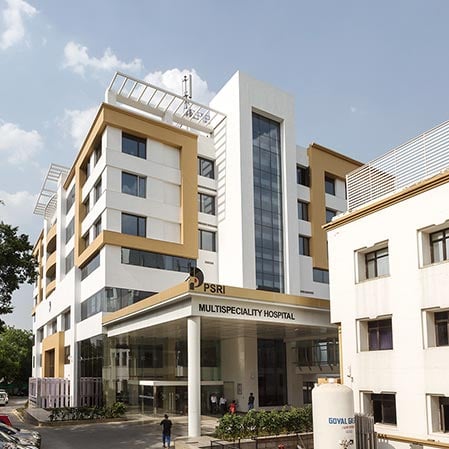
ፑሽፓዋቲ ሲንጋኒያ የምርምር ኢንስቲትዩት (PSRI ሆስፒታል)፣ ኒው ዴሊ፣ በ1996 በJK ቡድን የተቋቋመ ግንባር ቀደም የብዝሃ-ልዩ ከፍተኛ እንክብካቤ ሆስፒታል ነው። በኩላሊት ንቅለ ተከላ፣ በጨጓራ ኢንተሮሎጂ፣ በሄፕቶሎጂ፣ በልብ ሳይንሶ...
መድኃኒቶች
መገልገያዎች
ተመሳሳይ ቅደም ተከተሎች
ጋለሪ
ተዘውትረው የሚጠየቁ ጥያቄዎች
ገምጋሚ
ሁሉንም ይመልከቱ
ሊቀመንበር እና ከፍተኛ አማካሪ - የጉበት ትራንስፕላንት
ዶ/ር ቪቬክ ቪጅ በመስክ ከ15 ዓመታት በላይ ልምድ ያለው ፈር ቀዳጅ የጉበት ንቅለ ተከላ ቀዶ ሐኪም ነው። በፎርቲስ ሆስፒታሎች የጉበት ትራንስፕላንቴሽን እና ሄፓቶቢሊሪ ሳይንሶች ሊቀ መንበር እንደመሆኖ፣ ህያው ለጋሽ ጉበት ንቅለ ተከላ ቴክኒኮችን በማዘጋጀት እና የደህንነት ፕሮቶኮሎችን ደረጃ በማውጣት 100% የለጋሾ... ተጨማሪ ያንብቡ

ድር ጣቢያችን ኩኪዎችን ይጠቀማል. የግላዊነት ፖሊሲ.