
Epilepsiechirurgie Kosten in Indien
Um Epilepsiechirurgie
Was ist Epilepsie?
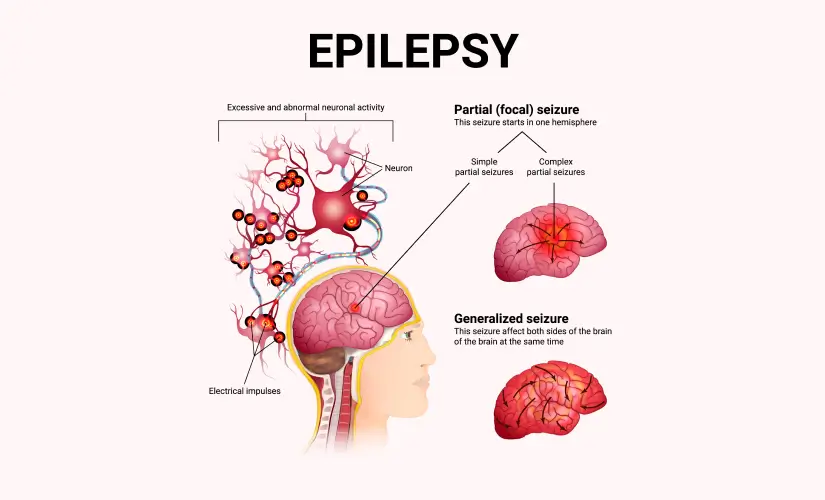
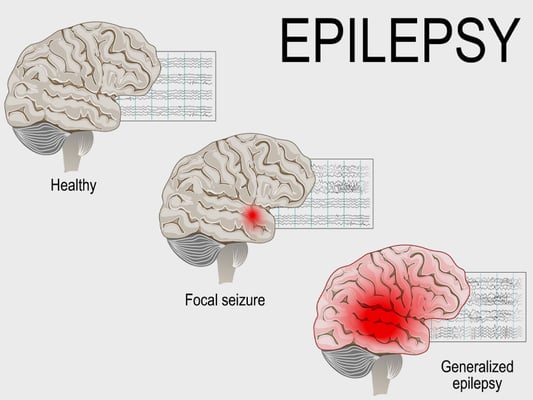
Epilepsie ist eine chronische Störung, die eine Person dazu bringt, zu erlebenWiederholte, nicht provozierte Anfälledrohen Diese Anfälle treten aufgrund plötzlicher, abnormaler elektrischer Aktivität im Gehirn auf, die die normale Gehirnfunktion unterbrechen. Obwohl die genaue Ursache nicht immer bekannt ist, kann Epilepsie aus Hirnverletzungen, Infektionen, Schlaganfällen, Tumoren oder genetischen Zuständen resultieren.
Anfälle bei Epilepsie können sehr unterschiedlich sein. Einige können dazu führen, dass eine Person fällt, unkontrolliert schüttelt oder das Bewusstsein verliert. Andere sind subtiler, wie kurze Momente des Starrens, Verwirrung oder ungewöhnlicher Empfindungen. Für eine Epilepsiediagnose muss eine Person gehabt habenMindestens zwei nicht provozierte AnfälleDas wurde nicht durch vorübergehende Auslöser wie Fieber oder niedrigen Blutzucker verursacht.
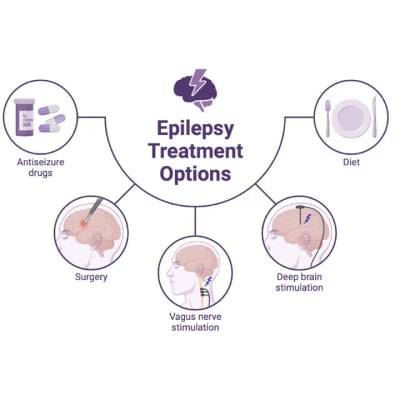
Epilepsie betrifft Menschen jeden Alters, aber sie beginnt oft im Kindesalter oder im späteren Erwachsenenalter. Mit dem richtigen Behandlungsprotokoll können die meisten Menschen mit Epilepsie ihren Zustand effektiv verwalten. Die Behandlung beginnt normalerweise mit Medikamenten. Wenn jedoch Medikamente die Anfälle nicht kontrollieren (insbesondere nach dem Versuch zwei oder mehr Typen), können Ärzte eine Operation oder gerätebasierte Therapien in Betracht ziehen.
Moderne Fortschritte bei der Bildgebung und im Gehirn haben die präzise Lokalisierung von Anfallsursprüngen im Gehirn ermöglicht und erleichtert soHochgezielte chirurgische Eingriffedrohen Für viele Patienten mit arzneimittelresistenter Epilepsie, insbesondere bei fokalen Anfällen, bietet die Operation eine echte Chance auf eine langfristige Anfallskontrolle und eine bessere Lebensqualität.
Was ist eine Epilepsie-Operation?
Die Epilepsie-Chirurgie ist ein spezialisiertes medizinisches Verfahren, das Menschen helfen soll, deren Anfälle nicht allein mit Medikamenten besser werden. Ärzte erwägen normalerweise eine Operation, wenn eine Person hatArzneimittelresistente Epilepsie, was bedeutet, dass sie mehrere Anti-Anfalls-Medikamente ohne Erfolg ausprobiert haben. Das Ziel der Operation ist es, den Teil des Gehirns, in dem die Anfälle beginnen, zu entfernen oder zu trennen, was dem Patienten eine bessere Chance gibt, ein anfallfreies Leben zu führen.
Es gibt verschiedene Arten von Epilepsie-Operationen, und die Wahl hängt davon ab, woher die Anfälle stammen und wie sie das Gehirn beeinflussen. Wenn beispielsweise Anfälle aus einem kleinen, spezifischen Bereich entstehen, der keine Vitalfunktionen wie Sprache oder Bewegung steuert, kann dieser Teil sicher entfernt werden. In anderen Fällen können Ärzte eine abtrennende Operation durchführen, um die abnormalen Signale im Gehirn zu unterbrechen, ohne Gewebe zu entfernen.
Im Gegensatz zu Medikamenten, die nur Anfälle kontrollieren, zielt die Operation darauf abBeseitigen oder reduzieren Sie die Anfallsaktivität an der Quelle signifikantdrohen Es ist keine Erstbehandlung, aber für viele Patienten, insbesondere diejenigen, die seit Jahren leiden, bietet sie einen Weg zu mehr Gesundheit, Unabhängigkeit und allgemeiner Lebensqualität.
Welche Arten von Epilepsie-Operationen gibt es?
Die Epilepsie-Chirurgie umfasst eine Reihe spezialisierter Verfahren zur Behandlung von Anfällen. Die gewählte Operation hängt von der Herkunft der Anfälle im Gehirn, ihrer Schwere und dem allgemeinen Gesundheitszustand des Patienten ab. Diese Verfahren werden typischerweise von erfahrenen Neurochirurgen durchgeführt und durch Technologien wie die Bildgebung des Gehirns, die intraoperative Überwachung und in einigen Zentren der Roboterunterstützung unterstützt.
Einige der häufigsten Arten von Epilepsie-Operationen, die weltweit durchgeführt werden, sind:
- Temporale Lobektomie:Die temporale Lobektomie ist eine der am weitesten verbreiteten Epilepsie-Operationen weltweit. Chirurgen entfernen einen Teil des Temporallappens, an dem Anfälle auftreten, normalerweise bei Patienten mit mesialem Temporallappen-Epilepsie (MTLE). Diese Art der Operation hat eine der höchsten Erfolgsraten, da bis zu 70–80% der Patienten eine langfristige Anfallsfreiheit erreichen. Es ist besonders effektiv für Erwachsene und ältere Kinder, die aus diesem Bereich stammende fokale Anfälle haben.
- Läsionektomie:Eine Läsionektomie zielt auf eine eindeutig identifizierbare Läsion bei Gehirnscans ab, wie z. B. Tumor, Cavernom oder kortikale Dysplasie, die für die Auslösung von Anfällen verantwortlich ist. Der Chirurg entfernt nur die Läsion und einen kleinen Rand des umgebenden Gehirngewebes. Dieses Verfahren wird als hochwirksam angesehen, wenn die Läsion die einzige Ursache für Anfälle ist und das Risiko einer Beeinflussung normaler Gehirnfunktionen minimiert.
- Corpus Callosotomie:Dies ist eine untrennbare Operation, bei der das Corpus callosum (ein Bündel von Nervenfasern, die die beiden Gehirnhälften verbinden) teilweise oder vollständig durchtrennt ist. Es wird typischerweise bei Kindern mit schweren generalisierten Anfällen durchgeführt, insbesondere bei Fallanfällen oder tonischen Anfällen, die zu häufigen Stürzen und Verletzungen führen. Während die Corpus Callosotomie die Anfälle nicht vollständig stoppen kann, verringert dies häufig ihre Schwere und Häufigkeit und bietet dem Patienten ein sichereres Leben.
- Hemispherektomie oder Hemispherotomie:Diese Operation wird hauptsächlich bei kleinen Kindern mit weit verbreiteten Anfällen angewendet, die auf eine Gehirnhälfte beschränkt sind. Diese Operation umfasst das Entfernen oder Trennen einer Gehirnseite. Zustände wie die Enzephalitis von Rasmussen oder ausgedehnte kortikale Fehlbildungen können dieses Verfahren erfordern. Trotz seiner Komplexität erfahren viele Kinder später dramatische Verbesserungen bei der Kontrolle und Entwicklung von Anfällen, wobei sich die verbleibende Hemisphäre im Laufe der Zeit anpasst.
- Mehrere subpiale Transektionen (MST):Wenn der Anfallfokus in der Nähe eines wesentlichen Teils des Gehirns (wie der Sprach- oder Motorbereich) liegt und nicht entfernt werden kann, bietet MST eine sicherere Option. Bei dieser Technik machen Chirurgen winzige Schnitte (Transektionen) in der äußeren Schicht des Gehirns, um Anfallswege zu stören, ohne Gewebe zu entfernen. Es wird weniger häufig verwendet, kann aber in ausgewählten Fällen wirksam sein.
- Laserablationschirurgie (stereotaktische Laser-Thermoablation):Einige fortgeschrittene Neurologiezentren bieten jetzt eine minimalinvasive Laserablation für Epilepsie. Das Verfahren beinhaltet das Einführen einer dünnen Laserfaser in den Anfallsfokus und das Zerstören des Gewebes unter Verwendung von Wärme. Zu den Vorteilen gehören ein kürzerer Krankenhausaufenthalt, eine schnellere Genesung und minimale Narbenbildung. Es ist am besten für Patienten mit kleinen, genau definierten Anfallsherden geeignet.
- Vagusnervstimulation (VNs):Obwohl VNS im traditionellen Sinne nicht streng chirurgisch ist, beinhaltet die Implantation eines Geräts unter die Haut des Brustbereichs, das elektrische Impulse an den Vagusnerv sendet und dabei hilft, die Anfallsfrequenz zu reduzieren. Es wird häufig verwendet, wenn eine Gehirnoperation keine Option ist.
Wer braucht eine Epilepsie-Operation?
Nicht jede Person mit Epilepsie muss operiert werden, aber für einige wird dies die beste Option, nachdem andere Behandlungen fehlgeschlagen sind.
- Patienten mit arzneimittelresistenter Epilepsie:Die Hauptkandidaten für eine Epilepsieoperation sind Menschen mit medikamentenresistenter Epilepsie (DRE). Dies bedeutet, dass sie auch nach dem Versuch von mindestens zwei geeigneten Anti-Anfalls-Medikamenten in den richtigen Dosen und für eine angemessene Dauer weiterhin Anfälle erfahren. Studien zeigen, dass die Wahrscheinlichkeit, nach zwei fehlgeschlagenen Medikamenten anfallsfrei zu werden, signifikant abfällt, weshalb die Operation in diesem Stadium zu einer praktikablen Alternative wird.
- Menschen mit fokalen Anfällen:Die Operation funktioniert am besten, wenn Anfälle von einem bestimmten Bereich des Gehirns ausgehen, der häufig als Anfallsfokus bezeichnet wird. Diese sind als fokale oder partielle Anfälle bekannt und können sich auch nicht auf andere Hirnbereiche ausbreiten. Wenn Ärzte die Ursache des Anfalls durch EEG-Überwachung, MRT oder andere bildgebende Tests bestimmen können, wird eine Operation zu einer starken Option.
- Patienten, deren Anfälle das tägliche Leben beeinflussen:Einige Personen erleben Anfälle, die ihre täglichen Aktivitäten stark beeinträchtigen, wie z. B. Gehen, Arbeiten, Schulbesuch oder sogar die Aufrechterhaltung der persönlichen Sicherheit. Häufige Anfälle können zu sozialer Isolation, psychischen Problemen und Verletzungen durch Stürze oder Unfälle führen. Wenn Medikamente nicht helfen und die Lebensqualität leidet, können Ärzte eine Operation empfehlen, um die Anfälle zu kontrollieren und die Unabhängigkeit wiederherzustellen.
- Kinder mit Entwicklungsrisiko durch Anfälle:Bei Kindern können unkontrollierte Anfälle die Entwicklung des Gehirns, die Lernfähigkeit und das Verhalten negativ beeinflussen. Kinderneurologe in Indien empfehlen häufig eine frühzeitige Operation für Kinder mit schwerer Epilepsie, um die kognitive Funktion zu schützen und bessere Langzeitergebnisse zu fördern. In solchen Fällen kann ein frühzeitiger chirurgischer Eingriff zu einer Entwicklung der Entwicklung und einer verbesserten Lebensqualität führen.
- Patienten mit SUDEP-Risiko:Menschen mit häufig generalisierten tonisch-klonischen Anfällen haben möglicherweise ein höheres Risiko für einen plötzlichen unerwarteten Tod bei Epilepsie (SUDEP). Die Reduzierung oder Beseitigung von Anfällen durch Operationen kann dieses Risiko erheblich senken. Für einige Patienten wird dies zu einer lebensrettenden Entscheidung.
- Kandidaten, die durch präoperative Bewertung identifiziert wurden:Vor der Empfehlung der Operation führen Krankenhäuser in Indien eine eingehende präoperative Bewertung durch, die kontinuierliche Video-EEG-Überwachung, MRT- und PET-Scans, neuropsychologische Tests und funktionelle Kartierung (für Sprache, Bewegung und Gedächtnis) umfasst. Nur diejenigen, deren Anfallsursprung eindeutig identifiziert wird und die Sicherheitskriterien erfüllen, werden für die Operation ausgewählt.
Welche Vorteile hat eine Epilepsie-Operation?
Eine Epilepsie-Operation bietet Personen, deren Anfälle trotz der Einnahme mehrerer Medikamente unkontrolliert bleiben, Hoffnung. Bei vielen dieser Patienten kann eine Operation zu lebensverändernden Verbesserungen führen.
- Anfallsreduzierung oder -eliminierung:Der unmittelbarste und auffälligste Nutzen ist eine signifikante Abnahme der Anfallshäufigkeit und in vielen Fällen die vollständige Anfallsfreiheit. Abhängig von der Art der Operation und dem Ort des Anfallsfokus können bis zu 70–80% der Patienten nach der Operation ganz anfällen.
- Verbesserte Lebensqualität:Wenn Anfälle seltener werden oder ganz verschwinden, stellen die Patienten häufig fest, dass sich ihr tägliches Leben dramatisch verbessert. Sie können wieder Unabhängigkeit erlangen, zur Schule oder zur Arbeit zurückkehren, wieder fahren (abhängig von den örtlichen Gesetzen) und sich stärker an sozialen und familiären Aktivitäten beteiligen.
- weniger oder niedrigere Medikamentendosen:Viele Epilepsie-Patienten nehmen mehrere Anti-Krankheits-Medikamente ein, was häufig zu Nebenwirkungen wie Müdigkeit, Gedächtnisproblemen, Schwindel und Stimmungsschwankungen führt. Nach erfolgreicher Operation können einige Patienten die Anzahl der Medikamente, die sie einnehmen, reduzieren oder sogar unter ärztlicher Aufsicht ganz absetzen.
- Kognitive und Entwicklungsgewinne bei Kindern:Kinder mit unkontrollierter Epilepsie können unter verzögerter Sprache, schlechter akademischer Leistung und Verhaltensproblemen aufgrund wiederholter Anfälle und Nebenwirkungen von Medikamenten leiden. Eine Operation in einem angemessenen Alter kann nicht nur Anfälle reduzieren, sondern auch die kognitive Entwicklung, Lernfähigkeiten und soziale Interaktion verbessern.
- Verbesserte emotionale und geistige Gesundheit:Das Leben mit häufigen Anfällen kann zu Depressionen, Angstzuständen und Isolation führen. Viele Patienten berichten, dass sie sich nach der Operation optimistischer und sicherer fühlen, insbesondere wenn ihre Anfälle aufhören oder weniger häufig werden.
- Langzeitstabilität:Bei entsprechender postoperativer Betreuung und Nachsorge können die Ergebnisse der Epilepsie-Operation lang anhaltend sein. Viele Patienten bleiben jahre oder sogar jahrzehntelang nach der Operation kratzfrei oder gut kontrolliert.
Was sind die Nebenwirkungen einer Epilepsieoperation?
Während die Epilepsie-Operation erhebliche Vorteile bietet, wie die Reduktion von Anfällen und eine verbesserte Lebensqualität, handelt es sich immer noch um eine Gehirnoperation, und wie bei jeder Operation birgt sie einige Risiken.
- vorübergehende Verwirrung oder Müdigkeit:Nach der Operation, insbesondere in den ersten Tagen, erfahren die Patienten häufig Verwirrung, Müdigkeit oder Schläfrigkeit.
- Gedächtnis- oder SprachschwierigkeitenAbhängig vom betroffenen Bereich des Gehirns können einige Personen vorübergehende oder leichte Probleme mit Gedächtnis, Sprache oder Konzentration haben.
- Schwäche oder Taubheit:In seltenen Fällen kann eine Operation Schwäche, Kribbeln oder Taubheitsgefühl auf einer Körperseite verursachen, wenn motorische Bereiche des Gehirns betroffen sind.
- Seh- oder Sinnesänderungen:Einige Patienten berichten von Sehstörungen oder Veränderungen ihres Sehfeldes nach der Operation, insbesondere wenn die Operation die Okzipital- oder Temporallappen betrifft.
- Stimmung und emotionale Veränderungen:Stimmungsschwankungen wie Depressionen, Angstzustände oder Reizbarkeit können nach der Operation vorübergehend auftreten. Diese Verschiebungen können sich aus Veränderungen der Gehirnchemie, des Stresses der Operation oder der Anpassung an ein neues Leben ohne Anfälle ergeben.
- Chirurgische Risiken:Wie bei jeder Operation bestehen Standard-Risiken, einschließlich Infektionen, Blutungen oder Reaktionen auf Anästhesie.
Erholungszeitlinie nach Epilepsie-Operation
Die Erholung von einer Epilepsie-Operation ist ein schrittweiser Prozess, bei dem körperliche Heilung, mentale Anpassung und die laufende medizinische Versorgung einbezogen werden. Während die Erfahrung jedes Patienten geringfügig unterschiedlich ist, gibt es einen allgemeinen Zeitplan, der den meisten Menschen folgt. Die Erholung erstreckt sich in der Regel über mehrere Wochen bis Monate, abhängig von der Art der durchgeführten Epilepsie-Operation und der allgemeinen Gesundheit des Einzelnen.
Sofortige Post-Operationsperiode (0–1 Woche)
Nach der Operation verbringen die Patienten in der Regel einige Stunden im Aufwachraum, bevor sie auf eine überwachte Krankenstation oder auf der Intensivstation gebracht werden, insbesondere wenn das Verfahren komplex war. Während dieser Phase überwachen die Ärzte genau die Gehirnfunktion, die Vitalfunktionen und den Heilungsfortschritt der Operationsstelle. Leichte Kopfschmerzen, Schwellungen oder Müdigkeit sind häufig und Schmerzen werden mit Medikamenten kontrolliert.
Die meisten Epilepsiepatienten bleiben ca.5 bis 7 Tage, obwohl umfangreichere Verfahren wie die Hemispherektomie möglicherweise einen etwas längeren Aufenthalt erfordern. Während dieser Zeit beginnen die Patienten sanfte Bewegung und werden von Neurologen und Rehabilitationsteams bewertet.
Frühe Erholungsphase (2–6 Wochen)
Nach der Entlassung setzen die Patienten ihre Genesung zu Hause oder in einem kurzfristigen Rehabilitationszentrum fort. Sie können sich immer noch müde oder geistig neblig fühlen, besonders in den ersten Wochen. Die Ärzte planen die Nachuntersuchungen, um den Fortschritt zu überwachen, Stiche oder Heftklammern nach Bedarf zu entfernen und die Medikamente nach Bedarf anzupassen.
Während dieser Phase aktivieren oder verfeinern Ärzte alle implantierten Geräte (wie ein VNS) und überprüfen die Anfallsaktivität. Viele Patienten stellen kurz nach der Operation eine Verringerung der Anfälle fest, obwohl der volle Nutzen einige Zeit dauern kann, bis sie auftreten. Leichte tägliche Aktivitäten können normalerweise innerhalb der2–3 Wochen, Aufgaben, die Konzentration erfordern, kann länger dauern.
Rehabilitation und Anpassung (1–3 Monate)
Je nach Art der Operation benötigen Patienten möglicherweiseErgotherapie, Physiotherapie oder Sprachtherapiedrohen Diese Dienste helfen dabei, die Kraft, Koordination, Gedächtnis und Sprache zu verbessern, wenn während der Operation Defizite aufgetreten sind.
Die Patienten werden auch sorgfältig auf emotionale Veränderungen überwacht, da dies eine Zeit der mentalen Anpassung ist. Einige Menschen spüren einen Zuversichtsschub, nachdem sie die Anfallskontrolle erlangt haben, während andere Angst haben, in den Alltag zurückzukehren.
Langfristige Wiederherstellung und Nachsorge (3 Monate und darüber hinaus)
Bis zur Drei-Monats-Marke haben die meisten Patienten viele ihrer Alltagsroutinen wieder aufgenommen. Diejenigen, die nach der Operation anfallsfrei waren, beginnen häufig, Medikamente unter der Anleitung ihres Neurologen abzuschwächen, obwohl dieser Prozess viele Monate dauern kann.
Regelmäßige Nachuntersuchungen werden mindestens ein bis zwei Jahre lang durchgeführt, um die Gesundheit des Gehirns, die Medikamentenspiegel und die kognitiven Funktionen zu überwachen. In einigen Fällen werden weitere Bewertungen durchgeführt, wenn Anfälle bestehen oder wiederkehren.
Patienten, die gut auf eine Operation ansprechen, können häufig zurückkehrenFahren, Arbeiten und Geselligkeit, eine bessere Lebensqualität als zuvor zu genießen.
Holen Sie sich einen kostenlosen Behandlungsplan
Über Epilepsiechirurgie in Indien
Wie hoch sind die Kosten einer Epilepsieoperation in Indien?
Die Kosten für Epilepsieoperationen sind in Indien im Vergleich zu vielen westlichen Ländern günstiger, bei gleichzeitig hohen Standards an Sicherheit und klinischen Ergebnissen. Internationale Patienten entscheiden sich oft für eine fortgeschrittene neurochirurgische Versorgung für Indien, und zwar zu einem Bruchteil der Gebühren, die in den USA, Großbritannien oder Europa erhoben werden.
Die Kosten für Epilepsieoperationen in Indien liegen zwischen4.000 bis 9.000 US-Dollar,Dies hängt von mehreren Faktoren ab, darunter der Art der Operation, der Krankenhausinfrastruktur, der Fachkenntnis des Chirurgen und der Dauer des Krankenhausaufenthalts. Hier ist eine allgemeine Aufschlüsselung nach Operationstyp:
- Die Kosten für atemporale Lobektomiein Indien reicht von5.000 bis 7.000 US-Dollar, abhängig vom Krankenhaus und der Komplexität der Operation.
- ALäsionektomiekostet typischerweise zwischen4.000 $ und 6.000 $, insbesondere wenn die Läsion klar definiert und leicht zugänglich ist.
- Für Patienten, die sich einerCorpus Callosotomie, die Kosten liegen im Bereich von6.000 bis 8.000 US-Dollar.
- AHemisphärektomie oder HemispherotomieDa es sich um eine umfangreichere und komplexere Operation handelt, liegt der Preis zwischen7.000 $ und 9.000 $.
- Laserablationschirurgie, sofern verfügbar, kostet normalerweise zwischen6.500 $ und 9.000 $, was eine minimalinvasive Alternative darstellt.
- Die Kosten fürVagusnervstimulation (VNS), einschließlich des Preises des implantierten Geräts, liegt typischerweise zwischen8.000 bis 12.000 US-Dollar.
Diese Pakete beinhalten normalerweise:
- Präoperative Untersuchungen (MRT, EEG, neuropsychologische Tests)
- Chirurgischer Eingriff und Anästhesie
- Krankenhausaufenthalt (typischerweise 5–10 Tage)
- Überwachung auf der Intensivstation (falls erforderlich)
- Medikamente während der Aufnahme
- Postoperative Betreuung und frühe Nachsorge
Kosten im Vergleich zu anderen Ländern
Patienten aus Ländern wie den USA, Kanada, dem Vereinigten Königreich und Australien müssen oft mit Kosten in der Größenordnung von ... rechnen30.000 bis 70.000 US-Dollaroder mehr für ähnliche Verfahren. Dies macht Indien zu einer attraktiven Option für Familien, die eine fachkundige Betreuung ohne finanzielle Belastung suchen.
Welche Faktoren beeinflussen die Kosten einer Epilepsieoperation in Indien?
Die Gesamtkosten einer Epilepsieoperation in Indien variieren je nach Patient und hängen von mehreren medizinischen und logistischen Faktoren ab. Während die Grundgebühr für den chirurgischen Eingriff in den einzelnen Krankenhäusern ähnlich sein kann, beeinflussen spezifische Elemente im Zusammenhang mit dem Zustand des Patienten, den Behandlungsbedürfnissen und den Präferenzen des Krankenhauses häufig die endgültigen Kosten.
- Art der durchgeführten Operation:Die größten Kostenunterschiede ergeben sich aus der Art der durchgeführten Epilepsieoperation. Beispielsweise ist eine Temporallobektomie in der Regel kostengünstiger als eine Hemisphärektomie oder ein Vagusnervstimulationsverfahren (VNS), bei dem ein implantierbares Gerät zum Einsatz kommt.
- Wahl des Krankenhauses und der Stadt:Die Kosten für chirurgische Eingriffe unterscheiden sich häufig je nach Stadt und Krankenhaus. Krankenhäuser in Metropolen wie Mumbai oder Bangalore verlangen möglicherweise mehr als Krankenhäuser in kleineren Städten.
- Erfahrung des Chirurgen und Teamkompetenz:Sehr erfahrene Neurochirurgen und umfassende Teams für Epilepsiechirurgie verlangen in der Regel höhere Honorare, die sich in den Gesamtbehandlungskosten widerspiegeln können.
- Präoperative Tests und Bildgebung:Vor der Operation werden die Patienten einer detaillierten Untersuchung unterzogen, die MRT-Scans, Video-EEG-Überwachung, PET- oder SPECT-Scans und neuropsychologische Untersuchungen umfassen kann. Die Anzahl und Komplexität dieser Tests kann sich erheblich auf die Gesamtkosten der Behandlung auswirken.
- Dauer des Krankenhausaufenthalts und der Intensivpflege:Einige Patienten benötigen möglicherweise einen längeren Krankenhausaufenthalt, insbesondere solche, die sich komplexen Eingriffen unterziehen oder bei denen postoperative Komplikationen auftreten.
- Art des Zimmers und der Unterkunft:Privatzimmer, Deluxe-Suiten und Annehmlichkeiten für Patienten, wie z. B. der Aufenthalt einer Begleitperson oder individuelle Mahlzeiten, können sich ebenfalls auf die Gesamtkosten auswirken.
- Postoperative Genesung und Medikamente:In den ersten Wochen nach der Operation können Nachuntersuchungen, Medikamente und körperliche oder kognitive Rehabilitation erforderlich sein.
Warum Indien für Epilepsiechirurgie wählen?
Indien ist dank seiner einzigartigen Kombination aus medizinischem Fachwissen, moderner Infrastruktur und erschwinglichen Preisen ein globales Zentrum für Epilepsiechirurgie. Jedes Jahr reisen Patienten aus der ganzen Welt nach Indien, um eine fortschrittliche neurologische Versorgung zu erhalten, die sowohl hochwertig als auch kostengünstig ist.
- Weltklasse-Neurochirurgen mit globaler Ausbildung:Indien ist die Heimat einer wachsenden Zahl hochqualifizierter Neurochirurgen, die sich auf Epilepsiechirurgie spezialisiert haben. Sie bringen jahrelange Erfahrung in der Behandlung komplexer Epilepsiefälle sowohl bei Erwachsenen als auch bei Kindern mit und beherrschen alle relevanten Verfahren.
- Fortschrittliche Technologie und Diagnosetools:Führende Krankenhäuser in Indien sind mit den neuesten Technologien ausgestattet, die für eine sichere und präzise Epilepsiechirurgie erforderlich sind. Dazu gehören hochauflösendes MRT, Video-EEG-Überwachung, PET- und SPECT-Scans, Neuronavigationssysteme und intraoperative Gehirnkartierung.
- Hohe Erfolgsquoten vergleichbar mit dem Westen:Indische Krankenhäuser berichten durchweg von Anfallsfreiheitsraten von 60–80 %, abhängig vom Eingriff und Patientenprofil. Zusätzlich zu den reduzierten Anfällen erfreuen sich viele Patienten einer deutlichen Verbesserung der geistigen Klarheit, Mobilität, des emotionalen Wohlbefindens und der allgemeinen Lebensqualität.
- Kostengünstige Behandlungspakete:Einer der überzeugendsten Gründe, sich für Indien zu entscheiden, sind die deutlich niedrigeren Behandlungskosten. Epilepsieoperationen können in Indien 60–80 % weniger kosten als in westlichen Ländern, ohne dass die Qualität darunter leidet.
- Mehrsprachige und kultursensible Betreuung:Indische Krankenhäuser bieten ein warmes und integratives Umfeld für internationale Patienten. Viele Einrichtungen bieten Dolmetscher, mehrsprachiges Personal und eine kultursensible Betreuung, um sicherzustellen, dass sich Patienten und ihre Familien verstanden und respektiert fühlen.
- Keine Wartelisten und optimierter Prozess:Im Gegensatz zu vielen Ländern, in denen die öffentlichen Gesundheitssysteme lange Wartezeiten erfordern, werden Epilepsieoperationen in Indien zeitnah geplant. Sobald die Diagnose bestätigt ist und die präoperativen Untersuchungen abgeschlossen sind, werden die meisten Patienten innerhalb weniger Tage operiert.
Dienstleistungen für internationale Patienten
Indiens führende Krankenhäuser und medizinische Tourismusveranstalter haben spezielle Dienstleistungen entwickelt, um Epilepsieoperationen für Patienten, die aus dem Ausland anreisen, zugänglich und stressfrei zu machen. Von dem Moment an, in dem ein Patient sein Interesse bekundet, bis lange nach der Operation ist das System darauf ausgelegt, bei jedem Schritt Komfort, Klarheit und Bequemlichkeit zu bieten.
- Unterstützung bei medizinischen Visa:Krankenhäuser stellen häufig ein Einladungsschreiben für ein Visum aus, das Patienten dabei hilft, schnell ein medizinisches Visum zu erhalten. In vielen Fällen erfolgt die Bearbeitung des Visums für Personen, die sich einer neurologischen Behandlung unterziehen, beschleunigt, insbesondere wenn Anfälle häufig auftreten oder das Leben verändern.
- Abholung vom Flughafen und Transport vor Ort:Die meisten großen Krankenhäuser bieten einen Abholservice vom Flughafen an, um sicherzustellen, dass die Patienten sicher und bequem ankommen. Für Nachuntersuchungen, diagnostische Tests und die Entlassung wird auch ein Transport vor Ort organisiert.
- Erschwingliche Unterkunft und Verpflegung:Patienten können aus einer Reihe von Unterkünften in der Nähe wählen, darunter Pensionen und Luxushotels. Das Verpflegungsangebot ist auf die Ernährungsbedürfnisse zugeschnitten und umfasst vegetarische, Halal- oder diabetikerfreundliche Optionen.
- Sprachdolmetscherdienste:Kommunikation ist während der Behandlung von entscheidender Bedeutung. Aus diesem Grund stellen Top-Krankenhäuser Dolmetscher zur Verfügung, die je nach Region des Patienten fließend Arabisch, Französisch, Spanisch, Russisch, Suaheli und mehr sprechen.
- Dedizierte internationale Patientenkoordinatoren:Jedem internationalen Patienten wird ein Koordinator zugewiesen, der während der gesamten medizinischen Reise als zentraler Ansprechpartner fungiert. Der Koordinator hilft bei Krankenhauseinweisungen, Terminen, Abrechnungen, Dokumentenvorbereitung und Entlassungsplanung.
- Nachsorge:Krankenhäuser vereinbaren häufig Telekonsultationen, nachdem der Patient nach Hause zurückgekehrt ist, um den Genesungsfortschritt zu überprüfen, Medikamente zu verwalten und etwaige Bedenken auszuräumen.
- Unterstützung bei Reisen und Dokumentation:Patientenkoordinatoren helfen beim Geldwechsel, Versicherungsbriefen, Visumverlängerungen und Fitnesszertifikaten für die Rückkehr nach Hause.
Epilepsiechirurgie Kostenvergleich nach Ländern
Vergleichen Sie die Kosten von Epilepsiechirurgie in verschiedenen Ländern, um eine fundierte Entscheidung über Ihre medizinische Behandlung zu treffen.
| Land | Kostenspanne (USD) | Mögliche Einsparungen | Aktion |
|---|---|---|---|
IndienAktuellBestes Preis-Leistungs-Verhältnis | $4,000 - $9,000 | — | Holen Sie sich ein Angebot |
Notiz: Die Kosten können je nach Krankenhauswahl, Zimmertyp, Zusatzleistungen und individuellen medizinischen Anforderungen variieren.
Führende Krankenhäuser für Epilepsiechirurgie in Indien
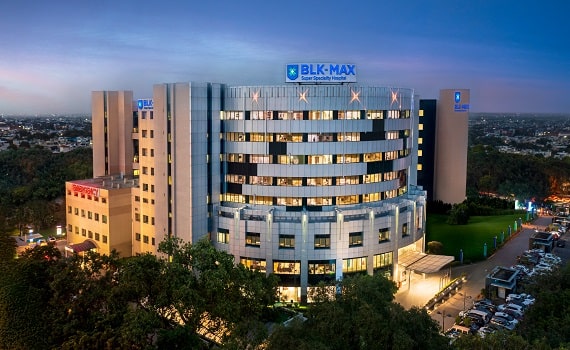
BLK-Max Super Specialty Hospital, Neu-Delhi
BLK-Max Super Speciality Hospital in New Delhi is one of India's premier healthcare institutions, offering 650 beds, 22 advanced operation theatres, a...
Akkreditierungen
Einrichtungen
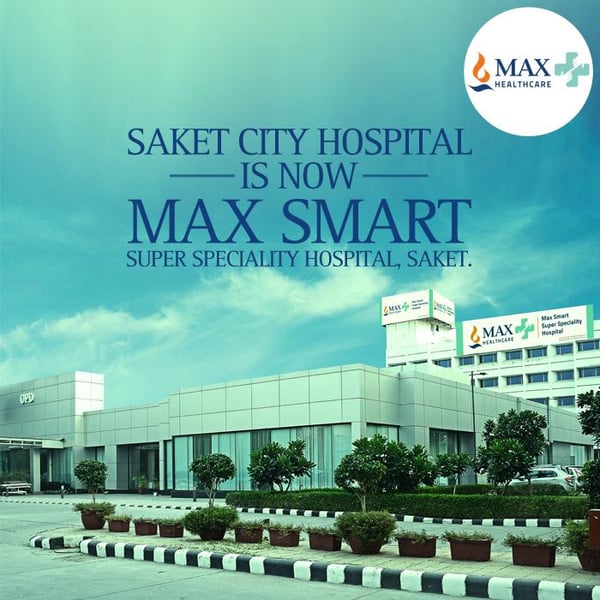
Max Smart Super Speciality Hospital, Saket, Neu-Delhi
Das Max Smart Super Specialty Hospital, Saket, ist ein Tertiärkrankenhaus mit 250 Betten in Süd-Delhi. Es bietet fortschrittliche medizinische und chi...
Akkreditierungen
Einrichtungen
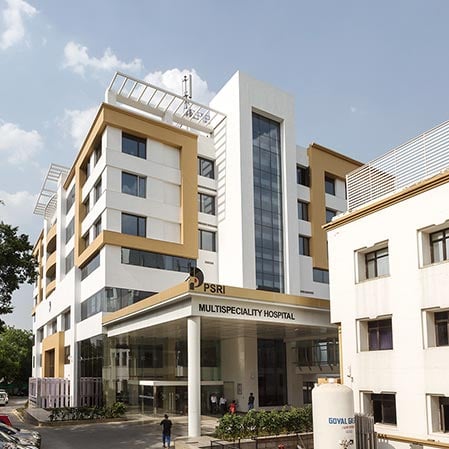
PSRI-Krankenhaus, Delhi
Das Pushpawati Singhania Research Institute (PSRI Hospital) in Neu-Delhi ist ein führendes, multispezialisiertes Krankenhaus der Tertiärversorgung, da...
Akkreditierungen
Einrichtungen
Ähnliche Verfahren
Galerie
FAQ
Rezensent
Alle anzeigen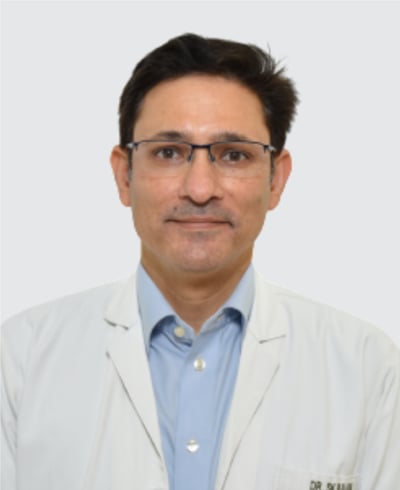
Dr. SK Rajan is an internationally trained and AO-certified Spine Surgeon with extensive expertise in managing complex spinal disorders. He has trained at leading national and global institutions, i... Mehr lesen

Unsere Website verwendet Cookies. Datenschutzrichtlinie.