
Tecnologías médicas avanzadas en la India para pacientes internacionales
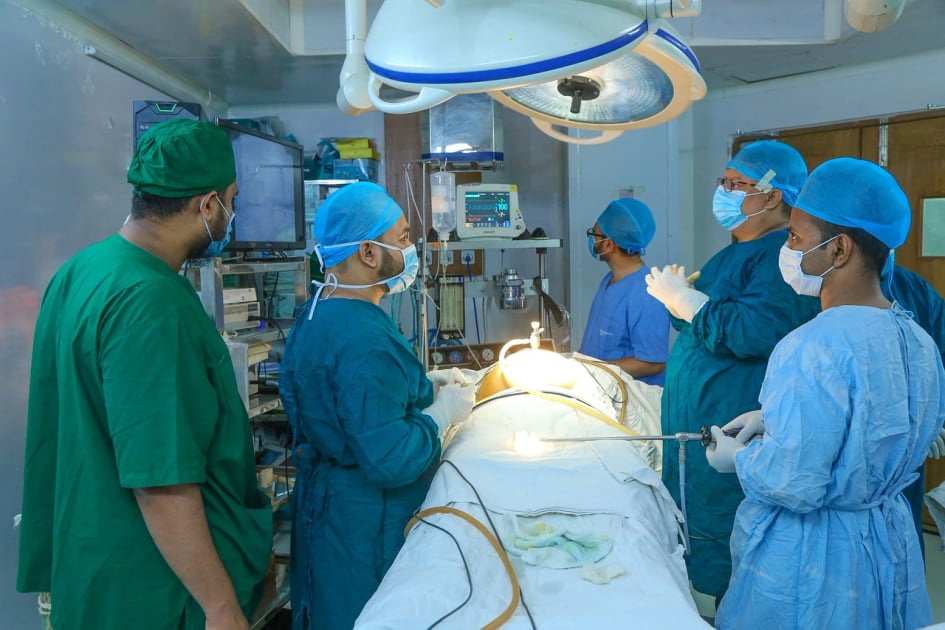
India offers a wide range of advanced medical treatments for international patients who need complex care. These treatments address cancer, heart disease, neurological disorders, orthopedic conditions, and organ failure. Hospitals use modern technology and structured clinical protocols to manage these conditions safely and effectively.
Advanced medical treatment refers to care that uses newer techniques, precision tools, and evidence-based planning. Doctors rely on minimally invasive surgery, robotic assistance, targeted therapies, and image-guided procedures. These approaches reduce surgical trauma and support faster recovery.
International patients often seek advanced care when standard treatment options no longer help. Many patients also look for quicker access to treatment. Indian hospitals provide shorter waiting periods for consultations, diagnostics, and procedures. This timeline allows patients to begin treatment without prolonged delays.
Doctors in India handle high volumes of complex cases every year. This exposure strengthens clinical judgment and improves consistency of outcomes. Multidisciplinary teams review each case carefully before treatment begins. This process ensures that care remains personalized and medically appropriate.
What Are The Latest Medical Treatments Widely Available in India?
India offers advanced medical treatments that rely on newer technology, precision planning, and multidisciplinary expertise. These treatments address complex diseases that require more than conventional medical or surgical care.
- Advanced cancer treatment includes immunotherapy, targeted drug therapy, and precision radiation techniques. Doctors use molecular profiling to match treatment to tumor behavior. This approach helps improve response while limiting unnecessary toxicity. Tumors are treated using TrueBeam Linear Accelerators, Proton Therapy, and Gamma Knife radiosurgery. Precision radiation systems allow focused treatment that protects nearby healthy tissue. Examples of advanced cancer treatment available in India include Immunotherapy, CAR-T Cell therapy, and CyberKnife Radiosurgery.
- Organ transplantation forms a significant part of advanced medical care. India performs kidney, liver, heart, lung, and bone marrow transplants using structured protocols. Transplant teams manage donor matching, immunological assessment, and long-term follow-up. These programs support patients with organ failure who require definitive treatment.
- Advanced cardiac care extends beyond traditional surgery. Doctors perform structural heart interventions, complex valve procedures, and hybrid cardiac treatments. Image-guided planning improves accuracy and reduces recovery time. These techniques help patients who cannot tolerate open surgery. Examples of advanced cardiac treatment available in India includeTAVR (Valve replacement without open surgery) and robotic cardiac bypass surgery.
- Neurological careincludes advanced brain and spine procedures supported by real-time navigation and functional mapping. Doctors manage epilepsy, movement disorders, and complex spinal conditions using precision-guided techniques. These methods reduce neurological risk and improve functional outcomes. Examples of advanced neurosurgery available in India include Deep Brain Stimulation (DBS) for Parkinson’s and navigation-guided spine surgery.
- Regenerative medicinealso plays an increasingly important role. Doctors use cell-based therapies and biologic treatments for select orthopedic, neurological, and autoimmune conditions. These therapies aim to repair tissue and improve function rather than only manage symptoms.
Doctors recommend advanced treatments after a detailed clinical evaluation. Multidisciplinary teams assess disease stage, prior treatment response, and recovery capacity. It ensures that advanced care remains appropriate, necessary, and patient-focused.
What Technology Powers Advanced Medical Treatments in India?
Advanced medical treatments rely on modern technologies that improve accuracy and safety. Hospitals use high-resolution imaging to support early diagnosis and precise treatment planning.
- Hospitals use 4th-generationDa Vinci XiandVersiusrobotic systems for urology and oncology, providing 10x magnification and tremor filtration. These systems enhance control and stability during surgery. Surgeons use them to perform delicate movements with greater precision.
- Image-guided navigation supports neurological and spine procedures. Doctors track instruments in real time, reducing risk and improving outcomes.
- Advanced laboratory diagnostics support personalized treatment planning. Doctors analyze genetic and molecular markers to guide therapy selection, especially in cancer care.
Technology alone does not drive outcomes. Doctors combine these tools with clinical judgment and experience. The balance ensures that technology supports care rather than replacing medical decision-making.
What Clinical Thinking Guides Doctors When Recommending Advanced Treatments?
Doctors recommend advanced medical treatments after careful clinical evaluation. They first assess disease stage, severity, and progression. The assessment helps doctors decide whether standard treatment can deliver results or whether advanced intervention offers better control.
Clinical decision-making focuses on balancing benefits and risks. Doctors consider patient age, overall health, prior treatments, and recovery capacity. Advanced treatments often suit patients who need precise intervention with minimal impact on surrounding tissue.
Doctors also evaluate expected outcomes. They select advanced techniques when evidence shows improved accuracy, reduced complications, or faster functional recovery. This reasoning applies commonly in cancer care, cardiac procedures, neurological surgery, and complex orthopedic cases.
How Do Advanced Medical Treatments Help Patients Recover More Effectively?
Advanced medical treatments focus on precision, control, and safety. Doctors aim to treat the disease while protecting healthy tissue. This approach reduces complications and improves the recovery experience.
- Minimally invasive techniquesplay a major role in advanced care. Surgeons use small incisions, fine instruments, and real-time imaging. These methods lower pain levels and reduce hospital stays. Patients often regain mobility and daily function sooner.
- Targeted therapies and precisionmedicinehelp doctors match treatment to disease behavior. In cancer care, doctors analyze tumor characteristics before selecting a therapy. This planning improves treatment response and avoids unnecessary side effects.
- Advanced diagnosticsalso improve outcomes. High-resolution imaging and molecular testing help doctors detect disease early and accurately track progress. Early and accurate diagnosis allows timely intervention, which directly influences recovery.
- Recovery planningforms an essential part of advanced treatment. Doctors clearly outline expected timelines, activity limits, and follow-up care. International patients receive guidance on recovery duration before travel planning. This clarity helps patients manage expectations and reduce uncertainty.
Why Does Advanced Medical Care in India Appeal to International Patients?
Advanced medical care in India attracts international patients for practical and clinical reasons. Patients often seek reliable treatment without long waiting periods. Indian hospitals offer timely access to diagnostics, specialist consultations, and procedures.
Cost clarity also influences decision-making. Advanced treatments in India typically cost less than similar care in many high-income countries. Lower cost does not reduce clinical standards. Doctors follow established protocols and outcome-based planning.
International patients also value structured coordination. Care teams outline treatment phases clearly, from admission to recovery. It helps patients manage travel schedules and recovery planning with confidence.
Cultural adaptability also plays a role. Hospitals support diverse patient backgrounds and communication needs. Clear explanations and respectful interaction help patients feel informed and involved throughout the treatment journey.
Why Do Advanced Treatments In India Offer A Cost Advantage For International Patients?
Advanced medical treatments in India cost significantly less than similar care in many countries. For instance,CyberKnife Radiosurgerycan cost $60,000 to $90,000 in the US, but typically ranges from $6,000 to $8,000 in India for the complete package. A Robotic Heart Bypass that costs $100,000+ in the West typically ranges from $4,000 to $6,000 in India, including the hospital stay.
The cost difference does not result from reduced quality. Hospitals manage operating costs efficiently while maintaining clinical standards.
- Doctors in India regularly perform advanced procedures. High treatment volume lowers per-procedure cost. Hospitals spread technology and infrastructure costs across many patients. This efficiency helps control overall pricing.
- Treatment packages often include consultations, diagnostics, procedures, and a hospital stay. A clear package structure allows better financial planning. International patients can estimate expenses before travel begins.
- Lower treatment cost also reduces indirect expenses. Shorter waiting periods limit extended stays. Faster recovery timelines reduce accommodation and support costs. These factors contribute to overall affordability.
Cost advantage helps patients access advanced care earlier. Early treatment helps prevent disease progression and reduce long-term health burden. It often improves outcomes and the recovery experience.
How Do International Patients Plan Treatment Timelines and Recovery in India?
International patients require clear timelines to plan travel and recovery. Doctors provide structured treatment schedules before travel begins. These schedules include diagnostic review, procedure dates, hospital stay, and recovery duration.
- Treatment planning usually begins with a remote medical record review. Doctors assess reports and suggest next steps without delay. Early evaluation helps patients accurately estimate their length of stay.
- Recovery expectations depend on treatment type. Minimally invasive procedures often allow earlier mobility and discharge. Complex surgeries require more extended hospital care and monitored recovery. Doctors communicate these differences in advance to avoid uncertainty.
- Patients also receive guidance on post-treatment follow-up. Doctors advise on activity limits, medication schedules, and warning signs. This guidance supports safe recovery during stay and after return home.
Precise planning reduces stress for international patients. Structured timelines allow better coordination of travel, accommodation, and recovery support.
Summary
Advanced medical treatments in India rely on precision technologies such as immunotherapy, robotic-assisted surgery, image-guided navigation, and molecular diagnostics. These technologies enable doctors to plan care accurately, reduce treatment-related risks, and support recovery.
International patients gain access to advanced care without long waiting periods and with clear expectations around treatment and follow-up. Careful evaluation and technology-driven planning help patients move forward with informed confidence.
Hospitales relacionados
Descubra hospitales y centros médicos relacionados con este tema para los servicios de salud de calidad.

Parque médico del hospital Bahcelievler
El Hospital Medical Park Bahcelievler es un hospital de 242 camas acreditado por la JCI en Estambul, establecido en 2007. Distribuido en 33.000 metros...
Acreditaciones

Instalaciones
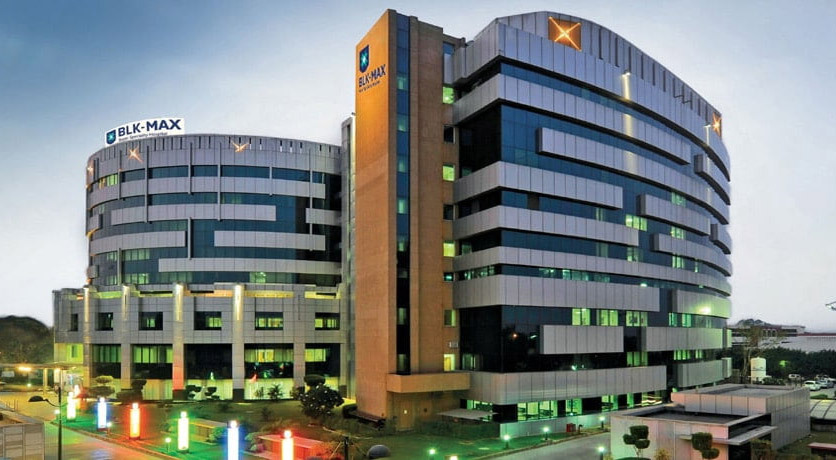
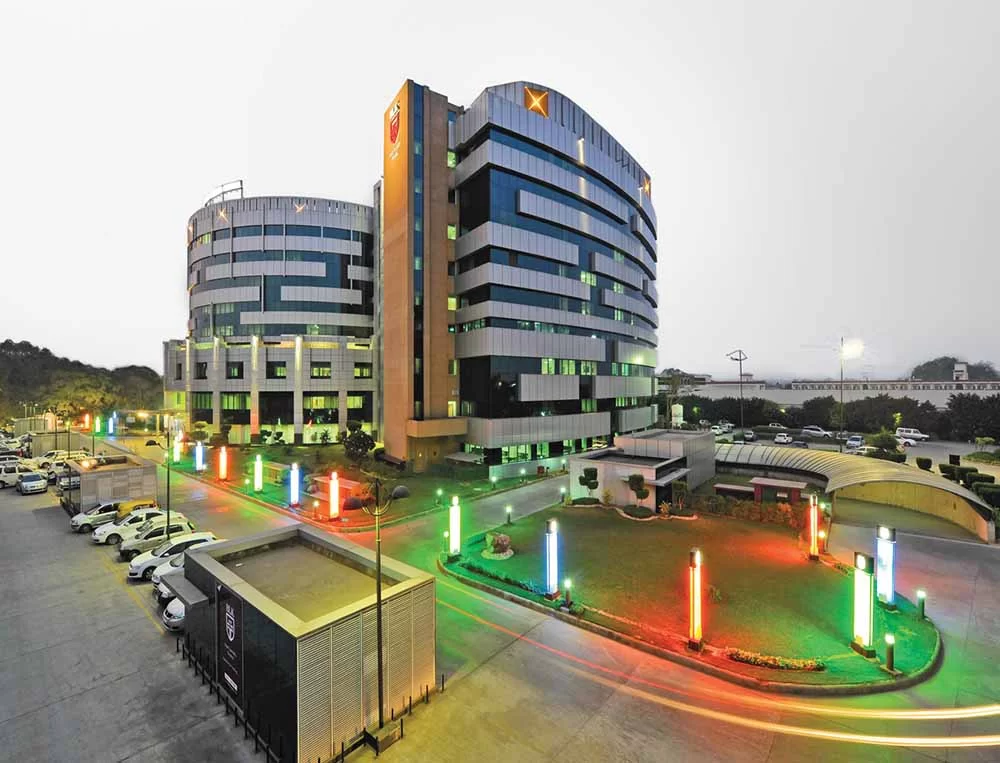
Hospital de súper especialidades BLK-Max, Nueva Delhi
El BLK-Max Super Specialty Hospital de Nueva Delhi es una de las principales instituciones sanitarias de la India y ofrece 650 camas, 22 quirófanos av...
Acreditaciones


Instalaciones
Instituto de Investigación Fortis Memorial (FMRI), Gurgaon
Fortis Memorial Research Institute (FMRI), Gurgaon, es un hospital de múltiples especialidades de clase mundial establecido en 2013. El hospital ofrec...
Acreditaciones


Instalaciones

Hospital Artemisa, Gurgaon
Artemis Hospital, Gurgaon, es un hospital multiespecializado acreditado por la JCI que se estableció en 2007. Ofrece más de 750 camas e infraestructur...
Acreditaciones



Instalaciones
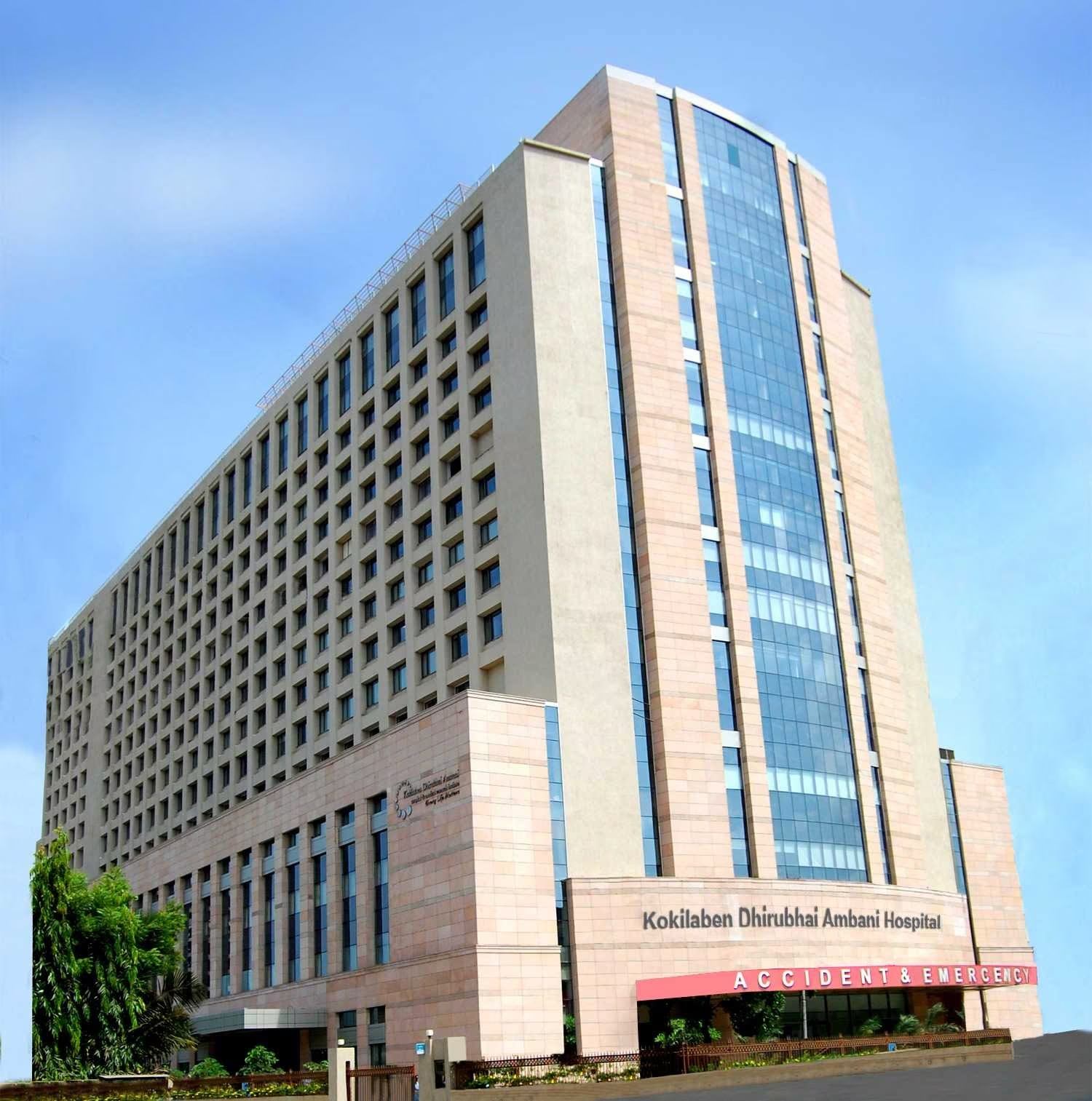
Hospital Kokilaben Dhirubhai Ambani, Bombay
El Hospital Kokilaben Dhirubhai Ambani, Mumbai, es un hospital de atención cuaternaria acreditado por JCI, NABH, NABL y CAP establecido en 2009. Con 7...
Acreditaciones


Instalaciones
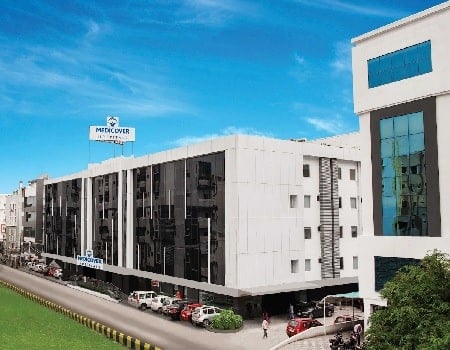
Hospitales Medicover, ciudad de Hitech, Hyderabad
Medicover Hospitals, Hitech City, Hyderabad, es un hospital de súper especialidades acreditado por NABH con 400 camas y establecido en 2011. Es parte ...
Acreditaciones


Instalaciones
Doctores relacionados
Conéctese con médicos y especialistas médicos experimentados en este campo.

Dr. Ananda Mandal
Consultant

Dr. Indranil Khan
Consultant

Dr. Pradip Chakrabarti
Head of Department (HOD)

Dr. Rakesh Rajput
Head of Department (HOD)
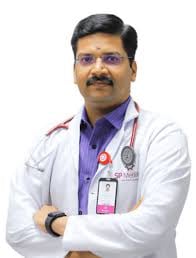
Dr. Praveen G L
Consultant

Dr. Chandramohan K.
Senior Consultant
Artículos relacionados
Explore más artículos e ideas sobre temas de salud similares.
¿Es segura la cirugía de columna en el extranjero?

Cómo prepararse para un trasplante de órganos en el extranjero: lista de verificación médica, legal y de viaje

Los mejores países para el trasplante de órganos: una guía para 2026 sobre costos, tiempos de espera y requisitos legales
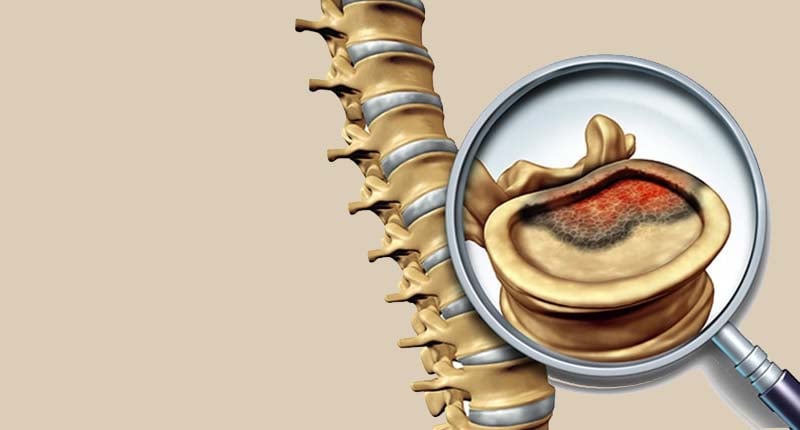
Back Pain or Something More? When Does a Spine Tumor Require Surgery?

¿Cuánto tiempo se puede vivir después de un trasplante de órganos?

¿Quién puede recibir un trasplante de órganos en la India? Reglas de elegibilidad explicadas

Autor
Ver todoEl Dr. Deepanshu Siwach es un farmacéutico clínico experimentado con un título de Doctor en Farmacia. Tiene más de 4 años de experiencia y ha trabajado con miles de pacientes. Ha estado asociado con... Leer más
Nuestro sitio web usa cookies. política de privacidad.
