Tratamiento médico en la India: costos ocultos que los pacientes internacionales deben considerar

9/2/2026, 2:57:00 PM 8 min read Medical Tourism
Tratamiento médico en la India: costos ocultos que los pacientes internacionales deben considerar

International patients often seek treatment abroad to access timely, advanced medical care. Many patients consider India because of treatment availability, medical expertise, and cost transparency. However, medical expenses rarely stop at the quoted procedure cost. Additional charges can arise before arrival, during hospital stay, and throughout recovery.


Understanding these hidden costs helps patients plan treatment in India more accurately. Early awareness supports realistic budgeting, smoother recovery planning, and fewer financial surprises during treatment travel.


What Do Doctors And Hospitals Usually Include In The Quoted Treatment Cost?

Quoted treatment costs usually cover the main medical procedure. In India, hospitals often provide estimates based on the diagnosis, planned intervention, and expected hospital stay. However, this estimate does not always reflect the whole financial picture.


  • Core Medical Procedure Charges:Quoted costs typically include surgeon fees, operating room use, and standard anesthesia. These charges reflect the planned procedure under normal clinical conditions.
  • Basic Hospital Stay:Estimates often include a defined number of inpatient days. This duration depends on the expected recovery timeline for the procedure. An extended stay can increase the total cost.
  • Standard Nursing and Routine Care:Hospitals usually include routine nursing care and basic monitoring. Intensive or specialized care may fall outside the initial estimate.
  • Initial Diagnostic Review:Some hospitals include basic report review before treatment. Additional tests after arrival may increase expenses.

International patients planning treatment in India benefit from carefully reviewing the cost inclusions. A clear understanding at this stage helps avoid confusion later during hospital admission or recovery.


Which Pre-Treatment Expenses Do Patients Often Overlook?

Pre-treatment expenses can add to the overall cost before treatment begins. International patients often underestimate these early-stage costs when planning care in India.


  • Repeat Diagnostic Tests After Arrival:Doctors may request repeat blood tests or imaging after arrival. Differences in equipment or report timelines can require confirmation. These tests add to initial expenses.
  • Specialist Consultations and Case Review:Complex conditions often require review by multiple specialists. Each consultation can carry a separate fee. A multidisciplinary review supports accurate planning but increases pre-treatment costs.
  • Procedure Planning Investigations:Advanced treatments may need additional scans or functional tests. These investigations help refine the treatment approach. Costs vary based on complexity and technology used.
  • Pre-Admission Medical Clearance:Some patients require cardiac, pulmonary, or anesthesia clearance. These evaluations ensure treatment safety. Clearance testing may not appear in initial estimates.

Early medical record review helps reduce unexpected testing. Clear discussion before travel supports better cost planning for treatment in India.


How Can Travel And Stay Costs Affect the Overall Treatment Budget?

Travel and accommodation expenses account for a significant portion of the total treatment cost abroad. These costs vary based on treatment duration and recovery needs.


  • Flight and Local Travel Expenses:International airfare and local transportation add to the budget. Travel dates may change based on medical timelines. Flexibility can influence cost.
  • Accommodation Before and After Hospital Stay:Patients often arrive before admission and remain after discharge. Hotel or serviced apartment costs depend on recovery needs. Longer stays increase expense.
  • Caregiver and Companion Costs:Many patients travel with a companion. Accommodation, meals, and transport for caregivers add to the total cost. Planning for caregiver stay helps avoid last-minute expenses.
  • Length of Stay Uncertainty:Recovery timelines can vary based on individual response. Delays or extended monitoring increase the duration of stays. Longer stay affects both accommodation and daily living costs.

Clear treatment timelines help patients estimate stay duration more accurately. Structured planning supports better financial control during treatment in India.


What Are The Hidden Costs Related To Hospital Stay And Recovery?

Hospital stay and recovery can involve expenses beyond the planned treatment estimate. International patients benefit from understanding how these costs arise during care in India.


  • Extended Hospital Stay:Doctors estimate hospital stay based on expected recovery. Some patients may require additional observation or monitoring. Each extra inpatient day increases the overall cost.
  • Intensive or High-Dependency Care:Certain procedures require short-term intensive monitoring. ICU or high-dependency unit care carries higher daily charges. These services may not appear in initial estimates.
  • Medical Consumables and Devices:Some procedures require additional consumables such as implants, catheters, or specialized disposables. Packages for Knee Replacement or Angioplasty often exclude the cost of the implant itself. A standard Titanium knee implant might cost $1,500, while a specialized Gold or Ceramic implant could cost $3,000. Always ask for the 'Implant Price List' before admission.
  • Physiotherapy and Rehabilitation During Admission:Recovery may involve physiotherapy or assisted mobilization. Hospitals may bill these services separately. Early rehabilitation supports recovery but adds to the cost.

Important Note:In many Indian hospitals, your room category dictates other charges. If you upgrade from a 'Twin Sharing' to a 'Private Deluxe' room, the surgeon's fee and investigation costs often increase by15-20%. Stick to your planned room category to keep the entire bill stable.


How Do Post-Treatment And Follow-Up Costs Add Up Over Time?

Post-treatment care continues after discharge and can influence total treatment cost. International patients often focus on procedure expenses while underestimating follow-up needs.


  • Medications After Discharge:Doctors prescribe medications to support healing and prevent complications. Some medicines require continued use after a hospital stay. These costs vary based on treatment type.
  • Follow-Up Consultations and Imaging:Doctors often recommend follow-up visits or imaging before travel clearance. These reviews help confirm recovery progress. Each visit adds to the overall expense.
  • Delayed Recovery or Additional Monitoring:Some patients recover more slowly than expected. Extended monitoring or repeat tests may become necessary. These needs increase post-treatment cost.
  • Remote Follow-Up After Return Home:Doctors may continue follow-up through report review after patients return home. While convenient, these services may involve additional fees.

Understanding follow-up needs helps patients plan more accurately. Clear recovery guidance supports a smoother transition after treatment in India.


Which Non-Medical Costs Should International Patients Plan For?

Non-medical expenses can influence the overall cost of treatment abroad. International patients planning treatment in India benefit from factoring these costs in early.


  • Medical Visa and Documentation Costs:Patients require a medical visa and supporting documents. Visa fees and document processing can vary by country. Delays may increase administrative expenses.
  • Insurance and Travel Coverage:Some patients choose travel or medical insurance for international treatment. Insurance plans may not cover all procedures or complications. Coverage limits can affect out-of-pocket costs.
  • Daily Living Expenses During Stay:Food, local transport, and communication expenses add to the daily cost. Longer stays increase these routine expenses. Budgeting for daily needs helps avoid surprises.
  • Caregiver Support and Assistance:Patients may require assistance from a caregiver during recovery. Hiring local assistance or arranging support services can add cost. These needs depend on recovery level and mobility.
  • Currency Exchange and Banking Charges:Exchange rates and transaction fees affect final payment amounts. Currency fluctuation can influence total expenses. Planning payment methods helps manage this risk.


How Can Treatment Delays Or Complications Increase Total Expenses?

Treatment delays or complications can raise overall cost during medical travel. International patients benefit from understanding how these situations affect expenses.


  • Extended Stay Due to Delays:Procedure rescheduling or delayed recovery can extend stay duration. Additional accommodation and daily expenses accumulate quickly. Longer stays increase total cost.
  • Additional Diagnostic or Monitoring Needs:Complications may require extra tests or monitoring. These services add to medical expenses. Early detection helps limit escalation.
  • Revision Procedures or Additional Treatment:Some complications require corrective procedures. These interventions increase treatment cost and recovery time. Doctors discuss such risks during planning.
  • Impact on Return Travel Plans:Delayed medical clearance can affect flight bookings. Rescheduling travel may involve penalty charges. Flexible travel planning helps reduce financial impact.

Thorough pre-treatment evaluation reduces the risk of delays. Precise planning helps manage cost impact during treatment in India.


How Do Currency Exchange And Payment Methods Impact Final Cost?

Currency exchange and payment choices can influence the total cost of treatment abroad. Using a standard Credit Card often incurs a 3.5% foreign transaction fee. To save money, we recommend using a Prepaid Forex Card or making a direct SWIFT Bank Transfer to the hospital before arrival.


  • Exchange Rate Fluctuations:Currency values can change during treatment planning or hospital stay. A weaker home currency can increase overall expenses. Monitoring exchange trends helps with budgeting.
  • International Transaction Charges:Banks may apply fees for international transfers or card payments. These charges can add to treatment costs over multiple transactions. Consolidated payments may reduce fees.
  • Payment Method Limitations:Hospitals may accept specific payment modes. Restrictions can require alternate arrangements. Early clarification prevents delays and additional charges.
  • Advance Payments and Deposits:Some treatments require advance deposits before admission. Currency conversion at the time of payment affects the final cost. Planning deposits carefully supports financial control.


How Can International Patients Reduce The Risk Of Unexpected Costs?

Careful planning helps reduce financial surprises during medical treatment abroad. International patients benefit from proactive preparation before choosing treatment in India.


  • Early Medical Record Review:Doctors can assess reports before travel. Early review reduces repeat testing and unnecessary procedures. This step supports cost clarity.
  • Detailed Cost Inclusion Review:Patients should review the quoted estimate to confirm what is included. Clarifying exclusions prevents misunderstanding. Written confirmation helps with planning.
  • Flexible Travel and Stay Planning:Flexible travel dates allow adjustment for recovery needs. Flexibility supports smoother budgeting.
  • Clear Recovery and Follow-Up Planning:Doctors outline recovery timelines and follow-up needs in advance. Clear expectations reduce extended stay or extra visits. Planning supports controlled expenses.
  • Open Communication with Care Teams:Regular communication helps address concerns early. Prompt clarification prevents cost escalation. Transparency supports informed decision-making.


What Questions Should You Ask The Hospital To Avoid Hidden Costs?

To avoid unexpected bills, use this checklist when requesting a quote from your hospital. A transparent hospital will be happy to provide these details.


  • Procedure Package Limit:Does the quote cover the surgeon, anesthesia, and operating theatre charges in full, or is there a cap?
  • Implant and Consumable Cost:Is the cost of the device (stent, knee implant, mesh, or pacemaker) included, or is it charged "at actuals" separately?
  • Room Rent Policy:If I upgrade my room category, will my doctor's fees and lab charges also increase?
  • Investigation Inclusions:Does the package includeallnecessary scans (MRI/CT), or are they billed extra?
  • Cross-Consultation Fees:Is the fee for a review by other specialists (e.g., a Cardiologist for heart clearance) included?
  • Discharge Medication:Is the cost of medicines I take home (usually for 1-2 weeks) included in the estimate?
  • Complication Coverage:What happens if I need an ICU stay due to an unexpected reaction? Is there an emergency buffer in the estimate?


Key Takeaway

Hidden costs can influence the overall experience of medical treatment abroad. International patients who plan treatment in India benefit from early clarity, careful budgeting, and realistic recovery planning. Informed preparation supports smoother care journeys and helps patients manage expenses with confidence.

Hospitales relacionados

Descubra hospitales y centros médicos relacionados con este tema para los servicios de salud de calidad.

Parque médico del hospital Bahcelievler
PLATINUM
Ver detalles

Parque médico del hospital Bahcelievler

Estanbul, Pavo

El Hospital Medical Park Bahcelievler es un hospital de 242 camas acreditado por la JCI en Estambul, establecido en 2007. Distribuido en 33.000 metros...

Multi-specialty
Establecido 2007
242 camas
Acreditaciones
Joint Commission International (JCI)
Instalaciones
+13
Hospital de súper especialidades BLK-Max, Nueva Delhi
PLATINUM
Ver detalles

Hospital de súper especialidades BLK-Max, Nueva Delhi

Nueva Delhi, India

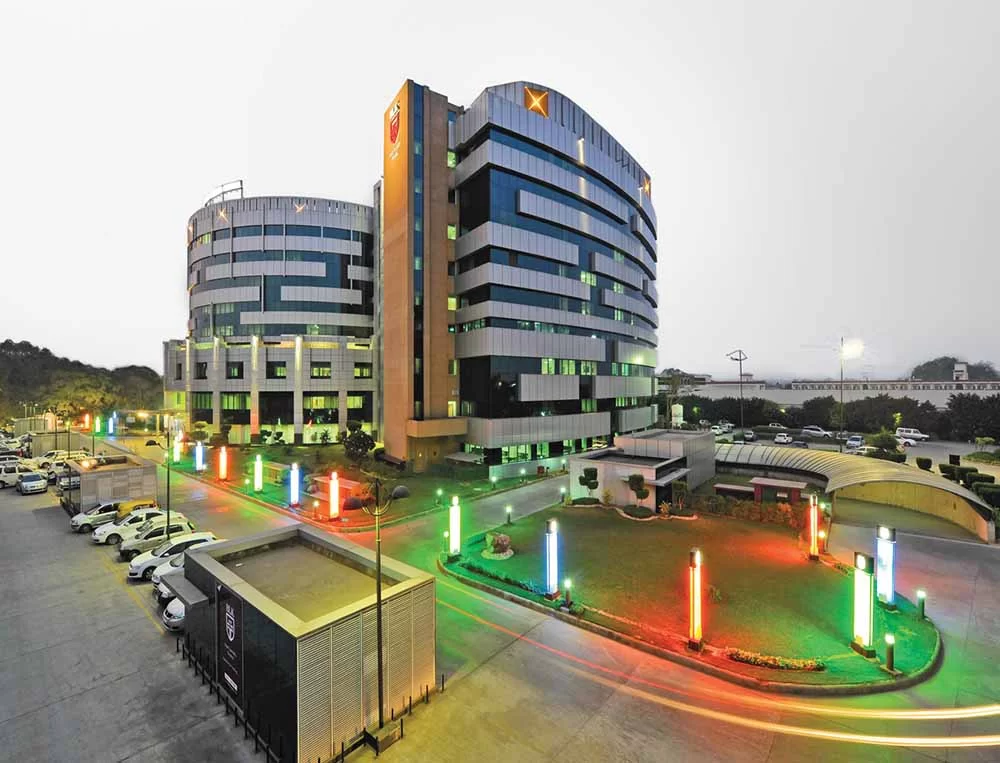
El BLK-Max Super Specialty Hospital de Nueva Delhi es una de las principales instituciones sanitarias de la India y ofrece 650 camas, 22 quirófanos av...

Multi-specialty
Establecido 1959
650 camas
Acreditaciones
Joint Commission International (JCI)
National Accreditation Board for Hospitals & Healthcare Providers (NABH)
Instalaciones
+13
Instituto de Investigación Fortis Memorial (FMRI), Gurgaon
PLATINUM
Ver detalles

Instituto de Investigación Fortis Memorial (FMRI), Gurgaon

Gurgaon, India

Fortis Memorial Research Institute (FMRI), Gurgaon, es un hospital de múltiples especialidades de clase mundial establecido en 2013. El hospital ofrec...

Multi-specialty
Establecido 2013
330 camas
Acreditaciones
Joint Commission International (JCI)
National Accreditation Board for Hospitals & Healthcare Providers (NABH)
Instalaciones
+13
Hospital Artemisa, Gurgaon
PLATINUM
Ver detalles

Hospital Artemisa, Gurgaon

Gurgaon, India

Artemis Hospital, Gurgaon, es un hospital multiespecializado acreditado por la JCI que se estableció en 2007. Ofrece más de 750 camas e infraestructur...

Multi-specialty
Establecido 2007
750 camas
Acreditaciones
Joint Commission International (JCI)
National Accreditation Board for Hospitals & Healthcare Providers (NABH)
International Organization for Standardization (ISO)
Instalaciones
+13
Hospital Kokilaben Dhirubhai Ambani, Bombay
PLATINUM
Ver detalles

Hospital Kokilaben Dhirubhai Ambani, Bombay

Bombay, India

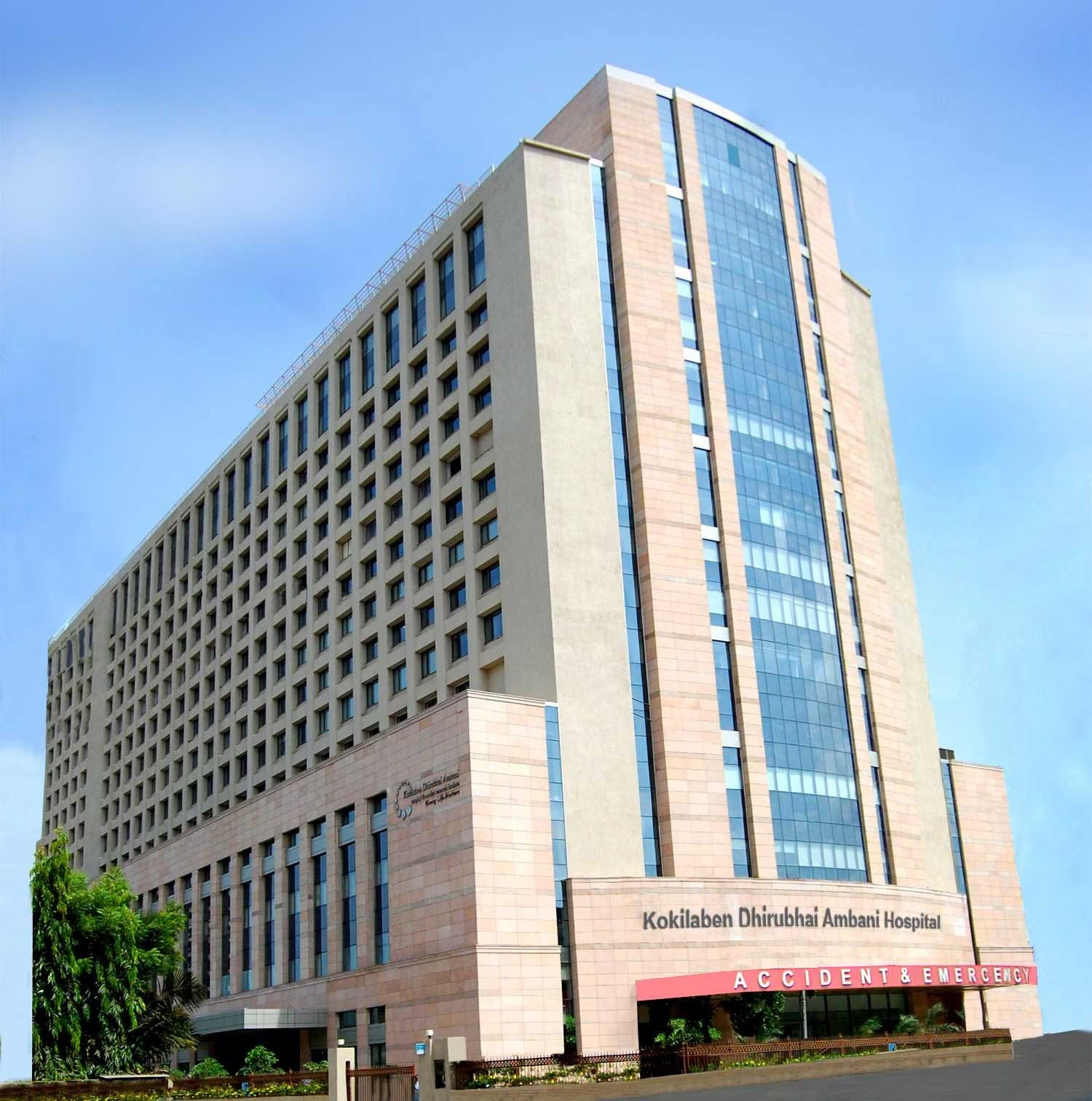
El Hospital Kokilaben Dhirubhai Ambani, Mumbai, es un hospital de atención cuaternaria acreditado por JCI, NABH, NABL y CAP establecido en 2009. Con 7...

Multi-specialty
Establecido 2009
750 camas
Acreditaciones
Joint Commission International (JCI)
National Accreditation Board for Hospitals & Healthcare Providers (NABH)
International Organization for Standardization (ISO)
Instalaciones
+13
Hospitales Medicover, ciudad de Hitech, Hyderabad
PLATINUM
Ver detalles

Hospitales Medicover, ciudad de Hitech, Hyderabad

Hyderabad, India

Medicover Hospitals, Hitech City, Hyderabad, es un hospital de súper especialidades acreditado por NABH con 400 camas y establecido en 2011. Es parte ...

Multi-specialty
Establecido 2011
400 camas
Acreditaciones
National Accreditation Board for Hospitals & Healthcare Providers (NABH)
Joint Commission International (JCI)
Instalaciones
+13

Doctores relacionados

Conéctese con médicos y especialistas médicos experimentados en este campo.

Dr. Dilek Benk Sifeler

Dr. Dilek Benk Sifeler

Consultant

23 Años de experiencia
Ver detalles
Dr. A.S. Esin Corkut

Dr. A.S. Esin Corkut

Consultant

28 Años de experiencia
Ver detalles
Dr. Mehmet Fatih Akbulut

Dr. Mehmet Fatih Akbulut

Consultant

20 Años de experiencia
Ver detalles
Dr. Ziyaettin Durakoğlu

Dr. Ziyaettin Durakoğlu

Consultant

24 Años de experiencia
Ver detalles
Dr. Ananda Mandal

Dr. Ananda Mandal

Consultant

27 Años de experiencia
Ver detalles
Dr. Debashish Mukherjee

Dr. Debashish Mukherjee

Senior Consultant

32 Años de experiencia
Ver detalles

Artículos relacionados

Explore más artículos e ideas sobre temas de salud similares.
¿Es segura la cirugía de columna en el extranjero?

Medical Tourism

¿Es segura la cirugía de columna en el extranjero?

2/4/2026, 1:32:33 PM
8 min read
Los trastornos de la columna afectan a millones de pacientes en todo el mundo. Condiciones como hernia discal, estenosis espinal y enfermedad degenera...
Leer más
Cómo prepararse para un trasplante de órganos en el extranjero: lista de verificación médica, legal y de viaje

Medical Tourism

Cómo prepararse para un trasplante de órganos en el extranjero: lista de verificación médica, legal y de viaje

2/4/2026, 1:03:37 PM
7 min read
Trasplante de órganosrequiere una planificación cuidadosa en cada etapa. Cuando los pacientes viajan al extranjero para someterse a una cirugía de tra...
Leer más
Los mejores países para el trasplante de órganos: una guía para 2026 sobre costos, tiempos de espera y requisitos legales
Medical Tourism

Los mejores países para el trasplante de órganos: una guía para 2026 sobre costos, tiempos de espera y requisitos legales

2/4/2026, 9:05:33 AM
7 min read
La demanda mundial decirugia de trasplante de organossigue aumentando cada año. Millones de pacientes viven con insuficiencia orgánica terminal, pero ...
Leer más
Back Pain or Something More? When Does a Spine Tumor Require Surgery?

Medical Tourism

Back Pain or Something More? When Does a Spine Tumor Require Surgery?

1/3/2026, 12:51:20 PM
9 min read
Cuando un diagnóstico afecta a la columna, la primera pregunta casi siempre es:'¿Todavía podré caminar?'En 2026, la atención de los tumores de columna...
Leer más
¿Cuánto tiempo se puede vivir después de un trasplante de órganos?

Medical Tourism

¿Cuánto tiempo se puede vivir después de un trasplante de órganos?

1/3/2026, 12:19:15 PM
7 min read
Cuando te dicen que necesitas untrasplante, la primera pregunta que te surge suele ser la más difícil de formular:¿Cuánto tiempo me dará esto?   Las...
Leer más
¿Quién puede recibir un trasplante de órganos en la India? Reglas de elegibilidad explicadas

Medical Tourism

¿Quién puede recibir un trasplante de órganos en la India? Reglas de elegibilidad explicadas

1/3/2026, 12:00:36 PM
7 min read
La insuficiencia orgánica sigue siendo un desafío de salud mundial creciente. La enfermedad renal crónica afecta a millones de personas en todo el mun...
Leer más
Dr. Deepanshu Siwach

Redactor médico sénior

Sr. Medical Content Writer Qonaq Health and Wellness
Doctor of Pharmacy

El Dr. Deepanshu Siwach es un farmacéutico clínico experimentado con un título de Doctor en Farmacia. Tiene más de 4 años de experiencia y ha trabajado con miles de pacientes. Ha estado asociado con... Leer más

Nuestro sitio web usa cookies. política de privacidad.