Pourquoi les Nigérians choisissent l'Inde pour un traitement médical

29/9/2025, 4:15:29 PM 12 min read Medical Tourism
Pourquoi les Nigérians choisissent l'Inde pour un traitement médical

India is a leading hub for medical tourism from Nigeria, offering advanced treatments, shorter waiting times, and significantly lower costs than many alternatives. The pull factors are strong on both sides: India’s high-end hospitals (including many NABH/JCI-accredited centers) deliver complex care (transplants,oncology,cardiacandneurosurgery,IVF, and robotic procedures) while Nigeria’s domestic system faces capacity constraints that push patients to look abroad. According to the U.S. International Trade Administration, Nigeria has about 35,000 practicing doctors despite a need for roughly 237,000, and the country loses at least $2 billion annually to outbound medical tourism, with India responsible for more than half of that spend.
 

The Nigeria-to-India flow isn’t new; it has grown over more than a decade. In 2012, an estimated 18,000 Nigerians traveled to India specifically for medical care (about 47% of all India visas issued to Nigerians that year). A few years later, analyses suggested that around half of all Nigerian visitors to India in 2015 came for treatment, evidence that medical travel has remained a dominant purpose. At the same time, India’s broader medical-tourism ecosystem has scaled up to serve millions of international patients annually, supported by national initiatives like Heal in India and continuous investment in technology and clinical expertise.
 

For Nigerian patients and families, the value proposition is clear: world-class specialists, modern technology, and coordinated international-patient services (from tele-consults and treatment planning to arrival assistance and follow-up), typically at a fraction of Western prices and with minimal wait times.
 

Healthcare Challenges in Nigeria

Nigeria’s health system has strong clinicians and active private hospitals. Yet access to high-acuity care remains uneven across regions. Diagnostic services are scattered, so full work-ups take time. Operating theatres and ICU beds are limited for complex cases, which creates delays. Advanced technology and certain medicines are not always available when needed. Insurance coverage is improving, but many families still face large out-of-pocket bills. These gaps push patients to seek predictable, end-to-end care abroad, often in India.
 

  • Specialist access is uneven:Nigeria has excellent clinicians, but specialist distribution is uneven. Tertiary centres cluster in a few cities. Patients from other regions travel far, then join long appointment queues. Complex cases often wait for operating lists to open.
  • Diagnostics are fragmented:A full work-up rarely happens under one roof. Bloods, imaging, endoscopy, and pathology sit in different facilities. Samples move slowly. Results return on different days. Staging gets delayed, and treatment planning slips.
  • Limited capacity for high-acuity care:Major surgery needs ICU beds, advanced anaesthesia, and round-the-clock monitoring. These resources are finite. Theatre time is rationed, and cancellations happen when post-op beds are unavailable. Time-sensitive cases lose precious days.
  • Technology gaps in niche services:Robotic platforms, hybrid cath labs, precision radiotherapy, and comprehensive molecular testing are still scarce. Centres that have them cannot serve national demand. Patients who need these tools must seek alternatives elsewhere.
  • Supply-chain interruptions:Oncology drugs, biologics, cardiac stents, and specialised implants are not always in stock. Imports face currency swings and clearance delays. Clinicians adapt protocols, but continuity suffers when a key item is missing.
  • Care pathways are not fully integrated:Multidisciplinary tumor boards and transplant boards are growing, but not universal. Referrals rely on personal networks more than system rails. Families end up coordinating between surgeons, physicians, and labs on their own.
  • Financing remains a hurdle:Insurance coverage is improving, but many advanced procedures still require large out-of-pocket payments. Hospitals issue separate bills for theatre, implants, consumables, and ICU. Budgeting becomes hard, and treatment gets paused.
  • Rehabilitation and survivorship are patchy:After major surgery or chemo-radiation, patients need physio, nutrition, wound care, and psychosocial support. These services exist in pockets, but continuity from hospital to home is uneven. Recoveries take longer than they should.
  • Information and records are not portable:Paper files and unlinked systems slow second opinions. Imaging on CDs goes missing. Pathology blocks are hard to retrieve. When families explore options abroad, they spend weeks just assembling a complete dossier.

When access, technology, and timelines do not align, families look for predictable routes. Medical tourism from Nigeria to India fills that gap. Patients seek places where diagnostics, surgery, critical care, and rehab sit on one integrated pathway, with clear scheduling and transparent packages.
 

Why is India a Preferred Destination for Nigerian Patients?

India streamlines complex care for Nigerian patients. Diagnostics, surgery, ICU, and rehab work as one program. International desks handle visas, scheduling, and paperwork. Care plans move quickly, with clear steps and predictable timelines. Families spend less time coordinating and more time healing.
 

  • Integrated care on one campus:Most Indian tertiary centres keep diagnostics, operating theatres, ICUs, labs, pharmacy, and rehab in a single complex. Care moves without hand-offs across town. You register once, and the system routes you to each service. It reduces delays and confusion for families arriving from Nigeria.
  • Subspecialists with focused case experience:Complex conditions go to teams that work only in that niche. Neuro-oncology, pediatric cardiac surgery, transplant hepatology, and reproductive medicine all have dedicated units. Regular exposure to similar cases sharpens judgment and technique. It also builds reliable protocols for rare or complex scenarios.
  • Clinical pathways with clear timelines:Hospitals map journeys from admission to discharge. You see what is scheduled before surgery, what happens in theatre, and how recovery is tracked day by day. Nurses and coordinators walk families through the plan. Everyone knows the next step, so momentum is protected.
  • Fast access to advanced diagnostics:PET-CT, 3T MRI, cardiac CT, endoscopic ultrasound, and molecular pathology are all available under unified scheduling. Samples are bar-coded and tracked. Reports land in the electronic record for all clinicians to view at once. Plans are made on complete data rather than partial results.
  • Enhanced Recovery After Surgery (ERAS):Pre-habilitation starts before admission. Surgeons prefer minimally invasive approaches when appropriate. Multimodal pain control reduces opioids and nausea. Patients sit up, eat, and walk earlier, which shortens recovery and lowers complication risk.
  • Reliable access to medicines and implants:Formularies cover targeted oncology drugs, biologics, and anticoagulants. Cardiac stents, joint prostheses, grafts, and meshes are stocked through stable vendors. Each implant is traceable with stickers and warranty documents. Back-up options are provided if a brand is not available.
  • Single-window coordination for international patients:A dedicated desk manages pre-arrival teleconsults, treatment estimates, and medical visa invitation letters. The same team books tests, theatre slots, and inpatient beds. They arrange airport pickup and help your attendant with local logistics. You focus on care while they handle the paperwork.
  • Digital records and structured aftercare:Clinicians share notes, images, and lab results through secure portals. Discharge packets are mirrored online, so nothing gets lost in transit. Follow-ups continue through video calls after you return to Nigeria. Your local doctor receives a concise handover with medication and monitoring plans.
     

High-Complexity Treatments Nigerians Commonly Seek in India

Many Nigerians travel to India for advanced and organized medical care. Hospitals coordinate diagnosis, treatment, and recovery within one managed pathway. Teams communicate clearly and share records with patients and families. This approach helps people complete treatment safely and return home confidently.
 

Cancer Care and Bone Marrow Transplant (BMT)

Indian cancer centres use combined surgery,chemotherapy, and radiation when required. Doctors order detailed scans and lab tests before planning treatment. Targeted drugs and precision radiation are available for suitable cancer types. Blood cancers may need autologous orallogeneic BMTwith strict infection control. Follow-up continues online so families stay supported after returning to Nigeria.
 

Cardiac Surgery and Interventional Cardiology

Nigerian patients come for bypass surgery, valve repair, and complex coronary angioplasty. Cath labs, operating rooms, and cardiac ICUs work in close coordination. Teams follow clear protocols covering anesthesia, monitoring, and early mobilization. Recovery includes breathing exercises, medication guidance, and safe activity plans. Flight readiness is assessed before discharge to protect heart health.
 

KidneyandLiver Transplant

Transplant programs evaluate donors carefully and follow legal requirements. Surgery proceeds only after cross-matching and medical clearance are complete. ICU teams manage fluids, infection risk, and early graft function closely. Pharmacists teach immunosuppressant schedules and food–drug precautions clearly. Patients receive lab calendars and tele-follow-ups for stable recovery.
 

Neurosciences (Brain and Spine)

Care covers brain tumors, aneurysms, AVMs,epilepsy, and spine compression. Surgeons use neuronavigation and monitoring to improve safety and precision. Pain control and physiotherapy begin early to support faster recovery. Written instructions explain posture, sleep, and wound care after surgery. Doctors confirm travel safety and provide emergency contacts before departure.
 

Specialized Surgical and Day-Care Services Nigerians Choose in India

Not every condition needs an extended hospital stay or intensive care. Many procedures are completed as day-care or short-stay admissions. Clear instructions help patients manage recovery at home or a hotel. Tele-consults keep follow-up simple and accessible for families.
 

Orthopedics and Joint Replacement

Hospitals perform knee and hip replacements with careful infection control. Physiotherapy starts on day one to restore movement and strength. Most patients walk with support before going home safely. Discharge plans include exercises and precautions for travel. Tele-physio sessions are arranged when families return to Nigeria.
 

IVF and Reproductive Medicine

Clinics provideIVF, ICSI, and corrective laparoscopic procedures when needed. Labs maintain strict culture conditions and transparent embryo tracking systems. Doctors explain timelines, consent steps, and realistic success expectations. Treatment plans respect personal beliefs and privacy for couples. Follow-ups between cycles are handled through scheduled video calls.
 

Urology and Prostate Care

Services include stone removal, prostate surgery, and reconstructive procedures. Many cases are completed as safe day-care admissions. Nurses teach catheter handling and outline clear red-flag symptoms. Follow-up schedules are shared before discharge to reduce repeat visits.
 

Pediatrics and Congenital Conditions

Children receive care for heart defects, neurosurgical needs, and orthopedic issues. Pediatric anesthesia and intensive care support safe procedures and recovery. Parents receive dosing charts and growth monitoring plans clearly. Tele-reviews confirm progress and adjust medicines when required. Schools and activity timelines are discussed before returning to Nigeria.
 

Treatment Journey for International Patients (Nigeria to India)

Indian hospitals coordinate care from the moment you share your medical records. You receive clear timelines, cost estimates, and a visa invite before booking travel.
 

  • Pre-arrival coordination:You gather reports, scans, and prescriptions and send them to the hospital team. They review your case, propose a plan, and issue a visa invitation letter (VIL).
  • Travel and accommodation:You book flights that suit your condition and medication schedule. The hospital can arrange airport pickup and suggest safe, nearby accommodation.
  • Registration and first consult:You complete registration with a passport, a visa, and an invitation letter. The clinical team confirms priorities, examines you, and finalizes required investigations.
  • Diagnostics and staging:Tests are batched to avoid repeat fasting and unnecessary delays. Results are entered into one record, and the team agrees on the treatment pathway.
  • Consent and preparation:Doctors explain benefits, risks, anesthesia, and expected recovery steps. You adjust medicines, complete clearances, and receive your procedure date.
  • Procedure and inpatient care:Safety checklists run before anesthesia, surgery, or intervention. Recovery includes pain control, early mobilization, and daily medical reviews.
  • Discharge planning:You receive a detailed summary, prescriptions, wound-care steps, and red-flag signs. Physiotherapy or diet plans are explained with simple daily targets.
  • Flight readiness:Your doctor confirms when traveling is safe and provides a fitness note. The team advises hydration, mobility, and seat preferences for long flights.
    Post-return follow-up: Teleconsults are scheduled, and you share labs through a secure link. Your local physician receives a handover with medications and monitoring ranges.

Cost Advantage For Nigerian Patients Traveling to India

India offers advanced care at sensible prices for international patients. Nigerian families see clear savings without giving up clinical quality.
 

  • Where the savings come from:Hospitals control costs through high volumes and efficient operating models. Teams reduce waste and negotiate better supply prices.
  • Transparent packages reduce surprises:Most centres share all-inclusive packages before you travel. The packages list doctor fees, OT use, room stay, medicines, and consumables.
  • Shorter stays lower your total spend:Minimally invasive techniques shorten hospital stays and recovery time. You pay less for beds, nursing hours, and support services.
  • Coordinated scheduling prevents repeat visits:Diagnostics are batched to avoid duplicate tests and extra days. A single itinerary saves money on hotels, taxis, and missed flights.
  • Practical budgeting support:Case managers provide estimates and payment milestones in writing. You can plan currency exchange, daily expenses, and return tickets confidently.

Indian Medical Visa for Nigerian Patients

Below are the steps, documents, fees, timing, and stay rules for Nigerian citizens coming to India for treatment. The process is straightforward if you prepare the right papers and follow the consulate’s instructions.
 

Where and how to apply

Apply under “Regular Visa Application” at theIndian government portal, then submit in person at either the Consulate General of India, Lagos, or the High Commission of India, Abuja. Nigerian applicants must appear for biometrics (fingerprints and iris) at the consulate. Do not book tickets until the visa is issued. The application window in Lagos is 09:00–11:00 (Mon–Fri); passport collection is 16:00–17:00.
 

Documents you should prepare

Bring a neatly organised file. Typical requirements include:
 

  • A passport valid for at least 6 months, plus a photocopy of the data page.
  • Printed online visa form and two photos (2x2 inches, light background).
  • Referral letter from your Nigerian hospital/doctor stating diagnosis and why treatment is advised in India.
  • An invitation letter from the Indian hospital on letterhead, emailed directly by the hospital to the consulate (you also attach a printout). Include proposed dates and any attendant names.
  • Medical records (recent labs, scans, discharge notes). Transplant cases should include a donor compatibility work-up.
  • Financials: last 3 months’ bank statements (or sponsor affidavit + ID).
  • Vaccinations: Polio (OPV/IPV) certificate valid within 1 year of travel and Yellow Fever certificate (except infants under 6 months).
     

Fees (Nigerian nationals)

As of April 1, 2025, Lagos shows a uniform visa fee for Nigerian nationals: $585 + $3 ICWF (payable in Naira at the posted exchange), applied across visa categories. Abuja lists the exact figure. Fees are non-refundable, and visas are valid from the date of issue. Always check the latest chart before you pay.
 

Processing time

Routine files can move quickly, but the consulate notes that some visa types may take up to six weeks. Plan your treatment dates with this buffer, and book flights only after the grant.
 

How long can you stay and the number of entries?

For a regular Medical (MED-1) visa, the initial validity is up to one year or the treatment period, whichever is shorter. Missions may issue six months with multiple/triple entries as a default in many cases. Extensions up to one additional year can be granted in India by FRRO/FRO on a hospital certificate (NABH/ICMR/CGHS/MCI recognised). If your visa validity is over 180 days, you must register with FRRO within 14 days of arrival.
 

Medical Attendant (MED-X) visa

You may bring up to two attendants (family or close friends). Their MED-X visas are co-terminus with the patient’s medical visa and should be applied for together with the same hospital invitation naming the attendants.
 

Step-by-step flow you can follow

  • Share records with your chosen Indian hospital; request an official invitation.
  • Complete the online Regular Visa form; select CGI Lagos or HCI Abuja as the mission.
  • Print, sign, and book an appointment; prepare the checklist documents.
  • Attend biometrics and submit your file; pay the fee in Naira as posted.
  • Wait for the decision; only then finalise flights and accommodation.
     

Tip: Keep scans of every document in your phone and cloud. Carry originals plus 2–3 photocopies to the counter. It prevents repeat visits.
 

Conclusion

Nigerian families choose India because care is organized from the first record review to the final follow-up, with clear steps and dependable timelines at every stage. Hospitals keep diagnostics, surgery, intensive care, and rehabilitation on one campus, which reduces delays, prevents confusion, and helps patients move smoothly through each part of treatment.


Minimally invasive techniques and structured recovery programs shorten hospital stays, lower complication risks, and help families return home sooner with clear instructions they can follow. Quality and safety remain visible because accredited hospitals use audited protocols, sterile workflows, medication checks, and outcome reviews that keep care consistent across shifts and departments.


Choose accredited hospitals with strong communication and defined tele-follow-ups, because reliable aftercare protects results once you are back in Nigeria and ready to resume daily life. With thoughtful planning and the right clinical partner, medical treatment in India delivers advanced care, sensible costs, and a steady path from diagnosis to recovery.
 

Hôpitaux connexes

Découvrez les hôpitaux et les centres médicaux liés à ce sujet pour les services de santé de qualité.
Hôpital Medical Park Bahcelievler
PLATINUM
Afficher les détails

Hôpital Medical Park Bahcelievler

Istanbul, Turquie

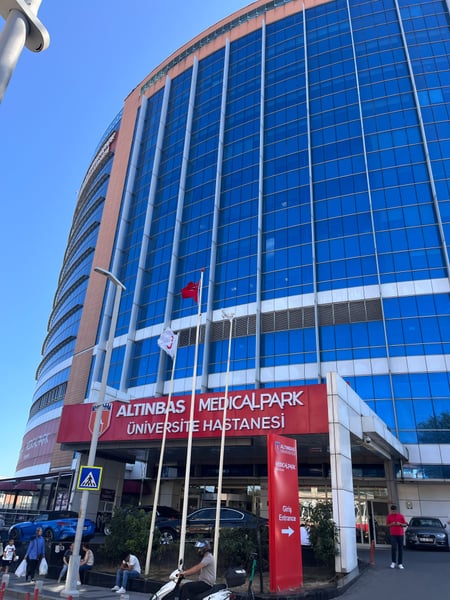
L'hôpital Medical Park Bahcelievler est un hôpital accrédité JCI de 242 lits à Istanbul, créé en 2007. Réparti sur 33 000 mètres carrés et 19 étages, ...

Multi-specialty
Établi 2007
242 lits
Accréditations
Joint Commission International (JCI)
Installations
+13
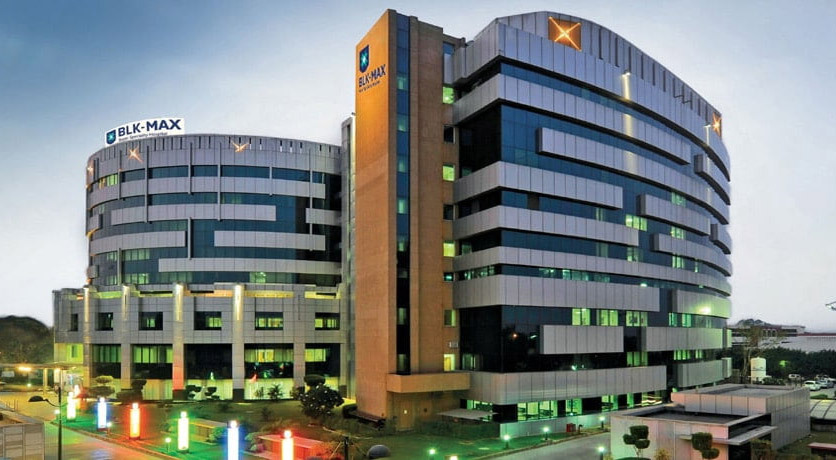
Hôpital super spécialisé BLK-Max, New Delhi
PLATINUM
Afficher les détails

Hôpital super spécialisé BLK-Max, New Delhi

New Delhi, Inde

L'hôpital super spécialisé BLK-Max de New Delhi est l'un des principaux établissements de santé de l'Inde, offrant 650 lits, 22 salles d'opération ava...

Multi-specialty
Établi 1959
650 lits
Accréditations
Joint Commission International (JCI)
National Accreditation Board for Hospitals & Healthcare Providers (NABH)
Installations
+13
Institut de recherche Fortis Memorial (FMRI), Gurgaon
PLATINUM
Afficher les détails

Institut de recherche Fortis Memorial (FMRI), Gurgaon

Gurgaon, Inde

Le Fortis Memorial Research Institute (FMRI), Gurgaon, est un hôpital multi-spécialités de classe mondiale créé en 2013. L'hôpital propose 330 lits, 1...

Multi-specialty
Établi 2013
330 lits
Accréditations
Joint Commission International (JCI)
National Accreditation Board for Hospitals & Healthcare Providers (NABH)
Installations
+13
Hôpital Artémis, Gurgaon
PLATINUM
Afficher les détails

Hôpital Artémis, Gurgaon

Gurgaon, Inde

L'hôpital Artemis de Gurgaon est un hôpital multispécialisé accrédité JCI qui a été créé en 2007. Il offre plus de 750 lits et une infrastructure de c...

Multi-specialty
Établi 2007
750 lits
Accréditations
Joint Commission International (JCI)
National Accreditation Board for Hospitals & Healthcare Providers (NABH)
International Organization for Standardization (ISO)
Installations
+13
Kokilaben Dhirubhai Ambani Hospital, Mumbai
PLATINUM
Afficher les détails

Kokilaben Dhirubhai Ambani Hospital, Mumbai

Bombay, Inde

L'hôpital Kokilaben Dhirubhai Ambani de Mumbai est un hôpital de soins quaternaires accrédité JCI, NABH, NABL et CAP, créé en 2009. Avec 750 lits, 180...

Multi-specialty
Établi 2009
750 lits
Accréditations
Joint Commission International (JCI)
National Accreditation Board for Hospitals & Healthcare Providers (NABH)
International Organization for Standardization (ISO)
Installations
+13
Hôpitaux Medicover, Hitech City, Hyderabad
PLATINUM
Afficher les détails

Hôpitaux Medicover, Hitech City, Hyderabad

Hyderâbâd, Inde

Medicover Hospitals, Hitech City, Hyderabad, est un hôpital superspécialisé de 400 lits accrédité par le NABH, créé en 2011. Il fait partie de Medicov...

Multi-specialty
Établi 2011
400 lits
Accréditations
National Accreditation Board for Hospitals & Healthcare Providers (NABH)
Joint Commission International (JCI)
Installations
+13

Médecins connexes

Connectez-vous avec des médecins expérimentés et des médecins spécialistes dans ce domaine.
Dr Dilek Benk Silfeler

Dr Dilek Benk Silfeler

Consultant

23 années d'expérience
Afficher les détails
Dr A.S. Esin Corkut

Dr A.S. Esin Corkut

Consultant

28 années d'expérience
Afficher les détails
Dr Mehmet Fatih Akbulut

Dr Mehmet Fatih Akbulut

Consultant

20 années d'expérience
Afficher les détails
Dr Ziyaettin Durakoğlu

Dr Ziyaettin Durakoğlu

Consultant

24 années d'expérience
Afficher les détails
Dr Ananda Mandal

Dr Ananda Mandal

Consultant

27 années d'expérience
Afficher les détails
Dr Debashish Mukherjee

Dr Debashish Mukherjee

Senior Consultant

32 années d'expérience
Afficher les détails

Articles connexes

Explorez plus d'articles et d'informations sur des sujets de santé similaires.
Comment se préparer à une transplantation d'organe à l'étranger : liste de contrôle médicale, juridique et de voyage
Medical Tourism

Comment se préparer à une transplantation d'organe à l'étranger : liste de contrôle médicale, juridique et de voyage

2/4/2026, 1:03:37 PM
7 min read
Greffe d'organenécessite une planification minutieuse à chaque étape. Lorsque les patients voyagent à l’étranger pour subir une greffe, la préparation...
Meilleurs pays pour la transplantation d'organes : guide 2026 sur les coûts, les délais d'attente et les exigences légales
Medical Tourism

Meilleurs pays pour la transplantation d'organes : guide 2026 sur les coûts, les délais d'attente et les exigences légales

2/4/2026, 9:05:33 AM
7 min read
La demande mondiale dechirurgie de transplantation d'organecontinue d’augmenter chaque année. Des millions de patients vivent avec une défaillance d'o...
Back Pain or Something More? When Does a Spine Tumor Require Surgery?
Medical Tourism

Back Pain or Something More? When Does a Spine Tumor Require Surgery?

1/3/2026, 12:51:20 PM
9 min read
Lorsqu’un diagnostic concerne la colonne vertébrale, la première question est presque toujours :« Est-ce que je pourrai encore marcher ?En 2026, les s...
Combien de temps peut-on vivre après une greffe d’organe ?
Medical Tourism

Combien de temps peut-on vivre après une greffe d’organe ?

1/3/2026, 12:19:15 PM
7 min read
Quand on vous dit que vous avez besoin d'untransplanter, la première question qui vient à l’esprit est souvent la plus difficile à poser :Combien de t...
Qui peut bénéficier d’une greffe d’organe en Inde ? Règles d'éligibilité expliquées
Medical Tourism

Qui peut bénéficier d’une greffe d’organe en Inde ? Règles d'éligibilité expliquées

1/3/2026, 12:00:36 PM
7 min read
La défaillance d’un organe reste un défi de santé mondial croissant. L’insuffisance rénale chronique touche des millions de personnes dans le monde et...
La transplantation d'organes est-elle sans danger pour les patients internationaux en Inde ? Lois, risques et taux de réussite expliqués

Medical Tourism

La transplantation d'organes est-elle sans danger pour les patients internationaux en Inde ? Lois, risques et taux de réussite expliqués

28/2/2026, 2:19:46 PM
8 min read
Pour un patient international, la décision de voyager pour une duréegreffe d'organeest souvent un choix fait par nécessité. Les longues listes d'atten...
Dr Deepanshu Siwach

Rédacteur médical principal

Sr. Medical Content Writer Qonaq Health and Wellness
Doctor of Pharmacy

Le Dr Deepanshu Siwach est un pharmacien clinicien expérimenté titulaire d'un doctorat en pharmacie. Il a plus de 4 ans d'expérience et a travaillé avec des milliers de patients. Il a été associé à ... En savoir plus

Notre site Web utilise des cookies. politique de confidentialité.