
Энэтхэгт бөөрний том чулууг эмчлэх PCNL: журам, амжилтын хувь хэмжээ, өртөг
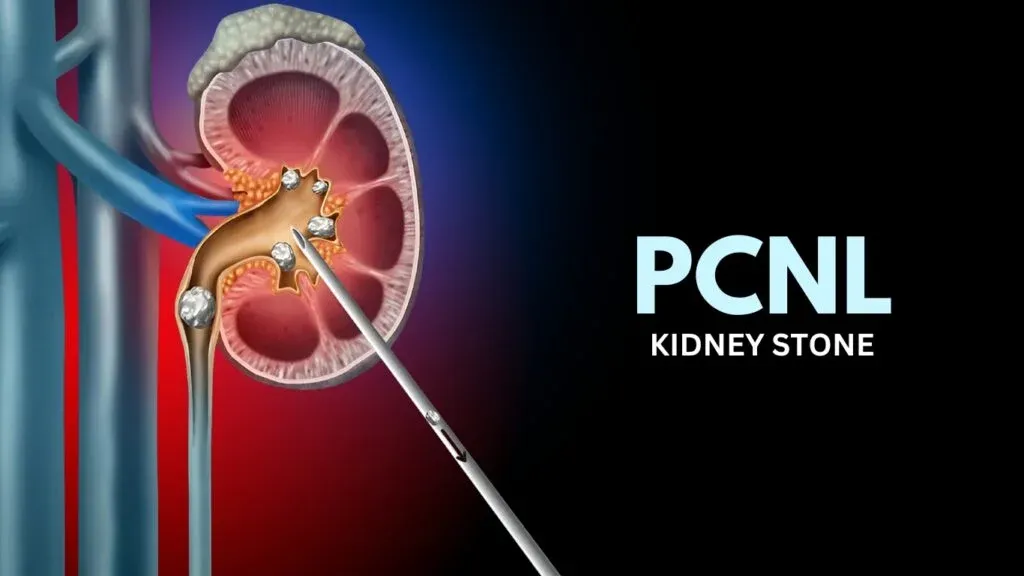
A kidney stone small enough to pass on its own creates an intense but temporary problem. A stone that is two centimetres across, or a staghorn calculus that has branched through multiple parts of the kidney's collecting system, is a different matter entirely. These stones will not pass. They will not clear with shockwave therapy alone. And treating them endoscopically with a flexible scope may require multiple sessions to achieve what a single well-executed operation can deliver.
Percutaneous nephrolithotomy is the definitive answer for large and complex kidney stones. Major urology guidelines recommend PCNL as first-line therapy for kidney stones larger than 2 cm. It achieves stone-free rates that ESWL and RIRS cannot consistently match for stones in this size range, while offering a procedure with a well-defined and manageable complication profile.
India performs a large volume of PCNL annually, including at specialist centres that handle staghorn calculi, horseshoe kidneys, and complex bilateral stone disease. Costs are a fraction of what the same procedure commands in the United States, United Kingdom, or Europe.
What Is PCNL and When Is It the First-Line Treatment for Kidney Stones?
Percutaneous nephrolithotomy is a minimally invasive surgical procedure that accesses the kidney directly through a small incision in the skin of the back. A nephroscope, a rigid telescope with a working channel, is inserted through a needle tract created under imaging guidance. The surgeon visualises the stone directly, fragments it using ultrasonic, pneumatic, or laser energy, and removes the debris through the working channel.
The key difference from RIRS or URSL is the access route. RIRS enters the kidney from below, through the natural urinary tract. PCNL is performed from the outside, through a dedicated tract created specifically for the procedure. This external access enables the use of larger instruments, higher fragmentation energy, and direct suction of stone debris, thereby achieving higher single-session stone-free rates for large stone burdens.
When Is PCNL Recommended Over Other Procedures?
- Kidney stones larger than 2 cm in diameter: PCNL is the recommended first-line surgical treatment
- Staghorn calculi (stones that fill the renal pelvis and extend into the calyces): PCNL is the only practical single-session option
- Lower pole stones above 1 cm where ESWL has a poor clearance rate due to gravitational fragment drainage
- Dense stones above 1,000 Hounsfield units that resist efficient fragmentation by external shockwave therapy
- Patients in whom RIRS has failed to achieve stone-free status after one or two sessions
- Anatomical variants such as horseshoe kidneys, transplanted kidneys, or pelvic ectopic kidneys where retrograde access is difficult
What Are the Different Types of PCNL Available in India?
PCNL has evolved considerably from its origins as a purely open-access procedure. India's leading endourology centres offer all major PCNL variants, matched to the stone burden and patient anatomy.
Standard PCNL
Uses a tract size of 24 to 30 French (roughly 8 to 10 mm in diameter) and a large-calibre nephroscope with a powerful ultrasonic or pneumatic lithotripter. Standard PCNL achieves the highest single-session stone-free rates. A 2024 prospective cohort study found that standard PCNL cleared stones in 93.3 percent of patients, compared with 76.7 percent for mini-PCNL, for stones averaging 30 mm in size. The trade-off is a slightly higher bleeding risk compared with smaller-tract techniques.
Mini-PCNL
Uses a reduced tract size of 14 to 20 French. The smaller access causes less tissue trauma and reduces blood loss compared with standard PCNL, at the cost of a somewhat lower single-session stone-free rate for very large stones.
A 2024 prospective study of 410 mini-PCNL patients achieved a stone-free rate of 84.4 percent, with a complication rate of 10.7 percent. Mini-PCNL is now the preferred technique at many high-volume centres for stones measuring 2-3 cm, balancing efficacy with reduced morbidity.
Ultra-Mini and Micro-PCNL
Even smaller tract sizes, 11 to 13 French for ultra-mini and approximately 5 French for micro-PCNL, push the boundary toward flexible scope territory. These techniques cause minimal tissue disruption but are limited to smaller stone burdens and longer operative times. They are best suited for stones in the 1-2 cm range, where surgeon preference or patient factors favour a percutaneous over a retrograde approach.
How Is the PCNL Procedure Performed Step by Step?
PCNL is performed under general or spinal anaesthesia and takes 60 to 150 minutes for a standard case, longer for complex bilateral or staghorn disease.
- Positioning: The patient is placed in the prone (face-down) or modified supine position. Prone access gives the most direct route to the kidney from the back; supine variants allow simultaneous retrograde access during the same anaesthetic.
- Access: Under fluoroscopic or ultrasound guidance, a needle is advanced through the skin into the target calyx of the kidney. Correct calyx selection is critical and determines instrument angle and stone access.
- Tract dilation: A guidewire is placed through the needle, and a series of dilators (or a balloon dilator) expands the tract to the target size. The Amplatz sheath, a plastic outer sleeve, is placed over the dilators to maintain access.
- Nephroscopy: The nephroscope is inserted through the sheath. The stone is visualised directly under the camera.
- Fragmentation: An ultrasonic probe, pneumatic lithotripter, or laser fibre fragments the stone into pieces small enough to be retrieved or flushed out.
- Fragment clearance: Fragments are suctioned, basketed, or irrigated out through the Amplatz sheath.
- Exit: A nephrostomy tube (small drainage tube) is placed through the access tract and left in position for 24 to 48 hours. Tubeless PCNL, where no nephrostomy tube is placed, is an option for uncomplicated cases.
What Is the Stone-Free Rate After PCNL?
Stone-free rates after PCNL depend on stone size, location, and the PCNL variant used.
Published Stone-Free Rates by Stone Characteristics
Stone Type | Stone-Free Rate |
| Stones 2 to 3 cm (standard PCNL) | 80 to 93% |
| Stones over 3 cm | 65 to 80% |
| Staghorn calculi (partial or complete) | 60 to 80% (often multiple sessions) |
| Lower pole stones | 50 to 75% |
| Mini-PCNL (stones averaging 30 mm) | 76 to 84% |
A retrospective analysis of 422 PCNL procedures found an overall stone-free rate of 75.82 percent, with lower clearance rates for stones over 3 cm (65.57 percent) and significantly reduced clearance for lower pole stones (50 percent) compared with upper and mid-calyx locations.
For complex staghorn calculi, multiple sessions are frequently planned in advance. A staged approach, with the first session clearing the main stone bulk and a second session several weeks later addressing residual fragments, achieves higher final stone-free rates than a single prolonged operative attempt.
Success is defined as stone-free status confirmed on CT or KUB X-ray at one to three months post-operatively, or the presence of only clinically insignificant residual fragments under 4 mm.
What Are the Risks and Complications of PCNL?
PCNL carries more procedural risk than RIRS or ESWL, but it offers superior stone clearance in large and complex disease. Understanding the complication profile helps patients make an informed decision.
Most Common Complications
- Fever and urinary infection: The most frequent complication, occurring in 10 to 15 percent of cases. Preoperative urine culture and targeted prophylactic antibiotics reduce, but do not eliminate, this risk. Severe sepsis is rare but represents the most dangerous complication.
- Bleeding requiring transfusion: Occurs in 2-5% of standard PCNL cases. Mini and ultra-mini tract sizes significantly reduce this risk.
- Residual stone fragments: Not all stones clear in a single session, requiring auxiliary procedures or a planned second look nephroscopy.
- Nephrostomy tube displacement or malfunction: Requires repositioning in a small proportion of cases.
Serious But Rare Complications
- Arteriovenous fistula from nephroscope manipulation: Presents as delayed bleeding days after surgery, usually managed by interventional radiology with selective embolisation
- Hydrothorax (fluid in the chest) from a supracostal puncture above the 12th rib: Occurs in fewer than 5 percent of supracostal access cases; most resolve without intervention
- Bowel injury: Rare, occurring in under 0.5 percent of cases, most commonly when a loop of colon sits posteriorly to the kidney
- Mortality: Remains very low at approximately 0.2 percent in large published cohorts, most often from sepsis in high-risk patients
Specialists at high-volume PCNL centres emphasise that careful pre-operative planning, including a review of non-contrast CT to map the collecting system and identify the position of adjacent organs before puncture, accounts for the majority of serious complications being avoided.
How Does PCNL Compare with RIRS and ESWL?
Choosing between these three approaches depends primarily on stone size, density, and location.
Feature | ESWL | RIRS | PCNL (Standard) |
| Best for | Stones under 10 mm, soft stones | Stones up to 20 mm | Stones over 20 mm |
| Access route | External (no instrument inserted) | Through urethra, no incision | Small back incision |
| Stone-free rate for 2cm+ stones | 40 to 60% | 70 to 85% (may need 2 sessions) | 80 to 93% (single session) |
| Hospital stay | None | 1 to 2 nights | 2 to 5 nights |
| Bleeding risk | Minimal | Very low | Low to moderate |
| Suitable for staghorn stones | No | No | Yes |
| Recovery | Days | 1 to 2 weeks | 2 to 4 weeks |
For stones 15-20 mm, RIRS and mini-PCNL achieve acceptable stone-free rates, and the choice is often determined by stone density, lower-pole location, and surgeon expertise. For stones larger than 20 mm, PCNL achieves success rates independent of stone size, a characteristic that RIRS and ESWL cannot replicate for the largest stone burdens.
How Much Does PCNL Cost in India?
PCNL in India costs between INR 70,000 and INR 2,50,000 (approximately USD 840 to USD 3,000) depending on the technique, stone complexity, and hospital tier.
Cost by PCNL Type
Procedure | India Cost (INR) | India Cost (USD approx.) |
| Standard PCNL | 83,000 to 2,50,000 | 1,000 to 3,000 |
| Mini-PCNL | 80,000 to 1,80,000 | 960 to 2,160 |
| Micro / Ultra-mini PCNL | 90,000 to 1,80,000 | 1,080 to 2,160 |
| Bilateral PCNL (same session) | 1,50,000 to 3,00,000 | 1,800 to 3,600 |
Individual Cost Components
Component | Approximate Cost (INR) | USD Approx. |
| Surgeon's fee | 15,000 to 50,000 | 180 to 600 |
| Anaesthesia | 8,000 to 15,000 | 96 to 180 |
| Operating theatre | 10,000 to 25,000 | 120 to 300 |
| Nephroscopy equipment usage | 8,000 to 20,000 | 96 to 240 |
| Amplatz sheath and balloon dilator (disposable) | 5,000 to 15,000 | 60 to 180 |
| Lithotripsy energy source (ultrasonic/laser) | 5,000 to 15,000 | 60 to 180 |
| Hospital stay per night (ward) | 3,000 to 8,000 | 36 to 96 |
| Nephrostomy tube and care | 2,000 to 5,000 | 24 to 60 |
| Pre-operative CT scan (if not already done) | 3,000 to 8,000 | 36 to 96 |
| Stone analysis and post-op urine culture | 1,500 to 4,000 | 18 to 48 |
How Does India's PCNL Cost Compare Globally?
Country | PCNL Cost (USD approx.) |
| India | 840 to 3,000 |
| Pakistan / Bangladesh | 600 to 1,500 |
| Turkey | 3,500 to 6,500 |
| Thailand | 5,000 to 10,000 |
| UK (private) | 10,000 to 20,000 |
| USA | 20,000 to 50,000 |
| Australia | 12,000 to 25,000 |
International patients planning PCNL in India should confirm whether bilateral surgery, a planned second-look nephroscopy for staghorn calculi, and stone composition analysis are included in the quoted package, as these can significantly increase the base cost.
What Does Recovery After PCNL Look Like?
Recovery from PCNL is longer than from RIRS but faster than from open surgery. Most patients return to normal activity within three to four weeks.
- Day 0 to 1: Postoperative in the recovery room and then the ward. The nephrostomy tube drains urine and blood-stained fluid. A urethral catheter also remains in place.
- Day 1 to 2: A nephrostogram (an X-ray with contrast dye through the nephrostomy tube) confirms no leakage from the collecting system. If clear, the nephrostomy tube is clamped and then removed.
- Day 2 to 4: Hospital discharge in uncomplicated cases. Some complex or staghorn cases require a longer stay or a planned second-look procedure before discharge.
- Week 1 to 2: Wound closes. Mild flank discomfort and fatigue are common. Light desk work usually resumes.
- Week 2 to 4: Progressive return to normal physical activity. Heavy lifting and strenuous exercise are avoided until the fourth week.
International patients typically plan a stay of 10 to 14 days in India for PCNL, covering the procedure, nephrostomy tube removal, postoperative imaging to confirm stone clearance, and a final clearance appointment before flying.
When a Second Session Is Planned
For staghorn calculi or very large stone burdens, the surgical team may plan a second-look nephroscopy at 24 to 48 hours through the same established tract, while it remains fresh and dilated, to clear any residual fragments identified on postoperative imaging.
Conclusion
Shockwave therapy and flexible ureteroscopy have expanded the options for small and medium kidney stones considerably. For stones >2 cm, staghorn calculi, and complex bilateral disease, PCNL remains the procedure with the highest, consistently high stone-free rate in a single session. The evidence for this is not debated in the clinical literature. The guideline position reflects it directly.
India's endourology centres perform PCNL, including mini-PCNL and tubeless variants, using the same imaging-guided access, fragmentation technology, and postoperative monitoring as available at leading Western centres. The cost difference, running to 80-90% savings compared to US prices, makes complex stone surgery accessible for international patients who would otherwise face very long waits or very large bills.
Take the Next Step
If you have been diagnosed with a large kidney stone or staghorn calculus, getting an expert opinion can help you understand the most effective treatment approach.
Share your recent non-contrast CT scan report, imaging studies, and previous stone treatment records with the Qonaq Health experts for a personalised case review. Our team can connect you with experienced urologists in India who will assess your condition and recommend the most appropriate treatment option.
Disclaimer: This article provides general educational information about percutaneous nephrolithotomy (PCNL) for large kidney stones. It does not constitute medical advice and must not replace a consultation with a qualified urologist or endourologist. Individual treatment decisions depend on stone size, location, density, anatomy, and the patient's surgical risk profile. Patients should consult a specialist before making any decisions about kidney stone surgery.
Холбоотой эмнэлэг
Энэхүү сэдэв нь чанарын эрүүл мэндийн үйлчилгээнд холбогдох эмнэлэг, эмнэлгийн төвүүд.
Medical Park Bahcelievler эмнэлэг
Medical Park Bahcelievler эмнэлэг нь Истанбул хотод 2007 онд байгуулагдсан, JCI байгууллагын магадлан итгэмжлэгдсэн 242 ортой эмнэлэг бөгөөд 33,000 ха...
Хэрцийлсэн

Нэгж
BLK-Max супер мэргэжлийн эмнэлэг, Нью Дели
Шинэ Дели дэх BLK-Max Super Specialty эмнэлэг нь 650 ортой, 22 дэвшилтэт мэс заслын тасаг, 13 мэргэжлийн төвийг санал болгодог Энэтхэгийн эрүүл мэндий...
Хэрцийлсэн


Нэгж
Fortis Memorial Research Institute (FMRI), Гургаон
Гургаон хотын Fortis Memorial Research Institute (FMRI) нь 2013 онд байгуулагдсан дэлхийн жишигт нийцсэн олон төрлийн мэргэжлийн эмнэлэг юм. Тус эмнэл...
Хэрцийлсэн


Нэгж

Артемис эмнэлэг, Гургаон
Гургаон хотын Артемис эмнэлэг нь 2007 онд байгуулагдсан JCI байгууллагын магадлан итгэмжлэгдсэн олон мэргэшлийн эмнэлэг бөгөөд 9 акр талбайд 750+ орто...
Хэрцийлсэн



Нэгж
Кокилабен Дирубхай Амбани эмнэлэг, Мумбай
Мумбай дахь Кокилабен Дирубхай Амбани эмнэлэг нь 2009 онд байгуулагдсан JCI, NABH, NABL, CAP-ийн магадлан итгэмжлэгдсэн дөрөв дэх шатлалын эмнэлэг юм....
Хэрцийлсэн


Нэгж
Медиковер эмнэлгүүд, Хайтек хот, Хайдарабад
Medicover Hospitals, Hitech City, Hyderabad нь 2011 онд байгуулагдсан 400 ортой NABH-ийн магадлан итгэмжлэгдсэн супер нарийн мэргэжлийн эмнэлэг юм. Эн...
Хэрцийлсэн


Нэгж
Холбоотой эмч нар
Энэ салбарт туршлагатай эмч, эмнэлгийн мэргэжилтнүүдтэй холбогдоорой.

Доктор Бибхас Ранжан Кунду
Ахлах зөвлөх

Доктор Ревати Р
Зөвлөх

Доктор Прасад Ражу Калидинди
Ахлах зөвлөх

Доктор Шакир Табрез
Нэмэлт захирал

Доктор Вичеан Камолпорнвижит
Зөвлөх

Доктор Укрид Кестхонг
Зөвлөх
Холбоотой хамаатгал
Эрүүл мэндийн ижил төстэй сэдвээр илүү олон нийтлэл, ойлголтыг судал.
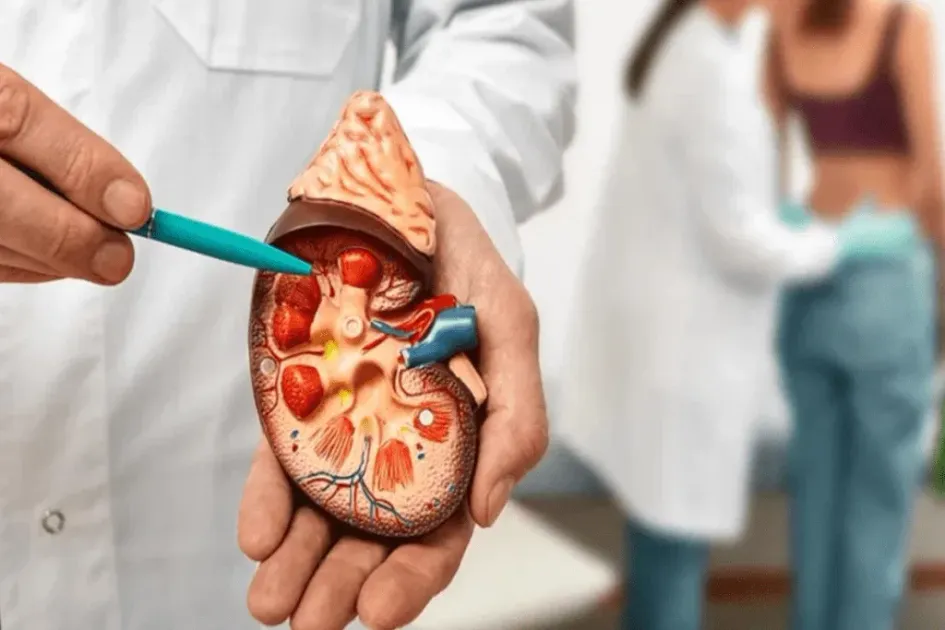
Бөөрний чулууны эсрэг PCNL ба ESWL: аль нь илүү, хэзээ вэ?
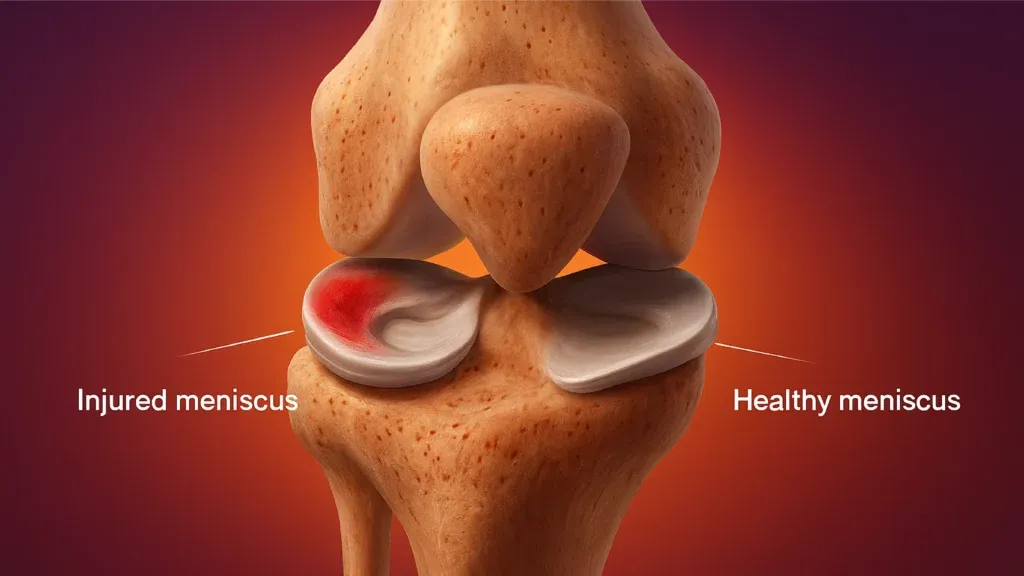
Энэтхэг дэх MCL ба менискийг засах: Мэс засал, амжилтын түвшин, нөхөн сэргээх
Rotator Cuff Repair Surgery in India: Procedure, Success Rates and Cost
Best Countries for Orthopaedic Surgery and Sports Medicine in 2026
Энэтхэг дэх ACL нөхөн сэргээх мэс засал: Процедур, өртөг, амжилтын түвшин
Энэтхэгт урвуу мөрөн солих: зардал, журам, нөхөн сэргээх

Зохиолч
Бүгдийг харахЭрхэм анагаахын зохиолч
Доктор Дипаншу Сивач нь эм зүйн ухааны доктор зэрэгтэй, туршлагатай эм зүйч юм. Тэрээр 4 гаруй жилийн туршлагатай бөгөөд олон мянган өвчтөнтэй ажилласан. Тэрээр Артемис Гургаон, Теертханкер Махавир ... Цааш унших
Манай вэбсайт нь жигнэмэг хэрэглэдэг. Нууцлалын бодлого.
