
Мөрний артроскопи Энэтхэг оны өртөг
Тухай Мөрний артроскопи
Мөрний артроскопи гэж юу вэ, яагаад үүнийг хийдэг вэ?
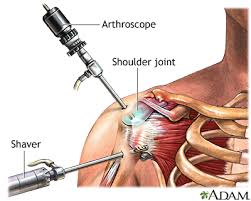
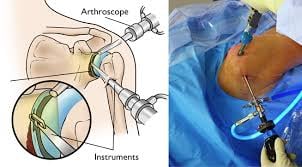
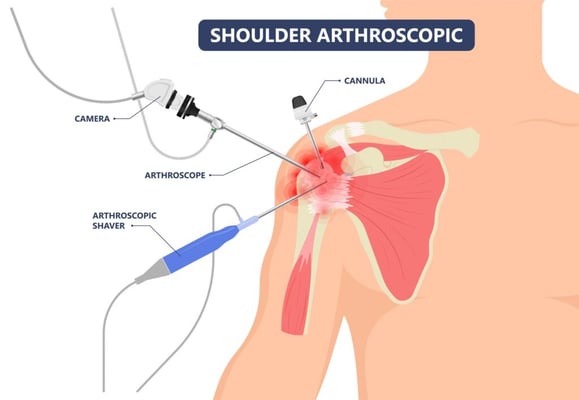
Мөрний артроскопи нь эмч нарт мөрний үений дотор талыг харж, жижиг багаж, жижиг камер ашиглан асуудлыг эмчлэх боломжийг олгодог процедур юм. Том зүсэлт хийхийн оронд мэс засалч хэд хэдэн жижиг зүсэлт хийж, үений дурангийн аппарат (гэрэл болон камер бүхий нимгэн хоолой) оруулдаг бөгөөд энэ нь үеийг дэлгэц дээр тодорхой хардаг. Энэхүү бага зэргийн инвазив арга нь өвдөлтийг бууруулж, халдвар авах магадлалыг бууруулж, нөхөн сэргээх хугацааг хурдасгадаг.
Эмч нар хоёуланд нь мөрний артроскопи хэрэглэдэгянз бүрийн эмгэгийг оношлох, эмчлэхмөрөнд нөлөөлдөг. Энэ нь ихэвчлэн өвчтөнд байнга өвдөх, сулрах, хөших, хөдөлгөөн хязгаарлагдах үед хийгддэг бөгөөд энэ нь эм, физик эмчилгээний тусламжтайгаар сайжирдаггүй.
Мөрний артроскопи хийх хамгийн түгээмэл шалтгаануудын зарим нь:
- Эргэдэг ханцуйвчийн нулимсмэс заслын засвар хийх шаардлагатай
- Лабрал нулимсSLAP эсвэл Bankart гэмтэл зэрэг нь тамирчдад ихэвчлэн ажиглагддаг
- Хөлдөөсөн мөр (наалдамхай капсулит)консерватив эмчилгээ үр дүнгүй болсон үед
- Мөрний зангилаа синдром, яс, зөөлөн эдүүд өвдөлттэй үрж байдаг
- Ясны салаа арилгах, сул мөгөөрс, эсвэл үрэвссэн эд
- Мөрний мултралЭнэ нь дахин тогтворгүй байдлыг үүсгэдэг
Уг процедур нь идэвхтэй насанд хүрэгчид болон том нээлттэй мэс засал хийлгэхгүйгээр мөрний үйл ажиллагааг сэргээх хүсэлтэй өндөр настай өвчтөнүүдэд өндөр үр дүнтэй байдаг. Нарийн төвөгтэй байдал, өвчтөний эрүүл мэндээс хамааран өдрийн болон богино хугацааны хагалгааны хэлбэрээр хийж болно.
Мөрний артроскопи хийх янз бүрийн аргууд юу вэ?
Мөрний артроскопи нь мөрний өргөн хүрээний эмгэгийг эмчлэхэд ашигладаг олон талын арга юм. Өвөрмөц нөхцөл байдлаас хамааран ортопедийн мэс засалчид тусгай багаж хэрэгслийг ашиглан жижиг нүхний зүслэгээр үе мөчний дурангийн янз бүрийн төрлийн мэс засал хийдэг. Төрөл бүр нь тодорхой асуудалд чиглэгддэг бөгөөд энэ нь эдийг хамгийн бага гэмтээж нарийн эмчилгээ хийх боломжийг олгодог.
- Оношлогооны артроскопи:Энэ процедурын үед мэс засалч гэмтэл, үрэвслийг үнэлэхийн тулд мөрний үений дотор талыг шалгаж үздэг. Дүрслэлийн сканнер (MRI гэх мэт) үр дүн муутай үед үүнийг ихэвчлэн ашигладаг. Хэрэв асуудал олдвол эмчилгээг ихэвчлэн нэг хуралдааны үеэр хийж болно.
- Эргэдэг ханцуйвчийн засвар:Энэ бол артроскопийн хамгийн түгээмэл процедуруудын нэг юм. Эргэдэг ханцуйвчийн шөрмөс тасарсан үед мэс засалч гэмтсэн эдийг цэвэрлэж, оёдол, зангуу ашиглан ясанд наалддаг. Энэ нь хүч чадлыг сэргээх, өвдөлтийг намдаах, хөдөлгөөний хүрээг сайжруулахад тусалдаг.
- Лабрал засвар (SLAP эсвэл Bankart засвар):Лабрум нь мөрний үүрний эргэн тойрон дахь мөгөөрсний цагираг юм. Гэмтлийн улмаас эсвэл давтагдсан дасгалын улмаас нулимс үүсч болно. Үе мөчний дурангийн шинжилгээ нь мэс засалчд урагдсан хавцлыг тайрч, дахин бэхлэх боломжийг олгодог бөгөөд ингэснээр үе мөчний тогтвортой байдлыг сэргээж, ирээдүйд мултрахаас сэргийлдэг.
- Субакромиал даралтыг бууруулах:Энэ нь импингийн синдромтой өвчтөнүүдэд хийгддэг. Мэс засалч үрэвссэн эд, ясны салаа, эсвэл акромион ясны хэсгийг зайлуулж, эргэдэг ханцуйвчийн шөрмөсний үрэлтийг багасгадаг. Мөрний архаг өвдөлт, үрэвслийг намдаана.
- Бицепсийн шөрмөс засах эсвэл тенодез:Хоёр толгойн шөрмөс гэмтсэн, тогтворгүй болсон тохиолдолд мэс засалч артроскопи хийх үед үүнийг суллаж эсвэл дахин холбож болно. Энэ нь мөрний урд талын өвдөлтийг намдаахад тусалдаг ба цаашид урагдахаас сэргийлдэг.
- Сул биеийг зайлуулах эсвэл синовэктоми:Хэрэв үе мөч нь хөвөгч яс, мөгөөрсний хэлтэрхийнүүд (сул биетүүд), эсвэл үрэвссэн үе мөчний эдүүд (ревматоид артритаар илэрдэг) байвал мэс засалч эдгээрийг арилгаснаар хөдөлгөөнийг жигд болгож, хавдрыг багасгадаг.
Эдгээр процедур тус бүр нь өвчтөний нөхцөл байдалд тохирсон байдаг бөгөөд олон арга техникийг ихэвчлэн нэг хуралдаанд нэгтгэж болно. Артроскопи нь мэс заслын гэмтэлийг багасгаж, эдгэрэлтийг түргэсгэдэг ба тамирчид болон мөрний доройтол бүхий ахмад настнуудад тохиромжтой.
Мөрний артроскопи хэрхэн хийгддэг вэ?
Мөрний артроскопи нь мэс заслын мэс заслын бага зэргийн инвазив мэс засал бөгөөд ортопедийн мэс засалчид жижиг зүсэлт, камерын удирдлагатай систем ашиглан мэдээ алдуулалтын дор хийдэг. Мэс засал нь булчин, эдийг их хэмжээгээр таслахгүйгээр үе мөчний доторх асуудлыг оношлох, эмчлэх боломжийг олгодог.
Процедурын алхам алхмаар тоймыг доор харуулав.
- Өвчтөнийг байрлуулах:Мэс заслын баг мэс засалчийн сонголт болон мөрний эмчилгээ хийлгэж буй бүсээс хамааран өвчтөнийг хагас суудал (далайн эргийн сандал) эсвэл хажуугийн декубит (хажуугийн хэвтэх) байрлалд байрлуулна. Энэ нь мөрний үе рүү оновчтой нэвтрэх боломжийг олгодог.
- Мэдээ алдуулах эмчилгээ:Мэдээ алдуулах эмч өвчтөнийг процедурын туршид өвдөлтгүй байлгахын тулд ерөнхий мэдээ алдуулалт эсвэл бүс нутгийн мэдрэлийн блокуудыг хийдэг. Ихэнх тохиолдолд хоёуланг нь мэс заслын үеэр болон дараа нь тав тухтай байдлыг хангах зорилгоор ашигладаг.
- Портал зүсэлт үүсгэх:Мэс засалч мөрний эргэн тойронд хоёр, гурван жижиг зүслэг (ихэвчлэн тус бүр 5-10 мм) хийдэг. Эдгээр зүслэгийн аль нэгээр дамжуулан үе мөчний өндөр нарийвчлалтай зургийг дэлгэцэн дээр бодит цаг хугацаанд нь гаргадаг харандаа хэмжээтэй камер болох артроскопыг оруулдаг.
- Хамтарсан хэсгийг шалгах:Мэс заслын эмч үе мөчний дурангийн аппаратыг зөөлөн эргүүлж, үзэгдэх орчинг сайжруулахын тулд үе мөчийг ариутгасан шингэнээр үлээлгэх замаар хавирга, эргэдэг ханцуйвч, мөгөөрс, шөрмөс, хоёр толгойн шөрмөс зэрэг мөрний бүх хэсгийг сайтар шалгана.
- Мэс заслын хэрэгсэл оруулах:Бусад жижиг зүслэгүүдийг (портал гэж нэрлэдэг) ашиглан мэс засалч урагдсан эдийг тайрах, ясны салаа арилгах, мөгөөрсийг гөлгөр болгох, оёдол эсвэл зангуу ашиглан урагдсан шөрмөс, шөрмөсийг засах жижиг багажуудыг оруулдаг. Камер нь алхам бүрийг хамгийн дээд нарийвчлалтайгаар удирддаг.
- Хамтарсан хэсгийг угаах, хаах:Засвар эсвэл эмчилгээг дуусгасны дараа мэс засалч үе мөчийг ариутгасан давсны уусмалаар зайлж, хог хаягдал, цусыг зайлуулна. Дараа нь тэд багаж, артроскопыг арилгаж, жижиг зүслэгийг хэд хэдэн оёдол эсвэл мэс заслын туузаар хаадаг.
- Сэргээх өрөөний хяналт:Мөрний артроскопи хийсний дараа өвчтөнийг сэргээх өрөөнд шилжүүлж, мэдээ алдуулалт дуусах үед амин чухал шинж тэмдгүүдийг хянаж байдаг. Өвдөлт намдаах эмчилгээ нэн даруй эхлэх бөгөөд мэс засалч хөдөлгөөнийг хязгаарлах, дүүгүүр хэрэглэх, физик эмчилгээний талаар зааварчилгаа өгдөг.
Бүх процедур нь ихэвчлэн хооронд үргэлжилнэ30 минут 1.5 цаг, засварын нарийн төвөгтэй байдлаас хамаарна. Ихэнх өвчтөнүүд тухайн өдөр эсвэл дараагийн өдөр нь эмнэлгээс гардаг. Эрт нөхөн сэргээлт хийснээр тэд уламжлалт нээлттэй мэс засал хийлгэж буй хүмүүсээс илүү хурдан мөрний үйл ажиллагааг сэргээдэг.
Үнэгүй эмчилгээний төлөвлөгөө авах
Энэтхэг-д Мөрний артроскопи орчим
What Is the Cost of Shoulder Arthroscopy in India and What Does It Include?
The cost of shoulder arthroscopy in India typically ranges between ₹1,20,000 and ₹3,00,000, which is approximately $1,450 to $3,600. This pricing is significantly lower than what is charged in countries like the US, UK, or UAE, where the same procedure can cost up to $10,000–$15,000 or more.
What's Typically Included in the Cost
- Pre-surgery investigations, such as X-rays, MRI (if needed), blood tests, and anesthesia evaluation
- Surgeon's fees for performing the procedure, including consultation and postoperative care
- Anesthesia and operating theatre charges
- Arthroscopic instruments and consumables, including suture anchors or implants if used
- Hospital stay (usually 1 to 2 days), including room charges, nursing care, and meals
- Medications during admission, including antibiotics, pain relievers, and IV fluids
- Initial post-op physiotherapy during the hospital stay to help restore shoulder mobility.
- Follow-up consultation, typically within 7 to 10 days of surgery for suture removal and progress check
Breakdown of Shoulder Arthroscopy Cost in India
The total cost of shoulder arthroscopy in India ranges from ₹1,20,000 to ₹3,00,000 (approximately $1,450 to $3,600), depending on the procedure's complexity, hospital choice, and postoperative needs. Knowing where this cost goes helps patients plan better, especially when traveling from overseas.
- A portion of the cost is allocated to pre-operative investigations, which include shoulder X-rays, MRI scans (if needed), and general medical screening. It typically costs between ₹10,000 and ₹15,000.
- Surgeon and anesthesia fees form a significant part of the package, ranging from ₹40,000 to ₹75,000 depending on the expertise involved.
- Operating theatre and surgical consumables, including arthroscopic tools, suture anchors, and camera-guided systems, can cost ₹30,000 to ₹70,000.
- A 1–2 day hospital stay in a private room adds ₹25,000 to ₹50,000, which includes nursing care, medications during admission, and meals.
- Postoperative physiotherapy and follow-up care may cost another ₹10,000 to ₹30,000, especially if multiple therapy sessions are needed.
Cost Component | Estimated Cost (INR) |
| Pre-surgery Investigations | ₹10,000 – ₹15,000 |
| Surgeon and Anesthesia Fees | ₹40,000 – ₹75,000 |
| OT Charges and Surgical Instruments | ₹30,000 – ₹70,000 |
| Hospital Stay (1–2 days) | ₹25,000 – ₹50,000 |
| Post-op Medications and Physiotherapy | ₹10,000 – ₹30,000 |
| Total Estimated Cost | ₹1,20,000 – ₹3,00,000 |
Note: Additional costs may apply in case of complex repairs or if shoulder implants (anchors, screws) are used.
How Does Shoulder Arthroscopy Cost in India Compare with Other Countries?
India offers shoulder arthroscopy at a significantly lower price compared to many developed countries, while maintaining excellent clinical outcomes. The procedure in India typically costs ₹1,20,000 to ₹3,00,000 ($1,450 to $3,600), which includes surgeon fees, operating room charges, anesthesia, and a short hospital stay.
In contrast, the same surgery in Western countries can cost three to five times more, often excluding follow-up physiotherapy or post-op support.
Country | Average Cost (USD) | What’s Included |
| India | $1,450 – $3,600 | Complete surgical package including hospital stay, medication, and follow-up |
| United States | $10,000 – $15,000 | Often excludes post-op therapy and additional hospital charges |
| United Kingdom | $9,000 – $13,000 | Covered by NHS for locals; private hospitals are expensive |
| Canada | $10,000 – $14,000 | Long waiting lists in public hospitals; private care is costly for foreigners |
| UAE / Middle East | $7,000 – $11,000 | Premium pricing with variable follow-up services |
| Singapore | $6,000 – $10,000 | High-quality care but at a premium |
| Thailand | $3,500 – $6,000 | Competitive pricing but still higher than India for similar service levels |
Why Choose India for Shoulder Arthroscopy?
- Affordable, All-Inclusive Packages: India offers shoulder arthroscopy at a fraction of the global cost, with complete packages that cover surgery, stay, medications, and post-op care.
- Skilled Orthopedic Surgeons: Indian surgeons are globally trained and experienced in high-volume arthroscopic procedures, ensuring safe and successful outcomes for both simple and complex cases.
- World-Class Hospital Facilities: JCI and NABH-accredited hospitals use modern arthroscopic equipment, sterile surgical units, and advanced implants that meet international standards.
- Minimal Waiting Time: Unlike many Western countries, India offers immediate surgical scheduling, which is crucial for patients in pain or with joint damage.
- International Patient Services: Hospitals in India have dedicated teams to assist with visas, language interpretation, travel, and personalized recovery planning for overseas patients.
What Factors Affect Shoulder Arthroscopy Cost in India?
The cost of shoulder arthroscopy in India starts from ₹1,20,000, but the final amount depends on several clinical and non-clinical factors. Each patient's case is unique, and the complexity of the procedure, choice of hospital, and type of repair required all play a role in determining the total expense.
The key factors that influence shoulder arthroscopy cost in India are:
- Type of Shoulder Condition Treated: Simple procedures like diagnostic arthroscopy or minor tissue debridement cost less, while complex surgeries such as rotator cuff repair or labral reconstruction involve longer operation time, special anchors, and costlier materials.
- Surgeon's Experience and Credentials: Orthopedic surgeons with advanced fellowship training or international exposure often charge higher consultation and surgical fees.
- Hospital Infrastructure and Location: Hospitals in metro cities like Delhi, Mumbai, or Bangalore may charge more due to better facilities, modular operating theatres, and international patient departments.
- Implant and Anchor Usage: In many shoulder procedures, surgeons use suture anchors, screws, or biodegradable implants to repair tendons or cartilage. These materials vary in cost depending on quality and manufacturer, affecting the overall bill.
- Anesthesia and Operating Room Time: Longer or more complex surgeries require extended anesthesia and operating theatre usage. The duration of the procedure directly impacts hospital charges, especially in multi-surgeon or high-dependency cases.
- Length of Hospital Stay: Most patients stay in the hospital for 24 to 48 hours. If complications arise or the patient needs extended monitoring due to age or comorbidities, the hospital stay and cost may increase accordingly.
- Postoperative Physiotherapy Needs: While some patients need only a few therapy sessions, others may require intensive physiotherapy over weeks or months, especially after major tendon repairs.
What Services Are Available for International Patients Undergoing Shoulder Arthroscopy in India?
India is one of the top destinations for medical tourists seeking orthopedic surgery. Hospitals across the country offer a complete care experience for international patients, making it easier to travel, receive treatment, and recover comfortably without stress.
The services typically provided to foreign patients coming for shoulder arthroscopy in India include:
- Medical Visa Assistance: Hospitals issue a visa invitation letter (VIL) to help patients and their companions obtain a fast-track medical visa. Some centers also guide them through the application process and document submission.
- Airport Pickup and Drop-off: Most hospitals offer complimentary airport pickup and drop-off services, ensuring safe transport between the airport, hotel, and hospital on arrival and departure.
- Dedicated International Patient Coordinator: A personal coordinator manages everything, from doctor appointments and surgery bookings to translation services and discharge planning, offering one-on-one support throughout the patient's stay.
- Language Interpretation Support: Language should never be a barrier to care. Interpreters are available for Arabic, French, Swahili, Bengali, and more, allowing smooth communication between patients and medical staff.
- Affordable Accommodation Nearby: Hospitals assist in arranging guest houses, hotels, or serviced apartments for patient families at varying budgets within walking distance or a quick drive from the hospital.
- Dietary and Cultural Support: Custom meal plans are provided based on dietary restrictions, including halal, vegetarian, diabetic-friendly, and regional cuisine preferences to ensure a comfortable stay.
- Local SIM, Currency Exchange, and Connectivity: Hospitals help with getting local SIM cards, forex services, and Wi-Fi support so international patients stay connected with loved ones throughout their treatment.
- Follow-Up Care After Return Home: After surgery, hospitals offer remote follow-up consultations via video calls, email, or WhatsApp to monitor recovery, advise on therapy, and handle medication-related queries.
What Is the Success Rate and Recovery Timeline After Shoulder Arthroscopy in India?
Shoulder arthroscopy in India has a strong track record of success, primarily when performed by experienced orthopedic surgeons using advanced minimally invasive techniques. The combination of accurate diagnosis, precise surgical execution, and structured rehabilitation contributes to a success rate of 90-95%, depending on the type and severity of the shoulder condition.
Success Rate of Shoulder Arthroscopy in India
Indian hospitals consistently report high success rates for procedures like rotator cuff repair, labral tear repair, subacromial decompression, and frozen shoulder release. Most patients regain near-normal shoulder movement, experience significant pain relief, and return to daily activities within weeks.
Factors that support this success include:
- Use of international-grade arthroscopic equipment
- High surgical volume centers with orthopedic sub-specialists
- Pre-defined rehabilitation protocols
- Low rates of postoperative infection and complications
Complex procedures such as full-thickness rotator cuff repair may take longer to heal, but still show excellent long-term results when combined with physiotherapy.
Recovery Timeline After Shoulder Arthroscopy
Recovery from shoulder arthroscopy happens in phases, and the speed varies based on the type of repair performed and the patient's overall health. Here's what most patients can expect:
- Immediate Recovery (First 1-3 Days): After surgery, the shoulder is placed in a sling to minimize movement. Pain, swelling, and mild bruising are common but well-managed with medications and cold therapy. Patients are usually discharged within 24 hours.
- Early Mobility Phase (Week 1 to Week 3): Gentle movements begin under a physiotherapist's guidance. The focus is on preventing stiffness while protecting the repaired tissues. Passive range-of-motion exercises are introduced gradually.
- Strength Building Phase (Week 4 to Week 8): As healing progresses, the sling is removed, and patients begin light strengthening exercises. Activities like dressing, eating, and using a computer become easier. Pain continues to decrease.
- Functional Recovery (Week 8 to Week 12): Patients regain shoulder mobility and strength. Most can return to non-strenuous work, driving, and daily routines by this stage. Sports or heavy lifting are still restricted.
- Full Return to Activity (3 to 6 Months): By three to six months, the shoulder is usually fully functional. Athletes or those in physically demanding jobs may need longer rehab to return to full performance.
Note: Recovery speed may vary based on whether the patient had a simple diagnostic procedure or a complex repair (e.g., multiple tendon tears or joint reconstruction).
Мөрний артроскопи зардалтай харьцуулалт улс орнуудаар
Эмчилгээний талаар мэдээлэлтэй шийдвэр гаргахын тулд өөр өөр улс орнуудын Мөрний артроскопи зардлыг харьцуулж үзээрэй.
| Улс | Зардлын хүрээ (USD) | Боломжит хадгаламж | Үйл ажиллагаа |
|---|---|---|---|
ЭнэтхэгЯвцХамгийн сайн үнэ цэнэ | $1,450 - $3,600 | — | Ишлэл өгөх |
Дэггүй програм. Зардал нь эмнэлгийн сонголт, өрөөний төрөл, нэмэлт үйлчилгээ, нэмэлт үйлчилгээ, гарын авлага, эрүүл мэндийн шаардлага.
Энэтхэг оны Мөрний артроскопи оны тэргүүлэгч эмнэлгүүд
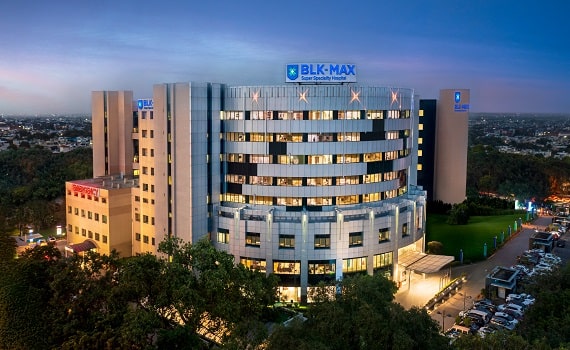
BLK-Max супер мэргэжлийн эмнэлэг, Нью Дели
Шинэ Дели дэх BLK-Max Super Specialty эмнэлэг нь 650 ортой, 22 дэвшилтэт мэс заслын тасаг, 13 мэргэжлийн төвийг санал болгодог Энэтхэгийн эрүүл мэндий...
Хэрцийлсэн

Нэгж
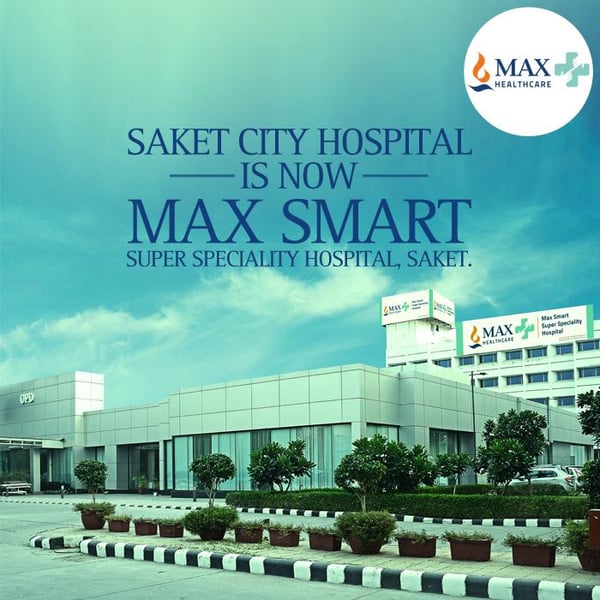
Макс Смарт супер мэргэжлийн эмнэлэг, Сакет, Шинэ Дели
Макс Смарт супер мэргэжлийн эмнэлэг, Сакет нь Өмнөд Дели дэх 250 ортой гуравдугаар шатлалын эмнэлэг юм. Энэ нь зүрхний шинжлэх ухаан, онкологи, ортопе...
Хэрцийлсэн
Нэгж
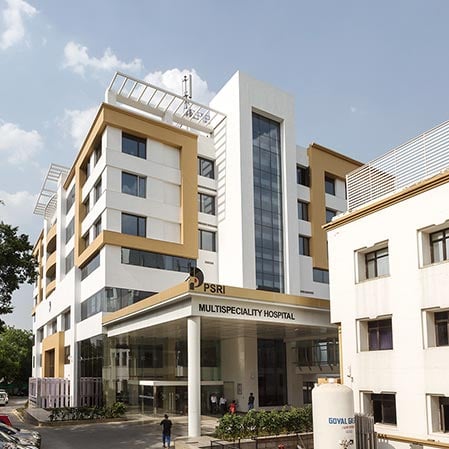
PSRI эмнэлэг, Дели
Пушпавати Синганиа Судалгааны Хүрээлэн (PSRI эмнэлэг), Нью Дели нь 1996 онд JK группээс үүсгэн байгуулсан олон төрлийн гуравдагч шатлалын тэргүүлэх эм...
Хэрцийлсэн
Нэгж
Ижил төстэй журам
Галерея
FAQ
Шалгагч
Бүгдийг харах
Dr. Ramkinkar Jha is an accomplished orthopaedic surgeon with extensive experience across India’s leading hospitals. He is renowned for his expertise in joint reconstruction, robotic-assisted surger... Цааш унших

Манай вэбсайт нь жигнэмэг хэрэглэдэг. Нууцлалын бодлого.