HIFU Treatment for Prostate Cancer in India: Procedure, Cost, and Recovery

20/6/2026, 9:32:52 AM 9 min read Turismo médico
HIFU Treatment for Prostate Cancer in India: Procedure, Cost, and Recovery

A prostate cancer diagnosis brings a question that surgery and radiation rarely answer well: how does a man treat the cancer without losing the parts of life that make treatment worth surviving for? Continence and sexual function sit at the centre of that question for most patients, and they are exactly what High-Intensity Focused Ultrasound (HIFU) was designed to protect.


HIFU uses focused sound waves to heat and destroy prostate tissue without any incision. For carefully selected men with localised prostate cancer, focal HIFU treats only the area containing cancer, leaving the rest of the gland, and the nerves and muscles that control continence and erections, largely undisturbed. A large registry that followed 1,379 patients for up to 15 years reported 100% metastasis-free survival at 7 years, alongside strong functional outcomes.


India offers HIFU using the same Sonablate and Focal One systems used at leading centres in Europe and the United States, at a cost that runs significantly below Western pricing. This article explains how HIFU works, what the evidence actually shows, who is a genuine candidate, what it costs in India, and what the major urology guideline bodies currently say about where focal therapy fits in prostate cancer care.


How Does HIFU Actually Destroy Cancer Cells?

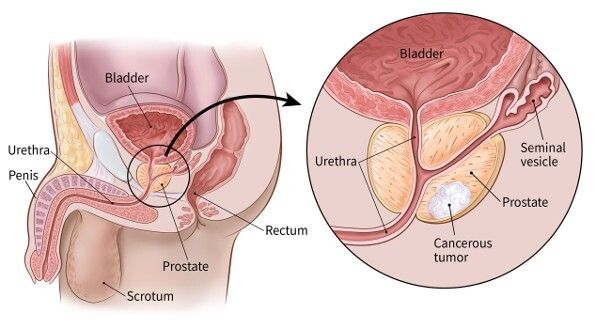
HIFU delivers ultrasound energy through a probe placed in the rectum, directly beneath the prostate. The energy converges at a precise focal point within the gland, raising the temperature there to over 85 degrees Celsius almost instantly. This heat destroys the targeted tissue via thermal ablation, while tissue outside the focal point remains largely unaffected.


What Are the Different Types of HIFU for Prostate Cancer?

There are two main approaches to HIFU treatment:


  • Whole-Gland HIFU: Whole-gland HIFU treats the entire prostate gland. This approach may be considered when cancer affects multiple areas of the prostate. However, it is used less frequently today because treating the entire gland can increase the risk of side effects, including changes in urinary continence and erectile function.
  • Focal HIFU: Focal HIFU targets only the area of the prostate that contains cancer. Before treatment, doctors use advanced imaging techniques such as multiparametric MRI and biopsy mapping to identify the exact location of the tumour. The ultrasound energy is then directed only at the affected area. By preserving more healthy prostate tissue, focal HIFU may help reduce treatment-related side effects while still addressing the cancerous lesion.


What Happens During a HIFU Procedure?

HIFU is performed under either general anaesthesia or spinal anaesthesia. During treatment, the urologist uses real-time ultrasound imaging to guide the procedure and monitor energy delivery. Advanced HIFU platforms such as Sonablate and Focal One provide continuous imaging of the prostate, helping ensure precise targeting throughout the treatment.


The procedure typically takes between one and four hours, depending on the size and location of the area being treated.


After treatment:


  • A urinary catheter is usually placed temporarily.
  • The catheter typically remains in place for one to two weeks.
  • Most patients can return home shortly after the procedure, depending on their recovery and their doctor's recommendations.


What Does the Evidence Actually Show for Focal HIFU?

Research on focal HIFU has expanded significantly over the past decade. For appropriately selected patients with localised prostate cancer, published studies have reported encouraging outcomes in both cancer control and quality-of-life measures.


Cancer Control Outcomes

Several studies have demonstrated strong long-term cancer control following focal HIFU treatment.

A multicentre study that followed 625 patients for five years reported:


  • 100% cancer-specific survival
  • 98% metastasis-free survival

Another study with seven years of follow-up found biochemical disease-free survival rates of:


  • 89.6% for low-risk prostate cancer
  • 88.5% for intermediate-risk prostate cancer
  • 81.6% for high-risk prostate cancer

Researchers have also evaluated outcomes of focal therapy across multiple treatment approaches. A pooled analysis of 49 patient cohorts treated between 2008 and 2024 reported:


  • 98.0% overall survival
  • 99.3% cancer-specific survival
  • 98.5% metastasis-free survival

These results included patients treated with HIFU, cryotherapy, and irreversible electroporation (IRE).


Functional Outcomes

This is where focal HIFU shows its clearest advantage over whole-gland treatment options.


  • One study found HIFU patients had a 90 percent lower probability of incontinence compared with surgery.
  • In the 625-patient, five-year study, 98 percent of patients remained pad-free for continence.
  • In a smaller two-year trial of 51 men, erectile function largely recovered within six to twelve months, with only one new case of mild incontinence reported.


Who Is a Genuine Candidate for Focal HIFU?

Not every patient with prostate cancer is a suitable candidate for focal HIFU. In fact, patient selection is one of the most important factors influencing treatment outcomes. While focal HIFU can offer effective cancer control with fewer side effects for selected patients, eligibility criteria are generally more restrictive than many patients expect.


Who May Be Eligible for Focal HIFU?

Published clinical studies have typically included patients who meet the following criteria:


  • Clinical stage T2 or lower, meaning the cancer remains confined to the prostate
  • clearly visible tumour on multiparametric MRI
  • A tumour generally measuring less than 20 mm in diameter
  • PSA levels of 20 ng/mL or lower at diagnosis
  • No Gleason pattern 5 detected on biopsy, which is associated with more aggressive disease
  • A tumour location that maintains a safe distance from the rectal wall for thermal treatment

In addition to these criteria, doctors often evaluate MRI findings, biopsy results, PSA levels, overall health, and the exact location of the tumour before recommending focal therapy.


Who Is Not a Candidate for Focal HIFU?

Focal HIFU is generally not recommended for patients with:


  • Cancer that has spread beyond the prostate gland
  • Multiple cancerous areas that cannot be effectively treated with a single focal treatment zone
  • Highly aggressive prostate cancer identified on biopsy
  • Disease patterns that require treatment of the entire prostate

In these situations, whole-gland treatment approaches such as radical prostatectomy, radiation therapy, or other treatment options may be more appropriate.


Can Patients with Cancer in Both Sides of the Prostate Have Focal HIFU?

In many cases, no.


Studies suggest that approximately one in five men evaluated for focal therapy have cancer affecting both sides of the prostate gland. Since focal HIFU is designed to target a specific area rather than the entire prostate, bilateral disease often makes patients better candidates for whole-gland treatment options.


What Do Current Urology Guidelines Say About HIFU for Prostate Cancer? 

A patient researching HIFU deserves an honest picture of where it currently sits in the treatment landscape, not just the favourable outcome numbers.


The Current Guideline Position

Major organisations, including the American Urological Association (AUA) and the National Comprehensive Cancer Network (NCCN), currently do not recommend focal HIFU as a routine standard treatment for all risk categories of prostate cancer.
 

The primary reason is the need for more long-term comparative data evaluating focal therapy against established treatments such as:


  • Radical prostatectomy (surgery)
  • Radiation therapy
  • Active surveillance in appropriate patients

Guideline panels generally seek extensive follow-up data before making strong recommendations for newer treatment approaches.


Why Are Guidelines Cautious About HIFU?

Prostate cancer often progresses slowly, and treatment outcomes can take many years to evaluate fully. Because of this, guideline bodies typically place significant weight on:


  • Long-term cancer control data
  • Overall survival outcomes
  • Rates of recurrence and metastasis
  • Comparative studies against established treatments

Although studies with follow-up periods of 7 years or longer have reported promising outcomes for focal HIFU, the body of evidence remains smaller than the decades of data available for surgery and radiation therapy.


Is HIFU Being Used in Clinical Practice?

Yes. Despite the cautious position of major guidelines, focal therapy continues to gain acceptance in selected clinical settings.


Surveys suggest that approximately half of European urologists either perform or recommend focal therapy in appropriate patients, and the number of HIFU procedures performed worldwide continues to increase each year.


How Should Patients Interpret These Recommendations?

This is not a contradiction so much as a reflection of how slowly prostate cancer outcomes mature. Prostate cancer often progresses over many years, so guideline bodies wait for long-term data (ten years and beyond) before issuing strong recommendations for newer focal approaches. The seven- and fifteen-year data that do exist look favourable, but they come from fewer patients than the decades of data behind surgery and radiation.


What Does HIFU Cost in India?

HIFU treatment for prostate cancer in India typically costs between INR 4,00,000 and INR 8,50,000 (approximately USD 5,000 to USD 10,000), depending on whether the procedure is focal or whole-gland, the hospital, and the city.


Factors Affecting The Cost

Factor

Impact on Cost

Focal vs whole-glandFocal HIFU requires more detailed pre-treatment MRI mapping, which adds to cost
Hospital tierJCI-accredited hospitals in metro cities cost more than regional centres
HIFU system usedFocal One (robotic-assisted) carries a technology premium over older Sonablate or Ablatherm systems
Pre-treatment workupMultiparametric MRI and targeted biopsy, if not already done, add to the total
Catheter and follow-upA second session, if required, adds significantly to total cost

What Is Typically Included

  • Urologist's fee and HIFU system usage
  • Anaesthesia (general or spinal)
  • One night of hospital stay in most cases
  • Catheter placement
  • Initial follow-up consultation


What Is Often Billed Separately

  • Multiparametric MRI and biopsy, if performed in India: INR 15,000 to INR 35,000
  • PSA monitoring at three, six, and twelve months
  • Catheter removal visit
  • A second HIFU session, if the first does not fully clear the target area


Global Cost Comparison

Country

HIFU Cost (USD approx.)

India5,000 to 10,000
Turkey10,000 to 11,000
Germany12,000 to 18,000
UK (private)15,000 to 25,000
USA20,000 to 30,000

What Does Recovery Look Like After HIFU?

Recovery from HIFU is notably faster than recovery from prostatectomy or radiation, which is one of its most appealing features for patients.


The First Few Weeks

  • Day of procedure: A short recovery period of one to two hours at the treatment facility before discharge.
  • Days 1 to 2: Most patients walk normally within hours. A catheter remains in place to allow swelling to subside.
  • Week 1 to 2: Catheter removed at a follow-up visit. Mild burning during urination is common and temporary.
  • Weeks 2 to 4: Return to normal activity, including most work, within this window.


Are There Any Temporary Side Effects After HIFU?

As with any medical procedure, temporary side effects can occur. Published studies report that:


  • Temporary urinary retention may occur in approximately one in five patients, sometimes requiring the catheter to remain in place longer than initially planned.
  • Mild rectal symptoms, such as minor bleeding, irritation, or loose stools, can occur in a small number of patients.
  • These symptoms typically resolve within days to a few weeks.

Patients should contact their healthcare team if symptoms worsen or persist beyond what is expected.


How Is Treatment Success Monitored After HIFU?

Follow-up monitoring is an important part of HIFU treatment. Most specialists recommend:


  • PSA testing every three months during the first year
  • Less frequent PSA testing after the first year, depending on results
  • Ongoing clinical follow-up appointments

PSA levels typically continue to decline after treatment, with the lowest level (the PSA nadir) often reached within approximately 6 months.


To evaluate treatment effectiveness, doctors may also recommend:


  • Multiparametric MRI scans
  • Follow-up prostate biopsy, often around 12 months after treatment

These assessments help confirm that the treated area shows no evidence of residual or recurrent cancer.


To Summarise

HIFU represents a real advance for men whose prostate cancer fits the selection criteria. The functional outcomes, particularly the dramatically lower rates of incontinence and erectile dysfunction compared with whole-gland treatments, address exactly the concerns that weigh most heavily on patients facing this diagnosis.


What HIFU is not, currently, is a guaranteed one-time solution with the same decades of long-term data behind surgery and radiation. Some patients require a second session. A minority eventually need salvage radiation or surgery if the cancer returns. None of this makes HIFU the wrong choice for a well-selected patient. It does mean the decision should be made with a full picture, not a partial one.


India offers the same MRI-fusion HIFU technology used at leading centres worldwide at a cost that makes the treatment and the careful pre-treatment workup it depends on considerably more accessible.


Disclaimer: This article provides general educational information about HIFU treatment for prostate cancer. It does not constitute medical advice and must not replace a consultation with a qualified urologist or urological oncologist. Individual treatment decisions depend on cancer stage, PSA level, Gleason grade, tumour location, and patient preference. Patients should discuss the current evidence and guideline positions on focal therapy with their treating urologist before making any decisions.

Hospitais Relacionados

Descubra hospitais e centros médicos relacionados a este tema para serviços de saúde de qualidade.
Hospital de Bahcelievler de Parque Médico
Platina
Ver detalhes

Hospital de Bahcelievler de Parque Médico

Istambul, Peru

O Hospital Medical Park Bahcelievler é um hospital credenciado pela JCI de 242 leitos em Istambul, estabelecido em 2007. Espalhado por 33.000 metros q...

Multi-specialty
Estabelecido 2007
242 camas
Acreditações
Joint Commission International (JCI)
Instalações
+13
Hospital Super Especializado BLK-Max, Nova Delhi
Platina
Ver detalhes

Hospital Super Especializado BLK-Max, Nova Delhi

Nova Deli, Índia

O BLK-Max Super Speciality Hospital em Nova Delhi é uma das principais instituições de saúde da Índia, oferecendo 650 leitos, 22 salas de operações av...

Multi-specialty
Estabelecido 1959
650 camas
Acreditações
Joint Commission International (JCI)
National Accreditation Board for Hospitals & Healthcare Providers (NABH)
Instalações
+13
Instituto de Pesquisa Fortis Memorial (FMRI), Gurgaon
Platina
Ver detalhes

Instituto de Pesquisa Fortis Memorial (FMRI), Gurgaon

Gurgaon, Índia

O Fortis Memorial Research Institute (FMRI), Gurgaon, é um hospital multiespecializado de classe mundial fundado em 2013. O hospital oferece 330 leito...

Multi-specialty
Estabelecido 2013
330 camas
Acreditações
Joint Commission International (JCI)
National Accreditation Board for Hospitals & Healthcare Providers (NABH)
Instalações
+13
Hospital Artemis, Gurgaon
Platina
Ver detalhes

Hospital Artemis, Gurgaon

Gurgaon, Índia

O Artemis Hospital, Gurgaon, é um hospital multiespecializado credenciado pela JCI que foi fundado em 2007. Oferece mais de 750 leitos e infraestrutur...

Multi-specialty
Estabelecido 2007
750 camas
Acreditações
Joint Commission International (JCI)
National Accreditation Board for Hospitals & Healthcare Providers (NABH)
International Organization for Standardization (ISO)
Instalações
+13
Hospital Kokilaben Dhirubhai Ambani, Mumbai
Platina
Ver detalhes

Hospital Kokilaben Dhirubhai Ambani, Mumbai

Bombaim, Índia

O Hospital Kokilaben Dhirubhai Ambani, em Mumbai, é um hospital quaternário credenciado pela JCI, NABH, NABL e CAP, estabelecido em 2009. Com 750 leit...

Multi-specialty
Estabelecido 2009
750 camas
Acreditações
Joint Commission International (JCI)
National Accreditation Board for Hospitals & Healthcare Providers (NABH)
International Organization for Standardization (ISO)
Instalações
+13
Hospitais Medicover, Hitech City, Hyderabad
Platina
Ver detalhes

Hospitais Medicover, Hitech City, Hyderabad

Hyderabad, Índia

Medicover Hospitals, Hitech City, Hyderabad, é um hospital de superespecialidades credenciado pela NABH com 400 leitos, estabelecido em 2011. Faz part...

Multi-specialty
Estabelecido 2011
400 camas
Acreditações
National Accreditation Board for Hospitals & Healthcare Providers (NABH)
Joint Commission International (JCI)
Instalações
+13

Médicos Relacionados

Conecte-se com médicos experientes e especialistas médicos nesta área.
Dr. Rahul Roy Chowdhury

Dr. Rahul Roy Chowdhury

consultor sênior
33 anos de experiência
Ver detalhes
Dr. Sanjay Sen

Dr. Sanjay Sen

consultor

12 anos de experiência
Ver detalhes
Dr. Indranil Ghosh

Dr. Indranil Ghosh

consultor

13 anos de experiência
Ver detalhes
Dr. Amit Dutt Dwary

Dr. Amit Dutt Dwary

consultor

11 anos de experiência
Ver detalhes
Prof. Dr. Somashekhar S P

Prof. Dr. Somashekhar S P

presidente

30 anos de experiência
Ver detalhes
Dra. Sayoni Bhanja

Dra. Sayoni Bhanja

consultor

12 anos de experiência
Ver detalhes

Artigos relacionados

Explore mais artigos e insights sobre tópicos de saúde semelhantes.
Litotripsia a laser na Índia: procedimento, tecnologia, custo e recuperação
Turismo médico

Litotripsia a laser na Índia: procedimento, tecnologia, custo e recuperação

20/6/2026, 8:36:11 AM
8 minutos de leitura
As pedras nos rins raramente se anunciam gradualmente. A maioria dos pacientes descreve a dor como chegando repentinamente, muitas vezes à noite, irra...
Leia mais
Meu seguro médico é válido na Índia? Um guia para pacientes internacionais
Turismo médico

Meu seguro médico é válido na Índia? Um guia para pacientes internacionais

20/6/2026, 5:02:21 AM
9 minutos de leitura
Um paciente em Dubai foi informado de que precisacirurgia cardíaca. Uma família em Lagos está pesquisando opções de transplante de medula óssea para s...
Leia mais
Índia x Tailândia: qual é o melhor destino de turismo médico em 2026?
Turismo médico

Índia x Tailândia: qual é o melhor destino de turismo médico em 2026?

18/6/2026, 5:05:27 AM
9 minutos de leitura
A maioria dos pacientes que pesquisam o turismo médico na Ásia acabam comparando os mesmos dois destinos. A Índia e a Tailândia construíram uma infrae...
Leia mais
Cirurgia de substituição de válvula cardíaca na Índia: tipos, tecnologias e recuperação
Turismo médico

Cirurgia de substituição de válvula cardíaca na Índia: tipos, tecnologias e recuperação

18/6/2026, 4:16:32 AM
10 minutos de leitura
O coração tem quatro válvulas e cada uma delas possui um único trabalho: manter o sangue em movimento na direção certa. Quando um deles falha, o coraç...
Leia mais
Robotic Prostatectomy in India: Nerve-Sparing Techniques, Recovery, and Patient Outcomes
Turismo médico

Robotic Prostatectomy in India: Nerve-Sparing Techniques, Recovery, and Patient Outcomes

16/6/2026, 1:25:56 PM
9 min read
Prostate cancer is the second most common cancer in men globally. For patients diagnosed with localised disease, the question that follows almost imme...
Leia mais
Terapia com bomba de insulina: como funciona, quem se beneficia e quanto custa em 2026
Turismo médico

Terapia com bomba de insulina: como funciona, quem se beneficia e quanto custa em 2026

16/6/2026, 8:29:27 AM
9 minutos de leitura
Para pessoas que controlam o diabetes com múltiplas injeções diárias, há um tipo particular de exaustão que se instala após anos de rotina. Quatro a s...
Leia mais
Nadeem Malik

redator médico

representante médico Escudo Healthcare Unip. lt
B-Pharm

Nadeem Malik é um escritor médico dedicado com uma sólida formação acadêmica em farmácia. Ele é bacharel em farmácia (B.Pharm) pela Teerthanker Mahaveer University, Moradabad, e tem mais de 4 anos de ... Leia mais

Nosso site usa cookies. política de Privacidade.