
Is My Medical Insurance Valid in India? A Guide for International Patients

A patient in Dubai has been told they need cardiac surgery. A family in Lagos is researching bone marrow transplant options for their child. A retiree in Manchester is considering a hip replacement in Delhi rather than waiting eighteen months on a local list. All three are asking the same question before they go any further: will their insurance actually pay for this in India?
The honest answer is that it depends entirely on what kind of policy the patient holds, not on India. India's leading hospitals work with international insurers every day and have well-established billing processes for overseas patients. The variable is rarely the Indian hospital. It is almost always a question of whether the patient's specific policy was ever designed to cover treatment outside their home country in the first place.
This article explains which types of insurance typically work in India, which major international insurers have direct billing arrangements with Indian hospitals, what cashless treatment actually means in practice, and the steps every patient should take before booking.
The First Question: What Type of Policy Is It?
If you're wondering, "Is my medical insurance valid in India?", the first thing to check is the type of policy you hold. Your insurance plan largely determines whether treatment in India will be covered and how claims will be processed.
Do Domestic Health Insurance Policies Cover Treatment in India?
A health insurance plan purchased to cover treatment within one country, such as a standard UK private medical insurance plan, a US employer group health plan, or a domestic GCC policy, is built around a network of hospitals in that country. These plans typically have no contractual relationship with any hospital in India, and most exclude planned treatment abroad entirely by policy.
This applies regardless of how extensive the domestic plan feels. A patient with an extensive private health plan in the UK or the US can still find that the policy does not extend to India because it was never designed to do so.
International and Global Health Plans Are Built for This
A separate category of insurance, often called international health insurance, global health insurance, or expatriate health insurance, is specifically designed to follow the patient across borders. These plans are sold by insurers including Cigna Global, Bupa Global, Allianz Care, AXA Global Healthcare, Aetna International, and GeoBlue, and they maintain active provider networks that include India.
If a patient has one of these plans, India is very likely already on the insurer's coverage map. The question shifts from "does my insurance work in India" to "which hospitals in my insurer's network are in India, and what is the process?"
Which International Insurers Have Networks in India?
Most major global health insurers maintain direct billing or cashless arrangements with India's leading private hospital groups, though the list of network hospitals varies by plan tier.
Insurers with Established India Coverage
- Cigna Global: One of the largest international health insurers worldwide, with a provider network that includes major Indian hospital groups.
- Bupa Global: Premium international plans with broad hospital network access across India's metro cities.
- Allianz Care: Global plans with India coverage, including Allianz Care UK and Allianz Egypt plans that explicitly list India with pre-approval.
- AXA Global Healthcare and AXA PPP International: Cover private treatment in India as part of worldwide plan tiers.
- Aetna International: Covers treatment in India under its global plans.
- GeoBlue (BCBS Global): Used by many US-based patients, includes India in its international network.
- Manulife Global Medical Care: Canadian international plans with coverage in India.
Regional Insurers Relevant to GCC and Asian Patients
- Daman (UAE): Covers overseas treatment with pre-approval, including India
- AXA Gulf: International plans for UAE-based expatriates with India network access
- Bupa Arabia: Covers international hospitals including those in India under select plans
- Raffles Health Insurance (Singapore) and AIA (Singapore/Malaysia): International plans that include India in their networks
This list is for guidance only. Plan tiers within the same insurer vary significantly, and coverage for India should always be confirmed directly with the insurer for the exact policy held, rather than inferred from the insurer's general reputation.
What Does "Cashless" or "Direct Billing" Actually Mean?
For patients with international insurance, the most important practical question is whether treatment can be cashless (also called direct billing) or whether the patient must pay upfront and claim reimbursement afterward.
How Cashless Treatment Works
When a hospital has a direct billing arrangement with an insurer, the hospital's international patient desk submits the treatment plan and cost estimate directly to the insurer before admission. Once the insurer approves the estimate, the hospital proceeds with treatment and bills the insurer directly for the approved amount. The patient pays only for items outside the approved scope, such as optional upgrades or non-covered extras.
India's JCI-accredited hospitals (more than 57 facilities) and most NABH Tier-1 hospitals, including major groups such as Apollo, Fortis, Max, Manipal, and Medanta, have direct billing arrangements with the major international insurers listed above. All clinical documentation, including prescriptions, discharge summaries, and itemised invoices, is produced in English as standard, which simplifies the claims process considerably for insurers based outside India.
When Reimbursement Applies Instead
If the treating hospital does not have a direct billing arrangement with the patient's specific insurer, or if the insurer's plan tier does not include cashless facilities, the patient pays the hospital directly and submits the invoices, discharge summary, and payment receipts to the insurer for reimbursement. Reimbursement timelines vary by insurer, though several major insurers report processing most eligible online claims within a few days once documentation is complete.
The Two Factors That Determine Whether Your Insurance Claim Is Approved
Even when a patient holds an internationally valid policy, and the treating hospital is in the insurer's network, two specific factors determine whether the claim is approved smoothly or rejected.
1. Is the Specific Treatment Covered by Your Policy?
International health plans are sold in tiers, and not every tier covers every type of treatment. A plan that covers general inpatient hospitalisation may exclude or cap coverage for specific high-cost procedures such as cardiac surgery, organ transplantation, IVF, or cancer treatment, or may apply waiting periods before certain conditions are covered. The plan document, not the insurer's general marketing, determines this.
2. Has Pre-Authorization Been Approved by Your Insurer?
This is the single factor that most commonly determines whether an otherwise valid claim is approved or rejected. Before booking flights or confirming dates with the Indian hospital, the patient should:
- Obtain a written treatment plan and cost estimate from the Indian hospital.
- Submit this to the insurer and request written pre-authorisation for the specific procedure.
- Confirm whether the hospital has a direct billing arrangement, or whether reimbursement will apply.
- Receive written confirmation of the approved amount and any conditions before travelling.
Why Are Insurance Claims Rejected?
One of the most common reasons for claim rejection is receiving treatment before obtaining the insurer's required approval.
Even when the treatment itself is covered under the policy, a claim may be denied if the insurer's pre-authorisation process was not followed. Checking these requirements in advance can help prevent delays, unexpected expenses, and claim disputes.
What Should Patients from Different Regions Check Specifically?
Insurance coverage for treatment in India varies by country, insurer, and policy type. If you are planning medical treatment in India, here are key insurance considerations by region.
UK Patients
A standard UK private medical insurance policy (Bupa UK, AXA Health, Vitality, Aviva domestic plans) is built around UK hospitals and typically does not extend to India. Patients should check specifically whether their policy includes a "worldwide" or "international" tier, as some UK insurers offer this as an upgrade. NHS coverage does not extend to private treatment in India under any circumstances.
US Patients
US employer-sponsored health plans (PPO, HMO, EPO) are built around domestic provider networks and generally do not cover planned treatment in India. Patients with a GeoBlue or similar international plan, often held by expatriates or through specific employer arrangements, should confirm India is included in the specific plan's network.
GCC Patients
Many GCC employer health plans are tiered. Basic plans typically cover only treatment within the GCC. Premium plans from insurers such as Daman, Bupa Arabia, and AXA Gulf often include India, particularly for treatments not available locally or that require long waiting times at home. The plan tier, not the insurer's name alone, determines this.
African Patients
Most local domestic health insurance in African countries is designed for treatment within the home country. Patients with international riders or expatriate plans through global insurers should confirm India's inclusion and, specifically, the pre-authorisation process, as this is the step most frequently missed.
Australian Patients
Australian private health insurance is built around domestic hospital networks, and Medicare does not extend overseas. Patients with international expatriate cover through Bupa Global, Allianz Care, or similar global plans should verify India-specific network hospitals before travelling.
Pre-Travel Insurance Checklist for Medical Treatment in India
Before confirming any travel dates, patients should have the following in writing from their insurer:
- Confirmation that the specific procedure is covered under the current plan, including any waiting periods or exclusions that apply
- Confirmation of whether the planned Indian hospital is within the insurer's direct billing network, or whether reimbursement applies
- A written pre-authorisation referencing the treatment plan and cost estimate provided by the Indian hospital
- The claims process and required documentation will apply if reimbursement is required (rather than direct billing).
- Whether post-operative complications or follow-up care after returning home are covered under the same authorisation
How Indian Hospitals Can Help
Most accredited hospitals in India have dedicated international patient departments that regularly work with overseas insurers.
These teams can typically:
- Review your medical reports.
- Prepare a detailed treatment plan.
- Provide a written cost estimate.
- Supply documentation required for insurance approval.
In many cases, hospitals can provide the necessary paperwork within a few working days, helping patients complete the pre-authorisation process before travelling.
Tip: Having all insurance approvals and treatment documents in writing before departure can help prevent claim disputes, treatment delays, and unexpected out-of-pocket expenses.
Conclusion
India's leading private hospitals are well equipped to work with international insurers. Direct billing arrangements with major global insurers are established and routine at JCI and NABH-accredited centres, documentation is produced in English as standard, and international patient teams handle this process daily.
The variable that determines whether insurance "works" in India is almost always the policy itself: whether it was designed for international coverage in the first place, whether the specific procedure falls within its scope, and whether pre-authorisation was obtained before treatment began.
Patients who confirm these three things in writing before travelling consistently have a straightforward experience. Patients who assume coverage based on a policy's general reputation, without checking the specific plan document, are the ones who encounter problems, almost always after the fact.
Take the Next Step
If you are considering medical treatment in India and are unsure whether your insurance will be accepted, it is best to verify your coverage before making travel arrangements.
You can share your insurance policy details and medical reports with the Qonaq Health team. Our experts can help coordinate with accredited hospitals, obtain treatment plans and cost estimates, and support you through the insurance pre-authorisation process.
Fill out the enquiry form to discuss your treatment options and understand the insurance requirements before you travel.
Disclaimer: This article provides general educational information about insurance coverage for medical treatment in India. It does not constitute financial, legal, or insurance advice. Insurance coverage depends entirely on the specific terms of an individual policy, which vary significantly between insurers, plan tiers, and countries of issue.
Patients must verify their coverage in writing with their insurer and obtain pre-authorisation before travelling. Consult a qualified insurance advisor before making any coverage decisions.
Note: Insurer networks and policy terms are subject to change. All information reflects the general position as of 2026. Readers should verify current network status and coverage directly with their insurer.
Hospitais Relacionados
Descubra hospitais e centros médicos relacionados a este tema para serviços de saúde de qualidade.

Hospital de Bahcelievler de Parque Médico
O Hospital Medical Park Bahcelievler é um hospital credenciado pela JCI de 242 leitos em Istambul, estabelecido em 2007. Espalhado por 33.000 metros q...
Acreditações
Instalações

Hospital Super Especializado BLK-Max, Nova Delhi
O BLK-Max Super Speciality Hospital em Nova Delhi é uma das principais instituições de saúde da Índia, oferecendo 650 leitos, 22 salas de operações av...
Acreditações


Instalações

Instituto de Pesquisa Fortis Memorial (FMRI), Gurgaon
O Fortis Memorial Research Institute (FMRI), Gurgaon, é um hospital multiespecializado de classe mundial fundado em 2013. O hospital oferece 330 leito...
Acreditações


Instalações

Hospital Artemis, Gurgaon
O Artemis Hospital, Gurgaon, é um hospital multiespecializado credenciado pela JCI que foi fundado em 2007. Oferece mais de 750 leitos e infraestrutur...
Acreditações



Instalações

Hospital Kokilaben Dhirubhai Ambani, Mumbai
O Hospital Kokilaben Dhirubhai Ambani, em Mumbai, é um hospital quaternário credenciado pela JCI, NABH, NABL e CAP, estabelecido em 2009. Com 750 leit...
Acreditações


Instalações

Hospitais Medicover, Hitech City, Hyderabad
Medicover Hospitals, Hitech City, Hyderabad, é um hospital de superespecialidades credenciado pela NABH com 400 leitos, estabelecido em 2011. Faz part...
Acreditações


Instalações
Médicos Relacionados
Conecte-se com médicos experientes e especialistas médicos nesta área.

Dr. Kaushik Mukherjee
consultor

Dr. Supratip Kundu
consultor

Dr. Suman Halder
Consultor visitante

Dr. Kanchan Bhattacharyya
consultor

Dr. Kalyan Guha
consultor

Dr. Monotosh Panja
consultor sênior
Artigos relacionados
Explore mais artigos e insights sobre tópicos de saúde semelhantes.
Índia x Tailândia: qual é o melhor destino de turismo médico em 2026?
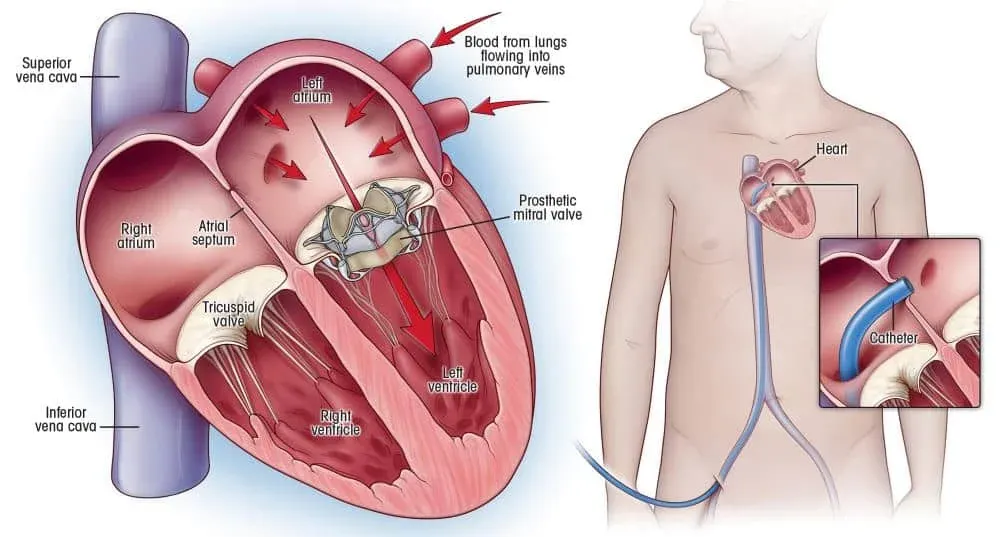
Cirurgia de substituição de válvula cardíaca na Índia: tipos, tecnologias e recuperação
Robotic Prostatectomy in India: Nerve-Sparing Techniques, Recovery, and Patient Outcomes

Cirurgia de facelift na Turquia: tipos, recuperação, riscos e resultados esperados
Terapia com bomba de insulina: como funciona, quem se beneficia e quanto custa em 2026

Obesidade e diabetes: como a cirurgia bariátrica aborda os dois juntos

Autor
Ver tudoDr. Deepanshu Siwach é um farmacêutico clínico experiente com um doutorado em farmácia. Ele tem mais de 4 anos de experiência e trabalhou com milhares de pacientes. Ele foi associado a alguns dos pr... Leia mais
Nosso site usa cookies. política de Privacidade.
