
Хирургия эпилепсии Стоимость в Индия
О процедуре Хирургия эпилепсии
Что такое эпилепсия?
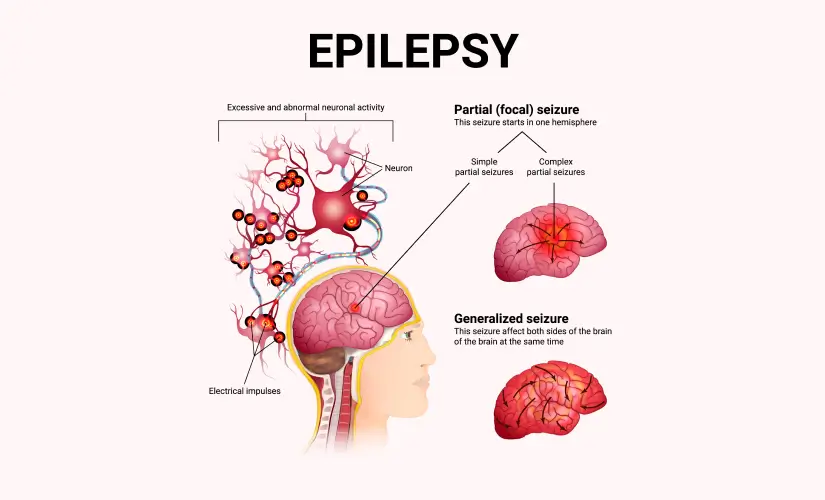
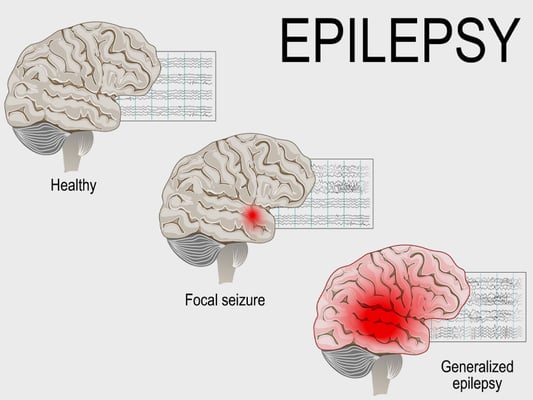
Эпилепсия – хроническое заболевание, вызывающее у человекаповторяющиеся, неспровоцированные судороги. Эти припадки происходят из-за внезапных аномальных всплесков электрической активности в мозге, которые нарушают нормальную функцию мозга. Хотя точная причина не всегда известна, эпилепсия может возникнуть в результате травмы головного мозга, инфекций, инсульта, опухолей или генетических заболеваний.
Приступы при эпилепсии могут широко варьироваться. Некоторые из них могут привести к падению человека, неконтролируемой тряске или потере сознания. Другие могут быть более тонкими, например, краткие моменты пристального взгляда, замешательства или необычных ощущений. Для постановки диагноза эпилепсии у человека должно бытькак минимум два неспровоцированных припадкакоторые не были вызваны временными факторами, такими как лихорадка или низкий уровень сахара в крови.
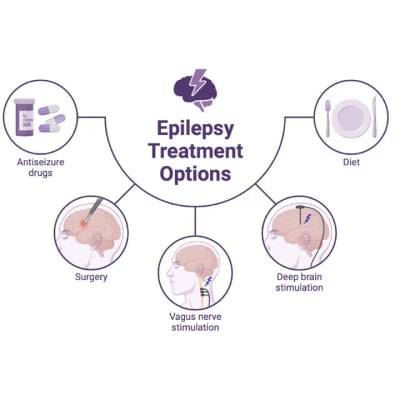
Эпилепсия поражает людей всех возрастов, но часто начинается в детстве или в более позднем взрослом возрасте. При правильном протоколе лечения большинство людей с эпилепсией могут эффективно управлять своим состоянием. Лечение обычно начинается с приема лекарств, но когда лекарства не помогают контролировать приступы (особенно после применения двух или более типов), врачи могут рассмотреть возможность хирургического вмешательства или терапии с использованием устройств.
Современные достижения в области нейровизуализации и картирования мозга позволили точно локализовать источник приступов в головном мозге, что облегчаетвысокоцелевые хирургические процедуры. Для многих пациентов с лекарственно-резистентной эпилепсией, особенно с фокальными припадками, хирургическое вмешательство дает реальный шанс на долгосрочный контроль приступов и улучшение качества жизни.
Что такое хирургия эпилепсии?
Хирургия эпилепсии — это специализированная медицинская процедура, предназначенная для помощи людям, у которых приступы не улучшаются только с помощью лекарств. Врачи обычно рассматривают возможность хирургического вмешательства, когда у человекалекарственно-устойчивая эпилепсияЭто означает, что они безуспешно пробовали несколько противосудорожных лекарств. Целью операции является удаление или отключение той части мозга, где начинаются приступы, что дает пациенту больше шансов вести жизнь без приступов.
Существуют различные типы операций по лечению эпилепсии, и выбор зависит от того, где возникают приступы и как они влияют на мозг. Например, если судороги возникают в небольшой конкретной области, которая не контролирует жизненно важные функции, такие как речь или движение, эту часть можно безопасно удалить. В других случаях врачи могут провести отключающую операцию, чтобы прервать аномальные сигналы в мозге, не удаляя при этом ткани.
В отличие от лекарств, которые контролируют только судороги, хирургическое вмешательство направлено наустранить или значительно уменьшить судорожную активность в источнике. Это не лечение первой линии, но для многих пациентов, особенно тех, кто страдает в течение многих лет, оно открывает путь к лучшему здоровью, независимости и общему качеству жизни.
Каковы различные типы операций по лечению эпилепсии?
Хирургия эпилепсии включает в себя ряд специализированных процедур, предназначенных для лечения судорог. Выбор типа операции зависит от происхождения судорог в головном мозге, их тяжести и общего состояния здоровья пациента. Эти процедуры обычно выполняются опытными нейрохирургами и поддерживаются такими технологиями, как визуализация мозга, интраоперационный мониторинг и, в некоторых центрах, роботизированная помощь.
Некоторые из наиболее распространенных типов операций по лечению эпилепсии, выполняемых во всем мире:
- Височная лобэктомия:Височная лобэктомия — одна из наиболее широко выполняемых операций при эпилепсии во всем мире. Хирурги удаляют часть височной доли, где начинаются приступы, обычно у пациентов с мезиальной височной эпилепсией (MTLE). Этот тип операции имеет один из самых высоких показателей успеха: до 70–80% пациентов достигают длительного отсутствия приступов. Он особенно эффективен для взрослых и детей старшего возраста, у которых наблюдаются фокальные судороги, исходящие из этой области.
- Лезионэктомия:Повреждающая эктомия нацелена на четко идентифицируемое на снимках головного мозга поражение, такое как опухоль, кавернома или кортикальная дисплазия, которое отвечает за возникновение судорог. Хирург удаляет только очаг поражения и небольшой край окружающей ткани головного мозга. Эта процедура считается высокоэффективной, когда поражение является единственной причиной судорог, и сводит к минимуму риск нарушения нормальных функций мозга.
- Каллозотомия тела:Это разрывная операция, при которой мозолистое тело (пучок нервных волокон, соединяющий две половины головного мозга) частично или полностью разрывается. Обычно ее проводят детям с тяжелыми генерализованными припадками, особенно дроп-атаками или тоническими припадками, которые приводят к частым падениям и травмам. Хотя мозолистотомия не может полностью остановить судороги, она часто снижает их тяжесть и частоту, обеспечивая более безопасную жизнь пациента.
- Гемисферэктомия или гемисферотомия:Эта операция, используемая в основном у маленьких детей с обширными судорогами, ограниченными одним полушарием мозга, включает в себя удаление или отключение одной стороны мозга. Эта процедура может потребоваться при таких заболеваниях, как энцефалит Расмуссена или обширные кортикальные пороки развития. Несмотря на сложность, многие дети впоследствии испытывают значительные улучшения в контроле над приступами и развитии, а оставшееся полушарие со временем адаптируется.
- Множественные субпиальные транссекции (MST):Когда очаг приступа находится вблизи важной части мозга (например, речевой или двигательной области) и не может быть удален, MST предлагает более безопасный вариант. В этом методе хирурги делают крошечные надрезы (перерезки) во внешнем слое мозга, чтобы нарушить пути приступов, не удаляя при этом никаких тканей. Он используется реже, но может быть эффективен в некоторых случаях.
- Лазерная абляция (стереотаксическая лазерная термоабляция):Некоторые передовые неврологические центры теперь предлагают минимально инвазивную лазерную абляцию при эпилепсии. Процедура включает в себя введение тонкого лазерного волокна в очаг приступа и разрушение ткани с помощью тепла. Преимущества включают более короткое пребывание в больнице, более быстрое выздоровление и минимальное образование рубцов. Лучше всего он подходит пациентам с небольшими, четко выраженными очагами судорог.
- Стимуляция блуждающего нерва (ВНС):Хотя ВНС не является строго хирургическим в традиционном понимании, он включает в себя имплантацию устройства под кожу в области груди, которое посылает электрические импульсы на блуждающий нерв, помогая снизить частоту приступов. Его часто используют, когда операция на головном мозге невозможна.
Кому нужна операция по лечению эпилепсии?
Не каждому человеку с эпилепсией потребуется операция, но для некоторых она становится лучшим вариантом после того, как другие методы лечения оказались неэффективными.
- Пациенты с лекарственно-резистентной эпилепсией:Основными кандидатами на хирургическое вмешательство при эпилепсии являются люди с лекарственно-устойчивой эпилепсией (DRE). Это означает, что у них продолжаются судороги даже после приема как минимум двух подходящих противосудорожных препаратов в правильных дозах и в течение разумного периода времени. Исследования показывают, что шансы на избавление от приступов значительно снижаются после двух неудачных лекарств, поэтому на этом этапе хирургическое вмешательство становится жизнеспособной альтернативой.
- Люди с фокальными приступами:Хирургическое вмешательство лучше всего работает, когда припадки начинаются в определенной области мозга, часто называемой очагом припадка. Они известны как фокальные или парциальные припадки, и они могут распространяться или не распространяться на другие области мозга. Если врачи смогут определить источник приступа с помощью ЭЭГ-мониторинга, МРТ или других визуализирующих тестов, хирургическое вмешательство станет хорошим вариантом.
- Пациенты, чьи приступы влияют на повседневную жизнь:У некоторых людей наблюдаются припадки, которые серьезно мешают их повседневной деятельности, например, ходьбе, работе, посещению школы или даже поддержанию личной безопасности. Частые припадки могут привести к социальной изоляции, проблемам с психическим здоровьем и травмам в результате падений или несчастных случаев. Когда лекарства не помогают и качество жизни ухудшается, врачи могут порекомендовать операцию, чтобы контролировать приступы и восстановить независимость.
- Дети с риском развития из-за судорог:У детей неконтролируемые припадки могут негативно повлиять на развитие мозга, способность к обучению и поведение. Детские неврологи в Индии часто рекомендуют раннее хирургическое вмешательство детям с тяжелой эпилепсией, чтобы защитить когнитивные функции и улучшить долгосрочные результаты. В таких случаях раннее хирургическое вмешательство может привести к отставанию в развитии и улучшению качества жизни.
- Пациенты с риском SUDEP:Люди с частыми генерализованными тонико-клоническими припадками могут подвергаться более высокому риску внезапной неожиданной смерти при эпилепсии (SUDEP). Уменьшение или устранение приступов с помощью хирургического вмешательства может значительно снизить этот риск. Для некоторых пациентов это становится спасительным решением.
- Кандидаты, выявленные в ходе предоперационной оценки:Прежде чем рекомендовать операцию, больницы в Индии проводят углубленное предоперационное обследование, которое включает непрерывный видео-ЭЭГ-мониторинг, МРТ и ПЭТ-сканирование, нейропсихологическое тестирование и функциональное картирование (речи, движений и памяти). Для хирургического вмешательства отбираются только те, чье происхождение приступов четко идентифицировано и которые соответствуют критериям безопасности.
Каковы преимущества хирургии эпилепсии?
Хирургия эпилепсии дает надежду людям, у которых приступы остаются неконтролируемыми, несмотря на прием нескольких лекарств. Для многих из этих пациентов хирургическое вмешательство может привести к кардинальным улучшениям в жизни.
- Уменьшение или устранение приступов:Самым непосредственным и заметным преимуществом является значительное снижение частоты приступов, а во многих случаях и полное отсутствие приступов. В зависимости от типа операции и локализации очага приступов у 70–80% пациентов после операции приступы могут полностью прекратиться.
- Улучшение качества жизни:Когда приступы становятся менее частыми или полностью исчезают, пациенты часто обнаруживают, что их повседневная жизнь значительно улучшается. Они могут восстановить независимость, вернуться в школу или на работу, снова водить машину (в зависимости от местных законов) и более полно участвовать в общественной и семейной деятельности.
- Меньшие или более низкие дозы лекарств:Многие люди, страдающие эпилепсией, принимают несколько противосудорожных препаратов, что часто приводит к таким побочным эффектам, как усталость, проблемы с памятью, головокружение и изменения настроения. После успешной операции некоторые пациенты могут сократить количество принимаемых лекарств или даже полностью отказаться от них под наблюдением врача.
- Когнитивные достижения и улучшения в развитии детей:Дети с неконтролируемой эпилепсией могут страдать от задержки речи, плохой успеваемости и поведенческих проблем из-за повторяющихся припадков и побочных эффектов лекарств. Хирургическое вмешательство в соответствующем возрасте может не только уменьшить приступы, но и улучшить когнитивное развитие, способности к обучению и социальное взаимодействие.
- Улучшение эмоционального и психического здоровья:Жизнь с частыми припадками может вызвать депрессию, тревогу и изоляцию. Многие пациенты сообщают, что чувствуют себя более оптимистично и уверенно после операции, особенно если их припадки прекращаются или становятся менее частыми.
- Долгосрочная стабильность:При соответствующем послеоперационном уходе и последующем наблюдении результаты хирургического лечения эпилепсии могут быть долгосрочными. У многих пациентов приступы отсутствуют или хорошо контролируются в течение многих лет или даже десятилетий после операции.
Каковы побочные эффекты операции по лечению эпилепсии?
Хотя хирургическое вмешательство при эпилепсии дает значительные преимущества, такие как уменьшение приступов и улучшение качества жизни, оно по-прежнему остается операцией на головном мозге и, как и любая операция, несет в себе некоторые риски.
- Временное замешательство или усталость:После операции, особенно в течение первых нескольких дней, пациенты часто испытывают спутанность сознания, утомляемость или сонливость.
- Проблемы с памятью или языком:В зависимости от пораженной области мозга у некоторых людей могут возникнуть временные или легкие проблемы с памятью, речью или концентрацией.
- Слабость или онемение:В редких случаях операция может вызвать слабость, покалывание или онемение одной стороны тела, если затронуты двигательные области мозга.
- Зрительные или сенсорные изменения:Некоторые пациенты сообщают о зрительных нарушениях или изменениях в поле зрения после операции, особенно когда операция затрагивает затылочную или височную доли.
- Настроение и эмоциональные сдвиги:Изменения настроения, такие как депрессия, беспокойство или раздражительность, могут возникнуть временно после операции. Эти сдвиги могут быть результатом изменений в химии мозга, стресса после операции или адаптации к новой жизни без судорог.
- Хирургические риски:Как и при любой операции, существуют стандартные медицинские риски, включая инфекцию, кровотечение или реакцию на анестезию.
Сроки восстановления после операции по поводу эпилепсии
Восстановление после операции по лечению эпилепсии — это поэтапный процесс, который включает в себя физическое исцеление, психическую адаптацию и постоянный медицинский уход. Хотя опыт каждого пациента немного отличается, существует общий график, которому следует большинство людей. Восстановление обычно занимает от нескольких недель до месяцев, в зависимости от типа проведенной операции по поводу эпилепсии и общего состояния здоровья человека.
Непосредственный послеоперационный период (0–1 неделя)
После операции пациенты обычно проводят несколько часов в послеоперационной палате, прежде чем их переводят в контролируемую больничную палату или отделение интенсивной терапии, особенно если процедура была сложной. На этом этапе врачи внимательно следят за функцией мозга, жизненно важными показателями и ходом заживления операционного поля. Часто наблюдаются легкие головные боли, отеки или усталость, и боль можно контролировать с помощью лекарств.
Большинство пациентов с эпилепсией остаются в больнице примерноот 5 до 7 дней, хотя более обширные процедуры, такие как гемисферэктомия, могут потребовать несколько более длительного пребывания. В это время пациенты начинают плавно двигаться и проходят обследование у неврологов и реабилитационных бригад.
Фаза раннего восстановления (2–6 недель)
После выписки пациенты продолжают восстановление дома или в краткосрочном реабилитационном центре. Они все еще могут чувствовать усталость или затуманенность сознания, особенно в первые пару недель. Врачи планируют последующие визиты, чтобы следить за прогрессом, при необходимости снимать швы или скобы и при необходимости корректировать лечение.
На этом этапе врачи активируют или настраивают любые имплантированные устройства (например, VNS) и проверяют судорожную активность. Многие пациенты отмечают уменьшение приступов вскоре после операции, хотя для проявления полного эффекта может потребоваться время. Легкая повседневная деятельность обычно может возобновиться в течение2–3 недели, но задачи, требующие концентрации, могут занять больше времени.
Реабилитация и адаптация (1–3 месяца)
В зависимости от типа операции пациентам может потребоватьсятрудотерапия, физиотерапия или логопедия. Эти услуги помогают улучшить силу, координацию, память и речь, если во время операции возникли какие-либо нарушения.
Пациентов также тщательно контролируют на предмет эмоциональных изменений, поскольку это время психической адаптации. Некоторые люди чувствуют прилив уверенности после того, как им удалось взять под контроль приступы, в то время как другие испытывают тревогу по поводу возвращения к повседневной жизни.
Долгосрочное восстановление и последующее наблюдение (3 месяца и более)
К трехмесячному сроку большинство пациентов возобновили многие из своих повседневных дел. Те, у кого после операции не было приступов, часто начинают постепенно сокращать прием лекарств под руководством невролога, хотя этот процесс может занять много месяцев.
Регулярные наблюдения проводятся в течение как минимум одного-двух лет для мониторинга здоровья мозга, уровня приема лекарств и когнитивных функций. В некоторых случаях дальнейшее обследование проводится, если судороги сохраняются или возобновляются.
Пациенты, которые хорошо реагируют на операцию, часто могут вернуться ввождение, работа и общение, наслаждаясь лучшим качеством жизни, чем раньше.
Получите бесплатный план лечения
О Хирургия эпилепсии в Индия
Какова стоимость хирургии эпилепсии в Индии?
Стоимость операции по лечению эпилепсии в Индии более доступна по сравнению со многими западными странами, при этом сохраняются высокие стандарты безопасности и клинических результатов. Иностранные пациенты часто выбирают Индию для получения расширенной нейрохирургической помощи за небольшую часть стоимости, взимаемой в США, Великобритании или Европе.
Стоимость операции по лечению эпилепсии в Индии варьируется отот 4000 до 9000 долларов,в зависимости от нескольких факторов, включая тип операции, инфраструктуру больницы, опыт хирурга и продолжительность пребывания в больнице. Вот общая разбивка по типам операций:
- Стоимостьвисочная лобэктомияв Индии колеблется отОт 5000 до 7000 долларов, в зависимости от больницы и сложности операции.
- Арезектомия пораженияобычно стоит между4000 и 6000 долларов, особенно когда поражение четко очерчено и легко доступно.
- Для пациентов, проходящихмозолистотомия тела, стоимость находится в пределахОт 6000 до 8000 долларов.
- Агемисферэктомия или гемисферотомия, поскольку это более обширная и сложная операция, ее цена составляет от7000 и 9000 долларов.
- Операция лазерной абляции, если доступно, обычно стоит от6500 и 9000 долларов США, обеспечивая минимально инвазивную альтернативу.
- Стоимостьстимуляция блуждающего нерва (ВНС), включая цену имплантированного устройства, обычно колеблется отОт 8000 до 12000 долларов США.
Эти пакеты обычно включают в себя:
- Предоперационные исследования (МРТ, ЭЭГ, нейропсихологическое тестирование)
- Хирургическая процедура и анестезия
- Пребывание в больнице (обычно 5–10 дней)
- Мониторинг в отделении интенсивной терапии (при необходимости)
- Лекарственные препараты при поступлении
- Послеоперационный уход и раннее наблюдение
Стоимость по сравнению с другими странами
Пациенты из таких стран, как США, Канада, Великобритания и Австралия, часто сталкиваются с расходами, варьирующимися отОт 30 000 до 70 000 долларов СШАили более для аналогичных процедур. Это делает Индию привлекательным вариантом для семей, нуждающихся в квалифицированной помощи без финансового бремени.
Какие факторы влияют на стоимость хирургии эпилепсии в Индии?
Общая стоимость операции по лечению эпилепсии в Индии варьируется от одного пациента к другому в зависимости от нескольких медицинских и логистических факторов. Хотя базовая плата за операцию может быть одинаковой в разных больницах, на окончательную стоимость часто влияют конкретные факторы, связанные с состоянием пациента, потребностями в лечении и предпочтениями больницы.
- Тип выполненной операции:Наиболее значительная разница в стоимости зависит от вида проводимой операции по лечению эпилепсии. Например, височная лобэктомия обычно более доступна, чем гемисферэктомия или процедура стимуляции блуждающего нерва (ВНС), при которой используется имплантируемое устройство.
- Выбор больницы и города:Хирургические расходы часто различаются в зависимости от города и больницы. Больницы в крупных городах, таких как Мумбаи или Бангалор, могут взимать более высокую плату, чем в небольших городах.
- Опыт хирурга и профессионализм команды:Высококвалифицированные нейрохирурги и бригады комплексной хирургии эпилепсии обычно требуют более высоких гонораров, что может отразиться на общей стоимости лечения.
- Предоперационное тестирование и визуализация:Перед операцией пациенты проходят детальное обследование, которое может включать МРТ, видео-ЭЭГ-мониторинг, ПЭТ или ОФЭКТ, а также нейропсихологическое обследование. Количество и сложность этих тестов могут существенно повлиять на общую стоимость лечения.
- Продолжительность пребывания в больнице и уход в отделении интенсивной терапии:Некоторым пациентам может потребоваться более длительное пребывание в больнице, особенно тем, кто проходит сложные процедуры или испытывает послеоперационные осложнения.
- Тип номера и размещения:Отдельные комнаты, люксы и удобства для пациентов, такие как проживание с сопровождающим или индивидуальное питание, также могут повлиять на общую стоимость.
- Послеоперационное восстановление и лекарства:В первые недели после операции могут потребоваться последующие сканирования, прием лекарств, а также физическая или когнитивная реабилитация.
Почему выбирают Индию для хирургии эпилепсии?
Индия является глобальным центром хирургии эпилепсии благодаря уникальному сочетанию медицинского опыта, современной инфраструктуры и доступных цен. Пациенты со всего мира ежегодно приезжают в Индию в поисках современной неврологической помощи, которая является одновременно высококачественной и экономически эффективной.
- Нейрохирурги мирового класса с глобальным обучением:В Индии растет число высококвалифицированных нейрохирургов, специализирующихся на хирургии эпилепсии. Они имеют многолетний опыт лечения сложных случаев эпилепсии, как у взрослых, так и у детей, и владеют всеми необходимыми процедурами.
- Передовые технологии и диагностические инструменты:Ведущие больницы Индии оснащены новейшими технологиями, необходимыми для безопасной и точной хирургии эпилепсии. К ним относятся МРТ высокого разрешения, видео-ЭЭГ-мониторинг, ПЭТ и ОФЭКТ, нейронавигационные системы и интраоперационное картирование мозга.
- Высокие показатели успеха по сравнению с Западом:Индийские больницы постоянно сообщают о том, что уровень избавления от приступов составляет 60–80%, в зависимости от процедуры и профиля пациента. Помимо уменьшения приступов, многие пациенты отмечают значительное улучшение ясности ума, подвижности, эмоционального благополучия и общего качества жизни.
- Экономически эффективные пакеты лечения:Одной из наиболее веских причин выбрать Индию является значительно более низкая стоимость лечения. Операции по лечению эпилепсии в Индии могут стоить на 60–80% дешевле, чем в западных странах, без ущерба для качества.
- Многоязычная и культурно-чувствительная помощь:Индийские больницы предлагают теплую и инклюзивную среду для иностранных пациентов. Многие учреждения предоставляют переводчиков, многоязычный персонал и оказывают помощь с учетом культурных особенностей, гарантируя, что пациенты и их семьи чувствуют себя понятыми и уважаемыми.
- Никаких списков ожидания и оптимизированный процесс:В отличие от многих стран, где системы общественного здравоохранения требуют длительного ожидания, операция по лечению эпилепсии в Индии назначается оперативно. После подтверждения диагноза и завершения предоперационного обследования большинство пациентов подвергаются операции в течение нескольких дней.
Услуги для иностранных пациентов
Ведущие больницы Индии и организаторы медицинского туризма разработали специализированные услуги, чтобы сделать операцию по лечению эпилепсии доступной и без стресса для пациентов, путешествующих из-за границы. С момента, когда пациент проявляет интерес, и в течение длительного времени после операции, система спроектирована так, чтобы обеспечивать комфорт, ясность и удобство на каждом этапе.
- Помощь в медицинской визе:Больницы часто выдают письмо-приглашение, которое помогает пациентам быстро получить медицинскую визу. Во многих случаях оформление визы проходит быстрее для тех, кто проходит неврологическое лечение, особенно если припадки часты или изменяют жизнь.
- Встреча в аэропорту и местный транспорт:Большинство крупных больниц предлагают услуги встречи в аэропорту, чтобы обеспечить безопасное и комфортное прибытие пациентов. Также организуется местный транспорт для последующих посещений, диагностических тестов и выписки.
- Доступное проживание и питание:Пациенты могут выбирать из множества близлежащих отелей, включая гостевые дома и роскошные отели. Питание организовано с учетом диетических потребностей, включая вегетарианские, халяльные или диетические варианты для диабетиков.
- Услуги языкового перевода:Общение имеет решающее значение во время лечения. Вот почему ведущие больницы предоставляют переводчиков, свободно владеющих арабским, французским, испанским, русским, суахили и другими языками, в зависимости от региона пациента.
- Специальные координаторы международных пациентов:Каждому иностранному пациенту назначается координатор, который выступает в качестве единого контактного лица на протяжении всего медицинского путешествия. Координатор помогает с госпитализацией, записью на прием, выставлением счетов, подготовкой документов и планированием выписки.
- Последующий уход:Больницы часто назначают телеконсультации после возвращения пациента домой, чтобы проверить ход выздоровления, принять лекарства и решить любые проблемы.
- Поддержка поездок и документации:Координаторы пациентов помогают с обменом валюты, страховыми письмами, продлением виз и сертификатами пригодности для возвращения домой.
Сравнение стоимости Хирургия эпилепсии по странам
Сравните стоимость Хирургия эпилепсии в разных странах, чтобы принять обоснованное решение о медицинском лечении.
| Страна | Диапазон стоимости (USD) | Потенциальная экономия | Действие |
|---|---|---|---|
ИндияТекущийЛучшая цена | $4,000 - $9,000 | — | Получить предложение |
Примечание: Стоимость может варьироваться в зависимости от выбора больницы, типа палаты, дополнительных услуг и индивидуальных медицинских требований. Свяжитесь с нами для персонализированного предложения.
Ведущие больницы для Хирургия эпилепсии в Индия
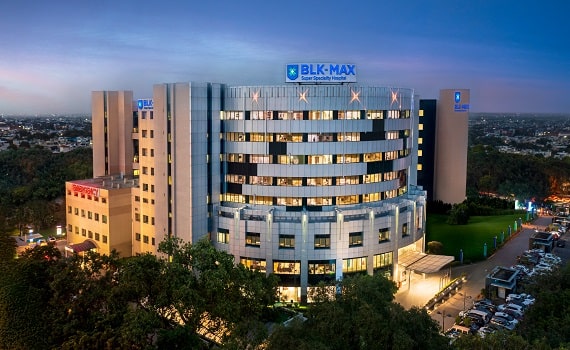
Специализированная больница BLK-Max, Нью-Дели
Специализированная больница BLK-Max в Нью-Дели — одно из ведущих медицинских учреждений Индии, предлагающее 650 коек, 22 современных операционных зала...
Аккредитации


Услуги
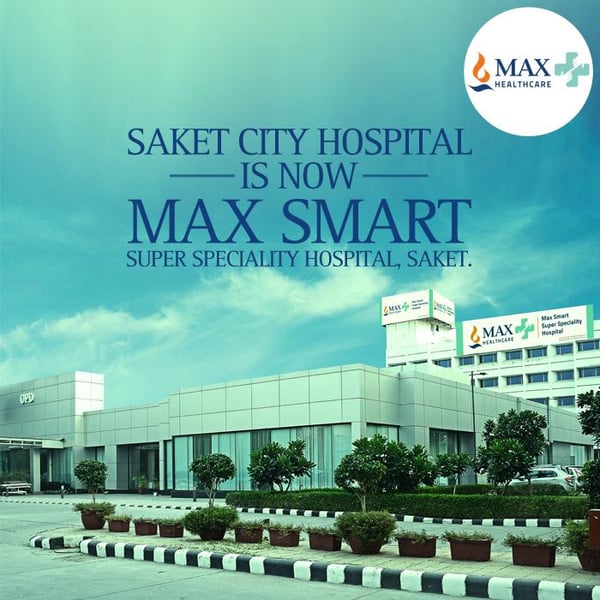
Специализированная больница Макса Смарт, Сакет, Нью-Дели
Суперспециализированная больница Макс Смарт, Сакет, — это больница третичного уровня на 250 коек в Южном Дели. Он предлагает передовую медицинскую и х...
Аккредитации
Услуги
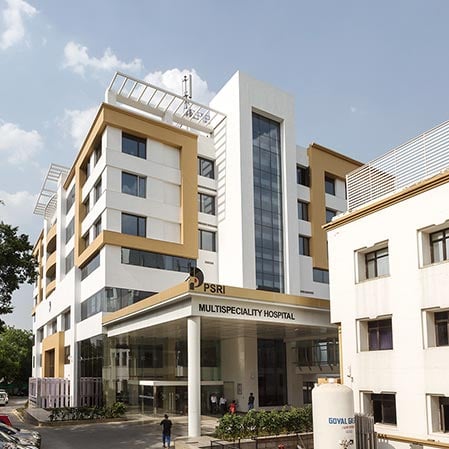
Больница PSRI, Дели
Научно-исследовательский институт Пушпавати Сингхания (больница PSRI), Нью-Дели, является ведущей многопрофильной больницей третичного уровня, основан...
Аккредитации
Услуги
Похожие процедуры
Галерея
Вопросы и ответы
Рецензент
Просмотреть все
Dr. SK Rajan is an internationally trained and AO-certified Spine Surgeon with extensive expertise in managing complex spinal disorders. He has trained at leading national and global institutions, i... Читать далее

Наш веб -сайт использует файлы cookie. политика конфиденциальности.