
Ku-tallaalidda Gacanta Qiimaha Hindiya
Ku saabsan Ku-tallaalidda Gacanta
Waa maxay Ku-tallaalidda Gacmaha?
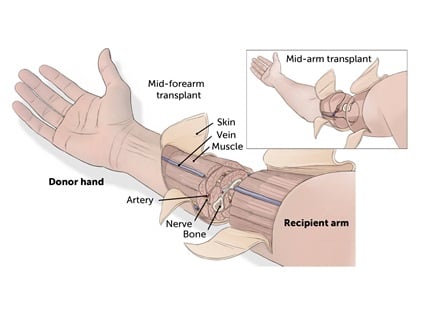
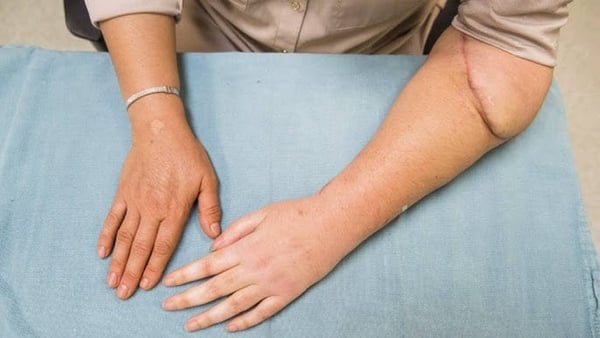
Agacan ku-tallaalidwaa nidaam qalliin oo aad u khaas ah halkaas oo agacan ama cudud deeq-bixiyewaxaa qaliin lagu xiraa qofka gacmihiisa ka go'ay jug, gubasho, caabuq, ama naafo ku dhalatay. Si ka duwan kuwa prosthetics, nidaamkani wuxuu bixiyaa suurtogalnimada dib u soo celinta dhabta ah, lugaha shaqeynta leh dareenka, dhaqdhaqaaqa, iyo muuqaalka u dhow gacanta dabiiciga ah.
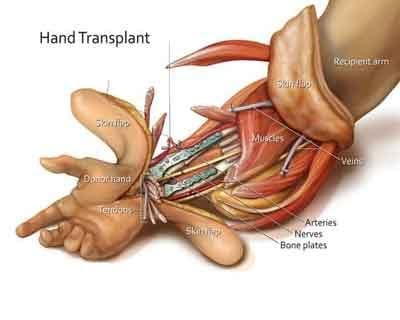
Qalliinku wuxuu ku lug leeyahaydib-u-soo-celinta saxda ah ee lafaha, halbowlayaasha, xididdada, seedaha, murqaha, iyo dareemayaashaiyadoo la isticmaalayo farsamooyin yar yar. Waqti ka dib, baxnaanin habboon, bukaanku waxay soo celin karaan hawlo muhiim ah - sida qabashada, dareenka, iyo dhaqdhaqaaqa.
Si kastaba ha ahaatee, waxaa lagama maarmaan ah in la ogaado in tani aysan ahayn nidaam qalliin oo keliya. Ku-tallaalidda gacantu waa ballan nolosha oo dhan. Bukaan-jiifka ayaa qaatadaawooyinka difaaca jirkasi looga fogaado diidmada gacanta cusub oo la maro jimicsiga jimicsiga muddada dheer iyo taageerada nafsaaniga ah si loo hubiyo isdhexgalka shaqeynta ee nolol maalmeedka.
Yaa Ku Deeqe Kara Ku-Tallaal Gacmo?
Ku-tallaalidda gacantu waxay u baahan tahay deeq-bixiye lagu dhawaaqay inay dhimatey maskaxda oo qoyskiisu ay bixiyeen oggolaansho xog ogaal ah oo ku-deeqidda addimada. Si ka duwan xubnaha gudaha, gacmuhu waa kuwo dibadda ah oo muuqda, taas oo ka dhigaysa habka deeqda mid aad u jilicsan. Waxay u baahan tahay tixgelin taxaddar leh oo ku saabsan iswaafajinta caafimaadka iyo qurxinta labadaba.
Xulashada deeq-bixiyayaashu waxay ku salaysan yihiin shuruudo adag si loo hubiyo ciyaarta ugu fiican ee suurtogalka ah. Kuwaas waxaa ka mid ah:
- waafaqid kooxda dhiiga
- Isbarbardhiga unugyada (HLA)
- Midab maqaarka la mid ah, cabbirka addimada, iyo dhisidda
- Isku toosinta da'da iyo jinsiga, haddii ay suurtagal tahay
Marka la aqoonsado ku-deeqaha ku habboon, gacanta ama cududda ayaa qalliin looga soo saaray si sax ah si loo ilaaliyo dhismayaasha muhiimka ah sidaneerfaha, halbowlayaasha, xididdada, murqaha, seedaha, iyo lafaha. Waqtigu waa muhiim. Xubinta la soo saaray waa in lagu beeraa daaqad xaddidan si loo hubiyo jiritaanka unugyada loona yareeyo khatarta dhibaatooyinka.
Habka waxa la isku duway iyada oo loo marayo shabakadaha ku-deeqidda xubnaha rasmiga ah, iyo hab-maamuuska anshaxa si adag ayaa loo raacay. Magaca deeq bixiyaha guud ahaan waa la ilaaliyaa. Xaaladaha qaarkood, labada qoys waxay dooran karaan inay wadaagaan macluumaadka xaddidan midba midka kale ka dib qalitaanka.
Sidee Loo Sameeyaa Gacmaha Ku-Tallaalka?
Ku-tallaalidda gacantu waa mid ka mid ah qalliinnada dib-u-dhiska ee ugu adag, oo u baahan iskaashiga takhasusyo badan oo ay ka mid yihiin qalliinka caagga ah, qalliinka lafaha, qalliinka xididdada dhiigga, iyo suuxinta. Nidaamku caadi ahaan wuu qaataa12 ilaa 20 saacadoodoo ku lug lehsax ah microsurgicalin la isku xiro lafaha, xididdada dhiigga, neerfaha, murqaha, iyo maqaarka.
Nidaamku waa sida soo socota:
- Diyaarinta qaataha: Bukaanka addinka hadhaaga si taxadar leh ayaa loo qiimeeyaa. Dhakhaatiirta qalliinka waxay gooyaan lafaha waxayna diyaariyaan halbowlayaasha, xididdada, iyo neerfaha si ay ugu xirmaan.
- Diyaarinta Lugaha Deeqaha: Gacan ama cudud deeq-bixiye waa la siman yahay oo waa la ilaaliyaa. Dhakhaatiirta qalliinka waxay hubiyaan in dhammaan qaybaha xididdada dhiigga iyo qaab-dhismeedyada ay yihiin kuwo sax ah oo diyaar u ah isku xirka.
- Hagaajinta LafahaLafaha gacanta ku-deeqaha ayaa toosan oo lagu hagaajiyaa lafaha qaataha iyadoo la isticmaalayo taarikada titanium iyo boolal xasiloonida.
- Isku xirka xididada: Dhakhaatiirta qalliinka waxay isticmaalaan qalab yar yar si ay isugu xiraan halbowlayaasha iyo xididdada, taasoo u oggolaanaysa socodka dhiigga inuu bilaabo. Waa marxalad xasaasi ah oo nolosha ku soo celinaysa gacantii la beeray.
- Tolitaanka murqaha iyo tendonJidh-jilicsan iyo seedaha fidiyaha ayaa ku xidhan si ay u oggolaadaan dhaqdhaqaaqa farta iyo curcurka.
- Isku-xidhka DareemahaDhakhaatiirta qalliinka ayaa isku xira neerfayaasha waaweyn si ay ugu dambeyntii awood ugu yeeshaan dareenka iyo dhaqdhaqaaqa dhaqdhaqaaqa.
- Xiritaanka Maqaarka iyo Labbiska: Lakabka sare si taxadar leh ayaa loo xiray, gacantana waxay ku dhaqaaqday kabid.
Qalitaanka ka dib, bukaanka waxaa lagula socdaa ICU, iyodaawaynta difaaca jirkaisla markiiba la bilaabo si looga hortago diidmada xubnaha. Baxnaaninta muddada dheer waxay bilaabataa isla markiiba ka dib si ay u soo ceshato xoogga, dhaqdhaqaaqa, iyo dareenka.
Waa maxay Kharashka Gacan ku-tallaalidda Hindiya iyo maxay ka mid tahay?
Qiimaha gacan ku-tallaalidda Hindiya caadi ahaan waa u dhexeeya$35,000 iyo $55,000 gacantiiba. Qiimuhu waxa uu daboolayaa dhammaan noocyada daryeelka, laga bilaabo qiimaynta qalliinka ka hor ilaa baxnaaninta qalliinka kadib. Marka la barbardhigo wadamada sida USA, halkaas oo gacan ku-tallaalidda ay dhaafi karto $250,000, Hindiya waxay bixisaa natiijooyin qalliin heer caalami ah oo qayb yar ka ah kharashka.
Qiimaha guud ahaan waxaa ka mid ah:
- Baaritaannada qalliinka ka horShaqada dhiiga, sawirida, isdhaafsiga, iyo qiimaynta cilmi nafsiga.
- Gacan-qaadis iyo gaadiid deeq-bixiye: Isku-dubbarid iyada oo loo marayo shabakadaha xubnaha shahaadaysan.
- Habka qaliinkaKu lug lahaanshaha khabiiro badan oo isticmaalaya qalab sare oo qalliin yar yar.
- Qalabka lagu rakibo iyo qalabaynta: Sida taarikada titanium, boolal, iyo qalabka qalliinka.
- Joogitaanka isbitaalka iyo daryeelka ICUQiyaastii 2-3 toddobaad, oo ay ku jiraan la socodka iyo daryeelka dhaawaca.
- Daawooyinka difaaca jirka: Bisha ugu horreysa ee tallaalka ka dib.
- Daaweynta jireed iyo daaweynta shaqadaKalfadhiyada ugu horreeya ee la bixiyo inta lagu jiro isbitaalka.
- Dabagalka iyo la tashiyada ka dib: Iyadoo kooxda la tallaalayo ilaa 30 maalmood.
Hel qorshe daaweyn oo bilaash ah
Qiyaastii Ku-tallaalidda Gacanta gudaha Hindiya
What Is the Cost of a Hand Transplant in India and What Does It Include?
The cost of a hand transplant in India typically ranges between $35,000 and $55,000 per hand. The pricing covers the full spectrum of care, from preoperative evaluations to postoperative rehabilitation. Compared to countries like the USA, where hand transplants can exceed $250,000, India offers world-class surgical outcomes at a fraction of the cost.
The cost generally includes:
- Pre-surgical investigations: Blood work, imaging, crossmatching, and psychological assessment.
- Donor hand retrieval and transport: Coordinated through certified organ networks.
- Surgical procedure: Involving multiple specialists using advanced microsurgical equipment.
- Implants and fixation devices: Such as titanium plates, screws, and surgical consumables.
- Hospital stay and ICU care: For around 2–3 weeks, including monitoring and wound care.
- Immunosuppressive medications: For the first month post-transplant.
- Physiotherapy and occupational therapy: Initial sessions provided during hospitalization.
- Post-op follow-up and consultations: With the transplant team for up to 30 days.
Breakdown of Hand Transplant Cost in India
The total cost of a hand transplant in India typically falls between ₹30,00,000 and ₹50,00,000 ($35,000 – $55,000), and this includes several crucial stages of treatment. To help international patients understand exactly where their money goes, here's a detailed cost breakdown of the components involved in a hand transplant in India.
- Preoperative investigations, such as blood tests, HLA typing, imaging scans (like CT or MRI), and psychological evaluations, generally cost between $1,000 and $2,000. These tests are essential for determining the patient's suitability for surgery and compatibility with the donor hand.
- The cost of procuring the donor hand, including transportation, surgical retrieval, and preservation, ranges from $3,000 to $5,000.
- The surgical procedure itself, which involves complex microsurgery by a team of highly specialized surgeons, is the most significant part of the expense and usually costs between $20,000 and $30,000. It includes the use of advanced operating theaters, specialized instruments, and surgical consumables, such as titanium plates and sutures.
- The ICU care and hospital stay after surgery (typically 14 to 21 days) costs approximately $4,000 to $7,000, depending on the type of room selected and any complications that may arise during recovery.
- Immunosuppressive medications, which are crucial to prevent rejection of the donor hand, can cost $2,000 to $4,000 during the initial post-surgery period.
- Postoperative physiotherapy and occupational therapy, which are needed to regain movement and function, can add $2,000 to $3,000 to the overall cost. Intensive rehabilitation usually begins during the hospital stay and may continue as an outpatient service.
- Finally, follow-up consultations and wound care management during the first month may cost around $500 to $1,000.
Treatment Component | Estimated Cost (USD) |
| Pre-operative Investigations | $1,000 – $2,000 |
| Donor Hand Procurement & Transport | $3,000 – $5,000 |
| Transplant Surgery (Single Hand) | $20,000 – $30,000 |
| ICU & Hospital Stay (2–3 weeks) | $4,000 – $7,000 |
| Immunosuppressive Medication (1 month) | $2,000 – $4,000 |
| Post-operative Physiotherapy | $2,000 – $3,000 |
| Follow-up Consultations (30 days) | $500 – $1,000 |
| Total Estimated Cost | $35,000 – $55,000 |
Important: This cost is for a single hand transplant. A double hand transplant could cost 1.8x to 2x more, depending on the complexity and duration of surgery.
Cost Comparison: Hand Transplant in India vs Other Countries
Choosing where to undergo a hand transplant is a vital decision with cost being one of the biggest factors for international patients. Compared to Western countries, India offers the same surgical quality and postoperative care at dramatically lower prices.
Country | Average Cost (USD) | Inclusions & Notes |
| India | $35,000 – $55,000 | Includes surgery, hospital stay, ICU, immunosuppressants, and rehab |
| United States | $250,000 – $400,000 | Surgery alone; post-op rehab and long-term medications billed separately |
| United Kingdom | $200,000+ (Private) | Limited transplant availability; not typically covered by NHS |
| Germany | $220,000 – $350,000 | High-end care with long waiting times and added cost for rehab |
| UAE / Middle East | $180,000 – $250,000 | Expensive due to imported specialists and limited centers |
| Thailand | $60,000 – $90,000 | Fewer transplant cases and less experience in complex microsurgery |
In India, patients receive complete transplant care (surgical, medical, and rehabilitative) for nearly 80% less than what they would spend in the US or Europe. The cost savings do not come at the expense of quality; leading hospitals in India match global standards and often exceed expectations in personalized care and recovery support.
What Factors Affect the Cost of Hand Transplant in India?
Several variables can direct the final cost of a hand transplant in India. Understanding these helps patients plan more accurately and avoid unexpected expenses:
- Single vs. Double Hand Transplant: A transplant involving both hands nearly doubles the surgical time, recovery effort, and resource use, increasing the overall cost significantly compared to a single-hand transplant.
- Donor Availability and Procurement Logistics: If a suitable donor is not locally available, additional costs may arise for transportation, coordination with organ registries, and surgical retrieval of the donor limb.
- Duration of ICU and Hospital Stay: Patients who need extended critical care, ventilator support, or have postoperative complications will incur higher hospitalization costs.
- Type and Brand of Immunosuppressive Drugs: The cost of anti-rejection medications varies widely based on brand, dosage, and duration. Imported or higher-end immunosuppressants may increase the budget.
- Rehabilitation and Physiotherapy Intensity: Longer or more aggressive physiotherapy protocols, including robotic-assisted rehabilitation or customized splints, may increase the cost.
- City and Choice of Hospital: Metro cities like Delhi, Mumbai, and Bangalore may have slightly higher pricing due to facility standards and specialist availability, while tier-2 towns can be more affordable.
- Surgeon's Expertise and Hospital Accreditation: Renowned transplant surgeons and JCI/NABH-accredited hospitals often charge more, but they offer better outcomes and provide assurance of safety.
India's Leadership in Hand Transplant: Latest Statistics and Landmark Cases
As of September 2024, India has completed 73 out of 179 hand transplants performed globally, accounting for over 40% of all such cases worldwide. The United States follows with 55 cases, while the United Kingdom has completed 17.
Mumbai alone accounts for nearly one-third of India's total hand transplants (around 24), showing strong regional leadership.
Recent and Notable Cases
- Amrita Hospital, Faridabad has completed multiple complex transplants:
- In December 2023, they performed North India's first transplant on a kidney transplant recipient (64-year-old) and a 19-year-old with above-elbow amputations.
- In February 2025, they conducted a rare double-hand transplant, followed by multi-organ transplants from the same donor—making them the first team in North India to do so.
- Sir Ganga Ram Hospital, Delhi, achieved the first successful bilateral hand transplant in Delhi in early 2024, giving both hands to a 45-year-old accident survivor from a brain-dead female donor.
- Sir Ganga Ram Hospital also led North India's inaugural bilateral hand transplant, performed on Meena Mehta, benefiting multiple organ recipients. Hands were transplanted to "Rahul" following a 12-hour procedure.
- In Gujarat, Kiran Hospital performed the state's first bilateral hand transplant in March 2025, granting renewed independence to a 35-year-old lineman.
Why Is Hand Transplant More Affordable in India?
India has emerged as a top destination for advanced surgeries, such as hand transplants—not just because of its medical expertise, but also due to its cost-effectiveness. Here's why India can offer high-quality care at significantly lower prices:
- Lower Surgical and Hospital Fees: The overall cost of healthcare services in India—including surgeons' fees, operating room charges, and nursing care—is substantially lower compared to the US or Europe. Yet, the quality of care meets international standards.
- Economic Infrastructure and Staffing: India's hospitals operate with optimized operational costs. Medical staff salaries, administrative expenses, and facility maintenance are cost-effective without compromising safety or hygiene.
- In-House Rehabilitation and Follow-Up Services: Many Indian hospitals offer physiotherapy, occupational therapy, and follow-up consultations as part of their package, thereby reducing the need for expensive third-party rehabilitation centers.
- Cost of Medications Is Significantly Lower: India is a global hub for generic pharmaceuticals. Life-long immunosuppressive drugs required after a hand transplant are available at 40–70% less than in most Western countries.
- Favorable Currency Exchange Rates: Patients coming from the US, UK, Middle East, or Australia benefit from favorable exchange rates, making even premium Indian hospitals highly affordable in dollar terms.
- Government-Supported Medical Tourism Ecosystem: With strong government backing for medical tourism, Indian hospitals provide bundled packages, visa support, and concierge services—all at competitive pricing for international patients.
Support Services for International Patients Undergoing Hand Transplant in India
India offers a well-developed medical tourism ecosystem that ensures international patients receive seamless, end-to-end support before, during, and after their treatment. These services are designed to make the journey smooth, comfortable, and medically successful.
- Visa Assistance and Medical Invitation Letters: Hospitals provide official visa invitation letters (VILs) that facilitate the quick issuance of a medical visa for patients and their attendants. Some centers even assist with visa extensions if the recovery period is longer than expected.
- Airport Pickup and Local Transfers: International patients are offered complimentary airport pickup and drop-off services. In-city transport for medical appointments and rehab sessions is also arranged to reduce logistical stress.
- Language Interpreters and Translation Services: Professional interpreters are available for Arabic, French, Russian, Swahili, and Spanish, ensuring there is no communication barrier between doctors and patients or their families.
- Dedicated International Patient Coordinator: A multilingual coordinator is assigned to each case to assist with managing daily schedules, billing, medical queries, follow-ups, and non-medical needs, including hotel bookings and local SIM card arrangements.
- Assistance with Accommodation and Meals: Affordable guesthouses, service apartments, or hotel stays near the hospital are offered at discounted rates. Customizable meal plans, including halal or vegan options, are also provided upon request.
- Virtual Consultation Before Travel: Patients can consult with surgeons online before flying to India, helping them make informed decisions and plan travel dates based on clinical recommendations.
- Post-Discharge Rehabilitation Planning: Hospitals assist in arranging ongoing physiotherapy sessions, training caregivers, and providing guidance on long-term medication use and follow-up care once the patient returns home.
What is the Success Rate and Recovery Timeline After Hand Transplant?
Hand transplantation is a technically demanding and life-altering surgery, and its success depends on a combination of surgical precision, long-term medication adherence, and patient dedication to rehabilitation. Over the last decade, India has consistently reported high success rates and functional outcomes, making it a preferred destination for this advanced procedure.
Success Rate of Hand Transplant in India
The success rate of hand transplants in India ranges between 80% and 85%, which is comparable to that of leading global centers. "Success" in hand transplants refers to:
- Graft survival (i.e., the transplanted hand remains viable and is not rejected),
- Functional restoration (i.e., the patient regains use of the hand),
- Patient compliance with rehabilitation and immunosuppressive medication.
Key factors contributing to India's high success rate include:
- Experienced microsurgery teams with global training.
- Advanced postoperative monitoring systems.
- Access to cost-effective, high-quality immunosuppressive medications.
- Structured physical therapy programs integrated into hospitals.
Indian hospitals also follow stringent donor-recipient matching criteria, which improves surgical compatibility and reduces the risk of chronic rejection.
Functional Recovery Timeline
Recovery after a hand transplant is a gradual and multi-phase process that spans several months to years.
- First 1–2 Weeks (Immediate Post-Op Phase): The patient remains in the ICU for close monitoring. Blood flow through the transplanted hand is carefully tracked. Immunosuppressive drugs are started immediately to prevent rejection. Passive physiotherapy (movement with assistance) begins in the first few days.
- Weeks 3–6: Patients are shifted to regular wards and continue medication. Dressings are changed frequently, and sutures are inspected for healing. Physiotherapy becomes more active, focusing on joint mobility and tendon glide. Early signs of sensory return may appear, especially in the fingertips.
- Months 2–6: Outpatient rehabilitation begins, with patients visiting therapy centers three to five times a week. Nerve regeneration begins (at approximately 1 mm per day), improving sensation and movement. Patients relearn basic functions, such as holding utensils, buttoning shirts, and typing. Psychological counseling is ongoing to address body image changes and medication side effects.
- Months 6–18: Fine motor control improves as nerves continue regenerating deeper into the hand and fingers. Muscle reeducation enables firmer grip, pinch, and rotational movements. Many patients regain up to 70–80% of hand function if rehab is consistent. Routine checkups help monitor for signs of chronic rejection or infection.
- After 2 Years: Most nerve pathways stabilize, and further improvements may plateau. Patients typically adapt well to daily life using the transplanted hand(s). Long-term immunosuppression continues but may be adjusted to lower doses. Functional independence is restored in many cases, allowing return to employment or school.
Psychological and Emotional Recovery
Alongside physical healing, patients undergo psychological adjustment to the "new" hand. Emotional acceptance, coping with appearance differences, and dealing with lifelong medication can be challenging. Many hospitals in India now provide dedicated mental health support to help patients transition successfully.
Ku-tallaalidda Gacanta Isbarbardhigga Qiimaha Dal ahaan
Isbarbar dhig bogga
| Baaddiye | Kala duwanaanshaha qiimaha (USD) | Kaydinta suurtagalka ah | Waxqabad |
|---|---|---|---|
HindiyaQul-qulQiimaha ugu fiican | $35,000 - $55,000 | — | Soo xigasho |
Xusuusin: Kharashaadka ayaa ku kala duwanaan kara iyadoo lagu saleynayo doorashada isbitaalka, nooca qolka, adeegyada dheeraadka ah, iyo baahiyaha caafimaad ee shaqsiyadeed.
Cisbitaalada hogaaminaya Ku-tallaalidda Gacanta gudaha Hindiya

BLK-Max Super Specialty Hospital, New Delhi
BLK-Max Super Specialty Hospital ee New Delhi waa mid ka mid ah xarumaha daryeelka caafimaadka ee Hindiya, oo bixiya 650 sariirood, 22 tiyaatar qallii...
Aqoonsado


Gadawiya xarumaha

Max Smart Super Specialty Hospital, Saket, New Delhi
Max Smart Super Specialty Hospital, Saket, waa cosbitaal daryeel jaamacadeed 250 sariirood leh oo ku yaal South Delhi. Waxay bixisaa daryeel caafimaad...
Aqoonsado
Gadawiya xarumaha
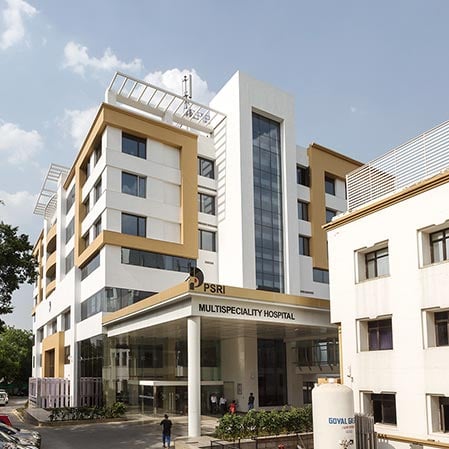
Isbitaalka PSRI, Delhi
Pushpawati Singhania Research Institute (PSRI Hospital), New Delhi, waa hormoodka ah cisbitaal daryeel jaamacadeed oo badan oo khaas ah oo ay aasaasee...
Aqoonsado
Gadawiya xarumaha
Nidaamyada la midka ah
Rug bandhig
Warqad maqas
Eeg
All
Guddoomiyaha & La-taliye Sare - Beerka oo beddela
Dr. Vivek Vij waa takhtar qalliin oo beerka laga beddelayo oo leh khibrad 15 sano ka badan. Isagoo ah Guddoomiyaha Beerka beddelka Beerka iyo Sayniska Hepatobiliary ee Cisbitaallada Fortis, waxa uu ah... Akhri wax dheeraad ah

Websaydhkeenu wuxuu adeegsadaa cookies. Qaanuunka Arrimaha Khaaska ah.