
Kelyaha Ku-tallaalidda Qiimaha Hindiya
Ku saabsan Kelyaha Ku-tallaalidda
Waa maxay Gudashada Kelyuhu?
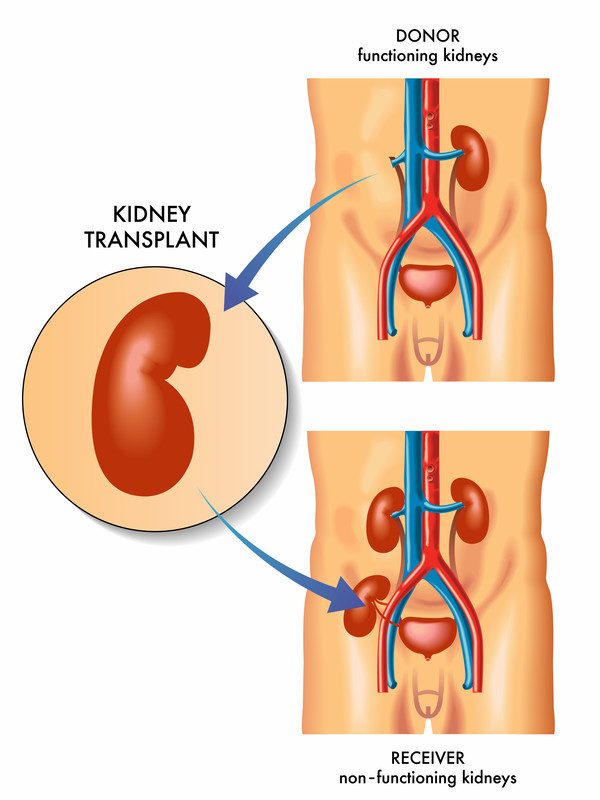
Ku-tallaalidda kelyaha waa qalliin naf-badbaadin ah oo loo isticmaalo in lagu daweeyo bukaannada qaba kelyaha heerka ugu dambeeya amacudur kelyo joogto ahmarka kelyahoodu aanay si fiican u sifayn karin qashinka iyo dareeraha dhiigga. Halkii lagu tiirsanaan lahaa sifeynta muddada dheer, bukaanku wuxuu helayaa akelyo caafimaad qaba oo ka yimid deeq-bixiye, kaas oo markaas qaliin lagu geliyo jirkooda si ay ula wareegaan shaqada kelyaha buka.
Kelyaha ku-deeqaha ayaa ka iman kara adeeq bixiye nool(Xubin qoys ama qaraabo dhow) ama adeeq bixiye dhintay(qof oggolaaday ku-deeqidda xubnaha dhimirka ka dib). Keliya hal kelyood oo shaqaynaysa ayaa guud ahaan ku filan nolol caafimaad qabta, taas oo ka dhigaysa ku-deeqidda kelyaha doorasho la heli karo iyada oo aan waxyeello loo geysanayn caafimaadka muddada dheer ee ku-deeqaha.
Goorma Ayaa Loo Baahan Yahay Ku-Tallaalka Kelyaha?
Ku-tallaalidda kelyaha ayaa caadi ahaan lagula taliyaa marka labada kelyood ay lumiyaanin ka badan 85% ilaa 90% shaqadooda, qofkana wuu galayCudurka kelyaha ee heerka-dhamaadka (ESRD)- marxaladda ugu dambeysa ee cudurka kelyaha ee joogtada ah (CKD). Halkaa marka ay marayso, kelyuhu ma awoodaan inay si wax ku ool ah u shaandheeyaan dhiigga, ka saaraan qashinka, ama nidaamiyaan dheelitirka dareeraha iyo elektrolytka, taas oo keenta in suntu ay ku ururto jidhka.
Inta badan bukaanada marxaladan ayaa marka hore la gashanayaasifaynta, oo u shaqeysa sida kelyo macmal ah. Si kastaba ha ahaatee, sifaynta sifaynta waa wakhti badan, inta badan waxay u baahan tahay booqashooyin dhowr ah todobaadkiiba isbitaal ama rug caafimaad, iyo wakhti ka dib, waxay wax u dhimi kartaa caafimaadka bukaanka iyo tayada nolosha.
Ku-tallaalidda kelyaha ayaa lagama maarmaan noqda xaaladaha soo socda:
- Bukaanka ayaa la kulmadhibaatooyin joogto ah oo ka yimaada sifeynta, sida infekshannada, cadaadiska dhiigga oo aan degganayn, ama marin-u-helidda xididdada dhiigga.
- Tijaabooyin dhiig ayaa muujinayashaqada kelyaha oo sii xumaanaysa(sida caadiga ah GFR <15 ml/min).
- Waxaa jira calaamadodareere xad dhaaf ah, dhiig-yaraan, cudur lafo, ama calaamado kale oo ku xiran shaqada kelyaha oo liita kuwaas oo ahaan la xakameynsifeyn ama daawo.
- Bukaanku wuxuu rabaa inuu iska ilaaliyo anolosha sifayntawaxaana loo arkaa jidh ahaan iyo maskax ahaanba diyaar u ah tallaalka.
Xaaladaha qaarkood,ku-tallaalid horudhac ahwaa la tixgaliyaa, halka bukaanku maro tallaalka ka hor inta uusan bilaabin sifeynta, waase ku deeqe ku habboon la heli karo. Doorashadani waxay badanaa keentaa natiijooyin wanaagsan, oo ay ku jiraan badbaadada tallaalka oo dheeraada iyo tayada nolosha oo hagaagtay.
Cudurada caadiga ah ee u horseedi kara kelyaha shaqada waxaa ka mid ah:
- Nooca 1 iyo Nooca 2 ee Sonkorowga (diabetic nephropathy)
- Dhiig-karka (dhiig-karka)
- Cudurka kelyaha ee polycystic (xaalad hidde ah)
- glomerulonephritis joogto ah
- Infekshannada kelyaha ee soo noqnoqda ama xannibaadda
Waa maxay sababta ku-tallaalidda uga wanaagsan tahay sifaynta muddada-dheer
Iyadoo sifaynta sifaynta ay ku ilaalin karto bukaanka nolol iyadoo laga saarayo qashinka dhiigga, waxay la timaaddaa xaddidaadyo nololeed oo weyn iyo khataro caafimaad oo mustaqbalka fog ah. Ku-tallaalid kelyaha oo guul leh:
- Waxay hagaajisaa rajada nolosha
- Waxay xoojisaa tayada nolosha
- Waxay bixisaa xorriyadda fadhiyada sifaynta caadiga ah
- Waxay u ogolaataa bukaanada inay ku noqdaan shaqada ama hawl maalmeedka caadiga ah
Bukaanno badan oo hela tallaalka kelyaha ayaa ku raaxaysta qaab nololeed caadi ku dhow oo leh kelyo cusub oo shaqaynaysa oo socon karta 10-20 sano ama ka badan, gaar ahaan daryeel caafimaad oo habboon iyo dabagal.
Yaa U Qalma Kelyo Ku-Tallaal?
Ma aha dhammaan bukaannada qaba kelyaha shaqada inay u qalmaan tallaalka. U qalmida beerista kelyaha waxay ku xiran tahay arrimo badan oo caafimaad, maskaxeed, iyo saadka. Hadafka waa in la hubiyo in qaataha iyo ku-deeqaha (haddii ay nool yihiin) ay caafimaad qabaan oo ku filan qalliinka iyo in tallaalka uu leeyahay fursadda ugu wanaagsan ee guusha mustaqbalka fog.
Shuruudaha muhiimka ah ee u-qalmitaanka qaataha:
- La Xaqiijiyay ogaanshaha ESRDBukaanku waa inuu lahaadaa cudurka kelyaha ee heerka-dhamaadka ah (ESRD), oo sida caadiga ah lagu qeexay heerka sifaynta glomerular ee ka yar 15 mL/daqiiqo.
- Da'da iyo Jirdhiska Jirka: Inkastoo aysan jirin da' go'an oo xaddidan, xarumaha tallaalka badankood waxay door bidaan bukaannada ka yar 70 jir kuwaas oo caafimaadkoodu wanaagsan yahay. Bukaannada da'da weyn ayaa laga yaabaa inay weli u qalmaan haddii ay jir ahaan taam yihiin oo aanay lahayn arrimo khatar ah oo la taaban karo.
- Maqnaanshaha Caabuqyada aan la xakameynin ama Kansarka FirfircoonBukaanku waa inay ka xoroobaan tiibishada, cagaarshowga, ama kansarka. Haddii hore looga daaweeyay kansar, waxaa loo baahan karaa muddo cudur-la'aan ah.
- Caafimaadka Wadnaha iyo SambabadaNidaamka wadnaha iyo xididdada dhiigga oo xooggan ayaa muhiim ah maadaama qalliinku uu ku lug leeyahay suuxinta oo uu cadaadis saari karo wadnaha iyo sambabada.
- Ballanqaadka Daryeelka Gudbinta Ka DibBukaan-socodka waa in ay maskaxdoodu fayow yihiin oo ay ka go'an tahay qaadashada daawooyinka difaaca jirka ee maalinlaha ah, waana in ay ka qaybgalaan booqashooyin joogto ah.
- Ma jirto Ku Xad-gudub Maandooriye: Isticmaalka firfircoon ee khamriga, daroogooyinka, ama tubaakada ayaa laga yaabaa inay dib u dhigto ama diiddo xubinta taranka khatarta ay u leeyihiin daryeelka qalliinka kadib
Ku-beeridda Deeq-bixiyayaasha Nool:
- Ku deequhu waa inuu u dhexeeyaa18 iyo 65 jir, maskax ahaan karti u leh, oo diyaar u ah in uu ku tabaruco si mutadawacnimo ah.
- Deeq-bixiyeyaashu waa inay maraan qiimayn dhamaystiran si loo hubiyo inay haystaanlaba kelyood oo caafimaad qabaiyoma jiraan xaalado caafimaadsida sonkorowga, hypertension, ama kelyaha laftooda.
- Hindiya, deeq-bixiyeyaasha nool waa inay ahaadaan aqaraabo dhow(waalid, walaalo, xaas, ama caruur) sida ku cad Xeerka Talaalida Xubnaha Aadanaha (THOA). Ku-deeq bixiyayaasha aan xidhiidhka la lahayn waxay u baahan yihiin ogolaansho anshax iyo sharci gaar ah.
Waa maxay Noocyada Kala Duwan ee Hababka Gudbinta Kelyaha?
Ku-tallaalidda kelyuhu maaha qalliin hal-cabbir-ku-habboon-dhan-dhan ah. Nooca habka tallaalka ayaa ugu horreyn ku xiran isha kelyaha ku-deeqaha, degdegga beddelka, iyo xaaladda caafimaad ee qaataha.
Ku-Tallaalka Kelyaha ee Deeqaha Nool
Waa nooca ugu badan ee la door bidayo ee ku-tallaalidda, gaar ahaan dalalka sida Hindiya. Nidaamkan, qof caafimaad qaba (sida caadiga ah xubin qoyska ka mid ah) wuxuu ku deeqaa mid ka mid ah kelyahooda bukaanka. Maadaama kaliya hal kelyo caafimaad qaba loo baahan yahay si loo noolaado, ku-deeqidda noloshu waa mid badbaado leh oo aad waxtar u leh.
Waxaa jira laba nooc oo hoose:
- Ku-Tallaal Bixiyaha Nolosha ee La XidhiidhaKu deequhu waa qaraabo dhow oo dhiig ah, sida waalid ama ilmo. Waxay badanaa keentaa iswaafajin wanaagsan iyo fursadaha diidmada oo yaraada.
- Ku-Tallaal Bixiyaha Nool ee Aan La XiriirinKu-deeqaha lama xidhiidho bayooloji laakiin waxa laga yaabaa inuu ku xidhan yahay shucuureed (tusaale, xaas ama saaxiib). Oggolaanshaha sharciga iyo anshaxu waa qasab xaaladahan oo kale marka loo eego sharciga Hindiya.
Faa'iidooyinka:
- Waqtiga sugitaanka oo gaaban
- Ciyaarta xubnaha oo ka fiican
- Heerka guusha muddada-dheer ee sarreeya
Ku-deeqaha Geeriyooday (Cadaveric) Kelyaha Gudbinta
Ku-deeqaha kelyaha ee dhintay, kelyaha waxaa laga soo saaray ku-deeqaha maskaxda dhimatay oo hore u oggolaaday ku-deeqidda xubnaha ama qoyskiisu oggolaaday deeqda. Ku-tallaalidda deeq-bixiyeyaasha ee dhintay ayaa ku yar Hindiya sababtoo ah heerarka ku-deeqidda xubnaha oo hooseeya, laakiin wacyiga ayaa soo hagaagaya.
Qaataha inta badan waxaa la geliyaa liiska sugitaanka, waxaana la tallaalaa marka xubin ku habboon la helo.
Faa'iidooyinka:
- Ku habboon bukaannada aan haysan deeq-bixiye nool
- Waxay u fidisaa helitaanka tallaalka dad badan
Khasaaro:
- Muddada sugitaanka oo dheer
- Waxoogaa ka hooseeya heerka badbaadada marka loo eego kelyaha deeqaha ee nool
ABO-Ku-tallaalid Kelyaha oo aan ku habboonayn
Dhaqan ahaan, ku-tallaalidda kelyaha waxay u baahnayd ku-deeqaha iyo qaataha inay yeeshaan kooxo dhiig oo is-barbar socda. Si kastaba ha ahaatee, iyada oo la horumarinayo daaweynta difaaca jirka iyo plasmapheresis (habka ka saaraya unugyada difaaca jirka), hadda waxaa suurtagal ah in la sameeyo tallaalo aan ku habboonayn ABO oo guuleysta.
Waa faa'iido marka deeq-bixiye nool oo diyaar ah uusan ku socon kooxda dhiigga. Bukaanku waxa uu maraa daaweyn gaar ah ka hor inta aan la tallaalin si loo yareeyo khatarta diidmada.
Tixgelinta:
- Kharash yar oo sarreeya sababtoo ah daawaynta tallaalka kahor ee dheeraadka ah
- Khatarta dhibaatooyinka oo korodhay, in kasta oo heerarka guushu si weyn u soo hagaageen
Kelyaha Kahortaga ah
Waa tallaal firfircoon oo la sameeyo ka hor inta uusan bukaanku bilaabin sifaynta. Waxay ku habboon tahay shakhsiyaadka qaba cudurka kelyaha ee joogtada ah iyo deeq-bixiye diyaar ah. Cilmi-baaristu waxay muujinaysaa in ku-tallaalidda ka-hor-istaagga ahi ay horseeddo:
- Shaqada kelyaha ee muddada-dheer oo ka wanaagsan
- Heerarka dhibaatada hoose
- tayada nolosha oo la hagaajiyay
Dhammaan bukaannada uma qalmaan, laakiin kuwa sameeya, waxaa loo tixgeliyaa heerka daryeelka dahabiga ah.
Hel qorshe daaweyn oo bilaash ah
Qiyaastii Kelyaha Ku-tallaalidda gudaha Hindiya
How Is a Kidney Transplant Done in India?
India has become a global destination for kidney transplant surgery, thanks to its advanced medical infrastructure, skilled transplant teams, and personalized care. Below is a clear step-by-step overview of how a kidney transplant is typically performed in Indian hospitals.
Step 1: Pre-Transplant Evaluation
Before undergoing a transplant, both the recipient and donor (if living) undergo comprehensive medical evaluations. These include:
- Blood tests (ABO and HLA typing)
- Imaging studies (ultrasound, CT scan, chest X-ray)
- Cardiac and respiratory assessments
- Psychological and counseling sessions
It ensures both are medically fit and that the recipient's immune system will accept the donor organ.
Step 2: Donor Matching and Legal Clearance
If a living donor is involved, blood group and tissue compatibility are checked. For unrelated donors, special approvals are required through an Authorization Committee under Indian transplant laws.
For deceased donor transplants, the patient must register with a government-regulated waiting list, and matching is done based on urgency and compatibility.
Step 3: Admission and Pre-Surgery Preparation
Once the transplant is cleared, both donor and recipient are admitted to the hospital 1–2 days prior. Medical staff prepare the recipient's body by adjusting medications and conducting final checks. Consent forms are reviewed, and immunosuppressive therapy may be initiated before surgery.
Step 4: Transplant Surgery
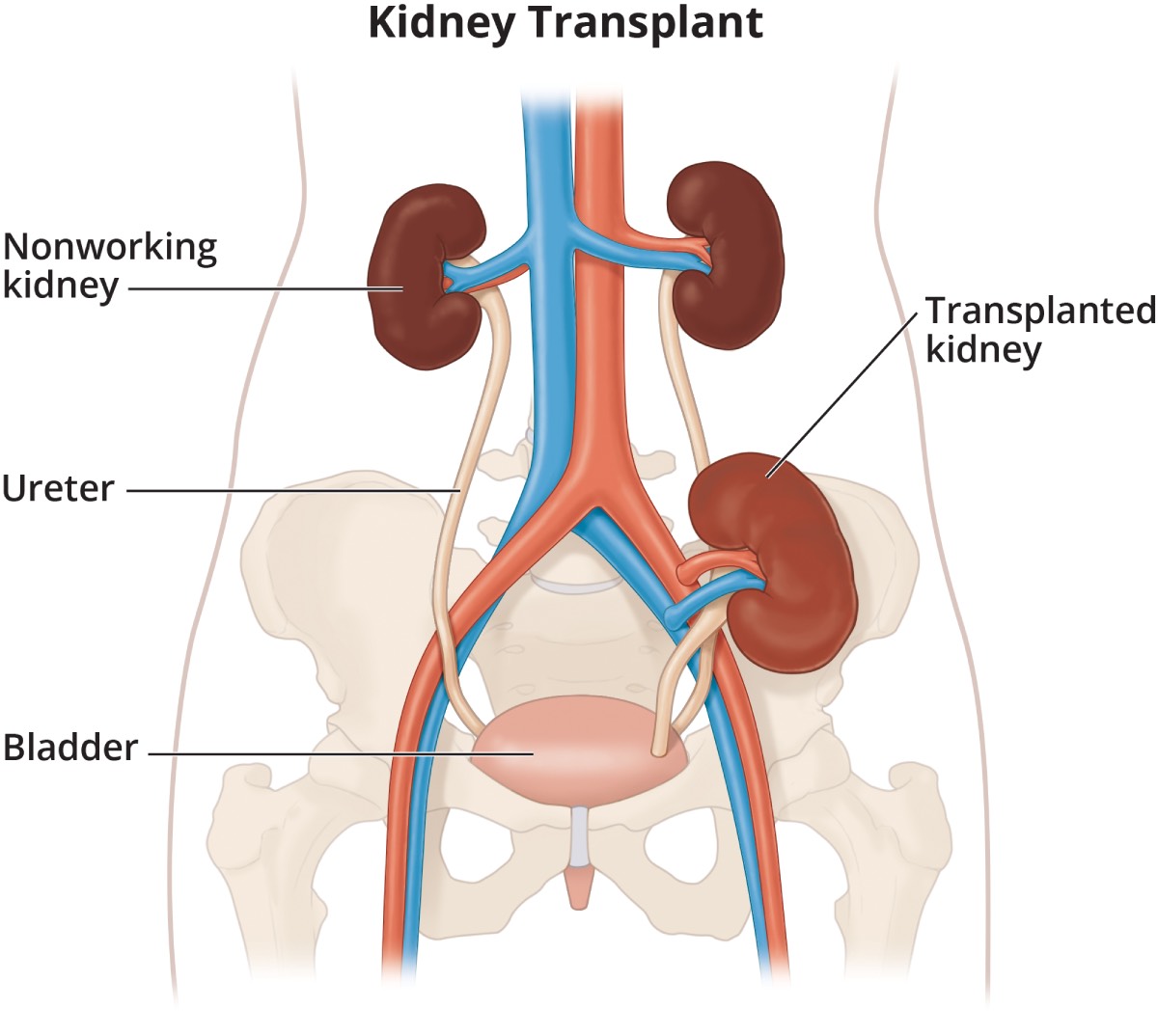
The surgery is a little bit long and takes 3 to 4 hours. It is typically performed under general anesthesia. The donated kidney is placed in the lower abdomen (not the original kidney location), and the blood vessels and ureter are connected to allow proper blood flow and urine output.
- In living donor transplants, the donor kidney is removed laparoscopically or via a small incision.
- The old kidneys are usually not removed unless there is chronic infection or complications.
Step 5: Post-Operative Recovery
After surgery, the recipient is moved to a high-dependency unit or ICU for monitoring. Most KT patients stay in the hospital for 7 to 10 days. The donor is discharged in 3 to 5 days, depending on their recovery.
Immunosuppressive medications begin immediately to prevent organ rejection. Patients receive:
- Infection control treatment
- Pain management
- Nutritional guidance
- Fluid and electrolyte monitoring
Use of Advanced Immunosuppressants and Techniques in India
Indian transplant hospitals use the latest-generation immunosuppressants such as tacrolimus, mycophenolate mofetil, and biologics (like basiliximab or thymoglobulin) that reduce rejection risks without weakening the immune system too much.
Additionally, many Indian centers adopt:
- Minimally invasive laparoscopic donor nephrectomy to reduce donor recovery time
- Plasmapheresis and desensitization for ABO-incompatible transplants
- Real-time ultrasound and Doppler guidance for accurate vascular anastomosis
- Electronic medication monitoring systems for post-transplant adherence
What is the Cost of a Kidney Transplant in India?
The cost of a kidney transplant in India is more affordable compared to many Western and Middle Eastern countries, making it a preferred destination for overseas patients. On average, the cost of a kidney transplant in India ranges from ₹6,00,000 to ₹10,00,000, which is approximately $7,000 to $12,000.
Kidney Transplant Cost Breakdown in India
Component | Estimated Cost (INR) | Estimated Cost (USD) | Description |
| Initial Consultation and Evaluation | ₹50,000 – ₹1,00,000 | $600 – $1,200 | Includes nephrologist and transplant surgeon consultation, blood tests, and imaging. |
| Donor Compatibility and Testing | ₹70,000 – ₹1,20,000 | $850 – $1,400 | Covers HLA typing, cross-matching, and full donor workup. |
| Surgical Procedure | ₹2,00,000 – ₹3,50,000 | $2,400 – $4,200 | Includes surgery fees, anesthesia, OT charges, and donor operation if applicable. |
| Hospital Stay (10–14 days) | ₹1,00,000 – ₹2,00,000 | $1,200 – $2,400 | Covers standard ward or private room, ICU if required, and nursing care. |
| Post-Operative Medications | ₹50,000 – ₹1,50,000 | $600 – $1,800 | Includes immunosuppressants and infection-prevention drugs. |
| Follow-Up Visits and Monitoring | ₹30,000 – ₹80,000 | $350 – $950 | Includes regular check-ups, bloodwork, and drug-level monitoring. |
| Miscellaneous and Admin Costs | ₹20,000 – ₹50,000 | $240 – $600 | Legal documentation, diet planning, physiotherapy, and local logistics. |
It is an all-inclusive estimate for both the recipient and donor, making India one of the most affordable and transparent destinations for kidney transplant surgery worldwide.
What's Included in the Cost of a Kidney Transplant in India?
Most hospitals offer comprehensive transplant packages that typically include:
- Donor and recipient evaluation: Blood group matching, HLA typing, cross-matching, cardiac and kidney function tests, and imaging
- Legal documentation and authorization processing: Especially for unrelated or foreign donors
- Surgical procedures: Kidney harvesting (for living donors), transplant surgery, anesthesia, and surgical team charges
- Hospital stay: 7–10 days for the recipient and 3–5 days for the donor, including ICU and ward charges
- Post-surgery medications: Including immunosuppressants during the initial hospital stay
- Follow-up consultations: Post-discharge recovery supervision and lab monitoring during the first few weeks
Please note: Additional expenses may apply if there are complications, need for plasmapheresis, or long-term follow-up beyond the included stay.
Kidney Transplant Cost Comparison: India vs Other Countries
India provides world-class kidney transplant services at the most affordable rates globally. For patients from Africa, the Middle East, South Asia, and even developed nations, choosing India means accessing quality care, expert surgeons, and comprehensive treatment packages, all at one-fifth or less of the cost in other countries.
Country | Kidney Transplant Cost (Approx.) |
| India | $7,000 – $12,000 (₹6 – ₹10 lakh) |
| USA | $300,000 – $400,000 |
| UK | $70,000 – $100,000 |
| UAE | $40,000 – $70,000 |
| Thailand | $18,000 – $25,000 |
Why Is Kidney Transplant in India So Affordable?
There are several reasons why India can offer kidney transplant procedures at a fraction of the cost charged in countries like the USA, UK, or UAE, without compromising the standard of care:
- Lower operating and infrastructure costs in Indian hospitals
- Highly skilled surgeons are available at much lower fees than their Western counterparts
- Economic cost of medications, including immunosuppressants, produced locally
- Government-regulated healthcare pricing in many states and private hospitals
Kidney Transplant Costs Based on Patient Condition
The actual cost of a kidney transplant in India can vary based on several real-life clinical situations. These variations depend on the complexity of the case, the donor type, the need for desensitization, and the post-operative recovery duration. Below are some practical cost scenarios to help international patients understand what to expect.
- Standard Kidney Transplant with Living Related Donor: For patients undergoing a planned kidney transplant with a healthy, HLA-matched living donor (such as a sibling or parent), the total cost typically ranges from ₹6,00,000 to ₹7,00,000 (approximately $7,000 to $8,500). It includes evaluation, surgery, hospital stay, and essential medications.
- ABO-Incompatible Kidney Transplant: If the donor has an incompatible blood group, special procedures like plasmapheresis and immunoadsorption are required before transplant. It increases the overall cost from ₹8,00,000 to ₹10,00,000 (around $9,500 to $12,000). These transplants are becoming increasingly common in India due to advancements in immunosuppressive protocols.
- Kidney Transplant from a Deceased Donor: In case of a deceased donor (cadaveric transplant), additional registration, waiting period, and ICU monitoring may be needed. The cost usually falls within ₹6,50,000 to ₹8,50,000 ($7,500 to $10,000), depending on how long the recipient needs pre-transplant hospitalization.
- Pediatric Kidney Transplant: For children needing kidney transplantation, the cost can rise slightly due to the need for pediatric ICU care, specialized surgeons, and tailored drug regimens. On average, the price ranges from ₹7,00,000 to ₹9,00,000 (roughly $8,000 to $11,000).
- Complex Cases with Comorbidities: Patients with pre-existing conditions like diabetes, hypertension, or cardiac issues may need extra diagnostics and longer recovery time. In such cases, the total transplant cost may range from ₹10,00,000 to slightly higher ($12,000 or more), depending on the complexity.
What are the Factors Affecting Kidney Transplant Cost in India?
While India offers some of the most affordable kidney transplant packages in the world, the final cost can still vary from patient to patient. Several medical and logistical factors come into play, such as donor compatibility, hospital selection, recovery duration, and post-transplant care.
- Type of Donor (Living or Deceased): Transplants from living, related donors are generally more affordable and can be planned. Deceased donor transplants may require longer ICU stays and emergency logistics, raising overall costs.
- Donor-Recipient Compatibility: If the donor has an incompatible blood group or tissue mismatch, additional treatments like plasmapheresis or desensitization are needed. These procedures significantly increase the cost of the transplant.
- Hospital and City of Treatment: Top-tier transplant hospitals in metro cities like Hyderabad or Bangalore may charge more due to advanced infrastructure and higher service standards. However, they also offer better surgical outcomes and post-op care.
- Room Type and Length of Hospital Stay: Choosing a private deluxe room over a shared ward results in higher accommodation charges. Additionally, any complications that necessitate an extended stay in the ICU or inpatient care will be factored into the final bill.
- Medication and Immunosuppressant Costs: Initial post-transplant drugs are potent and expensive. The cost of lifelong immunosuppressive medication, particularly during the first 6–12 months, significantly contributes to the total expenditure.
- Patient's Overall Health and Comorbidities: Patients with diabetes, hypertension, or heart conditions may require additional tests, consultations, and a longer recovery time. These add to the diagnostic and monitoring costs.
- Legal and Regulatory Documentation: Foreign patients often require additional documentation and legal clearances for ethical donor evaluation and transplant approval, which can increase administrative expenses.
- Post-Transplant Monitoring and Complication Management: Unexpected complications, such as rejection or infection, may require ICU care, dialysis, or re-admission. It results in higher out-of-pocket costs beyond the standard package.
International Patient Services for Kidney Transplant in India
India is renowned not only for its affordable treatment but also for offering world-class support services specifically designed for international patients. These value-added services ensure that your kidney transplant journey is safe, smooth, and stress-free.
- Dedicated International Patient Coordinators: Most top hospitals in India have specialized teams that handle everything from visa letters to airport pickups. These coordinators act as your point of contact throughout the treatment process.
- Assistance with Medical Visa and Travel Arrangements: Hospitals often help in issuing medical invitation letters, scheduling embassy appointments, and guiding patients through the medical visa process. They also assist with booking affordable flights and local transfers.
- Language Translation Support: Professional interpreters are available in many Indian hospitals to assist patients from Arabic, French, Russian, Swahili, Bengali, and Spanish-speaking countries.
- Affordable Accommodation for Family Members: Hospitals often provide on-campus or nearby guest houses and partner hotels at discounted rates, making it easier for family members or attendants to stay comfortably during the recovery period.
- Pre-Arrival Medical Opinion: You can share your reports before traveling and receive a free treatment plan and cost estimate from a senior nephrologist.
- Post-Treatment Follow-up via Telemedicine: After discharge, many Indian hospitals offer online video consultations, prescription support, and ongoing monitoring through telehealth platforms.
Concierge Services for Local Support: Some hospitals provide services such as currency exchange, SIM card arrangement, medical interpreters, and city tours for family members, making the experience more patient-friendly.
Kelyaha Ku-tallaalidda Isbarbardhigga Qiimaha Dal ahaan
Isbarbar dhig bogga
| Baaddiye | Kala duwanaanshaha qiimaha (USD) | Kaydinta suurtagalka ah | Waxqabad |
|---|---|---|---|
HindiyaQul-qulQiimaha ugu fiican | $7,000 - $12,000 | — | Soo xigasho |
Xusuusin: Kharashaadka ayaa ku kala duwanaan kara iyadoo lagu saleynayo doorashada isbitaalka, nooca qolka, adeegyada dheeraadka ah, iyo baahiyaha caafimaad ee shaqsiyadeed.
Cisbitaalada hogaaminaya Kelyaha Ku-tallaalidda gudaha Hindiya

BLK-Max Super Specialty Hospital, New Delhi
BLK-Max Super Specialty Hospital ee New Delhi waa mid ka mid ah xarumaha daryeelka caafimaadka ee Hindiya, oo bixiya 650 sariirood, 22 tiyaatar qallii...
Aqoonsado


Gadawiya xarumaha

Max Smart Super Specialty Hospital, Saket, New Delhi
Max Smart Super Specialty Hospital, Saket, waa cosbitaal daryeel jaamacadeed 250 sariirood leh oo ku yaal South Delhi. Waxay bixisaa daryeel caafimaad...
Aqoonsado
Gadawiya xarumaha
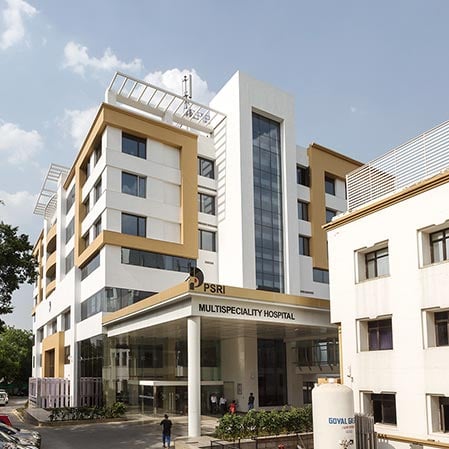
Isbitaalka PSRI, Delhi
Pushpawati Singhania Research Institute (PSRI Hospital), New Delhi, waa hormoodka ah cisbitaal daryeel jaamacadeed oo badan oo khaas ah oo ay aasaasee...
Aqoonsado
Gadawiya xarumaha
Nidaamyada la midka ah
Rug bandhig
Warqad maqas
Eeg
All
Guddoomiyaha & La-taliye Sare - Beerka oo beddela
Dr. Vivek Vij waa takhtar qalliin oo beerka laga beddelayo oo leh khibrad 15 sano ka badan. Isagoo ah Guddoomiyaha Beerka beddelka Beerka iyo Sayniska Hepatobiliary ee Cisbitaallada Fortis, waxa uu ah... Akhri wax dheeraad ah

Websaydhkeenu wuxuu adeegsadaa cookies. Qaanuunka Arrimaha Khaaska ah.