
Ku-tallaalidda Unugga stem Qiimaha Hindiya
Ku saabsan Ku-tallaalidda Unugga stem
Waa maxay Ku-tallaalidda Unugyada stem?
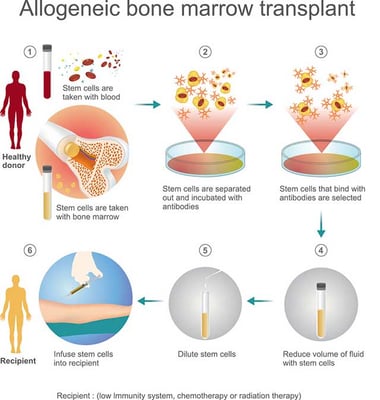
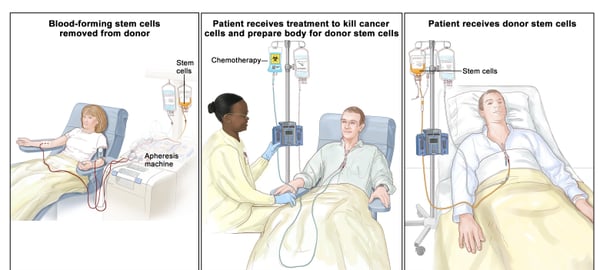
Ku-tallaalidda unugyada asliga ah waa nidaam dib u soo celiya dhuuxa lafaha caafimaadka qaba ee bukaannada dhuuxa ay waxyeello ka soo gaartay cudur, kiimoterabi, ama cilladaha dhiigga qaarkood. Hadafka daawayntan waa in laga caawiyo jidhku soo saarista unugyada caadiga ah ee dhiigga mar labaad iyadoo la soo bandhigayo unugyada asliga ah ee caafimaadka qaba, kuwaas oo ah "unugyada hooyada" ka masuulka ah abuurista unugyada dhiigga cas, unugyada dhiigga cad, iyo platelets.
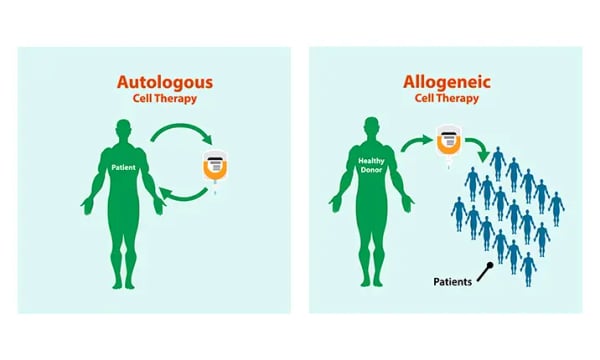
Unugyadan asliga ah waxa laga heli karaa bukaanka jidhkiisa (oo loo yaqaan anku-tallaalid autologous) ama ka yimid deeq bixiye (oo loo yaqaan antallaalka allogeneic). Xaaladaha qaarkood, qayb ka mid ah xubin qoyska ka tirsan ayaa la isticmaali karaa, oo loo yaqaan ahaploidentical transplant.
Ku-tallaalidda unugyada stem ayaa inta badan lagula taliyaa dadka qaba xaaladaha sida:
- Leukemia
- Lymphoma
- Multiple Myeloma
- Aplastic anemia
- Thalassaemia
- Xanuunada difaaca jirka qaarkood
Nidaamku wuxuu ku lug leeyahay dhowr weji, laga bilaabo qiimeynta tallaalka ka hor, oo ay ku xigto qiyaasta sare ee kemotherabi ama shucaaca (si loo baabi'iyo unugyada jirran), ka dibna faleebo unug tarma ah oo dhab ah, iyo ugu dambeyntii si taxadar leh u soo kabashada ka dib-tallaalidda.
In kasta oo ay adag tahay, ku-tallaalidda unugyada asliga ahi waxay rajo cusub siisaa bukaannada qaba xaalado kale oo nafta halis gelinaya.
Waa maxay Noocyada Kala Duwan ee Unugyada Jirka?
Ku-tallaalidda unugyada stem waxaa loo kala saaraa iyadoo lagu salaynayo isha unugyada asliga. Doorashada nooca saxda ah waxay ku xiran tahay cudurka la daweynayo, helitaanka deeq-bixiye, xaaladda caafimaad ee bukaanka, iyo talada dhakhtarka.
Ku-tallaalidda Unugga Jirka ee Iswada leh (Isku-soo-baxa)
Ku-tallaalidda autologous, unugyada asliga ah ee bukaanka ayaa loo isticmaalaa daaweynta. Unugyadaas waxa laga soo ururiyaa marinnada dhiigga ama dhuuxaka horBukaanku waxa lagu qaadanayaa dawaynta sare ee kemotherabi ama shucaac. Marka kansarka ama unugyada buka la baabi'iyo, unugyada asliga ah ayaa dib loogu geliyaa jirka si ay uga caawiyaan dib u soo nooleynta dhuuxa caafimaadka leh.
Habkan waxaa inta badan lagu isticmaalaa:
- Myeloma badan
- Hodgkin's ama Non-Hodgkin's lymphoma oo soo noqday
- Burooyinka adag qaarkood ee carruurta
Faa'iidooyinka
- Ma jirto khatar ah cudurka graft-versus-host disease (GVHD), maadaama unugyadu ay ka yimaadeen bukaanka.
- Khatarta hoose ee diidmada difaaca.
- Joogitaanka isbitaalka oo gaaban iyo soo kabasho bilawga ah oo degdeg ah.
Si kastaba ha ahaatee, waxaa jirta khatar ah in qaar ka mid ah unugyada asliga ee la ururiyay laga yaabo inay weli wataan raadadka kansarka, taas oo ah sababta noocani aanu ku habboonayn noocyada leukemia-ga qaarkood.
Allogeneic Stem Cell Transplant ( Deeq-bixiye
Ku-tallaalidda allogeneic-ku waxay isticmaashaa unugyo asliga ah oo ka yimid qof kale - badiyaa hidde ahaan isku mid ahwalaal,qaraabo, amadeeq bixiye aan xidhiidh la lahayn. Kahor intaan la tallaalin, baaritaan ayaa loo yaqaanHLA ku qoristawaxa loo sameeyaa si loo hubiyo iswaafajinta ka dhexeeya deeq bixiyaha iyo bukaanka. Habkan ayaa inta badan loo isticmaalaa in lagu daweeyo:
- Leukemias ba'an iyo dabadheeraad ah
- Aplastic anemia
- Xanuunada dhiiga ee la dhaxlo sida thalassaemia
- Myelodysplastic syndromes (MDS)
Faa'iidooyinka
- Unugyada asliga ee ku deeqaha ayaa sidoo kale laga yaabaa inay weeraraan unugyada kansarka ee haray - saameyn faa'iido leh oo loo yaqaan 'tallaalka-ka-hortagga-leukemiasaamayn.
- Unugyada asliga ee deeq-bixiyeyaasha caafimaadka qaba waxay ku abuuraan hab cusub oo difaaca jirka bukaanka.
Khatarta:
- SuurtagalnimadaGVHD, halkaasoo unugyada difaaca ee deeq-bixiyuhu ay weeraraan jidhka qaataha.
- Waxay u baahan tahay la socodka taxadar badan, gaar ahaan 100 ka maalmood ee ugu horreeya.
Allogeneic-ku-tallaalidda way ka adag tahay kana kharash badan tahay kuwa iskood u shaqeysta laakiin waxay daweyn u noqon kartaa xaalado badan oo halis sare leh.
Ku-Tallaalidda Unugga Jirka Haploidentical
Ku-tallaalidda unugyada asliga ah ee Haploidentical waa nooc ka mid ah tallaalka allogeneic halkaasoo ku-deeqaha uu yahay kaliya a50% isbarbardhigga hidaha. Doorashadani waxay ku habboon tahay bukaannada aan heli karin deeq-bixiye si buuxda u dhigma. Xubnaha qoyska (sida waalidiinta, carruurta, ama walaalaha) ayaa inta badan loo isticmaalaa deeq-bixiyeyaal.
Horumarkii ugu dambeeyay ee daawaynta difaaca jirka ayaa ka dhigtay beerista noocaan ah mid badbaado leh oo aad loogu guulaystay, xitaa meelaha kheyraadka ku xaddidan. Inta badan loo isticmaalo:
- Leukemia
- Lymphoma
- Aplastic anemia
- Thalassaemia marka aan la helin walaal la mid ah
Faa'iidooyinka
- Ku dhawaad bukaan kasta ayaa heli kara deeq bixiye qoys oo nus u dhigma.
- Helitaanka deeq bixiyayaasha degdega ah waxay dedejisaa habka tallaalka.
Qasaarooyinka:
- Khatarta sare ee dhibaatooyinka difaaca marka la barbar dhigo ku-tallaalidda walaalaha ee isku midka ah.
- Waxay u baahan tahay daryeel khabiir iyo la socosho dhow.
Ku-tallaalidda Dhiigga Xuddunta
Ku-tallaalidda unugyada tarma ee xuddunta waxay isticmaashaa unugyada asliga ah ee laga soo ururiyo dhiigga xuddunta marka ay dhashan. Unugyadan waxa lagu kaydiyaa bangiyada dhiiga xudunta u ah waxaana loo isticmaali karaa in lagu tallaalo, gaar ahaan carruurta. In kasta oo unugyadani ay aad ula qabsanayaan is-maan-darrada HLA, way ka yar yihiin tirada, taas oo xaddidaysa isticmaalkooda dadka waaweyn.
Yaa U Baahan Talaalid Unugyada Jirka?
Ku-tallaalidda unugyada asliga ah badanaa waa adaaweynta naf-badbaadintadadka dhuuxa laftoodu aanay si sax ah u shaqaynayn. Waxay noqon kartaa sababkansarka, acillad hidde, ama ahabdhiska difaaca oo aad u xumaada. Xaaladahan oo kale, ku beddelashada dhuuxa khaldan ama burburay oo lagu beddelayo unugyada asliga ah ee caafimaadka qaba waxay ka caawisaa jidhku inuu bilaabo soo saarista unugyada dhiigga ee caadiga ah mar kale.
Xaaladaha aasaasiga ah ee ku-tallaalidda unugga stem inta badan lagu taliyay waa:
Kansarka dhiigga
Bukaanno badan oo laga helay kansarka dhiigga waxay u baahan yihiin ku-tallaalid taasoo qayb ka ah qorshahooda daawaynta muddada-dheer. Kuwaas waxaa ka mid ah:
- LeukemiaGaar ahaan lymfoblastic leukemia oo ba'an (ALL) iyo acute myeloid leukemia (AML). Ku-tallaalidda waxay caawisaa baabi'inta unugyada kansarka waxayna dib u dhisaan dhuuxa caafimaad qaba.
- Lymphoma: Labada qanjidhada Hodgkin iyo non-Hodgkin, gaar ahaan soo noqoshada ama qaababka gardarrada.
- Multiple MyelomaKu-tallaalidda unugyada asliga ah ayaa badanaa la isticmaalaa ka dib daawaynta hore ee kiimoterabiga si loo sii dheereeyo cafiska.
Xanuunada Fashilka Dhuuxa Lafta
Marka dhuuxa ay ku guuldareysato inay soo saarto unug caafimaad qaba oo ku filan, ku-tallaalid ayaa noqonaysa lama huraan:
- Aplastic anemiaWaa cudur uu jidhku joojiyo soo saarista unugyo cusub oo dhiig oo ku filan.
- Myelodysplastic Syndrome (MDS): Koox cudurro ah oo unugyada dhiiggu ay si liidata u samaysan yihiin ama aanay shaqayn.
- Paroxysmal Nocturnal Hemoglobinuria (PNH): Waa cillad naadir ah oo burburisa unugyada dhiigga cas, kordhisana halista xinjirowga.
Xanuunada Dhiiga ee la Dhaxlo
Carruurta iyo dadka waaweyn ee qaba xaaladaha hidde-sidaha qaarkood waxay ku heli karaan daawo iyada oo loo marayo tallaalka unugyada stem:
- Thalassemia MajorGaar ahaan bukaanada da'da yar ee leh deeq-bixiye u dhigma, unugga unugyada taranka ee taranka ayaa baabi'in kara baahida dhiig-shubidda nolosha oo dhan.
- Cudurka Sickle CellXaaladaha daran ama soo noqnoqda, ku-tallaalidda waxa la bixin karaa marka daawaynta caadiga ahi ay guul darreysato.
- Fanconi Anemia: Xaalad naadir ah oo la iska dhaxlo oo saamaysa dhuuxa lafta una horseedda aplastic anemia ama kansar.
Cilladaha difaaca jirka oo yaraada iyo kansarrada soo noqnoqda ama iska caabinta
Dadka qaarkiis waxay ku dhashaan habdhisyada difaaca jirka oo daciifa, taasoo ka dhigaysa inay u nugul yihiin infekshannada soo noqnoqda. Ku-tallaalidda unugyada asliga ah waxay dib u dhisi karaan difaacooda. Tusaalooyinka waxaa ka mid ah:
- Difaaca jirka ee daran ee la isku daray (SCID)
- Wiskott-Aldrich Syndrome
- Cudurka Granulomatous ee daba-dheeraada
Haddii kiimoterabiga caadiga ah ama shucaaca uu fashilmo, ama cudurku soo noqdo ka dib cafiska, dhakhaatiirtu waxay kugula talinayaan ku-tallaalidda unugyada asliga ah ikhtiyaarka ugu dambeeya laakiin awood leh.
Waa maxay Habka loo Talo-galayo Unugyada Jirka?
Ku-tallaalidda unugyada asliga ah waa daawaynta si taxadar leh loo qorsheeyay, daawaynta wajiyo badan leh oo socota dhowr toddobaad. Nidaamku wuxuu ku lug leeyahay diyaarinta bukaanka, ururinta iyo gelinta unugyada asliga ah, ka dibna maaraynta jawaabta jidhka inta lagu jiro xilliga soo kabashada. Tallaabo kastaa waa muhiim si loo hubiyo in unugyada tarma ee la tallaalay ay qabtaan oo ay bilaabaan inay soo saaraan unugyo dhiig oo caafimaad qaba.
Qiimaynta Gudbinta Kahor
Kahor intaan la tallaalin, qiimeyn caafimaad oo dhameystiran ayaa la sameeyaa si loo hubiyo in bukaanku taam u yahay in la maro nidaamka. Waxaa ka mid ah:
- Tijaabada dhiiga
- Sawirada sawirka (sida raajada xabadka ama CT scans)
- Baaritaannada shaqada wadnaha iyo sambabada
- Ka-qaadista dhuuxa lafta (xaaladaha qaarkood)
- Ku-qorista HLA ee u dhigma deeq-bixiyeyaasha (ku-tallaalidda allogeneic ama haploidentical)
Dhakhaatiirtu waxay sidoo kale baaraan caabuqyada, qiimeeyaan shaqada xubnaha, oo ay aqoonsadaan arrimaha kale ee khatarta ah ee saameyn kara natiijooyinka tallaalka.
Daawaynta qaboojinta
Marka qiimayntu dhammaato, bukaanku waa helayaadaawaynta qaboojinta, kaas oo inta badan ku lug lehdaawaynta kimikalka ee qiyaasta sare,daaweynta shucaaca, ama isku darka labadaba. Marxaladani waa lama huraan sababtoo ah:
- Waxay baabi'isaa unugyada kansarka ama buka ee dhuuxa lafta
- Wuxuu xakameeyaa habka difaaca jirka wuxuuna caawiyaa dhimista khatarta diidmada tallaalka
- Waxay ka dhigtaa meel bannaan oo ay unugyada stem cusub ku koraan
Qaboojintu waxay socon kartaa dhowr maalmood ilaa in ka badan toddobaad, iyadoo ku xiran cudurka bukaanka iyo nooca tallaalka.
Ururinta Unugyada stem
Unugyada stem ayaa la ururiyaa ka hor inta aan la tallaalin. Waxaa loo samayn karaa siyaabo kala duwan:
- Laga soo bilaabo dhiigga bukaanka(ku-tallaalidda iswada)
- Laga soo bilaabo dhiigga deeq bixiyaha ama dhuuxa lafta(ku-tallaalidda allogeneic)
- Laga soo bilaabo dhiigga xudunta, haddii hore loo kaydiyay oo la isku waafajiyay
Habka ururinta inta badan xanuun ma laha waxaana lagu sameeyaa xaalado la xakameeyey.
Faleebo unugga stem
qaboojiyaha ka dib, unugyadii asliga ahaa ee la ururiyey waa la dhalaaliyaa (haddii la barafoobay) waxaana lagu shubaa dhiigga bukaanka, sida dhiig lagu shubo. Qaybtan ka mid ah tallaalka waa mid toos ah waxayna badanaa qaadataa dhowr saacadood.
Marka la geliyo, unugyada asliga ah waxay u guuraan dhuuxa lafta waxayna bilaabaan habkabeerista,inta lagu guda jiro ay bilaabaan inay soo saaraan unugyada dhiigga cusub, caafimaad qaba.
Kormeerka Soo kabashada iyo Qalabaynta
Maalmaha soo socda faleebo ayaa ugu daran. Bukaanka si dhow ayaa loola socdaa:
- Caabuqyada (maadaama difaacu aad u hooseeyo)
- Shaqada xubnaha
- Cudurka Graft-versus-host (ku-tallaalidda deeq-bixiyayaasha)
- Baahida dhiigbaxa ama ku shubista
Qalabaynta badanaa waxay bilaabataa agagaarka10 ilaa 20 maalmoodfaleebo ka dib. Inta lagu jiro wakhtigan, daryeelka taageerada, oo ay ku jiraan antibiyootiga, xanuun joojinta, taageerada nafaqeynta, iyo wax soo saarka dhiigga, ayaa laga yaabaa inay lagama maarmaan noqoto.
Hel qorshe daaweyn oo bilaash ah
Qiyaastii Ku-tallaalidda Unugga stem gudaha Hindiya
What Is the Cost of Stem Cell Transplant in India?
The cost of a stem cell transplant in India typically ranges between ₹15,00,000 and ₹35,00,000 (approximately $18,000 to $42,000), depending on several factors, including the type of transplant, the hospital, and the patient's clinical condition. The cost usually covers the full course of treatment, from evaluation to post-transplant care.
A standard stem cell transplant package at Indian hospitals includes:
- Pre-transplant evaluations such as HLA typing, imaging, blood tests, and infection screening.
- Hospital admission and inpatient care in specialized isolation rooms with HEPA filters.
- High-dose chemotherapy or radiation therapy for conditioning.
- Stem cell collection, processing, and storage (for autologous or donor-based procedures).
- Transplantation procedure including stem cell infusion and infusion-related care.
- Post-transplant monitoring such as infection control, blood transfusions, and supportive medications.
- Initial follow-up care for around 30–60 days after discharge (varies by center).
In some cases, additional expenses may arise for donor identification (for unrelated transplants), treatment of complications like graft-versus-host disease (GVHD), or extended ICU stay. International patients may also need to account for travel, visa, food, and accommodation costs separately.
Detailed Cost Breakdown of Stem Cell Transplant in India
The overall cost of a stem cell transplantation in India, which ranges between $18,000 and $42,000, can be better understood when broken down into individual components. Each phase of the transplant journey involves specific medical and logistical expenses.
- The initial phase includes pre-transplant evaluations, which typically cost between ₹1,00,000 and ₹2,00,000. These evaluations involve blood tests, imaging, heart and lung assessments, and donor matching (HLA typing), which are essential before proceeding with the transplant.
- The hospital stay accounts for a significant portion of the cost. For most patients, inpatient care in a high-efficiency isolation unit can cost anywhere between ₹4,00,000 and ₹7,00,000, depending on the duration of admission, which usually ranges from two to four weeks. Isolation rooms equipped with HEPA filters are essential for reducing the risk of infection during periods of immune suppression.
- The stem cell collection and processing charges vary depending on whether the transplant is autologous or allogeneic. For autologous transplants, the cost ranges from ₹2,00,000 to ₹4,00,000, while allogeneic transplants can cost ₹3,00,000 to ₹6,00,000, particularly if donor stem cells need to be mobilized and stored.
- Chemotherapy or conditioning therapy, which is administered before the transplant to destroy cancerous or damaged cells, adds around ₹1,50,000 to ₹3,00,000 to the total bill. Some cases may require additional radiation sessions, which are charged separately.
- The actual transplantation procedure, which includes stem cell infusion, medication, transfusions, and close monitoring, typically ranges between ₹3,00,000 and ₹5,00,000.
- Post-transplant care, including infection control, immunosuppressive drugs, supportive injections, and routine blood monitoring for the first 30–60 days, can cost another ₹2,00,000 to ₹4,00,000. This phase may also include the treatment of complications, such as graft-versus-host disease (GVHD), which can increase the cost if additional hospitalization is required.
Cost Component | Estimated Cost (INR) | Estimated Cost (USD) |
| Pre-Transplant Evaluation | ₹1,00,000 – ₹2,00,000 | $1,200 – $2,400 |
| Hospital Stay (Isolation & ICU) | ₹4,00,000 – ₹7,00,000 | $4,800 – $8,400 |
| Stem Cell Collection & Processing | ₹2,00,000 – ₹6,00,000 | $2,400 – $7,200 |
| Chemotherapy / Conditioning Therapy | ₹1,50,000 – ₹3,00,000 | $1,800 – $3,600 |
| Transplant Procedure & Infusion | ₹3,00,000 – ₹5,00,000 | $3,600 – $6,000 |
| Post-Transplant Medications & Monitoring | ₹2,00,000 – ₹4,00,000 | $2,400 – $4,800 |
| Total Estimated Cost | ₹15,00,000 – ₹35,00,000 | $18,000 – $42,000 |
Note: Prices may vary based on the type of transplant (autologous vs. allogeneic), complications, duration of stay, and the hospital chosen.
Cost Comparison: Stem Cell Transplant in India vs Other Countries
One of the biggest reasons overseas patients from more than 120 nations choose India for stem cell transplant is the significant cost advantage. While hospitals in India offer internationally accredited care with top-notch medical technology, the total expense remains a fraction of what it would cost in many Western countries.
Country | Average Cost (USD) | Inclusions |
| India | $18,000 – $42,000 | Complete transplant package including hospitalization, chemo, transplant, follow-up |
| United States | $120,000 – $250,000 | Usually excludes post-op stay and long-term care |
| United Kingdom | $100,000 – $200,000 | NHS may cover UK residents; private hospitals are costly |
| Canada | $110,000 – $210,000 | Public system covers locals; private costs for foreigners are high |
| Singapore | $60,000 – $120,000 | Excellent care, but overall expensive |
| UAE / Middle East | $80,000 – $150,000 | High-quality services, but at a premium price |
| Thailand | $30,000 – $50,000 | Competitive pricing, though still more than India |
Despite the lower pricing, the quality of care in India remains on par with global standards — making it an ideal destination for patients who need timely, affordable, and effective stem cell transplant care.
What Factors Affect Stem Cell Transplant Cost in India?
The cost of a stem cell transplant in India can vary widely between patients. While the average range falls between ₹15,00,000 and ₹35,00,000, several key factors influence where a patient falls within this spectrum.
- Type of Transplant: The most significant cost variation arises from the kind of stem cell transplant being performed. An autologous transplant is less expensive than an allogeneic transplant. Haploidentical and unrelated donor transplants further increase costs due to added testing, stem cell procurement, and immune-suppressive care.
- Donor Availability and Matching: If a matched sibling donor is available, the process is more straightforward and more cost-effective. However, when a matched unrelated donor or cord blood unit must be sourced from a registry, the cost rises.
- Choice of Hospital and City: Renowned multispecialty centers in metropolitan areas like Delhi, Mumbai, or Bangalore may charge more due to their premium infrastructure and advanced infection control systems.
- Length of Hospital Stay: If complications arise (such as infections or delayed engraftment), the hospital stay can extend, thereby increasing the overall bill.
- Post-Transplant Complications: Some patients may experience graft-versus-host disease (GVHD), serious infections, or organ dysfunction, especially after allogeneic transplants. Managing these complications requires additional medications, supportive care, or even re-hospitalization, all of which increase the total expenditure.
- Medications and Supportive Therapy: Costs for growth factors, antifungals, antivirals, and immunosuppressants can accumulate over the first few months of treatment.
- Follow-up and Recovery Needs: After discharge, the patient may require frequent follow-up tests, blood transfusions, or extended nutritional and physical rehabilitation services.
Why Choose India for Stem Cell Transplant?
India has become one of the world's leading destinations for stem cell transplant due to a rare combination of world-class treatment, experienced doctors, and affordable pricing. For patients facing complex blood disorders and life-threatening conditions, India offers not only clinical excellence but also personalized, compassionate care at a fraction of the global cost.
- Internationally Accredited Hospitals: India offers top-tier hospitals with JCI and NABH accreditations. These centers are equipped with HEPA-filtered transplant units and advanced laboratories that adhere to global standards.
- Expert Transplant Specialists: India boasts highly experienced doctors who have successfully handled hundreds of transplants. Many have received training in Europe or the US, ensuring access to world-class care.
- Cost-Effective Treatment: The cost of stem cell transplant in India is just a fraction of what it costs in the West, starting from ₹15 lakh. Yet, the quality of care remains uncompromised.
- High Success Rates: Indian hospitals report strong success rates, with over 80% for autologous transplants and up to 75% for matched donor transplants. These outcomes align with global benchmarks.
- Fast Treatment Without Waitlists: Unlike Western countries, where waiting for a transplant can take months, Indian hospitals can begin treatment quickly after evaluation and donor confirmation.
- Dedicated International Patient Support: From visa letters and airport pickups to translators and hotel booking, Indian hospitals offer full logistical support to patients traveling from abroad.
- Donor Flexibility: India has a strong track record in performing haploidentical and unrelated donor transplants. It benefits patients who don't have a fully matched sibling donor.
What Services Are Available for International Patients Undergoing Stem Cell Transplant in India?
India is a global hub for medical tourism, and top hospitals ensure that international patients receive not only excellent medical care but also comprehensive logistical and emotional support throughout their treatment journey.
- Medical Visa Assistance: Hospitals provide official invitation letters to help patients and donors secure a fast-track medical visa from Indian embassies. Many also guide families through the visa application process.
- Airport Pickup and Transfers: On arrival, patients are offered airport pickup services with a hospital representative to ensure safe and direct transport to the medical facility or hotel.
- Dedicated International Patient Coordinator: A multilingual coordinator is assigned to manage appointments, hospital admissions, discharge planning, and communication with doctors throughout the treatment.
- Affordable Accommodation Options: Hospitals either have in-house guest rooms or tie-ups with nearby hotels and serviced apartments for long-term stays. These are comfortable, hygienic, and budget-friendly for patient families.
- Language Interpretation Services: For non-English speakers, interpretation support is available in Arabic, French, Swahili, Bengali, and other major languages, facilitating easy communication with doctors and staff.
- Donor and Family Support: In allogeneic transplants, donors often accompany the patient. Hospitals assist in arranging donor evaluations, accommodations, and documentation for both parties.
- Food and Cultural Considerations: Hospitals often provide customized food options that take into account cultural and dietary needs, including halal, vegetarian, and African cuisine upon request.
- Post-Treatment Follow-up Coordination: Once the patient returns home, hospitals maintain ongoing communication through email, video consultations, and WhatsApp support to track recovery and manage medications.
These services are designed to make the process smooth and stress-free, allowing patients to focus entirely on their healing while the hospital handles the rest.
What Is the Success Rate and Recovery Timeline of Stem Cell Transplant in India?
Stem cell transplant is a complex and high-stakes treatment, but with the right medical team and supportive care, it offers excellent long-term outcomes. In India, the success rate of stem cell transplants is comparable to that of top international centers, while the recovery journey is carefully managed through structured protocols.
Success Rate of Stem Cell Transplant in India
The success of a stem cell transplant depends on multiple factors, including the patient's age, disease type, donor match, and the timing of the transplant. That said, India has built a strong track record of high success rates across various transplant types.
- Autologous Stem Cell Transplant: In cases like multiple myeloma or relapsed lymphoma, where the patient's own stem cells are used, India reports success rates of 80–90%. Since there is no risk of rejection, these procedures are generally safer and have quicker recovery times.
- Allogeneic Stem Cell Transplant: For patients receiving donor stem cells — especially those with leukemia, thalassemia, or aplastic anemia — success rates range from 60% to 75%, provided there is a suitable donor match and a timely transplant.
- Haploidentical Transplants (Half-Matched Donors): With improvements in immunosuppressive therapy and GVHD management, India has achieved survival rates of 50–70% even in high-risk haploidentical transplants.
- Pediatric Thalassemia and Immune Disorders: Children with matched sibling donors often see success rates above 90%, particularly when transplanted early in the disease course.
Success is typically measured by engraftment (the acceptance of new stem cells), the absence of severe graft-versus-host disease (GVHD), and long-term disease-free survival. Indian hospitals adhere to global protocols for transplant eligibility, infection control, and complication management, resulting in consistently positive outcomes.
Recovery Timeline After Stem Cell Transplant in India
Recovery after a stem cell transplant is gradual and closely supervised. While the hospital stay is just a few weeks, complete recovery can take several months.
- Hospital Stay (2-4 Weeks): Patients remain hospitalized during the transplant and engraftment phases. During this time, they are kept in protective isolation to reduce the risk of infection. Daily blood tests are performed to track the recovery of WBCs, RBCs, and platelets.
- Engraftment Period (10 to 20 Days Post-Infusion): This is the period when the transplanted stem cells begin producing new blood cells. Signs of engraftment include rising white cell counts and improved immunity. Fever, rashes, or gastrointestinal symptoms may occur and are treated promptly.
- Initial Home Recovery (1 to 3 Months): After discharge, patients continue recovering at home or in hotel apartments near the hospital. They must follow strict hygiene practices, avoid crowds, and attend frequent follow-ups. During this phase, they may require supportive medications, such as antivirals, antifungals, and immune boosters.
- Immune System Rebuilding (3 to 12 Months): It can take up to one year for the immune system to recover fully, especially in allogeneic or haploidentical transplants. Patients are gradually re-vaccinated during this time and closely monitored for late complications.
- Return to Normal Life (6 to 12 Months): Most patients resume work, school, or everyday activities within 6 to 12 months, depending on their overall condition. Physical strength, mental well-being, and quality of life steadily improve during this time with good nutrition, rest, and rehabilitation.
Ku-tallaalidda Unugga stem Isbarbardhigga Qiimaha Dal ahaan
Isbarbar dhig bogga
| Baaddiye | Kala duwanaanshaha qiimaha (USD) | Kaydinta suurtagalka ah | Waxqabad |
|---|---|---|---|
HindiyaQul-qulQiimaha ugu fiican | $18,000 - $42,000 | — | Soo xigasho |
Xusuusin: Kharashaadka ayaa ku kala duwanaan kara iyadoo lagu saleynayo doorashada isbitaalka, nooca qolka, adeegyada dheeraadka ah, iyo baahiyaha caafimaad ee shaqsiyadeed.
Cisbitaalada hogaaminaya Ku-tallaalidda Unugga stem gudaha Hindiya
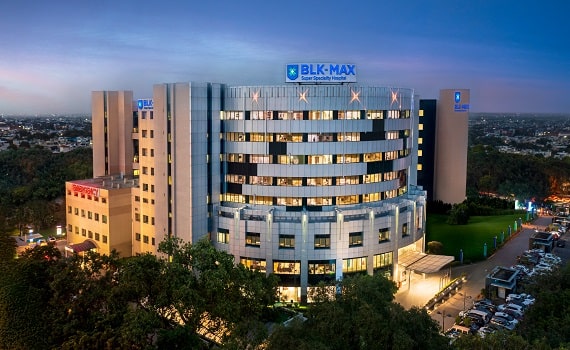
BLK-Max Super Specialty Hospital, New Delhi
BLK-Max Super Specialty Hospital ee New Delhi waa mid ka mid ah xarumaha daryeelka caafimaadka ee Hindiya, oo bixiya 650 sariirood, 22 tiyaatar qallii...
Aqoonsado

Gadawiya xarumaha
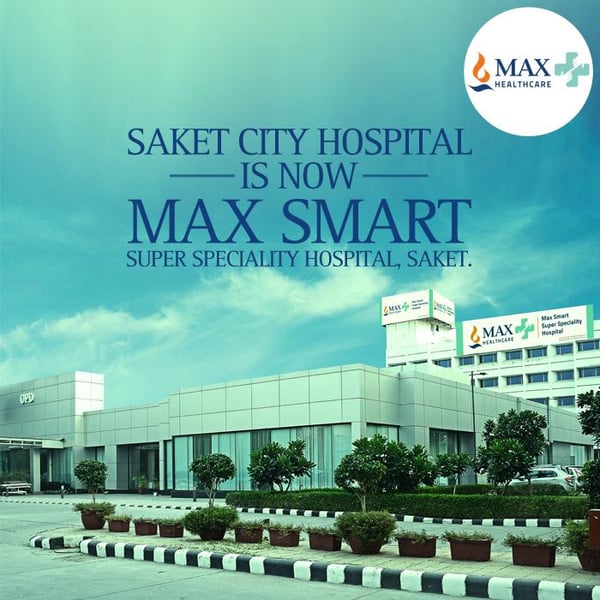
Max Smart Super Specialty Hospital, Saket, New Delhi
Max Smart Super Specialty Hospital, Saket, waa cosbitaal daryeel jaamacadeed 250 sariirood leh oo ku yaal South Delhi. Waxay bixisaa daryeel caafimaad...
Aqoonsado
Gadawiya xarumaha
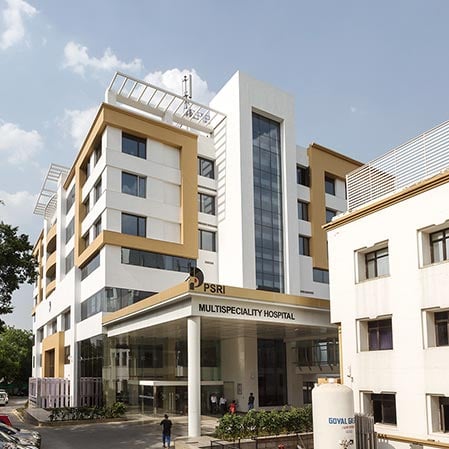
Isbitaalka PSRI, Delhi
Pushpawati Singhania Research Institute (PSRI Hospital), New Delhi, waa hormoodka ah cisbitaal daryeel jaamacadeed oo badan oo khaas ah oo ay aasaasee...
Aqoonsado
Gadawiya xarumaha
Nidaamyada la midka ah
Rug bandhig
Warqad maqas
Eeg
All
Guddoomiyaha & La-taliye Sare - Beerka oo beddela
Dr. Vivek Vij waa takhtar qalliin oo beerka laga beddelayo oo leh khibrad 15 sano ka badan. Isagoo ah Guddoomiyaha Beerka beddelka Beerka iyo Sayniska Hepatobiliary ee Cisbitaallada Fortis, waxa uu ah... Akhri wax dheeraad ah

Websaydhkeenu wuxuu adeegsadaa cookies. Qaanuunka Arrimaha Khaaska ah.