
Kranskärlsbypasskirurgi - CABG Kostnad i Indien
Om Kranskärlsbypasskirurgi - CABG
Vad är kranskärlsbypasstransplantation (CABG)?
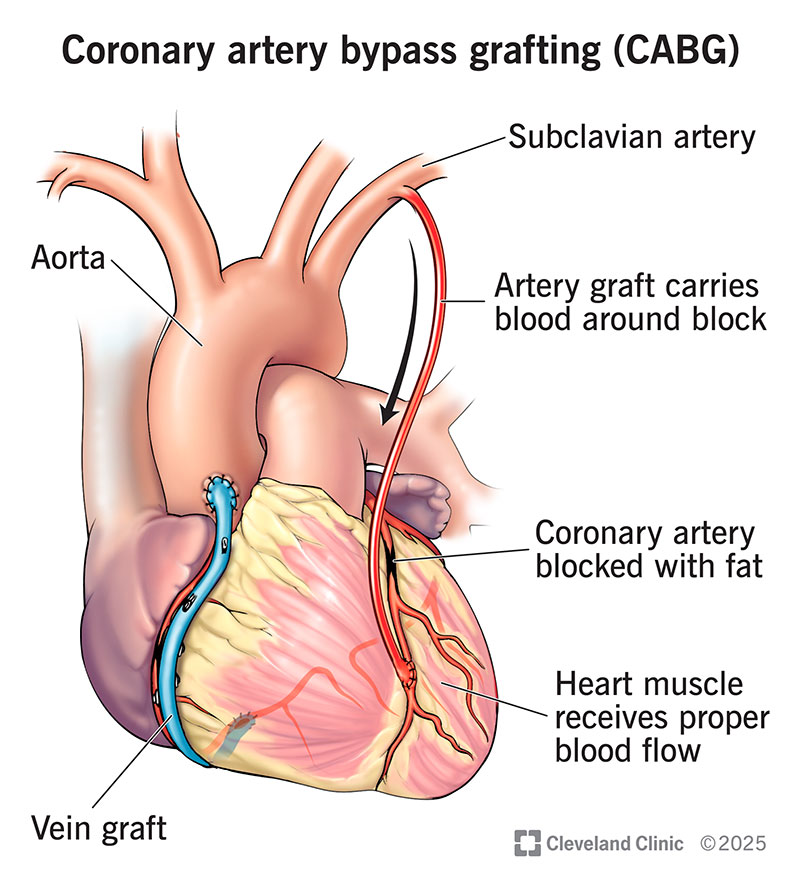
Kranskärlsbypasstransplantation är en typ av hjärtkirurgi som används för att behandla personer med svår kranskärlssjukdom (CAD). I detta tillstånd blir artärer som förser syrerikt blod till hjärtmuskeln förträngda eller blockerade på grund av plackuppbyggnad. Det minskar blodflödet och ökar risken för bröstsmärtor, hjärtinfarkt och till och med plötslig hjärtdöd.
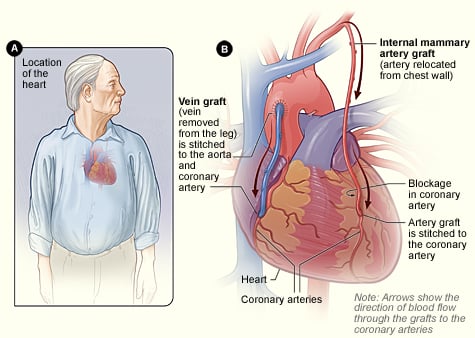
CABG fungerar genom att skapa en ny väg för blod att nå hjärtat. Under operationen tas ett friskt blodkärl från en annan del av kroppen, såsom ben, bröst eller arm, och används för att kringgå de blockerade delarna av kransartärerna. Detta nya "transplantat" återställer normalt blodflöde, minskar symtomen och hjälper till att förbättra hjärtfunktionen.
Nyckelpunkter om CABG:
- Det är en stor men vanlig hjärtoperation runt om i världen.
- CABG rekommenderas vanligtvis när flera artärer är blockerade eller när blockeringar inte kan behandlas effektivt med angioplastik eller stenting.
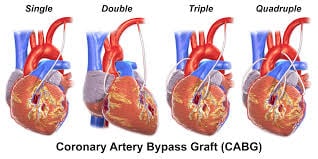
- Proceduren kan involvera en (enkel bypass), två (dubbel bypass), tre (trippelbypass) eller fler transplantat, beroende på antalet artärer som behöver kringgås.
- CABG har visat sig förbättra överlevnaden, minska symtom som bröstsmärtor (Angina) och minska risken för hjärtinfarkt hos patienter med avancerad kranskärlssjukdom.
Varför behövs CABG-operation?
Koronarartärbypasstransplantation rekommenderas vanligtvis för patienter med allvarliga blockeringar i sina kransartärer. När dessa artärer blockeras får hjärtat inte tillräckligt med syre, vilket kan leda till angina, andfåddhet, trötthet och till och med hjärtinfarkt.
CABG är ofta nödvändigt när livsstilsförändringar, mediciner och mindre invasiva procedurer som angioplastik inte räcker för att återställa ett hälsosamt blodflöde. Det är ett kritiskt kirurgiskt ingrepp som kan förebygga framtida hjärtinfarkter, lindra symtom och avsevärt förbättra livskvaliteten.
CABG rekommenderas vanligtvis när:
- Flera kransartärer är blockerade och begränsar blodflödet till hjärtat.
- Den vänstra huvudkransartären är kraftigt förträngd eller blockerad. Denna artär förser en stor del blod till hjärtmuskeln.
- Patienten har diabetes tillsammans med betydande kranskärlssjukdom.
- Tidigare behandlingar, såsom stentar eller angioplastik, har misslyckats eller är inte genomförbara.
- Patienten har nedsatt hjärtfunktion (låg ejektionsfraktion) orsakad av kranskärlssjukdom.
- Det finns svår bröstsmärta (angina) även med medicinering och vila.
Fördelar med CABG-kirurgi
- Förbättrar blodflödet till hjärtat.
- Lindrar symtom som bröstsmärtor (angina) och andnöd.
- Ökar fysisk aktivitetsnivå och uthållighet.
- Minskar risken för framtida hjärtinfarkter.
- Förbättrar överlevnaden i vissa högriskgrupper.
För många patienter, särskilt de med komplexa eller utbredda blockeringar, är CABG inte bara ett alternativ, det är en nödvändighet för att förlänga livet och förbättra välbefinnandet.
Vilka typer av CABG-kirurgi finns det?
Koronarartärbypasstransplantation är inte en procedur som passar alla. Beroende på patientens tillstånd, antal blockeringar, övergripande hälsa och kirurgens preferenser kan CABG utföras på olika sätt. Att förstå typerna hjälper patienter och familjer att veta vad de kan förvänta sig och hur varje metod fungerar.
Traditionell on-pump CABG
Det är den mest använda tekniken. En hjärtkirurg kopplar patienten till en hjärt-lungmaskin, som utför hjärtats pumpfunktion under operation. Hjärtat stoppas tillfälligt, vilket gör att kirurgen kan operera ett stilla, blodlöst hjärta för exakt transplantatplacering.
- Lämplig för patienter med flera blockeringar.
- föredras i fall med komplex eller högriskanatomi.
- ger kirurgen bättre synlighet och kontroll.
Off-pump CABG (slå hjärtoperationer)
I denna metod stoppas inte hjärtat, och operationen görs medan hjärtat fortsätter att slå. Särskild stabiliseringsutrustning används för att hålla området som drivs på stabilt.
- Minskar risken för komplikationer relaterade till hjärt-lungmaskinen.
- resulterar i snabbare återhämtning och kortare sjukhusvistelse.
- Rekommenderas ofta för äldre vuxna eller patienter med andra svåra hälsotillstånd.
minimalt invasiv CABG
Denna avancerade teknik använder små snitt på bröstet istället för en full sternotomi (att skära genom bröstbenet). Kirurgen kommer åt hjärtat med hjälp av specialiserade instrument och, i vissa fall, robothjälp.
- Mindre smärta och snabbare sårläkning.
- Minimal blodförlust och ärrbildning.
- Begränsat till patienter med 1–2 blockeringar i lättillgängliga artärer.
Robotassisterad CABG
En högspecialiserad form av minimalt invasiv kirurgi, denna teknik använder ett robotkirurgiskt system. Hjärtkirurgen kontrollerar robotarmar för att utföra bypass genom små nyckelhålssnitt.
- Förbättrad precision och visualisering.
- Kortare sjukhusvistelse och snabbare återgång till det dagliga livet.
- Endast tillgängligt på utvalda sjukhus med avancerade hjärtprogram.
Varje typ av CABG har sina egna fördelar och väljs utifrån patientens individuella behov. Kirurgen kommer att bestämma den bästa metoden efter att ha genomfört en grundlig diagnos och utvärdering.
Vad är proceduren för CABG?
förberedelse för operation
Läkare börjar med att utvärdera patientens hjärttillstånd genom en detaljerad uppsättning diagnostiska tester. Dessa tester hjälper till att bestämma antalet blockeringar och den mest lämpliga typen av CABG. Standardförsök för operation inkluderar:
- kranskärls-angiografi
- Elektrokardiogram (EKG) och ekokardiogram
- Bröströntgen och lungfunktionstest
- rutinmässigt blodprov
- Pre-anestesi utvärdering
Läkare kan be patienter att avbryta vissa mediciner och följa fasteinstruktioner före operation.
kirurgisk process
På operationsdagen utför det medicinska teamet CABG i följande steg:
- ge anestesiAtt göra patienten medvetslös och smärtfri under operationen.
- Gör snittet— I traditionell CABG öppnar kirurgen bröstet genom att skära igenom bröstbenet. I minimalt invasiv CABG gör de små snitt på bröstet.
- Skörda transplantatet— Det kirurgiska teamet tar bort ett friskt blodkärl från benet, armen (radialartären) eller bröstet.
- skapa bypass:
- efterpot-pump CABG, använder teamet en hjärt-lungmaskin för att ta över hjärtats funktion medan kirurgen opererar ett stilla hjärta.
- efteroff-pump cabg, utför kirurgen ympningen medan hjärtat fortsätter att slå, med hjälp av stabiliserande verktyg.
- Stäng bröstetmed kirurgiska ledningar och suturer efter att ha avslutat transplantaten och bekräftat normal hjärtfunktion.
vård efter operationen
Efter operationen överför läkare patienten till hjärt-ICU för noggrann övervakning. Den medicinska personalen tillhandahåller smärtlindring, hjärtmediciner och syrgasbehandling vid behov.
De flesta patienter börjar gå inom 2-3 dagar och börjar lätta aktiviteter inom en vecka. Sjukhusvistelsen varar vanligtvis mellan 5 till 10 dagar.
Återhämtningstidslinje efter CABG-operation:
- ICU-vistelse: 1–2 dagar
- Total sjukhusvistelse: 5–10 dagar
- återgå till normala aktiviteter: 6–8 veckor
- Fullständig återhämtning: 2–3 månader med korrekt hjärtrehabilitering
Få en gratis behandlingsplan
Om Kranskärlsbypasskirurgi - CABG i Indien
What is the Cost of CABG Surgery in India?
India offers high-quality coronary artery bypass grafting (CABG) surgery at a significantly lower cost than most Western countries. While patients in the United States or the United Kingdom often pay between $40,000 and $120,000 for the procedure, patients in India can undergo the same surgery for as little as $4,000 to $7,000, depending on the hospital, surgeon, and type of CABG.
This cost typically includes pre-operative tests, the surgery itself, hospital stay, ICU charges, surgical fees, medications, and follow-up consultations. Some hospitals also provide comprehensive packages for international patients that cover airport transfers, translators, meals, and local support services.
Type of CABG Surgery | Estimated Cost (USD) |
| Traditional On-Pump CABG | $4,000 – $6,500 |
| Off-Pump (Beating Heart) | $4,500 – $7,000 |
| Minimally Invasive CABG | $6,000 – $9,000 |
| Robotic-Assisted CABG | $8,000 – $12,000 |
Note: Prices vary depending on the hospital tier, room category, patient condition, and the number of grafts required.
What's Included in the Cost?
Most reputed hospitals in India offer transparent pricing and all-inclusive treatment packages. These generally cover:
- Consultation and diagnostic tests (angiography, ECG, echocardiography)
- Pre-operative evaluations and anesthesia charges
- Surgeon and surgical team fees
- Operating room and ICU charges
- Cost of graft materials and surgical consumables
- Medications during the hospital stay
- Inpatient care for 5–10 days
- Postoperative consultations before discharge
What's Not Included?
While the base package covers the surgery and hospitalization, international patients should factor in:
- Airfare and visa fees
- Accommodation for family or attendants
- Travel insurance
- Additional stay due to complications (if any)
- Cardiac rehabilitation after discharge (if done locally)
What Factors Affect the CABG Surgery Cost in India?
While CABG surgery in India is significantly more affordable than in many other countries, several factors still influence the final cost of the procedure.
- Type of CABG Procedure: The type of bypass surgery you undergo directly affects the total cost. Traditional on-pump CABG generally costs less than newer techniques. Off-pump (beating-heart) CABG requires specialized instruments and expertise, which can increase the price.
- Choice of Hospital: India has a wide range of hospitals, from government-run facilities to super-specialty private hospitals. Costs differ based on hospital accreditation (e.g., JCI or NABH), infrastructure and technology used, availability of cardiac ICUs and robotic equipment, and location.
- Experience of the Surgeon: Highly experienced and internationally trained cardiothoracic surgeons often charge higher fees.
- Patient's Medical Condition: Patients with underlying health issues like diabetes, kidney disease, hypertension, or reduced heart function may need additional care, medications, or ICU monitoring, which increases the cost.
- Number of Days in the Hospital: While most CABG surgery patients stay in the hospital for 5 to 10 days, those with complications or a slow recovery may require a more extended stay in the ICU or a general ward.
- Room Category Chosen: Choosing a deluxe or suite room significantly increases the cost, especially if you stay beyond the standard recovery period.
- Post-Surgical Medications and Rehabilitation: The surgery package includes medications during hospitalization. However, patients must pay separately for discharge medications and cardiac rehabilitation services.
Cost Comparison: CABG in India vs Other Countries
India offers some of the most cost-effective cardiac surgeries in the world, particularly for complex procedures such as coronary artery bypass grafting. Patients from the United States, the UK, Australia, and the Middle East travel to India to access the same level of care at a fraction of the cost.
Below is a detailed comparison of CABG surgery costs across various countries, helping you understand how much money you can save by choosing India.
Country | Approximate Cost (USD) | Inclusions |
| United States | $70,000 – $1,20,000 | Surgery, surgeon fees, hospital stay, and limited aftercare |
| United Kingdom | $40,000 – $90,000 | Not always covered under NHS; long wait times |
| Canada | $50,000 – $100,000 | Public hospitals have long waitlists |
| Australia | $45,000 – $80,000 | Partial coverage with private insurance |
| Singapore | $30,000 – $45,000 | High-quality care, higher costs |
| Thailand | $15,000 – $25,000 | Affordable, but not as advanced as India |
| Turkey | $12,000 – $20,000 | Growing in popularity, limited English-speaking doctors |
| India | $4,000 – $7,000 | All-inclusive, world-class care, English-speaking staff |
Note: These are average costs and may vary depending on the hospital, doctor, and patient condition.
Success Rate and Recovery After CABG Surgery
Indian hospitals consistently deliver high success rates for coronary artery bypass grafting, thanks to skilled surgeons, advanced technology, and robust postoperative care. Most reputable centers in India report a success rate of 95% or higher for elective CABG procedures, which is comparable to that of top hospitals in the US and Europe.
What Determines CABG Success?
Several factors contribute to a successful outcome:
- The surgeon's experience and expertise
- The number of arteries bypassed
- The patient's age and overall health
- The presence of other conditions like diabetes or kidney disease
- Timely surgery before major complications arise
When surgeons perform CABG on time, especially before a major heart attack, patients experience significant symptom relief, longer life expectancy, and improved quality of life.
What to Expect During Recovery?
Recovery after CABG takes 6 to 12 weeks, depending on the patient's health and the type of surgery performed. Here's what the recovery journey typically looks like:
- Hospital Stay: Patients usually stay in the ICU for 1–2 days for close monitoring. After ICU, they move to a regular cardiac ward for 3–7 days, depending on their recovery pace.
- First Week After Surgery: Patients begin walking with assistance and start breathing exercises to improve lung function. Doctors gradually reduce pain medications and remove stitches or surgical tubes.
- 2 to 4 Weeks Post-Surgery: Patients continue their recovery at home or in a nearby facility, especially if traveling internationally. They follow a low-fat, heart-friendly diet and avoid lifting heavy objects. Cardiologists monitor the heart's healing through regular checkups.
- 6 to 8 Weeks: Most patients return to normal daily activities, such as walking, light housework, and social interaction. Surgeons may clear them to travel back home after this phase if no complications arise.
- After 3 Months: With proper cardiac rehabilitation, many patients return to work and resume moderate physical activities. Long-term results depend on the patient's lifestyle, adherence to medication, and regular follow-up.
Why Choose India for CABG Surgery?
Every year, ~80,000 international patients travel to India for coronary artery bypass grafting, as India combines medical excellence with affordability. Patients not only save on costs but also receive world-class cardiac care from highly trained specialists. Whether you are seeking traditional open surgery or advanced robotic CABG, India provides reliable options that meet international standards.
- Affordable Yet World-Class Treatment: Indian hospitals offer CABG surgery at up to 80% lower cost compared to the US, UK, or Australia. Despite the low prices, hospitals adhere to the same international protocols, technology, and safety standards, making it an ideal destination for cost-conscious patients without compromising on care.
- Internationally Trained Surgeons: India's top cardiac surgeons have trained and worked in leading institutions in the United States, the United Kingdom, and Europe. They bring years of global experience and perform high volumes of surgeries annually, which contributes to better outcomes and lower complication rates.
- Advanced Cardiac Facilities: Many Indian hospitals are equipped with hybrid operating rooms, robotic surgery systems, dedicated cardiac ICUs, in-house diagnostic labs, and 24/7 emergency services. These facilities ensure precision, safety, and seamless care during and after the surgery.
- Fast Access to Surgery (No Wait Times): Unlike in many Western countries, Indian hospitals schedule CABG surgeries quickly, often within a few days of diagnosis. This immediate access can be life-saving for patients with worsening symptoms or advanced coronary artery disease.
- Personalized Care for International Patients: Hospitals in India assign dedicated international patient coordinators who assist with medical visa invitation letters, airport transfers, interpreter services, local SIM cards, and post-treatment support, including telemedicine consultations. These services ensure that international patients feel safe, informed, and supported throughout their medical journey.
- English-Speaking Medical Teams: Most doctors, nurses, and support staff in Indian hospitals speak fluent English, which helps eliminate communication barriers. Many hospitals also offer translation services for languages such as French, Arabic, Russian, Swahili, and others.
- Holistic Recovery Options: In addition to surgery, many hospitals provide yoga therapy, cardiac rehabilitation programs, stress counseling, and dietary planning to promote long-term heart health. These services enhance recovery and reduce the risk of future complications.
Services Offered for International Patients
Indian hospitals understand that traveling abroad for heart surgery can feel overwhelming. That's why they offer comprehensive support services tailored specifically for international patients. From visa assistance to recovery planning, hospitals in India make sure you receive seamless care from the moment you inquire to the time you return home.
- Medical Visa Assistance: Hospitals issue medical visa invitation letters to help you and your companion secure fast-track visas. They also guide you through the online application process and offer support in coordinating with the Indian embassy or consulate in your country.
- Airport Pickup and Drop: Upon arrival in India, hospital teams provide a personal airport pickup service to receive you and your family. You won't have to worry about navigation or finding transportation in a new city.
- Language Interpreters: To ensure clear communication, many hospitals assign language interpreters for patients who speak Arabic, French, Russian, Swahili, Bengali, Spanish, and other languages. This service helps you understand medical instructions, reports, and post-op care with confidence.
- International Patient Coordinators: Dedicated coordinators stay by your side throughout your treatment journey. They act as your single point of contact for all non-medical and administrative concerns. They help you:
- Schedule consultations
- Book surgery dates
- Handle billing and insurance formalities
- Arrange local accommodations
- Organize follow-up appointments
- Cost Estimates and Package Plans: Before you arrive, hospitals share transparent treatment plans with fixed pricing. There are no hidden costs, and hospitals adjust the plan if additional services are needed. These packages often include:
- Pre-operative tests
- Surgery
- Hospital stay
- Surgeon fees
- Medications
- Meals for patients and companions
- Accommodation and Food: Hospitals often assist with booking nearby guesthouses, hotels, or hospital-attached guest suites for family members. Many offer customized meal plans tailored to the dietary restrictions or cultural preferences of international patients.
- Post-Treatment Follow-Up and Teleconsultation: Once you return home, the hospital stays connected. You can book online follow-up consultations with your surgeon or cardiologist, share test results or symptoms via email or hospital portals, and receive ongoing advice on medications, rehab, and fitness.
- Help with Travel and Sightseeing: Many hospitals partner with travel agencies to offer short sightseeing trips for family members and friends. If your health allows, you can also explore India's cultural landmarks during your recovery period.
Kranskärlsbypasskirurgi - CABG Kostnadsjämförelse per land
Jämför Kranskärlsbypasskirurgi - CABG kostnader mellan olika länder för att fatta ett välgrundat beslut om din medicinska behandling.
| Land | Kostnadsintervall (USD) | Potentiella besparingar | Handling |
|---|---|---|---|
IndienNuvarandeBästa värde | $4,000 - $12,000 | — | Få offert |
Notera: Kostnaderna kan variera beroende på sjukhusval, rumstyp, tilläggstjänster och individuella medicinska krav.
Ledande sjukhus för Kranskärlsbypasskirurgi - CABG i Indien

BLK-Max Super Specialty Hospital, New Delhi
BLK-Max Super Specialty Hospital i New Delhi är en av Indiens främsta vårdinstitutioner, som erbjuder 650 bäddar, 22 avancerade operationssalar och 13...
Ackrediteringar
Faciliteter
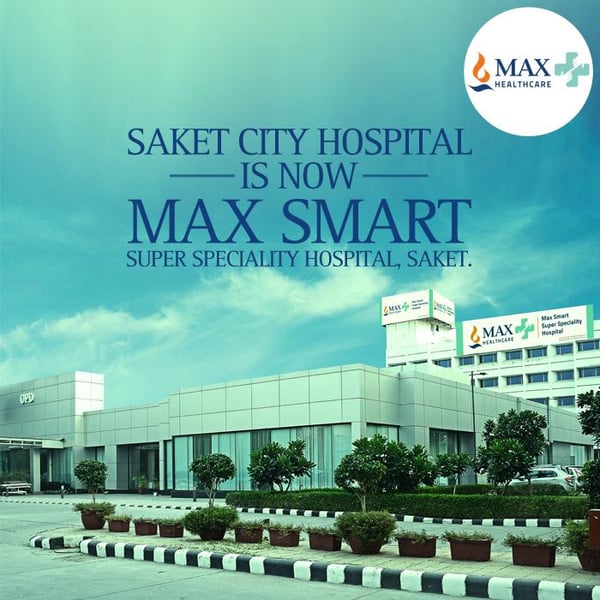
Max Smart Super Specialty Hospital, Saket, New Delhi
Max Smart Super Specialty Hospital, Saket, är ett sjukhus för tertiärvård med 250 bäddar i södra Delhi. Det erbjuder avancerad medicinsk och kirurgisk...
Ackrediteringar
Faciliteter
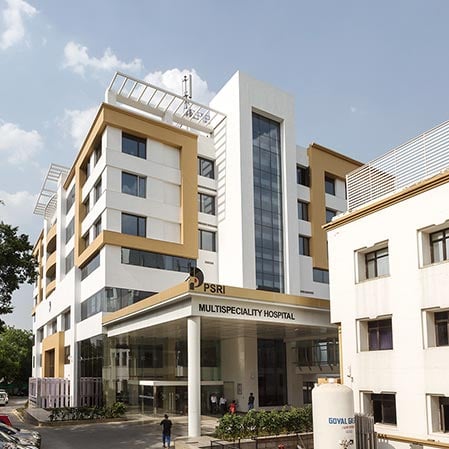
PSRI sjukhus, Delhi
Pushpawati Singhania Research Institute (PSRI Hospital), New Delhi, är ett ledande multi-specialty tertiärvårdssjukhus som grundades 1996 av JK Group....
Ackrediteringar
Faciliteter
Liknande förfaranden
Rekommendationer
Visa alla
Galleri
FAQ


Vår webbplats använder cookies. Sekretesspolicy.